
Champagne Larmandier-Bernier Blanc de Blancs
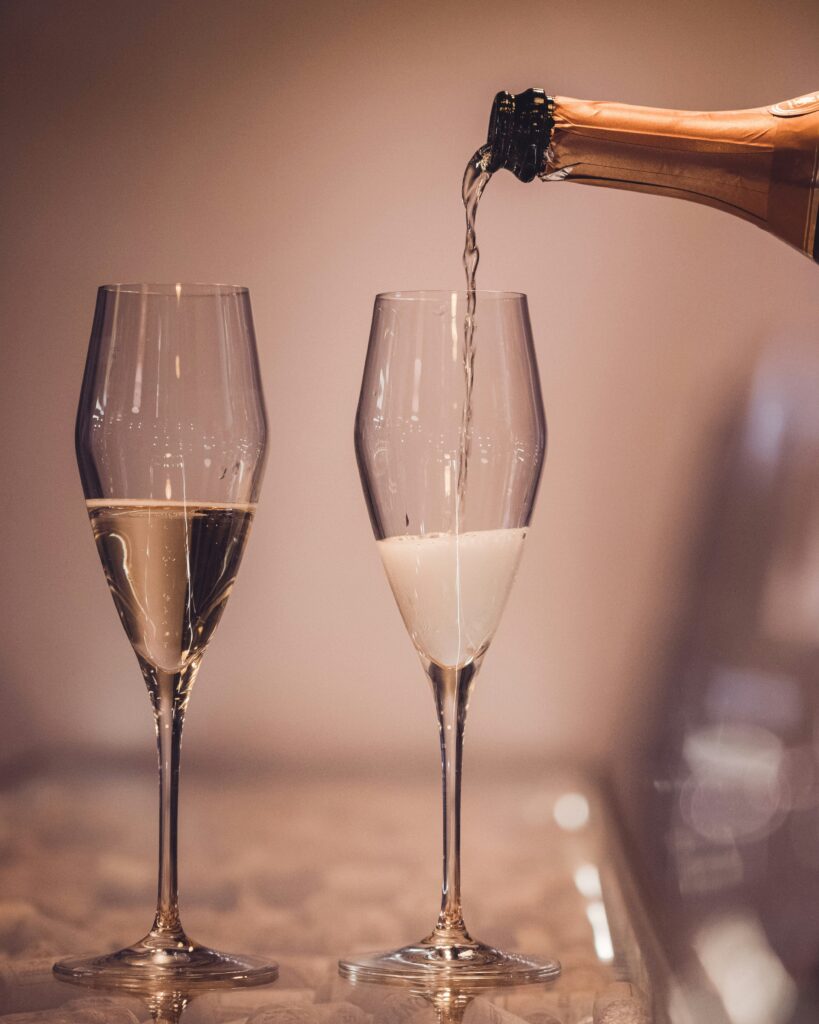
I chilled this incredible growers Champagne Larmandier-Bernier Latitude Blanc de Blanc Extra Brut all afternoon in the ❄️ = time to pop it open and tell you how amazing this wine is. Champagne Larmandier-Bernier are what is called a growers Champagne. That means that they both grow and make their own champagne under their own label. Both the Larmandier and the Bernier families have been involved in winemaking since the French Revolution. The families were joined together in 1971 through the marriage of Philippe Larmandier and Elisabeth Bernier in 1971. The estate is located in the sub-region of Champagne, Côte des Blancs. The estate has been using biodynamic practices for over 20 years. Their old vines/vieilles vignes use zero pesticide, indigenous yeasts and minimum 2 years maturation (with 11 months on the lees) in casks and wooden vats. Their wines are as pure as they can get – no filtering, no fining. Their Champagnes are energy, minerals, fresh and an expression of their terroir. Their wines have little or no dosage. Their Champagnes equate energy, minerals, fresh and an expression of their terroir. Their wines have little or no dosage. The Champagne Larmandier-Bernier Latitude Blanc de Blancs Extra Brut is 100% Chardonnay grapes which all come from the same “Latitude”: the south of Vertus. This non-vintage cuvée contains 40% reserve wines. Each bottle is disgorged by hand 6 months before being marketed. The dosage is only 4 g/l (extra brut!). The win explodes with crisp green apple and pear, tart lemon, peach, blanched almonds, brioche, pastry, biscuit, white blossom and a chalky minerality. Lively high acidity with a creamy mousse, lively bubbles and medium bodied. It’s fresh, elegant and a pleasure to drink. Pair with smoked salmon blinis with chive cream, crostini with whipped cream cheese and caramelized onions, oysters with champagne mignonette or shrimp in garlic cream. Video of chilling Champagne in the snow
Holiday Cookie Wine Pairing
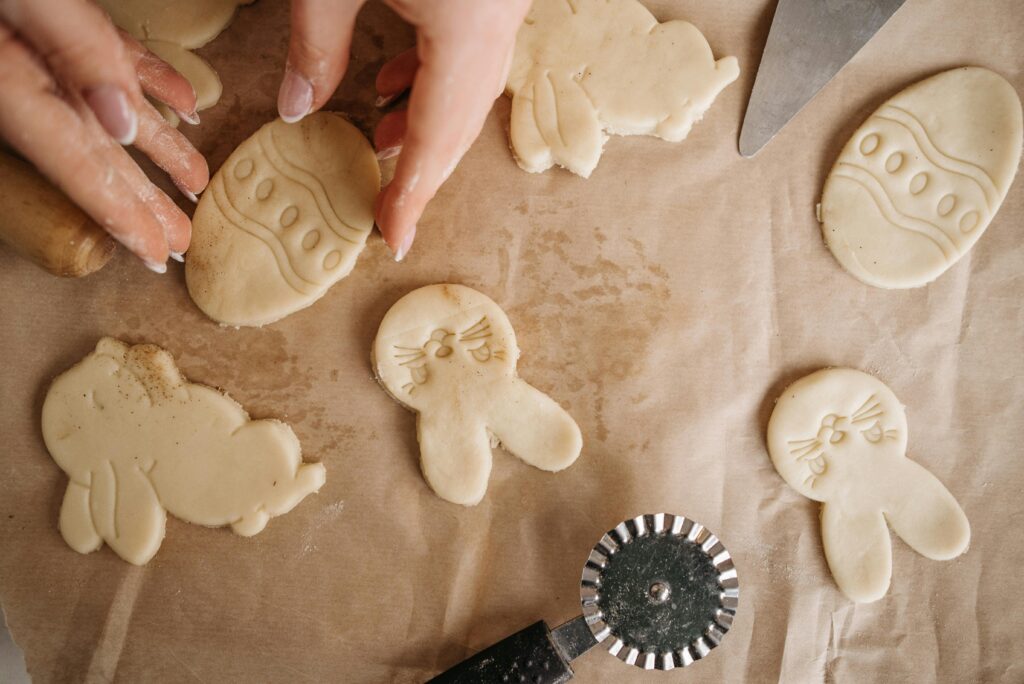
When pairing wine with sweets, there are a few things to consider. As a general rule, the wine should be of equal sweetness of your cookie/dessert Sweet pairs well with salty, spicy and sweet foods Sweet increases the perception of acidity, bitterness of wine and decreases the sweetness, fruit and body of the wine. This means if you were to drink a dry wine with dessert, it will make the wine taste overly tannic, bitter or astringent. Here are a few Holiday Cookie Wine pairings: Chocolate Crinkle Cookies Fortified wines are a classic chocolate pairing – think LBV Port or Banyuls dessert wine. Most people have a Cabernet Sauvignon at home, just be careful that the wine is the same sweetness level as the cookie, it balances the black fruit, vanilla and caramel. White Chocolate Confetti Christmas Cookies Sauternes and Icewine are a wonderful pairing for white chocolate sweetness. Both the chocolate and the wines have a rich mouthfeel and high acid which is why they work so well together. Sugar Cookies Pairing A crisp sparkling wine such as a Brut Champagne or dry Prosecco is light and bubbly which will cut through the creamy, fatty taste of a delicious sugar cookie as well as have textural contrast with the bubbles to cookie. A lighter aromatic wine such as an Albariño, Torrontes, Viognier or Pinot Gris would pair nicely with a sugar cookie. The lighter cookie will be a compliment with a crisp, lively white, the acidity and vanilla of the cookie go nicely with the brown sugar element. Raisin Rugelach Tawny Port is rich in mouthfeel, has the sweetness to hold up to any caramel, baking spice and raisin flavors of this cookie. Shiraz also has dark fruit flavors with a spicy and peppery aftertaste, this is the ultimate “opposites attract” pairing. Gingerbread Cookies The light, fruity flavors of a good off-dry Riesling or a Tokaji dessert wine creates a nice contrast for the bold winter spices spices: cinnamon, cloves, nutmeg and ginger, plus chopped crystallized ginger which enhances the flavors of both cookie and wine. The smooth, slightly oily texture of the wine also contrasts well with the texture of most gingerbreads. Holiday Jam Thumbprint Cookies Pinot Noir is a medium bodied red wine that has tons of red fruit flavors such as raspberry, cranberry, and strawberry so you have some options when baking. The bright, vanilla that come from the oak barrels will complement the not-so-sweet cookie base. This combination is tart and jammy. Shortbread Cookies Chardonnay or Demi-Sec Champagne. The butteriness of the Chardonnay and the acidity, brioche and pastry notes of the Champagne complement as well as highlights the fruitiness of the wine. Eggnog Spritz Cookie Moscato D’Asti Moscato has pronounced peach, orange blossom, fruit cocktail sweetness which will go perfectly with the sweet nutmeg cinnamon and vanilla character of the cookie Dark Chocolate Macadamia Nut Biscotti Vin Santo is a classic Italian cookie pairing. The wine is sweet but still comes off as an acidic dessert wine and easily complements a nutty and crispy biscotti. Let’s not forget Banyuls or LBV Port which are delicious dark chocolate pairings made in heaven. Bourbon Toffee Fleur de Sel Vanilla Fudge Tawny Port is rich in mouthfeel, has the sweetness to hold up to any caramel, baking spice flavors of these sweets. Happy Holidays! Published on The Good Gourmet: Holiday Cookie Pairings
J Wilkes Cabernet Sauvignon 2017
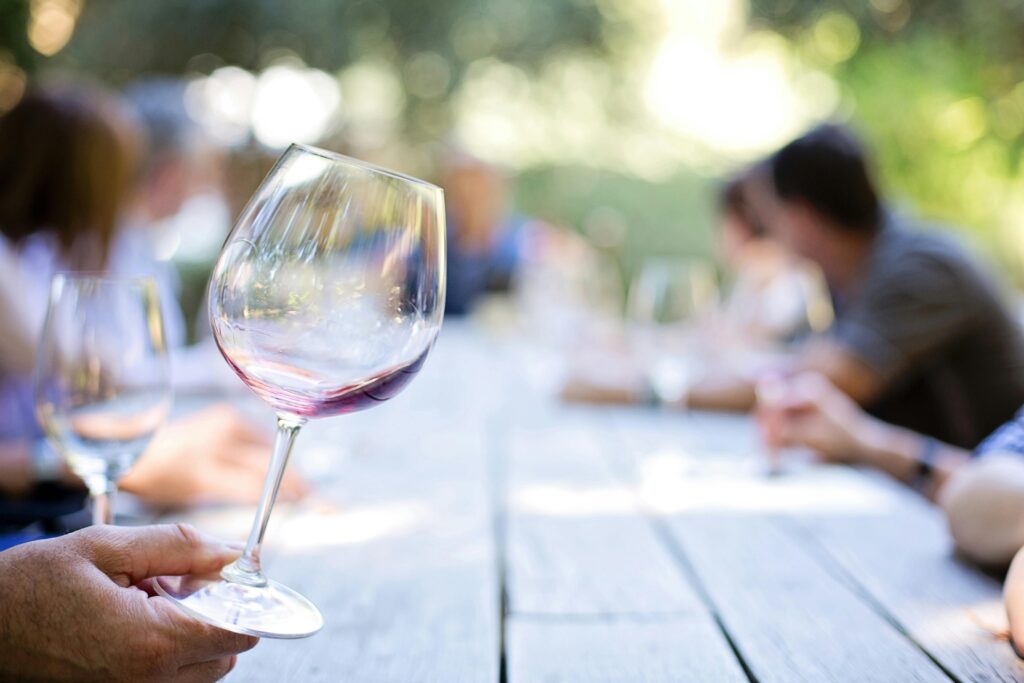
El Paso de Robles (which means Pass of the oak trees) was co-founded by Kentucky outlaws Frank and Jesse James’ uncle Drury around 1869 during the big days gold rush of California. “Paso Robles is still considered by many as the wine industry’s wild west, characterized by that same rule breaking diversity and innovative spirit in which the town was founded.” This AVA is known for big, bold reds. If you are curious, seek out their Cabernet Sauvignon or Bordeaux Blends, Zinfandel, Rhône blends or Italian varietals such as Sangiovese, Nebbiolo and Barbera. All of these thick skinned varieties love the heat, calcareous soils, dryness, elevation and lack of rainfall of this region. These rich, sweet-fruited red wines with a plush mid-palate, high alcohol levels and balanced acidity. The Paso Robles style are richer, fuller and textured ready-drinking Cabernets and Bordeaux blends with flavors of anise, cola, peppercorns, finishing with textured minerality and bright acidity. J Wilkes Cabernet Sauvignon 2017 from Paso Robles – it’s rich, silky and full of soft tannins, flavors of violet, cherry, red plum, red currant, raspberry, dill, smoke, chocolate, vanilla, bramble, licorice and cedar. Pair this wine with sirloin steak tip and zucchini kebabs, grilled lamb burgers or portobello mushroom and sage burgers.
Taylor’s LBV Port
What is LBV Port? LBV is Late Bottle Vintage port that has been aged for 4-6 years before being bottled. Aged in large oak barrels it helps the wines to be approachable and ready to drink upon release to market. Basically the winemakers do all the extra aging and hard work for you so it’s ready to enjoy. Port is made from Touriga Franca, Tinta Roriz, Tinta Barroca, Touriga National and Tinyo Cão black grape varieties that are high in tannin with black fruit and floral qualities. This Taylor Fladgate 2015 LBV is rich with prunes, raisins , vanilla bandied cherry, blackberry ,chocolate ,red plum, raspberry ,violet ,fresh fig ,cinnamon ,nutmeg , pepper and brown sugar . Sweet, rich and well balanced Port. A classic and savory gourmet pairing is Aged Port with Blue Cheese such as Stilton, Roquefort, Gorgonzola and Fourme d’Ambert are the classic, but a well-aged, powerful cheddar can also work well. Sweet pairing – sea salt fudge brownies, raspberry truffles, molten chocolate lava cake or as I paired dark chocolate chip oatmeal cookies.
M. Chapoutier Banyuls Rimage 2017
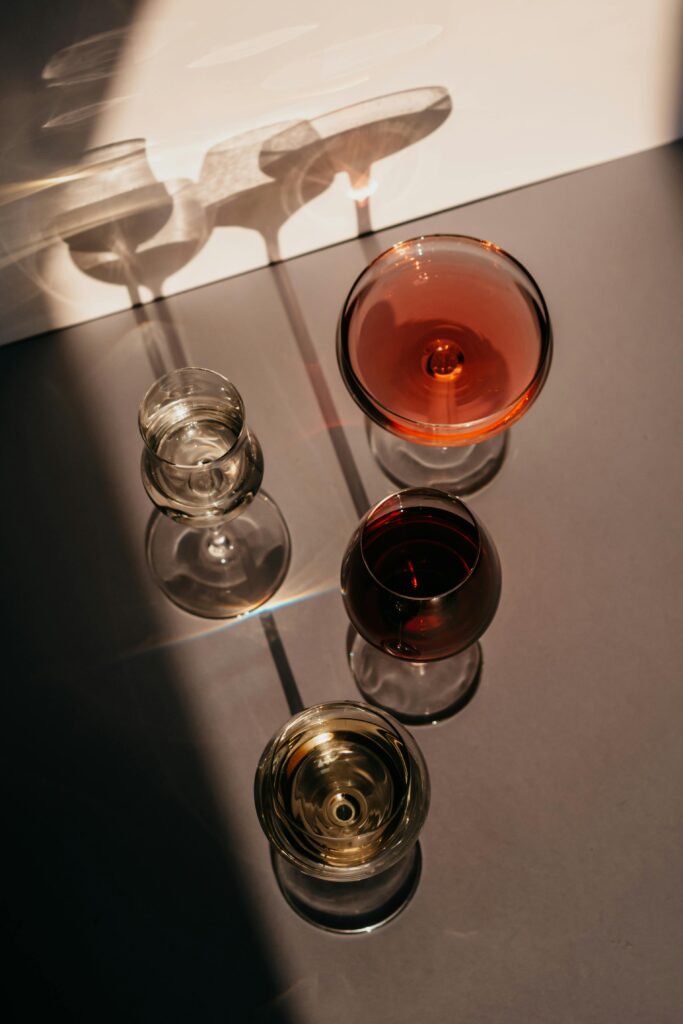
What is Banyuls? Banyuls is a fortified VDN wine (a.k.a Vin Doux Naturel) made primarily of Grenache Noir and/or Grenache Blanc. Grenache Noir is the most common variety in Banyuls and has to be 50% of the blend for red Banyuls (75% for the Grand Cru wines). Generally the vines are old vines, grown on terraced slopes in Roussillon AOC in the South of France that joins Spain. The different wines produced in the region are as follows: Rimage, Traditional, Hors age or Rancio. The Banyuls AOC has strong Tramontane winds, hot Mediterranean sun and relatively low rainfall all contribute to the intensity of the wines. Banyuls wines are made from grapes with higher ripeness and sweetness levels. The reds are fermented and fortified with a neutral spirit while under skin contact which increases the extraction of color, flavor, and tannins. The naturally high levels of grape sugars and fortification of a neutral spirit produces a final alcohol level of minimum 15% abv. The wines are then matured in oak barrels, or outside in glass bottles (Demijohns) exposed to the sun. Post-maturation allows for color and tannin extraction. All Banyuls wines are barrel aged for at least 12 months – 30 months in the case of the Banyuls Grand Cru wines. The Rimage is a wine meant to preserve the fruit and freshness and is bottled 6 to 12 months after harvest then aged. Think of flavors of M. Chapoutier is a leading producer of red, white, rosé, sparkling AND fortified wines in the Languedoc-Roussillon region of France. A producer that he himself grew up amongst the vineyards of the region, continues to create wines that reflect each of the terroirs. M. Chapoutier Banyuls Rimage 2017 Is a deep Ruby color with aromas & flavors of plum jam, red currant, prunes, black cherry, fig compote, violet, rose petals, licorice, mint, chocolate, garigue and leathe . It is medium sweet, medium bodied and alcohol, medium fine-grained tannins and medium acidity. It is a smooth, well integrated and lovely wine. Perfect pairing for dark chocolate – truffles, chocolate mousse tart or double chocolate cupcakes. Savory foods as well such as blue cheese, goat cheese, poached pears with caramel, foie gras, seared duck breast with cherries.
Corn Muffins
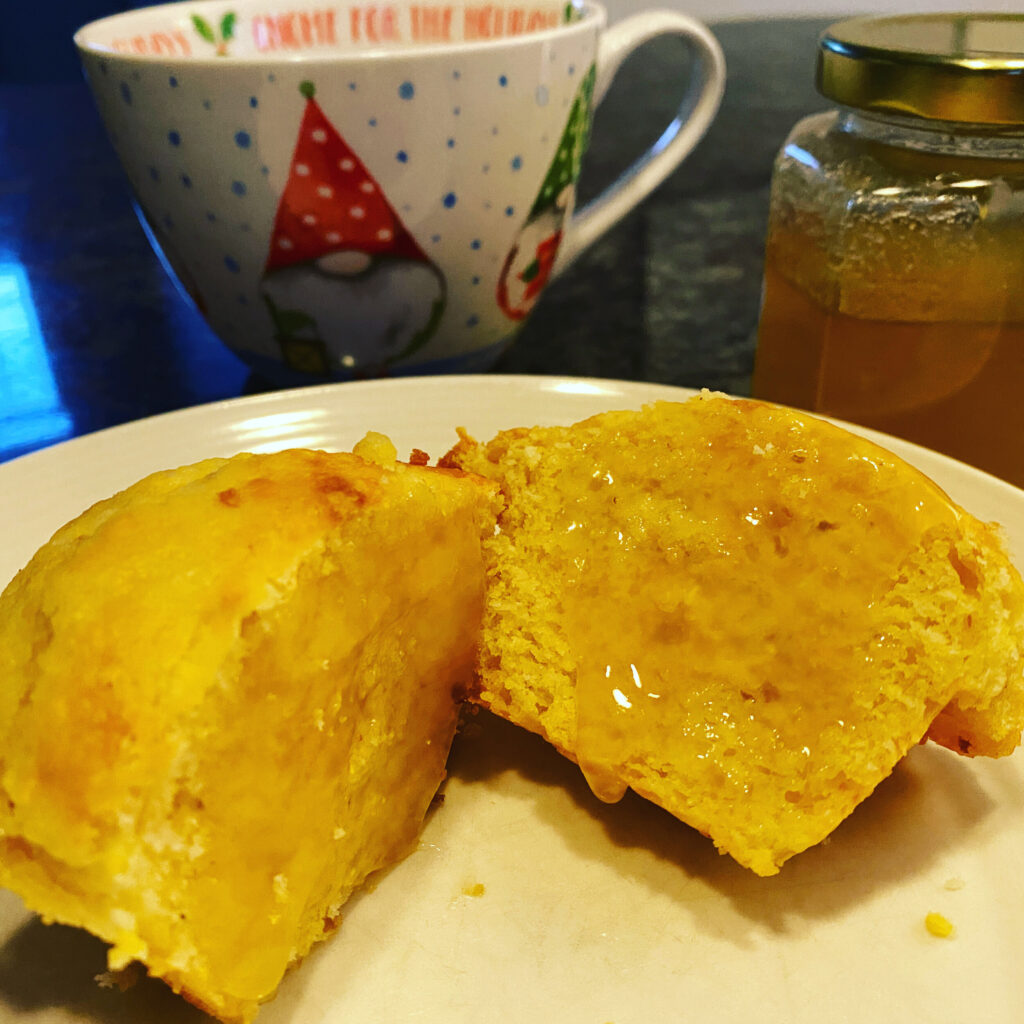
1½ cupsall-purpose flour 1 cup fine-ground, whole-grain yellow cornmeal 1½ tsp baking powder 1 tsp baking soda ½ tsp sea salt ½ cup sugar 2 large eggs ¾ cup sour cream or whole milk greek yogurt 8 tablespoons unsalted butter, melted and cooled ½ cup whole milk Adjust oven rack to middle position and heat oven to 375F degrees. Spray 12-cup muffin tin, including top, with vegetable oil spray. In medium bowl, whisk together flour, cornmeal, baking powder, baking soda, and salt. In large bowl, whisk sugar and eggs until well combined, light-colored, and thick, about 1 minute. Add sour cream, melted butter, and milk and whisk to combine. Add flour mixture and use rubber spatula to gently stir until just combined and no dry flour is visible. Do not overmix.Pour batter into muffin tin cup, using a rubber spatula to scrape batter from measuring cup if needed. Place muffin tin in oven. Bake until muffins are golden brown and toothpick inserted into center of 1 muffin comes out clean, 20 to 25 minutes. Place muffin tin on cooling rack and let muffins cool in muffin tin for 15 minutes. Using your fingertips, gently wiggle muffins to loosen from muffin tin and transfer directly to cooling rack. Let muffins cool for at least 10 minutes before serving. Makes 12 muffins Recipe courtesy of ATK Cookbook
Gewürztraminer

Gewürztraminer is an intensely aromatic wine. FACT: one of the 18 Classic Noble Grapes. It is low acidity, full bodied, oily texture and low to medium alcohol (varies depending on the style and where it’s grown). The grapes skins are light pink which gives the wine a light golden color. Super undervalued, many great examples under $20! Sweet aromatics of lychee, rose petals, red grapefruit, tangerine, pineapple, peach, apricot, orange blossom, cantaloupe, honey, ginger, allspice, cinnamon. Where? It finds its home mainly in Alsace, France; Austria, Germany, Italy (Alro Adige), USA (California and Washington), Australia, New Zealand, Ukraine, Hungary. Gewürztraminer can be found in dry, off dry versions to to top quality sweet Alsatian Gewürztraminer “Vendange Tardive’ (a.k.a. ‘late harvest’). Ideal pairing for Indian and Moroccan Cuisines. P. J. Valckenberg Gewürztraminer 2018 from Pfalz, Germany: Aromas of orange blossom, lychee, peach, pear, apple, grapefruit, wet stone. Palate is off dry, medium- acid, low alcohol, medium body, creamy texture. Just delicious with Butter Chicken.
Butter Chicken (Murgh Makhani)

4 tablespoons unsalted butter, cut into 4 pieces and chilled, divided 1 onion, chopped fine 4 garlic cloves, minced 4 teaspoons grated fresh ginger 1 tablespoon garam masala 1 teaspoon ground coriander ½ teaspoon ground cumin ½ teaspoon pepper 1 ½ cups water ½ cup tomato paste 1 tablespoon sugar 2 teaspoons sea salt, divided 1 cup heavy cream 2 1/2 pounds boneless, skinless chicken thighs or chicken breasts, trimmed ½ cup plain Greek yogurt 3 tablespoons chopped fresh cilantro, divided Optional: 1 serrano chile, stemmed, seeded, and minced ( if you don’t want the dish spicy) Melt 2 tablespoons butter in large saucepan over medium heat. Add onion, garlic, ginger, and serrano and cook, stirring frequently, until mixture is softened and onion begins to brown, 8 to 10 minutes. Add garam masala, coriander, cumin, and pepper and cook, stirring frequently, until fragrant, about 3 minutes. Add water and tomato paste and whisk until no lumps of tomato paste remain. Add sugar and 1 teaspoon salt and bring to boil. Off heat, stir in cream. Using immersion blender or blender, process until smooth, 30 to 60 seconds. Return sauce to simmer over medium heat and whisk in remaining 2 tablespoons butter. Remove saucepan from heat and cover to keep warm. (Sauce can be refrigerated for up to 4 days; gently reheat sauce before adding hot chicken.) Adjust oven rack 6 inches from broiler element and heat broiler. Combine chicken, yogurt, and remaining 1 teaspoon salt in bowl and toss well to coat. Using tongs, transfer chicken to wire rack set in aluminum foil—lined rimmed baking sheet. Broil until chicken is evenly charred on both sides and registers 175 degrees, 16 to 20 minutes, flipping chicken halfway through broiling. Let chicken rest for 5 minutes. While chicken rests, warm sauce over medium-low heat. Cut chicken into ¾-inch chunks and stir into sauce. Stir in 2 tablespoons cilantro and season with salt to taste. Transfer to serving dish, sprinkle with remaining 1 tablespoon cilantro, and serve. Serves 4-6 Pair with an aromatic wine such as Gewürztraminer Recipe courtesy of Cook’s Illustrated
Madeira 101
Madeira came about quite by accident. It began in the 1600’s – wine often spoiled over long voyages by sea and needed to be fortified (by adding a little brandy) to survive the long trip. At the time, the island of Madeira ( which is part of Portugal) was key port for voyages to the Americas and the East Indies. The casks of Madeira wine would be heated onboard the ships and cooled as the ships passed through the tropics. Shippers noticed how the wine’s flavor deepened and became better and called this sea-aging. That’s how the process of making Madeira came to be, called “Madeirisation” meaning aged under extreme heat. Madeira is a subtropical island located 500km off the coast of Morocco, with rich volcanic soils, super steep slopes which can only be harvested by hand. To irrigate water was historically captured from the highest parts of the island (around 1800m) and channeled through the man-made canals called “levadas” – many of which date back to the 16th century. Interesting Fact: Did you know that Madeira was poured during Thomas Jefferson’s toast at the signing of the Declaration of Independence in 1776, or that it was savored at the inauguration of George Washington shortly thereafter? Madeira is a fortified wine made in a range of styles from dry to sweet. It’s sold as either Extra Dry, Dry, Medium Dry, Medium Sweet or Sweet, all of which are marked by their high levels of acidity. Often times there is an overlap of categories of sweetness by producers. There are 6 noble allowed varietals for high quality Madeira – Sercial, Verdelho, Boal, Malvasia, Terrantez and Tina Negra. Varietal Madeira represents the highest quality Madeira wine, perfect for aperitifs or dessert wines. These wines are made as both non-vintage blends and single vintage wines that can age for centuries due to Madeira’s unique winemaking process. Further Madeira categories are Madeira with Age Indicator, Standard Blends, Rainwater, Frasqueira and Colheita. The Maderisation is what creates this unique style of wine through heat and oxidation. It develops the brown color, high acid, tertiary flavors. There are 2 forms of maturation of Madeira – canteiro and estufagem. Estufagem heats the wines quickly in large stainless steel tanks for a minimum of 3 months, then are quickly cooled and oxidized for a period of 6-12 months.. Canteiro is a longer ageing process for higher quality wines. The wines are in large old oak barrels (400-700L) with little headspace, left in a warm warehouse exposed to the sun and heat. The high humidity helps raise the alcohol %, concentrates the sugars, acids and aromas in the wines. You will find younger wines in the warmest areas and then moved to cooler areas for longer, slower ageing. Blending happens after the ageing and usually are non-vintage because they blend different vintages, vineyard locations etc to ensure consistency in the product. Flavors of Madeira will range by style but the key flavors are Caramel, Walnut Oil, Peach, Hazelnut, Orange Peel, and Burnt Sugar. Pair with sheep’s milk cheeses, hard and crumbly cheeses such as Aged Cheddar, foie gras, chicken with cream sauce, chestnut soup, beef Wellington. The high acidity makes it such a great food pairing for any rich sauces, cheeses or high fat dishes – it cuts right through the richness.
La Gitana Amontillado
Amontillado is a dry sherry made from the Palomino grape that have been both biological and oxidative ageing process ( see Sherry 101 for more details). This type of sherry starts as a young Fino Sherry, is refortified to 17% abv which kills the flor and undergoes maturation into an Amontillado Solera System. Amontillado Sherry is slightly bolder, nutty style in between Fino and Oloroso. Amontillados are a tawny brown color, due to extended contact with air inside the solera barrels. These lower acid wines have flavors of saline, nuttiness, sautéed mushrooms and a richness best described as umami. Usually about 18% abv, perfect pairings include medium-bodied soups or flavorfully sauced white meats like pork, pheasant or rabbit. La Gitana Amontillado is a medium amber color with medium intensity of walnut, lemon, bruised apple, flor yeast, fennel, caramel, roasted walnut, almond, raisin, sultana, tomato leaf, straw, praline pecan, butterscotch, toffee. The palate is dry, low acidity, medium alcohol, medium+ intensity of walnut, lemon, bruised apple, flor yeast, fennel, caramel, roasted walnut, almond, raisin, sultana, tomato leaf, straw, praline pecan, butterscotch, toffee.