
There’s a moment, just before guests walk in, when the room feels quietly ready. The glasses are set. The wines have already been opened and tasted more than once. Somewhere nearby, the chef is finishing a dish chosen not only because it would taste good with the wine, but because it would help the wine show a little more of itself.
None of it happens by chance, and none of it happens quickly.
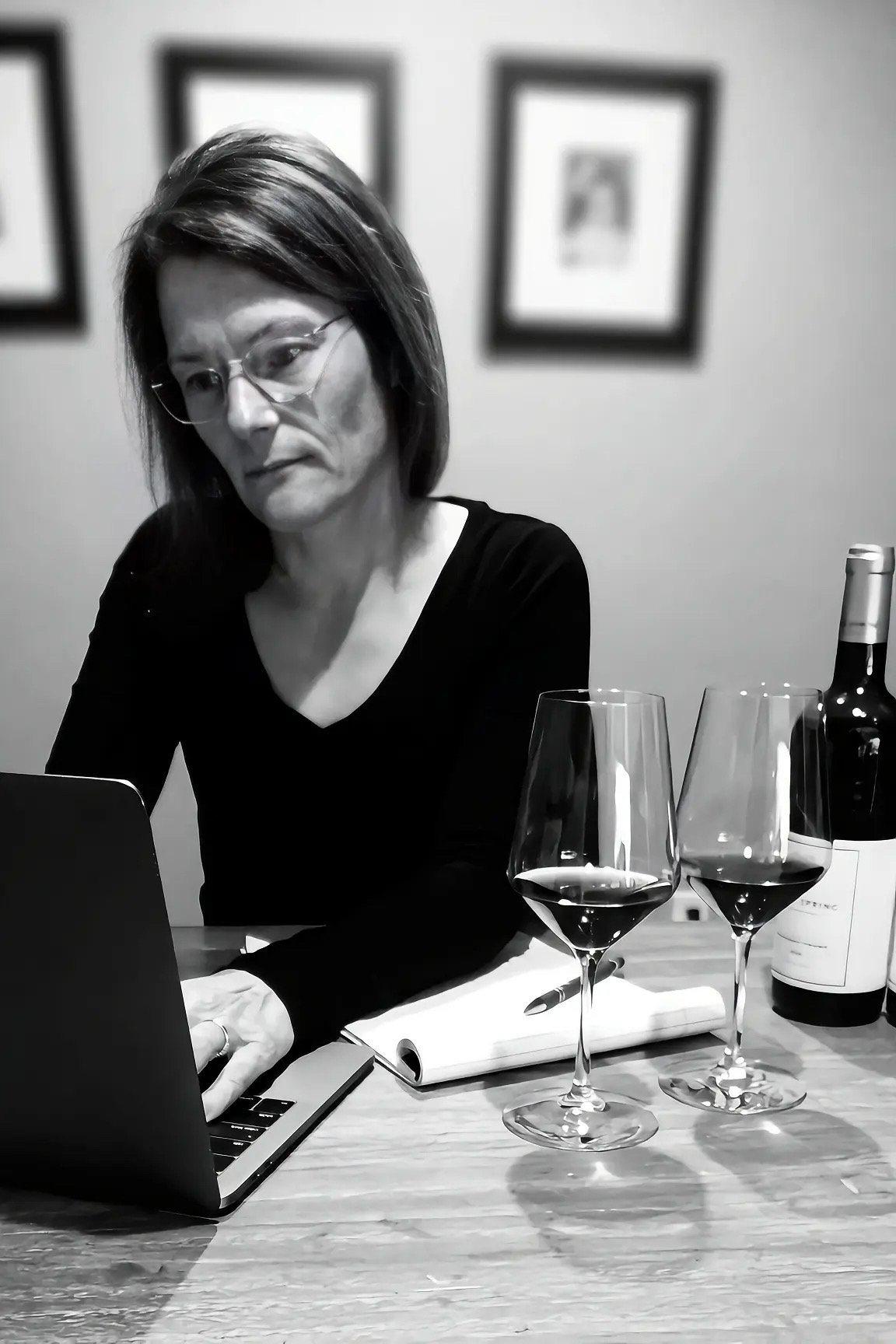
When I put together an evening that brings wine, glassware, and food together, it usually takes longer than people expect. It begins with research—looking into glass shapes and volumes, reading about how a particular wine tends to behave, and then setting up side-by-side tastings of the same bottle in three or four different glasses. I take notes, step away, come back, and taste again. Some evenings I realize a wine that seemed promising on paper needs to be replaced. Other times a glass I was sure would work doesn’t, and the process starts over. Those hours of quiet tasting and reflection add up. They are not dramatic, but they are necessary if the wine is going to have a chance to show who it really is.
The same measured pace applies to the food. Conversations with the chef and team are rarely settled in one sitting. We talk about texture, temperature, and acidity, then taste together, adjust, and taste again. A bright white might need the right amount of citrus or fat to keep its energy lively. A structured red might ask for a dish that echoes its depth without competing. Finding that balance takes time—sometimes several tries—until the combination feels right, not merely pleasant.
I do this work because I love it. When you care deeply about the details, the hours spent researching, tasting, and rethinking don’t feel like work. They feel like listening. Still, I know that from the outside, the finished evening can look effortless. Guests see the glasses in place and the first pour. They don’t see the earlier evenings of notes, the second and third tastings, or the quiet decisions that shaped the table. That gap is understandable, yet it matters. Time lets each wine stand on its own and gives creativity room to emerge.
What I hope people notice is a little spark of curiosity. When a wine arrives in a glass they weren’t expecting, they often pause—the kind that makes someone look again and wonder, “Wait, this is different.” That pause is useful. It invites people to slow down, smell again after the first sip, and realize the wine shows something specific about who it is. The food then joins the same conversation. Together they create a sequence that feels more complete than any single element would on its own.
Most of the preparation stays invisible once the evening begins. That invisibility is part of why people underestimate the time investment. The research, the reflection, and the creative adjustments are quiet by nature. Yet every carefully chosen glass and every refined pairing comes from those hours. When you love the work, the time feels worthwhile—even necessary. In the evening, all that quiet preparation becomes something people can taste, notice, and remember.
Afterward, I write about these evenings because the moments feel unfinished until they’re shared. Whether I’m hosting or simply there as a guest, the experience continues when I put it into words. A particular aroma that suddenly made sense once the food arrived, a glass that shifted the entire impression of a wine, a conversation that started because someone noticed something unexpected—these are the details that stay. Writing them down is a way of keeping the table open a little longer, so others can sit with the same questions and small discoveries—and, perhaps, understand a little more of the time and care that went into creating them.