
Campania Stories: Initial Sips — Campi Flegrei & Irpinia
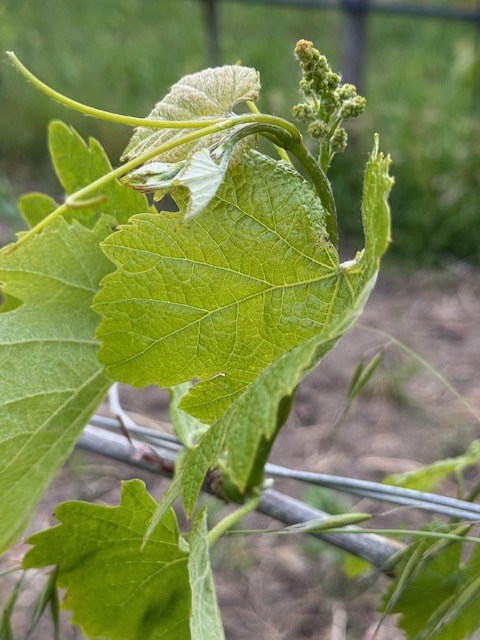
Campania Stories: Volcanic Soul, Mountain Tension & the Wines That Refuse to Be Forgotten Giorno 0 to 1— Campi Flegrei & Irpinia Salvatore Martusciello • Tenuta Cavalier Pepe • Donnachiara Campania does not ease you in gently. It grabs hold of your senses immediately — volcanic smoke in the air, salty Mediterranean breezes, mountain tension in the wines and conversations that stretch long past the final glass. This is not a region of quiet wines. Or quiet people. Campania Stories began the moment the plane touched down in Naples, where Salvatore and Gilda welcomed us not with formality, but with the warmth that instantly turns travel into something personal. Within moments, we were standing at the Solfatara crater in Campi Flegrei, surrounded by black volcanic earth and steam rising from the ground beneath our feet. And suddenly, everything made sense. This is where the wines begin. Not in the cellar. Not in the glass. But in the tension between volcano and sea. Salvatore Martusciello: Wines With Salt in Their Veins At the Salvatore Martusciello winery in Pozzuoli, the family’s role in shaping Campi Flegrei became immediately clear. Salvatore’s father helped establish the DOC in the 1990s, while his uncle Genaro identified Falanghina clones and created what remains one of the region’s defining viticultural references. The vineyards themselves feel wild and alive — ancient Alberata pergolas climbing skyward, wild chamomile lining the rows and some vines still untouched by phylloxera. And you can taste that energy in every glass. The wines moved between electric freshness and volcanic depth: Asprinio bursting with citrus and razor acidity; Falanghina layered with crushed stone, salinity and smoky aged complexity; Piedirosso vibrant with red fruit and coastal freshness. Then came OttoUvo Frizzante Gragnano — fizzy, joyful and unapologetically Neapolitan. “The most beloved iconic wine of the Neapolitan people,” Salvatore called it with a smile. At one point, I asked him what his favorite vintage was. “The next one.” That answer captured the spirit of Campania perfectly. No chasing trends. No imitation. Just wines deeply rooted in place and identity. Dinner among the tanks with Gilda’s homemade timbalo di Nerano, the buffalo mozzarella alongside the estate’s rustic cuisine, grounding the wines even further into place and tradition, the warm sfogliatella transformed the tasting into something even more personal. The wines opened further around the table, revealing Campania not simply as a wine region, but as a way of living. Into the Mountains: Tenuta Cavalier Pepe The following morning, the landscape shifted dramatically as we climbed into Irpinia. More altitude. More silence. More tension. Tenuta Cavalier Pepe unfolded across steep hillsides where cool nights preserve freshness and precision in every grape. Walking the vineyards with Milena Pepe, it became clear that everything here is built around stewardship — hand harvesting, massale selection and allowing the land itself to shape the wines. Milena structured the tasting vertically, revealing how beautifully Irpinia’s wines evolve with time. The Fiano di Avellino wines moved from fresh acacia and citrus into layers of roasted nuts, petrol, honey and salted depth with age. The older vintages carried remarkable energy and proved exactly why Fiano deserves to stand among Italy’s greatest white wines. The Greco di Tufo Riserva wines showed a sharper, more volcanic personality — smoky, savory and intensely mineral. Then came Taurasi. Young vintages carried vivid cherry and chalky tannins, while older bottles unfolded into leather, dried herbs, licorice and savory complexity. The 2011 La Loggia di Cavaliere Taurasi Riserva lingered long after the final sip — dried cherry, violets, leather and fine tannins stretched endlessly across the palate. Hauntingly beautiful. Throughout the tasting, one thing remained constant: Minerality and sapidity slicing through the wines, making you crave food immediately. These are wines built for long lunches, slow conversations and crowded tables. Turn the Page: Donnachiara Irpinia has a way of slowing you down. After the volcanic intensity of Campi Flegrei, arriving at Donnachiara in Montefalcione felt quieter, more introspective somehow. Perched at 400 metres above sea level, surrounded by chunky clay and fractured rock soils, Donnachiara has become one of the defining modern voices of Irpinia through organic farming, native varieties and wines rooted deeply in place. Named after Ilaria Petitto’s great-grandmother, the winery feels deeply personal from the moment you arrive. Ilaria describes her wines simply: “Elegant. Not banal. Wines that need time to show themselves.” That philosophy is everywhere here. Nothing is loud. Nothing is rushed. The wines unfold slowly and confidently, much like Irpinia itself. Alongside winemaker Marco Giulioli, Donnachiara vinifies entirely in stainless steel, allowing the purity of the terroir to remain untouched. The Fiano wines were mesmerizing — moving from fresh pear and white florals in youth into chamomile, honey, petrol, dried herbs and smoky complexity with age. The older Esoterica vintages carried extraordinary tension and depth, proving just how beautifully Fiano can evolve over time. The Greco wines leaned more volcanic and structured, layering smoke, spice, dried herbs and electric acidity into wines that demanded attention rather than easy charm. Then came Taurasi — elegant rather than overpowering, focused on finesse and purity of fruit rather than sheer weight. The older vintages unfolded into leather, balsamic herbs and lifted savory complexity, while the 2006 stood out for its remarkable elegance and freshness. What stayed with me most after this first day of Campania Stories was not simply the quality of the wines. It was the connection between landscape, people and glass. From the volcanic soul of Campi Flegrei to the mountain tension of Irpinia, every wine carried the unmistakable fingerprint of Campania itself. The afternoon shifted gears to the Reggia di Caserta: marble corridors, gardens unfolding like a map of the region, then the Sala Romanelli filling with voices at the opening conference. Over a light dinner curated by the Consorzio VITICA, introductions deepened into plans — collaborations forming as easily as smiles. And this was only Giorno 0-1! Day 2 would take us even deeper into the soul of southern Italy.
Virtually Celebrating 20 Harvests at Argentiera: A Journey into Bolgheri’s Coastal Soul
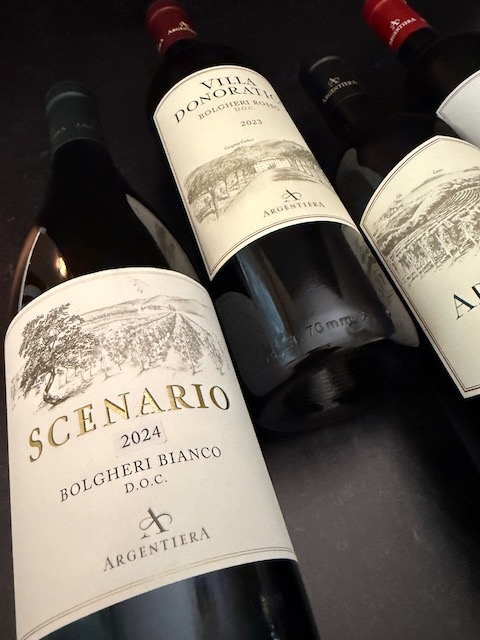
We recently sat down with Nicolò Carrara—who’s been part of the Argentiera family since 2009—to raise a glass to a milestone that feels quietly triumphant: their 20th harvest. You can still hear the awe in his voice when he talks about the place. “This is such a wonderful place to make wines and express the beauty of this place,” he told us, and that sentiment threads through everything at Argentiera: the land, the team, and the wines themselves. Argentiera sits in the heart of the Bolgheri DOC—just one kilometer from the Tyrrhenian Sea, with a protective forest hugging its back slopes. The vineyards step upward from flat coastal terrain to roughly 200 meters above sea level. That incline creates a patchwork of soils—sand, clay, limestone, schist—each plot offering a different voice. “We have treasures of different soils,” Nicolò told us, and you taste that variety across the range. The constant sea breeze is a silent collaborator: cooling, drying, and contributing a saline lift that keeps wines fresh and aromatic. It also makes organic and low-intervention practices more feasible. You don’t need to impose a heavy hand when the site gives you balance to begin with. People First: A Big Family with Deep Roots“What we are is a big family,” Nicolò said, smiling. Argentiera manages about 85 hectares and employs roughly 80 people—many of them long-tenured. That human continuity is more than folklore; it’s the practical foundation for consistency. Hands that know the exact timing for canopy work, the subtle indicators of vine stress, and the micro-variations in each row help produce grapes that are true to their plot year after year. There’s pride in those relationships, and it shows in how they talk about the vines. Conversations with the team are collaborative rather than hierarchical. That shared stewardship is part of why the wines feel steady, precise, and personal. Winemaking: Minimal Intervention, Maximum ListeningArgentiera’s cellar is the opposite of dogmatic. The guiding principle here is to listen—to the fruit, to the vintage, and to the character of each plot—and then choose the most suitable tools. “We don’t want a stamp of method,” Nicolò explained. “We want to be flexible as possible to express the beauty of this place.” What that looks like in practice: An Evolution, Not a RevolutionArgentiera’s style has shifted over the years. Early vintages leaned toward a Napa/Bordeaux-inspired profile, with more prominent new oak. The transition since 2012 has been gradual and intentional: less desire to stamp the wines with a universal house signature, more care in letting terroir and vintage dictate form. “We started with a certain idea,” Nicolò admitted, “and then we listened to the vineyards.” That listening extends to how they confront climate realities. Instead of fundamentally changing the blend or chasing riper, higher-alcohol profiles, their response has been precise vineyard management—canopy control, timing of harvest, and careful pick decisions. The payoff has been wines that maintain ripeness but with lower alcohols and fresher profiles. On top of that, they’re quietly experimenting with Mediterranean white varieties not yet authorized by the DOC—an adaptive, forward-looking move that underscores their pragmatic but curious spirit. Highlights from the 20th Harvest: Wines to Look ForWe tasted through the latest releases and came away impressed by how varied yet coherent the lineup feels—each wine reflecting a distinct plot and purpose. The Human Touch: Stories Behind the BottlesBeyond technique, what stood out in our conversation was how much Argentiera values storytelling through wine. Nicolò shared small moments—harvest mornings when the fog lifts off the sea, a team member pointing out a patch of old vines, the quiet satisfaction of a fermentation that unfolded exactly as hoped. These are the human details that make the wines feel lived-in rather than designed on a spreadsheet. There’s also humility. When speaking about experiments with new varieties or different vessels, Nicolò is pragmatic: “We try, and we listen. Sometimes it works, sometimes it teaches us more than success ever could.” That attitude—curious, unpretentious, and rooted in craft—shines in every bottle.Twenty harvests have given Argentiera the vocabulary to speak fluently about its place. The estate’s evolution isn’t a reinvention; it’s the slow honing of an approach that prioritizes site, people, and nuance over a fashionable house style. The wines from this milestone vintage range from immediate and joyous (Poggio ai Ginepri) to serious and contemplative (Villa Donoratico, Argentiera), with Scenario offering a refined white that captures the estate’s coastal freshness. If you visit—or taste these releases—you’ll feel the human thread: a team that cares deeply for the land, a winemaker who listens before he acts, and a place shaped by sea and forest. These are wines to enjoy now for their charm, and to cellar for the way they promise to evolve. For collectors and newcomers alike, Argentiera’s 20th harvest is a warm invitation to experience Bolgheri’s coastal soul—personal, precise, and undeniably expressive.
VinItaly By Night
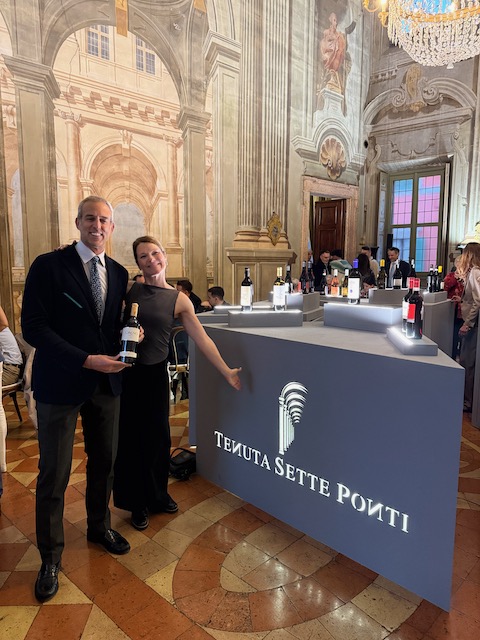
Verona nights, Tuscan soul.During the Vinitaly marathon I was treated to two unforgettable evenings: a Big Bottle Social dinner hosted by Tenuta Sette Ponti at the frescoed Palazzo Verità Poeta, followed by an intimate industry gathering — Chianti Lovers & Rosso Morellino — at AMO Bistrot, hosted by IEEM USA. Both events fused impeccable wine, inspired food pairings, and that ineffable Italian energy. Palazzo Verità Poeta’s frescoed salons and ornate ceilings feel like stepping into a living masterpiece: once the urban residence of the Verità Poeta family, the palazzo evolved from Renaissance elegance to Baroque splendor and has been lovingly restored to host concerts, exhibitions and intimate private events. For Tenuta Sette Ponti’s Big Bottle Social Night the rooms shimmered under gilded cornices as giant bottles gleamed on illuminated plinths, while murmurs of conversation and the clink of glasses echoed through frescoed vaults—history and hedonism entwined, making every taste of wine feel like a discovery suspended in time. Hosts Antonio and Alberto Moretti Cuseri — father and son — presided with warm hospitality, embodying Tenuta Sette Ponti’s ethos of handmade luxury. Tenuta Sette Ponti (Valdarno di Sopra DOC) and Orma (Bolgheri) provided the backbone of the tasting, supported by their wider portfolio: Poggio al Lupo (Maremma) with bold, Mediterranean reds and coastal lift; Feudo Macarri (Noto, Sicily) delivering sun-soaked Nero d’Avola and expressive island whites; Animaetna (Etna, Sicily) offering mineral-driven, volcanic reds and crisp high-altitude whites; and the flagship Sette Ponti bottlings that balance power with finesse. Together the estates showcased the family’s terroir-driven range across Tuscany and Sicily. Big Bottle Tasting highlights: A night for Chianti lovers featuring wines from Chianti & Morellino, the evening was equally compelling through thoughtful, perfectly paired bites elevated every glass; bottles flowed, conversations buzzed, and the rooms pulsed with passion for Tuscan terroir. Tuscany stole the show — and Morellino was my happy star of the night. Chianti Classico (Sangiovese-led) ranges from fresh, floral giovane bottlings with cherry and tomato leaf brightness to more structured Classico and Superiore expressions that layer ripe red fruit, dried herbs, leather and savory spice over firmer tannins and brighter acidity; Riserva bottlings show extended oak and bottle aging, adding tobacco, cedar, earth and long, refined finishes ideal for roasted meats and aged cheeses. Rosso Morellino di Scansano, by contrast, leans toward the sun-warmed, coastal side of Sangiovese: exuberant bright red cherry, ripe plum, Mediterranean herbs and a plush, silky palate, often showing softer tannins and a juicy, fresh immediate appeal. Winemaking choices (shorter maceration, judicious oak or amphora) can push Morellino from bright and fruity to more textured, savory versions with spice and smoky nuances — which is exactly what made the Morellino at AMO Bistrot the night’s standout for me: fresh, vividly fruity, effortlessly drinkable yet complex enough to linger with every bite. Every pour told a story of sun-drenched vineyards, coastal breezes and generations of winemaking — if this is what Tuscany tastes like, I’m already planning my next glass.
Petit Caro – Mendoza’s Playful Powerhouse
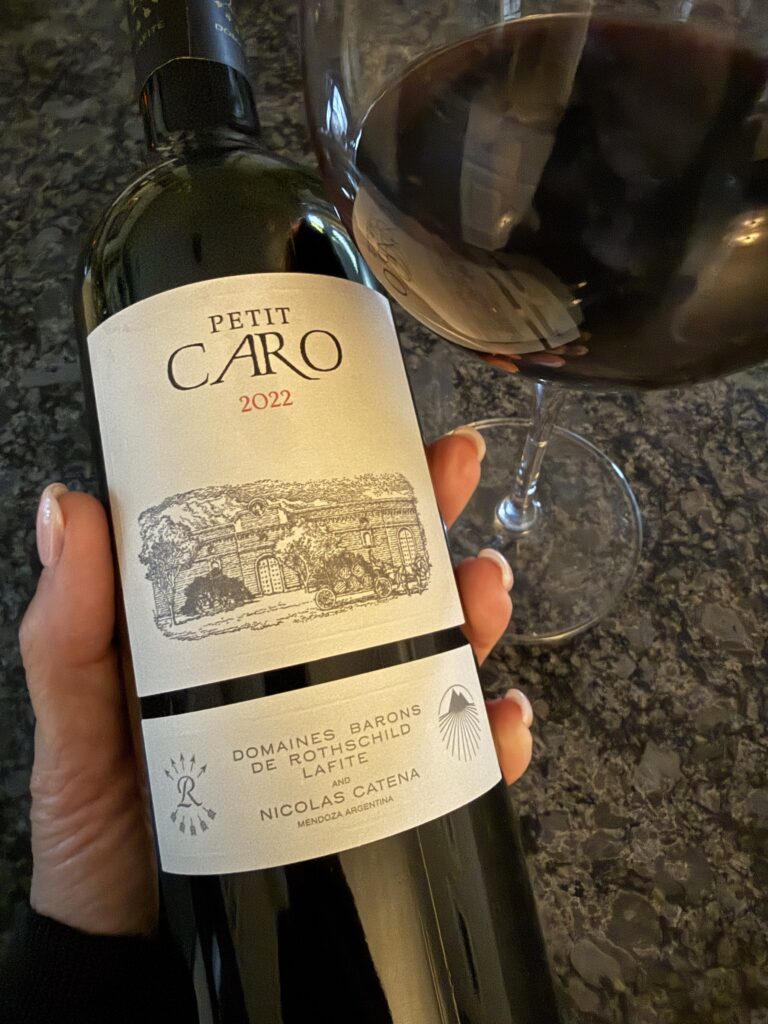
Petit Caro is a playful love letter to Franco‑Argentine winemaking: Bodegas CARO (founded 1999) is the joint venture where Domaines Barons de Rothschild (Lafite) meets the Catena family to marry Bordeaux Cabernet know‑how with Argentina’s high‑altitude Malbec magic. Housed in a lovingly restored 1884 winery in Mendoza, the project launched its flagship CARO in 2000 and introduced Petit Caro as the friendly, fruit‑forward sibling. The name says it all — Ca (Catena) + Ro (Rothschild) — a tidy little shout‑out to two storied families. Vine sourcing spans Mendoza’s marquee districts — Luján de Cuyo (Agrelo), Altamira, La Consulta and the Uco Valley (Tupungato, Gualtallary) — so you get concentrated, altitude‑driven fruit that Lafite’s blending discipline and Catena’s vineyard savvy shape into wines with Old‑World structure and New‑World exuberance. On a personal note, I visited the restored CARO bodega in September 2025 and left grinning. Touring the cellars, wandering through the photography exhibit, tasting with the winemaker and stepping into the 3D grapevine installation in the cellars was pure sensory fun. The month’s photography exhibit, “Terroir & Light,” used stark monochrome and warm color studies to dramatize sun, soil and human touch in the vineyards — evocative, thoughtful and unexpectedly moving. The 1884 building itself anchors the modern project in history while making the whole experience feel theatrical in the best way. A blend 62% Malbec, 35% Cabernet Sauvignon and 3% Cabernet Franc. The vintage was dry and easy‑going: early bud break in October, flowering in late November, and Uco Valley harvest between March 21 and April 7. Grapes are hand‑harvested and sorted; fermentation happens in stainless steel with gentle pumping‑over to coax color and ripe tannin without harshness. The wine spends 12 months aging — half in French oak barrels and half in concrete vats — an approach that gives texture and subtle oak spice while keeping fruit purity front and center. In the glass Petit Caro is a deep red with violet highlights that catch the light. The nose is generous and layered: ripe red cherry and plum up front, bright blackcurrant and a syrupy fig note, then a sweep of baking spice, crushed herbs and a graphite thread that keeps things lively. The palate is broadly appealing — round and plush at first, then brightened by lively acidity; soft, polished tannins lend structure without grabbing the tongue. Flavors echo the nose (red fruit, blackcurrant, fig) and build into a cocoa‑tinged, slightly savory finish with a whisper of cedar and warm spice. It’s immediately enjoyable but has enough backbone for short‑term cellaring and for pairing with food. And oh, the pairings — Petit Caro practically begs for empanadas. Beef empanadas flecked with smoked paprika, cumin and sautéed onion are a classic match: the wine’s dark fruit and savory thread mirror the meat while acidity cuts the fat and refreshes the palate. Chimichurri chicken empanadas are a bright, herbaceous partner — the wine’s lift and midpalate flesh complement the parsley, garlic and acid in the sauce. Cheese and caramelized‑onion empanadas are a cozy, indulgent match: the wine’s cocoa/ oak whisper and soft tannins play beautifully with sweet onion and melted cheese. For spicy fillings (think a hot pepper chimichurri or spicy beef), chill the bottle slightly (55–60°F) to soothe heat and let the fruit sing. Beyond empanadas, Petit Caro is charming with holiday ham — the wine’s gentle sweetness and savory backbone balance salty, glazed ham beautifully (I watched it elevate our Easter table). It also pairs well with grilled flank steak or chimichurri‑dressed roasted vegetables, and if you’re doing a tapas spread, try it alongside manchego, roasted peppers, olives and cured meats for a lively, convivial service. In short: Petit Caro 2022 is a cheerful, well‑made Mendoza red that mixes Malbec plushness and Cabernet structure with a touch of Franc lift. It’s approachable, food‑centric and just the sort of bottle you’ll reach for when you want something versatile, flavorful and sociable. Pop a cork, share a plate of empanadas (or ham), and enjoy the happy chemistry. Cheers from The Happy Vine.
Sun, Wind, Stone: Vajra’s 2022 Barolo Yearbook
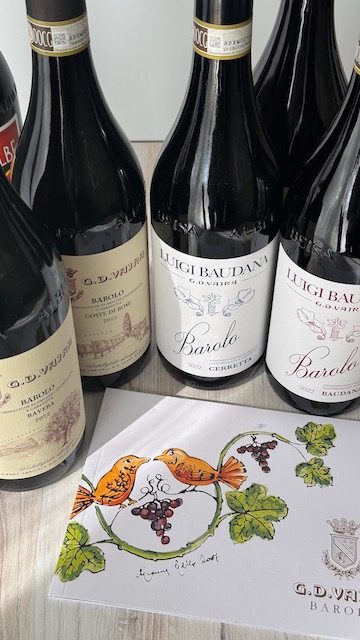
My recent virtual tasting with Giuseppe Vajra of G.D. Vajra still has me buzzing. Far from the usual awkward camera angles and muted coughs, the session was rich with family stories, thoughtful farming philosophy, and an engaging deep dive into Nebbiolo that had me smiling into my glass. Giuseppe and I share a love for the technical, nerdy side of wine — and that connection made the tasting especially rewarding. A little backstory before we sip: Vajra is a family-run estate perched on the western heights of Barolo, where the hills play by their own rules. High elevation means light rules the ripening more than heat — wind over warmth, cool nights and intense sun during the day — the kind of place where grapes learn subtlety by virtue of altitude. The family saga began in 1968 when Giuseppe’s father, Also, swapped city life (and a very brief hippie phase) for the contadino dream. After one life-changing summer he stayed, and 2022 marked his 50th harvest. Fifty. Years. Of. Dirt. Wisdom. Tell me that doesn’t deserve a toast. The 2022 vintage: hot, dry, and full of lessons2022 threw the usual modern curveballs — heat and drought — so Vajra leaned into patience and practical ingenuity. Organic farming, yes, but more importantly: patience. Giuseppe insisted the real art is letting vines age. Older vines reach deeper water, are steadier across weird seasons, and frankly, get more interesting with time. Viticulture highlights that made me nod: Winemaking choices mirrored that philosophy: long skin contact to build texture and structure, but a shorter aging timeline — 22 months in big Slavonian casks — to preserve freshness, lift, and the age-worthy backbone Nebbiolo needs. The tasting — four (plus) Barolos that made my heart do a little cha-chaWe tasted through the 2022s and, friends, each bottle felt like a different chapter from the same family album — some polite, some loud, all authentic. What stuck with me (besides my bottle-stained notebook)Giuseppe’s approach reads like a masterclass in humility. He’s not chasing fashion; he’s steering ancient vines through modern weather with brains and patience. From delayed pruning and not topping vines, to adding a sorting table and choosing big cask aging, every decision was made to protect Nebbiolo’s voice — to amplify the vineyard, not the winemaker. And spirit? That family warmth — Also’s leap into farming, half-hippie origin story, five decades of harvests — gives the wines a narrative that’s impossible to bottle but palpable in the glass. Final sips and the takeawayIf you love wines that are honest, terroir-driven, and made with a farmer’s patience, the Vajra 2022s demand your attention. They show adaptation without losing identity, freshness without sacrificing structure, and a lively, sometimes provocative personality that keeps you coming back for more. So pour a glass, turn up something with good guitar riffs (for Ravera), or curl up and contemplate minerality (for Cerretta). Either way, Giuseppe and his family remind us that great wine is equal parts soil, weather, and unconditional love. And if that’s not the most romantic thing you’ll hear this week, I don’t know what is. Many thanks to Studio Cru for arranging this intimate tasting with Giuseppe Vajra.
A Wine That Dares You
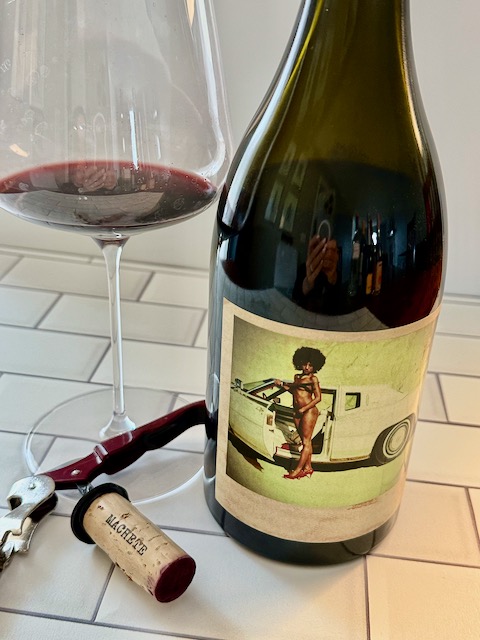
Machete 2016: Orin Swift’s Liquid MidnightIn the world of California wine, few producers blur the line between art, attitude, and hedonistic pleasure quite like Dave Phinney. Through his boundary-pushing label Orin Swift Cellars, Phinney built a cult following by doing something deceptively simple: find the best fruit and don’t screw it up.Founded in 1998, Orin Swift quickly became a lightning rod for collectors, trendsetters, and adventurous drinkers who wanted more than just another Napa red. Phinney had already shaken the wine world with The Prisoner, and with Orin Swift he pushed even further—melding bold winemaking with provocative, gallery-worthy labels and a philosophy that celebrates both craft and creativity.One bottle that perfectly captures that spirit is Machete 2016.This is not a quiet wine.This is a wine with presence. The Blend: A Bold California MosaicUnlike many traditional Napa wines that lean on a single dominant grape, Machete embraces the freedom of blending. The 2016 vintage is built primarily around Petite Sirah, supported by Syrah and Grenache—a trio that delivers both power and personality.Petite Sirah provides the backbone: deep color, muscular structure, and dense black-fruit intensity. Syrah layers in savory spice and aromatic depth, while Grenache softens the edges with lush red fruit and a rounded mouthfeel.The fruit is sourced from premium vineyard sites across California, including areas tied to Napa Valley, giving the wine both richness and regional complexity. The result is a blend that feels bold yet deliberate—powerful but never clumsy. First Impressions: Liquid MidnightPour Machete 2016 into the glass and the visual impact is immediate.The wine shows a deep ruby core that fades into an almost inky purple, hinting at the concentration within. It moves slowly in the glass, thick legs trailing down the bowl like dark velvet.It looks less like a simple red wine and more like liquid midnight. Tasting Notes: Power with PolishAromaticsThe nose opens with a bold rush of dark fruit before unfolding into deeper, more layered complexity.You’ll find aromas of:Black plumBlackberry compoteDark cherryAs the wine breathes, secondary notes emerge:Cocoa powderCracked black pepperLicoriceVanilla beanUnderneath it all lies a subtle earthy backbone—cedar, toasted espresso, and dark chocolate—adding intrigue and depth.The bouquet is rich and dramatic, yet surprisingly composed. PalateOn the palate, Machete delivers exactly what Orin Swift fans crave: plush texture and unapologetic flavor.The entry is lush and generous, bursting with ripe blackberry and plum. As the wine expands across the mid-palate, layers of cocoa nib, baking spice, and dark chocolate begin to unfold.Hints of graphite and pepper add dimension, preventing the wine from tipping into excess sweetness.The structure is full-bodied and broad, with velvety tannins that give the wine its signature plush feel. Despite its richness, the balance remains impressive—intense but controlled. FinishThe finish lingers long after the last sip.Dark chocolate, toasted oak, black pepper, and dried fruit echo on the palate, carried by firm yet polished tannins. It’s the kind of finish that invites contemplation—and another pour. Style: Modern California in Full VoiceMachete 2016 exemplifies what many wine lovers adore about modern California blends: opulent fruit, polished structure, and immediate drinkability.It’s expressive, bold, and unapologetically stylish.Yet beneath the swagger lies craftsmanship. This isn’t just a wine designed to impress—it’s a wine built with intention and balance. Pairing PossibilitiesWith its intensity and richness, Machete pairs beautifully with equally bold dishes.Try it with grilled ribeye, smoked brisket, braised short ribs, or lamb chops seasoned with rosemary and cracked pepper. The wine’s dark fruit and spice also complement barbecue sauces and smoky flavors exceptionally well.For the adventurous, a square of dark chocolate alongside a final sip can be a surprisingly satisfying match. Why Collectors Love Orin SwiftBeyond the wine itself, Orin Swift bottles have become icons of contemporary wine culture.Collectors are drawn to the brand for several reasons:Striking, avant-garde label designsConsistent quality across vintagesBold, recognizable winemaking styleBottles that feel as much like art pieces as beveragesEach release captures the same ethos: break the rules, but never compromise the wine. Final PourSome wines whisper elegance.Some wines impress quietly.Machete 2016 kicks the door open.It’s bold, seductive, and a little dangerous—dark fruit wrapped in velvet tannins with a pulse of spice and power underneath. A wine that feels confident enough to stare back at you from the glass.It’s liquid midnight.A sucker punch of flavor.A bottle with attitude and intention.In other words:Welcome to Orin Swift.
Conviviality, Rosé, and Sainte-Victoire: Léa Rouyet
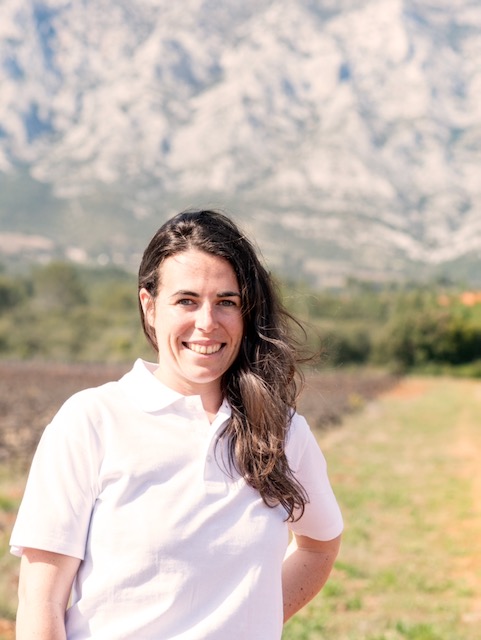
This Women’s Month, I had the genuine pleasure of sitting down—virtually—for an unhurried, heartfelt conversation with Léa Rouyet, the talented winemaker at Château Gassier in the sun-drenched heart of Provençe. Our connection actually began over a lively dinner in Paris last year with friends from MFL&Co. and Gassier, where her quiet confidence and obvious passion for both wine and place left a lasting impression. I knew then she would be the perfect voice for this series celebrating women in wine and gastronomy. So I sent my list of questions ahead of time—some deliberately offbeat and introspective—to give her time to think. When we finally spoke, she admitted with a laugh, “There were a few where I told myself I was going to play the joker.” That candid admission, and the thoughtful way she answered anyway, made this one of the most rewarding and human interviews I’ve ever conducted. Château Gassier sits at the foot of the iconic Mont Sainte-Victoire, the limestone massif that has inspired painters, poets, and now winemakers for generations. The wines themselves feel like an extension of that landscape—elegant, joyful, and deeply rooted in place. Léa’s own journey into this world didn’t begin in a vineyard or a cellar, but around crowded Sunday lunch tables in a tiny village in southwest France (population: 500 souls). “What gave me the desire to work in the world of wine is the conviviality around it,” she explained. Those childhood meals—her grandmother presiding, adults sharing glasses of local red and animated stories—quietly planted the seed. She watched, fascinated, wondering why she wasn’t allowed to taste “this little beverage that looks so good.” That curiosity eventually led her to agronomy studies, where she discovered she loved the entire arc of the process: “From the little plant you put in the ground for a very long time… to seeing it grow, produce grapes, and then the complete transformation into the bottle. It’s so global and so interesting.” Advice for Women Entering (or Staying in) the Wine World The wine industry remains heavily masculine, and Léa encountered that reality head-on early in her career. She still remembers the moment an 80-year-old vigneron, handing over his vineyard and cellar, looked at the young woman standing in front of him and said bluntly: “But you’re the one who’s going to take care of the vines? You’re young, you’re a woman… how will you manage?” She smiled recounting it—because six months later she was invited to this gentleman’s Sunday family lunch with his relatives and everything was fine. She had earned his respect the old-fashioned way: through quiet competence and persistence. Her advice to other women—whether just starting out or already navigating the industry—is both empowering and refreshingly down-to-earth: “You have to believe that you are legitimate in doing this job and that as women we bring so many beautiful things to this still very masculine world.” And since becoming a mother, she’s added a second, equally vital lesson: “You have to accept that everything can’t be perfect. We have the right to make mistakes and not be everywhere at the same time.” As the mother of two daughters, I felt that line land right in my chest. The illusion that we can tie every loose end with a perfect bow vanishes the moment real life—with its tantrums, spilled juice, and endless questions—arrives. Léa’s permission to be imperfect felt like a small gift. Balancing Vines, Children, and a Full Life Maintaining equilibrium between a demanding winemaking career and motherhood is, in her words, “a work in progress.” She’s still learning, still adjusting. Her guiding principle is radical presence: “When I arrive home, I’m at home. When I’m at work, I’m at work. I try not to mix all the subjects at once.” Easier said than done, of course, but the intention matters. She also gives generous credit to her partner—“a really important point”—whose support allows both of them space to thrive professionally and personally. We shared a knowing smile over the old saying “it takes a village to raise a child”. With both of us living far from extended family—hers in southwest France, mine scattered across Canada and the U.S.—building that village through partners, friends, trusted caregivers, or neighbors becomes essential. And what works beautifully one month might need to be completely rethought the next. The Quiet Revolution of Motherhood When I asked which experience outside of work had most transformed her worldview, Léa didn’t hesitate: becoming a mother. “It makes you think much more long-term… Our priorities are no longer the same. It gives us a lot of height on the world and our little passage in humanity.” That long view has sharpened her environmental convictions and deepened her sense of responsibility toward the vineyard’s future. She’s no longer thinking only about today’s vintage—she’s thinking about the vintages her child will inherit. A Bottle Shared with Grandfather One of the tenderest moments came when I asked who—living or gone—she would most want to share a bottle with. Her answer was soft and immediate: her grandfather, the wine lover whose presence at those childhood Sunday tables quietly shaped her path. The wine she would have chosen for him? Le Pas du Moine—“because it has elegance and complexity but is also a wine of pleasure, warmth, and conviviality.” The meal? A classic Sunday roast chicken, slow-cooked until the house filled with that unmistakable, comforting aroma. I loved the image so much that I immediately promised her: I will make my family’s “lazy chicken” (the easy one-pot version with hunks of bread underneath soaking up garlic, herbs, wine, and chicken juices) paired with Le Pas du Moine. I’ll send her the recipe and a photo of my girls raising a (juice) glass in toast. Some stories deserve to keep traveling—over tables, across oceans, from one kitchen to another. Who Léa Really Is (Beyond the Cellar) A fact that surprises people who meet her? This reserved, thoughtful winemaker loves to sing. If she had to describe herself in wine-related
Pleasantly Unanticipated Wonder Of Rueda
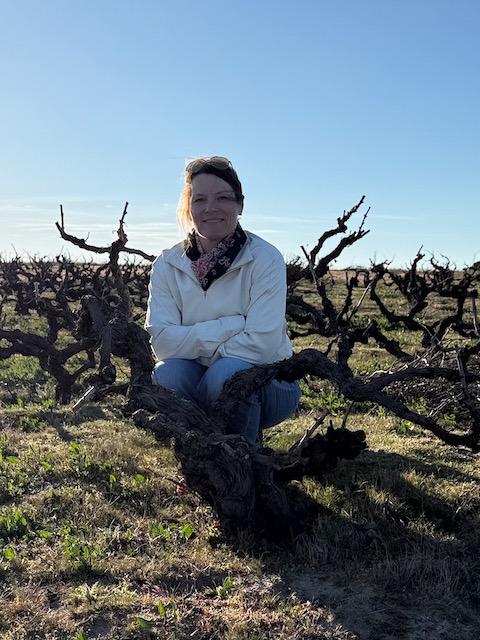
If you love crisp, aromatic whites that practically beg to be poured at sunset gatherings or lively tapas nights, let me whisk you away to D.O. Rueda in Castilla y León, Spain—the undisputed white-wine heartland I had the joy of exploring on March 27, 2026. As part of a small, lucky group of international Bacchus Competition judges, this journey went far beyond what most people typically think of when they picture Rueda whites. We delved deeply into the region’s impressive diversity, remarkable ageability, and wide appeal to wine lovers of all kinds. From the Consejo Regulador’s welcoming presentation to ancient vines swaying in the breeze, every moment felt like a true vibrant awakening. Come along as I share the highlights, the must-know facts, and why Rueda wines are pure magic for sharing. Where It All Began: Rueda’s Vineyard History Rueda’s story stretches back over a thousand years. Verdejo arrived in the 11th–12th centuries with Mozarabs (Christians from Moorish North Africa) who helped King Alfonso VI repopulate the Duero River valley after the Reconquista. Monks planted vines, and by the Middle Ages, Rueda was famous for its fortified “Dorado” and “Palido” styles served at the Spanish royal court. Phylloxera later devastated the region, shrinking vineyards dramatically, but a revival kicked off in the 1970s when Rioja’s Marqués de Riscal invested in modern techniques. Official D.O. status came in 1980—the first in Castilla y León—and the rest is delicious history. Today, Rueda proudly boasts about 20,700 hectares under vine, 79 wineries, and 1,523 growers, making it Spain’s top white-wine denomination by volume (over 118 million bottles produced in recent years) which accounts for a whopping 44.6% of market share! Why Rueda Is Perfect for Verdejo—the Star Varietal High on the Castilla y León plateau (700–800 meters altitude), Rueda enjoys a continental climate with a touch of Atlantic influence: blazing hot days, refreshingly cool nights, low rainfall, and stony, gravelly, sandy-limestone soils that force vines to dig deep for water and minerals. This diurnal temperature swing locks in bright acidity while the drought-tolerant Verdejo thrives, delivering concentrated aromatics without flab. Result? Wines bursting with citrus, green herbs, tropical hints, almond, and a signature saline minerality. Verdejo makes up a whopping 88% of plantings (with Sauvignon Blanc a strong supporting act). It’s hardy, expressive, and versatile—exactly why it’s Spain’s white-wine superstar. Other allowed varieties include Chardonnay and Viognier, but Verdejo remains the undisputed queen. The Character, Styles, and Those Tell-Tale Back Labels Rueda is overwhelmingly a white-wine region: whites account for over 99% of production with reds and rosés making up less than 1%. The star is Verdejo, but the full picture includes a small yet vibrant red presence using authorized varieties such as Tempranillo (the most common), Garnacha, Cabernet Sauvignon, Merlot, and Syrah. Rueda whites are zesty, vibrant, and effortlessly elegant—think freshness with structure, never heavy. Classic styles include: Since the 2019–2020 rule refresh, all dry whites fall under the single “Rueda” designation (minimum 50% Verdejo and/or Sauvignon Blanc). Wines labeled Rueda Verdejo require a minimum of 85% Verdejo (most are 100% and proudly say so on the back label). Premium Gran Vino de Rueda highlights old-vine (30+ years) and low-yield bottlings for extra depth and complexity. The historic fortified styles, beloved for centuries, still thrive today for those who crave something different from the fresh styles. The delicate Pálido is a pale, dry and subtly oxidative wine with elegant notes of almond, chamomile and saline minerality, while the iconic Dorado — a golden-amber, richly oxidative treasure — offers profound layers of toasted hazelnut, caramel, dried apricot, honey and warm spices, traditionally aged in a solera system. Reds and rosés, though rare, follow the same D.O. framework: reds are typically 100% red varieties, while rosés need a minimum 50% red grapes. They tend to be fresh, vibrant, and fruit-forward—think bright cherry and herbal notes in young Tempranillo or Garnacha expressions, with some barrel-aged examples showing more structure and aging potential. A few standouts have even earned Gran Vino de Rueda status. You’ll spot the official D.O. Rueda seal and back label (contraetiqueta) on every bottle—it’s your guarantee of authenticity, quality, origin, vintage, and grape composition. No guesswork; just pure Rueda character in every sip, whether it’s a crisp white or a rare red. Why Rueda Wines Are Made for Sharing These wines are social superstars: bright, approachable, and ridiculously food-friendly. Pair them with seafood, fresh salads, creamy cheeses, or classic Spanish tapas, and watch conversations flow. Their great value, vibrant fruit, and lively acidity make them ideal for picnics, dinner parties, or simply passing the bottle among friends. In a world of complicated wines, Rueda delivers pure joy—versatile enough for casual sipping yet sophisticated enough to impress. No wonder they’re flying off shelves worldwide! My Bacchus Jury Day in Rueda: A Perfect Snapshot Our small group of judges kicked off the morning with arrival at the Consejo Regulador D.O. Rueda. A warm welcome, an insightful presentation on the region, and a focused tasting of a stellar selection of Rueda wines set the tone—fresh, informative, and utterly inspiring. We were then left to our own devices to taste 40 wines of various styles from fresh and lively to aged, oxidative, sweet and VORR. There were a few sprinklings of Sauvignon Blanc and Palomino Fino in the mix but, as the region dictates, Verdejo is the clear queen of the region. A handful stood out and absolutely stole the show: Bodegas Pandora Verdejo Ecológico 2025 burst with vibrant green-apple crunch and zesty lime; Diez Siglos de Verdejo 2025 delivered bright citrus fireworks laced with almond and saline minerality; Bodegas de Alberto Sobre Lías 2024 wrapped us in creamy toasted-nut richness with lingering peach; Bodegas Naia Verdejo 2022 offered elegant fennel and white-flower finesse; Rodríguez y Sanzo Palo Norte brought smoky herbal depth with electric tension; the historic Feliz Lorenzo Cachazo de Alberto Dorado showed golden oxidative nuttiness; its Dorado Dulce version was pure honeyed apricot bliss; and the rare Dorado VORR delivered profound, concentrated
Elegant Women’s Day Sips
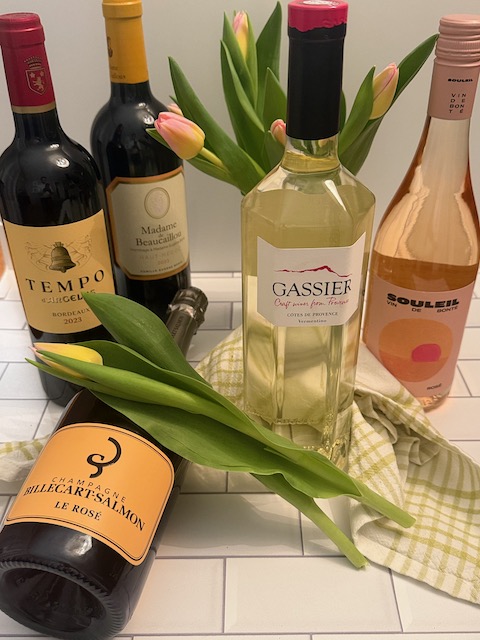
Fellow wine lovers, let’s raise our glasses to the extraordinary women who shape the world of wine with their passion, innovation, and grace. In honor of Women’s Day, I’ve curated a selection of exceptional bottles, each spotlighting a remarkable woman’s role in its creation. From founders to winemakers and historical pioneers, these wines embody their spirit—elegant, resilient, and full of life. Join me on this flavorful journey through France’s finest, where every sip tells a story of empowerment and artistry. Souleil Vin de Bonté Le Rosé 2024 Marianne Fabre-Lanvin: The Visionary Founder of Souleil Marianne Fabre-Lanvin, a French Southerner with deep family roots in vineyards, turned her lifelong passion for wine and the sea into a reality by co-founding Souleil Vin de Bonté. As a wine publicist and marketer splitting time between Paris and New York, she launched this brand as a passion project, blending organic grapes from independent growers while championing sustainability and ocean conservation. Her approachable, laid-back ethos makes every bottle feel like an invitation to share joy with friends. The Winery: Souleil Vin de Bonté Founder Marianne captures the sun-drenched essence of Southern France. This eco-conscious label sources organic grapes from seaside vineyards, emphasizing low-intervention practices and giving back to the ocean. It’s a brand that embodies endless summer vibes, producing approachable reds, whites, and rosés with a nostalgic, unapologetically French flair. The Wine: Sunset rays of vibrancy Crafted through organic, low-intervention winemaking, this rosé blends 34 % Grenache, 33% Syrah, 33% Cinsault, fermented in a Provençal style for bright lift and freshness. Hailing from Mediterranean-sighted parcels in Vin de France, it’s a delicate, dry rosé bursting with strawberries, raspberries, orange rind, and mineral notes—think tart red berries and juicy grapefruit on a vibrant, herbaceous palate. Pair it creatively with a sunset picnic of grilled octopus tacos or vegan berry sorbet for a refreshing, ocean-inspired twist. Madame de Beaucaillou, Haut-Médoc, Bordeaux, 2020 The Matriarch: Honoring Elegance and Warmth This wine pays tribute to the producer’s mother, a symbol of grace and hospitality whose elegance, warmth, and artful table-setting inspired its name. As the heart of the Borie family, she represents the nurturing spirit that infuses the estates legacy, reminding us how women create welcoming spaces that turn houses into homes. The Winery: Madame de Beaucaillou has been family-owned for generations under the Borie family. Spanning 75 hectares with vines averaging over 35 years old, it focuses on meticulous craftsmanship, blending tradition with modern precision to produce iconic Bordeaux wines known for their structure and longevity. The Wine: Poised and Powerful Hand-harvested and vinified with care, this Merlot-dominant blend (66% Merlot Noir, 24% Cabernet Sauvignon, 10% Petit Verdot) ages 12 months in Bordeaux barrels (20% new). From the Haut-Médoc region, it’s a savory, classic red with deep ruby hues, offering blackcurrant, iris petals, and orange blossom aromas. On the palate, juicy black fruits and polished tannins shine—pair it with a creative twist like duck confit empanadas or dark chocolate-dusted venison for an indulgent, welcoming feast. Gassier Blanc, Côtes de Provence, 2025 Léa Rouyet: The Artisan Oenologist Léa Rouyet, a talented winemaker from the Basque Country, joined Château Gassier in 2015 and has since elevated its wines with her passion for terroir-driven expressions. Balancing tradition and innovation, she crafts cuvées that highlight Provence’s unique character, proving rosé and whites deserve serious acclaim while inspiring a new generation of female vintners. The Winery: Château Gassier Nestled at the foot of Montagne Sainte-Victoire, Château Gassier is a six-generation artisanal estate committed to organic farming across 40 hectares. Under Georges Gassier and Léa Rouyet, it pioneers wood-aged Provence wines and sustainable practices, producing expressive rosés and whites that capture the region’s limestone-clay terroir in Côtes de Provence and Sainte-Victoire appellations. The Wine: Crisp Modernity Meets Mediterranean Magic This new cuvée is 100% Vermentino with cool stainless fermentation, offers a fresh, modern take on Provence white. Pale gold with a silvery-green shimmer, this vibrant white opens with fresh white peach, bright citrus, and delicate white flowers. On the palate, it’s crisp and refreshing, delivering zesty lemon and grapefruit notes layered with subtle minerality and a whisper of Mediterranean garrigue. Round yet lively, with a clean, saline finish that lingers invitingly. Savor its sunshine in a glass alongside creative pairings like citrus-glazed scallops over herb-infused quinoa or a summer salad with goat cheese and honeycomb. Tempo d’Angelus, Bordeaux 2023 Stéphanie de Boüard-Rivoal: The Eighth-Generation Leader As the first woman in eight generations to lead Château Angelus, Stéphanie de Boüard-Rivoal has steered the estate toward organic viticulture since 2012. Her visionary guidance created Tempo d’Angelus, demystifying grands crus while preserving family legacy—a testament to her determination, passion, and role as guardian of centuries-old traditions. The Winery: Tempo d’Angelus Born from the same exceptional terroirs and crafted with the Angelus team’s renowned savoir-faire, Tempo d’Angelus delivers the signature depth and complexity of its illustrious siblings—Château Angelus and Carillon d’Angelus—but in a more immediate, hedonistic style. No need to wait 15–20 years; this precise, well-structured wine is ready to be enjoyed at its peak much sooner. Sourced from magnificent clay-limestone slopes in Saint-Magne-de-Castillon, Castillon-La-Bataille, and Sainte-Colombe (acquired in 2017 specifically for this project), it is vinified in a dedicated, state-of-the-art cellar within Chai Carillon. Its elegant label features the iconic swinging Angelus bell, perfectly capturing the new rhythm and energy this wine brings to the family’s prestigious range. The Wine: Refined Grace in Every Sip Made from 90% Merlot and 10% Cabernet Franc, with vines from Castillon-la-Bataille parcels, this Bordeaux red undergoes precise vinification for streamlined elegance. From Bordeaux appellation, it’s poised and complex with red berries, plum, mocha, and subtle oak—richly extracted yet approachable young. A true expression of Bordeaux excellence—refined, accessible, and deeply satisfying. Elevate it with a creative pairing like lamb tagine with apricots or aged cheddar-stuffed mushrooms for a graceful, celebratory meal. Billecart-Salmon Le Rosé, Champagne Elisabeth Salmon: The Pioneering Co-Founder In 1818, Elisabeth Salmon co-founded Billecart-Salmon with her husband Nicolas-François, bringing her
Uncovering Italy’s Wine Wonders wit Ian D’Agata

Ian D’Agata is the Indiana Jones of Italian wine—a tireless detective who’s spent over 30 years uncovering the magic of Italy’s native grapes and terroirs with scientific precision and infectious enthusiasm. With Sicilian roots and a Toronto upbringing, this former medical doctor swapped scrubs for stemware decades ago, resurrecting forgotten varieties and mapping Italy’s diverse landscapes like no one else. He’s earned top honors, including Best Young Italian Wine Journalist (2007) and accolades for his landmark books: the essential Native Wine Grapes of Italy, Italy’s Native Wine Grape Terroirs, the award-winning Italian Wine Terroirs (Best European Wine Book 2025), and the forthcoming Barbaresco Terroir (spring 2026). He’s lectured worldwide, directed the International Wine Academy in Rome, and curated tastings for Vinitaly and beyond. His books are my essential encyclopedias on everything Italy’s native grapes. They have been instrumental in my WSET Diploma studies and remain my go-to references for every article I’ve written. Now based in Shanghai, he leads Ian D’Agata Wine Culture, including the Ian D’Agata Wine Review, Wine Academy, and a global masterclass series. Through these by-invitation-only events, he delivers educational, entertaining deep dives into Italian wines—empowering sommeliers, writers, importers, and enthusiasts alike. A recent highlight was the Ian D’Agata Wine Culture Show in NYC on March 4, 2026, at Café Carmellini (The Fifth Avenue Hotel). The limited seating event featured three masterclasses on native grapes and hybrids, trailblazing winemakers Cristiana Tiberio and Sabrina Tedeschi, and the greatness of Verdicchio from Castelli di Jesi—plus wines from over 20 producers. Attendees tasted a whopping 20 wines in the first class, 12 in the second, and 16 Verdicchio stunners in the third. Here’s the full lineup with punchy tasting notes from the event—fresh, vibrant sips that showcased Italy’s wine wizardry: Masterclass 1: Native Italian Wine Grapes, Crossings and Hybrids: from Ancient to Modern Times – “In with the Old, but also In with the New” Ian hand-picked a killer lineup for the first masterclass: pure native Italian grapes, intriguing crossings, and bold hybrids to ignite your curiosity. From the regal depths of Nebbiolo to the juicy powerhouse Barbera & vibrant soul of Sangiovese, the aromatic rush of Moscato, the Sicilian crispness of Grillo and Catarratto, the elegant twist of Riesling, the rustic edge of Freisa—and a few wild-card hybrids thrown in to blow your mind. 1. Feudo Montoni Catarratto Terre Siciliane “Masso” 2024: Zesty lemon zest meets peachy almond crunch—crisp, mineral-driven sunshine in a glass. A juicy little number, fresh, nice attack with a full middle. 2. Feudo Montoni Grillo “Timpa” 2024: Grillo has a pschyzo type of personality. Tropical pineapple punch with a salty sea breeze—vibrant and utterly addictive. 3. G.D. Vajra Langhe Riesling “Pétracine” 2024: Petrol-kissed apples and lime—racy acidity that dances on the palate. He was the first to plant Langhe in 1985, so round in stone fruit with a nice steely grip. 4. Vigneti Vinessa “Divento” 2023: Located at the foothills of Lugana, it has an alpine microclimate with strong winds (aka Diveneto). Leonardo only grows hybrids, 2 hectares worth. This is a blend of Johanniter 50% and Bronner 50%Floral jasmine and green pear, cumin seeds, tat apple, bitter greens, rounder and more aromatic—elegant, evolving layers like a wine whisper. 5. Vigneti Vinessa “Divento” 2022: Riper stone fruit with herbal twists—deeper, more contemplative than its younger sib. 6. Vigneti Vinessa “Fruscìo” 2023: This is their first vintage. This wine is a blend of Prior (a Pinot Noir hybrid) and Cabernet Cortis (a Cabernet Franc hybrid).A whispery cross similar to a cross of Pinot Noir and Cabernet Franc. 7. Ca’ d’ Gal Barbera d’Asti “Mavi” 2023: Juicy cherry bomb with bright acid—playful, food-friendly firecracker. Juicy, fresh and nice. 8. G.D. Vajra Langhe Freisa “Kyè” 2023: Wild strawberry and peppery spice—lively, tannic grip that begs for pizza. Smoky edge, mastered tannins, could age forever, so pretty, love it! 9. Castiglion del Bosco Rosso di Montalcino “Gauggiole” 2022: This wine comes from a rare subsection of Montalcino grown in blue clay- it’s dainty, delicate Sangiovese charm with red berry elegance—silky, approachable Tuscan hug. 10. Luigi Baudana Barolo “Baudana” 2022: This is a Serralunga Cru, blue grey marl soil, use decadent and sultry, sexy cherry beauty, Nebbiolo power: rose petals, tar, and firm tannins—young but promising depth. Loved it! 11. G.D. Vajra Barolo Ravera 2022: Gorgeous wine full of earthy cherries, violet and rose petals and licorice—structured, with a long, haunting finish. Pure precision, daintier, penetrating in its perfume, juicy sweet fruit. Incredible. 12. Elvio Cogno Barolo Ravera 2021: More power, structured Cru, beautiful balsamic licorice notes over dark fruit—intense, age-worthy beast. 13. Elvio Cogno Barolo Ravera “Bricco Pernice” 2020: More elegant cur, so tippy toe in its powered truffle and violet elegance—refined power that evolves beautifully. Sweet fruit but less than the Ravera 2021. Stunning. 14. Feudo Montoni Nero D’Avola Riserva “Vrucara” 2020: Plummy depth with chocolate hints—bold Sicilian soul, velvety smooth. Menthol instance, tons of violet, elegant 70 year old vines, so pretty in its power, remarkable. 15. Castiglion del Bosco Brunello di Montalcino 2021: Leather, blood orange and red fruit symphony—robust, with Sangiovese’s signature grip. A pretty wine with muscles. Glides down the palate with flinty ease. 16. Castiglion del Bosco Brunello di Montalcino “Campo del Drago” 2021: Intense black cherry core—complex, terroir-driven masterpiece. This wine has more stuffing to it, elegance lingers. 17. Ca’ d’ Gal Moscato d’Asti “Lumine” 2024: Fizzy peach and floral fizz—sweet, low-alcohol delight. It is a fix that is so concentrated that you want to eat its prescence, creamy and intense, mouthwatering. 18. Ca’ d’ Gal Moscato d’Asti “Vigna Vecchia” 2019: Honeyed apricot with nutty age—evolved, luxurious sparkle. 19. Vigneti Vinessa “Controvento” 2024: Dense wine, mind bending acidity, easy to drink, wind-swept herbs and citrus—rebellious, refreshing twist. 20. Feudo Montoni Passito Rosso: Dried fig, floral, toffee and raisin richness—sweet, sticky finale with balanced acid. Masterclass 2: World Wine Leaders: Meet Cristiana Tiberio and Sabrina Tedeschi and Their Trailblazing Wineries and Wines Spotlighting two powerhouse women shaking up Italian wine with innovation rooted in tradition: Cristiana