
Passports To Spring Wine Club
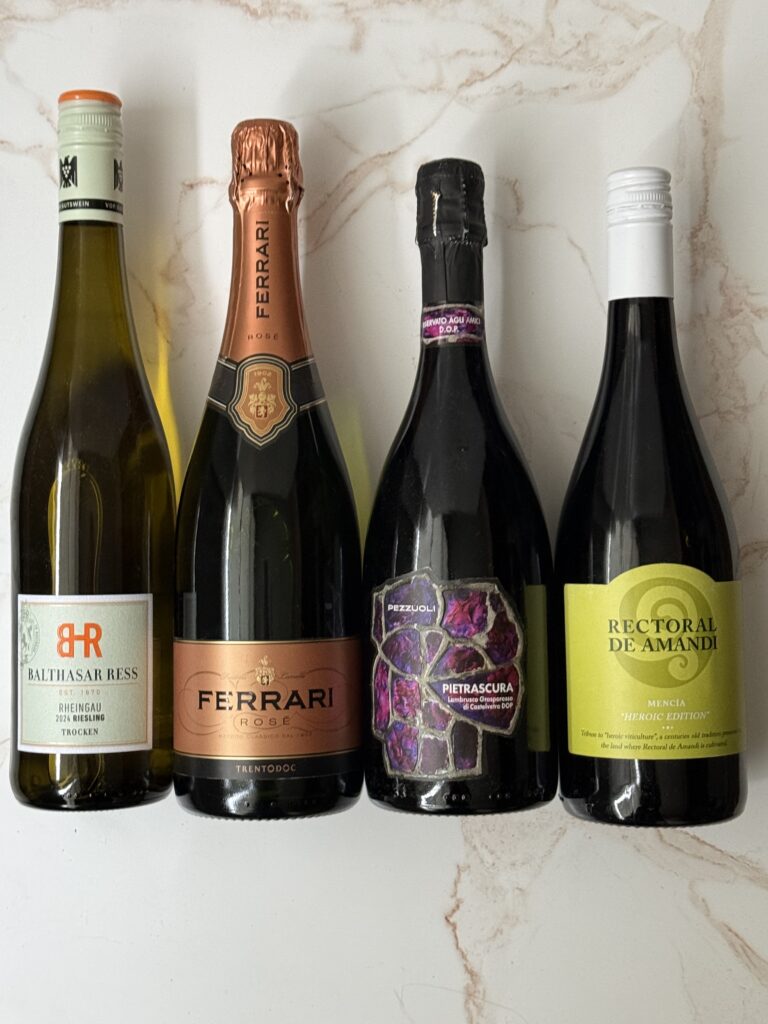
Spring has arrived, and with it comes that irresistible urge to shake off the cozy winter layers, open the windows, and let fresh air—and fresh wines—flood in. I’ve curated four standout bottles that feel like liquid sunshine: each one crisp, lively, and perfectly tuned to the season’s renewal. From a steely German white that wakes up your palate like morning dew on budding flowers, to an Alpine pink sparkler for breezy picnics, a fizzy Italian red to liven up grill sessions, and a soulful Spanish red for those golden-hour evenings under emerging leaves—these are my personal passports to spring awakening. Let’s dive in, one vibrant sip at a time. Spring has arrived, and with it comes that irresistible urge to shake off the cozy winter layers, open the windows, and let fresh air—and fresh wines—flood in. I’ve curated four standout bottles that feel like liquid sunshine: each one crisp, lively, and perfectly tuned to the season’s renewal. From a steely German white that wakes up your palate like morning dew on budding flowers, to an Alpine pink sparkler for breezy picnics, a fizzy Italian red to liven up grill sessions, and a soulful Spanish red for those golden-hour evenings under emerging leaves—these are my personal passports to spring awakening. Let’s dive in, one vibrant sip at a time. Balthasar Ress Rheingau Riesling Dry QbA: The Crisp Dawn Awakener Imagine steep slate slopes rising dramatically along the Rhine, ancient soils channeling pure minerality into every grape—that’s the enchanting world of Balthasar Ress, a storied family estate in the heart of Germany’s prestigious Rheingau. Here, Riesling reigns supreme (78% of plantings), protected by the Taunus Mountains and gently warmed by the river for slow, elegant ripening in this ultimate cool-climate haven. On a personal note I had the pleasure of visiting the estate this past January and let me tell you, it was swoon worthy! Read the full article. Hand-harvested from selected estate vineyards, the grapes undergo gentle whole-cluster pressing and cool stainless-steel fermentation—no oak—to preserve razor-sharp freshness and let the signature slate terroir shine unadorned in this bone-dry trocken QbA style. A delightful secret: Historic sites like Nussbrunnen lend old-vine depth and that classic “wet stone” or subtle petrol note even in young bottles, with many Ress Rieslings evolving gracefully for decades into profound layers. In the glass, pale straw with subtle green glints reveals an explosive bouquet: ripe pear, banana, peach, crunchy green apple, lime zest, gooseberry, delicate herbal spice, and layered wet stone minerality. The palate is invigorating and laser-focused—crisp tree fruits, a herbaceous basil lift, saline snap, vibrant acidity driving through, and a pristinely clean, mouthwatering finish that begs for another sip. It pairs beautifully with spring’s stars: asparagus risotto (its acidity cuts the creamy earthiness like sunlight through clouds), honey-drizzled goat cheese crostini, or grilled ramps and young greens—the wine amplifies every vegetal note like a fresh garden echo. Think of it as the unflappable calm in “The Great British Bake Off” tent during a tense technical challenge—pure, crisp composure amid the chaos, much like Paul Hollywood’s rare approving nod. Best savored at a sunny garden brunch: a long outdoor table strewn with tulips and daffodils, buttery scones or light veggie quiche, friends gathered as birds chirp and bees hum. Sip slowly in the morning light; the minerality mirrors rain-kissed earth, turning every conversation into pure seasonal renewal. Ferrari Rosé: Effortless Alpine Glamour in Pink Bubbles Spring’s soundtrack deserves bubbles, and Ferrari Rosé delivers with effortless elegance from Trento DOC in Italy’s breathtaking Dolomite Alps. Founded in 1902 by Giulio Ferrari (after his French training), this pioneering metodo classico house is now guided by the third generation Lunelli family, who have elevated Trentodoc sparkling wines to world-class status. On a personal note, I had the pleasure of meeting the third generation Lunelli family last year at Wine Paris and will be visiting their estate this April! High-altitude vineyards (300–700 meters+) bask in sunny days and crisp nights on glacial soils, yielding Champagne-like finesse infused with vibrant Italian Alpine soul. The metodo classico process shines: a harmonious blend of Pinot Nero (around 60% for structure and that lovely salmon hue via saignée maceration) and Chardonnay (40% for finesse), gentle pressing, bottle secondary fermentation, and extended lees aging (20–24+ months) for creamy texture and ultra-fine perlage. A fun nod to history: Ferrari helped establish Trento DOC in 1993 as Italy’s dedicated metodo classico zone—often hailed as “Italy’s Champagne,” with recent cuvées earning consistent 90+ praise for harmony and refinement. The wine glows delicate coppery salmon-pink with persistent fine bubbles; the nose is refined and inviting—wild strawberries, red currants, hawthorn blossoms, rose petals, and subtle yeasty brioche. On the dry palate: watermelon rind crispness, a touch of almond sweetness, lively acidity, elegant fruit persistence, and a clean, refreshing finish that feels sophisticated yet utterly approachable. It dances perfectly with prosciutto-wrapped melon skewers (sweet-salty-fruity interplay amplified by bubbles), mint-flecked spring pea risotto, or salmon sushi rolls—the effervescence lifts delicate flavors without overpowering. Channel “Emily in Paris” rooftop glamour: this chic pink fizz matches Emily’s aspirational style, ideal for fashion-week montages or glamorous soirées bursting with springtime joy. Unleash it on a breezy park or lakeside picnic—wicker basket packed with charcuterie, fresh baguette, seasonal strawberries, and soft blankets under blooming cherry trees or dogwoods. Let the bubbles fizz as sunlight filters through leaves and laughter flows; ordinary afternoons transform into spontaneous, feel-good celebrations of longer days. Pezzuoli Pietrascura Dry Lambrusco Grasparossa: The Fizzy Red Rebel Time to flip the script on Lambrusco stereotypes—this dry, savory beauty from Azienda Agricola Pezzuoli (a fourth-generation family treasure since 1932 in Emilia-Romagna’s Castelvetro hills) is complex, food-driven, and full of character. In the smallest, most structured subzone—Lambrusco Grasparossa di Castelvetro DOC—hilly terrain with warm days and cool nights builds intense color, fruit depth, and balanced tannins. 100% estate-grown Grasparossa grapes get cold maceration for gentle extraction, then Charmat tank fermentation for lively, frothy effervescence; short maceration keeps it vibrant, dry, and refreshingly low-intervention. The revelation:
Wine of Austria Stole the Spotlight at Wine Paris
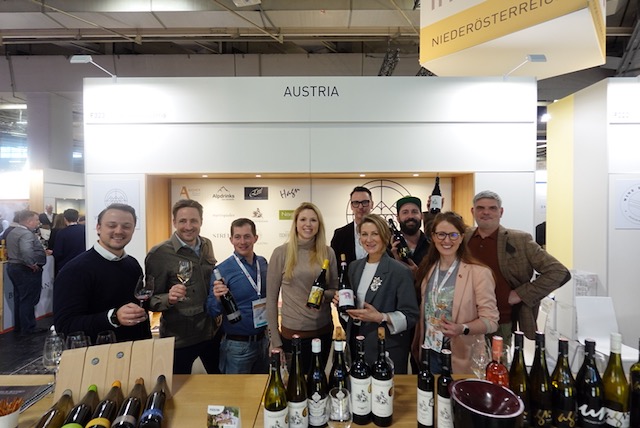
Wine Paris, organized by Vinexposium—the world’s leading wine and spirits event organizer—remains the premier global trade fair for the industry. Held annually at Paris Expo Porte de Versailles, it brings together thousands of exhibitors (over 6,500 in 2026!), producers, buyers, and professionals from dozens of countries for three intense days of tastings, masterclasses, B2B meetings, and high-stakes networking. It’s far more than a show—it’s the ultimate barometer of global wine trends, influence, and innovation, drawing massive crowds and transforming Paris into the epicenter of the wine world. This was my first year working behind the Wine of Austria stand, and let me tell you—it’s a completely different experience from just attending. Instead of wandering the aisles as a visitor, I was right there in the heart of it: interviewing the producers, tasting their wines straight from the source, hearing their unfiltered stories up close, and watching them light up as they shared their journeys with new clients, curious enthusiasts, sommeliers, and buyers from around the world. There’s something profoundly unforgettable about being the bridge—pouring a glass, starting a conversation, and seeing eyes widen as someone truly connects with the wine and the person behind it. The vulnerability, the pride, the quiet triumphs in those exchanges—it all felt raw and real. Being part of that energy, day after day, left me buzzing long after the lights went down. The energy at the Wine of Austria stand was palpable: the room crackled with unfiltered intensity—sharp conversations, fearless pours, and producers dropping raw truths about what makes these wines so genuinely provocative. Their bottles cut straight through the clutter—bold, unapologetic, demanding attention—while every glass sparked real, electric connections, channeling raw passion directly from vineyard terroir to the table, no compromises allowed. The labels whisper personal stories, carrying the artistic touch of generations past and turning each bottle into a true family heirloom. Beneath them lie the souls of winemakers and their ancestors, with each vine rooted in history stretching back over 600 years. These producers are guardians of legacy. One remembers childhood footsteps between the rows; another draws strength from her mother stepping into her own, finding peace in nature’s rhythm and transforming small-family silence into vibrant, soul-stirring wines. Multi-generational hands keep traditions alive while infusing fresh passion into every harvest. From the fiery reds of Burgenland to the mineral-crisp whites of Wachau, it’s all about passing the torch: bottling emotion, memory, heritage, and that unbreakable bond between family and soil. Hearing these producers share their worlds in their own words was one of the most powerful parts of the fair. Here are some of the standout moments: Each of these wineries has a story to share, each unique and personal: Why chase this endless story? To preserve what came before, to hand it forward, and to let every sip echo centuries of love for the land. Thank you to everyone who showed up with curiosity, shared wines and zero pretense—you elevated the entire experience. To these producers who bring the real edge, and to every palate that tasted it: this is only the beginning. Here’s to fearless pours, boundary-pushing bottles, and collaborations that refuse to play it safe. What an electric way to kick off the year in wine! Stay tuned for more on the wines shared and discovered.
Falling Head Over Heels in Piemonte: My First Grandi Langhe Adventure
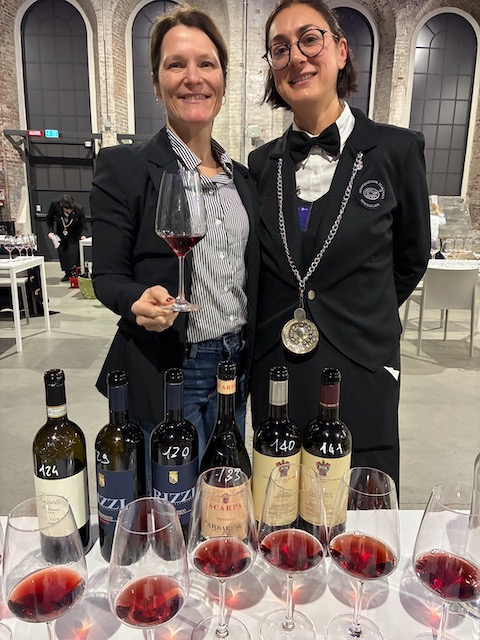
If you’re a wine lover, there are certain experiences that hit you like a perfectly aged Barolo—deep, layered, unforgettable. My first time at Grandi Langhe in Turin was exactly that kind of moment. The excitement kicked off even before the main tastings, with opening festivities on Sunday, January 25. The Consorzio Piemonte Land of Wine organized a fantastic Gala Dinner followed by a lively walk-around tasting at the iconic Museo Nazionale dell’Automobile in Turin. Surrounded by an incredible collection of vintage and modern cars from every era, we sipped Piemonte wines amid gleaming Ferraris, classic Fiats, and automotive legends. It was the perfect, stylish prelude—blending Turin’s industrial heritage with its world-class wine culture—to set the tone for what was to come. What a way to kick things off! Then came the heart of the event: two full days of pure wine bliss on Monday, January 26, and Tuesday, January 27 with over 500 producers on site. Hosted at the stunning OGR Torino—a former locomotive factory reborn as a sleek cultural powerhouse—Grandi Langhe gathered hundreds of producers from Langhe, Roero, and across all of Piemonte, now showcasing the incredible breadth of the region’s appellations. It’s professionally run, beautifully organized, and blissfully free of overwhelming crowds. Absolute heaven for any enthusiast. Over 700 labels (and in recent editions, even more with the expanded Piemonte focus) in the dedicated press room (130 wines in the press room alone, 47 Barolos and 24 Barbarescos among others) allowed us to dive headfirst into the region. Walk over to the stands for a treasure trove of wines. Recent-vintage Barolos and Barbarescos stole the show with their elegance and structure, the unmistakable minerality screams Piemonte terroir. But I was equally smitten by the bright Roero Arneis and Nascetta, the crisp Timorasso, the lively Alta Langa sparklers, and so much more. Every glass felt like a love letter from the hills, crafted with care and deep respect for the land. So Many Incredible Producers—Here Are Just a Few That Stole My Heart One of the greatest joys of Grandi Langhe was meeting so many passionate, talented producers in person. There were hundreds of stands, each telling its own story, and it was impossible to taste everything—but the ones I did meet left lasting impressions. Here are just a few standouts that made my notebook fill up fast and my heart race: These are just a handful—the region is bursting with talent, and every conversation added another layer to why Piemonte feels so special. I left with a long list of estates I now dream of visiting. Yet the wines, as extraordinary as they were, weren’t even the best part. The real magic happened in the conversations. Meeting the producers face-to-face turned tasting into something intimate and alive. I listened, wide-eyed, as winemakers shared multi-generational family stories, their quiet philosophies on minimal intervention or perfect oak choices, and that fierce, centuries-old love affair with their vineyards. These weren’t sales talks—they were heartfelt glimpses into why Piemonte wines taste the way they do: soulful, honest, alive. Every chat made the next sip taste richer, more meaningful. And then came the evenings—oh, the evenings! On Monday, January 26, the Alta Langa Consortium invited us to an exclusive Alta Langa after Grandi Langhe event at the breathtaking Teatro Regio, Turin’s iconic opera house. Picture this: over 50 labels of Piemonte’s refined, traditional-method sparkling wines flowing freely in a happy-hour-style setting, while the Regio Ensemble filled the gilded halls with live opera. The bubbles danced on the palate, the music soared, and the whole night felt like a dream you never want to wake from. The next evening, Tuesday, January 27, the Consorzio Freisa di Chieri and Consorzio Erbaluce di Caluso welcomed us to a special dinner right in the historic heart of Turin—Piazza Carignano. The dinner took place at the legendary Caffè Gelateria Pepino, a historic Turin institution founded in 1884 and famous for inventing the Il Penguino dessert. Surrounded by the café’s timeless elegance and the centuries-old beauty of the piazza, we explored the charming, often-under-the-radar wines of the Turin hills: vibrant Freisa di Chieri and Erbaluce di Caluso in every style—fresh annata, aged vintages, passito and sparkling versions. Guided by the consortia president, board members, and passionate winemakers, it was the perfect reminder of Piemonte’s astonishing diversity. These are wines that surprise, delight, and beg to be shared. A special treat was shared during the evening from Gian Luigi Orsolani, fourth generation winemaker with over 125 years of history in a glass of Orsolani Caluso Passito, a decadent wine made from dried Erbaluce grapes in the Caluso area. Golden-hued, honeyed, with notes of dried apricot, almond, candied citrus, and a touch of noble botrytis complexity, it was an exquisite, velvety finale—intensely aromatic yet beautifully balanced with refreshing acidity. Sipping it slowly amid the warm glow Zabaglione felt like the ultimate Piemonte indulgence. One of the most inspiring highlights was discovering the Urban Vineyards Association (U.V.A.) through Luca Balbiano, the passionate third-generation winemaker from Cantine Balbiano and the association’s founder and honorary president. Luca shared his remarkable story of reviving the historic Vigna della Regina—a royal vineyard tucked within Turin’s Villa della Regina, where Freisa vines now thrive in an urban setting, producing one of Italy’s few certified DOC urban cru wines. Inspired by that project, he created the Urban Vineyards Association in 2019 to connect and promote historical urban vineyards worldwide—from Turin’s city vines to rooftops in New York (Rooftop Reds) and beyond. It’s a global network celebrating how vines can bridge tradition, sustainability, culture, and urban life, turning city landscapes into living heritage sites. Hearing Luca’s vision firsthand—about regenerating green spaces, boosting proximity tourism, and preserving viticultural history right in the heart of cities—was truly eye-opening and added such a fresh, innovative layer to Piemonte’s already rich wine narrative. And because no unforgettable Italian evening is complete without a little dolce indulgence, that Tuesday night at Pepino I tried my very first Il Penguino Crema Pepino—the legendary Turin
Scacciadiavoli Brut Rosé: The Devil-Chasing Sparkler
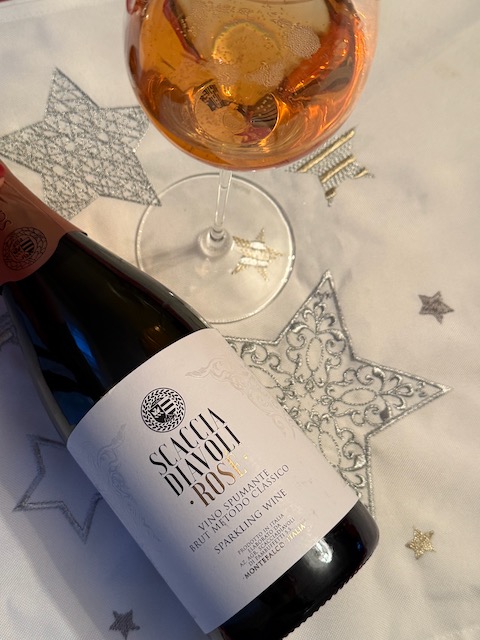
Oh, buckle up, bubbly lovers—this Scacciadiavoli Brut Rosé from the legendary Cantina Scacciadiavoli is like a cheeky Italian whisper saying, “Life’s too short for flat vibes!” Hailing from the sun-kissed hills of Montefalco in Umbria, Italy, this winery’s been crafting wines since the 1800s, with a name that literally means “devil-chaser” The region’s volcanic soils and gentle breezes give it that extra zing, turning humble grapes into liquid fireworks. Winemaking here is all about that classic Italian flair: hand-picked 100% Sagrantino grapes get the royal treatment with the Metodo Classico (think Champagne method, but with more Mediterranean soul), aged min 24 months sur lie fermenting in the bottle for that fine, celebratory fizz. It’s aged just right to keep things fresh without losing the fun—pure artisanal wizardry that lets the terroir shine through every bubble. Style-wise, this is your go-to sparkling rosé for when you want elegance with a wink: brut-dry for that crisp edge, but bursting with playful energy. It’s the rosé that dances on your tongue, light yet structured, like a summer fling that turns into your new bestie. Tasting notes? Get ready to swoon: a pale salmon glow in the glass, unleashing a floral explosion of wild strawberries, red apples, and a whisper of brioche crust—fresh as a morning jog through an orchard. On the palate, it’s a lively tango of cranberry zip, ginger spice, and white pepper kick, all wrapped in silky bubbles and zesty acidity that lingers like a flirty goodbye. One sip, and you’re hooked—elegant, savory, and oh-so-refreshing! For fun food pairings, pop this open with seafood towers , charcuterie boards loaded with prosciutto and fresh cheeses, or even a Sicilian Fish Stew. It’s the ultimate mood-lifter for rooftop toasts, beach picnics, or just because—evoking that carefree, sun-drenched euphoria where worries bubble away and every moment feels like a victory lap. Cheers to chasing devils with delight! Fun Fact: The winery’s name literally means “Devil-Chaser” because, back in the 19th century, the vineyard sat right next to a tiny village where an exorcist was once called in to banish a pesky demon. Locals swear the first bottles of sparkling Sagrantino were so good that even the devil fled in delight… and never came back!
Balthasar Ress Fine Wines, Finer Moments
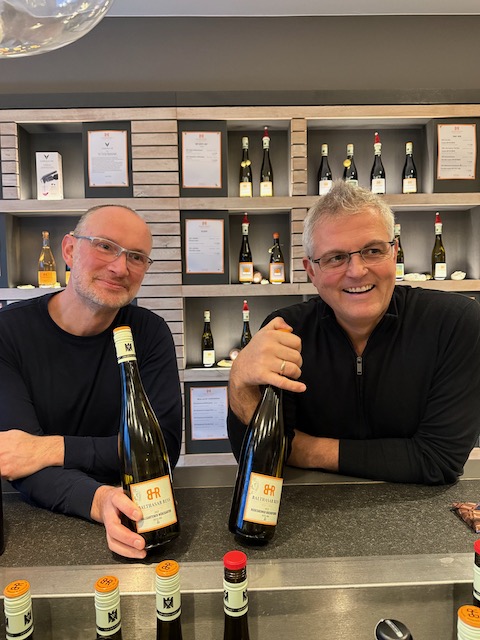
A recent visit to Balthasar Ress, one of the Rheingau’s premier VDP-certified organic wineries, turned into an unforgettable afternoon of wine, stories, and genuine connection. Nestled in the heart of Hattenheim, this family-run estate—founded in 1870 by the butcher-turned-host Balthasar Ress—has evolved into a beacon of fine Riesling and increasingly acclaimed Pinot Noir, all while embracing organic viticulture and a philosophy of “Fein Sei Der Wein” (And Fine Be The Wine). It was also a special pleasure to meet Christian Ress, the fifth generation passionate owner and managing director who carries forward the family legacy with vision and warmth, alongside his father Stefan Ress, whose experience and quiet presence added depth and history to the occasion. Their hospitality made the visit feel like stepping into a family home rather than just a winery tour. The highlight was a private tasting led by head winemaker Markus Roll and export manager Marc Pohl. Both brought infectious passion and candor to the table, turning what could have been a standard tasting into a lively conversation about life, dreams, and the soul of German wine. We dove straight into their wines—elegant, precise Rieslings from top sites like Rüdesheim Berg Rottland and Hattenheim Nussbrunnen, alongside promising Pinot Noirs that showcase the estate’s growing red focus. The pours revealed layers of minerality, freshness, and site-specific character, hallmarks of the Rheingau’s steep slopes and slate soils. To break the ice (and reveal personalities beyond the bottles), we asked each a series of fun, offbeat questions: Describe your identity with three non-wine-describing words? Markus chose Riesling, terroir, taste—a playful nod to what clearly defines him, even if he tried to avoid wine terms! Marc went with elegant, long-lasting, freshness—words that perfectly mirror the style he champions in export markets. If you could share one bottle of your wine with a person (dead or alive), who would it be and why? Markus picked his wife, sharing a bottle of Bischofsberg because it’s “elegant and easy to share, great price relationship.” A sweet, grounded choice from someone deeply rooted in the craft. Marc humorously selected George Clooney and Brad Pitt, pairing them with Würzgarten for their “fantastic characters”—a fun, star-studded fantasy that had everyone laughing. When you were a kid, what was your dream job? Markus dreamed of being a chef (but noted the lousy hours), pivoting at age 9 to winemaking—a precocious decision that’s clearly paid off. Marc wanted to be a locomotive driver, inspired by his grandpa’s love of trains—a charming glimpse into a childhood fascination with movement and journeys. If you weren’t working with wine, what would you do? Both leaned toward hospitality: Marc mentioned F&B Manager, fitting his background in hotels and service. The conversation turned reflective as they shared memorable moments: Markus recalled a profound tasting with Philipp Wittmann surrounded by great Burgundies (sparking new thoughts on oak influence), falling in love with Sauvignon Blanc during a trip to South Styria, and joyful Champagne sessions with friends. Marc spoke of starting in the army’s officers’ casino as a waiter, his hotel school education in Heidelberg that ignited his wine passion, and a pivotal role at Schloss Vollrads—where he fell for the Rheingau’s perfect blend of Mosel’s elegance and Rheinhessen’s opulent fruit and body. We tackled bigger questions too, like engaging Generation Z, often seen as shying away from wine. Marc’s response was refreshingly honest “Younger generations consume less as they use different things like marijuana and drink RTDs. My task is not to encourage others to drink wine—my task is to find people who wish to have a good bottle of wine.” He emphasized education—helping consumers learn how to enjoy wine to add pleasure—without ever pushing alcohol. On German Pinot Noir (Spätburgunder) gaining global recognition, Markus was optimistic as it’s getting better and better. He raved about recent tastings, blown away by the quality leap in producers like Huber over the last five years, and noted exciting improvements in German Chardonnay too. Dreaming bigger, Markus shared a wish to experiment with Southern Hemisphere reds—Bordeaux varieties like Cabernet Franc and Merlot, and their blends—on Balthasar Ress vineyards. His dream by 2030? Simply retirement, still fueled by his love to the wine. Advice for the next generation of winemakers came straight from the heart: Markus: “Try as many wines as you can, be loyal to your own style, and just do it.” Marc: “Be self-confident and pick your style.” Finally, what would surprise people about them? Markus laughed: “I’m an open book—I’m not as grumpy as I look.” (He doesn’t look grumpy at all—quite the opposite!) The tasting itself was a masterclass in the estate’s evolution. Markus introduced their exciting new concept launching in 2026, inspired by the multi-vintage approach of Dreissigacker’s Vintages series: four Erste Lage vineyards across four vintages (starting with 2019), blended to create wines that transcend individual vintage challenges. With shorter harvest windows and ripeness issues becoming less dominant in the blend, the goal is classic expression through three pillars—variety, region, and winery identity. The 2019 vintage also marked the estate’s official organic certification. Standout wines we tasted included: 2024 Goose Trail Souvignier Gris: PiWi trailblazer from the soggy riverbank spot. Explosive muscat vibes, almond edge, passionfruit kick. Smooth but a touch lean in the middle—crisp tart acid snaps it awake. Grab this funky pioneer now! 2024 Von unserem Riesling: Pure, no-nonsense Rheingau Riesling. Zesty citrus, green apple snap, steely minerality. Bone-dry, mouth-watering acidity drives it hard. Everyday hero that demands another glass—don’t wait! 2023 Rüdesheimer trocken: Steep-slope power. Fresh citrus blast, green apple crunch, subtle stone fruit and floral lift. Razor-sharp dryness, vibrant energy. Classic Rüdesheim punch—drink up fast! 2023 Hattenheimer Engelmannsberg: Erste Lage elegance. Yellow fruit rush, passionfruit exoticism, kiwi-lime zing, lemon balm whisper. Precise, juicy, mineral spine. Seductive yet serious—buy before it’s gone! 2023 Hallgartener Würzgarten: Erste Lage spice bomb. Ripe stone fruit, floral intensity, herbal edge, tight minerality. Focused, structured, long finish. Demands attention—stock up on this gem! 2023 Rüdesheimer Bischofsberg: Erste
Dreissigacker Uncorked: Rheinhessen Magic
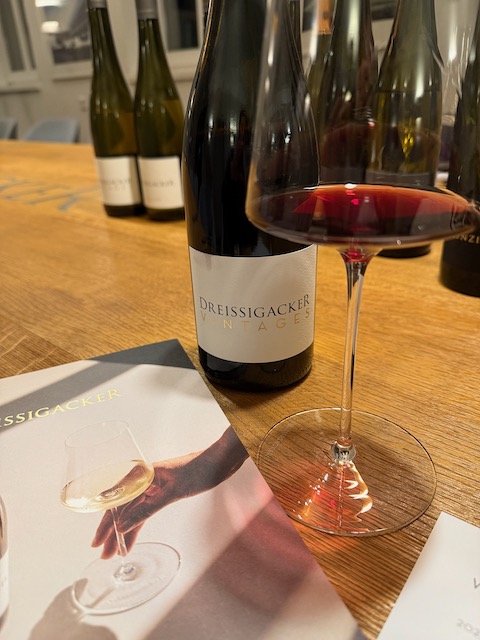
As the crisp autumn air swept through the rolling hills of Rheinhessen, I found myself embarking on an unforgettable winery tour at Weingut Dreissigacker. Accompanied by Samuel Kirr, the charismatic International Sales Manager whose passion for the estate’s wines is as infectious as the region’s vibrant Rieslings, we delved into the heart of this family-run operation. Nestled in the picturesque villages of Bechtheim and Westhofen, Dreissigacker isn’t just a winery—it’s a testament to centuries-old traditions blended with modern innovation. If you’re a wine enthusiast seeking purity, complexity, and a touch of exclusivity, this is a story you’ll savor. The Dreissigacker family’s winemaking legacy traces back to the 18th century, but the modern chapter began under Jochen Dreissigacker. He crafted his first wine in 2001 and fully took the reins in 2005, transforming the estate into a beacon of quality-driven production. In 2018, they unveiled a state-of-the-art winery designed with capacity for two full vintages, allowing for meticulous aging and blending without compromise. “Our new facility isn’t just about space—it’s about creating the perfect environment for our wines to evolve,” Samuel shared during our walk through the gleaming cellars. Spanning approximately 55 hectares of vineyards, the estate has been organic since 2007, with biodynamic practices introduced around 2020. Yields are deliberately “dropped” to concentrate flavors, ensuring every grape packs a punch of intensity. Dreissigacker channels their grapes into premium expressions, predominantly Riesling. Their philosophy is simple: control quality from vine to bottle. The varietal focus is laser-sharp: about 60% Riesling, complemented by Pinot Blanc, Pinot Gris, Chardonnay, and Pinot Noir. Rosés and reds make up less than 5% of production, keeping the spotlight on whites that capture Rheinhessen’s terroir. Competitive edges shine through old-vine crus like Aulerde, Kirchspiel, and Morstein—sites renowned for their mineral-driven soils—and an unwavering commitment to sustainability. Initiatives in the cellar, such as flexible tank setups and cooling systems, allow for precise temperature control, minimizing intervention while maximizing expression. At Dreissigacker, the mantra is clear: prioritize quality to build a lasting brand. Jochen, alongside Cellar Master Achim, as Jochen is closely involved in the blending process orchestrating their range of wines like a conductor of a symphony. During harvest, a team of 10 specialists handles everything from sugar measurements to pressing, while year-round, just three core staff maintain the cellar’s rhythm. Their product strategy is tiered for accessibility and depth. The entry-level Riesling serves as the “business card” of the winery—fruit-driven and versatile. Mid-tier offerings like the multi-vintage blend act as a bridge, while single-site gems target collectors. Innovation extends to NFT pre-sales for high-end releases, allowing customers to reserve future bottles at half price, with unsold stock aged five years and sold at a premium. The highlight of the tour was the tasting lineup, where Dreissigacker’s elegant, mineral-laced style shone through. Each wine told a story of terroir, craftsmanship, and patience. Here’s what stood out: Samuel’s quotes peppered our conversation, bringing the philosophy to life: “We’re not chasing volume; we’re crafting experiences. From dropping yields to biodynamic practices, every decision elevates the grape.” In a sea of producers, Weingut Dreissigacker is a winery that honors its Rheinhessen roots while eyeing global horizons. If you’re planning a visit to Bechtheim or Westhofen, make Dreissigacker a must—pair it with Samuel’s insights, and you’ll leave with more than bottles; you’ll carry a piece of their passion.
Carolin Spanier-Gillot: Staying True to Roots in a Changing Wine World
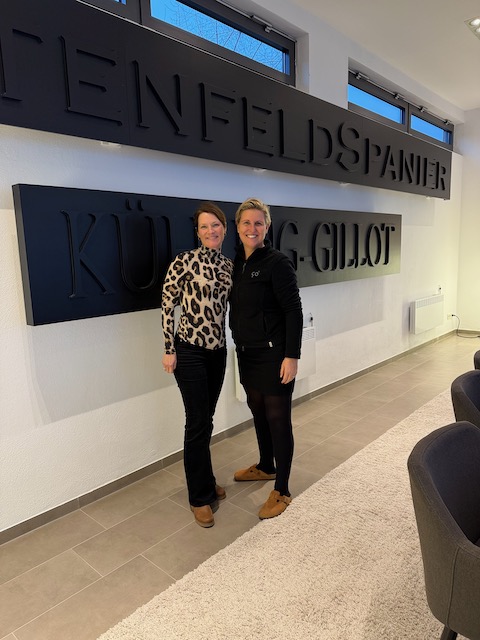
The day had already been long and deliciously intense. Our visit at the previous estate had—true to the unpredictable rhythm of wine trips—run far later than planned, with glasses multiplying and conversations stretching into the afternoon. By the time we arrived at Weingut Kühling-Gillot in Bodenheim, the light was fading over the Roter Hang. There was simply no time left for a proper tasting of Carolin Spanier-Gillot’s acclaimed biodynamic Rieslings and Pinot Noirs. Instead, we sat down for an unhurried chat in the warm glow of the estate over coffee and her special Christmas cake, and what was meant to be a quick visit turned into a memorable conversation with the most super positive, charming optimist in the world of wine (myself being a close second). Carolin Spanier-Gillot helms two esteemed VDP estates: Weingut Kühling-Gillot in Bodenheim and, alongside her husband H.O. Spanier, Battenfeld-Spanier. With a philosophy rooted in “Origin Excellence,” she crafts wines that speak unmistakably of their terroir. In our candid interview, Carolin shared pragmatic insights on market shifts, personal sacrifices, and why chasing trends is a fool’s game. Their focus on authenticity defines her estates’ niche. In a competitive landscape, Carolin warns against trend-hopping—like orange wines or non-alcoholic options, which she bluntly calls “juice.” “If it’s not fermented with alcohol, it’s not wine,” she asserts. “Invest energy in other fermented products like kombucha instead.” Her estates stick to a strict profile of core varieties, centered on Riesling, with no experimental clones. “Fifteen years ago, you could sell discount supermarket wine for €60; now, only brands with a clear profile survive.” By blending tradition with modernity, they thrive on storytelling and sustainability—hosting educational events in their wine cellar to teach food pairings, or positioning accessible premiums like their €28 “Age Riesling” as gateways to memorable experiences. Carolin’s path to winemaking was anything but planned. Growing up on the family’s modest 6-hectare estate, she dreamed of becoming a pilot or doctor. But at 16, when her mother fell ill, family duty called. She stepped in, starting with simple tasks like labeling bottles. Today, she juggles roles as manager, CFO, and “trouble fixer,” clocking 65-hour weeks while prioritizing her team’s well-being. “I put my own needs last,” she admits, a testament to her dedication. Carolin’s rise has been groundbreaking in Germany’s traditionally male-dominated wine industry. In 2015, she made history as the first woman to be named **Winemaker of the Year** by the prestigious Falstaff WeinGuide Deutschland—a major accolade that recognized her exceptional talent and the outstanding quality of her wines. This honor underscored her success in elevating the estates to new heights, proving that determination and vision could shatter glass ceilings in winemaking. Her admiration for strong, trailblazing women shines through in her inspirations. When asked who she would most like to share a bottle of wine with—dead or alive—Carolin didn’t hesitate: Tina Turner. “A great woman and a real epicurean,” she says with enthusiasm. Carolin also holds Gaia Gaja in high esteem for similar reasons of determination and balance, making her choices reflect a pattern of admiring iconic women who conquer challenges with grace. One persistent myth in the wine industry is that “younger generations are not drinking wine.” Carolin dismisses this outright. “It’s inaccurate,” she says firmly. She points to packed wine events buzzing with young attendees, drawn not by gimmicks but by authenticity—particularly organic and biodynamic practices that align with their values of sustainability. Looking ahead to 2030, succession is a priority. Her children—a 16-year-old son keen on winemaking (who’ll gain external experience first) and 21-year-old son potentially handling marketing—are poised to take over. Market-wise, she’s eyeing expansion: exploring Greek varieties like Assyrtiko from Santorini and pushing U.S. distribution beyond coasts into cities like Chicago, fueled by growing demand (a recent 7,000-bottle order). Yet diversification remains key—”We don’t live off the U.S. market.” Carolin also shapes Germany’s evolving wine laws through the VDP, pushing for classified vineyards and transparency. Her critique of dogmatic “natural wine” advocates—who brand critics as “enemies”—underscores her no-nonsense stance: preserve wine’s true identity. In an industry rife with fads, Carolin Spanier-Gillot’s message is clear and inspiring: “The best way to reach new generations is to be true to your story.” By championing quality, sustainability, and family legacy, she’s proving that small estates can not only survive but shine—pouring authenticity into every glass. And one day soon, I’ll be back to finally raise one of those glasses myself.
Visiting Weingut Wegeler with the Larger-Than-Life Richard Grosche
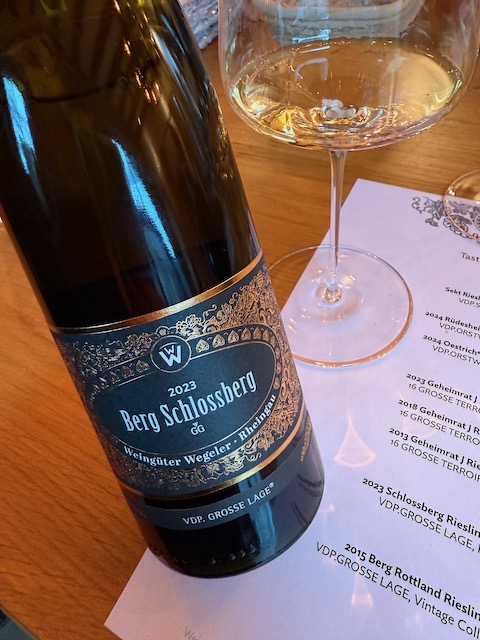
There’s something magical about the winding rivers and steep slate slopes of Germany’s wine regions, where history, terroir, and passion converge in every glass. My recent visit to Weingut Wegeler, nestled in the heart of the Rheingau and Mosel, was nothing short of enchanting. Guiding me through this vinous wonderland was Richard Grosche, the winery’s charismatic Managing Director—a true force of nature with an infectious enthusiasm for wine that makes every conversation feel like a celebration. Larger than life, with a booming laugh and stories that span continents, Richard is not only a passionate advocate for Riesling but also a market-savvy visionary: forward-thinking, creative, and deeply attuned to global trends. With over 20 years in the industry—including stints at top estates like Reichsrat von Buhl and Karthäuserhof—he has driven brand modernization, internationalization, and innovative projects that elevate traditional winemaking into the modern era. Interestingly, as a child Richard dreamed of becoming a teacher, and in many ways he has fulfilled that calling—sharing his encyclopedic knowledge of wine with infectious joy, turning every tasting into an inspiring lesson. Richard embodies the spirit of Wegeler: timeless quality infused with forward-thinking flair. As we strolled through the vineyards and tasted from the cellars, he shared insights that brought the estate’s legacy to vivid life. Founded in 1882 by Julius Wegeler—a visionary from the Deinhard family seeking independence and excellence—the estate remains family-run across four generations. “To make great wine, Wegeler needed not only capital, but also foresight,” Richard echoed the founder’s words. Today, under his dynamic leadership as Managing Director, the family blends deep tradition with passionate innovation: “We have to pursue viticulture, winemaking, and wine sales with foresight and passion!” Weingut Wegeler spans Oestrich-Winkel in the Rheingau (headquarters) and Bernkastel in the Mosel, with 42 hectares in Rheingau and 15 in Mosel. These include iconic grand cru sites, notably the largest holding in legendary Bernkasteler Doctor. Rheingau’s varied soils deliver structured Rieslings; Mosel’s steep slate slopes yield ethereal, mineral expressions. The portfolio also features the 4-hectare Krone estate in Assmannshausen, a VDP site dedicated entirely to elegant Spätburgunder (Pinot Noir). A dedicated team ensures terroir-driven precision: In Rheingau, Michael Burgdorf (Product Manager and Cellar Master) and Andreas Holderrieth oversee operations; in Mosel, Norbert Breit crafts the slate-influenced Rieslings. Hand-harvesting, gentle processing, sustainable practices, and extended lees aging define their approach. As Richard puts it: “Our team ensures every wine reflects its origin—aged until optimally ripe.” Primarily a Riesling specialist, Wegeler produces everything from bone-dry Grosses Gewächs (like flagship Geheimrat J, blended from premier sites and lees-matured) to classic Prädikat levels showcasing vintage character. “Riesling is so versatile, shaped by origin, vintage, and the winemaker’s skill,” Richard noted, dismissing myths: “Riesling is sweet? Bah! Our dry styles prove it’s versatile and age-worthy.” Krone adds silky Pinot Noirs, with small sparkling volumes completing the range. Extended lees contact creates layered, long-lived wines. Under Richard’s creative direction, innovations like switching the Riesling Extra Brut Sekt to traditional bottle fermentation (from Charmat since 2021), earlier picking for fresher profiles, and ambitious production growth reflect his forward-thinking approach to elevating quality and appeal. When I asked Richard to distill the essence of Weingut Wegeler, he leaned in with that signature enthusiasm: “For us, it’s all about Tradition – Place – Prestige – Artisanal.” He elaborated passionately: “We stand on the shoulders of generations of winemaking tradition, rooted deeply in our unique places—the exceptional terroirs of Rheingau and Mosel. We build on this heritage with prestige that comes from uncompromising quality and iconic sites like Bernkasteler Doctor and our grand crus. And everything is done artisanal—hand-harvested, with meticulous care, respect for nature, and the patience to let the wines mature on the lees until they tell their full story. Quality is our philosophy, as Julius Wegeler said in 1882, and nothing has changed.” The pinnacle of the visit was an intimate tasting session with Richard, where we explored current releases, emerging projects, and a vertical of the iconic Geheimrat J. Richard emphasized the wines’ longevity, noting: “Our wines need to age at least 10 years to truly shine because they often go through a ‘dumb phase’ around year 5—that’s why tasting a vertical like this reveals their full potential.” – Riesling Extra Brut Sekt (30 months on lees, base likely 2022; switched from Charmat to traditional method in 2021): Earlier picking for fresher grapes yields a vibrant sparkler with just 3 g/L residual sugar. Current production around 12,000 liters, with ambitious growth planned (20,000 in year 2, 25,000 in year 3—the next release not yet disgorged). Elegant and lively, with fine bubbles, crisp citrus, and mineral drive—a refreshing aperitif bursting with potential. – 2024 Rüdesheim barrel samples (from Berg Rottland, Berg Schlossberg, Kirchenpfad; quartzite and slate soils): Fruitier and chalkier on the nose and palate, evoking a Rheinhessen-like generosity—vibrant yellow fruit, subtle chalk minerality, and approachable charm even in youth. – 2024 Oestrich barrel samples (from Doosberg and Lenchen GG sites; clayish marl soils): More restrained and profound—mineral-driven with lime zest, spicy notes, subtle vegetal undertones, and a mysterious depth that hints at great aging potential. – 2023 Geheimrat J: Fruity and opulent yet flirty and fascinating; broad-shouldered with enticing pomelo and passion fruit aromas. Richard called it potentially one of the best vintages—vibrant, layered, and irresistibly charming. – 2018 Geheimrat J: Emerging from its dumb phase; mineral core with exotic fruits, spicier and more herbal complexity—evolving beautifully with added depth and intrigue. – 2013 Geheimrat J (cool, rainy late September with botrytis influence): Exotic fruits and honeysuckle on the nose, enlivened by vibrant acidity and saline, sea-shore minerality—a balanced, evolving masterpiece. – 2023 Berg Schlossberg GG (Richard’s longtime favorite; shifted from stainless steel to super-old oak, now 2nd- and 5th-use barrels): Intensive and broad, yet socially pleasant—powerful slate-driven minerality, concentrated fruit, and harmonious structure that invites lingering sips. – 2015 Berg Rottland Spätlese (just released; only 3,000 bottles sold, 10,000 remaining): Amazing ripeness shines through with intense passion fruit notes, balanced by beautiful freshness—lush yet precise,
Bubbles Magic: My Enchanting Visit to Weingut Barth in the Rheingau
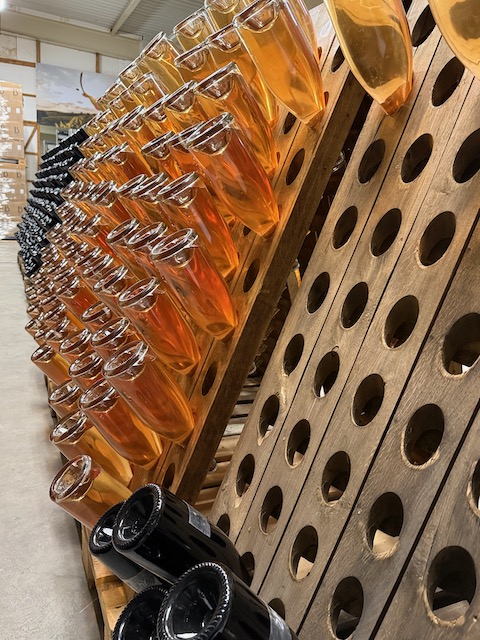
Nestled in the heart of the Rheingau, in the charming village of Hattenheim near Oestrich-Winkel, lies Weingut Barth – a family-run estate that beautifully bridges tradition and innovation in German winemaking. My recent visit, guided by the passionate Marketing Manager Janna, offered an intimate glimpse into this VDP member winery, renowned for its exceptional sparkling wines (Sekt) crafted using the traditional method. Weingut Barth’s story is one of postwar resilience and sparkling ambition. Founded in the 1940s by Hans Barth, the estate truly ignited its fizz under Norbert – Christine Barth’s father – who pioneered traditional-method Sekt production in the Rheingau. Today, Mark Barth, a Geisenheim-trained visionary and self-styled “Riesling Master,” being their core focus, helms the winemaking alongside his wife Christine. Their philosophy is to craft Sekts that radiate “inner peace” through patient, natural vinification, capturing the soul of historic vineyards with refreshing innovation. Germans may have reduced wine consumption dramatically but the sparkling wine consumption remains strong. Spanning around 20 hectares of organically farmed slopes – including crown jewels like the VDP.Grosse Lage Hattenheimer Hassel and VDP.Erste Lage Schützenhaus – the estate is a Riesling stronghold (over 80% of plantings), complemented by Spätburgunder (Pinot Noir), Weißburgunder (Pinot Blanc), and bold experiments like Cabernet Sauvignon. Biodiversity thrives here: wild herbs and flowers dance between rows, hand-harvesting ensures perfection, and vegan practices honor the land for generations to come. What sets Barth apart is their devotion to Sekt as art. “Sparkling, Family Tradition – Open Minded,” Janna, our host and hospitality representative beamed, encapsulating their ethos. All Sekts are vintage-dated, born from traditional bottle fermentation with extended sur lie aging – the longest now stretching to five years for upcoming Wisselbrunnen Grosse Gewächs releases from 2023. Producing about 60,000 bottles annually, they currently disgorge by hand, riddling on pupitres (some whimsically hand-painted with Picasso-inspired motifs). Next year brings automation to scale their magic without compromise. All sparklings are vintage, but only declared with the single vineyards, much easier from the processing point of view for Barth and their clients. A delightful detour: the collaborative “Riegel” spirit (echoing partnerships in the region), where growers pool premium grapes for communal bases, each imprinting their unique label – a testament to Rheingau’s shared pursuit of excellence. The pinnacle was the tasting in their award-winning vinotheque, where Barth’s style unfolded like a masterpiece: mineral-laced freshness, creamy depth from lees, and gastronomic allure that dances on the palate. Standouts from their vast range: The prestige lineup? Transcendent. From vibrant entry-level sparks to prestige profundity, Barth’s Sekts aren’t mere drinks – they’re terroir-kissed elixirs that rival the world’s finest, blending tradition with fearless innovation. As Janna reflected, eyes sparkling: “We’re a family pouring heart into every bubble.” If your soul craves bubbles that captivate, evoke, and elevate, seek out Weingut Barth. One sip, and you’ll be enchanted forever.
Discover the WineBANK: A Paradise for Passionate Oenophiles
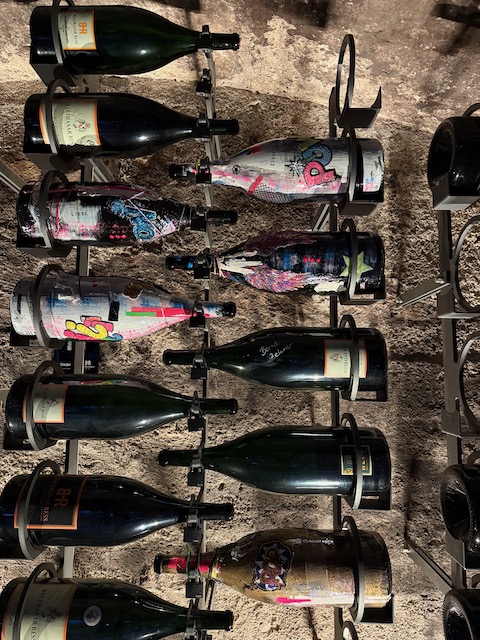
Imagine a place where your finest bottles are stored in perfect, climate-controlled vaults, where you can pop in at midnight for a spontaneous tasting, and where fellow wine lovers gather to share stories over exquisite pours. I recently stepped through its doors into a magical world for oenophiles—a true « wine bank » where your precious bottles are safeguarded like treasures in a vault, secure, insured, and aging gracefully while you hold the key. That’s the magic of wineBANK, a revolutionary private members’ club that’s redefining how we experience wine. Born from the vision of one innovative winemaker—it’s a lifestyle, a community, and a gateway to the world of vinous delights. If you’re a wine enthusiast, buckle up as we dive into the story of wineBANK, its charismatic founder, and why it’s becoming the ultimate destination for those who live and breathe wine. At the heart of wineBANK is Christian Ress, a name synonymous with innovation in the German wine scene. As the co-owner and managing director of the historic Weingut Balthasar Ress—a VDP estate established in 1870—Ress dreamed up the concept back in 2003. He wanted a space where wine aficionados could securely store their collections, enjoy tastings on demand, and connect with like-minded souls. By 2008, that dream materialized into the first wineBANK in his hometown of Hattenheim, Rheingau, Germany. Ress, with his deep roots in winemaking, saw an opportunity to blend tradition with modern convenience, creating a franchise model that’s now spanned continents. His passion for wine is more than a business, it’s personal, fueling a network that celebrates the joy of discovery and sharing. wineBANK isn’t your average wine cellar; it’s a sophisticated members-only club designed for those who treat wine as a passion project. The core idea? Personal lockers in climate-controlled environments (think 10-16°C and 65% humidity) where your bottles age gracefully, safely and ready for enjoyment. But here’s what truly elevates it: seamless 24/7 access in most locations, paired with intelligent motion sensors that instantly sense your arrival and cue the perfect music mood the moment you step through the door—transforming every entrance into an effortless, welcoming experience that feels almost magical, “By the Glass” dispensers for sampling chilled wines at the push of a button, and an honesty bar for casual sips. The franchiser and cellar master have sole discretion over the selection of enomatic bottles and availability tasting bottles from other cellar members. With over 19 locations across four countries—including Germany, Austria, Switzerland, and even the USA—members use a single card to unlock doors worldwide, fostering a global vinophile community of more than 3,000 enthusiasts. It’s all about that shared passion: “One club, one community, one passion—wine.” Let’s zoom in on where it all began with our guides Julia Deissroth (Marketing & Events) and Sophia Königseder (Sales & Expansion) as they guided us through our tour of the wineBANK Rheingau location. This inaugural spot, opened in 2008, transformed two historic vaulted cellars from the 17th and 20th centuries into a stylish haven. Renovated with sustainability in mind—using local slate from Bacharach, quartzite from the Taunus mountains, and UV-free LEDs—the space exudes old-world charm meets modern elegance. It boasts nine vaults, 223 lockers, and capacity for a staggering 33,118 bottles, plus dedicated storage for magnums and larger formats. Three private cellars offer ultimate seclusion for those special collections. A highlight for collectors in the wineBANK Rheingau is the dedicated storage for large-format bottles from Weingut Balthasar Ress, home to one of the region’s most impressive collections of these majestic vessels. These oversized bottles—ranging from magnums to impressive Nebuchadnezzars and beyond—not only age wines more gracefully due to their lower oxygen exposure but often feature stunning artistic elements that elevate them to true collector’s items. Inspired by icons like Château Mouton Rothschild, the Ress family launched an artist label series in the late 1970s, commissioning renowned artists to design unique labels for limited-edition wines. Starting with Heinz te Laake in 1978 and continuing through 15 editions until 1997 (featuring artists like Heinrich Richter, Jörn Kausch, and Ottmar Alt), these bottles blend exceptional Rieslings with original artworks—some signed, numbered, and even accompanied by framed prints. Though the annual series ended, the tradition lives on for special occasions, creating rare, emotionally charged pieces that marry fine wine with fine art. Storing these grand, art-adorned formats in the wineBANK’s historic vaults adds an extra layer of prestige, making them perfect centerpieces for events or long-term aging of wine art. What sets wineBANK apart are the perks that turn wine storage into a full-fledged lifestyle. Beyond the lockers, enjoy moderated tastings, vineyard tours, and exclusive events like the wineBANKer’s Table—Seasonal gatherings, after-work drinks, and extravagant soirées keep the calendar buzzing. In Rheingau, members get special pricing on Balthasar Ress wines delivered straight to their lockers, plus discounts on tastings and even overnight stays in the estate’s suite. Partnerships with local spots like Adlerwirtschaft or Zum Krug let you bring your own bottles for corkage-free dining, weaving wineBANK seamlessly into your everyday adventures. For lifestyle enthusiasts, it’s a sanctuary to explore, share, and savor—networking with winemakers and attending global events. On the business side, the franchise model attracts entrepreneurs, hoteliers, and real estate pros who transform underused spaces into thriving hubs. It supports wine sales, partnerships, and tourism, making it a vinous ecosystem where producers and consumers connect. “Wine & passion” isn’t just a phrase; it’s the ethos, highlighted in the club’s journal featuring stories from sommeliers, members, and partners who live for that perfect pour. In a world where wine is more than a drink—it’s an art, a story, a connection—wineBANK stands as the ultimate vault of possibilities. If this sparks your curiosity, why not explore membership? Your next great bottle (and friendship) might be waiting in those historic cellars. Cheers! Check out their website for more information: https://www.winebank.de/en/home