
Some moments in a wine life make the room itself part of the tasting. Grafenegg was one of those.
I recently attended the ÖTW (Österreichische Traditionsweingüter) Single Vineyard Summit at Schloss Grafenegg, Austria in the former riding school now reborn as the Rudolf Buchbinder Hall, and spent my days walking the quiet, concentrated aisles of Austria’s most demanding professional tasting. Six glasses at a time. No chatter at the table. Just the wines, the sites, and the people who farm them. Around 600 ÖTW Erste Lagen wines from 92 estates and 145 classified vineyards, plus another wave from Burgenland, the STK growers of Styria, and Vinea Wachau. And for the first time, every bottle on the tables was certified organic, biodynamic, or Nachhaltig Austria. That’s not a footnote. That’s the statement.
First Stop: Wieninger, Above Vienna
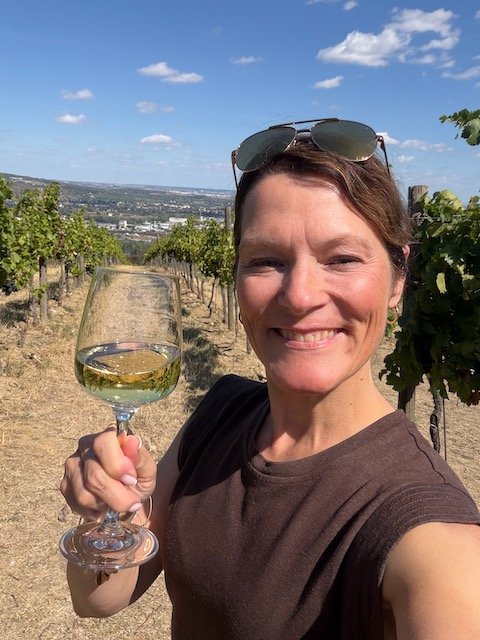
We arrived in Vienna and headed straight to Weingut Wieninger, and the week began the way I wish every week would: outdoors, in the vineyards, on a gorgeous summer day.
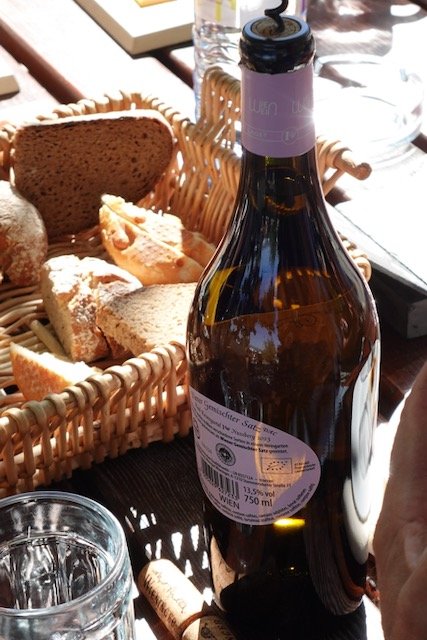
To find Wieninger, you leave the Vienna of palaces and coffeehouses behind and head to Stammersdorf, a village-like corner of the city’s northern edge at the foot of the Bisamberg, lined with heurigen, the traditional wine taverns. The winery began as one. Fritz Wieninger grew up in the family heuriger, serving the wines made by his mother, one of the first women to graduate from the enology program at Klosterneuburg. He took over the family estate in 1987 and turned a tavern into one of Austria’s most admired urban wineries, farming vines on both sides of the Danube: the sandy, loess-rich Bisamberg and the limestone slopes of the Nussberg. Fritz is also a great champion of Wiener Gemischter Satz, Vienna’s traditional field blend, and when the ÖTW classified twelve Viennese vineyards as Erste Lage for the first time in 2017, four were his.
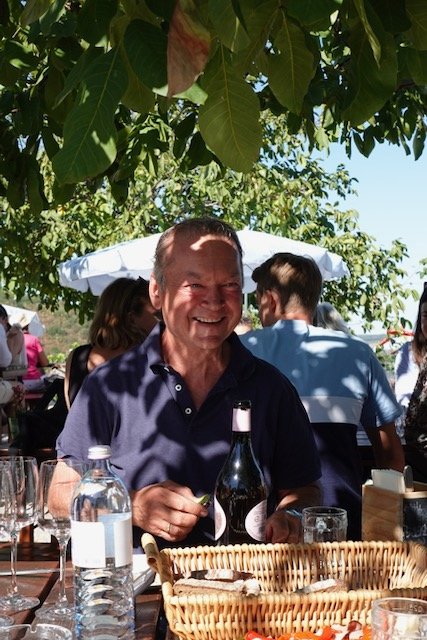
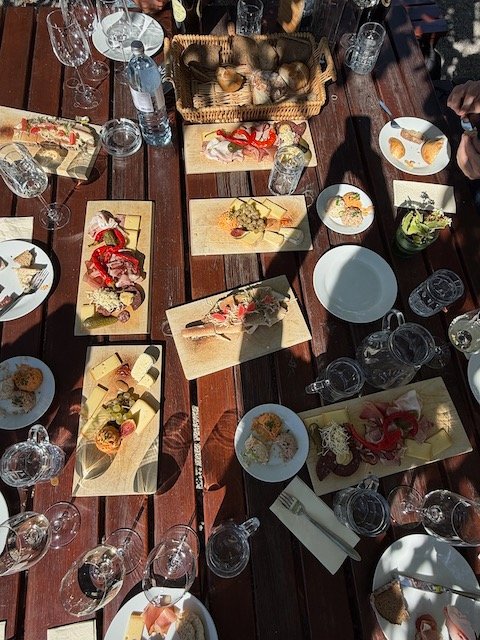
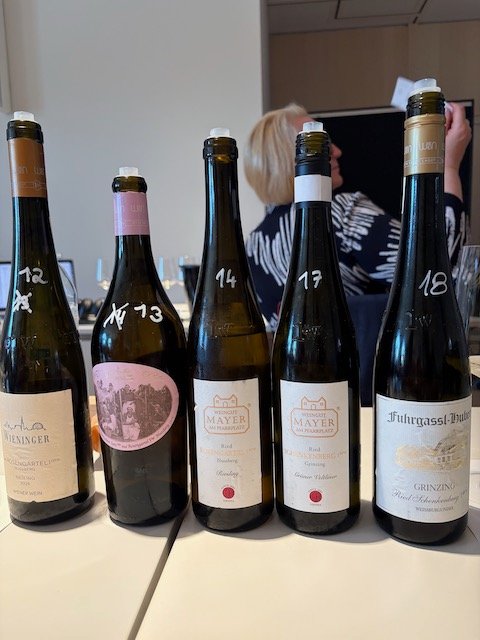
We tasted and lunched under a shaded tree at a picnic table in the vines, with the charming Fritz telling stories about his family, about the beauty of the Nussberg overlooking the city, and about much more. It was the gentlest possible introduction to Erste Lagen, and my coup de coeur was the Wiener Gemischter Satz DAC Ried Rosengartel Nussberg 2023. Many varieties, grown together, picked together, and speaking in a single voice, from a site whose wines were among the most sought-after in Habsburg days. A perfect first lesson for a week about place.
An Open-Air Overture
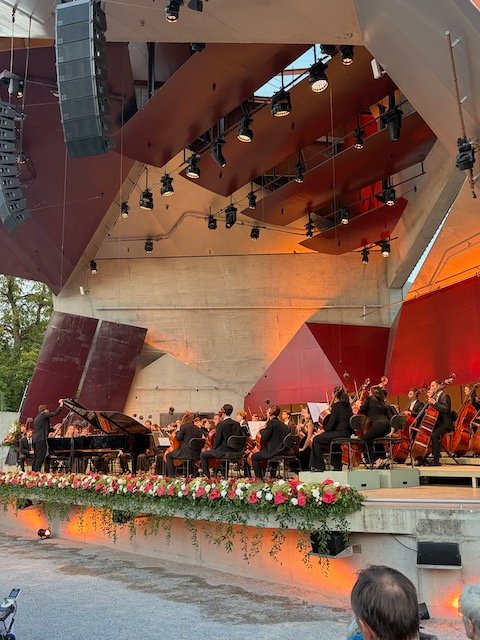
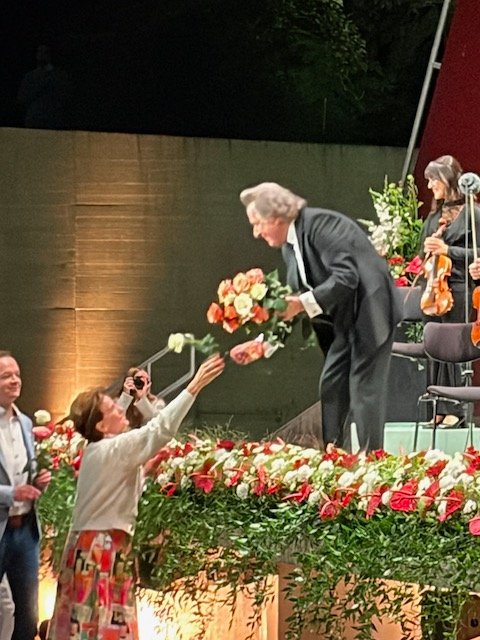
The week opened not with wine but with music: an evening concert under the open sky at the Wolkenturm that set an exquisitely romantic tone for everything still to come. The Orchestra Giovanile Luigi Cherubini performed Cimarosa’s overture to Il matrimonio segreto and Mozart’s Piano Concertos KV 467 and KV 466, with Rudolf Buchbinder leading from the piano after Riccardo Muti withdrew from conducting on doctor’s orders ahead of a necessary medical procedure. Sitting there, before a single glass had been poured, I felt the week find its register: precise, unhurried, and quietly moving. The same qualities I would spend the following days chasing in the glass.
Before the Hall
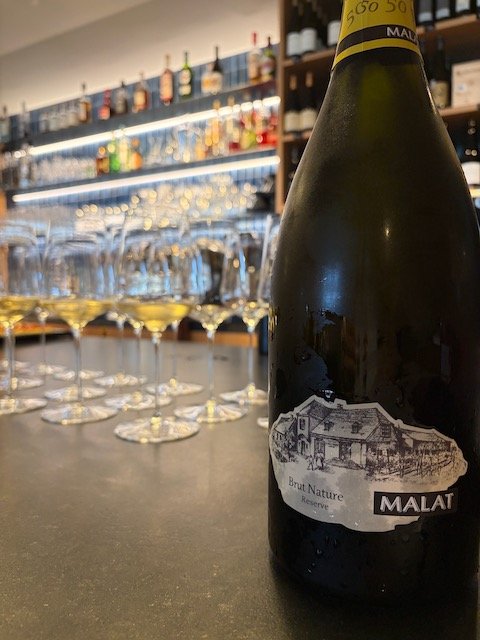
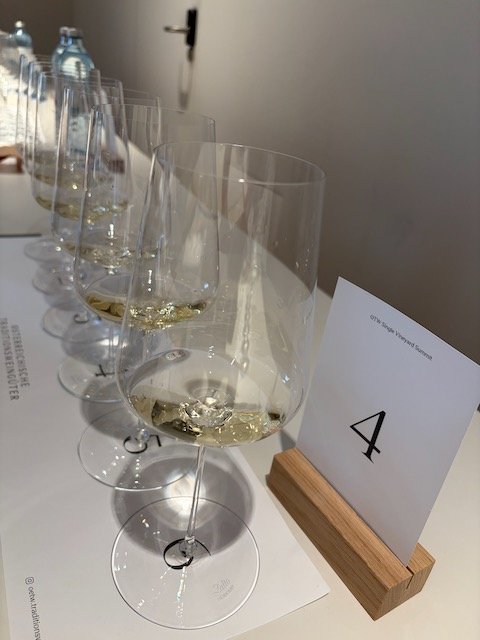
All good things begin with bubbles, and this week was no exception. Before the induction, before a single note went into my notebook, we were handed a glass from a magnum of Malat Brut Nature Reserve. A long line of glasses glowed pale gold under the bar lights. Brut Nature means zero dosage: nothing added, nothing hidden. Bone-dry, bright, and the perfect first statement for a week devoted to letting places speak for themselves.
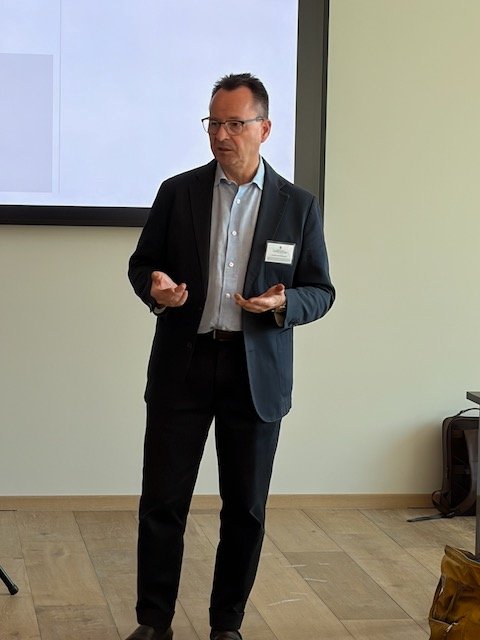
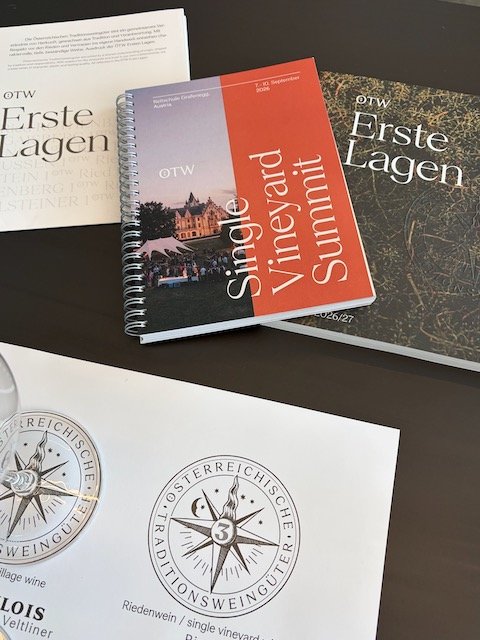
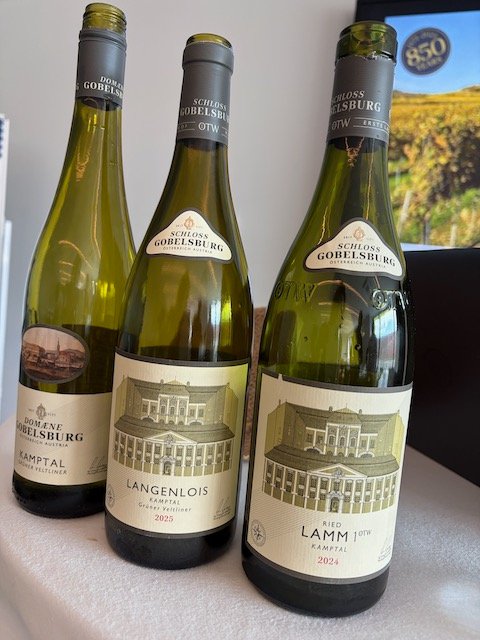
Then came Inside ÖTW, an induction at Mörwald Gutshof in Feuersbrunn. Two hours with Michael, who told the story of an association now 35 years old, founded by ten producers from the Kamptal and Kremstal who wanted to bring order to Austria’s tangle of vineyard names. Today it counts 91 members and 3,600 hectares. Of Austria’s 4,300 named single vineyards, just 145 are ÖTW, all of them certified organic, biodynamic, or Nachhaltig Austria. This is Austria’s Premier Cru, the Erste Lage, on the same level as Beaune, with the Grand Cru still to come. The ÖTW waited 15 years to get here, and the system is built to adapt as the climate does.
My favorite line of the morning was about the people behind it. Winemakers, Michael said, have to react like jazz musicians, in the moment. And the passion driving it all is simple: to make wine that brings people together.
Let The Tasting Begin
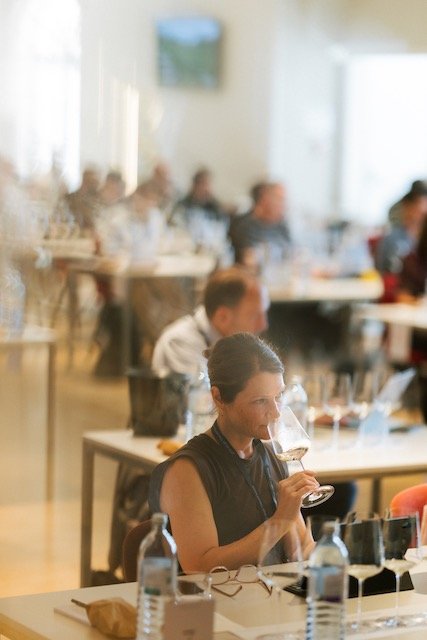
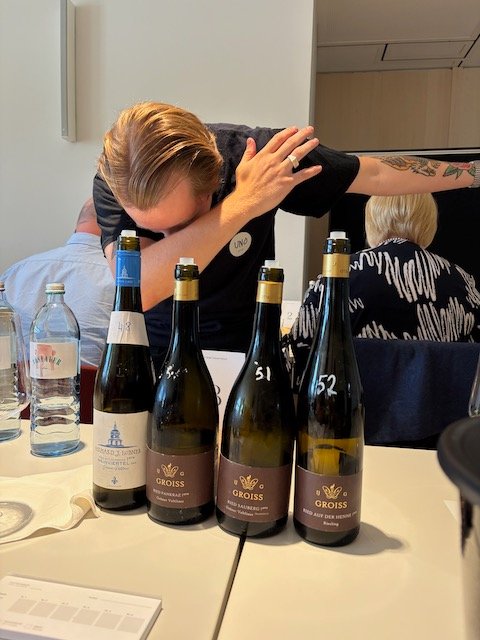
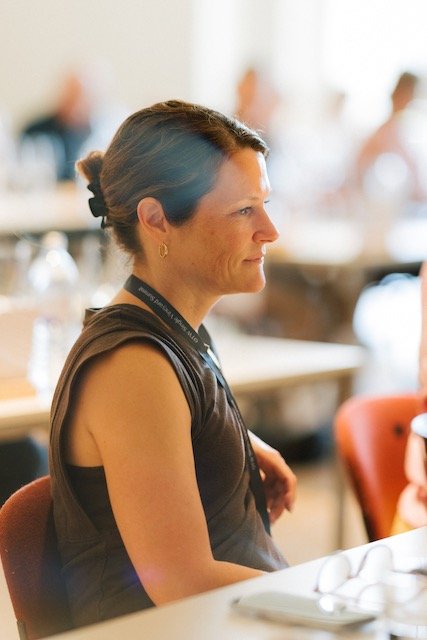
The tasting format itself is deceptively simple and completely rigorous. You build your own flights. You set your own pace. The winemakers pour. You taste in silence, then you talk, really talk, once you step away from the table. That mix of focus and human contact is exactly why this summit matters to me.
Why single vineyards matter? Because they are a bet that place outranks brand. In this room you are not comparing producers, you are comparing ground: Heiligenstein against Käferberg, Loibenberg against Kellerberg, the same grape, sometimes the same winemaker’s hand, pulled apart by nothing but where the vines are rooted. A single vineyard won’t let a good winemaker hide an average site, or an average winemaker waste a great one. The glass has nowhere to hide. That, more than any score, is what keeps me coming back.
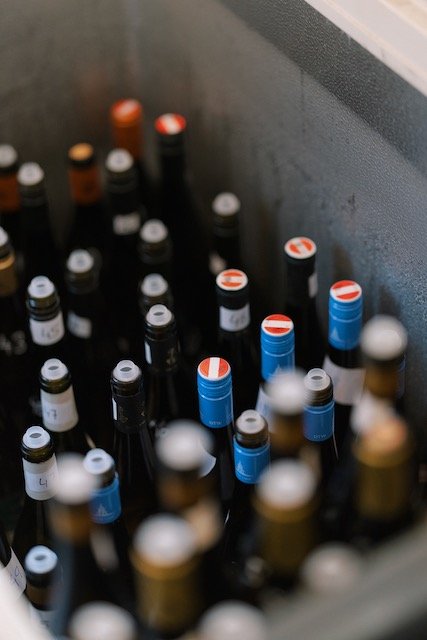
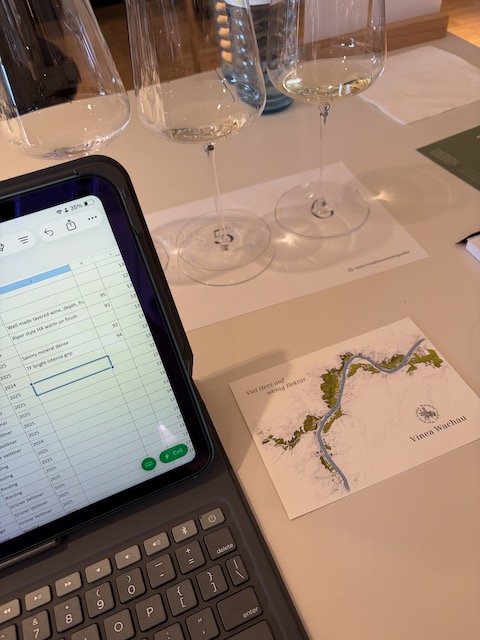
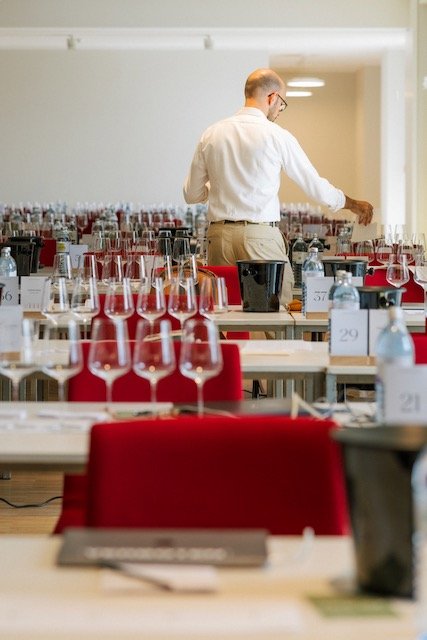
Four Tastings in the Hall
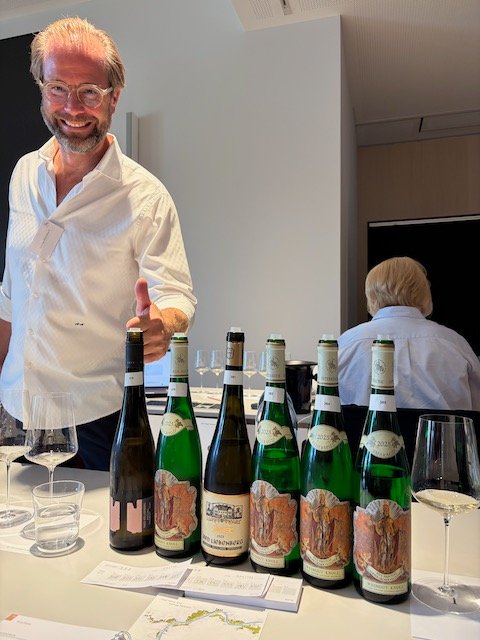
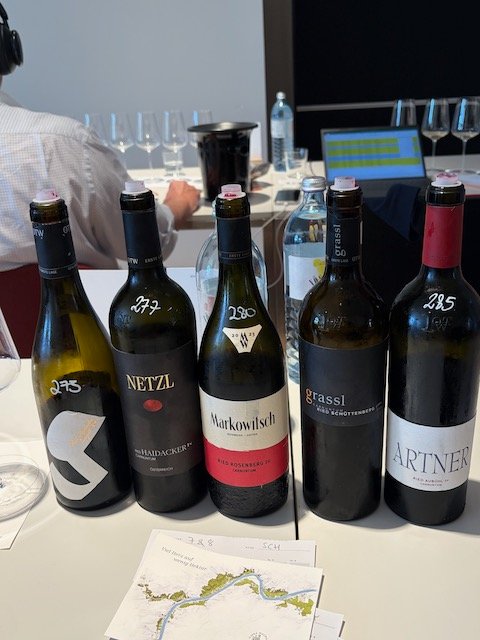
The hall offered four tastings, each a different slice of Austria.
The White-Wine Spine. Kremstal Riesling, linear and stony, made me sit up straighter. Then Kamptal arrived with extra length and breeding, and I wrote in the margin, half laughing: crazy for aristocratic Kamptal. A Heiligenstein Riesling had the lift of youth and the gravity of old sandstone.
Carnuntum and the Wachau. A pulse of red after all that white precision, then the Wachau’s tension, salt, and lift. Standing with Martin Mittelbach of Tegernseerhof, rustic romance became the phrase I kept circling: not rustic as simple, but as lived-in beauty.
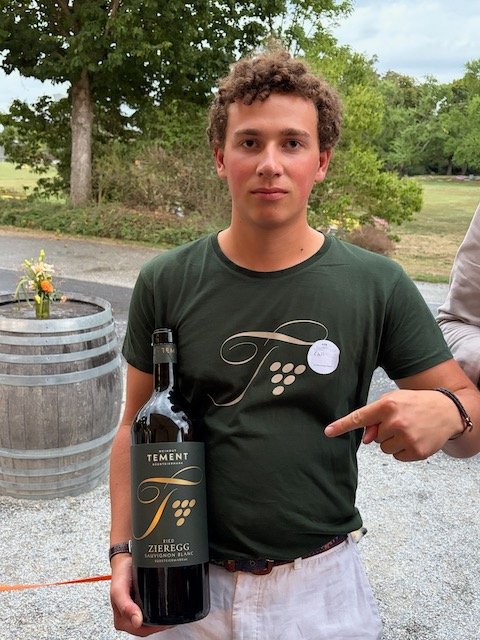
Widening the Map. Wagram’s loess generosity, Weinviertel’s pepper and pull, and Styrian guests with a Zieregg Chardonnay and Sauvignon carrying alpine snap over volcanic warmth. The Danube regions are not the whole story.
The Close. Styria’s lift and Burgenland’s shadow, with Leithaberg and Eisenberg Blaufränkisch adding darker, spicier bass notes. A coda, not a leftover.
Roots in the Garden
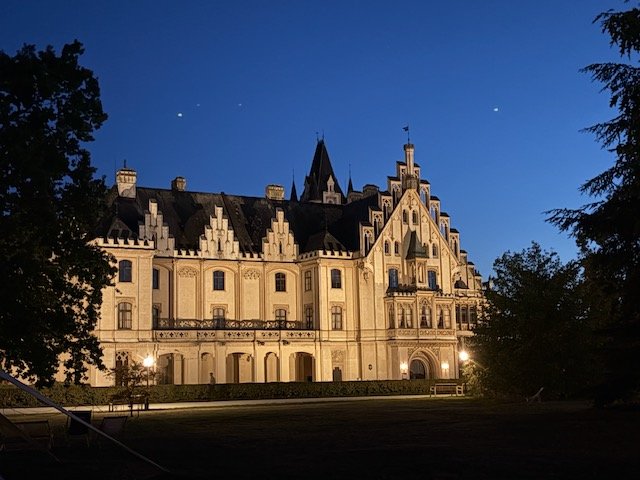
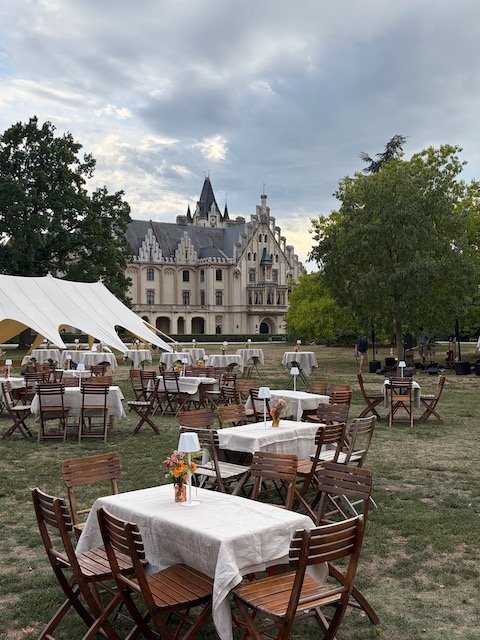
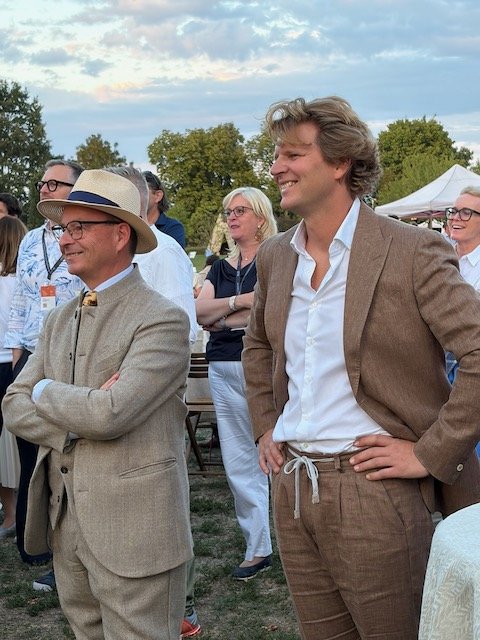
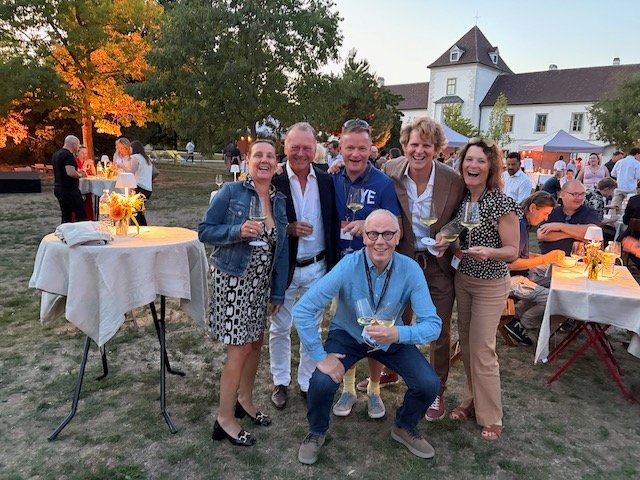
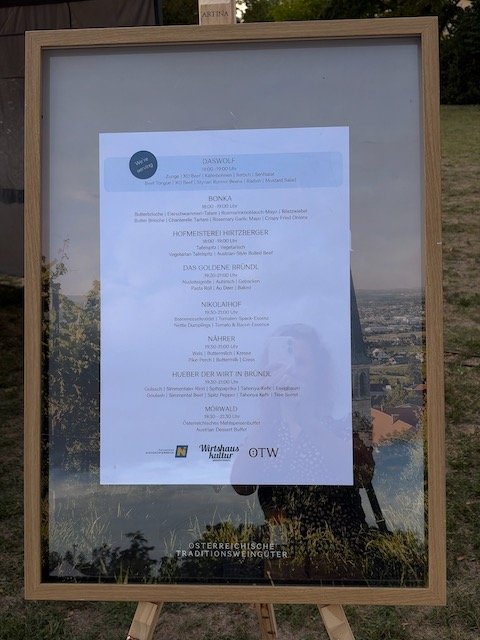
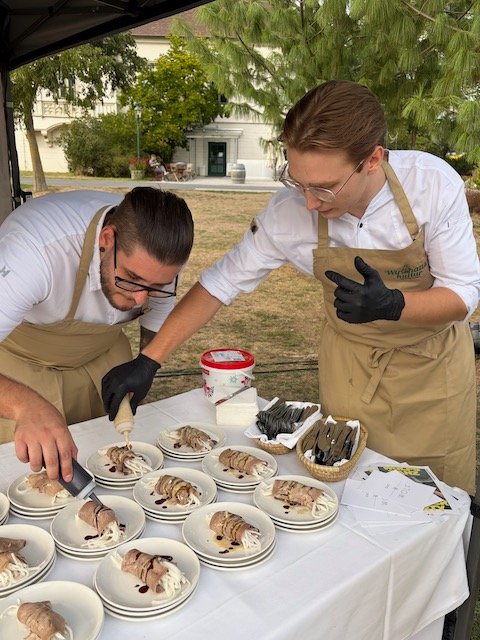
That first evening, the Schlosspark became a garden again. Roots in the Garden, the ÖTW Summer Celebration, brought together international guests, member wineries, and eight chefs from Wirtshauskultur Niederösterreich for wine and food under the trees. The official farewell to long-standing chairman Michael Moosbrugger gave the night its weight. A summit is a tasting. A summer party in the castle park is how a community says thank you.
A Table in Hadersdorf
Evening became a table, and this is where the week turned from a tasting into a memory.
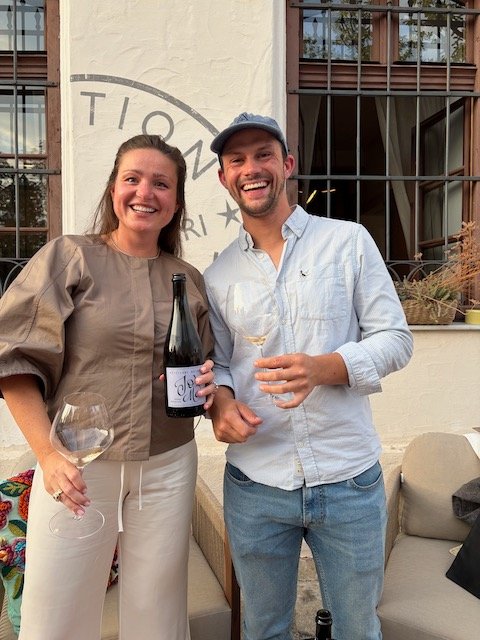
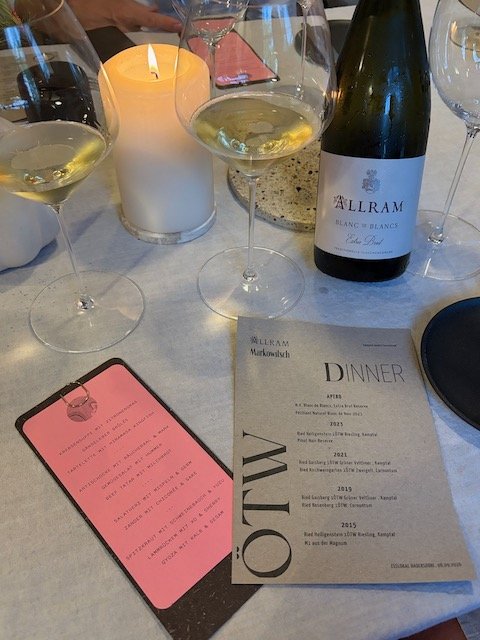
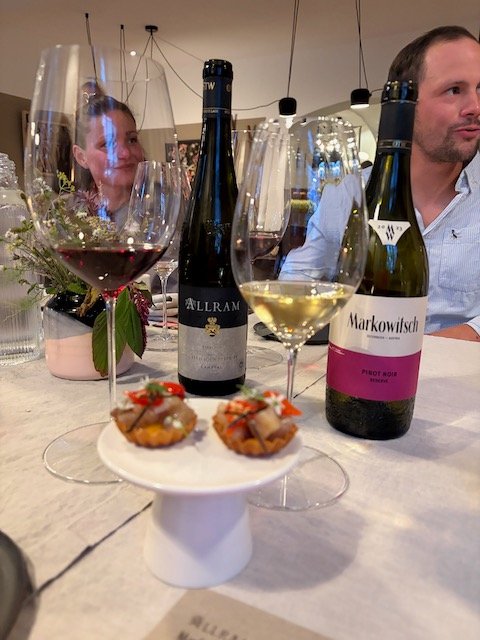
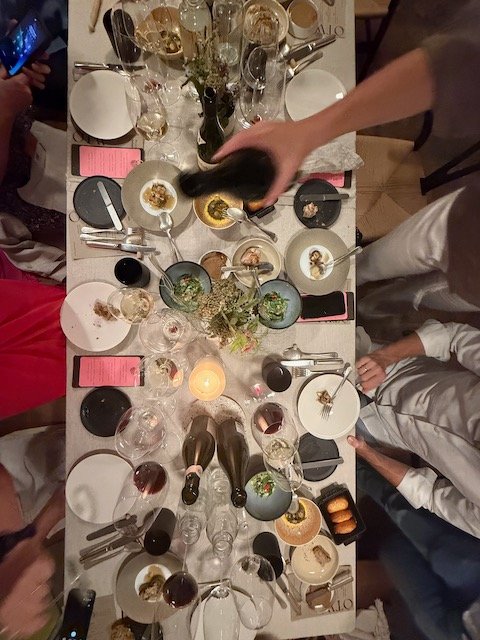
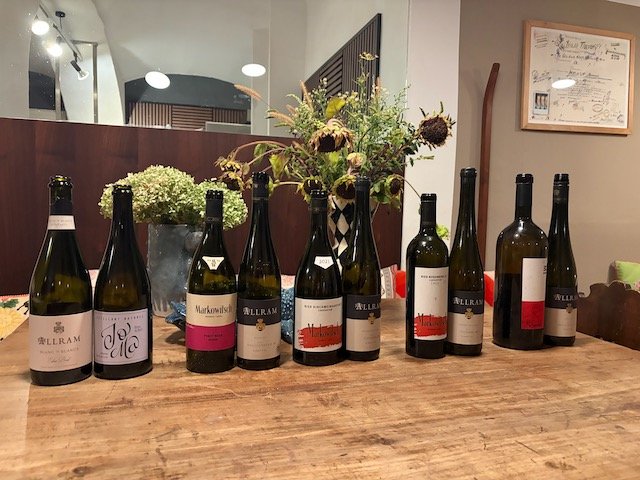
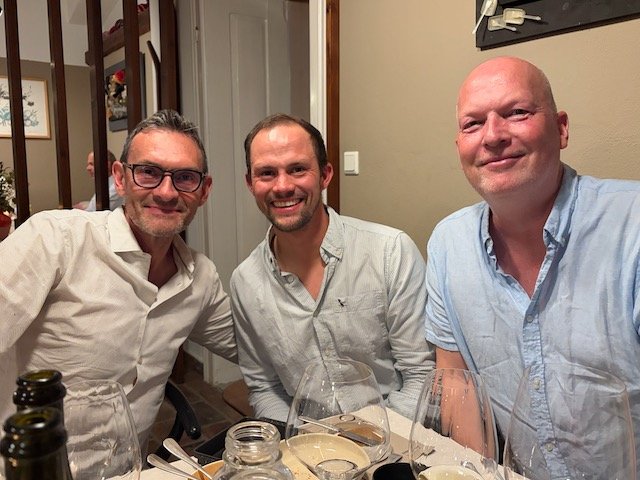
At Esslokal Hadersdorf in Hadersdorf am Kamp, Lorenz Allram from Kamptal and Johanna Markowitsch from Carnuntum hosted a winemaker dinner, the menu card simply titled Kamptal meets Carnuntum. I have been to many winemaker dinners. Few have felt like this one. Lorenz and Johanna didn’t host like producers working a room; they hosted like friends who had been waiting all week to feed us. Generous, warm, unfussy, endlessly welcoming. Glasses kept filling, conversation kept moving, and somewhere between the first bubbles and the last bite, a table of international guests turned into a table of people who seemed to have known each other for years.
In the Glass & On the Plate
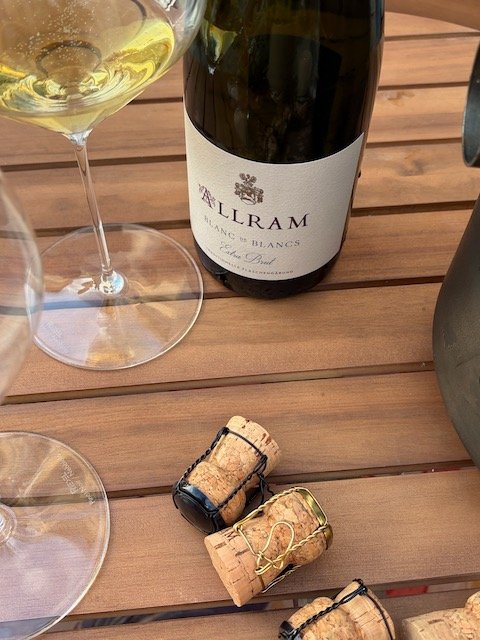
The wines moved in pairs, a Kamptal beside a Carnuntum, so you could taste two regions arguing, politely, for place. Bubbles opened the evening, a Blanc de Blancs Extra Brut Reserve and a Pétillant Naturel Blanc de Noir 2023, bright and a little untamed. A magnum of M1 closed it, a historical Merlot that felt like a toast.
Lorenz Allram’s Kamptal felt like poise. The Ried Heiligenstein Riesling, poured from 2023 and again from 2015, and the Ried Gaisberg Grüner Veltliner, from 2021 and 2019, showed the same hills at different ages: the lift of youth, then the gravity of old sandstone. Clear, composed, and never in a hurry.
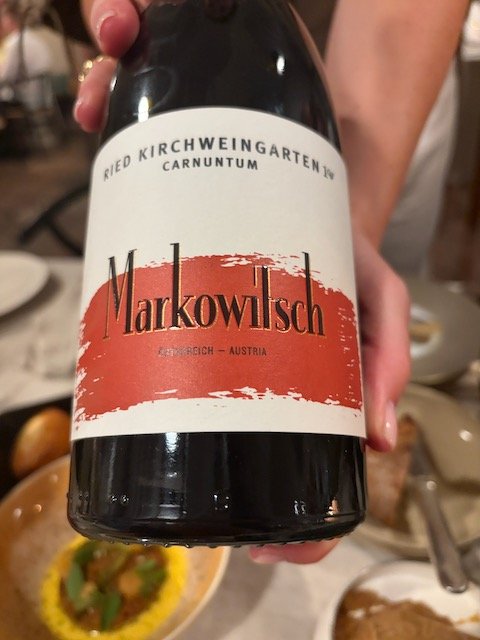
Johanna Markowitsch’s Carnuntum felt like warmth. The Pinot Noir Reserve 2023, the Ried Kirchweingarten Zweigelt 2021, and the Ried Rosenberg 2019 brought velvet, juicy red fruit, and darker spice, a pulse of red answering all that Kamptal precision.
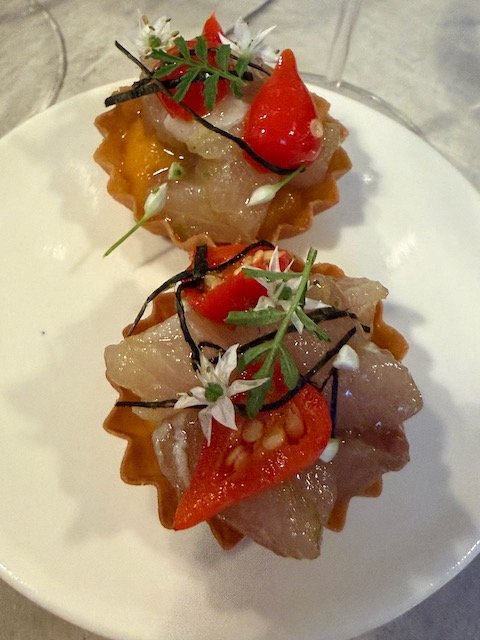
The menu was Austrian at heart with an Asian accent: yuzu, sake, XO, gyoza, nori. A conversation between kitchens that mirrored the one happening between the two regions in the glass. Even the first tartlet, kingfish crowned with red chili, nori, and tiny white flowers, was almost too pretty to eat. Almost.
From the first bubbles to a historical Merlot, the pairings and the shared laughter made the whole summit feel suddenly, warmly human. Thank you, Lorenz and Johanna, for the welcome.
Widening the Map
Then the map widened further still. Wagram and its loess generosity. Wien and the living puzzle of Wiener Gemischter Satz. Weinviertel’s pepper and pull. Thermenregion’s quieter, older voice. The Styrian guests from Südsteiermark and Vulkanland Steiermark brought a Chardonnay from Zieregg that reminded everyone why STK belongs at this table, alongside Sauvignon and Morillon carrying alpine snap over volcanic warmth. You need a stretch like this, or the Danube regions start to feel like the whole story, and they’re not.
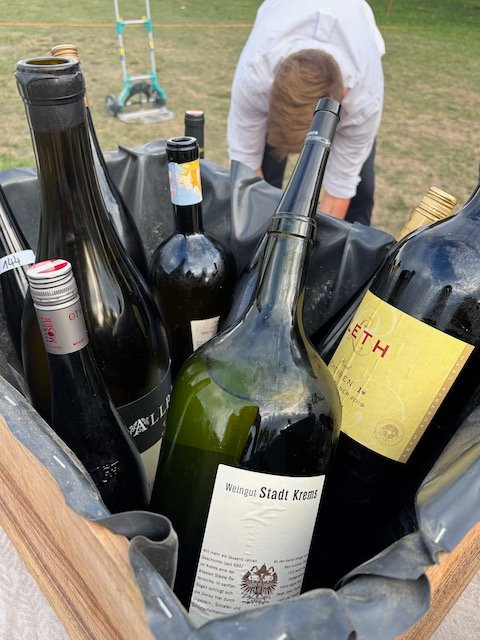
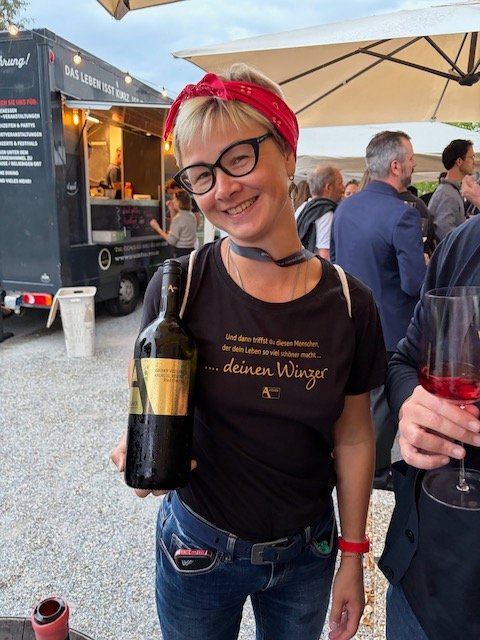
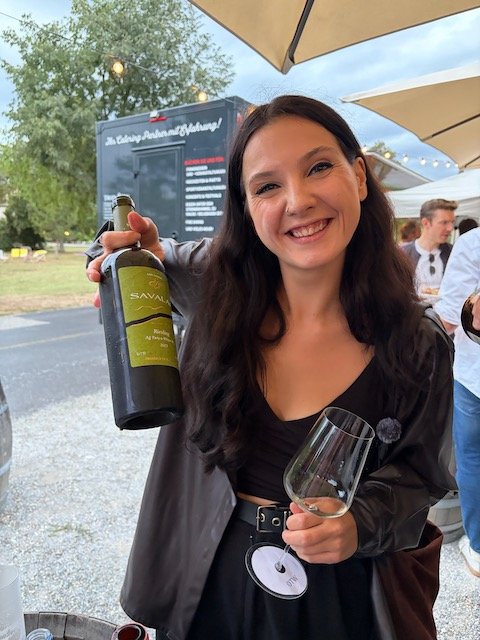
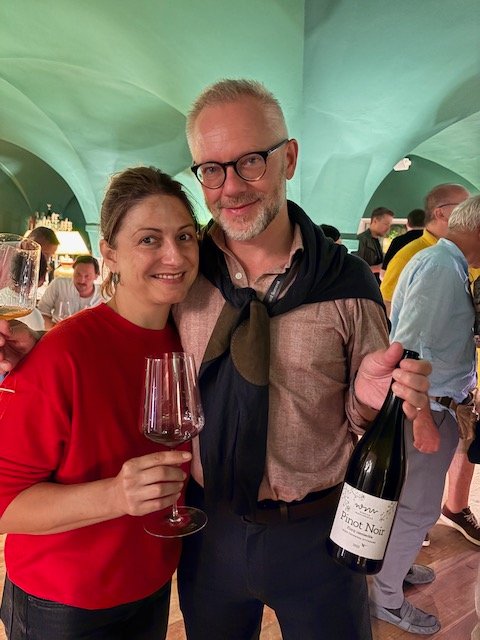
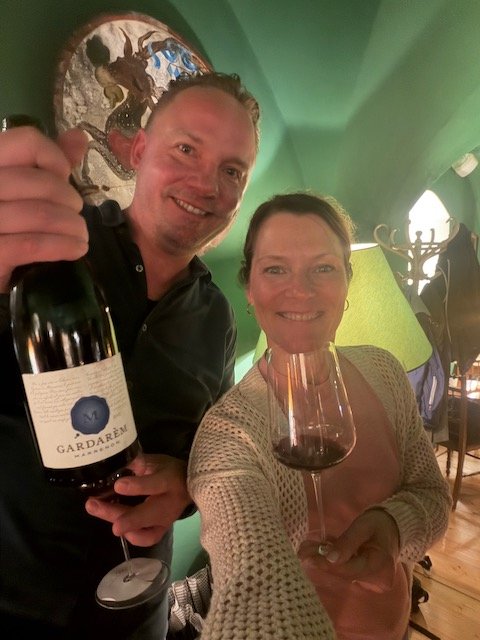
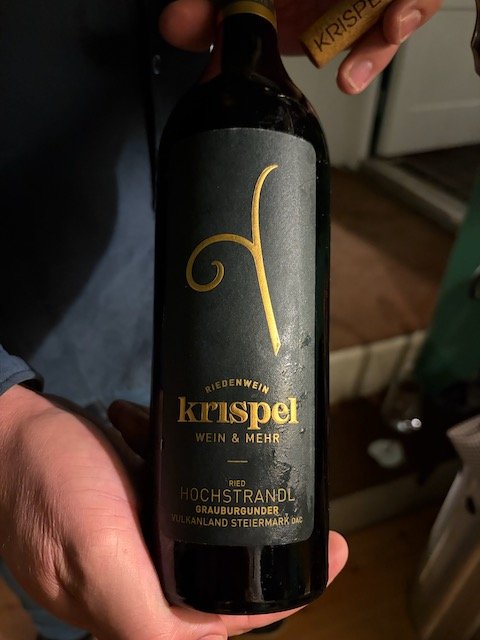
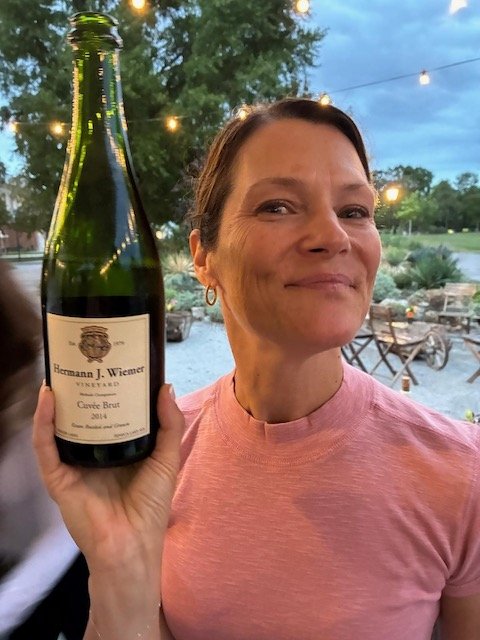
Night belonged to Uncorked at Grafenegg, Bring Your Own Bottle at the Weinlounge in the Alter Stierstall. A bottle that moves you, shared with winemakers and guests. After so many classified sites, it was a relief to drink from affection instead of a flight sheet.
A Living Archive in Wagram
One afternoon pulled me out of the hall to Weingut Leth in Wagram, and to a question that hung over the whole visit: which forgotten grape varieties will shape the future?
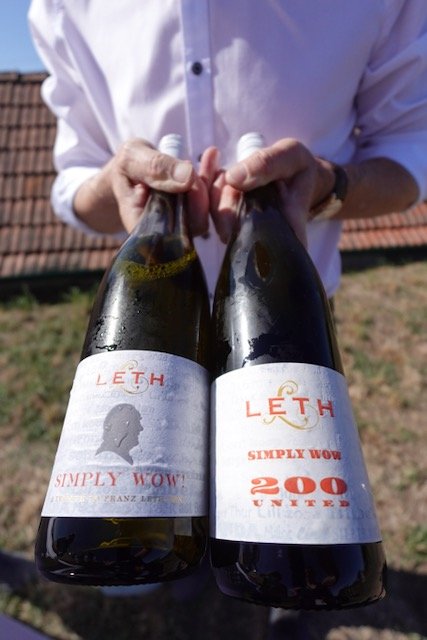
Simply WOW
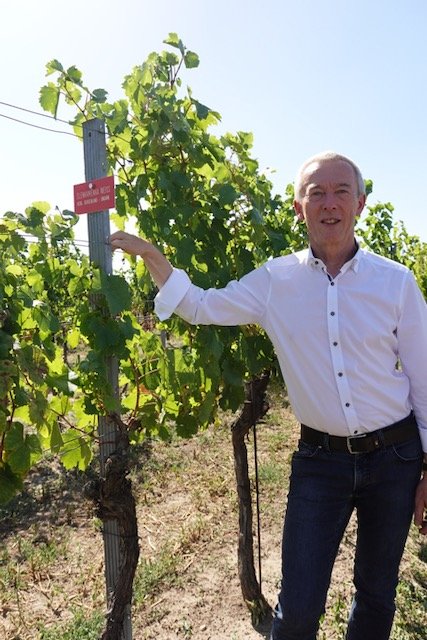
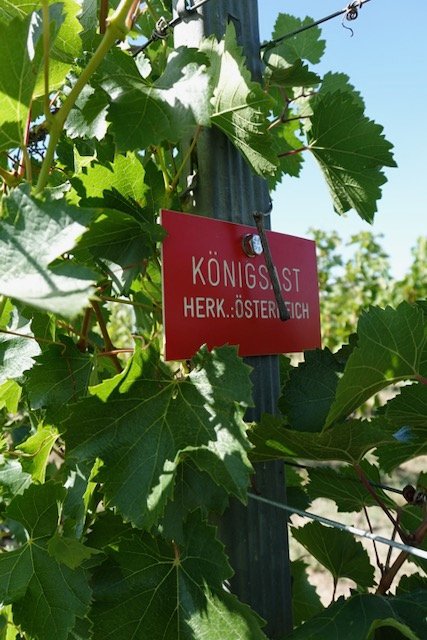
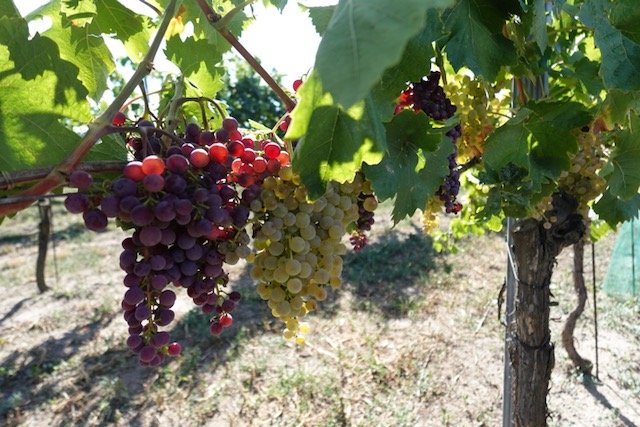
Franz Leth represents the third generation of the Leth family and guided us to a 1.3-hectare vineyard of more than 250 regional and almost-extinct varieties. It was his father’s passion project, built vine by vine over time: a living archive in the ground.
Being there was twofold. I was surrounded by decades of dedication, passion, and innovation, and I was about to taste the result of it in my glass. Field blends have existed in Austria for centuries, but his father had a vision to create something truly unique, paying homage to the forgotten and making sure these varieties would never disappear, because they were meant to be enjoyed, not just remembered.
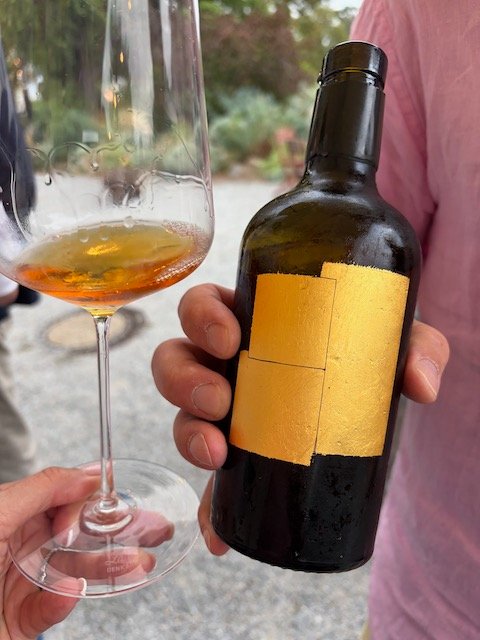
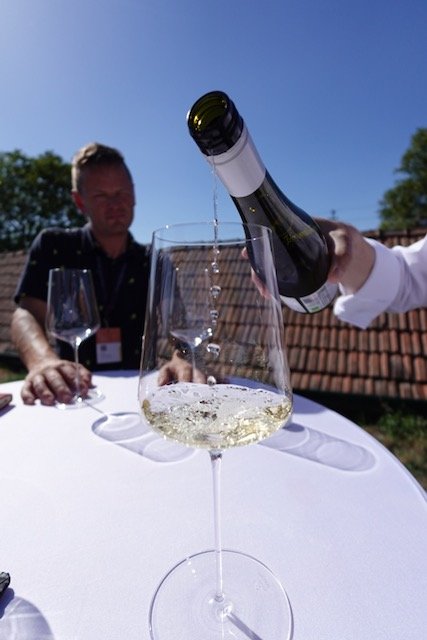
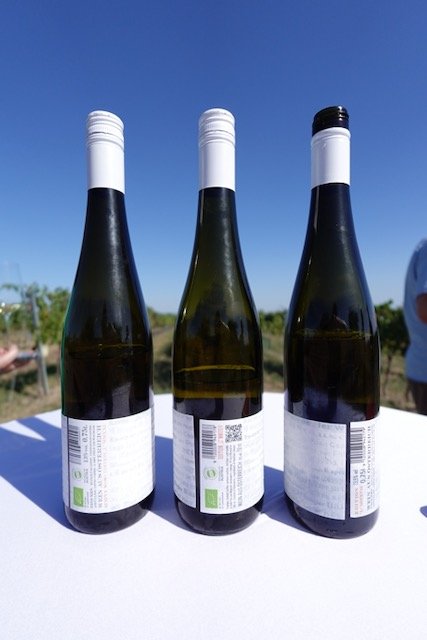
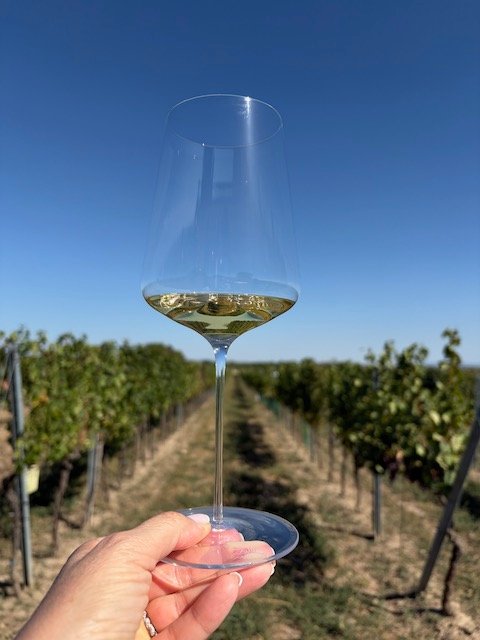
Right there among the vines, we tasted a vertical of Simply WOW, made in honor of his father’s devotion to these rare varieties. Sipping a wine from a garden of rarities, standing in the garden itself, is exactly as good as it sounds. The 2017 was the long view, the 2021 the middle chapter, the 2024 the opening line. Even the label is a creative wink, because the name says it all: the field, and his father’s dedication to it, is simply WOW.
Roter Veltliner, the Diva
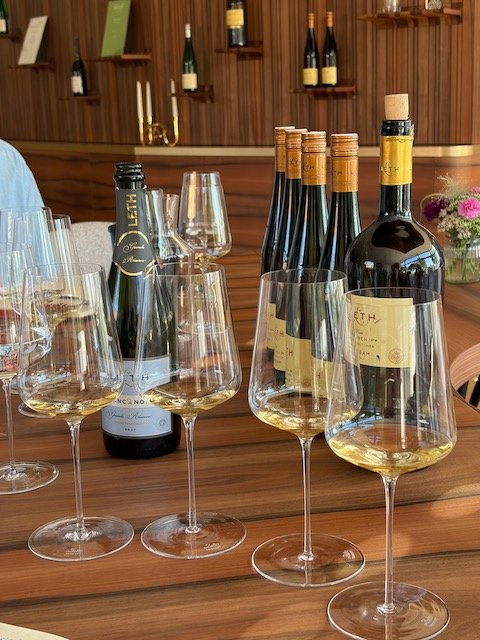
Back at the winery, we began with bubbles: a vintage Sekt BDN 2019 Brut Grande Réserve that spent six patient years in the bottle before anyone was allowed to taste it.
Then the spotlight turned to Roter Veltliner, an indigenous grape that has adapted over hundreds of years to this corner of Austria and exists nowhere else. Only about 200 hectares are planted in the whole country, and Leth farms nine of them. It’s a diva in the vineyard: it ripens unevenly, it is enormously sensitive to mildew, and it demands the most hand work of any variety they grow, from canopy work that keeps air and sun moving to green harvesting for top quality.
In the cellar, the single-vineyard wines ferment and age in acacia barrels, a wood widely available in the area and well suited to old, humid cellars, while lees ageing deepens the color. The reward is a wine that is always high in acid, yet fresh, rounder, and ripe with sweeter fruit.
- 2024, the spark. Youthful and spicy, with sweet pineapple, mandarin, and a flash of grapefruit.
- 2023, the smooth talker. Round and easy, melon and honey, finishing on white pepper and ginger.
- 2022, the live wire. Vibrant green apple, cantaloupe, red apple, and orange.
- 2021, the grown-up. Balanced and concentrated, cantaloupe meeting spiced pineapple, cooked rhubarb, and a long, spicy exit.
It was the opposite of the silent hall, and somehow the same idea: origin first, then what comes next..
Living Inside the Tasting
What I keep coming back to is the week’s quiet density; Grafenegg itself makes that possible. The castle park, the cottages on the grounds, breakfast at Mörwald, the short walk to the hall. You’re not rushing between hotels and taxis. You’re living inside the tasting, and that changes how you listen to the wines.
For me, this summit was never really about scores or the next vintage to buy. It’s about watching a country’s best growers stand behind their classified sites, year after year, and ask the same question: does this glass taste like here? This year, the answer was clearer than ever, and more sustainable, too.
Three hundred and sixty glasses. Rustic romance and aristocratic calm. I am grateful to have been in that room. Grateful for all the conversations with winemakers, wine professionals, and all those involved. And already looking forward to the next time these bottles and these people gather under the same roof. My heartfelt gratitude to the OTW organization for this memorable experience.