
Avinyo Cava Reserva 2017
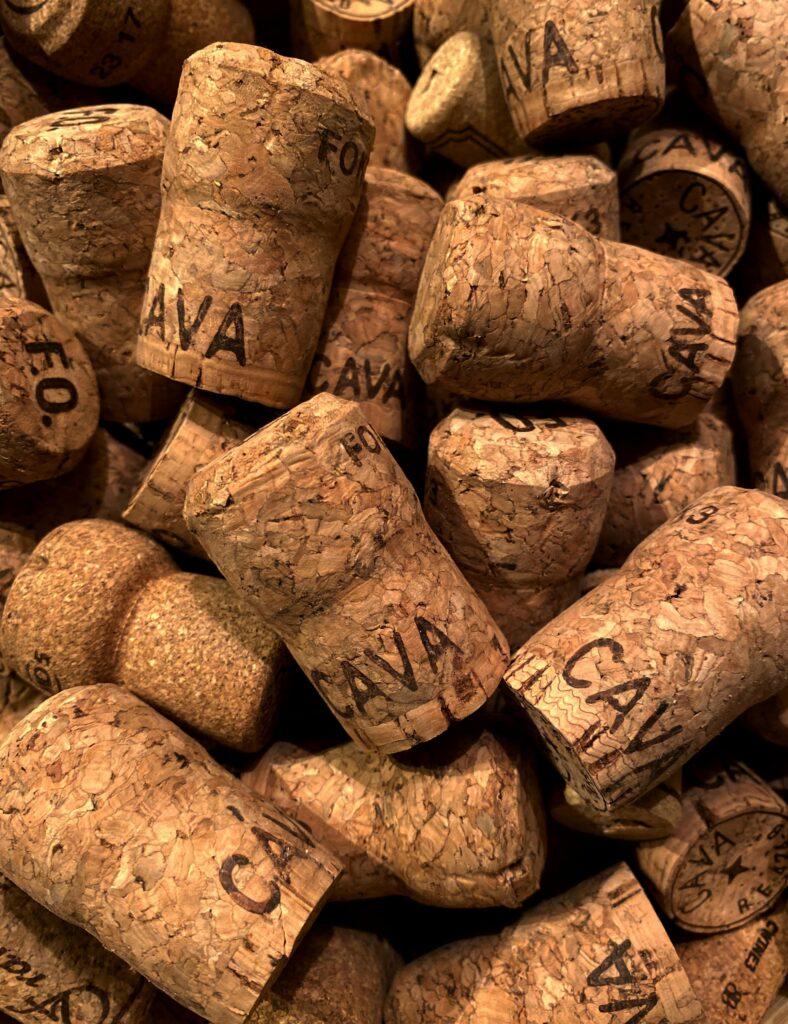
Avinyó can trace the lineage of its estate in the Catalan countryside in the remote village of Avinyonet del Penedès, where the Esteve family traces their history to 1597 with the building of their Masia (Catalan farmhouse) named “Can Fontanals”, the traditional family home. They have an enormous respect for traditions, striving to continuously improve and maintain a high quality standard, they set themselves apart from other Cava producers. Through education, time and experience in France, the first Avinyó Cava was produced in 1979 in very small quantities and the family gradually became known to locals as a go to for incredible high quality sparkling wines from traditional grape varieties. Most bulk production Cava producers age the wines for the minimum requirements of 9 months. The Avinyó estate sets a high quality standard to set themselves apart from th rest and has a minimum aging for their “entry-level” Reserva cuvée of 24 months, with many of their bottlings receiving at least 36 months of time on the lees. The wines are disgorged on demand in order to maintain the fresh and vibrant flavors of the wines. Quality is top priority. In addition to being produced solely from organically certified (since 2019) estate-grown grapes and with extended lees-aging in bottle, all Avinyó Cava is from a single-vintage, clearly labeled on the bottle. No reserve solera wine is used here to alter either the expression of the vineyard or correct for a “house-style”. Avinyó is about transparency. This wine is a blend of 60% Macabeo, 25% Xarel-lo and 15% Parellada from 50+ year old old vines which are planted at altitudes of 250m to 275m. This freshness, zippy acidity and lively flavors. It’s a fun, easy drinking any day of the week with zero pretention sparkling wine. Avinyó Cava Riserva 2017, Penedes, Spain Pale lemon color. Medium intensity aromas of green apple, lemon, pear, peach, toast, minerals, fennel and grass. Lively acidity with fine bubbles and flavors of green apple, lemon, pear, peach, toast, minerals, fennel, grass, stone, honey, saline and cream. Such a great value.
Oregon’s Illahe Viognier
Facts About The Columbia Valley Oregon is one of the United States’ most important non-Californian AVAs. Oregon’s Willamette Valley is an ideal site for growing cool-climate, aromatic white varieties, much like Northern Alsace in France. Think cranberries and earth, not a CA fruit bomb. Sub AVAs: Dundee Hills, McMinnville, Eola-Amity Hills, Yamhill-Carlton, Chehalem Mountains, Ribbon Ridge, Van Duzer Corridor The best Oregon Pinot Noirs are regularly compared to their significantly more expensive counterparts from Burgundy. Pinot Noir plantings 77% in Oregon The valley follows Willamette River: East are The Cascade mountain range and West are Oregon Coast Range – runs between the Willamette and the Pacific Ocean. Climate: Maritime Coast Range blocks a lot of the Pacific influences but ocean breezes seeping in through a series of gaps in the mountains. Rain in the winter, hot dry summers with cool evenings Illahe Viognier 2019 from Willamette Valley, 🇺🇸 👁 Pale watery lemon color 👃 Aromatics jump out of the glass with honeysuckle, orange blossom, pear minerals, peach, saline- musty low tide 😂 👄 Rich in flavor yet fresh and creamy in texture, honeysuckle, orange blossom, pear, minerals, peach, mango, beeswax, saline , nectarine, apple all enveloped with soft acid and body with medium alcohol.
Poesia Malbec Beauty
Malbec is a star blending varietal in Bordeaux, it shines in Cahors as a single varietal or as a superstar in Argentina. Let’s not forget how well it’s doing in Washington State and Uruguay. Malbec is known for its intense purple color (dead giveaway it’s a Malbec), fragrant and rich tannins. Malbec struggles to maintain acidity which is why the higher elevations (hello Argentina) with big diurnal temperature shift (cold nights and sunny days) really helps the grape develop it’s acidity to perfection. It does very well with long ageing in barrels. It is lovely on it’s own but also plays well with other varietals which adds color, black fruits, floral and earthy notes. Bodega Poesia 2012 – Poesia means Poetry – this wine is pure poetry in a glass. Organic and sustainable beauty. “Poesia is the story of what happens when they are given their chance. The chance to create something exceptional, with the greatest respect.” – Bodega Poesia Located in Mendoza, Argentina, where Malbec grows exceptionally well. Why? It has all the right ingredients to make an incredible wine – 900m altitude in Lujan de Cuyo, soils mix of sand, clay and gravel plus the sun and the water from the permanent snow melt work in harmony to make the vines flourish. The 13 hectares of vines were planted in 1935, on their original rootstocks (phylloxera was never an issue in Argentina). It’s a project of passion from Patrice Levesque and his wife Helene Garcin-Levesque (owners of Clos L’Église in Pommerol and Chateau Barde Haut in St. Emilion) who instantly fell in love with the terroir of Argentina. This wine is a blend of 60% Malbec and 40% Cabernet Sauvignon aged for 18 months in new french oak barrels. Dark fruit (blackberry, blueberry, cassis, dark plum), violets, earthy, herbal, chocolate, mocha, licorice, leather, tobacco leaf, silky tannins, smoke, savory, it’s power just lingers. Rich in aromatics, smooth in texture. It’s full bodied, medium acidity and soft tannins. This is a ROCK YOUR SENSES wine – pair this wine with your favorite poet or if you are hungry grilled rosemary lamb chops, provolone bison burger or skirt steak with roasted sage mushrooms. Happy Malbec Day!!
Sicilian Fish Stew
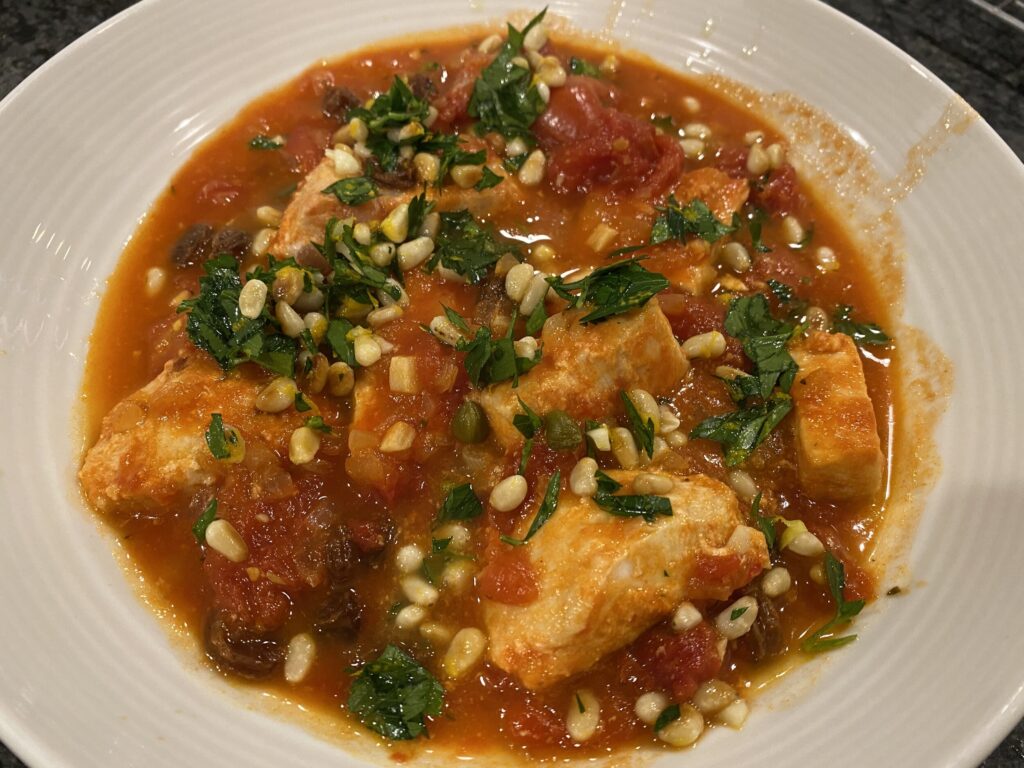
1/4 cup each pine nuts, toasted and chopped fresh mint (or parsley) 4 cloves garlic, minced 1 tsp. grated orange zest 2 tbsp. olive oil 2 onions, finely chopped 1 celery rib, mned salt and pepper 1/4 tsp. dried thyme pinch red pepper flakes 1/2 cup dry white wine 1 28oz can whole peeled tomatoes, drained with juice reserved, coarsely chopped 1 cup clam juice 1/4 cup raisins 2 tbsp. capers, rinsed 1 1/2 lbs skinless swordfish steaks cut into 1 1/2 inch thick pieces Combine pine nuts, mint, orange zest, 1/4 of the garlic in a bowl, set aside for serving. Heat oil in Dutch oven over medium heat until shimmering. Add onions, celery, 1/2 tsp. salt and 1/4 tsp. pepper, cook until vegetables are softened, about 5 minutes. Stir in thyme, pepper flakes and remaining garlic, cook until fragrant, about 1 minute. Stir in the wine, reserved tomato juice and simmer till reduce by half, about 5 minutes. Add clam juice, raisins, capers and tomatoes, simmer for 15 minutes to meld the flavors. Season the swordfish with salt and pepper. Add the swordfish, nestling them into the broth and spoon over some liquid over each piece of fish. Bring to simmer and cook for 4 minutes. Remove from heat and cover, let stand till swordfish flakes apart when gently prodded with a knife, about 5 minutes. Season and serve. Sprinkle with pine nut mixture. Pair with a sparkling Rose or a bright Nerello Mascalese
Curry-Coconut Braised Fish
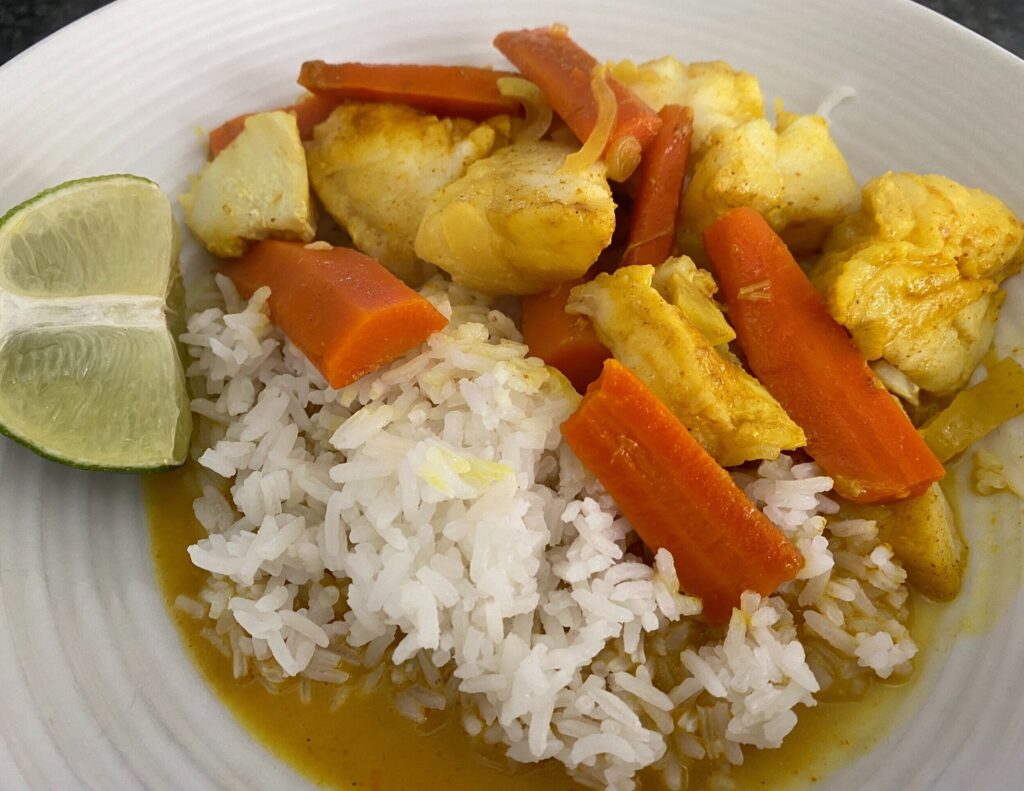
14-ounce can coconut milk 2 medium carrots, peeled, halved lengthwise, and cut into ½-inch pieces 1 medium yellow onion, halved and thinly sliced 6 medium garlic cloves, finely grated 2 teaspoons ground turmeric 2 teaspoons curry powder ½ teaspoon red pepper flakes 1 cup low-sodium chicken broth 1½ pounds skinless, firm white fish fillets, cut into 2-inch chunks Kosher salt and ground white pepper Lime wedges, to serve In a large Dutch oven over medium-high heat, combine the coconut milk, carrots, onion, garlic, turmeric, curry powder, and pepper flakes. Bring to a simmer, then reduce to medium and cook uncovered while stirring occasionally, until the carrots are tender and the liquid has thickened to the consistency of heavy cream, about 10 minutes. Stir in the broth and bring to a simmer over medium-high heat. Season the fish with salt and white pepper, then place in the pot and stir gently. Cover, reduce to low, and cook until the fish flakes easily when poked with a fork, 7 to 10 minutes. Taste and season with salt and pepper. Serve with lime wedges. Serve with Steamed Jasmine Rice and a fresh glass of Gewürztraminer or Off-Dry Riesling
Brazilian Shrimp and Fish Stew (Moqueca)
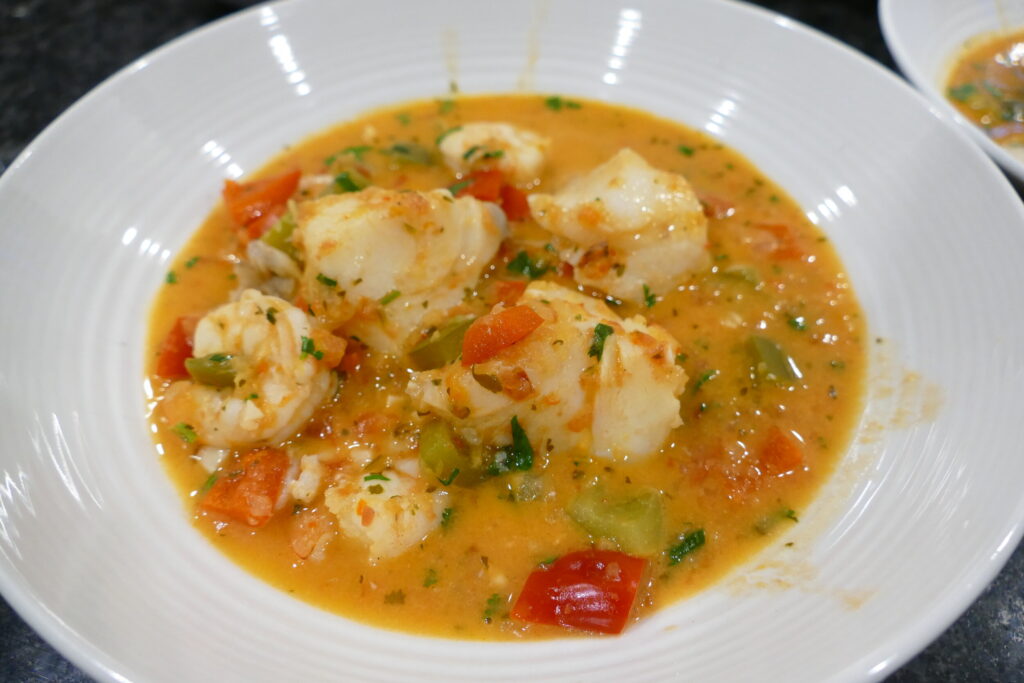
Pepper Sauce 4 pickled hot cherry pepper (3 ounces) ½ onion, chopped coarse ¼ cup extra-virgin olive oil ⅛ teaspoon sugar Salt Stew 1 pound large shrimp (26 to 30 per pound), peeled, deveined, and tails removed 1 pound skinless cod fillets (¾ to 1 inch thick), cut into 1½-inch pieces 3 garlic cloves, minced Salt and pepper 1 onion, chopped coarse 1 (14.5-ounce) can whole peeled tomatoes ¾ cup chopped fresh cilantro 2 tablespoons extra-virgin olive oil 1 red bell pepper, stemmed, seeded, and cut into ½-inch pieces 1 green bell pepper, stemmed, seeded, and cut into ½-inch pieces 1 (14-ounce) can coconut milk 2 tablespoons lime juice For the pepper sauce: Process all ingredients in food processor until smooth, about 30 seconds, scraping down sides of bowl as needed. Season with salt to taste and transfer to separate bowl. Rinse out processor bowl. For the stew: Toss shrimp and cod with garlic, ½ teaspoon salt, and ¼ teaspoon pepper in bowl. Set aside. Process onion, tomatoes and their juice, and ¼ cup cilantro in food processor until finely chopped and mixture has texture of pureed salsa, about 30 seconds. Heat oil in large Dutch oven over medium-high heat until shimmering. Add red and green bell peppers and ½ teaspoon salt and cook, stirring frequently, until softened, 5 to 7 minutes. Add onion-tomato mixture and ½ teaspoon salt. Reduce heat to medium and cook, stirring frequently, until puree has reduced and thickened slightly, 3 to 5 minutes (pot should not be dry). Increase heat to high, stir in coconut milk, and bring to boil (mixture should be bubbling across entire surface). Add seafood mixture and lime juice and stir to evenly distribute seafood, making sure all pieces are submerged in liquid. Cover pot and remove from heat. Let stand until shrimp and cod are opaque and just cooked through, 15 minutes. Gently stir in 2 tablespoons pepper sauce and remaining ½ cup cilantro, being careful not to break up cod too much. Season with salt and pepper to taste. Serve, passing remaining pepper sauce separately. It was a perfect “entertaining meal” – friends over, you’ve done all the prep work, when you start to get hungry, heat up the base and toss in the seafood. 🍷 A vibrant, aromatic meal such as this begged to be paired with a spectacular, floral Viognier.
Summerland Fiddlestix Vineyard Pinot Noir
Santa Rita Hills AVA is one of 5 microclimate AVAs and is an exciting sub region of Santa Barbara County AVA. It produces elegant, structured Pinot Noir as well as racy Chardonnay thanks to a long sunny growing season, ocean proximity to the west with mountain ranges to the north and south. What does that mean? Well these mountain ranges funnel cool sea breezes and fog throughout the region which creates a some of the coolest summertime temperates, circulates the air and reduces rot. All of these awesome things makes the uber picky Pinot Noir grape VERY happy and produces elegant, structured wines. Let’s not forget the soils which have some of the purest forms calcareous (think chalky soils of Chabis, Champagne and Burgundy) which contributes to the freshness and minerality of the wine. Summerland Winery is a boutique located in Central Coast, California. They strive to seek out expressive lots of single vineyard wines that really show the true character of the region. Their focus is on small lot, vineyard designated Pinot Noir. If you ever visit, be sure to bring your furry family member, they are dog friendly. Summerland Fiddlestix Vineyard Pinot Noir 2015 200 cases produced of this single vineyard Pinot Noir – I lucked out with bottle number 1592 Small lots aged in oak barrels. The color is ruby at the core with garnet rim. Vibrant aromas of cherry cola, strawberry, mulberry, vanilla, smoke earthy mushroom, minerals, nutmeg. Polished smooth tannins, firm acidity carries the flavors of strawberry, raspberry, cranberry, cherry cola, vanilla, smoke, earthy, mushrooms, minerals, nutmeg, cinnamon, rose petal, fennel that just lingers It’s suave yet dynamic, balanced and smooth. I paired this with old Quebec Spice (a tangy, peppery, garlic and cracked coriander mix) Seared Ahi Tuna steaks and roasted asparagus. You could also match it with veal scallopini with wild mushrooms or a Brie and Caramelized Onion Tart.
Girolamo Russo Etna Rosso
The terroir of Mount Etna, Sicily is like no other — high altitude combined with mineral-rich volcanic soils provide an exceptional environment for growing grapes. Small farmers or contadini have tended vines on Etna’s steep, windy slopes for generations. This wine is a blend of Nerello Mascalese 94% & Nerello Cappuccio 6%. Both are often grow near each other on the slopes of Mount Etna. These grapes make up quality reds of Etna. A pale ruby color, medium /high sandy tannins, medium/high acidity, lots of sweet red fruit (ripe strawberry and sour cherry), minerality/smoke, dried herbs, leather. The blend of these two varietals have often been compared to a Burgundian style wine – savory and earthy plus add in the sour cherry and roses. Azienda Agricola Giuseppe Russo was founded in 2005 by Girolamo, following the death of his father (and named in his memory). Let me back track a second – Girolamo’s passion wasn’t winemaking from the start. His passion was music. He trained as a classical pianist. When his father passed away in 2004 he returned home to manage the family’s estate. But the estate would grow grapes and sell them to others to make wine. Girolamo had other ideas in mind. He decided to turn his passion into winemaking. Music and wine go hand in hand – they are both a passion, they are life. The estate is located in Passopisciaro, on the north side of Mount Etna. This village is one of many responsible for the rebirth of Etna’s most important grape variety, Nerello Mascalese. The vineyards benefit from high altitudes of 650 and 780 metres, rich volcanic mineral soil and 80 year old plus bush vines. The 15 hectares are organically farmed. The parcels of indigenous varieties such as Nerello Mascalese, Nerello Cappuccio, and Carricante are vinified seperately in order to retain each identity and character. The wines are made with care and attention, ready for immediate pleasure. Pure, stunning representations of volcanic terroir. Girolomo Russo “a’ Rina” Etna Rosso, 2018 Fun Fact: A’ Rina means sand in local dialect Jeweled pale ruby color. The wine is full dancing aromatics of red fruit (cherry, strawberry, red currant), violet, tobacco leaf, blood orange, ash, minerals, vanilla. Zesty acidity, fine grain tannins, medium alcohol 13.5% with flavors that mark a distinct sense of place – sour cherry, strawberry, red currant, red plum, blueberry, violet, tobacco leaf, blood orange, ash, minerals, vanilla, pepper with a velvety smooth lingering finish. It’s delicate, silky and aromatic. I paired it with tuna meatballs (amazing) with fresh tomato sauce and a Sicilian Fish stew. You could also try savory bacon wrapped grilled sardines, grilled swordfish with tomatoes and capers or smoky pork ribs. Enjoy!
Cantina Terlan Vorberg Riserva 2015
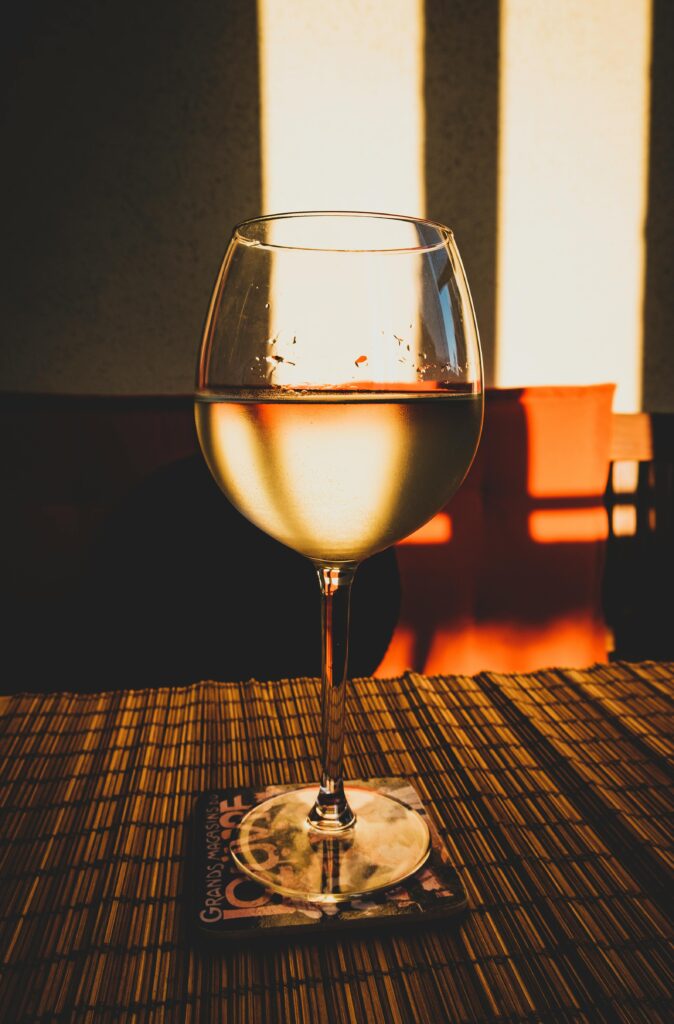
Pinot Blanc in France, Pinot Bianco in Italy, Weissburgunder in Germany and Austria = they are all the same grape beloved to be a mutation of Pinot Gris. Pinot Blanc has found it’s happy place in Alsace, Pfalz & Baden (Germany), Wahcau (Austria) and Trentino- Alto-Adige, Veneto, Friuli and Lombardy regions. These wines will be full bodied white with a generally high acidity, citrus, apple, yeast and spice aromas. When aged they develop some lovely honeyed character. Cantina Terlan Vorberg Riserva 2015 Suditorl Alto-Adige, Italy their wines have a life of it’s own – they let the wines grow – meaning let the wine develop and give it the time that it needs to develop their complexity, longevity and character. In addition to high mineral soils, old vines and carefully managed vineyards with low yields, it’s a winning combination for perfectly balanced wines. This particular varietal is planted on south facing on steep, sunny slopes at altitudes of 450-650 meters where the Pinot Bianco is very very happy . They use wood barrels as well as “Sur lie” method which allows the wines to age on the yeast for years before being bottled and left to mature on it’s own to create greatness. Long and slow gives it their special character and complexity. Terlan (Terlano) Pinot Bianco Riserva Vorberg 2015 Medium lemon color. Medium+ intensity of lemon peel, golden apple white peach, melon just ripe pineapple, minerals, elderflower, vanilla and cream. Palate is dry, medium + acid, full bodied creamy texture, medium alcohol, medium+ intensity of lemon peel, golden apple melon white peach, just ripe pineapple, starfruit, white pepper, minerals, honey saline beeswax grass, chamomile , hazelnut vanilla, buttery and cream with a firm mineral and spicy long finish. I loved it from A to Z. Creamy Parmesan Gnocchi, Spring Vegetable Risotto, Camembert and Apple with mixed greens, or Shrimp and Sicilian Fish stew.
Broccoli Cheddar Quiche
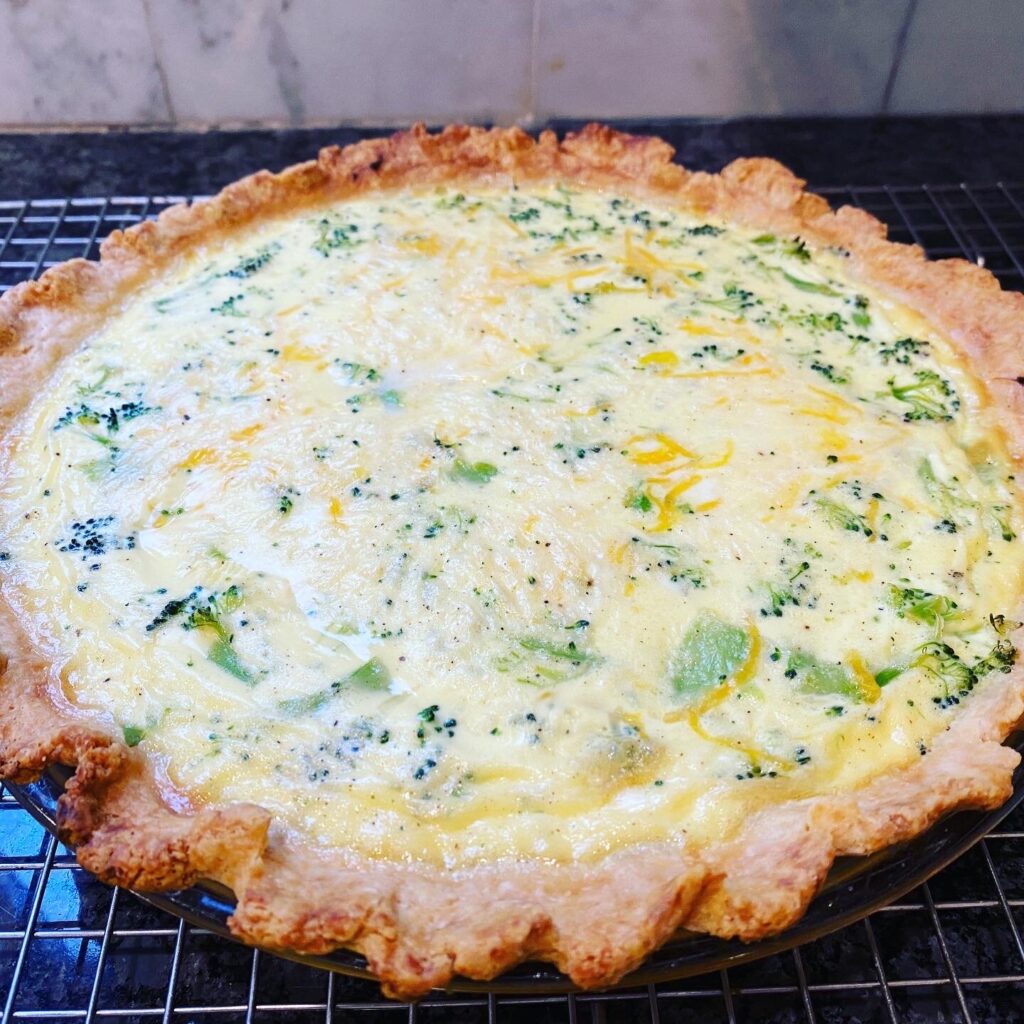
Crust: 3 tablespoons ice water, plus extra as needed 4 tsp sour cream 1 1/4 cups all-purpose flour 1 1/2 tsp sugar 1/2 tsp salt 8 tbsp unsalted butter, cut into 1/4 inch pieces and frozen for 10 to 15 minutes Filling: 5 large eggs 2 cups half-and-half 1/4 tsp each salt and pepper 4 cups chopped broccoli florets 1 cup cheddar cheese, shredded For the crust: Whisk ice water and sour cream together in bowl. Process flour, sugar, and salt in food processor until combined, about 3 seconds. Scatter frozen butter over top and pulse mixture until butter is size of large peas, about 10 pulses. Pour half of sour cream mixture over flour mixture and pulse until incorporated, about 3 pulses. Repeat with remaining sour cream mixture. Pinch dough with your fingers; if dough feels dry and does not hold together, sprinkle 1 to 2 tablespoons more ice water over mixture and pulse until dough forms large clumps and no dry flour remains, 3 to 5 pulses. Turn dough onto sheet of plastic wrap and flatten into 4 inch disk. Wrap tightly and refrigerate for at least 1 hour or up to 2 days. Before rolling dough out, let it sit on counter to soften slightly, about 10 minutes. Roll dough between 2 large sheets parchment paper to 12 inch circle. (If dough is soft or sticky, refrigerate until firm.) Remove parchment on top of dough round and flip into 9 inch pie plate; peel off second sheet of parchment. Lift dough and press into pie plate. Cover loosely with plastic and refrigerate until firm, about 30 minutes. Trim all but 1/2 inch of dough overhanging edge of pie plate. Tuck dough underneath to form tidy, even edge that sits on lip of pie plate. Crimp dough evenly around edge of pie plate using your fingers. Wrap dough-lined pie plate loosely in plastic and refrigerate until firm, about 15 minutes. Adjust oven rack to middle position and heat oven to 400 F. Line chilled crust with double layer of aluminum foil, covering edges to prevent burning, and fill with pie weights or pennies. Bake until dough looks dry and is pale in color, 25 to 30 minutes. The shell will be partially baked for the quiche. Transfer to rimmed baking sheet and remove weights and foil. For the filling: Bring the broccoli, 1/2 cup water and 1/4 tsp salt to boil in a covered skillet and cook until the broccoli is bright green, about 3 minutes. Uncover and continue to cook till the water has evaporated and broccoli is tender, about 3 minutes. Transfer to a plate lined with a paper towel. Evenly distribute over the warm pie shell before adding the egg mixture. Whisk eggs, half-and-half, 1/4 teaspoon salt, and pepper, cheese together in large bowl. Pour egg mixture into warm shell until it reaches 1/2 inch from top of crust (you may have extra egg mixture). Bake quiche until top is lightly browned, center is set but soft, and knife inserted about 1 inch from edge comes out clean, 40 to 50 minutes. Let quiche cool for at least 1 hour or up to 3 hours. Serve slightly warm or at room temperature. (Cooled quiche can be refrigerated wrapped in plastic wrap for up to 6 hours. Reheat in 350 F oven for 10 to 15 minutes.) Grab a wedge of quiche and pour a glass of full bodied Chardonnay, Grechetto or mineral crisp Chablis.