
Vienna has a way of making wine feel cinematic.
Perhaps it’s the imperial grandeur. The late-night glow spilling from historic cafés. The effortless blend of culture, history, and hospitality. Or perhaps it’s because Austrian wine itself mirrors the city — precise yet emotional, intellectual yet deeply soulful.
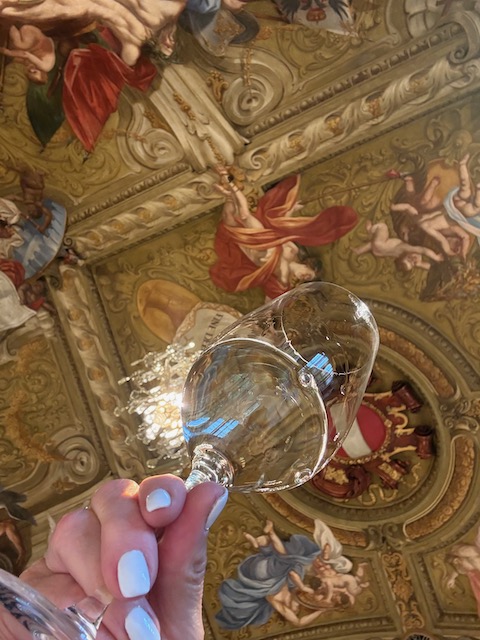
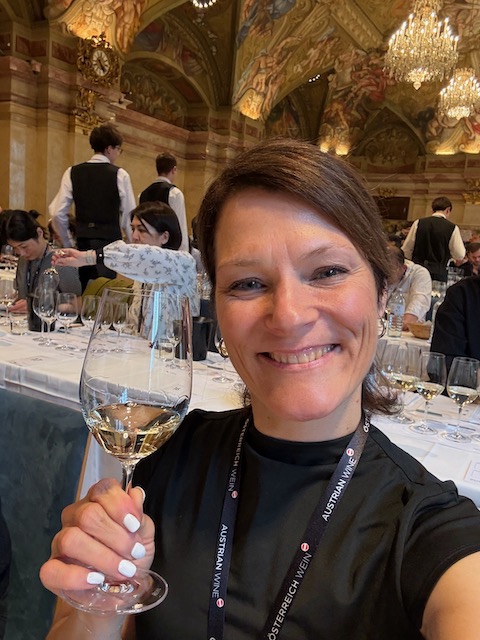
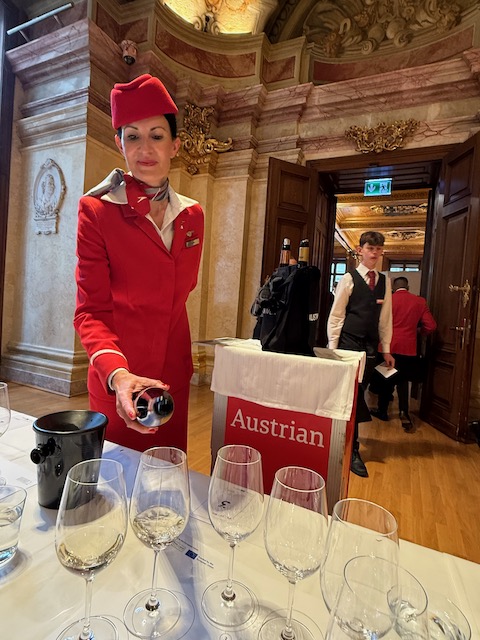
For four days in May every two years, VieVinum 2026 transformed Vienna into the epicenter of the wine world, bringing together approximately 550 wineries and exhibitors from across Austria and beyond. Hosted within the magnificent Hofburg Palace, VieVinum remains one of Europe’s most important wine events—not simply because of its scale, but because of the conversations happening inside the glass.
This year felt particularly electric.
Not loud.
Not flashy.
Confident.
Austria knows exactly who it is right now.
The Energy of VieVinum
VieVinum isn’t a fair you casually stroll through.
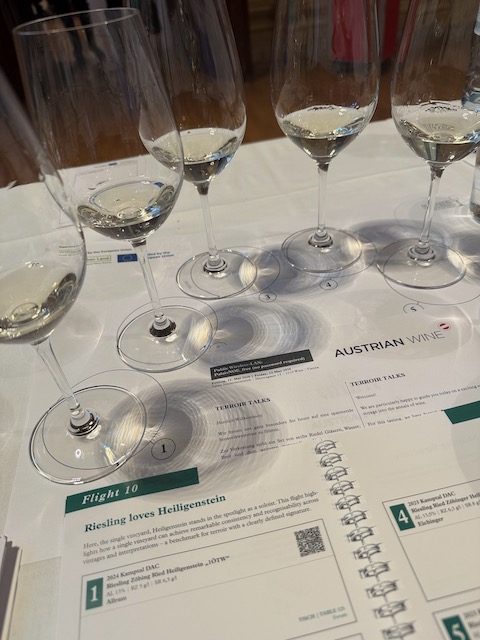
It’s a marathon of tastings, interviews, masterclasses, meetings, press conferences, and spontaneous conversations that somehow become the most memorable part of the experience.
From the Welcome Event at the MAK to ÖTW gatherings throughout the city, every day offered a deeper look into the evolution of Austrian wine.
What stood out most was the remarkable balance between tradition and innovation.
Austria’s producers aren’t chasing trends. They’re doubling down on authenticity, site expression, sustainability, and precision.
The wines reflect that philosophy beautifully.
Grüner Veltliner continues to evolve into one of the world’s most compelling white varieties, combining freshness, texture, and mineral detail. Blaufränkisch is cementing itself as one of Europe’s most exciting red grapes, capable of delivering both power and finesse with remarkable clarity of place. But let’s not loose sight of the racy Sauvignon Blanc, the finessed Chardonnay, that mineral driven Pinot Noir.. Austria is more than Grüner my friends.
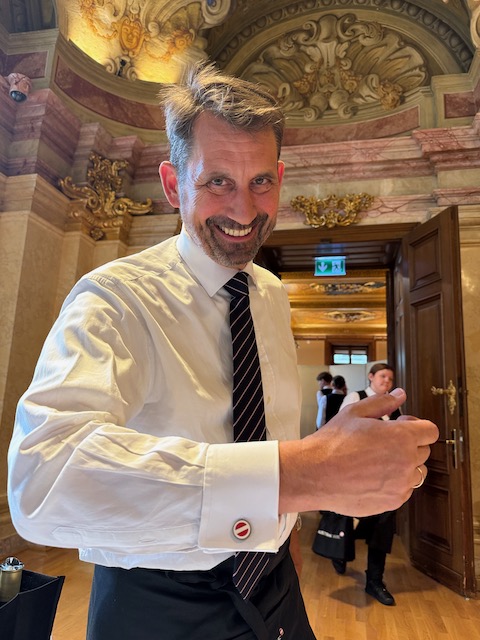
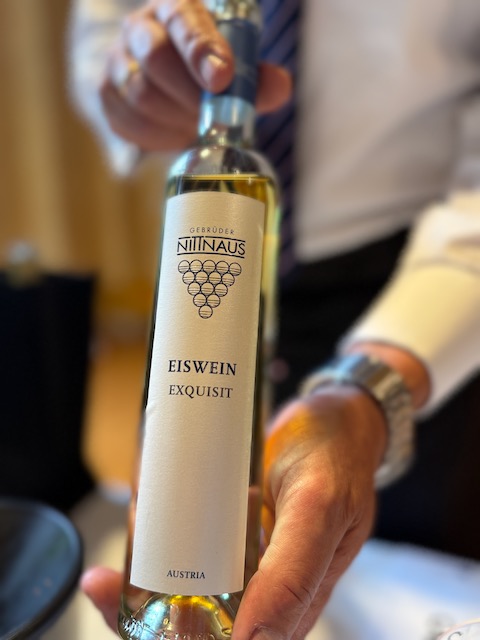
Discovering Austria’s Next Generation
One of the highlights of the week was meeting producers who are helping define the next chapter of Austrian wine.
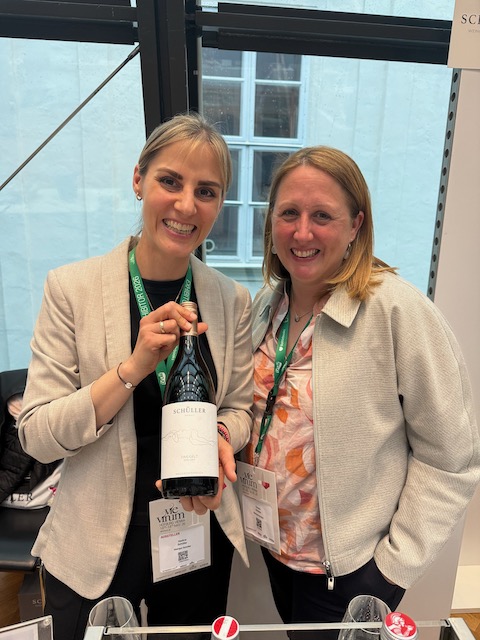
The Schuller sisters of Weingut Schuller brought a fresh, modern energy to their wines—vibrant, expressive, and deeply connected to place while embracing a contemporary vision for the future.
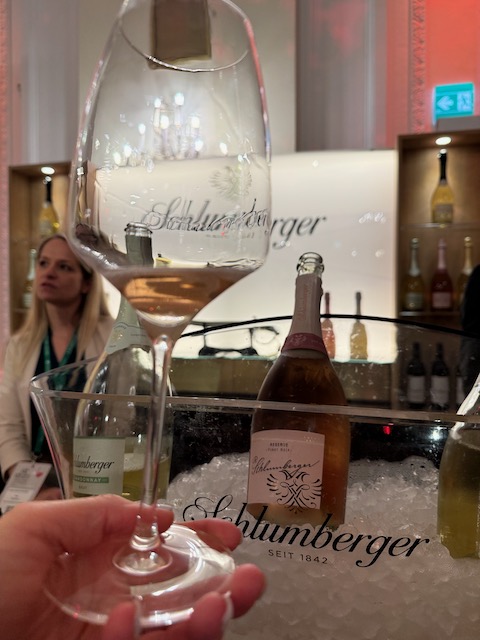
At Schlumberger, Austria’s historic sparkling wine house, traditional method Sekts demonstrated elegance, creamy texture, and remarkable precision.
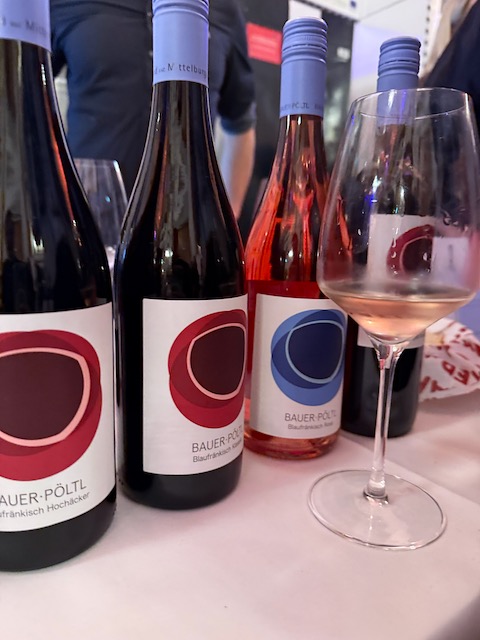
Bauer-Pöltl showcased Blaufränkisch with dark fruit, spice, structure, and a vibrant sense of energy that felt distinctly Burgenland.
Weingut Toni Hartl impressed with refined, site-driven reds that balanced concentration with elegance.
Weingutstift Göttweig offered wines that reflected centuries of history, delivering purity, minerality, and timeless sophistication.
Familie Reinisch once again demonstrated why Thermenregion remains one of Austria’s most exciting regions, crafting Pinot Noir and white wines of remarkable finesse and detail.
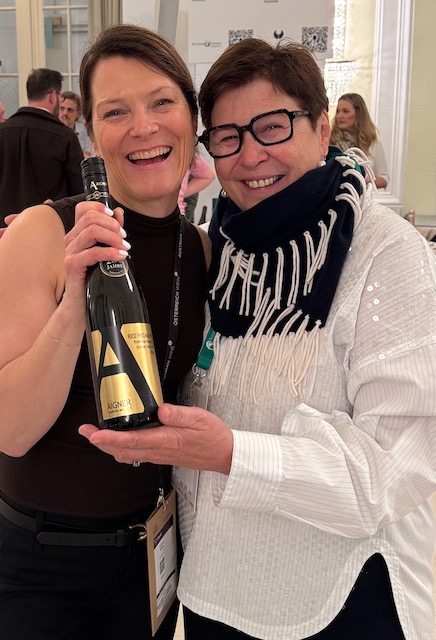
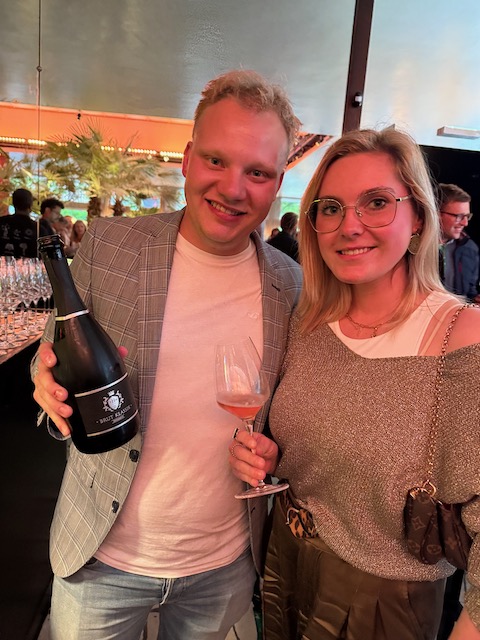
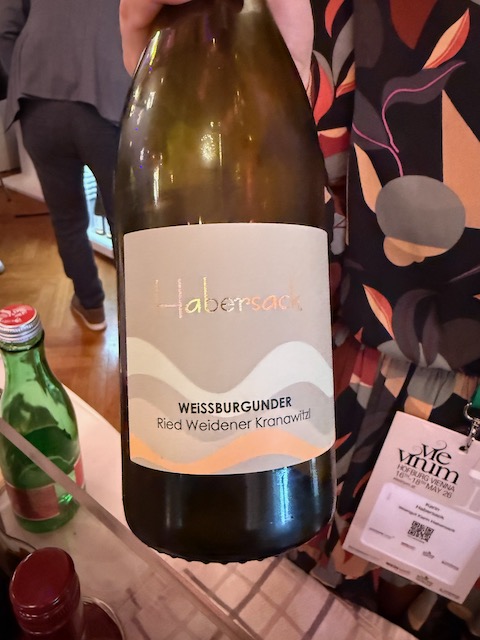
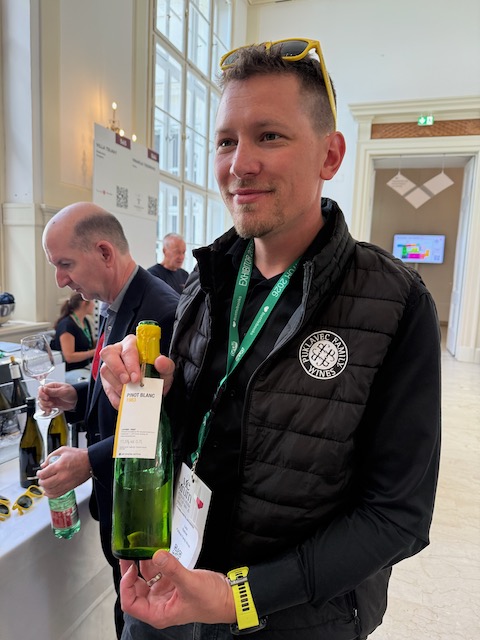
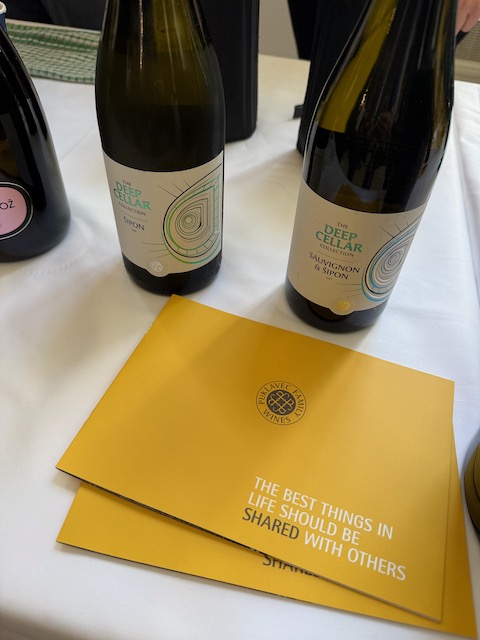
Puklavec Family Wines brought an international perspective, producing vibrant, approachable wines with aromatic clarity and freshness.
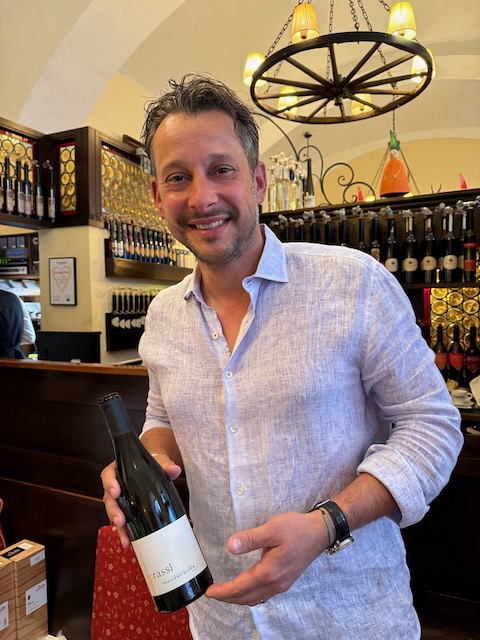
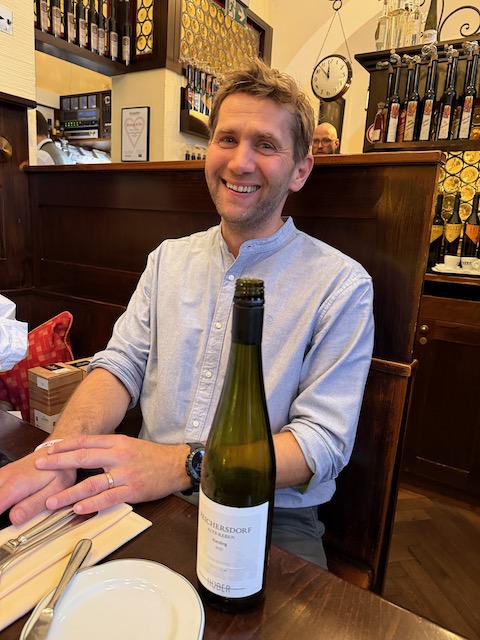
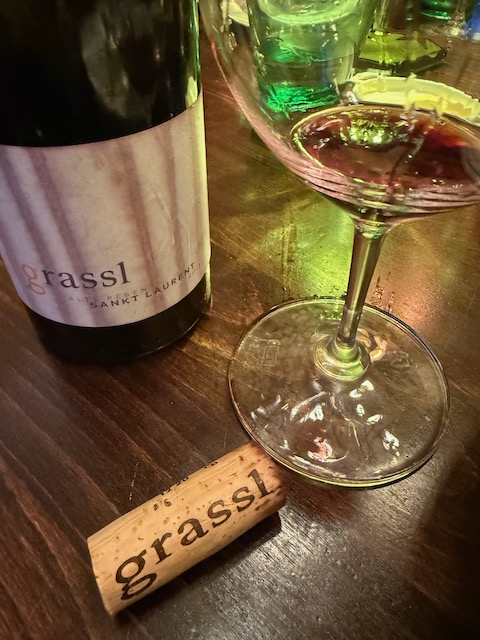
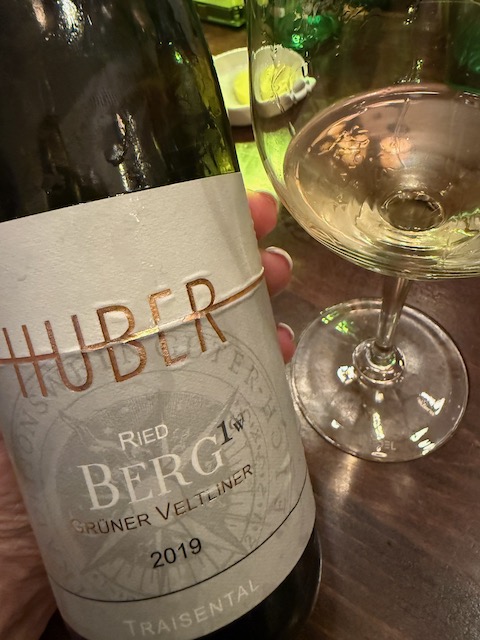
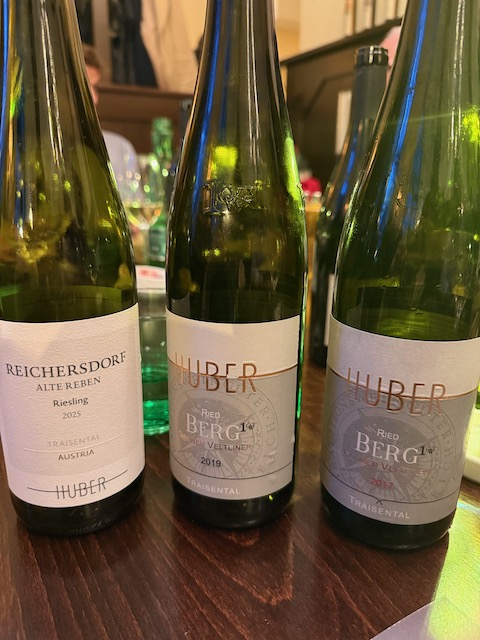
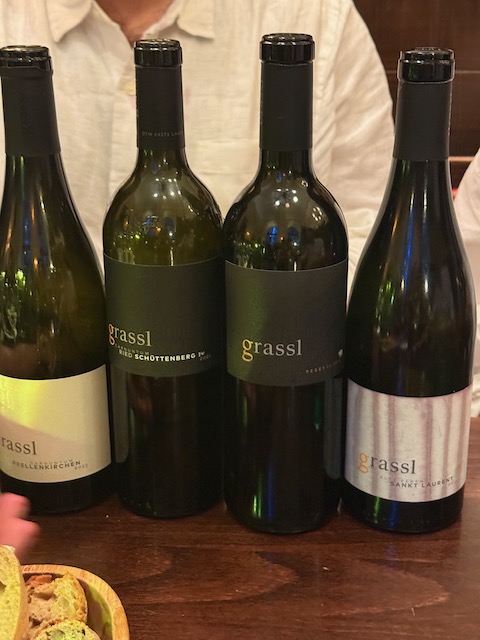
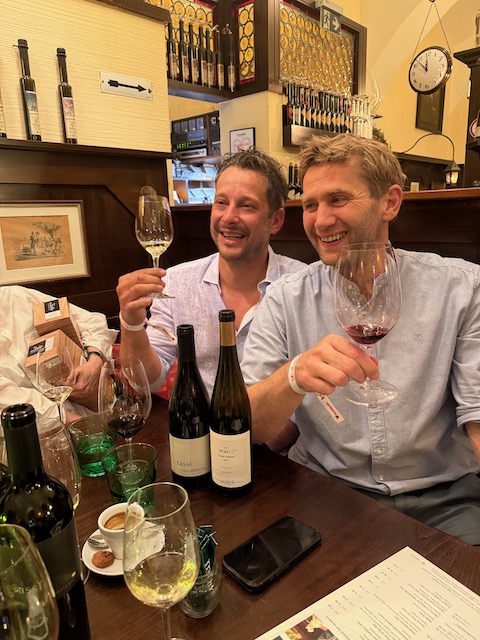
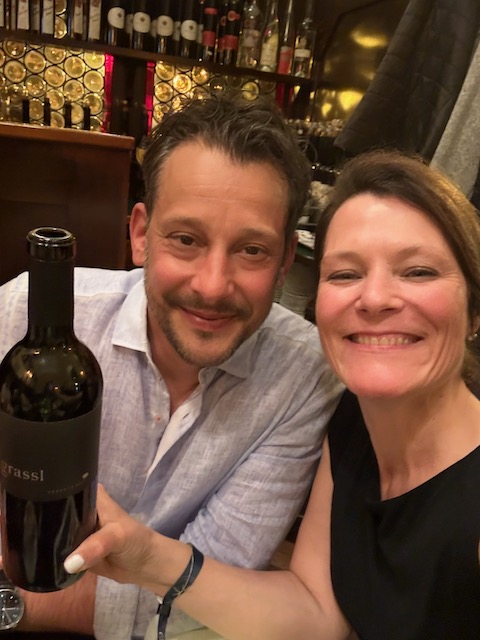
Among the most fascinating conversations were those with childhood friends Philipp Grassl and Markus Huber, both members of Österreichische Traditionsweingüter (ÖTW) and two of Austria’s most respected voices in modern winemaking.
Philipp Grassl has become one of Carnuntum’s defining producers, crafting wines he describes as having “silence, depth, and tension.” His wines unfold slowly, revealing layers of texture and complexity while maintaining a quiet confidence that demands attention without ever shouting. The master of St. Laurent, he calls “a diva in the vineyard.”
Markus Huber, meanwhile, continues to elevate Traisental through wines defined by precision and elegance. His remarkably pure expressions capture the crystalline freshness and mineral character that have made him one of Austria’s benchmark producers.
Together, they embody a generation of winemakers acting as artists for their respective regions, lifting them onto the international stage through authenticity rather than imitation.
Wine, History and Hospitality
Some of the most memorable moments happened away from the tasting halls.
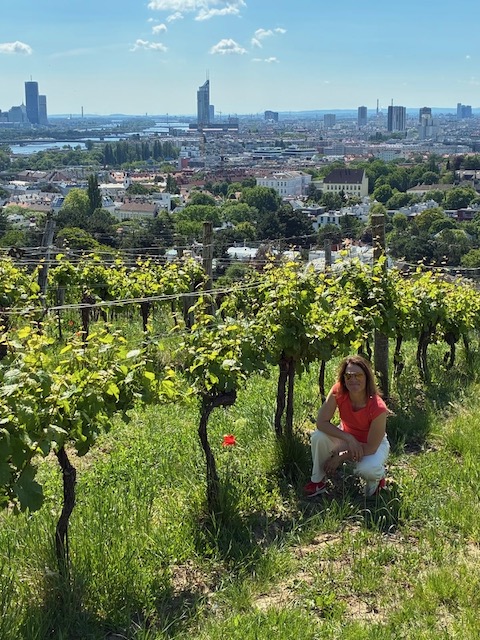
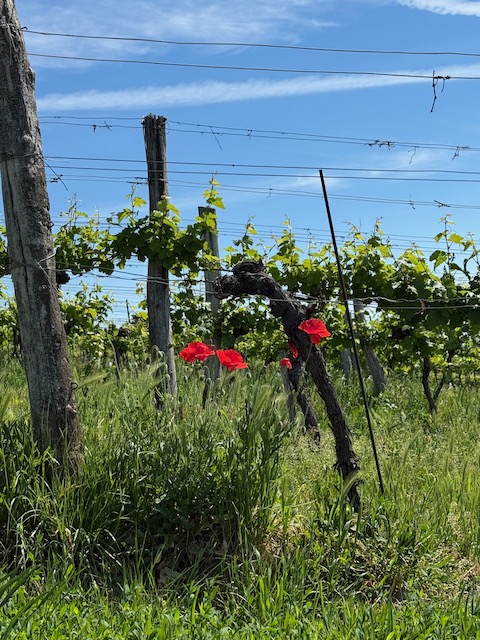
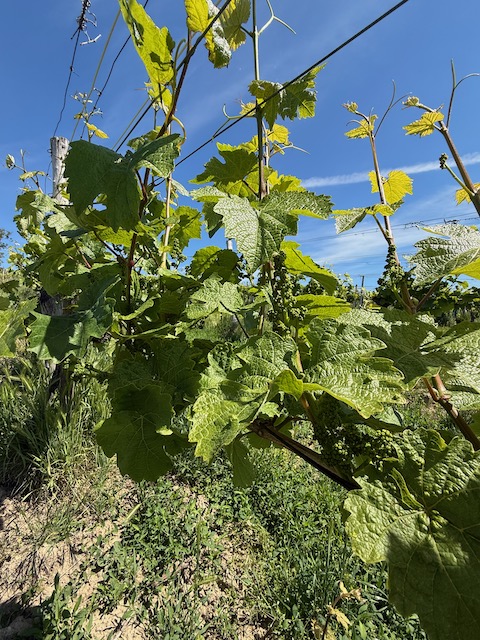
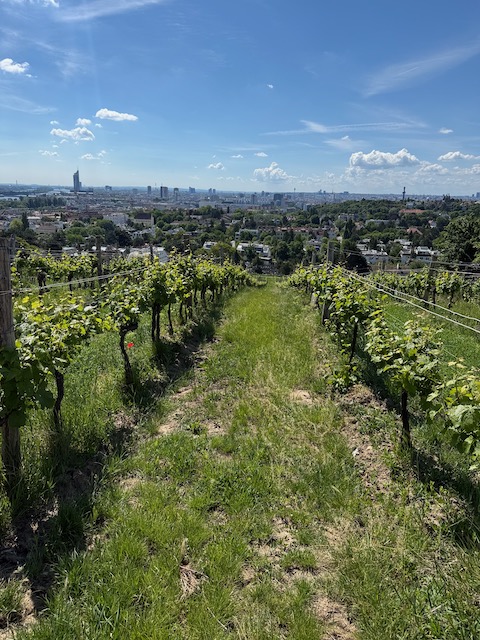
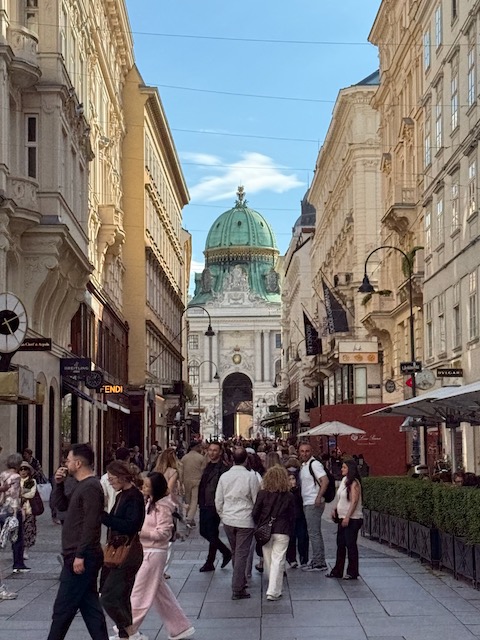
What makes Vienna unique is that wine isn’t something that exists outside the city—it is woven directly into its identity. As Europe’s only capital city with significant vineyards planted within its city limits, wine is never far away.
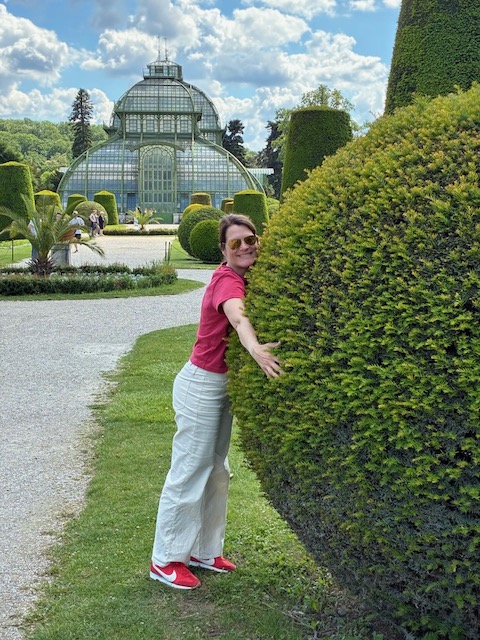
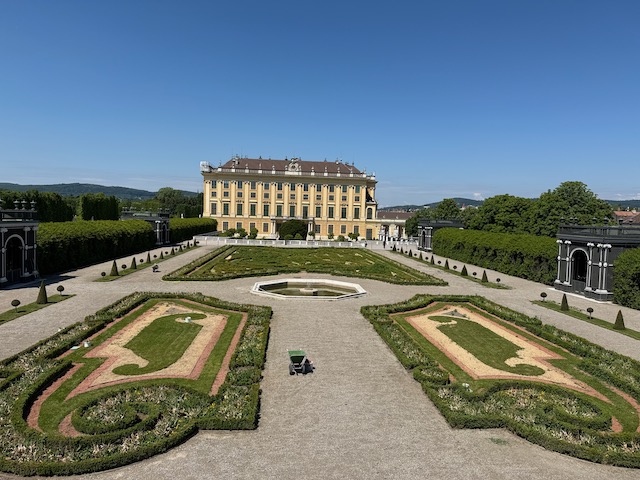
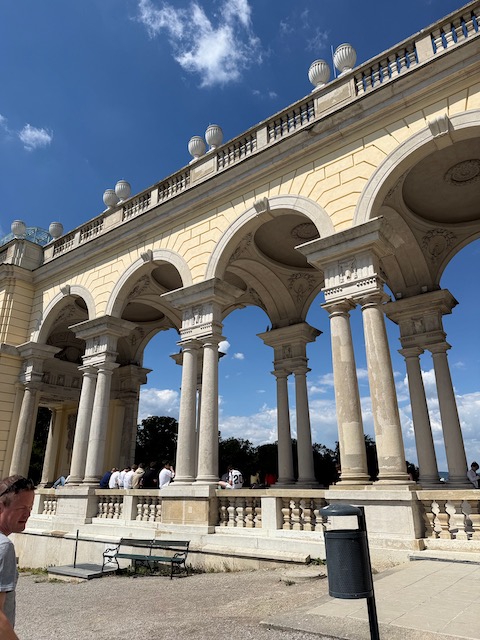
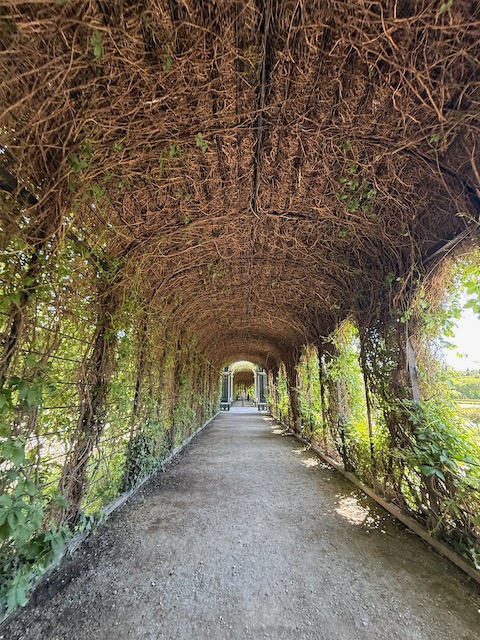
One afternoon led to Schönbrunn Palace, the former imperial summer residence of the Habsburgs. With its staggering 1,441 rooms and miles of vast manicured gardens stretching across the landscape, it felt less like visiting a palace and more like stepping into a living history book.
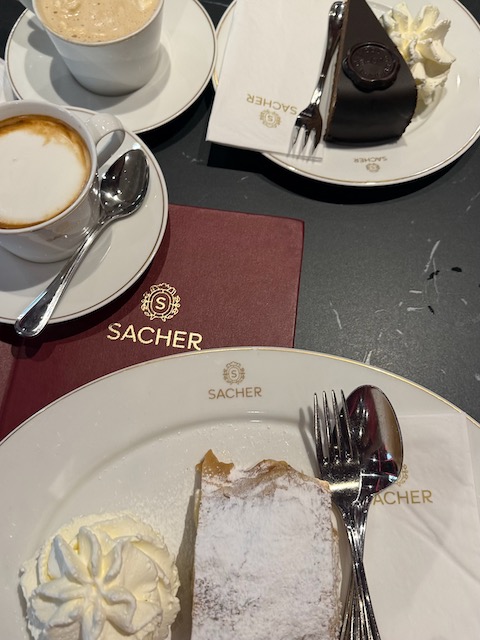
No visit to Vienna would be complete without embracing its culinary traditions. Discovering the rich elegance of a true Sacher Torte and the delicate layers of freshly prepared apple strudel offered a delicious reminder that Austria’s obsession with craftsmanship extends far beyond wine.
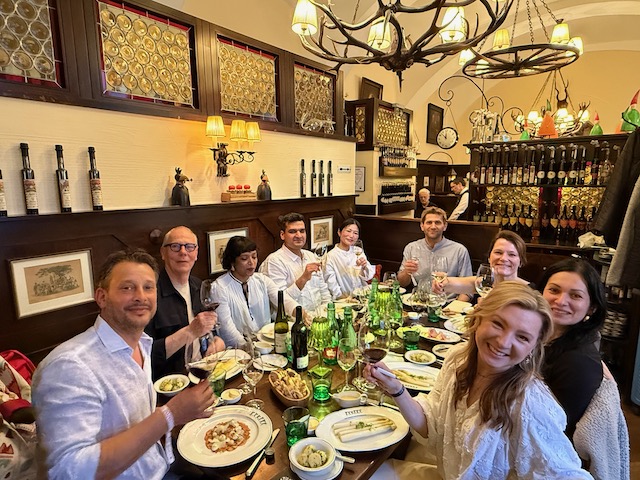
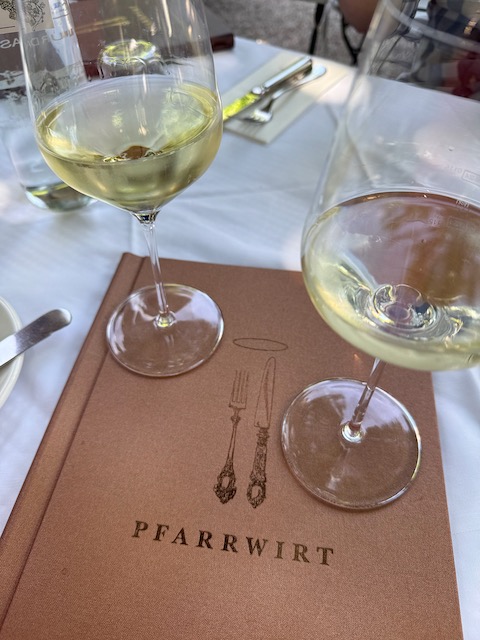
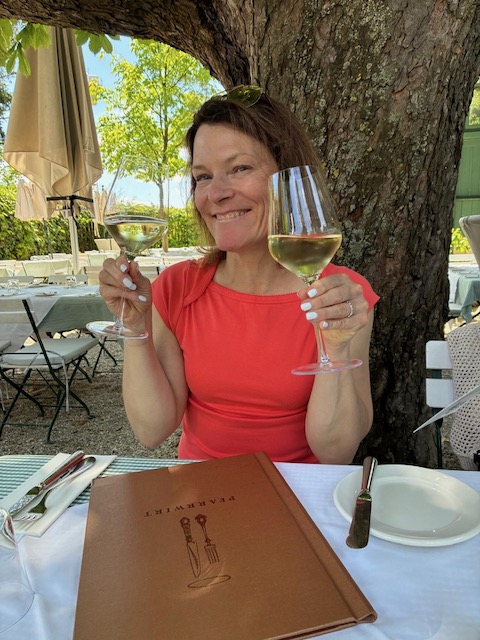
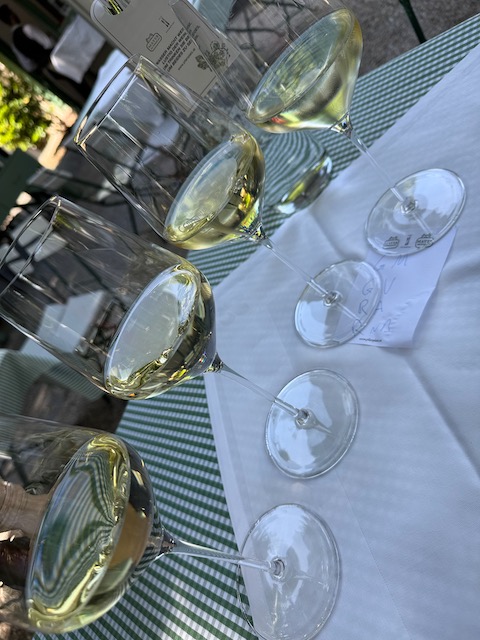
At Pfarrwirt, Vienna’s oldest Heuriger, lunch provided a deeper understanding of Vienna’s wine culture through a tasting of wines from Mayer am Pfarrplatz and Mayer Rotes Haus. Surrounded by centuries of history, we explored vineyard-designated wines that showcased the precision and freshness that define modern Viennese wine. We tasted the range from Mayer am Pfarrplatz: Gelber Muskateller, Grüner Veltliner (Grinzing), Riesling Ried Alsegg and Riesling Nussberg, plus two examples of Wiener Gemischter Satz (from Weingut Rotes Haus and Mayer am Pfarrplatz). Wiener Gemischter Satz is a beautiful, chaotic field blend—multiple varieties planted side by side in the same vineyard, harvested and fermented together. It’s a living snapshot of Vienna’s historic vineyards, where complexity, texture and tension are woven naturally into every glass.
- Gelber Muskateller (Mayer am Pfarrplatz) — Aromatic, floral, zesty
- Grüner Veltliner (Grinzing, Mayer am Pfarrplatz) — Peppery, crisp, mineral
- Riesling Ried Alsegg (Mayer am Pfarrplatz) — Racy stone-fruited, precise
- Riesling Nussberg (Mayer am Pfarrplatz) — Honeyed textured, vibrant
- Wiener Gemischter Satz (Weingut Rotes Haus) — Layered, savory silence, depth
- Wiener Gemischter Satz (Mayer am Pfarrplatz) — Herbaceous, textured, precise and elegant
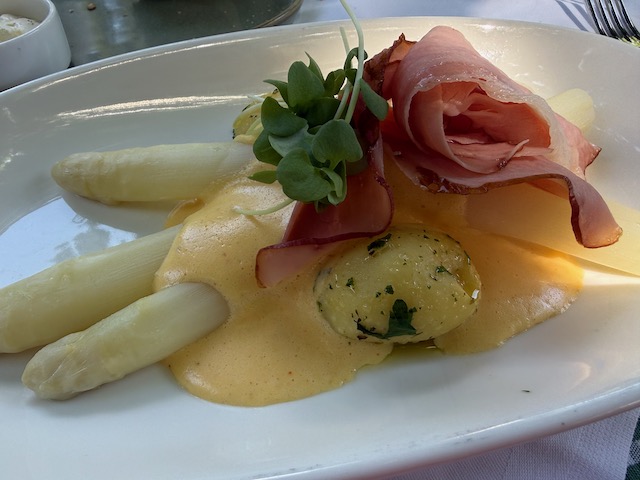
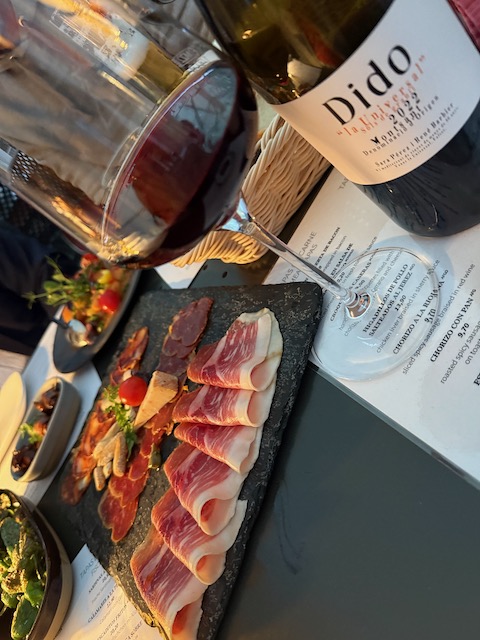
Dinner at the legendary Plachutta delivered another Austrian classic: Wiener Schnitzel and white asparagus season in full force. Light, airy, delicate and impossibly crisp, it was arguably the finest example of the dish I’ve ever tasted—a masterclass in how simplicity becomes extraordinary when executed perfectly.
Austria at a Turning Point
What struck me most throughout VieVinum 2026 was how internationally relevant Austrian wine has become.
Not as a trend.
Not as a niche.
But as a benchmark for terroir-driven, precision-focused winemaking.
Climate challenges continue to reshape wine regions across the globe, yet Austria appears uniquely positioned for this moment. The balance between freshness, ripeness, structure, and elegance aligns perfectly with what sommeliers, collectors, and consumers increasingly seek.
The wines feel sharper than ever.
More articulate.
More confident.
And yet they retain their soul.
That balance is difficult to achieve.
Austria is doing it remarkably well.
Leaving Vienna
As VieVinum came to a close, Vienna slowly returned to its normal rhythm.
The tasting halls emptied.
The glasses disappeared.
The conversations moved to airport lounges and train stations.
But the energy lingered.
VieVinum wasn’t simply a wine fair. It was a snapshot of a country entering a new era of confidence—where tradition and innovation are no longer competing forces, but partners shaping the future together.
And honestly?
It already feels impossible to wait until the next one in 2028.