
Beyond the Glass: Sharing Knowledge, Inspiring Curiosity, and the Next Generation of Wine
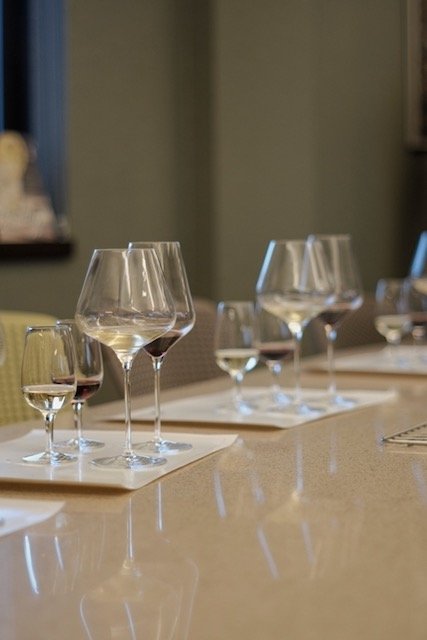
How a simple wine glass opened the door to discovery, connection, and new possibilities at Johnson & Wales University. Some of the most rewarding moments in my wine journey have little to do with rare vintages or extraordinary bottles. Instead, they come from the people we meet, the stories we exchange, and those unexpected moments when curiosity opens the door to something new. My recent visit to Johnson & Wales University was one of those moments. Alongside Ryan Spadaccini, CEO of Stölzle Lausitz USA, I had the pleasure of sharing our knowledge and experiences with the next generation of hospitality professionals. What began as an exploration of glassware became something far more meaningful: a conversation about sensory discovery, the power of curiosity, and the possibilities that await those entering the world of wine and hospitality. After years of traveling through vineyards, meeting winemakers, and sharing their stories through The Happy Vine, bringing those experiences into a classroom felt especially rewarding. And it all began with one deceptively simple question. Why does the glass matter? Why the Glass Matters: The Beauty Is in the Details I often begin my glassware presentations with a confession. I’m a creature of habit. Like many of us, I have a favorite coffee mug. The one that feels just right in my hand, with a familiar weight and shape that somehow makes that first sip of morning coffee taste better. We rarely question why. We simply know the experience feels different. Wine is much the same. As wine professionals, we spend countless hours discussing grape varieties, terroir, vintages, and winemaking techniques. Yet one of the final decisions before a wine reaches our lips is often overlooked. The glass. Far more than an aesthetic choice, its shape and design can influence how we experience a wine. During our presentations, Ryan and I explored with the Beverage Appreciation classes the five essential elements: aroma concentration, aeration, temperature, visual evaluation, and mouthfeel. The bowl influences how aromas collect and reach our nose, while its width affects the wine’s exposure to air. The stem helps preserve serving temperature, and the clarity of the glass reveals color and brilliance. Even the rim can influence our perception of texture, acidity, and tannins. Small details? Perhaps. But hospitality is built on small details. Rather than simply explaining these principles, we wanted the students to experience them firsthand. Because the glass doesn’t change the wine. It reveals more of its story. Terroir Through the Glass: One Wine, Two Perspectives To bring these principles to life, for the BevNation group at JWU, we turned to New York’s Finger Lakes and the wines of Hermann J. Wiemer Vineyard. Overlooking Seneca Lake, this pioneering estate has helped shape the reputation of cool-climate winemaking in the northeastern United States. Its founder, Hermann Wiemer, arrived from Germany’s Mosel region in the 1970s with a conviction that European grape varieties could thrive in the Finger Lakes, even when others remained skeptical. I’ve always loved stories like his. Stories of people who see possibility where others see limitations. Today, Fred Merwarth and Oskar Bynke continue that legacy, producing wines that reflect the character of their vineyards and the influence of Seneca Lake. For our interactive tasting, we selected two expressions of the estate: Cabernet Franc 2023 and Reserve Dry Riesling 2023. Each wine was poured into two different glasses: a standard ISO tasting glass and a larger Stölzle Lausitz Quatrophil glass. Same wine. Same bottle. Same pour. Only the glass changed. We invited the students to explore without searching for a correct answer. Would the aromas become more expressive? Would the acidity feel sharper or rounder? Could the texture change? More importantly, what might they discover that they hadn’t noticed before? That’s when wine education becomes exciting. When curiosity replaces expectation, and we begin trusting our own senses. Cabernet Franc: Where Fruit Meets Earth I’ve always appreciated Cabernet Franc for its balance of vibrant fruit, savory complexity, and sense of place. The Hermann J. Wiemer Cabernet Franc 2023 delivered bright red cherry, raspberry, and subtle herbal notes, with a touch of cracked pepper, lively acidity, and fine tannins. Moving from the standard ISO glass to the Stölzle Lausitz Quatrophil Red Wine Glass, we explored how its generous bowl might reveal more expressive fruit, soften the perception of tannins, and bring savory nuances into focus. The beauty of the exercise? There were no right or wrong answers. Just the confidence to trust our senses and discover something new. Riesling in a Burgundy Glass? Why Not! Our second wine challenged convention: Hermann J. Wiemer Reserve Dry Riesling 2023, served in a Stölzle Lausitz Quatrophil Burgundy Glass. Riesling in a Burgundy glass? Absolutely! With its inviting notes of lemon zest, ripe white peach, and delicate florals, the wine offered a silky texture balanced by vibrant acidity and a lingering mineral finish. The Burgundy glass’s generous bowl encouraged us to explore another dimension of this rich warm vintag wine, potentially revealing greater aromatic depth and a rounder expression of its texture. It was a reminder that a wine’s personality matters as much as its grape variety. Sometimes, the most interesting discoveries happen when we challenge convention. Beyond the Tasting: The Stories We Pass Forward While the sensory experience was at the heart of our presentations, what stayed with me most was the opportunity to share a broader perspective on the world of wine and hospitality. My own journey has taken me through vineyards, wineries, international wine events, journalism, education, and storytelling. And if there’s one thing I’ve learned, it’s that a career in wine rarely follows a straight line. Wine is agriculture and science, geography and history, culture and craftsmanship. But it’s also communication, entrepreneurship, creativity, and, above all, human connection. Ryan offered another perspective, sharing his experiences in glassware manufacturing, business leadership, and the many opportunities that exist beyond traditional hospitality roles. Together, we hoped to encourage the students to imagine possibilities they might not yet have considered. If even one student left our presentation thinking, I hadn’t considered that possibility before,
The Quiet Work Behind a Sensory Evening
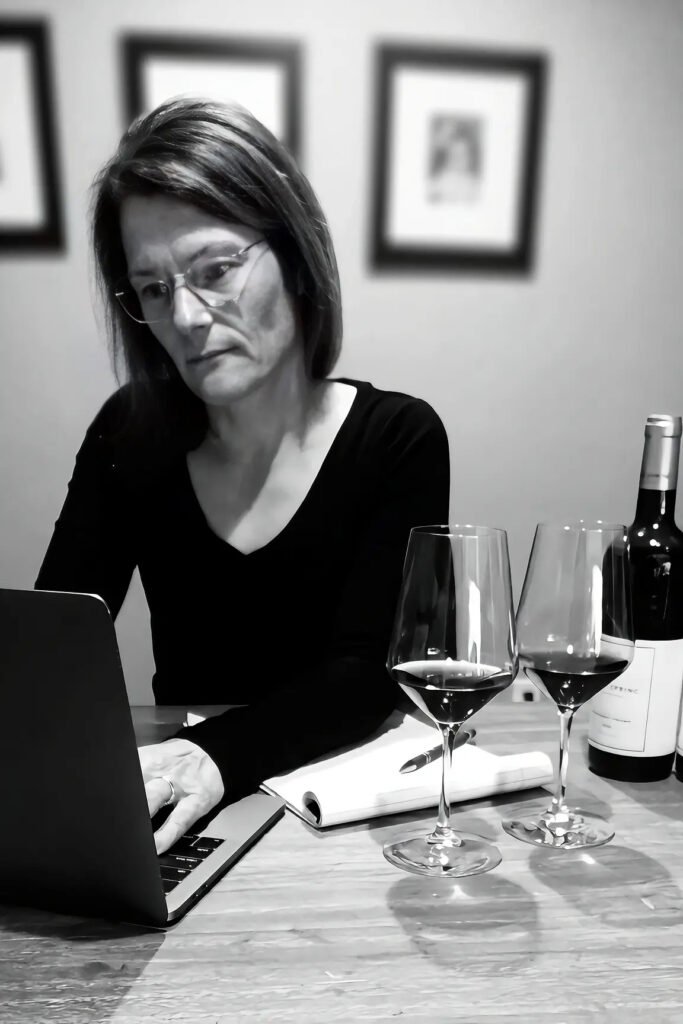
There’s a moment, just before guests walk in, when the room feels quietly ready. The glasses are set. The wines have already been opened and tasted more than once. Somewhere nearby, the chef is finishing a dish chosen not only because it would taste good with the wine, but because it would help the wine show a little more of itself. None of it happens by chance, and none of it happens quickly. When I put together an evening that brings wine, glassware, and food together, it usually takes longer than people expect. It begins with research—looking into glass shapes and volumes, reading about how a particular wine tends to behave, and then setting up side-by-side tastings of the same bottle in three or four different glasses. I take notes, step away, come back, and taste again. Some evenings I realize a wine that seemed promising on paper needs to be replaced. Other times a glass I was sure would work doesn’t, and the process starts over. Those hours of quiet tasting and reflection add up. They are not dramatic, but they are necessary if the wine is going to have a chance to show who it really is. The same measured pace applies to the food. Conversations with the chef and team are rarely settled in one sitting. We talk about texture, temperature, and acidity, then taste together, adjust, and taste again. A bright white might need the right amount of citrus or fat to keep its energy lively. A structured red might ask for a dish that echoes its depth without competing. Finding that balance takes time—sometimes several tries—until the combination feels right, not merely pleasant. I do this work because I love it. When you care deeply about the details, the hours spent researching, tasting, and rethinking don’t feel like work. They feel like listening. Still, I know that from the outside, the finished evening can look effortless. Guests see the glasses in place and the first pour. They don’t see the earlier evenings of notes, the second and third tastings, or the quiet decisions that shaped the table. That gap is understandable, yet it matters. Time lets each wine stand on its own and gives creativity room to emerge. What I hope people notice is a little spark of curiosity. When a wine arrives in a glass they weren’t expecting, they often pause—the kind that makes someone look again and wonder, “Wait, this is different.” That pause is useful. It invites people to slow down, smell again after the first sip, and realize the wine shows something specific about who it is. The food then joins the same conversation. Together they create a sequence that feels more complete than any single element would on its own. Most of the preparation stays invisible once the evening begins. That invisibility is part of why people underestimate the time investment. The research, the reflection, and the creative adjustments are quiet by nature. Yet every carefully chosen glass and every refined pairing comes from those hours. When you love the work, the time feels worthwhile—even necessary. In the evening, all that quiet preparation becomes something people can taste, notice, and remember. Afterward, I write about these evenings because the moments feel unfinished until they’re shared. Whether I’m hosting or simply there as a guest, the experience continues when I put it into words. A particular aroma that suddenly made sense once the food arrived, a glass that shifted the entire impression of a wine, a conversation that started because someone noticed something unexpected—these are the details that stay. Writing them down is a way of keeping the table open a little longer, so others can sit with the same questions and small discoveries—and, perhaps, understand a little more of the time and care that went into creating them.
The Shape of the Pour- Part 1
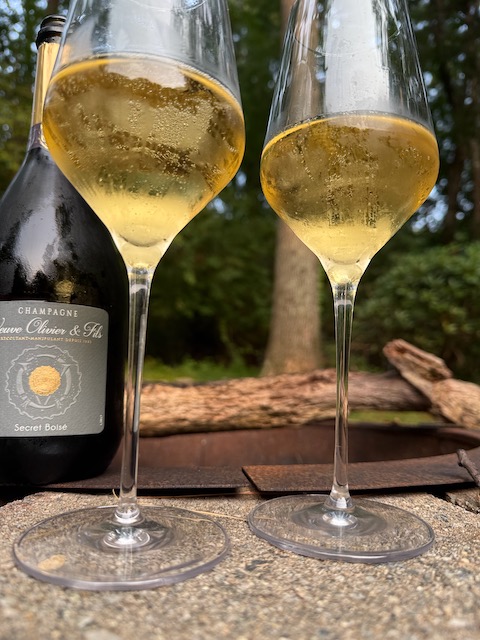
Why the Stölzle Lausitz Starlight White Wine Glass Is My New Go-To for Champagne Veuve Olivier Secret Boisé Brut meets filigree crystal — creamy bubbles, toasted seduction, and zero fizz fatigue collide. In the world of fine Champagne, the vessel matters as much as the wine itself. Pour Veuve Olivier Secret Boisé Brut into a classic flute, and it performs admirably. But experience it in the Stölzle Lausitz Starlight white wine glass, and it ascends to something truly transcendent. The flute has had its moment. This is the new standard of luxury. The Producer & Artisanal Winemaking Veuve Olivier et Fils embodies refined grower-producer excellence in the Vallée de la Marne. Founded in 1922, the estate is now guided by winemaker Sandrine Charpentier-Olivier, whose feminine sensibility infuses every cuvée with grace and depth. Across 18 hectares of prized clay-limestone terroir, the family crafts wines of exceptional poise and minerality. Secret Boisé Brut (a distinguished non-vintage cuvée led by Chardonnay) is a masterclass in elegance: • Meticulous grape selection and gentle pressing capture pristine fruit and vibrant acidity. • Traditional méthode champenoise with second fermentation in bottle. • Prolonged lees aging develops exquisite autolytic complexity — toasted brioche, toasted nuts, and silken creaminess. • A whisper of “boisé” influence from carefully selected barrel-aged reserves adds luxurious body and nuanced caramel, honey, and woody undertones, all while preserving freshness and balance. The outcome is a Champagne of rare sophistication: opulent yet refined, generous yet precise. Tasting Notes: Layers of Pure Indulgence In the Starlight glass, Secret de Boisé Brut reveals its full splendor: • Aromas: Alluring notes of honeyed peach and ripe orchard fruit entwine with caramel, toasted brioche, nougat, and delicate white florals. A subtle, smoky wood nuance adds intrigue and depth. • Palate: Velvety, persistent bubbles caress the palate with a lush, almost creamy texture. Bright grapefruit zest and crystalline chalky minerality provide exquisite lift, while refined wood tannins lend structure and remarkable length. The finish is pure silk — harmonious, lingering, and utterly captivating. • Overall Impression: A feminine expression of power and poise. Confident, layered, and irresistibly seductive. The Starlight Glass: Masterpiece of Form and Function The Stölzle Lausitz Starlight collection redefines luxury in machine-made crystal. With its ultra-thin walls, delicately pulled stem, and filigree silhouette, it offers a near mouth-blown experience that is both exquisite and practical. This glass elevates Secret de Boisé Brut through: • Superior Aromatic Revelation: The elegant bowl optimizes gentle aeration, allowing every nuanced layer of toast, honey, and fruit to unfold with breathtaking clarity. • Flawless Bubble Mastery: Fine mousse rises with grace and endurance, preserving the wine’s signature creamy texture. • Harmonious Balance: Ideal proportions maintain perfect temperature and showcase the Chardonnay’s refinement, minerality, and luxurious length. It transforms each sip into a moment of pure sensory delight. Luxurious Food Pairings This refined pairing invites unforgettable tableside moments: • Timeless Elegance: Seared scallops or butter-poached lobster with a delicate beurre blanc — the wine’s creaminess mirrors the dish while its zest cuts through with precision. • Sophisticated Indulgence: Herb-roasted chicken, veal chop with wild mushrooms, or pan-seared foie gras. The subtle boisé notes harmonize beautifully with earthy, savory depths. • Effortless Luxury: A selection of fine soft cheeses, toasted Marcona almonds, or an artisanal charcuterie board. For adventurous flair, pair with subtly spiced Asian cuisine — the bubbles and acidity provide exquisite contrast. • Dessert Reverie: A peach tart with caramel drizzle or lightly toasted brioche — echoing the wine’s own seductive notes. The Final Pour In a world of fleeting pleasures, the marriage of Veuve Olivier’s masterful Secret de Boisé Brut and the Stölzle Lausitz Starlight glass represents true connoisseurship. This is where heritage winemaking meets contemporary crystal excellence — an invitation to savor life’s finer moments with intention and joy. Flutes served their purpose. Now, elevate yours. What glass has transformed your favorite Champagne into something unforgettable? Share your discoveries below — I’m always in pursuit of the next exquisite find. Watch the Reel on Instagram @thehappyvineks to witness the luxurious difference firsthand.