
Bubbles Rising: My Immersive Journey at Method Oregon
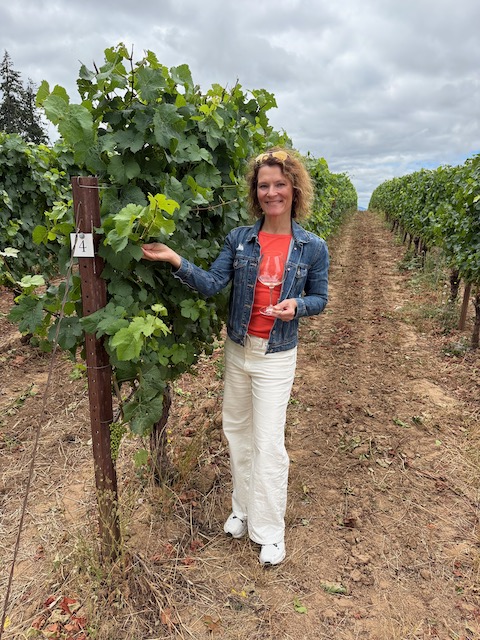
This was my first time in Oregon—and it most certainly will not be my last. The sun-dappled hills of the Willamette Valley came alive with the joyful pop and persistent fizz of world-class sparkling wine during the second annual Method Oregon Grand Tasting Weekend. As a wine communicator who lives for terroir-driven stories and sensory connections, stepping into this event felt like watching a region finally claim its voice in the glass. The cool-climate finesse, electric acidity, and pure site expression left me utterly captivated. More than the wines themselves, it was the spirit of community, the warmth of the people, the quiet innovation, and the open invitation to explore that left a lasting impression. This year marked a genuine milestone. Method Oregon expanded into its first full three-day weekend as a nonprofit founded by and for passionate sparkling winemakers—now 55 founding members strong—dedicated to establishing Oregon as a world-class traditional-method sparkling region. What is Method Oregon? The organization has created one of the most rigorous standards in the world for traditional-method sparkling wine. To carry the Method Oregon mark, wines must be 100% grown, produced, bottled, riddled, and disgorged in Oregon; made in the traditional method with a minimum of 24 months on the lees; and (beginning in 2029) sourced from vineyards using only organic inputs or LIVE-certified sites free of synthetic herbicides. Labels must also declare the AVA(s) of origin and the disgorgement date. These standards matter. In a category where language can be slippery, the Method Oregon mark offers clarity and confidence—a signal of quality, land stewardship, and authentic regional character. It elevates the entire category while protecting the very things that make Oregon sparkling distinctive: its brightness, its tension, and its profound sense of place. Welcome to Oregon Wine Country! No event would be complete without a proper welcome for those who had traveled far and wide to experience the best of what Method Oregon has to offer. The evening was delightfully casual—organizers from Broussard Communications and Sparkling School presenters gathered with us for intimate sips and easy conversation at The Pub in cozy McMinnville, a perfect gentle start before the weekend’s festivities truly began. Sparkling School with Panel at Vinovate We began with a welcome toast led by Rob Townsend of Vinovate Custom Wine Services/Radiant and Ambar Estate. Reception wines poured in Stölzle Lausitz Revolution White glasses set an elegant, intentional tone: Ambar Estate 2022 Blanc de Blancs, Arabilis 2021 “Sequence” Extra Brut, BANKE NV Brut, Flâneur NV Brut, Iterum 2019 Orchard House Estate Brut Nature, and St. Innocent 2022 Crémant d’Innocent. The light catching in the glasses felt like a quiet promise of what was to come. The State of Sparkling panel, moderated by Ray Isle (Executive Wine Editor of Food & Wine), featured Jeanne Feldkamp of Corollary, Eugenia Keegan of Jackson Family Wines, and Mark Vlossak of St. Innocent. Mark, one of the earliest Oregon producers of traditional-method sparkling, spoke of his deep attachment to the art of winemaking. Jeanne offered the simplest and most perfect truth of the weekend: “We love bubbles and that’s why we make them.” A dosage discussion with Thomas Houseman (Radiant / Vinovate) and writer Lyn M. Archer followed. Thomas compared dosage trials to fine-tuning a radio—listening until the wine snaps into focus. Lyn reminded us that every cuvée is a fingerprint, its personality a deeply personal choice. The room leaned in. We then moved through the production stations: tirage bottling with Andrew Davis (sampling Ambar 2025 Blanc de Blancs and Lytle-Barnett 2025 Blanc de Noirs base wines), riddling with Kate Payne Brown of Argyle (tasting the 2022 Vintage Brut and 2014 Extended Tirage Brut), and disgorging and dosage with Lee Beck (Corollary 2022 Cuvée One Rosé). Watching the process up close—the careful turns, the decisive moment of disgorgement—revealed both the rigorous discipline and the fleeting beauty of the craft. Bubbles Block Party at Argyle As evening settled over downtown Dundee, we shifted to Argyle—the pioneering house founded in 1987 by Rollin Soles in a former hazelnut facility. Long before Oregon sparkling became a movement, Argyle was already proving the Willamette Valley could produce traditional-method wines of true international stature. The atmosphere turned pure celebration. Rare pours from Argyle, CHO, Corollary, De Ponte, Domaine Willamette, Elk Cove, Gran Moraine, Irvine & Roberts, Lytle-Barnett, Lundeen, Quady North, Soter and others flowed freely alongside food-truck fare while DJ Jimbo kept the energy high and easy. Conversations spilled outdoors, glasses clinked, and the evening felt less like a formal tasting and more like a joyful gathering of friends who happen to make exceptional sparkling wine. A friendly game of pétanque closed the night on a perfectly sporty, lighthearted note. Grand Tasting at Domaine Willamette The heart of the weekend unfolded at Domaine Willamette, Oregon’s first facility dedicated exclusively to méthode traditionnelle. Nestled in the Dundee Hills at the Demeter-certified biodynamic Bernau Estate Vineyard, the property features an underground aging cellar, sweeping valley views, and gardens that invite lingering. More than 50 founding members poured alongside thoughtfully paired bites prepared by the Domaine culinary team. The energy was electric yet welcoming—conversations flowed as freely as the bubbles. Standout moments included meeting Rachel Rose of Bryn Mawr, Piper Underbrink of Privé, and Tatum Harloff-Frey of Pashey; tasting De Ponte’s unique Melon de Bourgogne sparkling from fellow Quebecer Isabelle Dutartre; discovering Thomas Sivilli’s oyster-bound cuvée; and a fascinating Crémant Rosé from St. Innocent. Discovery after discovery, each one adding another layer to the story of Oregon sparkling. Media & Producer Reception Hosted by Visit McMinnville in the event space at HiFi Wine Bar, this more intimate gathering captured the weekend’s spirit perfectly. HiFi is a soulful downtown McMinnville spot where wine, vinyl, design, and community converge. Makers and storytellers mixed easily in a warm, analog atmosphere that felt both curated and completely unpretentious—exactly the kind of place where real connections happen over a shared magnum glasses – a 1996 Argyle with Kate Payne-Brown, sublime Brooks Winery Ara Riesling 2023 and the energetic Soter
Remember, All Women Rise: Piper Underbrink’s 2024 Sparkling Red
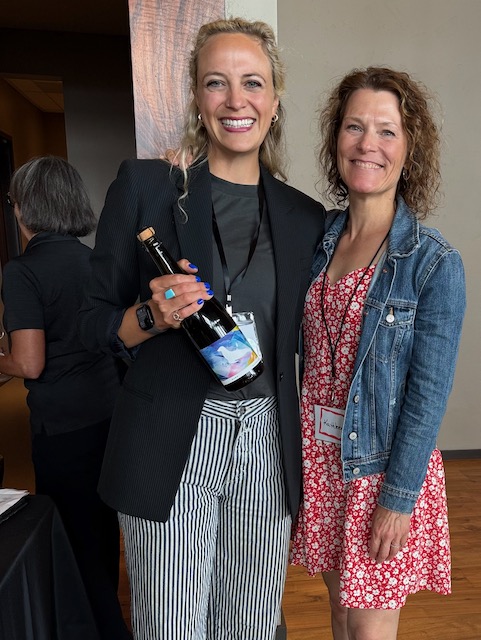
Some bottles just speak. This one does—loudly, joyfully, and with purpose. That was my impression when I first tasted it at Method Oregon this past July alongside the winemaker herself, Piper Underbrink. The 2024 RAW R Sparkling Red Wine from Sealionne (produced and bottled by Privé Vineyard) is a vibrant, skin-contact méthode traditionnelle-inspired Pinot Noir sparkler from West Wind Vineyard in the Ribbon Ridge AVA. One glance at the back label and you already know you’re in for something special: “Remember, All Women Rise.” Ten percent of every bottle sold supports women in science. In the hands of winemaker Piper Underbrink, that message feels entirely genuine. The Winemaker & the Story Piper Underbrink took the helm at Privé Vineyard in 2020, stepping into the legacy of founders Mark and Tina Hammond. Privé, nestled in the Chehalem Mountains just outside Newberg, is a tiny, old-school Oregon estate famous for elegant, site-driven Pinot Noir from some of the oldest vines in the AVA (planted in the early 1980s). Piper, who began her career with harvests at Flowers on the Sonoma Coast and Joseph Phelps in Napa before diving into UC Davis coursework, has honored that classic style while gently evolving it. In 2021 she and her husband, architect Ben Stalker, purchased West Wind Vineyard—a 15-acre site of sedimentary soils on Ribbon Ridge originally planted by Cody and Marque Wright of Purple Hands. From that purchase, Sealionne Wines was born: a freer, brighter, more experimental expression of their own voices. The name nods to boat-building craftsmanship and adventure; the wines are designed to feel alive, acidic, and joyful. RAW R is pure Sealionne energy, made under the Privé umbrella. The Vineyard & the Winemaking West Wind sits between 300–800 feet on marine sedimentary soils. The fruit for this sparkling red comes from clones 777 and Pommard—two classic Pinot Noir workhorses that deliver structure, spice, and pure red fruit in the cool, windy microclimate of Ribbon Ridge. Piper’s notes tell the story best: inspired by méthode traditionnelle, the wine received 10 days of skin contact to extract that beautiful red pigment and gentle tannin, then spent a full year on tirage. Élevage was split 50% stainless steel / 50% neutral oak—enough texture without new-oak distraction. Dosage is a precise 2 g/L, keeping it bone-dry and electric. Disgorged February 2026, this is a young, vibrant bottle ready to celebrate. In the Glass A fine, persistent mousse carries a ruby-flecked wine that smells like summer in the Willamette: crushed raspberry, wild strawberry, blood-orange zest, and a whisper of rose petal, grounded by that classic Oregon Pinot earthiness—damp forest floor and baking spice. On the palate it’s pure energy. Bright red fruit dances across the tongue; the short skin contact gives just enough grip and color without weight. The low dosage and year of lees aging deliver a creamy texture balanced by laser-focused acidity. Cherry pit, pomegranate, and a savory, almost saline finish linger long after the bubbles fade. It’s serious enough for the table, playful enough for a picnic, and elegant enough to feel like a quiet toast to every woman rising. How to Enjoy Serve well-chilled. Pair it with salmon and berry salsa, duck rillettes, or a simple board of charcuterie and soft cheese. Or just pour it on a sunny afternoon and raise a glass to the women who make the wines—and the science—that move us forward. This is Oregon sparkling with heart, place, and a clear message. Piper Underbrink continues to prove that the next chapter of Willamette Valley wine is being written by thoughtful, bold hands. All women rise, indeed.
Hidden Gems Just a Stone’s Throw from Rome: A Feast for Foodies, Wine Lovers, and Nature Seekers
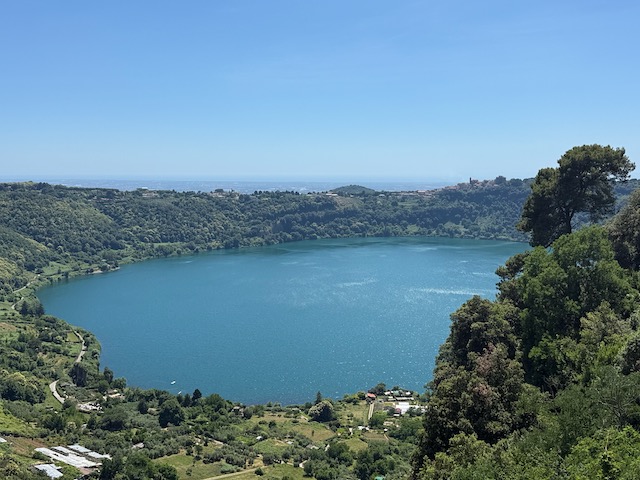
Hey there, fellow wanderers and vine enthusiasts! I’m back from a soul-recharging escape that reminded me why the Castelli Romani—those volcanic hills just outside Rome—feel like Italy’s best-kept secret. If you crave winding trails, world-class wines, fresh-from-the-earth food, and moments of pure magic, this region delivers in spades. I based myself in charming Rocca di Papa, and set off on day trips that blended history, nature, and indulgence. Here’s my heartfelt story from this unforgettable trip. Rocca di Papa: My Charming Hilltop Base Perched at 680 meters on the slopes of Monte Cavo, Rocca di Papa is the second-highest town in the Alban Hills and retains a wonderfully preserved medieval layout. Narrow, steep alleys wind between stone houses that seem to cling to the rock, and colorful murals brighten the streets thanks to local artists. The Belvedere della Fortezza Medievale offers jaw-dropping panoramic views stretching all the way to the sea—perfect for morning coffee with a side of awe. It was the ideal peaceful base: fresh mountain air, friendly locals, and easy access to everything else. Genzano di Roma: A Living Carpet of Flowers and Peace The undisputed highlight was the Infiorata di Genzano, one of Italy’s oldest and most iconic floral festivals, dating back to 1778. This year’s 248th edition during Corpus Domini (June 13–15, 2026) carried the moving theme “Fiorita nella pace: 80 years of the Italian Republic.” Via Italo Belardi became a massive, vibrant living carpet stretching for hundreds of meters, meticulously crafted by local “maestri infioratori” and volunteers using thousands of fresh flower petals, seeds, and leaves. The designs were intricate and symbolic—ephemeral works of art honoring peace and democracy that the community walks over gently during the religious procession before they’re ceremonially swept away. The sweet, earthy fragrance filled the air, and the explosion of colors under the June sun was mesmerizing. It’s a powerful reminder of tradition, community spirit, and the beauty of fleeting moments—ideal for slow, meaningful travel. Thoughtful detail: Genzano overlooks the surrounding soft hills and has deep roots as a “City of Wine” in centuries past. Wander the historic center, admire the grape-and-vine bas-reliefs in Piazza Tommaso Frasconi, and grab warm bread from a local bakery for a simple picnic. It’s a town that feels alive with pride in its heritage. Frascati: Wine Heaven, Gelato Bliss & Historic Charm Frascati sits elegantly on the Alban Hills, famous for its volcanic-soil Frascati DOC wines that have been called “the Pope’s wine” for centuries. Cobblestone streets, elegant villas, and sweeping views over the Roman countryside make it irresistibly charming. I paused at the grand Frascati Cathedral (Cattedrale di San Pietro Apostolo), with its impressive Baroque facade completed in 1700 and serene interior offering a cool, reflective escape. Nearby, the historic Campanile di San Rocco (dating back to 1305) stands as a charming landmark. But the true magic happened at Santé wine bar—a warm, welcoming enoteca that feels like chatting with old friends. The standout wines included: Don’t miss Greed Gelateria—an absolute must! Their gelato is incredibly creamy and packed with flavor. I savored the local Nemi strawberry (intensely aromatic), rich pistachio, and a wild herb & honey scoop that captured the essence of the hills. It was the perfect refreshing interlude. Thoughtful addition: Frascati invites leisurely wandering with vineyard views and family-run spots offering authentic tastings—far from the tourist crowds. Nemi and Lago di Nemi: Strawberries, Hiking, and Lakeside Bliss Nemi is a postcard-perfect medieval village perched on a spur above its namesake volcanic crater lake—often called Lazio’s Strawberry Capital. The tiny, wildly fragrant fragoline di Nemi are legendary; they appear in gelato, tarts, and fresh bowls with irresistible sweetness. I hiked the gentle trails around Lago di Nemi, enjoying panoramic viewpoints like the Belvedere degli Innamorati (Lovers’ Viewpoint), with birdsong, chestnut groves, and dappled sunlight creating a restorative atmosphere. The lake’s deep blue waters and surrounding hills feel timeless—ancient Roman ships were famously recovered from its depths. Thoughtful detail: Nemi’s compact streets are lined with strawberry vendors and crafts. The annual Sagra delle Fragole festival celebrates the berry in June, but the magic is year-round. It’s a dream for outdoor lovers blending gentle adventure with culinary delight. Castel Gandolfo and Lago Albano: Papal Tranquility and Scenic Beauty Castel Gandolfo exudes regal calm as the traditional summer residence of the Popes. The Apostolic Palace (designed in the 17th century) and its beautiful gardens overlook the stunning Lago Albano, a deep volcanic crater lake framed by lush green hills. Strolling the charming narrow streets and piazzas, I soaked in the mix of history, spirituality, and natural beauty. Grab an espresso at a viewpoint café and gaze across the water—many popes found solace here, and it’s easy to see why. The black volcanic sands along the lake invite a refreshing dip in warmer months. Ostia Antica: Step Back into Ancient Roman Life A short hop from Fiumicino brought me to Ostia Antica, the remarkably well-preserved ancient port city of Rome. Founded in the 4th century BC, this sprawling archaeological site once bustled with over 100,000 inhabitants as the vibrant commercial heart of the empire. Wandering the Decumanus Maximus (main street), I explored grand theaters that still host summer performances, intricate mosaics in the Piazzale delle Corporazioni (Square of the Guilds), public baths, apartment buildings (insulae), warehouses, and even a thermopolium (ancient fast-food bar). The ruins felt incredibly alive—far less crowded than Pompeii yet equally evocative, with wildflowers growing among the stones and birds nesting in the old walls. It’s a fantastic blend of history and gentle outdoor exploration, perfect for imagining daily Roman life by the sea. Thoughtful detail: Bring comfortable shoes and a hat for sun protection. Combine it with beach time in Fiumicino for the ultimate ancient-meets-modern day. Sunrise and Sunset at Fiumicino Beach: Bookends of Beauty My trip bookended with pure coastal magic at Fiumicino beach. Watching the sunrise paint the sky in soft pinks and oranges, followed by a dramatic sunset with gentle waves lapping at my feet, provided perfect
A Montefalco 2026: The Quiet Poetry of Place
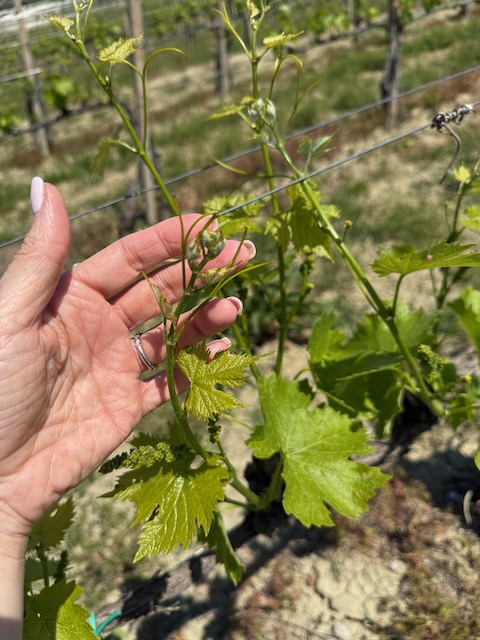
Montefalco arrives like a promise: a ribbon of sun-drenched hills stitched with olive groves and vines, where the light turns grape skins to jewels and the afternoon hush feels like the land exhaling centuries of stories. Three immersive days threading through the gentle slopes between Montefalco, Gualdo Cattaneo, Giano dell’Umbria, Castel Ritaldi, and beyond revealed the region’s living heartbeat — Sagrantino’s powerful, age-worthy structure rooted in thick-skinned intensity and polyphenolic richness; the crystalline, vertical lift of Trebbiano Spoletino with its uncommon acidity and aromatic freshness; and a hospitality that turns every tasting into shared conversation. Here, place and patience continue to ferment wine into memory. Day 1: Hilltops, Family Stories, and First Impressions The journey opened in the Gualdo Cattaneo area with Cesarini-Sartori — gritty, tenacious, rooted — an intimate, family-minded estate led by sisters Chiara and Alice Cesarini Sartori. Their wines speak eloquently of hill soils and old-vine heritage, delivering Sagrantino-driven structure layered with a clear sense of place and energetic Montefalco Rosso blends that balance deep tannins with vibrant freshness — a refined introduction to the territory’s duality of power and approachability. Terre de la Custodia — commanding, earthy, relentless — part of the historic Farchioni family (with Giampaolo Farchioni and winemaker Marco Minciarelli at the helm), followed with a vineyard-forward philosophy deeply rooted in local varieties and the area’s clay-calcareous terroir. Their well-shaped Sagrantino and Montefalco Rosso impressed with earthy aromatics, savory finishes, and harmonious structure — wines that exemplify how the rolling hills translate into glass with both generosity and precision. In Giano dell’Umbria, Moretti Omero — nimble, salty, defiant — a small-scale family operation, offered meticulous attention to detail where traditional viticulture meets thoughtful modern cellar choices. Their approachable Trebbiano Spoletino shone with freshness and salt-sapidity, while the nimble reds highlighted drinkability and pairing versatility — honest expressions that feel intimately tied to the land. Terre di San Felice — warm-edged, familial, fierce — in the Castel Ritaldi/Montefalco area (Società Agricola San Felice) wrapped the day with warm hospitality and wines that favor drinkability without sacrificing pedigree. Lively Montefalco Bianco and Grechetto examples danced alongside Montefalco Rosso featuring ripe fruit and soft tannic edges — terroir-driven voices that felt familial and inviting. The evening dinner at Tenuta di Saragano provided a convivial close: regional Umbrian cooking paired seamlessly with structured Sagrantino and local wines, underscoring how Montefalco’s earthiness and cuisine make every bottle sing. Day 2: Consorzio Wisdom, Village Cellars, and Shared Craft A highlight was the Consorzio Tutela Vini Montefalco visit and masterclass “Montefalco Today” led by Cristina Mercuri MW at Chiostro S. Agostino. She crystallized the region’s story: a compact production area with ancient vines, mandatory aging for Sagrantino DOCG (37 months total, including wood and bottle), and the distinctive characters of its grapes. Sagrantino’s world-class polyphenols and tenacity meet Trebbiano Spoletino’s vertical acidity and aromatic precursors, all shaped by varied microclimates across calcareous-clay soils and four pedologic subzones. The “A Montefalco” ethos — Assertive, Authentic, Ageable — came alive through vintage insights and terroir maps. Le Cimate — precise, mineral-sharp, unyielding — impressed with terroir-focused parcel work and elegant cellar decisions under the estate’s dedicated team. Their refined Sagrantino and well-structured Montefalco Rosso emphasized length, minerality, and balanced oak — poised expressions of the central hills. Romanelli — concentrated, savage, persistent — at San Clemente (with Devis Romanelli involved in the family legacy) brought an old-vine sensibility and strong sense of place. Concentrated red fruit, savory herbs, and persistent tannins defined their Sagrantino — wines that reward slow sipping and reveal layers with time. Ninni — citrus-blade, vertical, audacious — grounded us in Spoleto DOC tradition with expressive Trebbiano Spoletino showcasing the grape’s signature citrus-mineral profile and impressive aging potential, alongside friendly, food-ready whites made in a living way that highlight its versatility and daring nature at Ninni. The Consorzio soirée — a “Visita mestieri” with light dinner — celebrated craft and conviviality. Winemakers, members, and artisans gathered over small plates matched to local whites and vibrant reds, reminding us that Montefalco’s terroir is as much cultural as geological. Day 3: Comparative Tastings and Enduring Classics A focused morning in the central Sala Degustazione allowed side-by-side comparisons, sharpening impressions across producers. Valdangius — saline-striking, bright, rebellious — stood out as a newer voice with clear vineyard intentions. Fresh Montefalco Bianco and Grechetto offered bright aromatics and a saline thread — lively whites that bring energy to the lineup. Scacciadiavoli — historic fury, potent, timeless — the Pambuffetti family flagship (founded 1884) delivered classic Sagrantino depth and Montefalco Rosso blending elegance with potency. These are wines that demonstrate the DOCG’s serious aging ambition and the estate’s living museum of tradition. Goretti — Fattoria Le Mura Saracene — tactile-intense, cinematic, savory-rebel — in the Pietrauta area (led by the Goretti family, including Sara and Giuli Goretti) conveyed a powerful sense of place through old-vine sites. Cinematic Trebbiano Spoletino and expressive Sangiovese-led blends featured tactile minerality and savory finishes that lingered beautifully. The trip culminated in an evening soirée at Tenute Lunelli — Carapace, a polished setting for wide-ranging comparisons and producer conversations. From bright Spoletino and Grechetto whites to powerful Sagrantino bottlings, the diversity shone — philosophies ranging from restraint to robust extraction, all united by profound respect for terroir and the land’s potential. Why Montefalco Matters Sagrantino remains the backbone — thick-skinned, polyphenolic powerhouse built for longevity, with a fascinating falcon-derived history and unique tannin profile that offers tenacity, finesse, and evolution. Yet the region’s beauty is its mosaic: Trebbiano Spoletino’s vertical freshness and aromatic complexity; Grechetto’s structure; Sangiovese-driven Montefalco Rosso for approachable elegance. Across compact hills (220–472m altitude) with clay-calcareous soils, pebble veins, and varied exposures, microclimates craft remarkable diversity. The Consorzio’s sustainable vision — organic growth, biodiversity, and green practices — alongside the “A Montefalco” manifesto, ensures this green heart of Italy stays authentic and forward-looking. 2021 Vintage Snapshot: The Montefalco Sagrantino DOCG earned a strong 4-star Excellent rating (94/100). A harsh winter and spring frost gave way to a
VieVinum 2026: Vienna & Vineyards
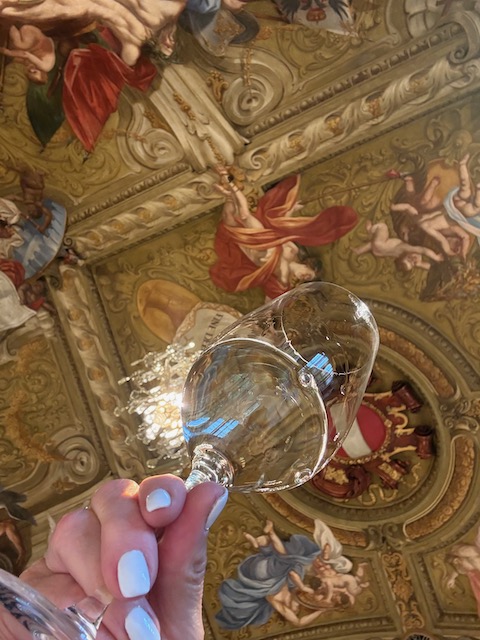
Vienna has a way of making wine feel cinematic. Perhaps it’s the imperial grandeur. The late-night glow spilling from historic cafés. The effortless blend of culture, history, and hospitality. Or perhaps it’s because Austrian wine itself mirrors the city — precise yet emotional, intellectual yet deeply soulful. For four days in May every two years, VieVinum 2026 transformed Vienna into the epicenter of the wine world, bringing together approximately 550 wineries and exhibitors from across Austria and beyond. Hosted within the magnificent Hofburg Palace, VieVinum remains one of Europe’s most important wine events—not simply because of its scale, but because of the conversations happening inside the glass. This year felt particularly electric. Not loud. Not flashy. Confident. Austria knows exactly who it is right now. The Energy of VieVinum VieVinum isn’t a fair you casually stroll through. It’s a marathon of tastings, interviews, masterclasses, meetings, press conferences, and spontaneous conversations that somehow become the most memorable part of the experience. From the Welcome Event at the MAK to ÖTW gatherings throughout the city, every day offered a deeper look into the evolution of Austrian wine. What stood out most was the remarkable balance between tradition and innovation. Austria’s producers aren’t chasing trends. They’re doubling down on authenticity, site expression, sustainability, and precision. The wines reflect that philosophy beautifully. Grüner Veltliner continues to evolve into one of the world’s most compelling white varieties, combining freshness, texture, and mineral detail. Blaufränkisch is cementing itself as one of Europe’s most exciting red grapes, capable of delivering both power and finesse with remarkable clarity of place. But let’s not loose sight of the racy Sauvignon Blanc, the finessed Chardonnay, that mineral driven Pinot Noir.. Austria is more than Grüner my friends. Discovering Austria’s Next Generation One of the highlights of the week was meeting producers who are helping define the next chapter of Austrian wine. The Schuller sisters of Weingut Schuller brought a fresh, modern energy to their wines—vibrant, expressive, and deeply connected to place while embracing a contemporary vision for the future. At Schlumberger, Austria’s historic sparkling wine house, traditional method Sekts demonstrated elegance, creamy texture, and remarkable precision. Bauer-Pöltl showcased Blaufränkisch with dark fruit, spice, structure, and a vibrant sense of energy that felt distinctly Burgenland. Weingut Toni Hartl impressed with refined, site-driven reds that balanced concentration with elegance. Weingutstift Göttweig offered wines that reflected centuries of history, delivering purity, minerality, and timeless sophistication. Familie Reinisch once again demonstrated why Thermenregion remains one of Austria’s most exciting regions, crafting Pinot Noir and white wines of remarkable finesse and detail. Puklavec Family Wines brought an international perspective, producing vibrant, approachable wines with aromatic clarity and freshness. Among the most fascinating conversations were those with childhood friends Philipp Grassl and Markus Huber, both members of Österreichische Traditionsweingüter (ÖTW) and two of Austria’s most respected voices in modern winemaking. Philipp Grassl has become one of Carnuntum’s defining producers, crafting wines he describes as having “silence, depth, and tension.” His wines unfold slowly, revealing layers of texture and complexity while maintaining a quiet confidence that demands attention without ever shouting. The master of St. Laurent, he calls “a diva in the vineyard.” Markus Huber, meanwhile, continues to elevate Traisental through wines defined by precision and elegance. His remarkably pure expressions capture the crystalline freshness and mineral character that have made him one of Austria’s benchmark producers. Together, they embody a generation of winemakers acting as artists for their respective regions, lifting them onto the international stage through authenticity rather than imitation. Wine, History and Hospitality Some of the most memorable moments happened away from the tasting halls. What makes Vienna unique is that wine isn’t something that exists outside the city—it is woven directly into its identity. As Europe’s only capital city with significant vineyards planted within its city limits, wine is never far away. One afternoon led to Schönbrunn Palace, the former imperial summer residence of the Habsburgs. With its staggering 1,441 rooms and miles of vast manicured gardens stretching across the landscape, it felt less like visiting a palace and more like stepping into a living history book. No visit to Vienna would be complete without embracing its culinary traditions. Discovering the rich elegance of a true Sacher Torte and the delicate layers of freshly prepared apple strudel offered a delicious reminder that Austria’s obsession with craftsmanship extends far beyond wine. At Pfarrwirt, Vienna’s oldest Heuriger, lunch provided a deeper understanding of Vienna’s wine culture through a tasting of wines from Mayer am Pfarrplatz and Mayer Rotes Haus. Surrounded by centuries of history, we explored vineyard-designated wines that showcased the precision and freshness that define modern Viennese wine. We tasted the range from Mayer am Pfarrplatz: Gelber Muskateller, Grüner Veltliner (Grinzing), Riesling Ried Alsegg and Riesling Nussberg, plus two examples of Wiener Gemischter Satz (from Weingut Rotes Haus and Mayer am Pfarrplatz). Wiener Gemischter Satz is a beautiful, chaotic field blend—multiple varieties planted side by side in the same vineyard, harvested and fermented together. It’s a living snapshot of Vienna’s historic vineyards, where complexity, texture and tension are woven naturally into every glass. Dinner at the legendary Plachutta delivered another Austrian classic: Wiener Schnitzel and white asparagus season in full force. Light, airy, delicate and impossibly crisp, it was arguably the finest example of the dish I’ve ever tasted—a masterclass in how simplicity becomes extraordinary when executed perfectly. Austria at a Turning Point What struck me most throughout VieVinum 2026 was how internationally relevant Austrian wine has become. Not as a trend. Not as a niche. But as a benchmark for terroir-driven, precision-focused winemaking. Climate challenges continue to reshape wine regions across the globe, yet Austria appears uniquely positioned for this moment. The balance between freshness, ripeness, structure, and elegance aligns perfectly with what sommeliers, collectors, and consumers increasingly seek. The wines feel sharper than ever. More articulate. More confident. And yet they retain their soul. That balance is difficult to achieve. Austria is doing it remarkably well. Leaving Vienna As VieVinum came
An Evening Beneath Carapace
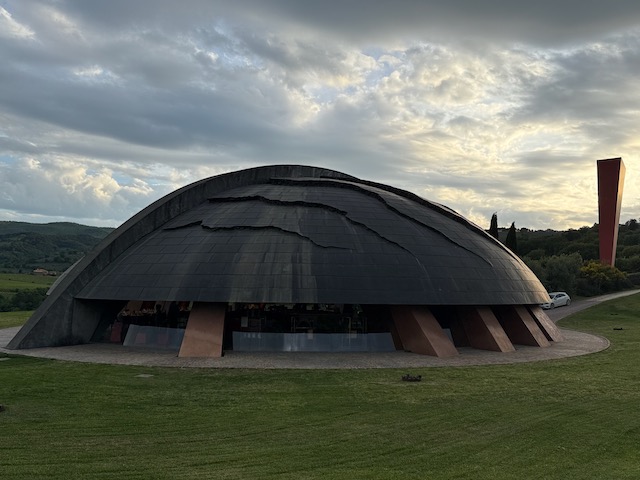
Montefalco isn’t measured in hectares or vintages, but in the warmth, generosity, and passion of those who call it home. As the sun slipped behind the Umbrian hills, we arrived at Carapace—the extraordinary winery commissioned by the Lunelli family and designed by renowned sculptor and architect Arnaldo Pomodoro. Rising from the vineyards like a bronze sculpture emerging from the earth, the winery feels less like a building and more like a monument to the land itself. At the entrance stands a striking symbol that appears throughout the estate and on the Carapace labels. At first glance it resembles a tribal emblem, but the meaning becomes clearer when viewed in the context of the winery. Encircled within a protective form, the central figure evokes both a vine and a shield—a visual representation of growth, permanence, and protection. It reflects the very concept of a carapace: a shell safeguarding what lies within. Much like Sagrantino itself, the symbol speaks of strength, structure, longevity, and a profound connection between earth and vine. And what better place to explore those ideas than around a dinner table filled with the people who dedicate their lives to this region? Aperitivo Among Friends The evening began outdoors with an aperitivo overlooking the vineyards as Montefalco glowed in the fading light. Glasses clinked, conversations flowed effortlessly, and winemakers mingled with journalists not as presenters but as friends welcoming guests into their home. Dinner followed inside, where each table hosted three winemakers or winery representatives, creating an atmosphere that felt intimate, engaging, and wonderfully unfiltered. There were no formal speeches or carefully rehearsed presentations—just stories, laughter, debates about vintages, and plenty of friendly banter. Our host for the evening was Alessandro Lunelli, joined by Filippo Antonelli of Cantina Antonelli and members of several Montefalco wine families such as Scacciadiavoli, Tenuta Cecchi, Tenuta Bellafonte, Cantina Laveneranda, Cantina Le Climate, Cantina Goretti and Poderi Moretti. It was a rare opportunity to share a meal with the people shaping the future of the region while hearing firsthand how they interpret one of Italy’s most distinctive grape varieties. A Menu Rooted in Umbria The menu was a celebration of local ingredients and Umbrian comfort. We began with a modern interpretation of eggplant parmigiana before moving to a beautifully creamy risotto enriched with cultured butter, saffron from nearby Cascia, and wild asparagus. The main course showcased guinea fowl accompanied by a rustic crostino with salmì, soft potato, and black truffle—a dish that seemed purpose-built for mature Sagrantino. The food never competed with the wines; it amplified them, revealing why Sagrantino has always been a grape meant for the table. Large Formats, Old Vintages, and the Magic of Time Then came the bottles. Large formats appeared alongside older vintages, turning the evening into an unofficial masterclass on the ageing potential of Montefalco’s flagship grape. Seeing wines with ten, fifteen, and even twenty years of evolution side by side was a reminder that Sagrantino’s reputation for power tells only part of the story. With time, the grape finds grace. A few wines stood out above all others. 2016 Carapace Montefalco Sagrantino DOCG – Tenute LunelliA benchmark expression of modern Sagrantino. Dark cherry, blackberry, licorice, and sweet spice unfold with remarkable precision. The tannins are substantial but polished, carrying layers of black fruit, tobacco, and savory herbs through a long, persistent finish. Powerful, yet surprisingly composed. 2005 Chiusa di Pannone Montefalco Sagrantino DOCG – AntonelliPerhaps the wine that best demonstrated what maturity can achieve. The fruit had evolved into dried cherry, leather, balsamic herbs, and forest floor while retaining remarkable freshness. The tannins had softened into a fine-grained texture that gave the wine elegance rather than force. A beautiful lesson in patience. 2011 Collenottolo Montefalco Sagrantino DOCG – Tenuta BellafonteA more restrained and refined interpretation of Sagrantino. Aromatically lifted with dried flowers, black tea, dark berries, and Mediterranean herbs. The palate balanced depth with energy, showing the tension and precision that increasingly define Montefalco’s contemporary style. 2013 Montefalco Sagrantino DOCG – ScacciadiavoliA wine that married tradition with freshness. Notes of black plum, cocoa, cedar, and dried herbs gave way to a structured palate framed by vibrant acidity. Still youthful, still muscular, yet already revealing impressive complexity. More Than a Dinner What made the evening memorable wasn’t simply the quality of the wines. It was the feeling of being welcomed into a community. Montefalco may be a small appellation, but its producers share an uncommon sense of collective pride. Around the tables at Carapace, competitors became collaborators, stories were shared freely, and generations of winemaking experience passed from one glass to the next. As the final pours made their way around the room and conversations stretched long into the night, it became clear that Montefalco’s greatest strength isn’t just Sagrantino. It’s the people behind it. And there may be no better place to understand that than beneath the protective shell of Carapace itself.
Campania Stories: Giorno 3-Coastal Fire, Ancient Wines & the Soul of Falerno
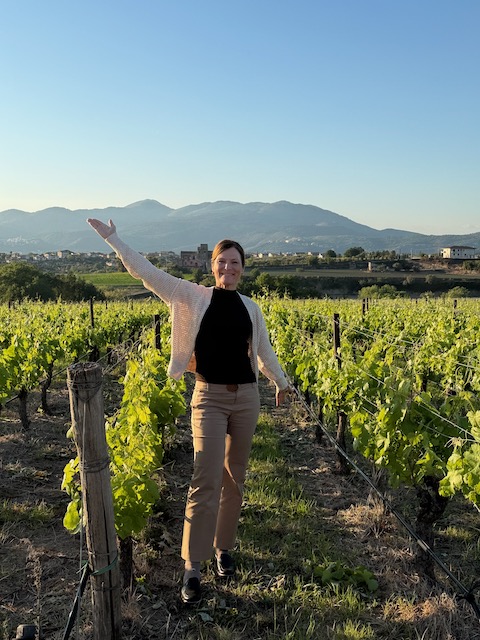
Giorno 3 — Caserta Villa Matilde Avallone • Fattoria Pagano By Day 3, Campania no longer felt like a region. It felt like a living conversation. Every subregion carried its own rhythm, its own accent, its own emotional temperature. After the mountain tension of Irpinia and the rustic soul of Sannio, the road led us toward Caserta — where volcanic soils meet sea air, where Falerno still echoes through history, and where hospitality arrives as naturally as wine at the table. The morning returned us to the pulse of Vega Palace for another day of focused tastings and exchange, this time centered around reds with a scattering of rosé. But it was the late afternoon that stayed with me most. Golden light. Warm air. Cellars beginning to quiet as evening approached. And producers leaning across the table to explain not just a wine, but a decision, a vintage, a piece of family history. Falerno del Massico: The Ancient Voice of Campania Long before Barolo, Brunello or Super Tuscans existed, there was Falerno. The legendary wine of ancient Rome. The wine of Caesar and Cleopatra. Produced along the volcanic slopes surrounding Monte Massico near the Tyrrhenian coast, Falerno del Massico remains one of Campania’s most historic appellations. But unlike the elevated freshness of Irpinia or the earthy rusticity of Sannio, the wines here carry something broader and warmer. Sun-warmed fruit. Salty minerality. Mediterranean herbs. Volcanic depth softened by sea breezes. The climate here changes everything. Warm coastal air ripens the fruit generously, while cold winds descending from the Apennines preserve freshness and tension. Combined with volcanic soils, the result is wines that feel simultaneously rich and lifted — structured yet deeply convivial. This was the world of Villa Matilde Avallone. Villa Matilde Avallone: Reviving the Wine of the Romans Villa Matilde is not simply a winery. It is an act of resurrection. Founded by Francesco Paolo Avallone, the estate spent over a decade researching and reviving the ancient terroir and varieties connected to Falerno del Massico. What began as a passion project eventually became one of Campania’s most important modern estates. Today the winery is guided by siblings Salvatore and Maria Avallone, continuing their father’s vision with deep emotional attachment to the land. And that emotion is impossible to miss. At one point during the tasting, Salvatore smiled and said: “We, the people from Campania, are completely crazy. We live our land. We want to communicate our passion through the wine.” And honestly, that sentence captured the entire visit. Emotion. People. Land. Everything here revolves around that connection. The tasting began with Falanghina. The 2024 carried fresh citrus, apple, pear and saline minerality — bright and coastal in feel. Then came the Mata 2015 Falanghina, and suddenly the conversation shifted entirely. Ten years old and completely alive. Ripe peach. Biscuit. Dough. Dried florals. A wine proving once again how beautifully Campanian whites evolve with time. Salvatore compared the grapes almost like iconic Italian women. The 2025 Fiano di Avellino? “Audrey Hepburn.” Elegant. Refined. Silky. The Greco? “Sophia Loren.” More character. More presence. A touch of rustic edge. And honestly, he was right. The Contrada 127 Greco 2022 — produced with amphora, as the estate has done since the 1960s — carried remarkable grip and minerality, like “a hand on your shoulder,” balancing freshness with texture and serious aging potential. Then came Carracci. And this is where Villa Matilde truly revealed its soul. The 2020 Carracci Falerno del Massico single vineyard unfolded through honeyed dried stone fruit, herbs, salinity and lemon curd wrapped around subtle tannic grip. The 2008 broadened even further into caramel, dried grapefruit and toasted nuts while still retaining freshness. These wines felt ancient somehow. Meditative. Completely tied to place. The reds carried the warmth of the coast but never lost their freshness. The 2025 Roccamonfina Piedirosso was pure glou-glou energy — crunchy red fruit, bright acidity and white pepper spice. The 2020 Falerno del Massico Rosso — 80% Aglianico, 20% Piedirosso — felt closest to Salvatore’s heart. He described it as the wine that “communicates the voice of the land.” And it did exactly that. Savory. Volcanic. Layered with spice and lifted fruit. The Taurasi wines brought more structure and smoke, while Cecubo 2018 — blending Primitivo, Aglianico and Piedirosso — moved into darker, richer territory without losing Campania’s signature freshness. What struck me most was how clearly Caserta differentiated itself from the previous days. The wines here carried sunlight inside them. Fattoria Pagano: Drink the Terroir As evening deepened, we continued toward Fattoria Pagano. And suddenly everything became even more intimate. Founded in 2001 by Antonio Pagano, the organic estate stretches across roughly 24 hectares, with vineyards both in Falerno del Massico and Irpinia. The philosophy here is simple: “Drink the terroir.” Nothing polished for international style. Nothing overworked. Just wines tied honestly to volcanic soils, hand harvesting and the rhythm of Campanian hospitality. Antonio and Angelo welcomed us alongside tables already filling with local dishes and buffalo mozzarella made by Antonio’s uncle — firmer in texture than most mozzarella di bufala, originating from nearby Casedici. And once again, the food and wines became inseparable. The evening began with a 120-day Charmat sparkling blend of Greco and Falanghina — biscuit notes, fine bubbles and remarkable freshness. The labels themselves carried stories too, decorated with musical instruments representing the musicians who once gathered here. Even the rosé held personal meaning, dedicated to Antonio’s mother Rosa: 40% Aglianico, 40% Piedirosso and 20% Merlot carrying bright fruit and unmistakable volcanic minerality. The whites leaned generous yet precise. The Falanghina 2025 shimmered with bright minerality, while the late-harvest Falanghina carried rounder floral concentration. The Greco 2025 moved beautifully from tropical softness into rising minerality, while the Fabula Falerno del Massico Bianca 2025 showed serious elegance and structure. Then came the reds. The Piedirosso 2023 carried smoky violets, savory earth and elegant ripeness. The Aglianico bottlings balanced fruit intensity with remarkably soft tannins. But the standout was Gaurasi Falerno del Massico
Campania Stories: Giorno 2 Rustic Soul, Mountain Power & the Wines of Sannio
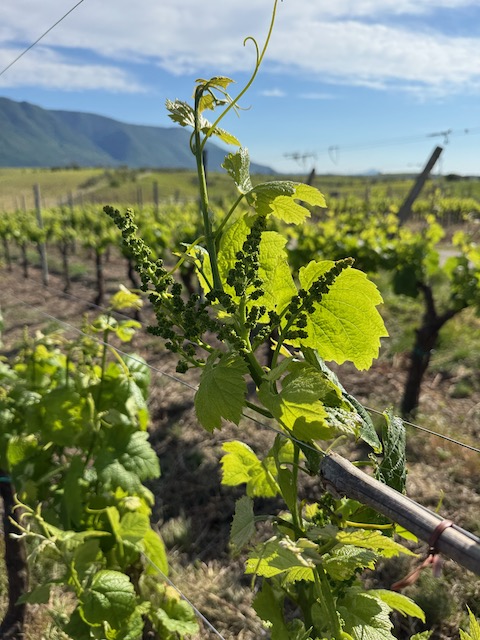
Giorno 2 — Benevento: Sannio & Aglianico del Taburno Terre Stregate • Fontevecchia By Day 2, Campania had already begun to reveal its rhythm. Not polished. Not predictable. But deeply alive. The morning began with Campania Stories tastings focused on sparkling wines and whites — glasses filled with Falanghina, Fiano and Greco carrying the tension of volcanic soils and mountain air. Yet as we moved deeper into Benevento and the hills surrounding Taburno, the mood shifted once again. Rustic charm replaced coastal energy. The wines became earthier. More grounded. More quietly powerful. This was Sannio. A vast inland area surrounding Benevento that has quietly become one of southern Italy’s most important wine-producing zones. Unlike the dramatic volcanic landscapes of Campi Flegrei or the elevated mountain tension of Irpinia, Sannio feels warmer, softer and more agricultural — rolling hills, olive groves, grain fields and vineyards woven together across the countryside. And the wines reflect that generosity. Falanghina from Sannio tends to be rounder and more approachable than the sharper, saline expressions from Campi Flegrei. The fruit becomes riper, the texture broader, while still maintaining freshness thanks to altitude and limestone-rich soils. Then there is Taburno. Centered around Mount Taburno itself, Aglianico del Taburno carries a different personality from Taurasi. While Taurasi often leans toward darker structure, tension and austere longevity, Taburno tends to show more immediate savory charm — earthy spice, softer tannins and a slightly more approachable elegance in youth while still retaining the ability to age beautifully. This was Sannio. A place where Falanghina feels less polished and more rooted. Where Aglianico trades sheer force for savory depth and drinkability. Where food, wine and history still feel inseparable from everyday life. Terre Stregate: The Land of Witches The name alone tells you this is not an ordinary place. Terre Stregate — “Land of the Witches” — sits at roughly 400 metres above sea level in the Benevento valley, surrounded by calcareous stone soils touched by volcanic influence drifting inland from Vesuvius. The symbol of the estate — moon, sun and eye — represents protection, an echo of the folklore and ancient legends woven throughout this part of Campania. Benevento has long been associated with stories of witches gathering beneath walnut trees, casting spells carried by the wind through the valley. And honestly, standing there among the vines, it does feel slightly enchanted. The estate is led by Filomena Iacobucci and her brother, fifth-generation custodians of a family deeply rooted in Sannio agriculture. Today they farm roughly 25 hectares of vines alongside four hectares of olive groves, using the olive leaves themselves as mulch to nourish the vineyard soils naturally. Everything here feels connected to the land. Filomena explained that Falanghina remains the beating heart of the estate, accounting for roughly 65% of production. Their goal is not simply to make Falanghina, but to tell the story of where Falanghina was born — through multiple styles and expressions. And the tasting revealed exactly that. The Caledonio Brut Falanghina DOC opened the morning with freshness and roundness, carrying vibrant citrus and soft orchard fruit wrapped in delicate mousse. Then came the Genius Loci Fiano Sannio DOP 2025 — fresh peach, light on its feet, yet quietly full of character and salinity. The Aurora Greco 2025 followed with round stone fruit and softness, its label inspired by the estate’s new cellar building rising from the hills. But the wines became increasingly compelling as depth and texture entered the conversation. The Svelato Falanghina del Sannio DOP, aged six months on lees, carried savory breadth and mineral tension, while the Caracara 2020 Late Harvest unfolded through caramel, stone fruit compote, lemon curd and toasted nuts. Rich. Layered. Yet still alive with freshness. The rosé, Attimo 2025, brought the mood back toward brightness — cherry, violet, raspberry leaf and mineral lift wrapped into something playful yet beautifully balanced. Then came Aglianico. The Idillio 2025 IGP Benevento carried bright cherry, tea leaf, earth and violets with soft tannins and spice, while the Manent 2023 — vinified partly in barrel and partly in stainless steel — balanced fresh cherry fruit with earthy structure, dark chocolate and fine acidity. Filomena explained the meaning behind the name: “Everything written stays forever.” And that sentiment lingered long after the glass was empty. The Arcano 2020 Riserva — “deep secret” — moved further into savory territory with leather, dried violets, clove and earthy spice wrapped around remarkably fine tannins. Then came Costa del Duca Late Harvest 2018, full of juicy cherry, leather and earthy depth, before the tasting closed with the Malaca Passito. Dried stone fruit. Toffee. Caramel. Christmas spice. A wine built for slow endings and long conversations. At Terre Stregate, wine feels inseparable from story. From folklore. From family. From land. And perhaps that is what made the visit so memorable. Nothing felt manufactured. Only deeply, proudly Campanian. Fontevecchia: Quiet Confidence Beneath Mount Taburno As evening approached, we continued deeper into Taburno toward Fontevecchia. If Terre Stregate felt folkloric and expressive, Fontevecchia carried a quieter kind of confidence. Rustic stone walls. Old cellars. A sense of time moving slowly. The estate, now over 150 years old, welcomed us with warmth from Libero, Lucio and the next generation already quietly stepping into the story. Here, the philosophy is simple: Pay attention to the soil, not the winemaking. And everything at Fontevecchia revolves around Mount Taburno itself. The vineyards surrounding the mountain produce Falanghina del Sannio and Aglianico del Taburno shaped by varied soils — clay and limestone, volcanic zones and tufaceous pockets — now carefully separated under oenologist Emiliano Falsini, who joined the estate in 2020. The wines are divided according to soil type: C for clay and limestone. F for tuff. B for volcanic soils. Precision without losing identity. Lucio explained how the Aglianico clones in Taburno naturally differ from Taurasi, producing smaller, less compact bunches better suited to the warmer conditions. Macerations are handled more gently here — more infusion than extraction — creating wines of elegance
Campania Stories: Initial Sips — Campi Flegrei & Irpinia
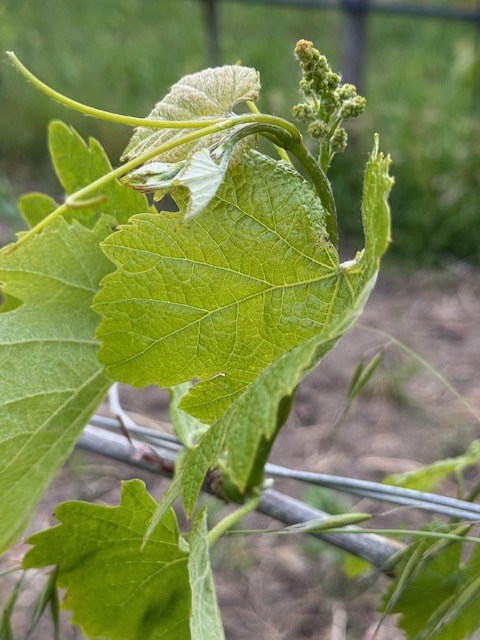
Campania Stories: Volcanic Soul, Mountain Tension & the Wines That Refuse to Be Forgotten Giorno 0 to 1— Campi Flegrei & Irpinia Salvatore Martusciello • Tenuta Cavalier Pepe • Donnachiara Campania does not ease you in gently. It grabs hold of your senses immediately — volcanic smoke in the air, salty Mediterranean breezes, mountain tension in the wines and conversations that stretch long past the final glass. This is not a region of quiet wines. Or quiet people. Campania Stories began the moment the plane touched down in Naples, where Salvatore and Gilda welcomed us not with formality, but with the warmth that instantly turns travel into something personal. Within moments, we were standing at the Solfatara crater in Campi Flegrei, surrounded by black volcanic earth and steam rising from the ground beneath our feet. And suddenly, everything made sense. This is where the wines begin. Not in the cellar. Not in the glass. But in the tension between volcano and sea. Salvatore Martusciello: Wines With Salt in Their Veins At the Salvatore Martusciello winery in Pozzuoli, the family’s role in shaping Campi Flegrei became immediately clear. Salvatore’s father helped establish the DOC in the 1990s, while his uncle Genaro identified Falanghina clones and created what remains one of the region’s defining viticultural references. The vineyards themselves feel wild and alive — ancient Alberata pergolas climbing skyward, wild chamomile lining the rows and some vines still untouched by phylloxera. And you can taste that energy in every glass. The wines moved between electric freshness and volcanic depth: Asprinio bursting with citrus and razor acidity; Falanghina layered with crushed stone, salinity and smoky aged complexity; Piedirosso vibrant with red fruit and coastal freshness. Then came OttoUvo Frizzante Gragnano — fizzy, joyful and unapologetically Neapolitan. “The most beloved iconic wine of the Neapolitan people,” Salvatore called it with a smile. At one point, I asked him what his favorite vintage was. “The next one.” That answer captured the spirit of Campania perfectly. No chasing trends. No imitation. Just wines deeply rooted in place and identity. Dinner among the tanks with Gilda’s homemade timbalo di Nerano, the buffalo mozzarella alongside the estate’s rustic cuisine, grounding the wines even further into place and tradition, the warm sfogliatella transformed the tasting into something even more personal. The wines opened further around the table, revealing Campania not simply as a wine region, but as a way of living. Into the Mountains: Tenuta Cavalier Pepe The following morning, the landscape shifted dramatically as we climbed into Irpinia. More altitude. More silence. More tension. Tenuta Cavalier Pepe unfolded across steep hillsides where cool nights preserve freshness and precision in every grape. Walking the vineyards with Milena Pepe, it became clear that everything here is built around stewardship — hand harvesting, massale selection and allowing the land itself to shape the wines. Milena structured the tasting vertically, revealing how beautifully Irpinia’s wines evolve with time. The Fiano di Avellino wines moved from fresh acacia and citrus into layers of roasted nuts, petrol, honey and salted depth with age. The older vintages carried remarkable energy and proved exactly why Fiano deserves to stand among Italy’s greatest white wines. The Greco di Tufo Riserva wines showed a sharper, more volcanic personality — smoky, savory and intensely mineral. Then came Taurasi. Young vintages carried vivid cherry and chalky tannins, while older bottles unfolded into leather, dried herbs, licorice and savory complexity. The 2011 La Loggia di Cavaliere Taurasi Riserva lingered long after the final sip — dried cherry, violets, leather and fine tannins stretched endlessly across the palate. Hauntingly beautiful. Throughout the tasting, one thing remained constant: Minerality and sapidity slicing through the wines, making you crave food immediately. These are wines built for long lunches, slow conversations and crowded tables. Turn the Page: Donnachiara Irpinia has a way of slowing you down. After the volcanic intensity of Campi Flegrei, arriving at Donnachiara in Montefalcione felt quieter, more introspective somehow. Perched at 400 metres above sea level, surrounded by chunky clay and fractured rock soils, Donnachiara has become one of the defining modern voices of Irpinia through organic farming, native varieties and wines rooted deeply in place. Named after Ilaria Petitto’s great-grandmother, the winery feels deeply personal from the moment you arrive. Ilaria describes her wines simply: “Elegant. Not banal. Wines that need time to show themselves.” That philosophy is everywhere here. Nothing is loud. Nothing is rushed. The wines unfold slowly and confidently, much like Irpinia itself. Alongside winemaker Marco Giulioli, Donnachiara vinifies entirely in stainless steel, allowing the purity of the terroir to remain untouched. The Fiano wines were mesmerizing — moving from fresh pear and white florals in youth into chamomile, honey, petrol, dried herbs and smoky complexity with age. The older Esoterica vintages carried extraordinary tension and depth, proving just how beautifully Fiano can evolve over time. The Greco wines leaned more volcanic and structured, layering smoke, spice, dried herbs and electric acidity into wines that demanded attention rather than easy charm. Then came Taurasi — elegant rather than overpowering, focused on finesse and purity of fruit rather than sheer weight. The older vintages unfolded into leather, balsamic herbs and lifted savory complexity, while the 2006 stood out for its remarkable elegance and freshness. What stayed with me most after this first day of Campania Stories was not simply the quality of the wines. It was the connection between landscape, people and glass. From the volcanic soul of Campi Flegrei to the mountain tension of Irpinia, every wine carried the unmistakable fingerprint of Campania itself. The afternoon shifted gears to the Reggia di Caserta: marble corridors, gardens unfolding like a map of the region, then the Sala Romanelli filling with voices at the opening conference. Over a light dinner curated by the Consorzio VITICA, introductions deepened into plans — collaborations forming as easily as smiles. And this was only Giorno 0-1! Day 2 would take us even deeper into the soul of southern Italy.
Virtually Celebrating 20 Harvests at Argentiera: A Journey into Bolgheri’s Coastal Soul
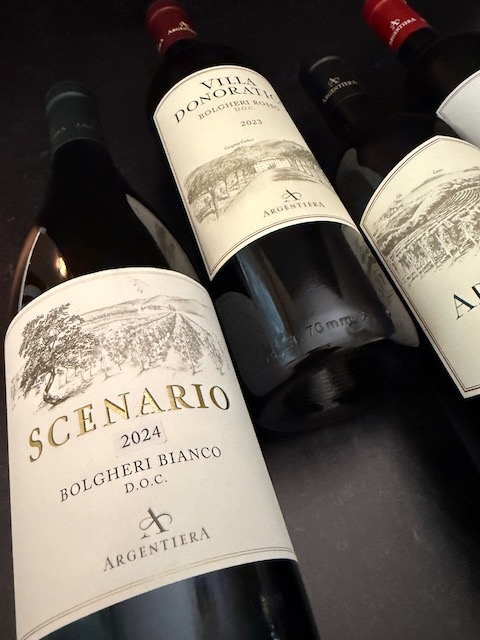
We recently sat down with Nicolò Carrara—who’s been part of the Argentiera family since 2009—to raise a glass to a milestone that feels quietly triumphant: their 20th harvest. You can still hear the awe in his voice when he talks about the place. “This is such a wonderful place to make wines and express the beauty of this place,” he told us, and that sentiment threads through everything at Argentiera: the land, the team, and the wines themselves. Argentiera sits in the heart of the Bolgheri DOC—just one kilometer from the Tyrrhenian Sea, with a protective forest hugging its back slopes. The vineyards step upward from flat coastal terrain to roughly 200 meters above sea level. That incline creates a patchwork of soils—sand, clay, limestone, schist—each plot offering a different voice. “We have treasures of different soils,” Nicolò told us, and you taste that variety across the range. The constant sea breeze is a silent collaborator: cooling, drying, and contributing a saline lift that keeps wines fresh and aromatic. It also makes organic and low-intervention practices more feasible. You don’t need to impose a heavy hand when the site gives you balance to begin with. People First: A Big Family with Deep Roots“What we are is a big family,” Nicolò said, smiling. Argentiera manages about 85 hectares and employs roughly 80 people—many of them long-tenured. That human continuity is more than folklore; it’s the practical foundation for consistency. Hands that know the exact timing for canopy work, the subtle indicators of vine stress, and the micro-variations in each row help produce grapes that are true to their plot year after year. There’s pride in those relationships, and it shows in how they talk about the vines. Conversations with the team are collaborative rather than hierarchical. That shared stewardship is part of why the wines feel steady, precise, and personal. Winemaking: Minimal Intervention, Maximum ListeningArgentiera’s cellar is the opposite of dogmatic. The guiding principle here is to listen—to the fruit, to the vintage, and to the character of each plot—and then choose the most suitable tools. “We don’t want a stamp of method,” Nicolò explained. “We want to be flexible as possible to express the beauty of this place.” What that looks like in practice: An Evolution, Not a RevolutionArgentiera’s style has shifted over the years. Early vintages leaned toward a Napa/Bordeaux-inspired profile, with more prominent new oak. The transition since 2012 has been gradual and intentional: less desire to stamp the wines with a universal house signature, more care in letting terroir and vintage dictate form. “We started with a certain idea,” Nicolò admitted, “and then we listened to the vineyards.” That listening extends to how they confront climate realities. Instead of fundamentally changing the blend or chasing riper, higher-alcohol profiles, their response has been precise vineyard management—canopy control, timing of harvest, and careful pick decisions. The payoff has been wines that maintain ripeness but with lower alcohols and fresher profiles. On top of that, they’re quietly experimenting with Mediterranean white varieties not yet authorized by the DOC—an adaptive, forward-looking move that underscores their pragmatic but curious spirit. Highlights from the 20th Harvest: Wines to Look ForWe tasted through the latest releases and came away impressed by how varied yet coherent the lineup feels—each wine reflecting a distinct plot and purpose. The Human Touch: Stories Behind the BottlesBeyond technique, what stood out in our conversation was how much Argentiera values storytelling through wine. Nicolò shared small moments—harvest mornings when the fog lifts off the sea, a team member pointing out a patch of old vines, the quiet satisfaction of a fermentation that unfolded exactly as hoped. These are the human details that make the wines feel lived-in rather than designed on a spreadsheet. There’s also humility. When speaking about experiments with new varieties or different vessels, Nicolò is pragmatic: “We try, and we listen. Sometimes it works, sometimes it teaches us more than success ever could.” That attitude—curious, unpretentious, and rooted in craft—shines in every bottle.Twenty harvests have given Argentiera the vocabulary to speak fluently about its place. The estate’s evolution isn’t a reinvention; it’s the slow honing of an approach that prioritizes site, people, and nuance over a fashionable house style. The wines from this milestone vintage range from immediate and joyous (Poggio ai Ginepri) to serious and contemplative (Villa Donoratico, Argentiera), with Scenario offering a refined white that captures the estate’s coastal freshness. If you visit—or taste these releases—you’ll feel the human thread: a team that cares deeply for the land, a winemaker who listens before he acts, and a place shaped by sea and forest. These are wines to enjoy now for their charm, and to cellar for the way they promise to evolve. For collectors and newcomers alike, Argentiera’s 20th harvest is a warm invitation to experience Bolgheri’s coastal soul—personal, precise, and undeniably expressive.