
Liù Pambuffetti: Persistence, Clarity, and the Protected Nest of Montefalco
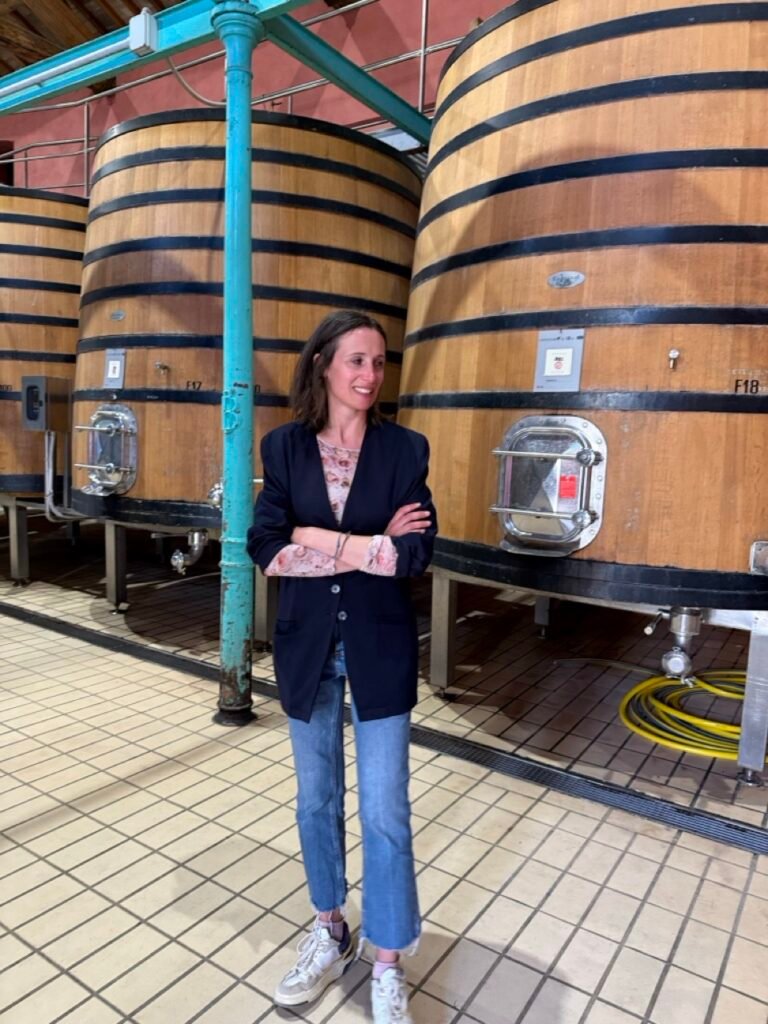
Some conversations feel like catching up with a friend you have only just met. Within minutes of speaking with Liù Pambuffetti of Scacciadiavoli, we discovered a shared early love of ancient Greek literature, archaeology, and the old myths. In her, I found someone who had carried that fascination with beginnings into a life of stone walls, vineyards, and a four-generation-deep family history. Early on, she told me that Montefalco feels like a protected nest. Hills, mountains, and valleys gather the villages and vineyards close, as if cupping them in two hands. The image stayed with me. It is where she comes from, and it shapes how she moves through her world. The Winery Scacciadiavoli sits in the hills of Montefalco, a historic estate whose name recalls a local legend of an exorcist who used the region’s wine to free a young woman from a demon. Founded in 1884 and long in the Pambuffetti family’s hands, the winery is now guided by Liù and her cousin Iacopo. They continue to work with native varieties—Sagrantino foremost among them—on clay soils at about 400 meters. For more on the estate’s history, the vineyards, and my visit during the Montefalco press trip 2026 From the Classics to the Cellar Liù grew up visiting the winery, but wine was not her first love. She studied the classics, Greek literature and archaeology, the same world that once captured me. Only later did the estate call her back. She went to Bordeaux and stepped into a wine culture built on structure, hierarchy, and complexity. Then she came home to a place still rural, still run by farmers and families. Bordeaux gave her systems and rigor; Montefalco gave her a sense of home. The region saw a wave of French influence in the 1960s through estates like Adanti, she notes, but its real character belongs to the families who work the same hillside year after year. A Plant in the Cement One of her strongest memories is of a university tutor in Bordeaux who also owned an estate. No matter how busy he was, he noticed small things. Once he stopped to admire a plant pushing up through cement. For Liù that kind of attention became the true measure of passion for wine. Technique matters, but so does seeing what other people walk past. When I asked what strikes her most in the vineyard, she skipped the skyline and the rows. She pointed to the soil—every shade of brown, dark to light, changing with the clay and the organic matter. She called it an earthy rainbow. The land, she said, is never just one color. You have to learn to read it. Strength in a Traditional World Montefalco is traditional and rural, and men have long run its wine business. After eighteen years in the industry, Liù knows what it takes for a woman to stay and slowly shift the room’s mood. Strength matters. So does time. Change comes slowly here, but she trusts that persistence and clarity will open doors for the women who follow. She does not dramatize the difficulty. She names it plainly, then goes back to work. A Wine Like Zorro When I asked Liù to describe Montefalco’s wines without using a single wine word, she answered in pictures. She said Sagrantino is Zorro: charming, mysterious, and lasting. Trebbiano Spoletino is sage green, the color of a calm mind. Sagrantino seemed closest to her. Dark, tannic, and patient, it does not give itself away all at once. It asks for time and attention, then slowly reveals a character that is both powerful and graceful. In that glass, I heard the same steady presence I had been listening to all afternoon. Like Liù, it fills the room without ever needing to announce itself. The Sparkling That Stopped Me The wine that truly took me somewhere else was the 2021 Pas Dosé Spoleto DOC Spumante. I had never tasted a sparkling Spoleto before. It opened with a firm, clear minerality that stopped me in my tracks—the kind of wine that taps you on the shoulder and says, notice me. Few would think to turn this grape into sparkling wine at all. Liù went further, making it Pas Dosé, with nowhere for the wine to hide. It stood on its own fruit, its own acidity, its own ground. With every sip it unfolded another layer, and in that quiet opening I felt the same patience and integrity that run through her work and the life she has chosen. Objects That Hold Memory The first is an old map of the estate as it looked on the day the founder arrived: the shape of the land, the placement of the original buildings, the plan Prince Ugo brought with him from Rome. Studying it, she can trace a past that still shapes the present—proof that someone laid out this place with care long before her generation arrived. The second is a wooden game called Ruzzolone, which her great-grandfather once played. You roll a wooden piece down Montefalco’s steep streets. It is a simple, almost childlike game, but it holds the memory of the town’s slopes and of everyday life here. For Liù, it connects her to a man she never met, through an object that still knows the ground he walked. One Guest for Dinner If Liù could invite one woman to dinner, it would be Agnes’s Borghese, mother of the winery’s founder. She wants to know what moved a wealthy noble family to leave Rome in the 1800s for a still-rural, undeveloped Montefalco. I suspect it’s also a question about herself: what moves someone to leave one life for another, and what do they find when they arrive? In the Protected Nest Liù Pambuffetti came to Scacciadiavoli through family. She stayed by choice—through study, through persistence, and through a clear sense of what it means to be a woman in a traditional wine region. She holds on to the map and the game, to Bordeaux and Montefalco, to the legend of the exorcist and
Choosing the Land That Chose Them: The Women of La Veneranda
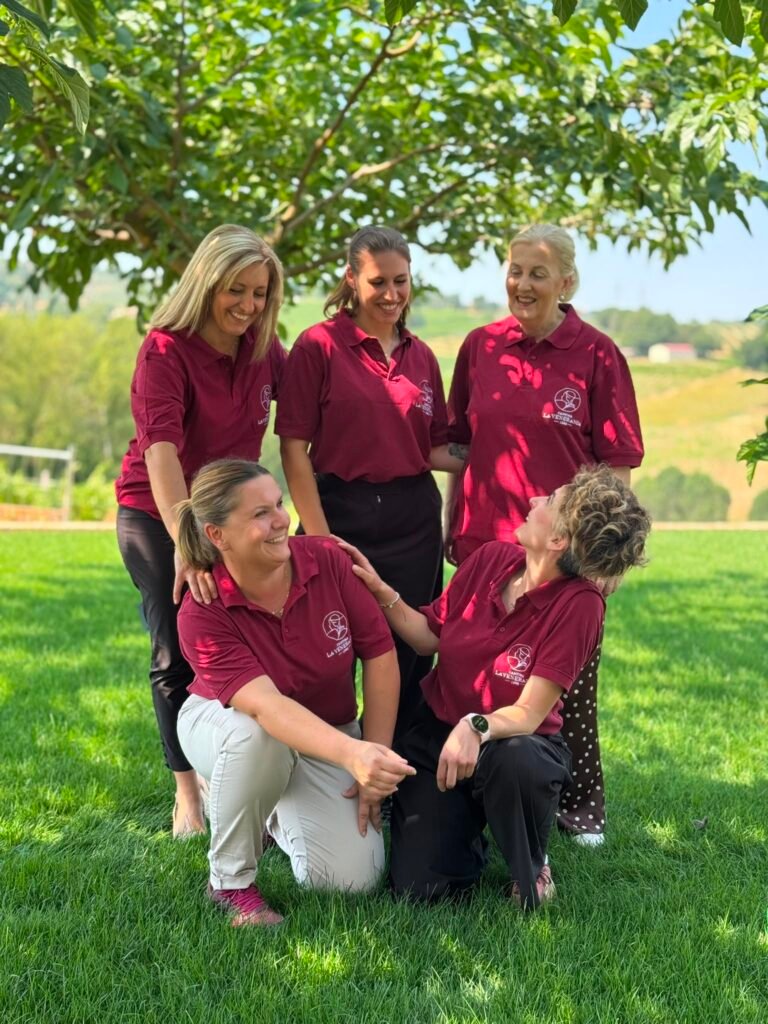
La Veneranda sits quietly within this landscape, its story stretching well beyond the first bottles. The Moncelli family has been part of Montefalco since 1568, their roots woven into the land. In 1827, Maria Aloisa Moncelli led the estate with calm strength and a cultured spirit, earning the affectionate name “La Veneranda,” the Venerable. Her presence lingers in the winery’s name, a thread connecting past and present to the women who continue her work today. That spirit lives on today, warm and determined. Eleonora Alessandrelli and Anna Rita Scarca, together with their families—descendants of Maria Aloisa Moncelli—guide La Veneranda. Valeria Gasparri stands beside them, shaped by years spent far from these hills. Together, they tend about 18 hectares of vines and make Montefalco Sagrantino DOCG, Montefalco Rosso, Grechetto, and other wines from the land. Olive trees, free-range animals, and the cheeses and cured meats that reach the tasting table are part of the daily rhythm. From vineyard to table, hospitality here is not a gesture, but a way of being. Guests are welcomed into a living story, where land, family, and quiet generosity remain at the center. Anna Rita Scarca: Choosing the Land That Chose Her Anna Rita is the steady heart of La Veneranda. She grew up here, carrying meals to seasonal workers in the fields and learning early that hard work and community belong together. Those summers shaped her understanding of kindness as a form of leadership, and that sense of belonging continues to guide her. In that way, her story begins not with wine, but with the life that surrounds it. “I was the one who actively chose this path,” she says, “because Montefalco has always been my home and I knew that my future was here.” She wanted to create something that carried her identity and her bond to the land — wine as the natural language of that belonging. The women who came before her, women who ran businesses when it was still uncommon, gave her the confidence to lead with respect, care, and good manners while building something meaningful for the community. Valeria Gasparri: A Link Between Two Worlds Valeria’s path took her far from Montefalco, but it shaped her just as deeply. She spent a decade in China, seven years immersed in Italian wine import and distribution. That experience taught her to adapt and meet each day with openness, and it eventually led her back to La Veneranda. From there, her return feels less like a detour than a continuation. “If there is one thing I have brought back with me, it is adaptability… This mindset helps me every day, especially in my work, where I constantly face new challenges and work with international markets.” One ordinary phone call changed everything. A client in southern China asked for a great Sagrantino and, knowing she was Umbrian, turned to her. That request led her to La Veneranda and, eventually, home. “Looking back, it feels like a beautiful connection between my experience abroad and my roots in Umbria—a bridge between two worlds that became my present.” The Quiet Strength of Small Gestures Listening to them, a shared sensibility emerges: authenticity matters more than performance, presence is valued over hurry, and small gestures keep hospitality real. Anna Rita still keeps a simple napkin close, just as it has always belonged on the family table. At La Veneranda, it quietly does its work: catching a drop of wine spilled in laughter, drying a tear of celebration, fluttering as a fan on a warm afternoon, or waving goodbye at the end of a visit. “A napkin may seem insignificant,” she says, “but to me it tells a story: it is a symbol of hospitality, of emotions shared around a table, and of the small gestures that make people feel welcome.” What Keeps Them Grounded Standing alone in the vineyard as the sun sets, she listens for hawks overhead. That sound connects her to the women who once walked these slopes and to the land she still tends. “That sound feels almost timeless. It reminds me that I am connected to something much bigger than myself… And sometimes I wonder: perhaps they stopped here too, perhaps they listened to the same sounds of nature, watched the same sunsets, and felt the same connection with this land.” If she could bottle one emotion to share with younger women entering the industry, it would be humility—written on the label in very small letters. “In this world, where it is easy to focus on success, recognition, and appearances, humility is a value we need more than ever. It allows us to keep learning, to listen, to respect others, and to remember that every achievement is built with many people and many experiences.” Valeria’s counsel to her younger self is equally clear: do not be afraid of the road less traveled. Leaving home for China was one of the biggest decisions of her life. “Growth begins the moment you step outside your comfort zone… Being authentic is far more valuable than trying to meet other people’s expectations.” What keeps Anna Rita grounded in a fast, noisy world is her connection with the people around her—family, friends, colleagues. “Being a source of encouragement and support for the people I love reminds me of the importance of staying human, listening, and being present.” The moments she treasures most are the laughter shared with the women who work alongside her every day: funny stories, unexpected episodes, the freedom to laugh with her and sometimes at her. “Creating a team means creating a family… These small moments of laughter and lightness are very important to me. They tell us that, behind the work, the wine, and the responsibilities, we are still people who need connection, joy, and genuineness.” The Sound of a Life in Wine If her life in wine were music, it would be a peaceful classical melody—timeless, elegant, full of emotion—and the instrument would be the violin. “Perhaps it reflects who I
A Montefalco 2026: The Quiet Poetry of Place
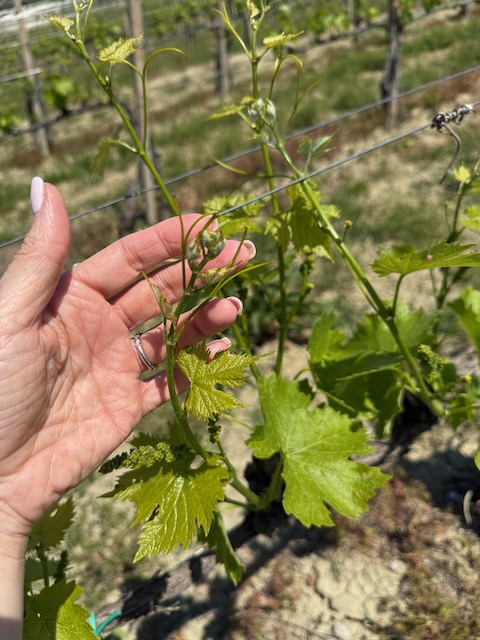
Montefalco arrives like a promise: a ribbon of sun-drenched hills stitched with olive groves and vines, where the light turns grape skins to jewels and the afternoon hush feels like the land exhaling centuries of stories. Three immersive days threading through the gentle slopes between Montefalco, Gualdo Cattaneo, Giano dell’Umbria, Castel Ritaldi, and beyond revealed the region’s living heartbeat — Sagrantino’s powerful, age-worthy structure rooted in thick-skinned intensity and polyphenolic richness; the crystalline, vertical lift of Trebbiano Spoletino with its uncommon acidity and aromatic freshness; and a hospitality that turns every tasting into shared conversation. Here, place and patience continue to ferment wine into memory. Day 1: Hilltops, Family Stories, and First Impressions The journey opened in the Gualdo Cattaneo area with Cesarini-Sartori — gritty, tenacious, rooted — an intimate, family-minded estate led by sisters Chiara and Alice Cesarini Sartori. Their wines speak eloquently of hill soils and old-vine heritage, delivering Sagrantino-driven structure layered with a clear sense of place and energetic Montefalco Rosso blends that balance deep tannins with vibrant freshness — a refined introduction to the territory’s duality of power and approachability. Terre de la Custodia — commanding, earthy, relentless — part of the historic Farchioni family (with Giampaolo Farchioni and winemaker Marco Minciarelli at the helm), followed with a vineyard-forward philosophy deeply rooted in local varieties and the area’s clay-calcareous terroir. Their well-shaped Sagrantino and Montefalco Rosso impressed with earthy aromatics, savory finishes, and harmonious structure — wines that exemplify how the rolling hills translate into glass with both generosity and precision. In Giano dell’Umbria, Moretti Omero — nimble, salty, defiant — a small-scale family operation, offered meticulous attention to detail where traditional viticulture meets thoughtful modern cellar choices. Their approachable Trebbiano Spoletino shone with freshness and salt-sapidity, while the nimble reds highlighted drinkability and pairing versatility — honest expressions that feel intimately tied to the land. Terre di San Felice — warm-edged, familial, fierce — in the Castel Ritaldi/Montefalco area (Società Agricola San Felice) wrapped the day with warm hospitality and wines that favor drinkability without sacrificing pedigree. Lively Montefalco Bianco and Grechetto examples danced alongside Montefalco Rosso featuring ripe fruit and soft tannic edges — terroir-driven voices that felt familial and inviting. The evening dinner at Tenuta di Saragano provided a convivial close: regional Umbrian cooking paired seamlessly with structured Sagrantino and local wines, underscoring how Montefalco’s earthiness and cuisine make every bottle sing. Day 2: Consorzio Wisdom, Village Cellars, and Shared Craft A highlight was the Consorzio Tutela Vini Montefalco visit and masterclass “Montefalco Today” led by Cristina Mercuri MW at Chiostro S. Agostino. She crystallized the region’s story: a compact production area with ancient vines, mandatory aging for Sagrantino DOCG (37 months total, including wood and bottle), and the distinctive characters of its grapes. Sagrantino’s world-class polyphenols and tenacity meet Trebbiano Spoletino’s vertical acidity and aromatic precursors, all shaped by varied microclimates across calcareous-clay soils and four pedologic subzones. The “A Montefalco” ethos — Assertive, Authentic, Ageable — came alive through vintage insights and terroir maps. Le Cimate — precise, mineral-sharp, unyielding — impressed with terroir-focused parcel work and elegant cellar decisions under the estate’s dedicated team. Their refined Sagrantino and well-structured Montefalco Rosso emphasized length, minerality, and balanced oak — poised expressions of the central hills. Romanelli — concentrated, savage, persistent — at San Clemente (with Devis Romanelli involved in the family legacy) brought an old-vine sensibility and strong sense of place. Concentrated red fruit, savory herbs, and persistent tannins defined their Sagrantino — wines that reward slow sipping and reveal layers with time. Ninni — citrus-blade, vertical, audacious — grounded us in Spoleto DOC tradition with expressive Trebbiano Spoletino showcasing the grape’s signature citrus-mineral profile and impressive aging potential, alongside friendly, food-ready whites made in a living way that highlight its versatility and daring nature at Ninni. The Consorzio soirée — a “Visita mestieri” with light dinner — celebrated craft and conviviality. Winemakers, members, and artisans gathered over small plates matched to local whites and vibrant reds, reminding us that Montefalco’s terroir is as much cultural as geological. Day 3: Comparative Tastings and Enduring Classics A focused morning in the central Sala Degustazione allowed side-by-side comparisons, sharpening impressions across producers. Valdangius — saline-striking, bright, rebellious — stood out as a newer voice with clear vineyard intentions. Fresh Montefalco Bianco and Grechetto offered bright aromatics and a saline thread — lively whites that bring energy to the lineup. Scacciadiavoli — historic fury, potent, timeless — the Pambuffetti family flagship (founded 1884) delivered classic Sagrantino depth and Montefalco Rosso blending elegance with potency. These are wines that demonstrate the DOCG’s serious aging ambition and the estate’s living museum of tradition. Goretti — Fattoria Le Mura Saracene — tactile-intense, cinematic, savory-rebel — in the Pietrauta area (led by the Goretti family, including Sara and Giuli Goretti) conveyed a powerful sense of place through old-vine sites. Cinematic Trebbiano Spoletino and expressive Sangiovese-led blends featured tactile minerality and savory finishes that lingered beautifully. The trip culminated in an evening soirée at Tenute Lunelli — Carapace, a polished setting for wide-ranging comparisons and producer conversations. From bright Spoletino and Grechetto whites to powerful Sagrantino bottlings, the diversity shone — philosophies ranging from restraint to robust extraction, all united by profound respect for terroir and the land’s potential. Why Montefalco Matters Sagrantino remains the backbone — thick-skinned, polyphenolic powerhouse built for longevity, with a fascinating falcon-derived history and unique tannin profile that offers tenacity, finesse, and evolution. Yet the region’s beauty is its mosaic: Trebbiano Spoletino’s vertical freshness and aromatic complexity; Grechetto’s structure; Sangiovese-driven Montefalco Rosso for approachable elegance. Across compact hills (220–472m altitude) with clay-calcareous soils, pebble veins, and varied exposures, microclimates craft remarkable diversity. The Consorzio’s sustainable vision — organic growth, biodiversity, and green practices — alongside the “A Montefalco” manifesto, ensures this green heart of Italy stays authentic and forward-looking. 2021 Vintage Snapshot: The Montefalco Sagrantino DOCG earned a strong 4-star Excellent rating (94/100). A harsh winter and spring frost gave way to a
An Evening Beneath Carapace
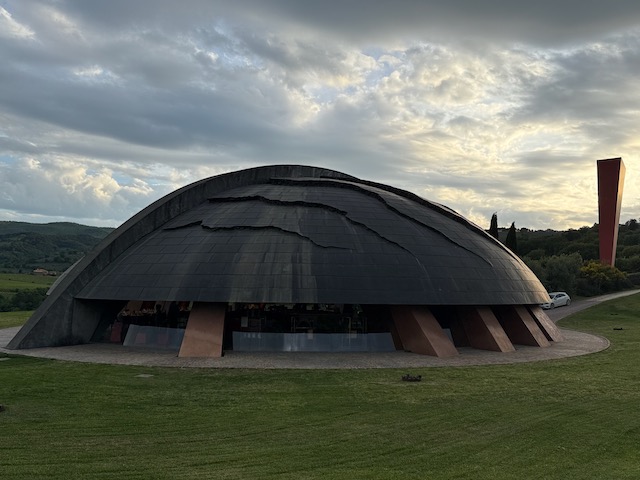
Montefalco isn’t measured in hectares or vintages, but in the warmth, generosity, and passion of those who call it home. As the sun slipped behind the Umbrian hills, we arrived at Carapace—the extraordinary winery commissioned by the Lunelli family and designed by renowned sculptor and architect Arnaldo Pomodoro. Rising from the vineyards like a bronze sculpture emerging from the earth, the winery feels less like a building and more like a monument to the land itself. At the entrance stands a striking symbol that appears throughout the estate and on the Carapace labels. At first glance it resembles a tribal emblem, but the meaning becomes clearer when viewed in the context of the winery. Encircled within a protective form, the central figure evokes both a vine and a shield—a visual representation of growth, permanence, and protection. It reflects the very concept of a carapace: a shell safeguarding what lies within. Much like Sagrantino itself, the symbol speaks of strength, structure, longevity, and a profound connection between earth and vine. And what better place to explore those ideas than around a dinner table filled with the people who dedicate their lives to this region? Aperitivo Among Friends The evening began outdoors with an aperitivo overlooking the vineyards as Montefalco glowed in the fading light. Glasses clinked, conversations flowed effortlessly, and winemakers mingled with journalists not as presenters but as friends welcoming guests into their home. Dinner followed inside, where each table hosted three winemakers or winery representatives, creating an atmosphere that felt intimate, engaging, and wonderfully unfiltered. There were no formal speeches or carefully rehearsed presentations—just stories, laughter, debates about vintages, and plenty of friendly banter. Our host for the evening was Alessandro Lunelli, joined by Filippo Antonelli of Cantina Antonelli and members of several Montefalco wine families such as Scacciadiavoli, Tenuta Cecchi, Tenuta Bellafonte, Cantina Laveneranda, Cantina Le Climate, Cantina Goretti and Poderi Moretti. It was a rare opportunity to share a meal with the people shaping the future of the region while hearing firsthand how they interpret one of Italy’s most distinctive grape varieties. A Menu Rooted in Umbria The menu was a celebration of local ingredients and Umbrian comfort. We began with a modern interpretation of eggplant parmigiana before moving to a beautifully creamy risotto enriched with cultured butter, saffron from nearby Cascia, and wild asparagus. The main course showcased guinea fowl accompanied by a rustic crostino with salmì, soft potato, and black truffle—a dish that seemed purpose-built for mature Sagrantino. The food never competed with the wines; it amplified them, revealing why Sagrantino has always been a grape meant for the table. Large Formats, Old Vintages, and the Magic of Time Then came the bottles. Large formats appeared alongside older vintages, turning the evening into an unofficial masterclass on the ageing potential of Montefalco’s flagship grape. Seeing wines with ten, fifteen, and even twenty years of evolution side by side was a reminder that Sagrantino’s reputation for power tells only part of the story. With time, the grape finds grace. A few wines stood out above all others. 2016 Carapace Montefalco Sagrantino DOCG – Tenute LunelliA benchmark expression of modern Sagrantino. Dark cherry, blackberry, licorice, and sweet spice unfold with remarkable precision. The tannins are substantial but polished, carrying layers of black fruit, tobacco, and savory herbs through a long, persistent finish. Powerful, yet surprisingly composed. 2005 Chiusa di Pannone Montefalco Sagrantino DOCG – AntonelliPerhaps the wine that best demonstrated what maturity can achieve. The fruit had evolved into dried cherry, leather, balsamic herbs, and forest floor while retaining remarkable freshness. The tannins had softened into a fine-grained texture that gave the wine elegance rather than force. A beautiful lesson in patience. 2011 Collenottolo Montefalco Sagrantino DOCG – Tenuta BellafonteA more restrained and refined interpretation of Sagrantino. Aromatically lifted with dried flowers, black tea, dark berries, and Mediterranean herbs. The palate balanced depth with energy, showing the tension and precision that increasingly define Montefalco’s contemporary style. 2013 Montefalco Sagrantino DOCG – ScacciadiavoliA wine that married tradition with freshness. Notes of black plum, cocoa, cedar, and dried herbs gave way to a structured palate framed by vibrant acidity. Still youthful, still muscular, yet already revealing impressive complexity. More Than a Dinner What made the evening memorable wasn’t simply the quality of the wines. It was the feeling of being welcomed into a community. Montefalco may be a small appellation, but its producers share an uncommon sense of collective pride. Around the tables at Carapace, competitors became collaborators, stories were shared freely, and generations of winemaking experience passed from one glass to the next. As the final pours made their way around the room and conversations stretched long into the night, it became clear that Montefalco’s greatest strength isn’t just Sagrantino. It’s the people behind it. And there may be no better place to understand that than beneath the protective shell of Carapace itself.
A Montefalco: Where Place, Patience, and Passion Ferment into Memory
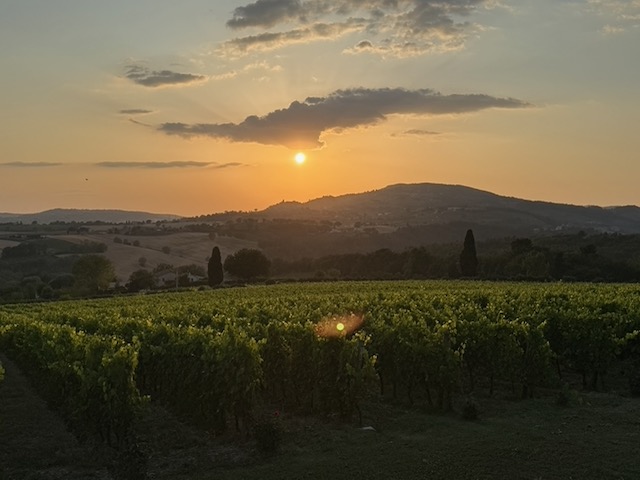
There’s a peculiar hush that falls over Montefalco in the late afternoon — a soft, golden hush that feels like the land itself inhaling before evening. It’s the hush of vines settling into their history, of stone walls holding centuries of stories, and of grapes quietly completing their slow transformation. On this immersive three-day press trip, winding through the hilltops between Montefalco, Bevagna, Gualdo Cattaneo, and Castel Ritaldi, that hush returned again and again. With it came a simple truth: Montefalco is where place and patience turn wine into something far more enduring — memory. Day 1: Turrita Winds, Old Vines, and Hospitality That Feels Like Home The journey began at La Veneranda a charming, exclusively female-led estate led by visionary duo Eleonora Alessandrelli and Anna Rita Scarca, with roots tracing back to 1568 in the Moncelli family archives. Perched at about 300 meters on sedimentary, weakly clayey soils, this 18-hectare property delivered a thoughtful welcome that perfectly set the tone. Their Sagrantino from old plantings offers precise minerality and long-breathed tannins shaped by careful oak aging — a refined, terroir-first expression that feels deeply rooted in the land’s ancient rhythm. Next came Benedetti & Grigi at Polzella. This modern estate thrives on clay-rich hills, meticulously selecting terroir for each variety to unlock its fullest potential. Their bright, neat Trebbiano Spoletino whites danced alongside classically built reds like the Dioniso Sagrantino, showcasing energetic contemporary expressions grounded in careful vineyard work. Lungarotti / Tenuta di Montefalco in Turrita brought a powerful house style that bridges deep history and international reach. With underground cellars using gravity-fed winemaking and a blend of large barrels and barriques, they craft both classic and organic ranges. Their Sagrantino and Montefalco Rosso balance tradition with refinement, delivering harmonious reds rich in wild berries, spices, and structured elegance. Bocale offered pure, elemental Sagrantino from old-vine sites at altitude through rigorous minimal-intervention winemaking — 40+ day macerations, natural enzymes, and aging in 1000L oak — yielding wines with palpable soil minerals, authentic textural depth, and an honest, mineral-driven character that asks for patience and richly rewards time. Valentino Valentini’s infectious smile and family lore captivated us. The day closed with dinner at Terre de la Custodia, A communal rockabilly table and a large cellar program; Terre de la Custodia showcased Montefalco’s many faces that night — from accessible, clear-production bottlings to focused, ageworthy Sagrantino. The meal felt like the region’s social heartbeat distilled into one generous evening thanks to Chef Marco’s talents. Day 2: The Consorzio’s Pulse, Family Histories, and Elegant Restraint A deep dive with the Consorzio Tutela Vini Montefalco brought vintage insights, terroir maps, and the region’s “A” ethos — Assertive, Authentic, Ageable — into focus. Sagrantino’s formidable structure, Montefalco DOC diversity, and Trebbiano Spoletino’s striking verticality told the region’s story through numbers and nuance. Scacciadiavoli embodied layered family history and ambitious breadth. Named after a legendary 14th-century exorcism using local wine, this Pambuffetti family estate blends classic Sagrantino with amphora experiments, site-specific passito, and long-aged bottlings. Its monumental 19th-century cellars feel like a living museum of winemaking tradition meeting modern ambition and family conviviality. Briziarelli in Bevagna brought artistic presentation and clean, honest wines. With a legacy dating to Pio Briziarelli’s early 20th-century agricultural vision and a sleek 2012 winery, they translate lighter Bevagna soils into fresher profiles — from approachable Montefalco Rosso to structured Sagrantino and expressive passito, all marked by bright artisanal energy and a shift toward greater freshness under recent leadership. Tenuta Bellafonte Peter Heilbron’s Bellafonte pursues a “less is more” elegance: Collenottolo Sagrantino and Sperella Bianco favor finesse, silkier tannins and floral lift over brute power, demonstrating how restraint and precision deliver compellingly graceful expressio The Consorzio soirée featured verticals and conversations that showcased Montefalco’s collaborative spirit — a region in dialogue about quality, longevity, and identity. Featuring the beauty of Montefalco blended with aerial performers and delicious Umbrian delights. Day 3: Small Estates, Amphora Tales, and Single-Vineyard Honesty Smaller voices shone on the final day. Colle Ciocco (Spacchetti family) offered historic high-altitude clay sites yielding Sagrantino with bright cores and mineral tension, alongside thoughtful Grechetto and Trebbiano Spoletino whites. Perticaia impressed with organic ambition, clear vineyard zoning, and balanced Sagrantino and Rosso Riserva. Named after the traditional Umbrian plow, this estate emphasizes precision viticulture and stylistic variety, producing characterful reds that marry dark fruit with supple texture and spice Tenuta Alzatura (Cecchi family) Serena Storri led us through the quiet confidence of the winery delivered through organic-certified parcels and a strong white program, including Trebbiano Spoletino aged in tonneaux. Their measured, site-reflective Sagrantino opens beautifully with air, revealing layers of honest Umbrian character. Terre di San Felice in Castel Ritaldi provided intimate, natural terroir-driven wines from small organic-minded plots: honest clay-driven structure and focused fruit that felt familial and authentic. Ninni in the Spoleto/Terraia area was a masterclass in Trebbiano Spoletino, with two distinct expressions — the amphora-textured older-vine Misluli and cleaner Poggio del Vescovo — highlighting how age and vessel shape its vertical acidity and aromatic clarity. A true garagiste and one to watch for his out of the box experimentation and bravado. Antonelli San Marco a historic pillar since 1883 with 190 hectares, closed the visits with rigorous cellar discipline, closed the visits with rigorous cellar discipline: layered Sagrantinos and distinctive Trebbiano Spoletino from experiments in terracotta, large oak, and barrique. Multi-vintage perspectives revealed texture, patience, and long-view ambition. A late-evening soirée hosted by Antonelli along with the Lunelli, Cocco Ilaria, Valgangius and Romanelli families we shared delightful conversations, digestifs, shared stories, and laughter — felt like the trip’s most human chapter, where wine truly turned into memory. Day 4: Women Leading In Wine Cesarini Sartori in Gualdo Cattaneo charms with wines that feel like family stories in a glass—sisters who balance technology with tradition, both in the vineyard and in the winemaking with meticulous vineyard care, gentle drying for passito, slow ferments and thoughtful ageing in large barrels and barriques yield Sagrantino and Bastardo Rosso of approchable