
Sun, Wind, Stone: Vajra’s 2022 Barolo Yearbook
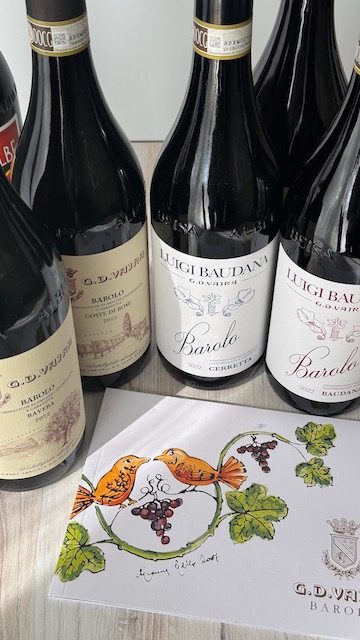
My recent virtual tasting with Giuseppe Vajra of G.D. Vajra still has me buzzing. Far from the usual awkward camera angles and muted coughs, the session was rich with family stories, thoughtful farming philosophy, and an engaging deep dive into Nebbiolo that had me smiling into my glass. Giuseppe and I share a love for the technical, nerdy side of wine — and that connection made the tasting especially rewarding. A little backstory before we sip: Vajra is a family-run estate perched on the western heights of Barolo, where the hills play by their own rules. High elevation means light rules the ripening more than heat — wind over warmth, cool nights and intense sun during the day — the kind of place where grapes learn subtlety by virtue of altitude. The family saga began in 1968 when Giuseppe’s father, Also, swapped city life (and a very brief hippie phase) for the contadino dream. After one life-changing summer he stayed, and 2022 marked his 50th harvest. Fifty. Years. Of. Dirt. Wisdom. Tell me that doesn’t deserve a toast. The 2022 vintage: hot, dry, and full of lessons2022 threw the usual modern curveballs — heat and drought — so Vajra leaned into patience and practical ingenuity. Organic farming, yes, but more importantly: patience. Giuseppe insisted the real art is letting vines age. Older vines reach deeper water, are steadier across weird seasons, and frankly, get more interesting with time. Viticulture highlights that made me nod: Winemaking choices mirrored that philosophy: long skin contact to build texture and structure, but a shorter aging timeline — 22 months in big Slavonian casks — to preserve freshness, lift, and the age-worthy backbone Nebbiolo needs. The tasting — four (plus) Barolos that made my heart do a little cha-chaWe tasted through the 2022s and, friends, each bottle felt like a different chapter from the same family album — some polite, some loud, all authentic. What stuck with me (besides my bottle-stained notebook)Giuseppe’s approach reads like a masterclass in humility. He’s not chasing fashion; he’s steering ancient vines through modern weather with brains and patience. From delayed pruning and not topping vines, to adding a sorting table and choosing big cask aging, every decision was made to protect Nebbiolo’s voice — to amplify the vineyard, not the winemaker. And spirit? That family warmth — Also’s leap into farming, half-hippie origin story, five decades of harvests — gives the wines a narrative that’s impossible to bottle but palpable in the glass. Final sips and the takeawayIf you love wines that are honest, terroir-driven, and made with a farmer’s patience, the Vajra 2022s demand your attention. They show adaptation without losing identity, freshness without sacrificing structure, and a lively, sometimes provocative personality that keeps you coming back for more. So pour a glass, turn up something with good guitar riffs (for Ravera), or curl up and contemplate minerality (for Cerretta). Either way, Giuseppe and his family remind us that great wine is equal parts soil, weather, and unconditional love. And if that’s not the most romantic thing you’ll hear this week, I don’t know what is. Many thanks to Studio Cru for arranging this intimate tasting with Giuseppe Vajra.
Virtual Sip to Breganze Glory: Maculan’s Wines
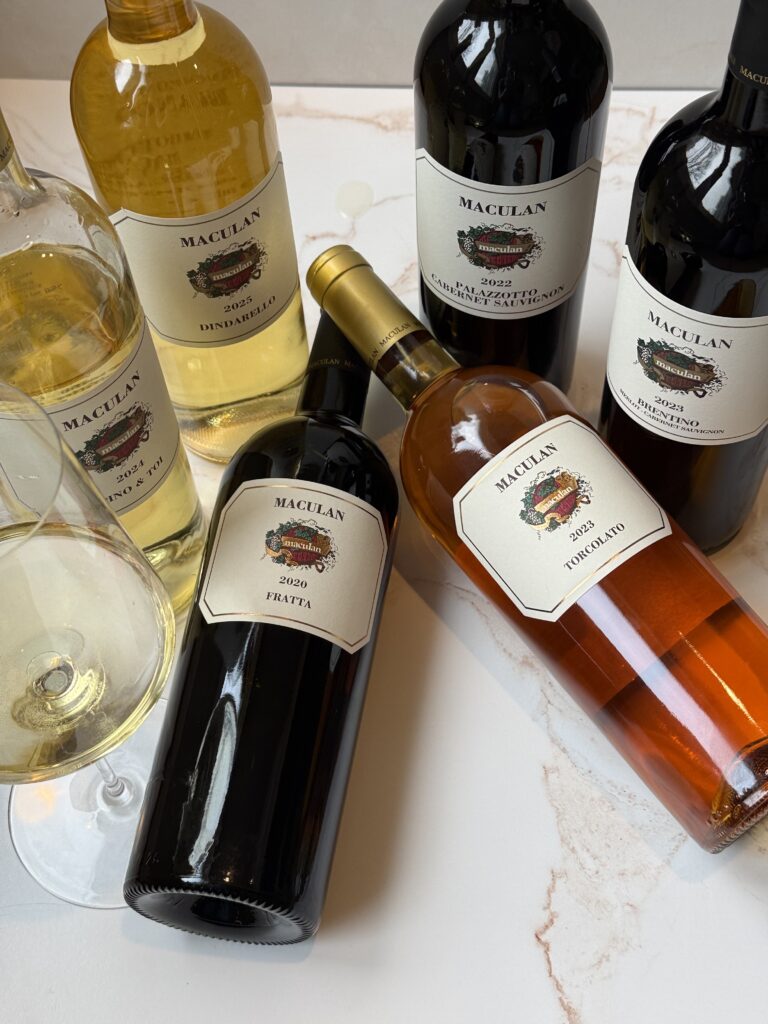
I recently joined a virtual tour and tasting of Maculan’s incredible journey and wines with Angela, “the traveling smile of the winery”, expertly organized by Studio Cru—the go-to Italian wine communications pros who made the event feel intimate, insightful, and downright fun despite being screens apart. Shoutout to them for bridging the Atlantic and letting us dive deep into Breganze from my spot in Providence! Picture this: a postcard-perfect hill town in northern Italy’s Veneto region, tucked at the foot of the Asiago Plateau. That’s Breganze—small, volcanic-soiled, and quietly legendary for wines that blend native soul with international swagger. The Breganze DOC was established in 1969, recognizing the area’s unique potential for quality production. Back then, it was a modest zone with just a handful of producers focused on everyday wines. Today, the appellation has 20 wineries spans about 600 hectares of rolling hills with tuffaceous volcanic soils—rich in minerals, well-drained, and ideal for concentrated, vibrant grapes. The DOC allows a stellar lineup: whites from varieties like Chardonnay, Friulano (Tai), Pinot Bianco, Pinot Grigio, Sauvignon Blanc, and the native star Vespaiola; reds featuring Merlot, Cabernet Sauvignon, Cabernet Franc, Carmenère, Pinot Nero, and Marzemino. Fausto Maculan saw the untapped gold here early on—the fresh alpine breezes, diurnal shifts for acidity, and volcanic terroir that could rival bigger names—and turned Breganze into a benchmark for elegant, terroir-driven wines rather than bulk volume. Enter Maculan, the family powerhouse that’s been turning heads since 1947. It all started when grandfather Giovanni Maculan kicked things off in the heart of Breganze. But the real revolution hit in 1973, when Fausto Maculan—fresh from oenology school in Conegliano—grabbed the reins and flipped the script. Back when most Italian wine was just nondescript table stuff, Fausto pioneered quality: slapping varietal names on labels, obsessing over high-end viticulture, and crafting wines built to age and impress. He became one of Italy’s quality trailblazers, putting Breganze on the map with bold reds and world-class sweets. ” My father was deeply inspired by France’s winemaking.” Fast-forward to today, and Maculan is third-generation fire. Fausto works shoulder-to-shoulder with his dynamic daughters, Angela (exports and sales wizard) and Maria Vittoria (viticulture and winemaking powerhouse). Together, they’re steering the ship toward innovation, sustainability, and global reach—while keeping deep roots in those tuffaceous volcanic hills. The portfolio? A killer mix of “traditional” internationals (planted by noble Venetian families in the 1800s) and native stars. All vineyards hug the Breganze DOC, marrying terroir magic with meticulous hands-on winemaking. Maculan produces approximately 50% red wine, 30% white wine (dry still whites), and 20% dessert/sweet wine (primarily passito styles like Torcolato and Dindarello, which are white-grape based but classified separately due to their sweet profile) Here are the icons we tasted—straight fire: – Pino & Toi 2025 — Zippy white blend (60% Tai/Friulano, 25% Pinot Bianco, 15% Pinot Grigio). Fresh pear, apple, floral pop, and citrus snap. Stainless steel magic keeps it vibrant—your go-to aperitivo rocket. This poppy blend was created for the US market. – Brentino 2023 — The name is an ode to the baskets the workers would carry from the vineyards to the winery. Their number one selling wine in terms of volume, your everyday red. Plush Bordeaux-style red (55% Merlot, 45% Cabernet Sauvignon). Dark plum, blackberry, spice, and a tarry edge. Fine grained tannins made with a blend of stainless steel and oak polish—elegant yet powerful. – Palazzotto 2022 — This wine overdelivers, a fabulous international style that aims to please. Pure Cabernet Sauvignon intensity. Bright cherry, red berries, licorice, silky tannins. Traditional red vinification shines through—vibrant Italian Cab finesse. – Fratta 2020 — “fratta” means steep slopes. The flagship beast: 65% Cabernet Sauvignon– 35% Merlot in a blend from elite low-yield plots. Deep dark fruit, violet, cassis layers. Long maceration + barrique aging = bold, age-worthy balance. This is their jewel of Breganze. – Dindarello 2025 — Moscato passito sunshine. Honeyed grape, orange blossom, tropical vibes. One-month dried grapes, gentle press/ferment—sweet, fresh, pastry-perfect. Pair with a cheesecake for a heavenly experience. – Torcolato 2023 — The crown jewel: 100% Vespaiola passito. Bunches twisted into “torcolato” ropes and air-dried four months for concentrated glory, then aged for a year in new and used oak. This is the regions traditional way to dry the grapes. Honey, dried apricot, vanilla, acacia, spice—searing acidity with opulent sweetness with razor acidity. Liquid gold, Breganze’s pride. The DOC produces 30,000 bottles total of this sweet styled wine. Imported stateside by Massanois (shoutout to Martina Mirandola and Ellen Taylor for making these gems cross the pond), Maculan isn’t chasing trends—it’s setting them. From crisp everyday whites to age-defying reds and those legendary sweets, this is Veneto excellence with family heart. If you’re in Providence or hunting great Italian bottles, track these down. One sip (or virtual sip!), and you’ll get why Fausto, Angela, and Maria Vittoria sign off with pride: “Enjoy the tasting.” Salute to the future in our roots—and thanks again to Studio Cru for the stellar virtual escape.
Carolin Spanier-Gillot: Staying True to Roots in a Changing Wine World
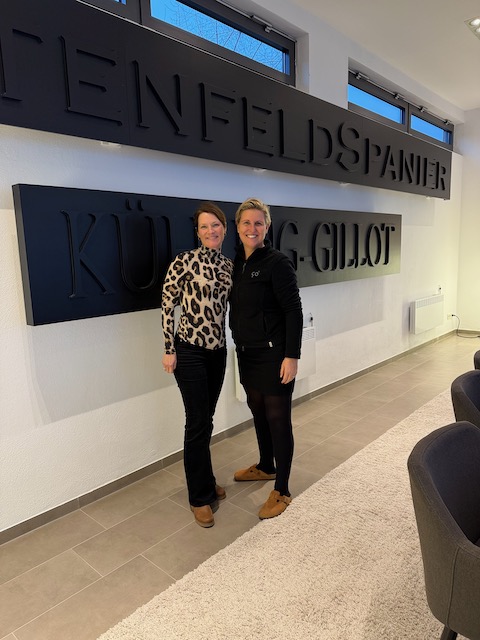
The day had already been long and deliciously intense. Our visit at the previous estate had—true to the unpredictable rhythm of wine trips—run far later than planned, with glasses multiplying and conversations stretching into the afternoon. By the time we arrived at Weingut Kühling-Gillot in Bodenheim, the light was fading over the Roter Hang. There was simply no time left for a proper tasting of Carolin Spanier-Gillot’s acclaimed biodynamic Rieslings and Pinot Noirs. Instead, we sat down for an unhurried chat in the warm glow of the estate over coffee and her special Christmas cake, and what was meant to be a quick visit turned into a memorable conversation with the most super positive, charming optimist in the world of wine (myself being a close second). Carolin Spanier-Gillot helms two esteemed VDP estates: Weingut Kühling-Gillot in Bodenheim and, alongside her husband H.O. Spanier, Battenfeld-Spanier. With a philosophy rooted in “Origin Excellence,” she crafts wines that speak unmistakably of their terroir. In our candid interview, Carolin shared pragmatic insights on market shifts, personal sacrifices, and why chasing trends is a fool’s game. Their focus on authenticity defines her estates’ niche. In a competitive landscape, Carolin warns against trend-hopping—like orange wines or non-alcoholic options, which she bluntly calls “juice.” “If it’s not fermented with alcohol, it’s not wine,” she asserts. “Invest energy in other fermented products like kombucha instead.” Her estates stick to a strict profile of core varieties, centered on Riesling, with no experimental clones. “Fifteen years ago, you could sell discount supermarket wine for €60; now, only brands with a clear profile survive.” By blending tradition with modernity, they thrive on storytelling and sustainability—hosting educational events in their wine cellar to teach food pairings, or positioning accessible premiums like their €28 “Age Riesling” as gateways to memorable experiences. Carolin’s path to winemaking was anything but planned. Growing up on the family’s modest 6-hectare estate, she dreamed of becoming a pilot or doctor. But at 16, when her mother fell ill, family duty called. She stepped in, starting with simple tasks like labeling bottles. Today, she juggles roles as manager, CFO, and “trouble fixer,” clocking 65-hour weeks while prioritizing her team’s well-being. “I put my own needs last,” she admits, a testament to her dedication. Carolin’s rise has been groundbreaking in Germany’s traditionally male-dominated wine industry. In 2015, she made history as the first woman to be named **Winemaker of the Year** by the prestigious Falstaff WeinGuide Deutschland—a major accolade that recognized her exceptional talent and the outstanding quality of her wines. This honor underscored her success in elevating the estates to new heights, proving that determination and vision could shatter glass ceilings in winemaking. Her admiration for strong, trailblazing women shines through in her inspirations. When asked who she would most like to share a bottle of wine with—dead or alive—Carolin didn’t hesitate: Tina Turner. “A great woman and a real epicurean,” she says with enthusiasm. Carolin also holds Gaia Gaja in high esteem for similar reasons of determination and balance, making her choices reflect a pattern of admiring iconic women who conquer challenges with grace. One persistent myth in the wine industry is that “younger generations are not drinking wine.” Carolin dismisses this outright. “It’s inaccurate,” she says firmly. She points to packed wine events buzzing with young attendees, drawn not by gimmicks but by authenticity—particularly organic and biodynamic practices that align with their values of sustainability. Looking ahead to 2030, succession is a priority. Her children—a 16-year-old son keen on winemaking (who’ll gain external experience first) and 21-year-old son potentially handling marketing—are poised to take over. Market-wise, she’s eyeing expansion: exploring Greek varieties like Assyrtiko from Santorini and pushing U.S. distribution beyond coasts into cities like Chicago, fueled by growing demand (a recent 7,000-bottle order). Yet diversification remains key—”We don’t live off the U.S. market.” Carolin also shapes Germany’s evolving wine laws through the VDP, pushing for classified vineyards and transparency. Her critique of dogmatic “natural wine” advocates—who brand critics as “enemies”—underscores her no-nonsense stance: preserve wine’s true identity. In an industry rife with fads, Carolin Spanier-Gillot’s message is clear and inspiring: “The best way to reach new generations is to be true to your story.” By championing quality, sustainability, and family legacy, she’s proving that small estates can not only survive but shine—pouring authenticity into every glass. And one day soon, I’ll be back to finally raise one of those glasses myself.
Bubbles Magic: My Enchanting Visit to Weingut Barth in the Rheingau
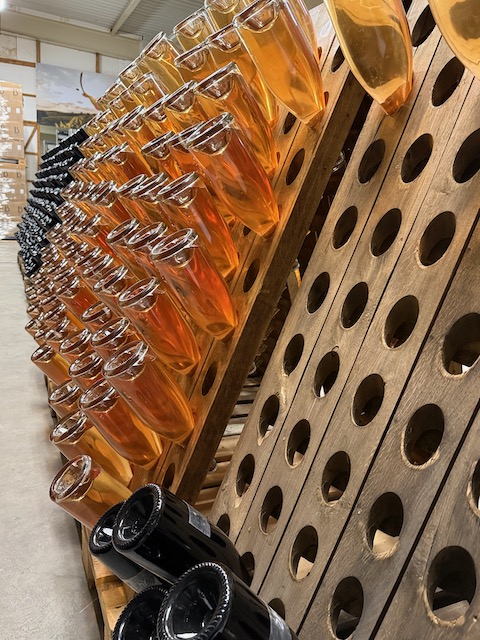
Nestled in the heart of the Rheingau, in the charming village of Hattenheim near Oestrich-Winkel, lies Weingut Barth – a family-run estate that beautifully bridges tradition and innovation in German winemaking. My recent visit, guided by the passionate Marketing Manager Janna, offered an intimate glimpse into this VDP member winery, renowned for its exceptional sparkling wines (Sekt) crafted using the traditional method. Weingut Barth’s story is one of postwar resilience and sparkling ambition. Founded in the 1940s by Hans Barth, the estate truly ignited its fizz under Norbert – Christine Barth’s father – who pioneered traditional-method Sekt production in the Rheingau. Today, Mark Barth, a Geisenheim-trained visionary and self-styled “Riesling Master,” being their core focus, helms the winemaking alongside his wife Christine. Their philosophy is to craft Sekts that radiate “inner peace” through patient, natural vinification, capturing the soul of historic vineyards with refreshing innovation. Germans may have reduced wine consumption dramatically but the sparkling wine consumption remains strong. Spanning around 20 hectares of organically farmed slopes – including crown jewels like the VDP.Grosse Lage Hattenheimer Hassel and VDP.Erste Lage Schützenhaus – the estate is a Riesling stronghold (over 80% of plantings), complemented by Spätburgunder (Pinot Noir), Weißburgunder (Pinot Blanc), and bold experiments like Cabernet Sauvignon. Biodiversity thrives here: wild herbs and flowers dance between rows, hand-harvesting ensures perfection, and vegan practices honor the land for generations to come. What sets Barth apart is their devotion to Sekt as art. “Sparkling, Family Tradition – Open Minded,” Janna, our host and hospitality representative beamed, encapsulating their ethos. All Sekts are vintage-dated, born from traditional bottle fermentation with extended sur lie aging – the longest now stretching to five years for upcoming Wisselbrunnen Grosse Gewächs releases from 2023. Producing about 60,000 bottles annually, they currently disgorge by hand, riddling on pupitres (some whimsically hand-painted with Picasso-inspired motifs). Next year brings automation to scale their magic without compromise. All sparklings are vintage, but only declared with the single vineyards, much easier from the processing point of view for Barth and their clients. A delightful detour: the collaborative “Riegel” spirit (echoing partnerships in the region), where growers pool premium grapes for communal bases, each imprinting their unique label – a testament to Rheingau’s shared pursuit of excellence. The pinnacle was the tasting in their award-winning vinotheque, where Barth’s style unfolded like a masterpiece: mineral-laced freshness, creamy depth from lees, and gastronomic allure that dances on the palate. Standouts from their vast range: The prestige lineup? Transcendent. From vibrant entry-level sparks to prestige profundity, Barth’s Sekts aren’t mere drinks – they’re terroir-kissed elixirs that rival the world’s finest, blending tradition with fearless innovation. As Janna reflected, eyes sparkling: “We’re a family pouring heart into every bubble.” If your soul craves bubbles that captivate, evoke, and elevate, seek out Weingut Barth. One sip, and you’ll be enchanted forever.