
Sun, Wind, Stone: Vajra’s 2022 Barolo Yearbook
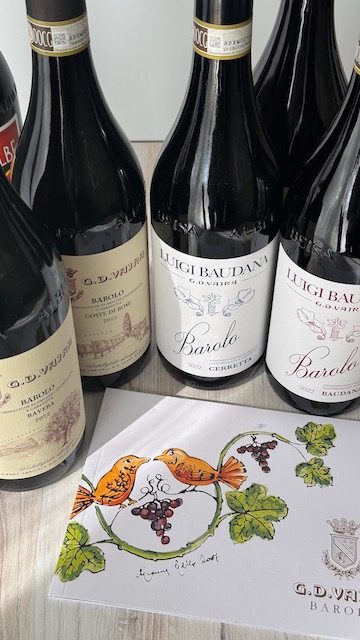
My recent virtual tasting with Giuseppe Vajra of G.D. Vajra still has me buzzing. Far from the usual awkward camera angles and muted coughs, the session was rich with family stories, thoughtful farming philosophy, and an engaging deep dive into Nebbiolo that had me smiling into my glass. Giuseppe and I share a love for the technical, nerdy side of wine — and that connection made the tasting especially rewarding. A little backstory before we sip: Vajra is a family-run estate perched on the western heights of Barolo, where the hills play by their own rules. High elevation means light rules the ripening more than heat — wind over warmth, cool nights and intense sun during the day — the kind of place where grapes learn subtlety by virtue of altitude. The family saga began in 1968 when Giuseppe’s father, Also, swapped city life (and a very brief hippie phase) for the contadino dream. After one life-changing summer he stayed, and 2022 marked his 50th harvest. Fifty. Years. Of. Dirt. Wisdom. Tell me that doesn’t deserve a toast. The 2022 vintage: hot, dry, and full of lessons2022 threw the usual modern curveballs — heat and drought — so Vajra leaned into patience and practical ingenuity. Organic farming, yes, but more importantly: patience. Giuseppe insisted the real art is letting vines age. Older vines reach deeper water, are steadier across weird seasons, and frankly, get more interesting with time. Viticulture highlights that made me nod: Winemaking choices mirrored that philosophy: long skin contact to build texture and structure, but a shorter aging timeline — 22 months in big Slavonian casks — to preserve freshness, lift, and the age-worthy backbone Nebbiolo needs. The tasting — four (plus) Barolos that made my heart do a little cha-chaWe tasted through the 2022s and, friends, each bottle felt like a different chapter from the same family album — some polite, some loud, all authentic. What stuck with me (besides my bottle-stained notebook)Giuseppe’s approach reads like a masterclass in humility. He’s not chasing fashion; he’s steering ancient vines through modern weather with brains and patience. From delayed pruning and not topping vines, to adding a sorting table and choosing big cask aging, every decision was made to protect Nebbiolo’s voice — to amplify the vineyard, not the winemaker. And spirit? That family warmth — Also’s leap into farming, half-hippie origin story, five decades of harvests — gives the wines a narrative that’s impossible to bottle but palpable in the glass. Final sips and the takeawayIf you love wines that are honest, terroir-driven, and made with a farmer’s patience, the Vajra 2022s demand your attention. They show adaptation without losing identity, freshness without sacrificing structure, and a lively, sometimes provocative personality that keeps you coming back for more. So pour a glass, turn up something with good guitar riffs (for Ravera), or curl up and contemplate minerality (for Cerretta). Either way, Giuseppe and his family remind us that great wine is equal parts soil, weather, and unconditional love. And if that’s not the most romantic thing you’ll hear this week, I don’t know what is. Many thanks to Studio Cru for arranging this intimate tasting with Giuseppe Vajra.
Falling Head Over Heels in Piemonte: My First Grandi Langhe Adventure
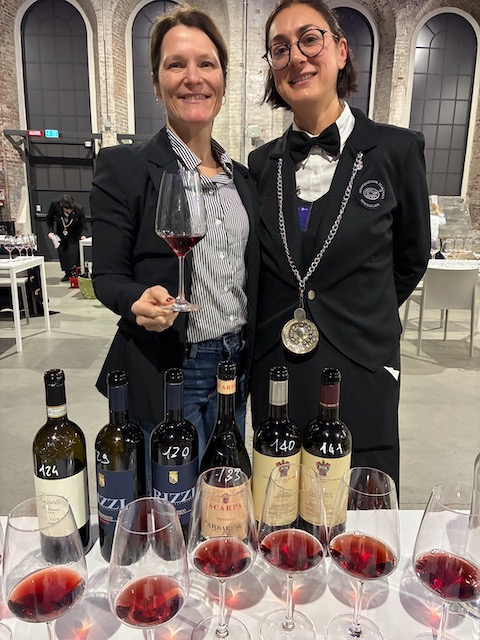
If you’re a wine lover, there are certain experiences that hit you like a perfectly aged Barolo—deep, layered, unforgettable. My first time at Grandi Langhe in Turin was exactly that kind of moment. The excitement kicked off even before the main tastings, with opening festivities on Sunday, January 25. The Consorzio Piemonte Land of Wine organized a fantastic Gala Dinner followed by a lively walk-around tasting at the iconic Museo Nazionale dell’Automobile in Turin. Surrounded by an incredible collection of vintage and modern cars from every era, we sipped Piemonte wines amid gleaming Ferraris, classic Fiats, and automotive legends. It was the perfect, stylish prelude—blending Turin’s industrial heritage with its world-class wine culture—to set the tone for what was to come. What a way to kick things off! Then came the heart of the event: two full days of pure wine bliss on Monday, January 26, and Tuesday, January 27 with over 500 producers on site. Hosted at the stunning OGR Torino—a former locomotive factory reborn as a sleek cultural powerhouse—Grandi Langhe gathered hundreds of producers from Langhe, Roero, and across all of Piemonte, now showcasing the incredible breadth of the region’s appellations. It’s professionally run, beautifully organized, and blissfully free of overwhelming crowds. Absolute heaven for any enthusiast. Over 700 labels (and in recent editions, even more with the expanded Piemonte focus) in the dedicated press room (130 wines in the press room alone, 47 Barolos and 24 Barbarescos among others) allowed us to dive headfirst into the region. Walk over to the stands for a treasure trove of wines. Recent-vintage Barolos and Barbarescos stole the show with their elegance and structure, the unmistakable minerality screams Piemonte terroir. But I was equally smitten by the bright Roero Arneis and Nascetta, the crisp Timorasso, the lively Alta Langa sparklers, and so much more. Every glass felt like a love letter from the hills, crafted with care and deep respect for the land. So Many Incredible Producers—Here Are Just a Few That Stole My Heart One of the greatest joys of Grandi Langhe was meeting so many passionate, talented producers in person. There were hundreds of stands, each telling its own story, and it was impossible to taste everything—but the ones I did meet left lasting impressions. Here are just a few standouts that made my notebook fill up fast and my heart race: These are just a handful—the region is bursting with talent, and every conversation added another layer to why Piemonte feels so special. I left with a long list of estates I now dream of visiting. Yet the wines, as extraordinary as they were, weren’t even the best part. The real magic happened in the conversations. Meeting the producers face-to-face turned tasting into something intimate and alive. I listened, wide-eyed, as winemakers shared multi-generational family stories, their quiet philosophies on minimal intervention or perfect oak choices, and that fierce, centuries-old love affair with their vineyards. These weren’t sales talks—they were heartfelt glimpses into why Piemonte wines taste the way they do: soulful, honest, alive. Every chat made the next sip taste richer, more meaningful. And then came the evenings—oh, the evenings! On Monday, January 26, the Alta Langa Consortium invited us to an exclusive Alta Langa after Grandi Langhe event at the breathtaking Teatro Regio, Turin’s iconic opera house. Picture this: over 50 labels of Piemonte’s refined, traditional-method sparkling wines flowing freely in a happy-hour-style setting, while the Regio Ensemble filled the gilded halls with live opera. The bubbles danced on the palate, the music soared, and the whole night felt like a dream you never want to wake from. The next evening, Tuesday, January 27, the Consorzio Freisa di Chieri and Consorzio Erbaluce di Caluso welcomed us to a special dinner right in the historic heart of Turin—Piazza Carignano. The dinner took place at the legendary Caffè Gelateria Pepino, a historic Turin institution founded in 1884 and famous for inventing the Il Penguino dessert. Surrounded by the café’s timeless elegance and the centuries-old beauty of the piazza, we explored the charming, often-under-the-radar wines of the Turin hills: vibrant Freisa di Chieri and Erbaluce di Caluso in every style—fresh annata, aged vintages, passito and sparkling versions. Guided by the consortia president, board members, and passionate winemakers, it was the perfect reminder of Piemonte’s astonishing diversity. These are wines that surprise, delight, and beg to be shared. A special treat was shared during the evening from Gian Luigi Orsolani, fourth generation winemaker with over 125 years of history in a glass of Orsolani Caluso Passito, a decadent wine made from dried Erbaluce grapes in the Caluso area. Golden-hued, honeyed, with notes of dried apricot, almond, candied citrus, and a touch of noble botrytis complexity, it was an exquisite, velvety finale—intensely aromatic yet beautifully balanced with refreshing acidity. Sipping it slowly amid the warm glow Zabaglione felt like the ultimate Piemonte indulgence. One of the most inspiring highlights was discovering the Urban Vineyards Association (U.V.A.) through Luca Balbiano, the passionate third-generation winemaker from Cantine Balbiano and the association’s founder and honorary president. Luca shared his remarkable story of reviving the historic Vigna della Regina—a royal vineyard tucked within Turin’s Villa della Regina, where Freisa vines now thrive in an urban setting, producing one of Italy’s few certified DOC urban cru wines. Inspired by that project, he created the Urban Vineyards Association in 2019 to connect and promote historical urban vineyards worldwide—from Turin’s city vines to rooftops in New York (Rooftop Reds) and beyond. It’s a global network celebrating how vines can bridge tradition, sustainability, culture, and urban life, turning city landscapes into living heritage sites. Hearing Luca’s vision firsthand—about regenerating green spaces, boosting proximity tourism, and preserving viticultural history right in the heart of cities—was truly eye-opening and added such a fresh, innovative layer to Piemonte’s already rich wine narrative. And because no unforgettable Italian evening is complete without a little dolce indulgence, that Tuesday night at Pepino I tried my very first Il Penguino Crema Pepino—the legendary Turin