
Sancerre’s next door neighbor, Menetou-Salon
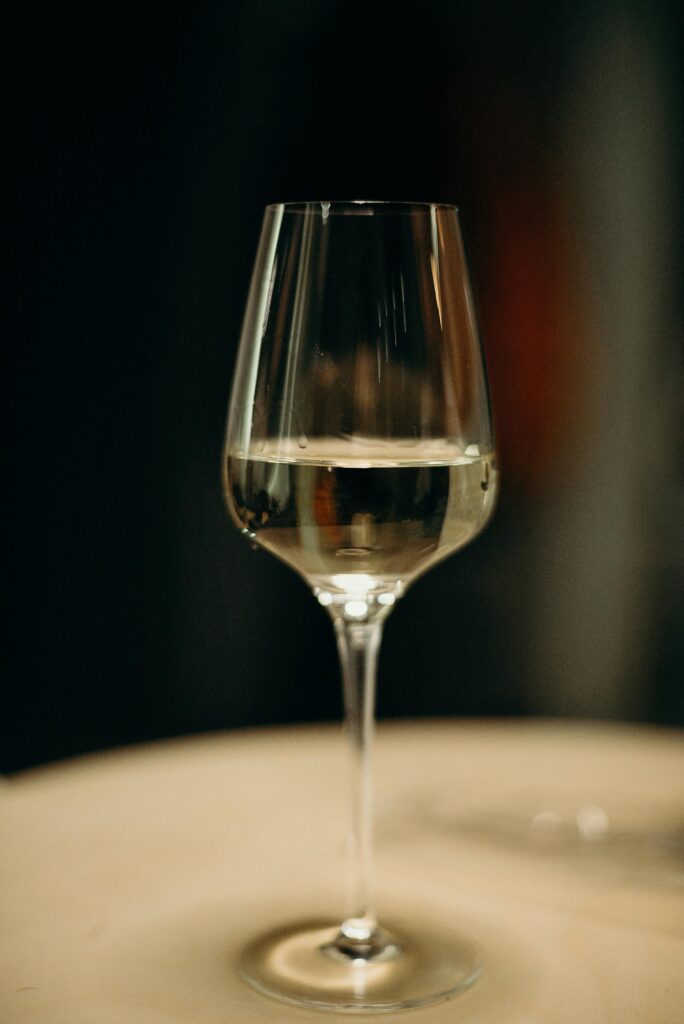
If you like Sauvignon Blanc from Sancerre or Pouilly Fumé in the Loire Valley of France, this next door neighbor Menetou-Salon is your ticket (and less expensive)!! Sauvignon Blanc, one of the most planted white grapes in the world. Depending on the climate and where it’s grown, smells like fresh cut grass mixed with vibrant flavors anywhere from bell pepper to gooseberry to passion fruit. The cool climates such as New Zealand makes zingy passion fruit forward Sauvignon Blanc. Loire Valley makes citrus forward, mineral driven wines due to the flinty, limestone soils that are in this region. Chile’s coastal region makes the best valued Sauvignon Blanc, leaning more towards herbaceous, saline wines. South Africa’s millions of years old minerally soils and hot, sunny cllimate produces a more stone fruit driven wine, as does California which are rich in peach, nectarine, grass and lemon. This particular wine has flavors of crisp green apple, chalk, slate, white pepper pear, melon, grass, lemon, peach, yellow plum, honeysuckle. It has a creamy texture, lively acidity and very refreshing. Pair with grilled cod with lemon chive butter, shrimp tarragon risotto, chicken stuffed with aubergine and smoked bacon, or roast pork with apples and caramel.
Gérard Bertrand Gris Blanc 2019
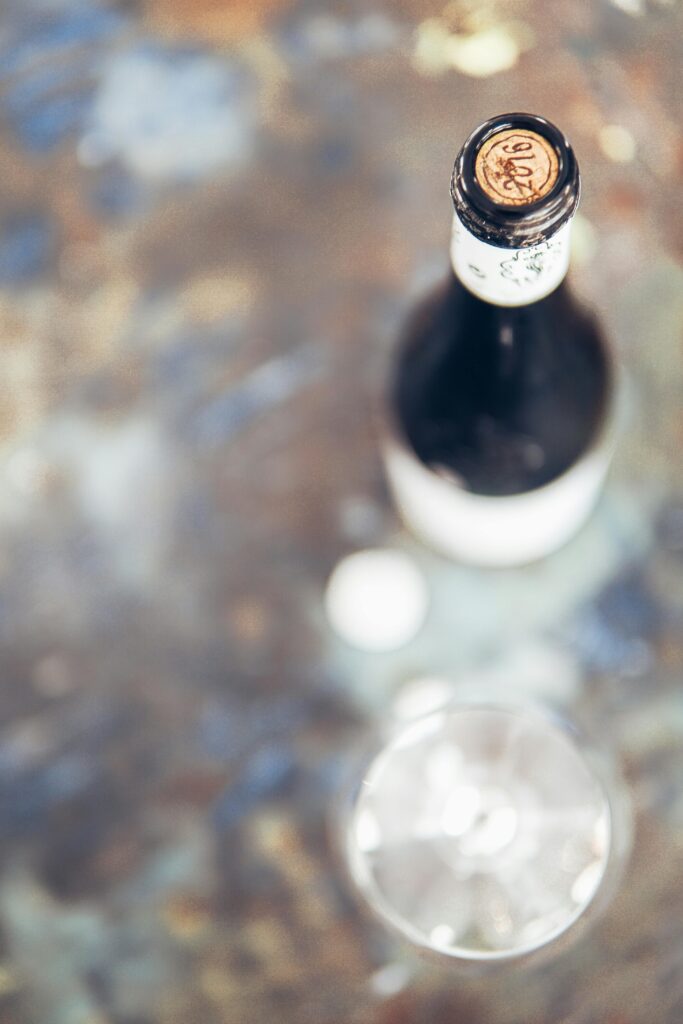
For those who aren’t aware, Gérard Bertrand is known as the “King of Languedoc” wines. Why? Because he not only grew up amongst the vineyards of Languedoc, he creates wines that have their own unique identity to each vineyard. His motto is for each wine to be a true representation of the terroir, grape and vineyard. This particular wine is grown in the Tautavel region of Languedoc. The area is hot and sunny in the summer, with close proximity to the Mediterranean Sea and the Pyranees mountains, which is ideal for grape ripening and acidity retention. This wine is made from Grenache Gris, a grape that is a mutation of the Grenache grape. The grapes are hand harvested and undergo a short maceration on the skins, protected from oxidation, to create this lovely light pink grey color full of red fruit aromas and flavors. The wine has aromas of red berries, minerals and freshness. The wine has a creamy texture with a light sparkle, medium high acidity, flavors of strawberry, melon, lemon peel, minerals, ripe cherry, strawberry, melon, minerals, black pepper. Perfect with goat cheese, melon & prosciutto, olives and hummus, grilled shrimp, smoked salmon with scallion cream, sushi, grilled chicken burgers, summer pasta salad, quiches, tuna tacos. My video review is available on Instagram at Gerard Bertrand Gris Blanc
Watermelon Gazpacho
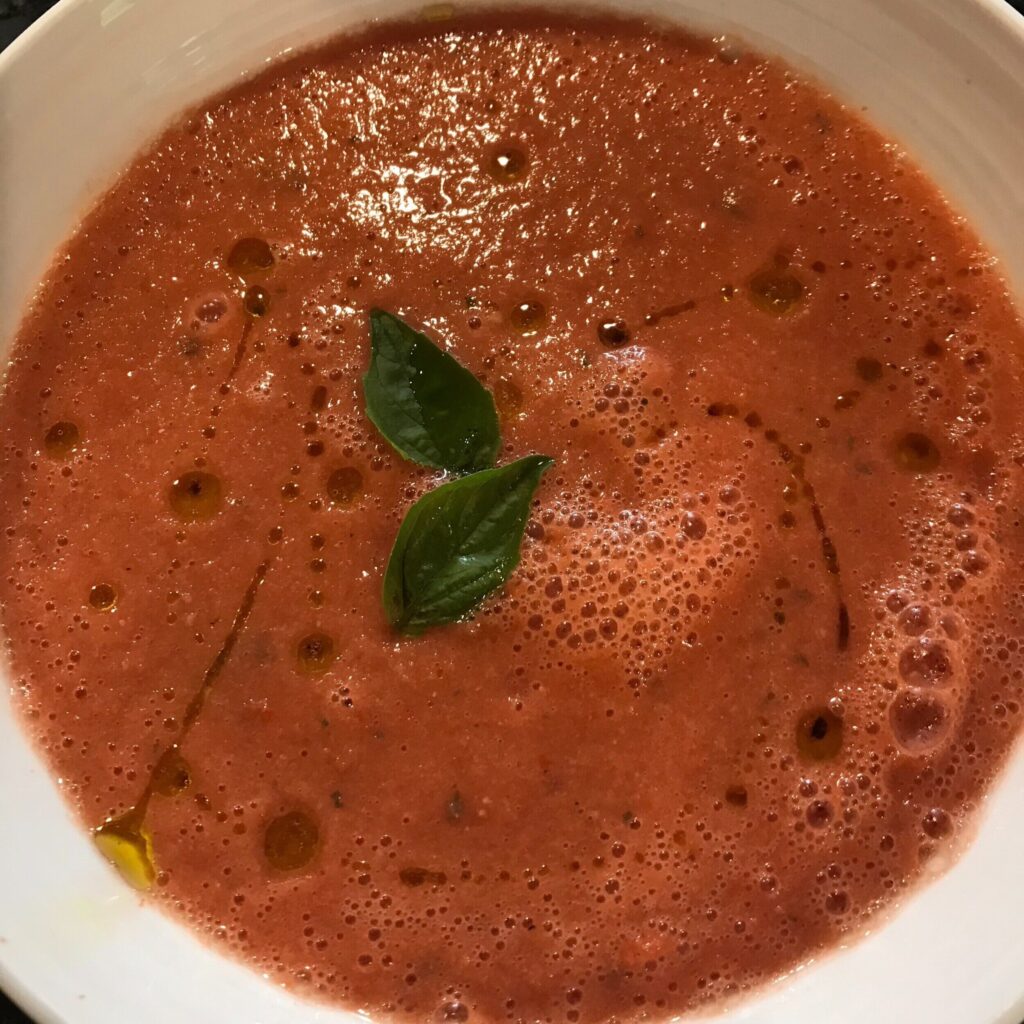
5 cups diced seedless watermelon 2 ripe tomatoes, diced 1 cucumber, peeled, seeded and diced 1 small red onion, peeled and diced 1 red pepper, seeded and diced 1 small garlic clove 1/2 green chili pepper, seeded and minced 1 small chunk of stale country bread 1/2 cup water 3 tbsp. white balsamic vinegar 1 tbsp. red wine vinegar 2 tbsp. extra virgin olive oil 5 large basil leaves, chopped plus extra for garnish 1/2 tsp. kosher salt 1/4 tsp. pepper pinch of sugar Add all of the ingredients to a blender. Puree till relatively smooth. If you prefer a chunkier soup by all means process the soup less. Taste and adjust salt and pepper to taste. Pour in bowls and garnish with a chopped basil. Serves 4 Serve with a refreshing rosé such as Honore Vera Rosado 2019
Honoro Vera Rosado 2019
Brilliant Rosé from Bodega Juan Gil is located in Jumilla, a small region on the Mediterranean coast in the southeastern Spain. The region is known for big, oak aged, Monastrell grape full bodied wines. The dry arid climate, mineral rich water retaining soils, low rainfall and the elevated central plateau make the region ideal for viticulture. This particular wine, Honoro Vera Rosado 2019, is made from Syrah and Tempranillo grapes. It is made using a combination of direct pressing and the saignée method, then fermented in stainless steel tanks. The juice is then allowed to ferment alone at a low temperature (18-20°C/65-68°F) to preserve the acidity and fruit aromas and valors. The wine has crisp acidity and medium alcohol. It has a light creamy texture and rich flavors of watermelon, cherry, strawberry, rose petals, melon, lemon and peppery finish. It paired very nicely with watermelon basil gazpacho. Spanish double hitter on a hot day.
Méthode Ancestrale – The Oldest Sparkling Wine Method
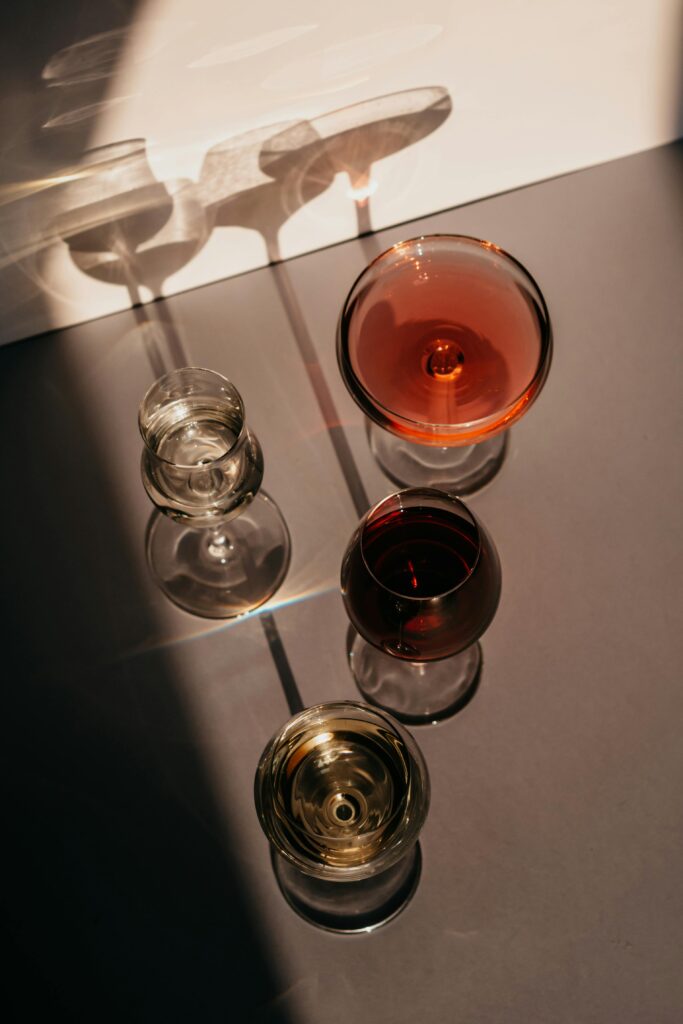
The oldest sparkling winemaking method, yes older than the traditional method ( Champagne) known as the ancestral method. It has recently come back into fashion and popularity amongst wine aficionados and wine bars in the form of pétillant-naturel, a.k.a. pét-nat. Méthode Ancestrale is also knows as Méthode Rural. It is quite popular in France in the Loire and Jura regions. How is it made? The primary fermentation takes place in large pressurized tanks and is stopped mid-way before the wine goes dry, leaving some residual sugar. The wines are filtered and chilled to 0C and left for a number of months in the tanks. The wines are then bottled for second fermentation where some carbonation/CO2 is produced. The bottles are riddled and disgorged without the addition of liqueur d’expedition (sugar and wine). Some winemakers disgorge and rebottle ancestral-method sparkling wines after fermentation. The wines are crown caped instead of corked. The result is a wine that is low in alcohol, dry or off-dry, cloudy appearance with a funky, earthy, textured wine with or without a light sediment in the bottle depending on the winemaker. The final wines are reminiscent of cider. For an example of an ancestral method wine try a Bugey-Cerdon Sparkling Rosé Image Courtesy of Wine Folly
Summer Corn, Walnut and Scallion Salad
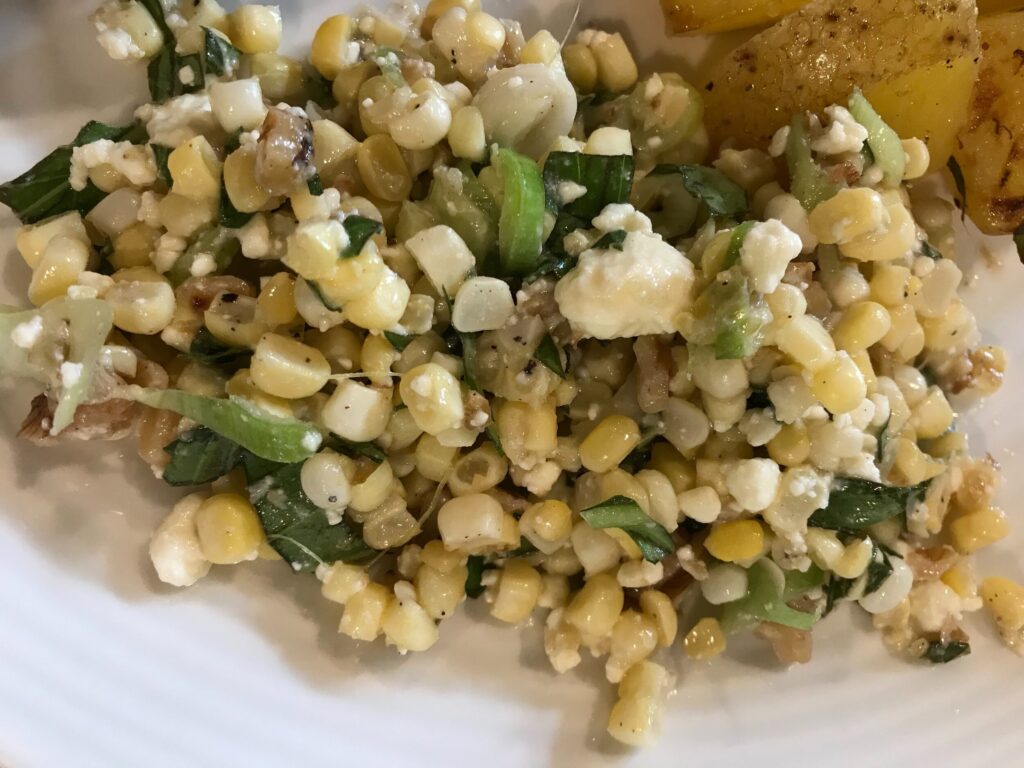
3 ears of corn 4 scallions/green onions, sliced on the bias till light green section 1/2 cup walnuts, toasted 1/2 cup crumbled feta cheese 8-10 basil leaves 2 tbsp white balsamic vinegar 3 tbsp extra virgin olive oil salt and pepper to taste Add the green onions to a bowl of ice water and let sit for 20 minutes. This will keep them crisp and make them easier to digest. Drain and dry well in a tea towel. Add to a large bowl. Slice the nibblets off of the corn into the bowl with the scallions. Add the remaining ingredients. Season with salt and pepper. Serve with any grilled meats or seafood. Serves 4
Kale Pesto Summer Pasta Salad
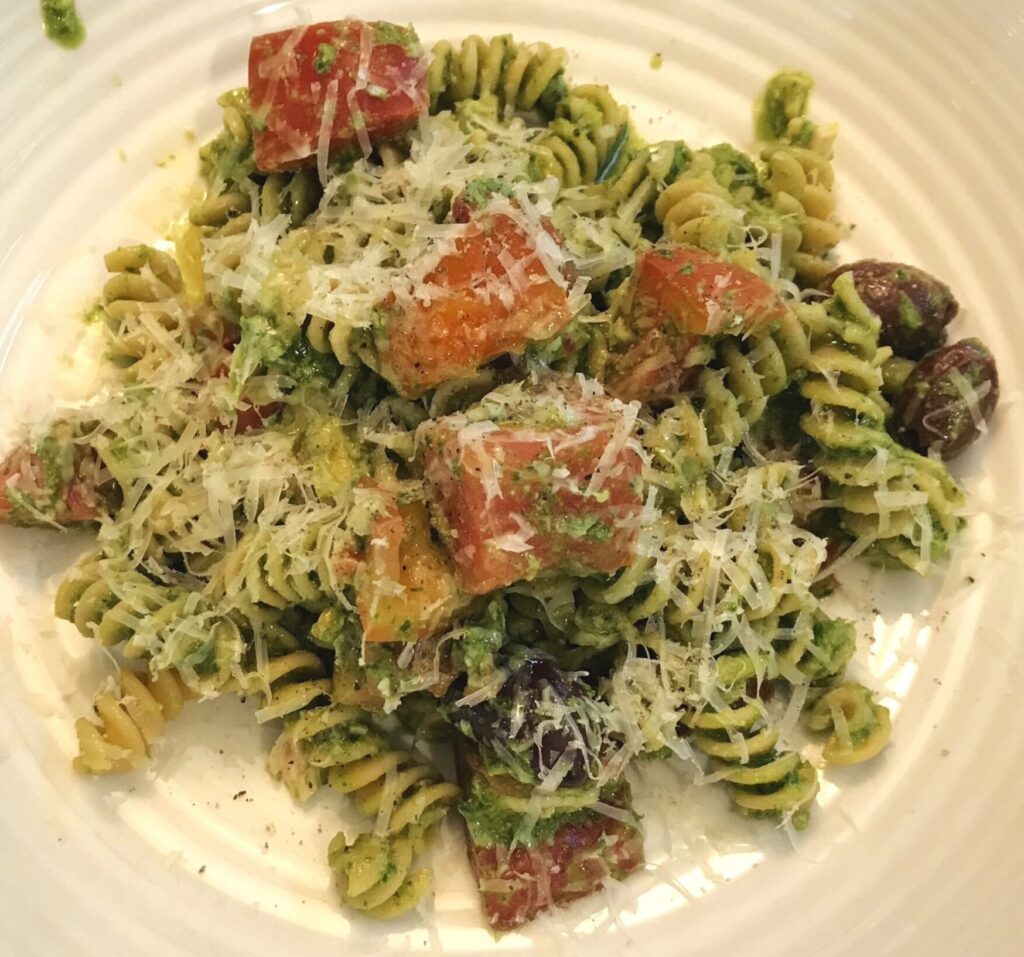
1/2 bunch large curly kale, stalks removed and torn into pieces 1/2 cup water 2-3 tbsp extra virgin olive oil. 3 heirloom tomatoes, diced 1 small handful halved kalmatta olives 1 x 12oz box of fusilli chickpea pasta parmesan cheese for flavor 1/4 cup toasted pine nuts salt and pepper Bring a large pot of water to a boil. Add a small handful of salt to the water. It seems like a lot but it will not make the dish salty. It seasons the pasta and the kale. Turn the temperature down to medium to keep a rolling boil. Blanch the kale leaves in the boiling water. Remove, drain and allow to cool. Place the kale, water and olive oil in a blender. Puree till smooth. Season with salt and pepper. Cook the pasta according to the package instructions, till al dente. Drain and add to a large bowl. Stir in the pesto, tomatoes, olives, pine nuts and parmesan cheese. Serves 4. Pair with Pair with a crisp Nicolas Girard Sauvignon Blanc, Errazuriz Fumé Blanc or Garzon Albarino.
Dolcetto D’Alba From A 5th Generation Winemaking Family
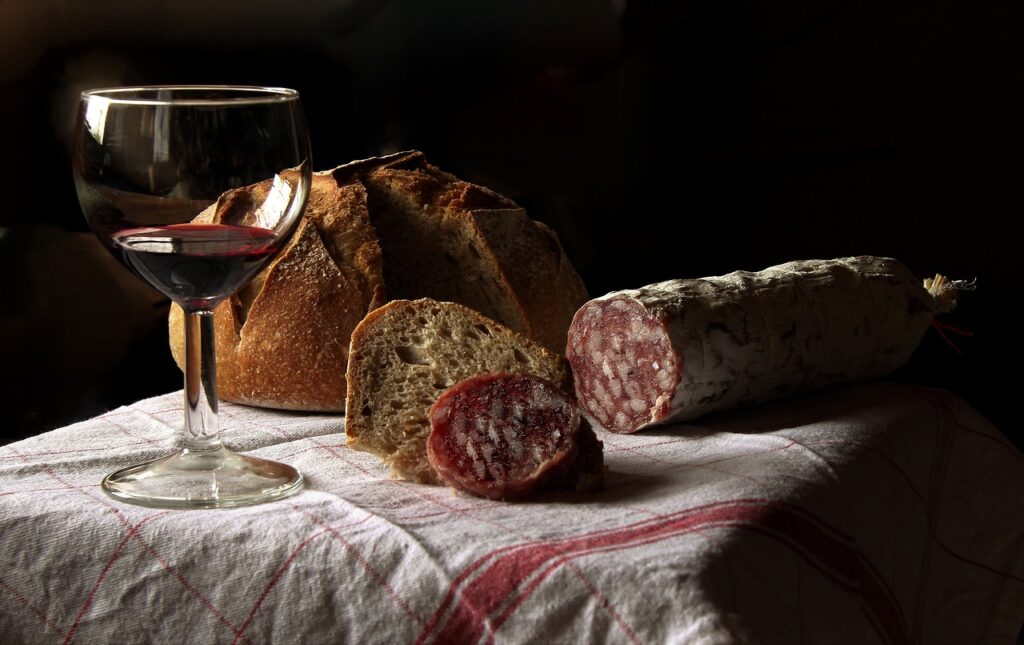
Alba is a beautiful region located in the infamous Piedmont region of Northern Italy. It is also Dolcetto’s (the grape variety) home. The name Dolcetto means “little sweet one.” The grape is indigenous to Piedmont, Italy. It is the 3rd most planted grape in Piedmont. The top two grapes are Nebbiolo and Barbera. Nebbiolo is world famous, heavy hitter Barolo and Barbaresco red wines. Alba is a very hilly region, encircled by the Alps. The climate is a hot growing season, misty autumn and cold, foggy winters. Soils are light, white, sandy, calcareous tufa. The cooler sites are used to grow Dolcetto because it needs sun exposure but not too much sun in order to retain high acidity and to ripen properly. The grape also ripens earlier than Nebbiolo and Barbera. Dolcetto is a dark colored grape that goes through a short maceration on the skins to get the color and lighter tannins. Paolo Scavino winery is a 5th generation winemaking family who’s focus is viticulture – to love and respect the vineyard. Founded in 1921, the estate transferred hands from Castiglione Falleto from Lorenzo Scavino and son Paolo. Always been a farming family with a strong tradition and love of the land. Now Enrico and his daughters Enrica and Elisa run the estate. They grow Dolcetto, Barbera and Nebbiolo. Their focus is care, love and respect the vineyards, and to promote natural expression of the grape with minimal winemaking intervention Their wines are a natural expression of the winery. This 2018 Dolcetto has a light and bright structure, purple color, medium tannins and medium acidity. The flavors and aromas of blueberry, baked plum, cranberry, licorice, blackberry jam, black cherry, cocoa, black pepper, violets, bitter almond. Perfect charcuterie, roasted tomato sauce, sausages, beef ragu, grilled eggplant, roasted mushrooms, white truffle pasta. My video review is available on Instagram: Paolo Scavino Dolcetto D’Alba
How Is Rosé Wine Made?
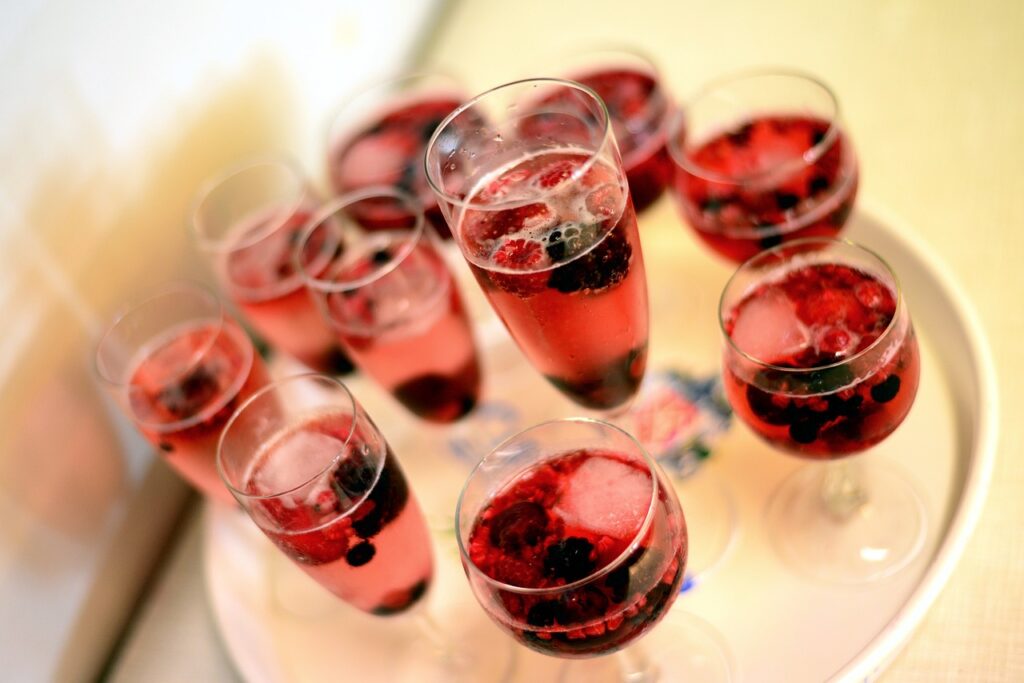
What is Rosé wine? The French term rosé is a pink wine made from red grapes. In Spanish pink wines are rosado or claret, in Italian rosato, chiaretto or cerasuolo. Rosé wines come in an variety of styles. They range from pale colour and light fruity flavors to deeply coloured and with more character from the black grapes. Rosé wines also range in sweetness, from dry to medium-sweet. There are 3 principal ways to make rosé: Direct Press Method Saignée Method Blending Method Direct press method is the most popular method to produce rosé wine. The crushed grapes are left in contact with the solids for a short period of time, depending on the desired color level and flavor. Once it’s reached, the juice is drained off and fermented like white white. The purpose of these grapes are solely to make pink wines and not as a by product of another winemaking process. Direct pressing makes some of the lightest-coloured rosés. Wines made by this method are often called ‘vin gris’ and they include many of the lightest- coloured Provence wines. The Saignée Method is named after the French term “to bleed off.” The wine is made red grape varieties. The purpose of this method is to make both a pink and red wine. The grapes are crushed and the juice has a short period of maceration on the skins, which is where it gets its color from. The period of maceration is short, from hours to 3 days. The longer the maceration, the more color, flavor and tannins will be extracted. When the desired color is reached, part of the wine is “bled” off for fermentation and is done at cool temperatures like white wines. The leftover must (juice and grape solids) is left to macerate further to create a concentrated red wine. Rosé wine from traditional styles of Spanish rosés (not made in ‘Provence’ style) and the rosés of Tavel are made in this type of way. Blending is a method whereby the winemaker combines juice from both red and white wines. This is however forbidden in Europe (except for Champagne because the flavors come from blending differed base wines). Rosé wines got a back rap from the overly sweet styles from Anjoy, Portugal or the infamous White Zinfandel in California. Nowadays rosés that are a great food pairing wine, refreshing, and full of red fruit flavor. Rosé is made from a variety of grapes Garnacha, Pinot Noir, Sangiovese and Syrah blend to name a few. Future article to follow on the different styles of rosé.
Bugey – France’s Hidden Gem Region
Bugey AOC is a beautiful hilly area located between Savoie, the Jura, Burgundy, and the Rhône wine regions. Bugey, which received it’s appellations status in 2009, has 3 crus. Cerdon is one of them, who only produces sparkling wine. Bugey is a small region with steep, calcareous mountainsides against the western edge of the Alps. The climate is has Alpine, continental, and Mediterranean influences. In La Cueille, one of seven high-altitude hamlets surrounding the historic medieval town of Ponsin, Patrick and Catherine Bottex are sustainably farming their grapes. This blend is 80% Gamay and 20% of the native Poulsard. Their vineyards are on high-altitude slopes, clay-limestone soils above the Ain River which creates a freshness and minerality in the wines. The winemaking method is called “Methode ancestrale.” What does that mean? Unlike Champagne/Traditional Method, the wine first goes through a primary fermentation and is then bottled before all of the residual sugar has converted to alcohol. After going through a secondary fermentation in the bottle for at least two months, the wine is ready for sale. Patrick Bottex’s ‘La Cueille’ is a beautiful deep rose color. It has a touch of sweetness, medium bright acidity and body, low alcohol which makes it a great summer quaffer. Aromas of violet, rose petal, oak, smoke, mushroom, white flower and raspberry. Flavors of wild strawberry, raspberry, red cherry, rose petal and cranberry, a little greenness and some pink grapefruit acidity. Pair it with Thai or Vietnamese cuisine, grilled cheeseburger, hazelnut cookies, strawberry shortcake, Brie or Camembert cheeses.