
Santa Lucia Highlands makes amazing Pinot Noir
What are the Santa Lucia Highlands? They are a long, narrow AVA in the western part of Monterey, California. The area was established in the 18th Century by Spanish missionaries. Like most of California the wine industry took shape in the 1970s, and the area became an AVA in 1991. The Santa Lucia Highlands have Pacific cooling influences, elevated slopes, lots of daytime sun and nightime temperature shifts provide ideal location for a long growing season for late ripening varietals, which develops complex character and fresh acidity. . Santa Lucia Highlands have one of the longest growing seasons in California, sometimes 6 weeks later than other regions in California. The soils in the Santa Lucia Highlands are well drained and have low fertility, making them perfect for the production of premium grapes. The 2014 CRŪ Vineyard Montage Pinot Noir was sourced primarily from the marine-influenced Sarmento Vineyard in the Santa Lucia Highlands. The vineyard is characterized by morning fog and afternoon winds which help to provide an ideal climate for Burgundian varietals. Multiple clones were used in the production of this pinot noir. By utilizing various clones from multiple elevations, the wine-maker creates depth, complexity in aroma and balance to the final blend. Aged for 9 months in French oak, 20% being new barrels, imparts a toasty, vanilla and spice to the wine, as well as complexity and texture. 2014 Cru Montage Vineyards is an excellent example of a lip smacking, can’t stop drinking this wine it’s so good Pinot Noir!! It’s full of cherry, pomegranate, cranberry, blood orange, earthy, cedar, rose petal sweet spices( cloves and vanilla), hint of struck match. You won’t want to stop drinking this well balanced all around wine. Balanced acidity, soft tannins and medium bodied wine. This is a unique homage to the classic Burgundy Pinot Noir.
Assyrtiko – Santorini’s Premium White Wine
Most people have not heard of Assyrtiko varietal. It is a rare grape and native to Santorini, Greece but gaining in popularity. The island is made up of dark volcanic rock, which contributes to the mineral flavors of the wine. The island of Santorini is extremely windy, hot and dry, arid climatic conditions. The vines are trained in a spiral formation, birds nest looking form called Kouloura. The shape protects the grapes from the winds as well as the arid, hot island sun. Hand harvesting, dry farming (which means the water comes from the natural humidity and the sea mist which is absorbed by the volcanic soil, providing the necessary hydration) and low yields. These vines are approximately 40 to 60 years old. They are grown at an altitude of about 400 meters. The lower yielding vines, climate and altitude contribute to both complexity, acidity and richness of the grape. SantoWines was founded in 1947 as part of the Union of Santorini Cooperatives. It is located in the village of Pyrgos in the Santorini PDO. Through modern winemaking techniques with a strong commitment to the sustainable development of the Santorini vineyard as well as to maintaining the longstanding viticultural and winemaking traditions. SantoWines has also been instrumental in continuing the cultivation of other traditional artisanal agricultural products native to the island. SantoWines R&D invests in the ongoing development of vinification techniques, biodiversity and preservation of and research into indigenous varieties. The grapes spend approximately 6 hours in contact with the skin at a low temperature 5-6˚C. The grapes are pressed gently with a pneumatic press to ensure the aromatics are protected. The must is then fermented at cool temperature of 16-17˚C in stainless steel tanks. The wines are generally full bodied, high alcohol which balances the extremely high, crisp acidity. This particular Assyrtikoi wine from Santo Wines 2018 Assyrtiko is 100% Assyrtiko, a classic example of the varietal. A vibrant, aromatic wine full of minerality and citrus fruits, peach with honey notes. The wine is bone-dry, bright acidity with flavors of lime, passion fruit, lemon, beeswax, flint, saline, minerals. Pair with shellfish, grilled octopus, fried calamari, grilled fish or the classic Greek oregano, tomato-feta salad. This wine is very food friendly and versatile. Kouloura vine
Mourat Rosé Dans Le Jardin

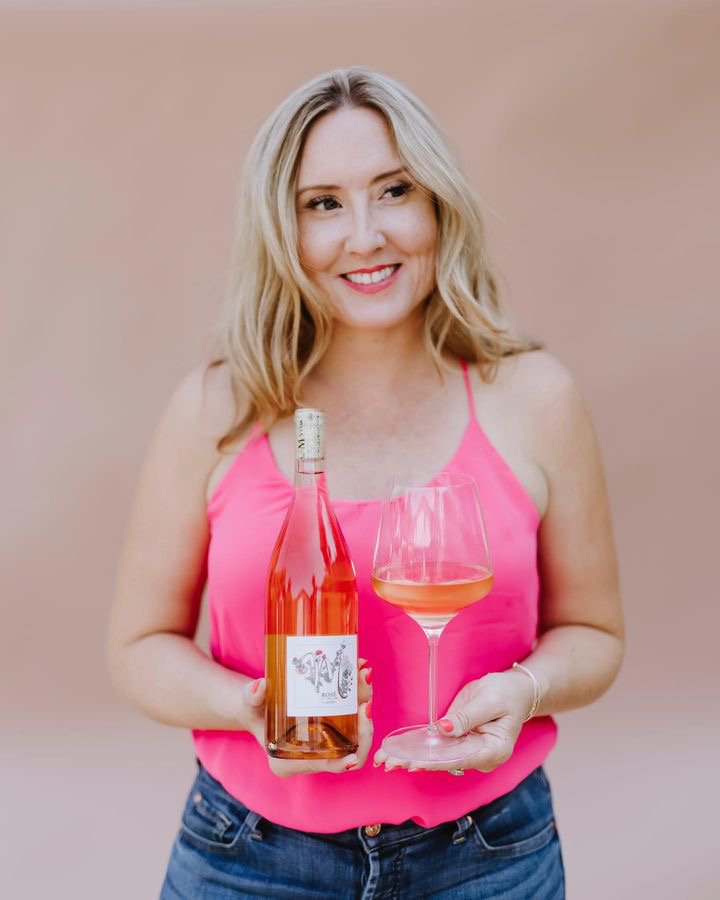
The Loire Valley is France’s most diverse wine region, producing excellent and affordable wines in every style, white, rosé, red, sparkling and dessert wines. . Vignobles J. Mourat is located in the south west region of the Vendées AOC in the Loire Valley. The south facing vineyards located on hillsides overlooking the Lay Valley maximize the sun exposure for optimal grape ripening. They also happen to be at the foothills of the Armoricain Massif mountains which covers a large area in the northwest of France from Brittany to the Loire Valley. The soil is composed of schistes and rhyolites, which imparts a freshness and minerality to the wine. The climate influence is a Maritime one. The Vendée AOC benefits mixture of vine varieties influence of the Loire Valley and the South-West of France. The family vineyard is comprised of 96 hectares. The Mourat vineyard was founded in 1974 by Jean Mourat. Up until the end of the 19th century, the family name Mourat was synonymous with wine makers and salt makers on the Ile de Ré and then 3 generations of wine merchants. Chateau Marie du Fou was the first estate, followed by Clos Saint-André and Moulin Blanc estates in 2006 and 2011 respectively. For the past 10 years the estates have been converted to organic viticulture and organic winemaking production. The Mourat main family values are global-awareness and remaining true to cultural roots and heritage. . This particular wine is 100% Pinot Noir from 15 year old vines. The grapes are pressed gently using a pneumatic press, cold settling. The wine is fermented using ambient yeasts. The wine is aged for 4 months on lees in thermo regulated stainless steel vats. The wine is a medium pink/salmon color. It has a medium intensity of aromas of grapefruit, strawberry, orange, cherry and lemon. It is dry on the palate, medium intensity and finish, with flavors of strawberry, cherry, cranberry, earthy, orange, grapefruit, lemon, minerals with a creamy mouthfeel. Pair it with barbecues or picnics, Asian cuisines or goat cheese.
Domaine Rimbert “Petit Cochon Bronzé”
This picture was taken in Jamestown, RI which was founded in 1678 as part of the Massachusetts Bay Colony and transferred to Rhode Island in 1746. A fun local fact to share along with the beauty of Beavertail Lighthouse where this picture was taken. This wine from Domaine Rimbert is located in the Languedoc, France region. It is part of the Jenny & Francois Selections who focus on organic, biodynamic and sustainable small producers and co-ops. The wine is a gorgeous copper salmon color and the label is adorable – “ Petit Cochon Bronzé” means Little Bronzed Pig. The vines are approximately 60% are 60 years old and 40% are 10 years old. The soils are schist which imparts a lovely minerality and freshness to the wine. The wine is made up of 80% Cinsault and 20% Syrah. The grapes harvested at their maximum ripeness and immediately destemmed. They are gently crushed and the juice is fermented with natural yeast. The skins are removed from the vats 36 hours after pressing, creating the lovely bronzer pink color.. The wine ferments in stainless steel tanks that are half-buried into the earth so that the temperature of the winery is naturally regulated. It undergoes a light filtering when bottled on site. This wine has a creamy texture, crisp acidity full of raspberry, cherry, blood orange, minerals, daffodils and tingly pepper finish. It’s a perfect pairing for grilled lamb kebabs with salsa verde or grilled chicken breast with Moroccan spices.
Grapes & Gourmet – A Local Slice of Heaven
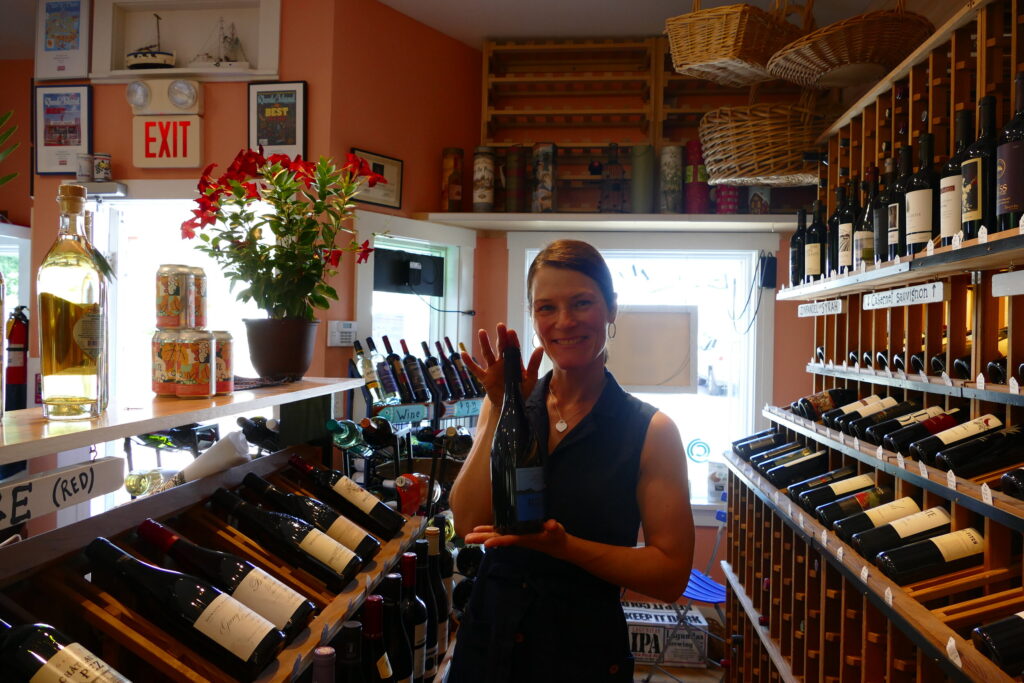
Yesterday I visited a local slice of heaven. A wine and gourmet foods shop called Grapes & Gourmet in Jamestown, RI. Situated right on the Jamestown harbor and with a backdrop of the Pell/Newport Bridge, the overall experience is just serene. Jamestown was founded in 1678 as part of the Massachusetts Bay Colony and transferred to Rhode Island in 1746. Visitors today enjoy a quaint setting with historic farms, stunning parks, award winning restaurants and locally owned shops and art galleries. One of these locally owned boutiques is award winning, Grapes and Gourmet. While the store has been in existence much longer, I found out that the brother and sister duo acquired the store in 2013. Yesterday I had the privilege of meeting Ameila, co-owner. My first impression was a very welcoming and warm environment. Amelia’s engaging personality and knowledge of both wine and cheese was on full display and we quickly engaged in an in-depth discussion about our mutual passions. It is not a large footprint; however, it is extremely well organized and thought out and was simple to target exactly what I was looking for. This is extremely important when square footage is at a premium. The store is a boutique style carrying wine, spirits, craft beer and gourmet items such as cheese, charcuterie and accompaniments. The unique touch is catering to local consumers and getting to know exactly what each of their clients want as well as their habits and proactively ensuring that inventory exists. Jamestown has a population of just under 30,000 people with increased numbers during the summer tourist season, so there isn’t a huge population to draw from; however, the Wilson’s use this as a means of providing a unique customer service model rich with personal touch and detail where most of the clientele is known and addressed by their first names. The unique model is also drawing in customers in from Newport, Jamestown’s larger neighbor. They inventory is approximately 500 different wines where 70% of their selection is red, 25% is white and 5% is rosé and sparkling wine. The product mix is quite unique as well. Most of the major brands are well represented but it was evident that there was a flair for smaller, less known producers which offer customers the ability to broaden their horizons and learn about different producers that produce equal are better wines at sometimes a more affordable price. The Wilson’s ties to the wine industry also ensures that if the inventory does not exist, they can order at a moment’s notice. Often getting spur of the moment requests from sailors coming in from the open ocean and docking in the Jamestown port, they know that speed, execution and commitment is the name of the game. Their cheese and charcuterie selection and display are simply mouth watering. They also offer made to order cheese + charcuterie boards and wine pairings, catering services for events, virtual wine tastings and in store wine tastings open to the public every Friday from 5-7pm (currently on hold due to Covid). While this boutique store is well known to the locals, I would highly recommend that anyone in the area take a trip to visit. Make a day trip of it as I did yesterday with my family…. Jamestown has so much to offer. You won’t be disappointed.
Rias Baixas Albariño
The Albarino grape is native to Galicia on the North Atlantic coast of Spain and is a key grape variety in the Rías Baixas DO region. It is also grown in north west Portugal, called Alvarinho, Uruguay and California. The climate of the area is an Atlantic climate with continental influences. The soils are a mix of granitic, clay and sand. The grapes are grown using pergolas. This is a vine training system whereby the vines grow vertically by twining around supports, gripping with tendrils that raises the vines up and over to hang down the pergola. This is beneficial in hot, humid areas to increase airflow in the canopy, reduce the risk of fungal diseases and provides protection from the hot Galician sun. The soils and climate contribute to the bright, fresh, minerality of this type of wine. The wines are typically citrus forward, peach, saline and mineral characters with a lip smacking acidity. It can be either a light or full bodied wine depending on winemaking techniques – use of oak or lees ageing to add texture and richness. Bodega Gallegas was founded 50 years ago by Manuel Vazquez. It is now being run by the second generation of the winemaking family. The name “Viñabade” means “Abbot’s Vineyard” in the Galician language. This is a reference to the Cluny monks who are believed to have brought Albariño to the area from Burgundy in the 12th or 13th century. The vines are 30+ years old. This grapes are grown sustainably in the Val do Salnes area, vine trained on 70% pergolas and 30% trrellised. The grapes are hand harvested, pressed immediately in an inert tank to protect the aromas and flavors from oxidation. The wine is then fermented in small stainless steel tanks at low temperature. It is then lees aged for approximately 4 months. There is no oak aging. The wine is a yellow color with a slight green tinge, which is common for the Albariño grape. Medium-high, aromas of lychee, lemon, minerals and green apple. Flavors of lemon, grapefruit, wet stone, minerals, saline, lychee, white blossom, peach and pear all held together in a brisk, crisp acidity. Perfect with shellfish, oysters, sushi, grilled lobster tails with butter, scampi with beurre blanc sauce or halibut with browned butter, lobster roll, grilled lemon shrimp, crab cakes, mussels, scallop ceviche, fried calamari, semi hard cheese – manchego, gouda or feta cheese.
Traditional Tomato Gazpacho
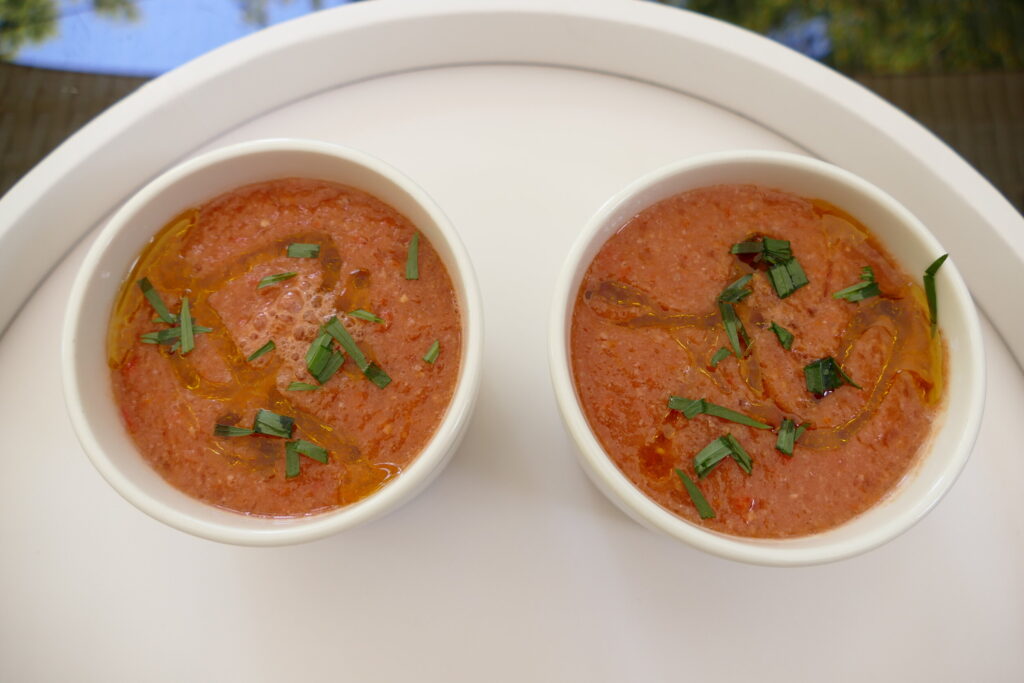
4-5 ripe tomatoes, diced 2 small cucumbers, peeled and diced 1 red or green pepper, seeded and diced 2 green onions, chopped till dark green part 1 clove of garlic, peeled 2-3 tbsp. sherry vinegar 1 chunk of stale bread 2 tbsp extra virgin olive oil plus more to serve 1/2 tsp. kosher salt 1/4 tsp pepper Place all of the ingredients in a blender and purée till smooth-ish, you want some consistency and texture in the soup. Pour into bowls or cups, drizzle with olive oil and garnish with chopped chives. Pair with a rosé either from the Provence Rosé or Spanish Rosado. Serves 4
Tomato Basil Mussels with Spicy Kale Salad
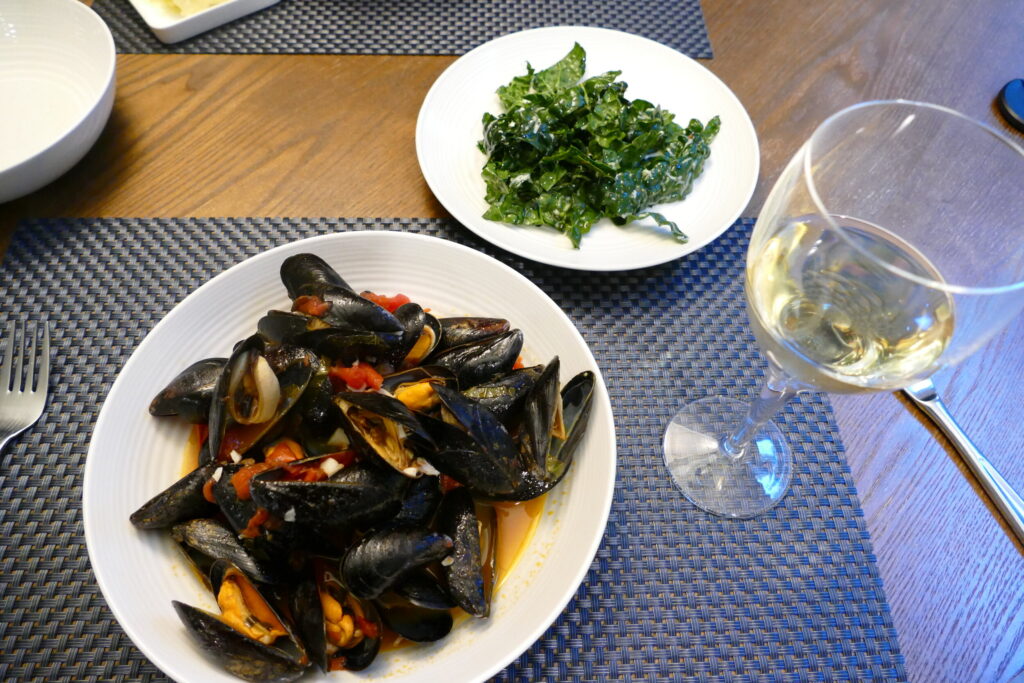
Mussels: 2 lbs mussels, cleaned 1/4 cup olive oil 5 cloves garlic, minced 3 rip summer tomatoes, diced 1 cup sliced basil 1/2 cup white or rosé wine 1/2 tsp. each salt and pepper Kale Salad: 1 bunch lacinto/Tuscan Kale cleaned, dried, ribs removed and sliced 1/2 lemon 1/4 cup extra virgin olive oil 1/4 tsp. chili flakes 1/2 tsp. each salt and pepper 1/2 cup finely grated pecorino romano cheese Salad: Add the kale to a large salad bowl. Add the olive oil and massage it into the kale. It will slightly soften the kale. Add the lemon juice, salt, pepper and chili flakes. Toss and set aside till ready to eat. Mussels: Heat oil in a dutch oven on medium heat. Add the garlic and cook for 5 minutes or till golden. Add the tomatoes, salt and pepper. Heat till softened, about 5 minutes. Turn the heat up to medium-high. Add the mussels and wine. Cover and steam for 3-5 minutes or until all the mussels have opened up. While the mussels are cooking, give the pot a few shakes to move around the mussels. You want to keep the steam inside. Once ready, add the basil. Serve in bowls with French bread. Pair with a crisp Rias Baixas Albariño or Menetou-Salon Sauvignon Blanc. Serves 2
Provence’s signature wine – Rosé
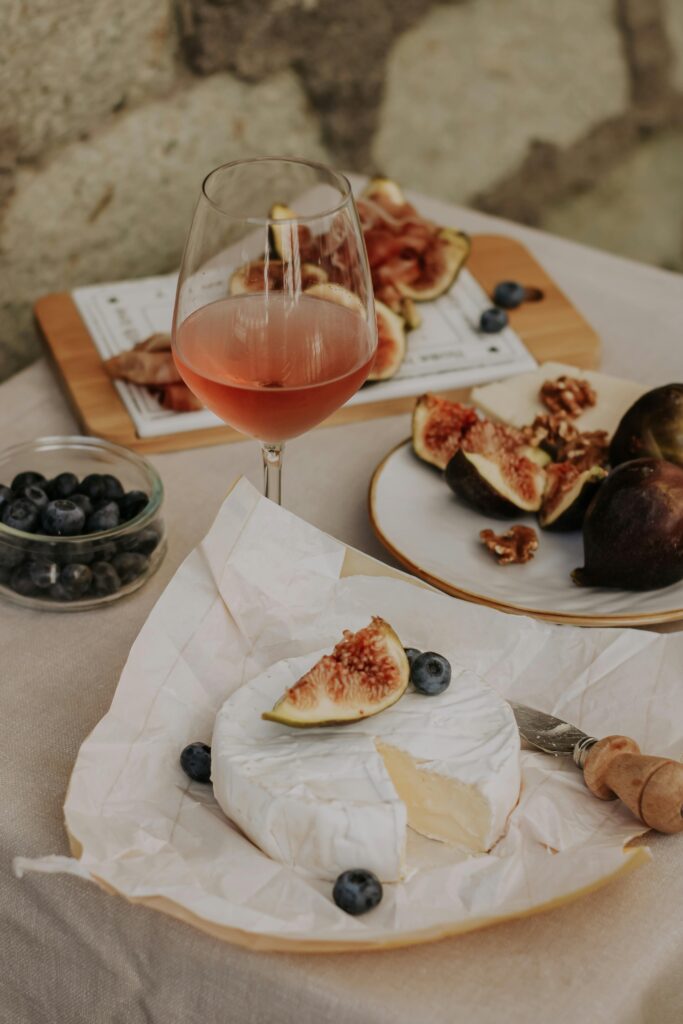
The Provence region, which is located in the south of France, East of Languedoc region. Provence is renowned worldwide for it’s light pink colored, refreshing and delicate rosé wines. The AOP of Coteaux Varois en Provence has a continental climate with cooling influences from altitude and the Mediterranean Sea. Domaine La Colombe is located in the village of Saint-Maximin-la-Sainte-Baume. The vineyard area is approximatelly 30 hectares. The altitude of the vineyards varies between 900 and 1300 feet in elevation. Lying along the St. Victoire mountain, the vineyards south east exposure and clay/ limestone are ideal for growing such wines of finesse qualities. There are also sand and iron soil in the valleys. Domaine La Colombe is a part of AOP Coteaux Varois en Provence wines, the newest of the Provence appellation. This particular wine is a blend of Grenache 50%, Syrah 30%, Cabernet Sauvignon 20%. The grapes are pressed and blended using the Saignée method which is “bleeding” the juice from the must that is fermented under controlled temperatures of 18°-20° in order to extract the maximum aroma. The wine is a pale salmon pink color. Nose medium intensity of strawberry, lavender , minerals, lemon. Palate is bone dry, strawberry, sour cherry, pink grapefruit minerals, watermelon, lemon, lavender and pomegranate . The wine is medium alcohol and body, high acid. It’s crsip and lively with a creamy texture. A great Provence wine! Pair this wine with roasted salmon, pan seared tuna, grilled shrimp, or chicken.
Bryn Mawr Knows How To Make Pinot Noir
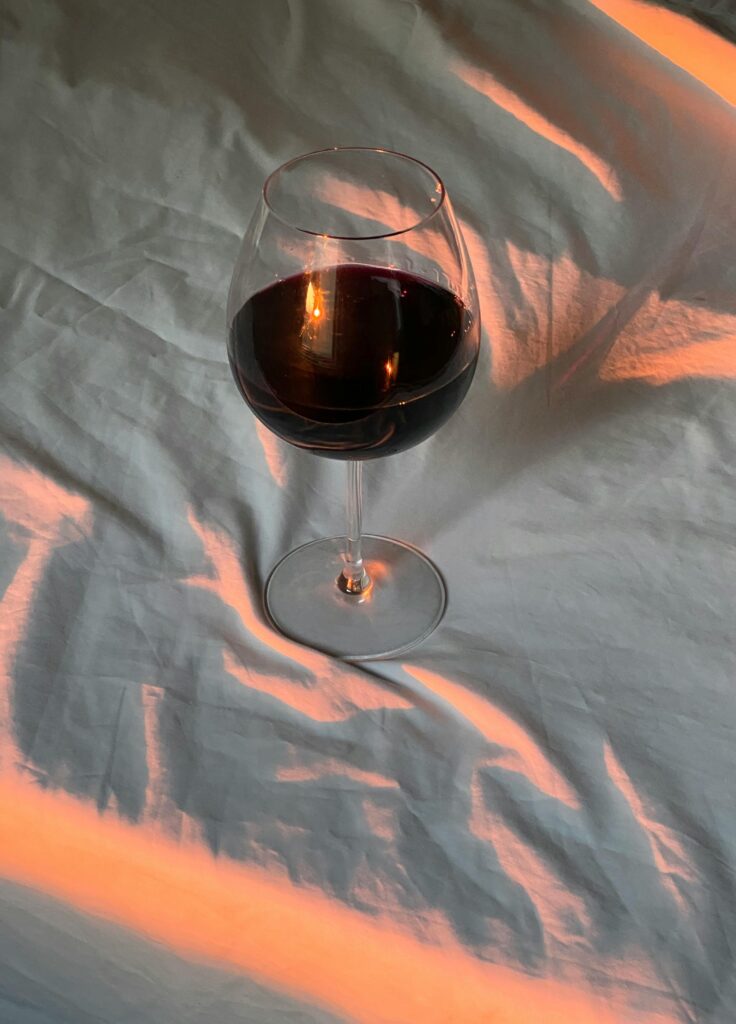
Willamette Valley in Oregon has an esteemed reputation for making some of the finest wines in the United States or in the world for that matter. They are renowned for their Pinot Noirs and Riesling. Many natural factors influence this greatness. Grown on volcanic soil striations which snake through the region imparts a smokiness and minerality. The steep, hilly terrain and altitude all play a part in the sun exposure to aid in warming the soils and ripening the grapes. Incredibly strong maritime winds roaring through the Van Duzer Corridor add cooling influence in hot summer Bryn Mawr, which loosely translates to “high hill” in Welsh, is a 26 acre estate, located 650-890 feet high up a hill in the the western Eola-Amity Hills. Owners Jon and Kathy Lauer, formerly lawyers in San Diego. Jon started growing grapes in their garden in San Diego. Through family California winery vacations, food and wine dinners with their circle of friends, their passion and love grew, as did their dream to make wine. In 2010 They decided to follow their dream, packed up their family and headed to Oregon to make wine in which they took over Bryn Mawr Winery. Even though Jon had studied winemaking at UC Davis, he realized they needed greater expertise to grow the difficult Pinot Noir and Chardonnay grapes in this area. A twist of fate brought them together with Rachel Rose as head winemaker and vineyard manager. Their children, now adults are also involved in the family business. The winery is made up of many small block vineyards, imparting a variety of diversity and character in the wines. They have pretty much every clone of Pinot Noir known growing in their vineyards. Sustainable farming is their viticulture practice. Their goal is to produce smaller yields that reflect the true character of the varietal and care of the land. This particular wine is a gorgeous medium ruby colored wine. Upon opening the aromas of cherry pie jumped out at me. I thought – did someone just bake a pie? Nope! It’s the wine! This wine is packed with cranberry, cherry, strawberry, blackberry, baking spices of cloves & cinnamon, smoke, earthy and savory. It’s a rustic yet finesse of a Pinot Noir. It packs a punch and is delicious slightly chilled on a hot day or with an equally flavorful meal. This wine begs to be paired with roasted portobello mushrooms, grilled chicken or spiced salmon.