
Montgras Chile Sauvignon Blanc
Chile’s is a cool-climate region which benefits from the effects of the cold Humboldt Current of the Pacific Ocean, morning fog, breezes, long sunny growing season. All this combine allows for grapes to ripen fully and develop complexity while still retaining acidity. As a result it produces bright, vibrant wines made from Sauvignon Blanc, Pinot Noir, Chardonnay. These varietals do very well in Chile. Look for regions in Chile for Sauvignon Blanc: Casablanca Valley, San Antonio Valley, Limari Valley, Colchagua Valley and Maule Valley. Chile offers some of the best values for Sauvignon Blanc wines. Typical flavors of a Sauvignon Blanc from Chile are lime, lemon, kiwi, honeydew melon, gooseberry, tomato leaf, grass, peas, saline. It has lively acidity and is refreshing. Vina MontGras is a vineyard with a soul. Their goal since it’s inception was to create world class wines from the best terroir in Chile. Brothers Hernán and Eduardo Gras, together with their partner Cristián Hartwig, gave life to the vineyard in 1993, combining state-of-the-art technology with the talent and passion of a very special team. This particular wine from Vina MontGras – Amaral Sauvignon Blanc 2019 from Leyda Valle was hand harvested. 50% of the grapes were whole-cluster pressed, while the rest were cold-soaked for 8 hours at 8°C-10°C / 46°F – 50°F, in order to extract more aromatics. The wine was aged for 4 months on the lees in stainless steel tanks. It has a lovely pale lemon-green color. The aromas and flavors have a vibrant intensity of green apple, grapefruit, lime, honeydew melon, gooseberry, grass, bell pepper, jalapeño, minerals. It has a medium body with a lively, crisp acidity typical of this varietal. Very fresh and lively – just lovely. Pair with white fish ceviche, grilled tarragon shrimp skewers, goat cheese crostini, burrata, Caprese salad with mozzarella di bufala, parmesan and asparagus spears, avocado bites, cilantro guacamole, zucchini and crème fraiche bites, oysters with mignonette, calamari, smoked salmon, Thai chicken skewers or Vietnamese spring rolls Alternatives to Sauvignon Blanc:: Verdejo, Vermentino or Chenin Blanc
Crémant du Jura Rosé
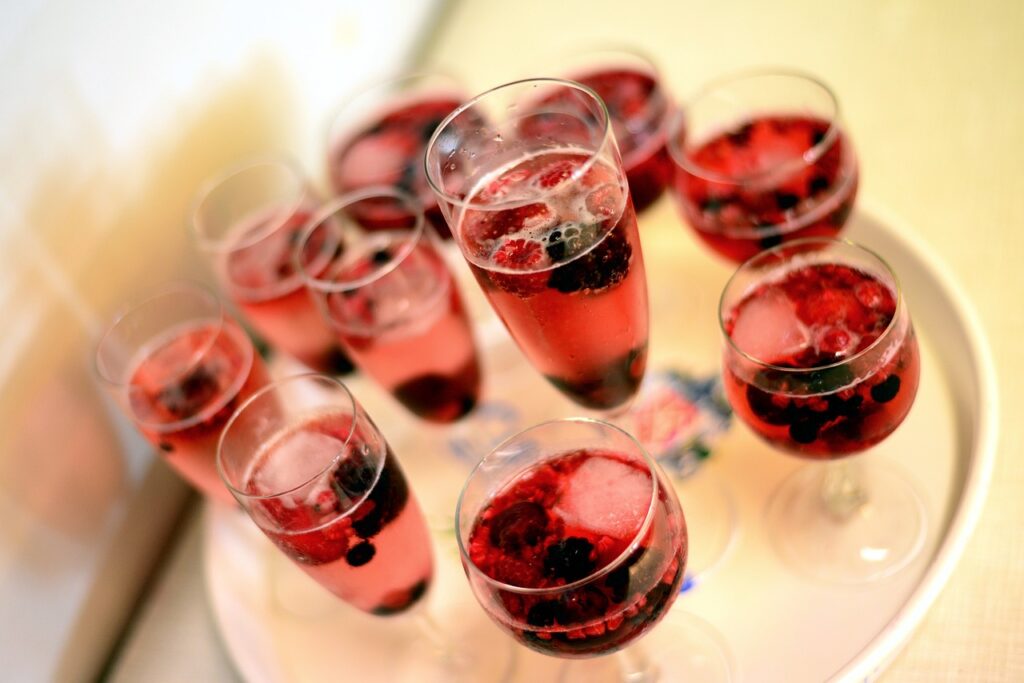
Domaine Rolet is the largest wine estate in Jura and run by the four siblings. Together they sustainably farm prized old vine vineyards in Arbois, Côtes du Jura and L’Étoile. Jura is a primo location with prized limestone and marl soils as well as altitude (average 350m) bringing freshness and minerality to their organically made wines. 🥂 This Crémant du Jura Rosé NV is a blend of 50% Poulsard, 25% Chardonnay, 15% Pinot Noir, 10% Trousseau from 30+ year old vines. They used ambient yeast in the fermentation with a minimum of 24 months on the lees. 🥂This bubbly lively acidic, medium bodied, slightly off-dry bubbly with a stunning creamy salmon pink color. It has flavors and aromas of rich pomegranate, ripe cherry strawberry, blood orange, honeydew melon, lemon, rhubarb, gooseberry, sulfur minerals, cream, yeast and biscuits. 🥂 It is perfect as an apératif, with smoked fish or sushi. I personally paired it with dancing the night away on New Year’s Eve – awesome
Gnocchi With Brown Butter & Sage

2 lb floury potatoes, such as Yukon Gold 2/3 cup/ 100 g Tipo 00 flour , plus extra for dusting 1 stick of unsalted butter (8 tbsp) 1 whole nutmeg, for grating 3-4 sprigs sage leaves salt and pepper Parmesan cheese, grated for serving Use potatoes of a fairly even size, as you’re going to cook them whole. Cook in a large pan of boiling salted water for 20 to 25 minutes, or until tender. Drain and leave until cool enough to handle, then remove the skins. Mash the potatoes using a potato ricer or masher on to a large clean board. Fill a pot with water and add a small handful of salt. Bring to a boil. Sprinkle over the flour, finely grate over half the nutmeg, season well with sea salt and black pepper, then scrunch and push the mixture together with clean hands. Depending on the potatoes, you may need to add a little more flour. Knead on a flour-dusted surface for a few minutes until pliable, then divide into 4 equal pieces and roll each into a sausage about 3/4 inch thick. Slice into 1 1/4 lengths. Now you can gently roll each piece down the back of a fork to create a groove, which will help your sauce to stick, or simply roll into balls. Meanwhile heat the butter in an nonstick skillet on medium-low heat. Melt the butter slowly until it foams and the milky whiteness turns brown and sinks to the bottom of the pan. Add in the sage at the very end, it’ll cook quickly. It’ll take a total of about 5-8 minutes. Set aside when done. Cook in the boiling salted water for 2 to 3 minutes – as soon as they come up to the surface they’re ready. Remove with a slotted spoon into a large serving dish. Toss with the browned butter and sage leaves, top with parmesan cheese and serve. Paired beautifully with a beautiful Swartland, South Africa Chenin Blanc from Vincent Careme. The acidity cut through the richness of the sauce and amplified the gorgeous flavors of the meal.
Banana Spiced Chocolate Chip Muffins
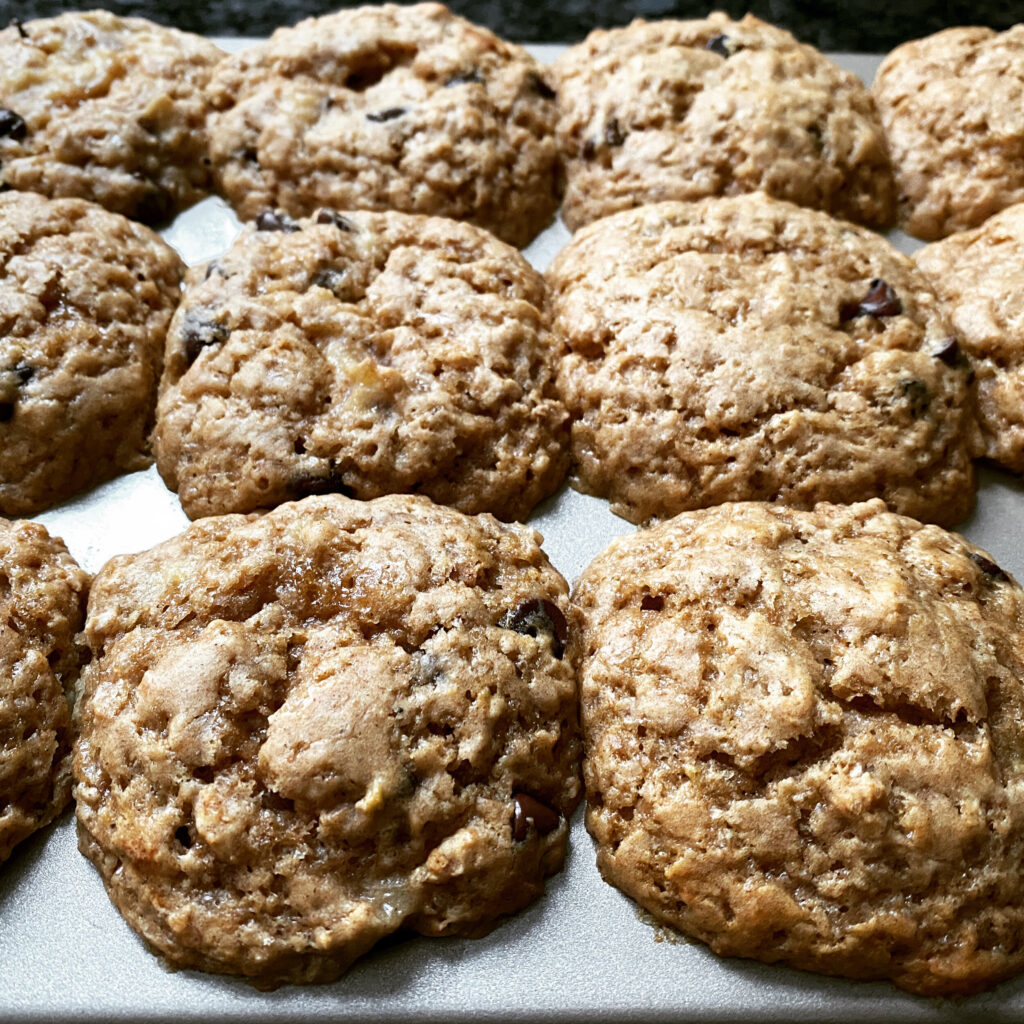
1 1/2 cups all-purpose flour 1 cup whole wheat flour 1 cup packed brown sugar 1 1/2 tsp baking powder 1 tsp baking soda 1/2 tsp sea salt 1 tsp ground cinnamon 2 eggs 1 cup buttermilk 1 cup mashed banana 1/3 cup vegetable oil 1 teaspoon vanilla 3/4 cups chocolate chips In large bowl, whisk together flours, sugar, baking powder, baking soda, salt and cinnamon. In separate bowl, beat eggs; blend in buttermilk, bananas, oil and vanilla. Pour over dry ingredients. Sprinkle with chocolate chips; stir just until dry ingredients are moistened. Spoon into greased or paper-lined muffin cups, filling three-quarters full. Bake in centre of 375°F oven until tops are firm to the touch, 20 to 25 minutes. Let cool in pan on rack for 5 minutes; transfer to rack and let cool. Makes 12 muffins
Champagne Larmandier-Bernier Blanc de Blancs
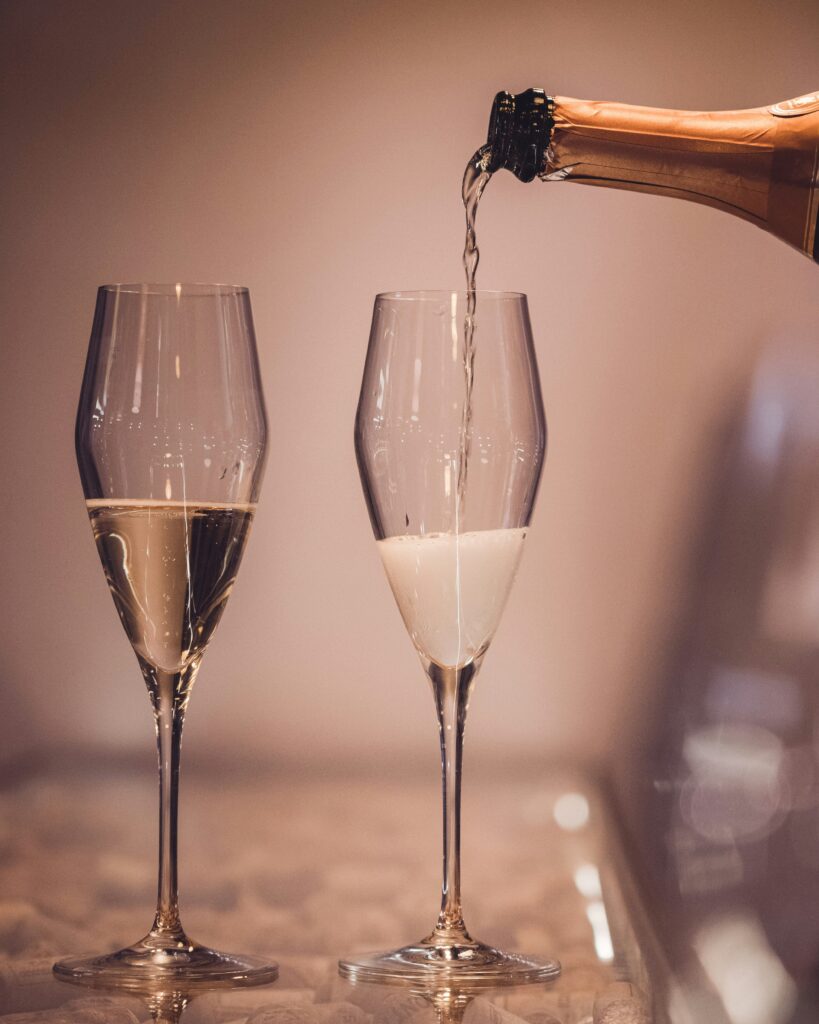
I chilled this incredible growers Champagne Larmandier-Bernier Latitude Blanc de Blanc Extra Brut all afternoon in the ❄️ = time to pop it open and tell you how amazing this wine is. Champagne Larmandier-Bernier are what is called a growers Champagne. That means that they both grow and make their own champagne under their own label. Both the Larmandier and the Bernier families have been involved in winemaking since the French Revolution. The families were joined together in 1971 through the marriage of Philippe Larmandier and Elisabeth Bernier in 1971. The estate is located in the sub-region of Champagne, Côte des Blancs. The estate has been using biodynamic practices for over 20 years. Their old vines/vieilles vignes use zero pesticide, indigenous yeasts and minimum 2 years maturation (with 11 months on the lees) in casks and wooden vats. Their wines are as pure as they can get – no filtering, no fining. Their Champagnes are energy, minerals, fresh and an expression of their terroir. Their wines have little or no dosage. Their Champagnes equate energy, minerals, fresh and an expression of their terroir. Their wines have little or no dosage. The Champagne Larmandier-Bernier Latitude Blanc de Blancs Extra Brut is 100% Chardonnay grapes which all come from the same “Latitude”: the south of Vertus. This non-vintage cuvée contains 40% reserve wines. Each bottle is disgorged by hand 6 months before being marketed. The dosage is only 4 g/l (extra brut!). The win explodes with crisp green apple and pear, tart lemon, peach, blanched almonds, brioche, pastry, biscuit, white blossom and a chalky minerality. Lively high acidity with a creamy mousse, lively bubbles and medium bodied. It’s fresh, elegant and a pleasure to drink. Pair with smoked salmon blinis with chive cream, crostini with whipped cream cheese and caramelized onions, oysters with champagne mignonette or shrimp in garlic cream. Video of chilling Champagne in the snow
Holiday Cookie Wine Pairing
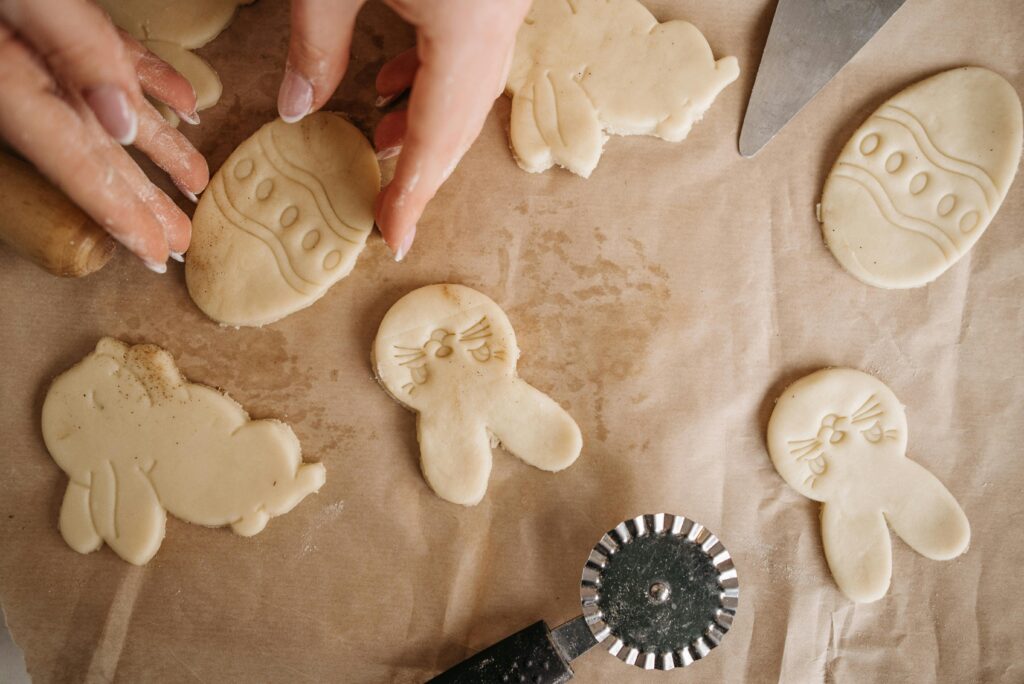
When pairing wine with sweets, there are a few things to consider. As a general rule, the wine should be of equal sweetness of your cookie/dessert Sweet pairs well with salty, spicy and sweet foods Sweet increases the perception of acidity, bitterness of wine and decreases the sweetness, fruit and body of the wine. This means if you were to drink a dry wine with dessert, it will make the wine taste overly tannic, bitter or astringent. Here are a few Holiday Cookie Wine pairings: Chocolate Crinkle Cookies Fortified wines are a classic chocolate pairing – think LBV Port or Banyuls dessert wine. Most people have a Cabernet Sauvignon at home, just be careful that the wine is the same sweetness level as the cookie, it balances the black fruit, vanilla and caramel. White Chocolate Confetti Christmas Cookies Sauternes and Icewine are a wonderful pairing for white chocolate sweetness. Both the chocolate and the wines have a rich mouthfeel and high acid which is why they work so well together. Sugar Cookies Pairing A crisp sparkling wine such as a Brut Champagne or dry Prosecco is light and bubbly which will cut through the creamy, fatty taste of a delicious sugar cookie as well as have textural contrast with the bubbles to cookie. A lighter aromatic wine such as an Albariño, Torrontes, Viognier or Pinot Gris would pair nicely with a sugar cookie. The lighter cookie will be a compliment with a crisp, lively white, the acidity and vanilla of the cookie go nicely with the brown sugar element. Raisin Rugelach Tawny Port is rich in mouthfeel, has the sweetness to hold up to any caramel, baking spice and raisin flavors of this cookie. Shiraz also has dark fruit flavors with a spicy and peppery aftertaste, this is the ultimate “opposites attract” pairing. Gingerbread Cookies The light, fruity flavors of a good off-dry Riesling or a Tokaji dessert wine creates a nice contrast for the bold winter spices spices: cinnamon, cloves, nutmeg and ginger, plus chopped crystallized ginger which enhances the flavors of both cookie and wine. The smooth, slightly oily texture of the wine also contrasts well with the texture of most gingerbreads. Holiday Jam Thumbprint Cookies Pinot Noir is a medium bodied red wine that has tons of red fruit flavors such as raspberry, cranberry, and strawberry so you have some options when baking. The bright, vanilla that come from the oak barrels will complement the not-so-sweet cookie base. This combination is tart and jammy. Shortbread Cookies Chardonnay or Demi-Sec Champagne. The butteriness of the Chardonnay and the acidity, brioche and pastry notes of the Champagne complement as well as highlights the fruitiness of the wine. Eggnog Spritz Cookie Moscato D’Asti Moscato has pronounced peach, orange blossom, fruit cocktail sweetness which will go perfectly with the sweet nutmeg cinnamon and vanilla character of the cookie Dark Chocolate Macadamia Nut Biscotti Vin Santo is a classic Italian cookie pairing. The wine is sweet but still comes off as an acidic dessert wine and easily complements a nutty and crispy biscotti. Let’s not forget Banyuls or LBV Port which are delicious dark chocolate pairings made in heaven. Bourbon Toffee Fleur de Sel Vanilla Fudge Tawny Port is rich in mouthfeel, has the sweetness to hold up to any caramel, baking spice flavors of these sweets. Happy Holidays! Published on The Good Gourmet: Holiday Cookie Pairings
J Wilkes Cabernet Sauvignon 2017
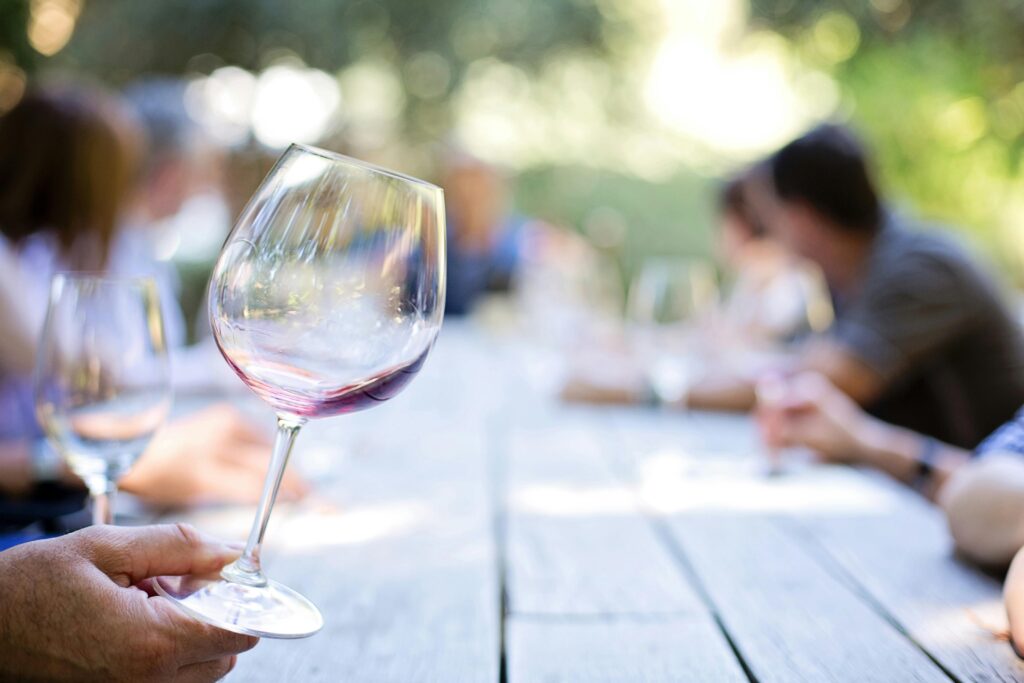
El Paso de Robles (which means Pass of the oak trees) was co-founded by Kentucky outlaws Frank and Jesse James’ uncle Drury around 1869 during the big days gold rush of California. “Paso Robles is still considered by many as the wine industry’s wild west, characterized by that same rule breaking diversity and innovative spirit in which the town was founded.” This AVA is known for big, bold reds. If you are curious, seek out their Cabernet Sauvignon or Bordeaux Blends, Zinfandel, Rhône blends or Italian varietals such as Sangiovese, Nebbiolo and Barbera. All of these thick skinned varieties love the heat, calcareous soils, dryness, elevation and lack of rainfall of this region. These rich, sweet-fruited red wines with a plush mid-palate, high alcohol levels and balanced acidity. The Paso Robles style are richer, fuller and textured ready-drinking Cabernets and Bordeaux blends with flavors of anise, cola, peppercorns, finishing with textured minerality and bright acidity. J Wilkes Cabernet Sauvignon 2017 from Paso Robles – it’s rich, silky and full of soft tannins, flavors of violet, cherry, red plum, red currant, raspberry, dill, smoke, chocolate, vanilla, bramble, licorice and cedar. Pair this wine with sirloin steak tip and zucchini kebabs, grilled lamb burgers or portobello mushroom and sage burgers.
Taylor’s LBV Port
What is LBV Port? LBV is Late Bottle Vintage port that has been aged for 4-6 years before being bottled. Aged in large oak barrels it helps the wines to be approachable and ready to drink upon release to market. Basically the winemakers do all the extra aging and hard work for you so it’s ready to enjoy. Port is made from Touriga Franca, Tinta Roriz, Tinta Barroca, Touriga National and Tinyo Cão black grape varieties that are high in tannin with black fruit and floral qualities. This Taylor Fladgate 2015 LBV is rich with prunes, raisins , vanilla bandied cherry, blackberry ,chocolate ,red plum, raspberry ,violet ,fresh fig ,cinnamon ,nutmeg , pepper and brown sugar . Sweet, rich and well balanced Port. A classic and savory gourmet pairing is Aged Port with Blue Cheese such as Stilton, Roquefort, Gorgonzola and Fourme d’Ambert are the classic, but a well-aged, powerful cheddar can also work well. Sweet pairing – sea salt fudge brownies, raspberry truffles, molten chocolate lava cake or as I paired dark chocolate chip oatmeal cookies.
M. Chapoutier Banyuls Rimage 2017
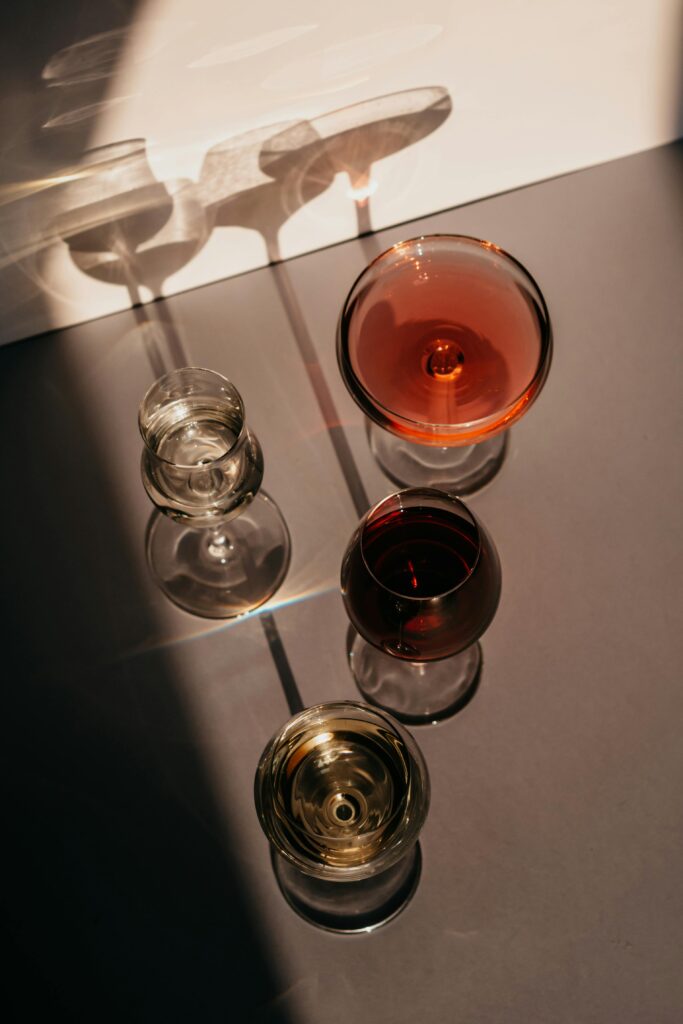
What is Banyuls? Banyuls is a fortified VDN wine (a.k.a Vin Doux Naturel) made primarily of Grenache Noir and/or Grenache Blanc. Grenache Noir is the most common variety in Banyuls and has to be 50% of the blend for red Banyuls (75% for the Grand Cru wines). Generally the vines are old vines, grown on terraced slopes in Roussillon AOC in the South of France that joins Spain. The different wines produced in the region are as follows: Rimage, Traditional, Hors age or Rancio. The Banyuls AOC has strong Tramontane winds, hot Mediterranean sun and relatively low rainfall all contribute to the intensity of the wines. Banyuls wines are made from grapes with higher ripeness and sweetness levels. The reds are fermented and fortified with a neutral spirit while under skin contact which increases the extraction of color, flavor, and tannins. The naturally high levels of grape sugars and fortification of a neutral spirit produces a final alcohol level of minimum 15% abv. The wines are then matured in oak barrels, or outside in glass bottles (Demijohns) exposed to the sun. Post-maturation allows for color and tannin extraction. All Banyuls wines are barrel aged for at least 12 months – 30 months in the case of the Banyuls Grand Cru wines. The Rimage is a wine meant to preserve the fruit and freshness and is bottled 6 to 12 months after harvest then aged. Think of flavors of M. Chapoutier is a leading producer of red, white, rosé, sparkling AND fortified wines in the Languedoc-Roussillon region of France. A producer that he himself grew up amongst the vineyards of the region, continues to create wines that reflect each of the terroirs. M. Chapoutier Banyuls Rimage 2017 Is a deep Ruby color with aromas & flavors of plum jam, red currant, prunes, black cherry, fig compote, violet, rose petals, licorice, mint, chocolate, garigue and leathe . It is medium sweet, medium bodied and alcohol, medium fine-grained tannins and medium acidity. It is a smooth, well integrated and lovely wine. Perfect pairing for dark chocolate – truffles, chocolate mousse tart or double chocolate cupcakes. Savory foods as well such as blue cheese, goat cheese, poached pears with caramel, foie gras, seared duck breast with cherries.
Corn Muffins
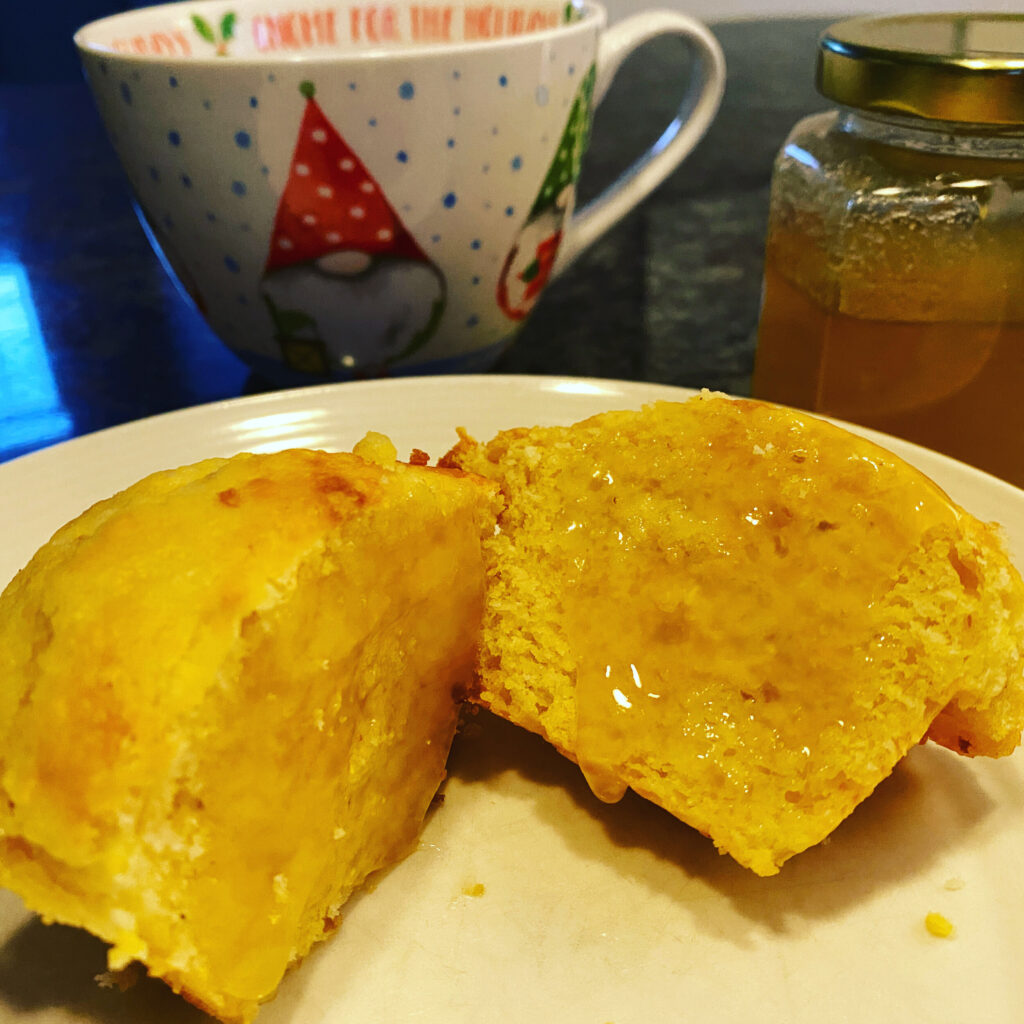
1½ cupsall-purpose flour 1 cup fine-ground, whole-grain yellow cornmeal 1½ tsp baking powder 1 tsp baking soda ½ tsp sea salt ½ cup sugar 2 large eggs ¾ cup sour cream or whole milk greek yogurt 8 tablespoons unsalted butter, melted and cooled ½ cup whole milk Adjust oven rack to middle position and heat oven to 375F degrees. Spray 12-cup muffin tin, including top, with vegetable oil spray. In medium bowl, whisk together flour, cornmeal, baking powder, baking soda, and salt. In large bowl, whisk sugar and eggs until well combined, light-colored, and thick, about 1 minute. Add sour cream, melted butter, and milk and whisk to combine. Add flour mixture and use rubber spatula to gently stir until just combined and no dry flour is visible. Do not overmix.Pour batter into muffin tin cup, using a rubber spatula to scrape batter from measuring cup if needed. Place muffin tin in oven. Bake until muffins are golden brown and toothpick inserted into center of 1 muffin comes out clean, 20 to 25 minutes. Place muffin tin on cooling rack and let muffins cool in muffin tin for 15 minutes. Using your fingertips, gently wiggle muffins to loosen from muffin tin and transfer directly to cooling rack. Let muffins cool for at least 10 minutes before serving. Makes 12 muffins Recipe courtesy of ATK Cookbook