
Canella Lido Prosecco Rosé
Lido Rosé Prosecco = summertime vibes – poolside, beaches, flip flops and bathing suits – la dolce vita. The Canella winery, located in the heart of Conegliano, was founded in 1947 by Luciano Canella. He wanted to create a wine that accompanied his mother’s cooking and their family’s restaurant. Pioneers of Prosecco, the estate is still family run and synonymous with quality Prosecco. Fun fact: This fun label was inspired by the Lido Di Venezia – a beach island off the coast of Venice. Canella Prosecco Rosé “Lido” 2020 Veneto DOC, Italy 🍇 Blend 85% Glera grape and 15% Pinot Noir 🥂 Pours into the glass a pale pink salmon color 🥂 Swirl and aromas of fruity strawberry, cherry, wild raspberries, citrus and white blossom 🥂 Sip and fresh red berries, crisp apple and pear, lemon, blood orange, honeysuckle and minerals, fine dancing bubbles and medium lively acid in this just shy of off-dry bubbly. Poolside, charcuterie or simply enjoying with friends everyone will be happy with this fresh and fruity bubbly. Available locally at @thesyavorygrape
Planeta Sicilia Rosato

The name Planeta doesn’t need an introduction, the name speaks for itself – they are Sicily and Sicily is Planeta. Quality winemaking and terroir driven wines with both indigenous and international grapes. They helped put quality Sicilian wine back on the map. They know what they are doing and do it very well. Planeta Rosé 2020 Sicilia DOC, Italy 🍇 Blend of 50% Nero d’Avola & 50% Syrah Hand harvested and macerated on the skins for a few hours to give it its delicate color. 🍷 Pours into the glass a soft pink salmon color 🍷 Swirl and the aromas of summer red berries, floral hibiscus and rose petals and citrus. 🍷 Sip and boom 💥 welcome to liquid sunshine ladies and gentlemen – crisp lively acidity, a creamy texture and fresh flavors of wild strawberries, raspberries, peach, pear, honeydew melon lemon and lime, floral, saline minerals and savory herbs all wrapped up in a pretty pink bow. Pair with scallop carpaccio, salmon chive tartare, fried zucchini ricotta blossoms, soft cheeses or on its own as apératif.
Corpinnat Sensation Julia Bernet
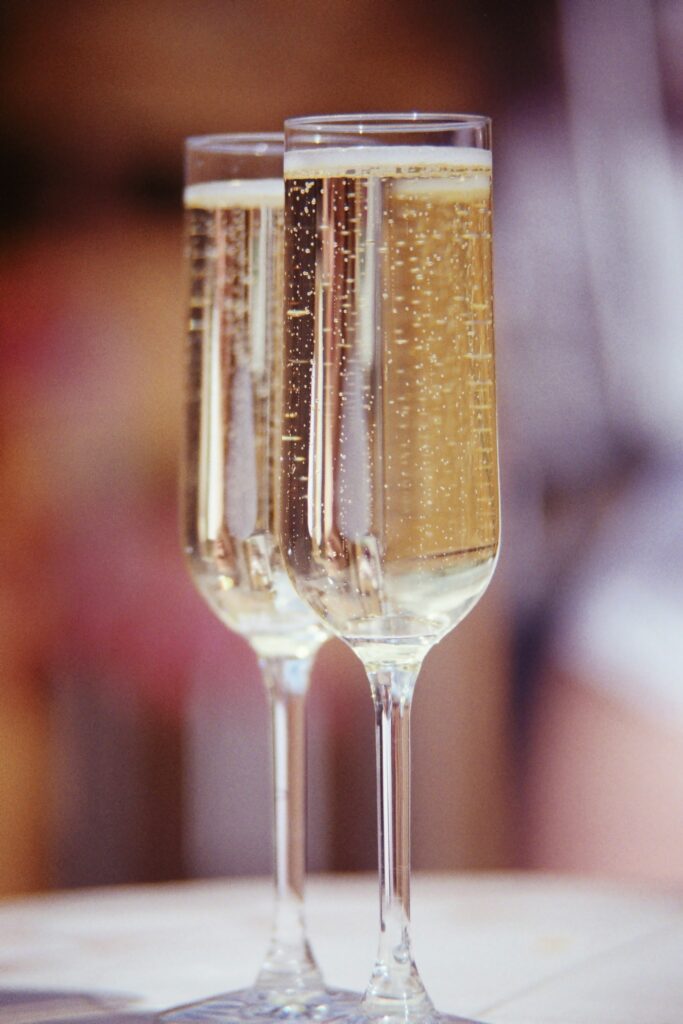
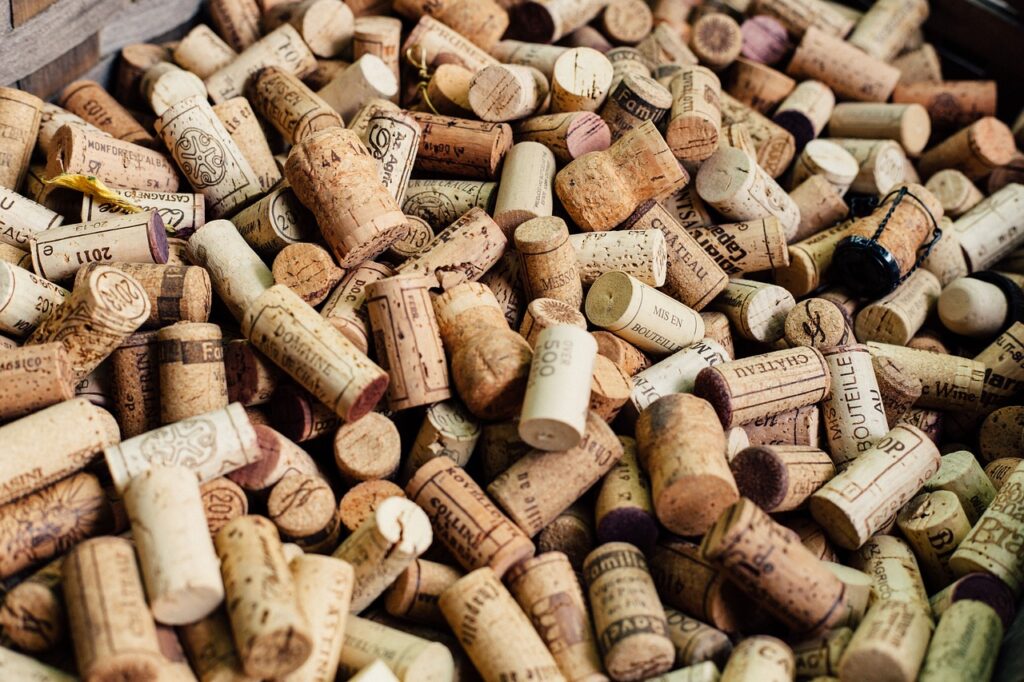
Time for some sparkle and shine from Corpinnat, Penedès, Spain Xavier comes from a long line of fruit and vegetable farmers. His family sold their grapes to a local coop for many years. One day he decided to make his own wine because to him, terroir is everything. A self taught winemaker, he named his 7 hectare winery after his daughter, Julia. In 2003, Xavier started the “Closed Circle” production of sparkling wines (which is printed on the corks) whereby he is involved in the production from start to finish. He oversees every aspect of the wine’s journey, from the grape to the glass. He is among the group of winemakers who left the Cava DO in 2019 to form Corpinnat (see previous post on the rules and regulations). The wines are of exceptionally high quality, terroir driven sparkling wines. All organic, hand harvested, the Xarel-lo is his main grape as it provides structure, power and longevity to the wines. These vines are 400 m altitude limestone soils at the foothills of the d’Ordal mountains. The vines are 50 years old and are hand-harvested. His wines are pure, electric and speak volumes in the glass. Júlia Bernet R130 NV Brut Nature Corpinnat DO, Spain 100% Xarel·lo 36 months aging on the lees with an additional year in bottle before release. Pours in the glass a pale lemon color. Swirl and notes of crisp green apple and pear, lemon curd, vanilla, brioche, yeast dough, honeysuckle and grass tickle the senses. Sip and fresh, creamy bubbles and lively acidity hum along with additional flavors of peach, cherry, freshly baked bread, almonds, gooseberry and grass in this dry, medium bodied bubbly. As mentioned above, it’s pure and elegant with personality. Get out the Spanish cheeses, almonds and charcuterie.
Glou Glou Summer “Orange” Wine
Skin contact wine aka “Orange wine” (that’s the color, not the name) = white grapes undergo skin contact (skins, pips) to make the wine, just like red wines. They come in a wide range of styles and color spectrum from golden-straw yellow to vibrant amber to bright orange. It all depends n the variety, duration of maceration ( weeks to a year), extraction method and vessel type. The wines undergo natural fermentation which is albeit it trendy has been around for thousands of years. The vessel could clay pots (qvuervi, amphorae as examples) ,above or below ground. The longer the skin contact, the more characteristics the wine takes on from the grapes (bigger body and more tannin) while maintaining it’s acidity. Gulp Hablo Orange 2020 Castilla-La Mancha, Spain Blend: Verdejo and Sauvignon Blanc The Parra brothers are first and foremost farmers, who’s love of their terroir is obvious in their care of the vines. The have 2 large vineyards totally about 180 hectares, all organically farmed, certified biodynamic and vegan. The grapes are grown in chalky, clay soils, certified biodynamic and vegan, undergo natural fermentation. Fact: The name Glou Glou is a cheeky French wine descriptive for a chuggable or easy-drinking (hence Gulp). Pours into the glass a light orange haze Swirl and fruity tropical and citrus aromas along with yeast, honey, grass. Sip and the lively wine has pleasant flavors of lemon, grapefruit, pineapple, mango, yeast, honey, grass, saline and finishes on a herbal note. The wine has low tannins with a slight phenolic bite but very subtle, medium acid and body. As the name suggests, it’s a “glou-glou” fun, chuggable wine. Orange wines can pair well with equally bold foods, including stronger cheeses such as Manchego or Blue cheese, a Moroccan fish tagine or Korean grilled chicken.
Rioja Legend Ramon Bilbao
Ramon Bilbao is a pioneer of winemaking in Rioja. He helped bring the DO to it’s estimable status with his ageing techniques with both French and American oak. Established in 1924, the wines were each made with a unique personality and produced in the highest of quality standards. In 1999 the Zamora company took over the estate and has since the expanded the holdings from 2 hectares to 203 in other regions of Spain, including Rias Baixas. Ramón Bilbao Albariño Rías Baixas 2018 Albariño is said by some to be the most food-friendly wine in the world. It’s subtly floral, so alive, so pure and well defined. It’s one of my summer go to white varietals. Pours in the glass a medium lemon gold color Swirl and powerful aromas of lime, fresh pineapple, pear, minerals and orange blossom assaults the senses. Sip and first bam is the acid – you feel it all over your mouth like the shape of a square in it’s cleansing fresh ability. This medium bodied wine has fresh and juicy flavors of green apple, citrus, white flowers, mint. It’s elegant and delicate yet fuller in texture than a typical Albariño from this region. Great with roasted clams with citrus broth, lobster salad and cheese appetizers as seen in the photo .
Argentina Malbec Showdown
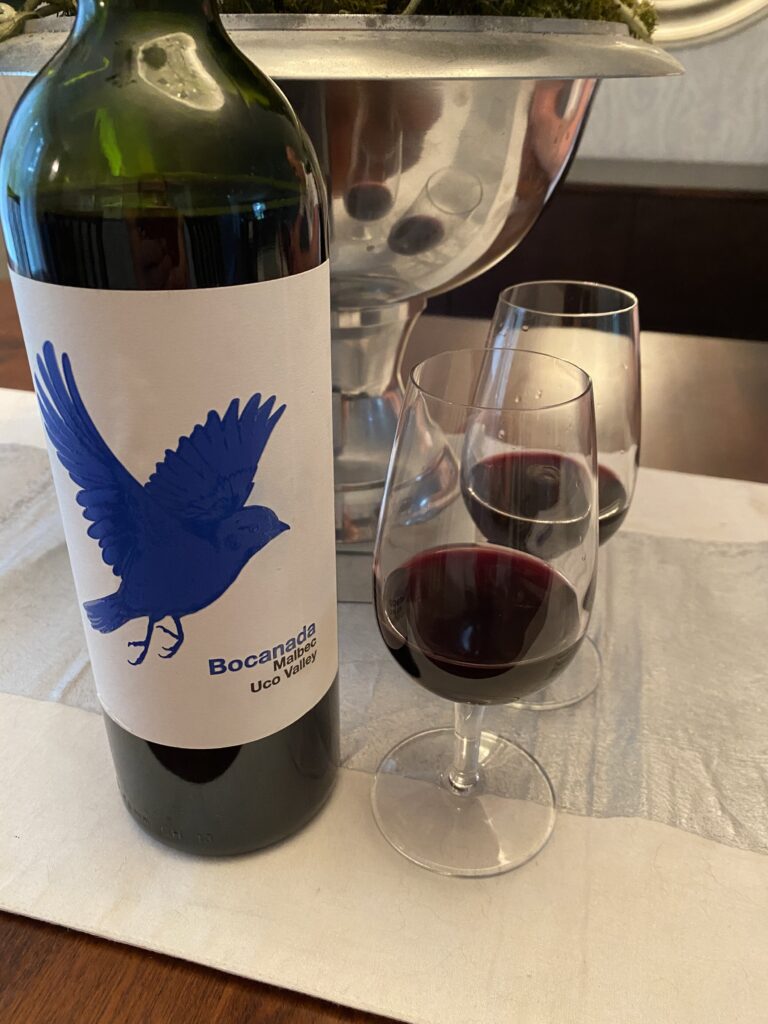
Malbec – born & blender in Bordeaux, bold in Cahors and famed in Argentina. This is no ordinary red grape variety. It’s soft, juicy “damson fruit” (plum species), floral perfume and lovely dark purple are it’s tell tale signs of Malbec. A favorite of warm, dry climates. This grape is skillfully grown in Argentina, it’s the country’s signature red variety. They maximize it’s perfume character and lush structure. Tobacco Leaf, damson, violets, lush fat dark fruit flavor, soothing ripe tannins, loves new oak (but you don’t want to smother it natural deliciousness) Fun fact: First brought to Argentina in 1852 from Bordeaux. Have you ever compared 2 wines so similar on paper except for 1 small yet important detail – ageing. These two wines are from the Barbarians wine group – a group of independent family wineries that focus on hight quality wines from Luján de Cuyo and Valle de Uco, in Mendoza, Argentina. Each family has their own style and mark on the wines, but ultimately they share the same passion for wine and common goals – respect for the terroir, sustainable farming, natural winemaking and support the local community. Both wines from the same region, the same altitude, hand harvested, 100% Malbec, young aged vines HOWEVER one is aged in oak vs. no use of oak. Barbarians Gualta Malbec 2018 Gualtallary D.O., Valle de Uco, Mendoza, Argentina 14% Fun Fact: The name “Barbarians” was inspired by the legendary rugby team (founded in 1890). Pre-fermentation maceration for 10 days, followed by a 15 day fermentation using indigenous yeasts. Pours in the glass a bright ruby purple color Swirl and the sweet, candied red & black are followed by vanilla, sweet tobacco leaf and violets. Sip and the soft medium tannins coat your mouth are balanced with the medium fresh acidity. The fresh, fruity flavors of candied cherry, raspberry, red plum, blackberry, licorice, mint, earth and violets. It starts off sweet and finishes dry on tobacco note. I chilled it just slightly to bring it to proper room temperature. I found on the first sip it was too warm (alcohol) but once chilled the alcohol tasted well integrated with the fruit. This is a fresher, juicer style of Malbec – expect loads of fresh fruits (blackberry, raspberry) & floral, soft ripe tannins and balanced acidity. Bocanada Malbec 2018 Gualtallary D.O., Valle de Uco, Mendoza, Argentina 14% Founded in 2012 by young winemaker Leandro Boullaude, a 5th generation winemaker who’s family moved to Mendoza in 1896 from Veneto. He studied winemaking and viticulture both in Spain and Argentina. Bocanada Wines are known for high quality wines and innovation. They use concrete egg-shaped vessels for the fermentation and aging in order to preserve the powerful terroir and varietal characters. The vines are at an altitude of 1 400m in sandy loam soil. The grapes are manually harvested and undergo a 10 day pre-fermentation maceration, followed by 15 days of fermentation in concrete eggs using ambient yeasts. Once complete, the must is pressed and aged for 12 months in small French oak barrels. Pours into the glass an intensely deep purple ruby color. Swirl and you are hit with intense leather, manure, barnyard, dirt followed by blackberry, plum. Sip and you taste the fruit notes first of tart black plums, ripe black cherry and blackberries, medicinal mint, licorice, red pepper flakes, bramble, cocoa and hums into the sweet tobacco, earthy finish. The high alcohol is well integrated with the fruit, medium acidity and medium soft ripe tannins that lingers in the mouth. A seductive Malbec that has a lot character and charm. Burgers with blue cheese anyone? Bison filet with plum sauce? Roasted duck medallions? Yes to all of the above.
Kuenhof Riesling Kaiton 2019
Kuenhof is one of the best white wine domaines in Northern Italy. Steep, stoney terraced vineyards at an average of 550-700m (1 800-2 300 feet), with the very distinctive schist and quartz soils create electric minerality in their aromatic wines from Riesling, Gruner Veltliner and Sylvaner. The 6 hectares are organically grown and are careful hand selected. Owners Peter and Brigitte Pilger winery has been in the family for over 200 yers, but the farmhouse Kuenhof dates back to the 12th century. It wasn’t until the early 1990’s that the couple decided to make their own wines utilizing biodynamic practices instead of selling to the local coop. Fermented ambient yeasts, stainless steel and a portion of large oak casks, then screw cap (of which the owners are very proud of, as the wines will taste exactly as the winemaker intended. Kuenhof Riesling Kaiton 2019 Südtirol-Alto Adige, Italy 6 000 bottles made Pours in the glass a pale watery lemon color. Swirl and the snappy minerality is followed by aromas of citrus fruits (lime peel), pear & honey. Sip and the true to form zingy acidity hits your first, followed by the fresh flavors of lemon, lime peel, apple, pear, peach, smoke, ginger, white pepper, brioche and finishes on an almost electric mineral note that just lingers for a long time. Clean, brilliantly bright and has loads of electric character and personality. I paired it with grilled lemon zest and chive swordfish kebabs. To be quite honest, this wine was fantastic on it’s and disappeared VERY quickly.
Donnhoff Riesling
Riesling reigns supreme in Germany. Nahe is often forgotten by the better known Mosel and Rheingau regions. The style is similar to Mosel but does not have as much edgey tension as Mosel and is fuller in body. It’s acidity is the backbone of the wine, it’s Riesling’s calling card that always says “Hey, look at me.” Donnhoffs came to the Nahe region about 200 years ago. They have some of the best vineyards in the region and throughout the Grand Crus of Germany. Certified organic & sustainable, these vines grow in stony, volcanic soils with a mix of slate and quartzite. Grapes are hand harvested after 2-3 passes through the vineyard. To preserve laser-like focus and clarity in the wines, the grapes are pressed almost immediately and fermented in a combination of stainless steel & traditional German casks. Dönnhoff Riesling Trocken 2020 Nahe, Germany Pours in the glass a watery pale lemon color Swirl and the mineral purity jumps out at you along with citrus peel, tropical and honeyed notes. Sip and dry (borderline off-dry) with prickly yet refined acid, medium body and bright flavors of lemon peel, grapefruit, pear, honey, pineapple, honeydew melon, peach, honeysuckle and finishes on a light petroleum minerality. It’s clear, crisp and a senses stimulator. Paired with a cheese and charcuterie board from Block & Bottle: Manchego Cheese, Creamy Blue Cheese & Bresola – the just shy of off dry sweetness level & higher acid of the wine created a WOW factor with this board.
Sancerre and Seafood
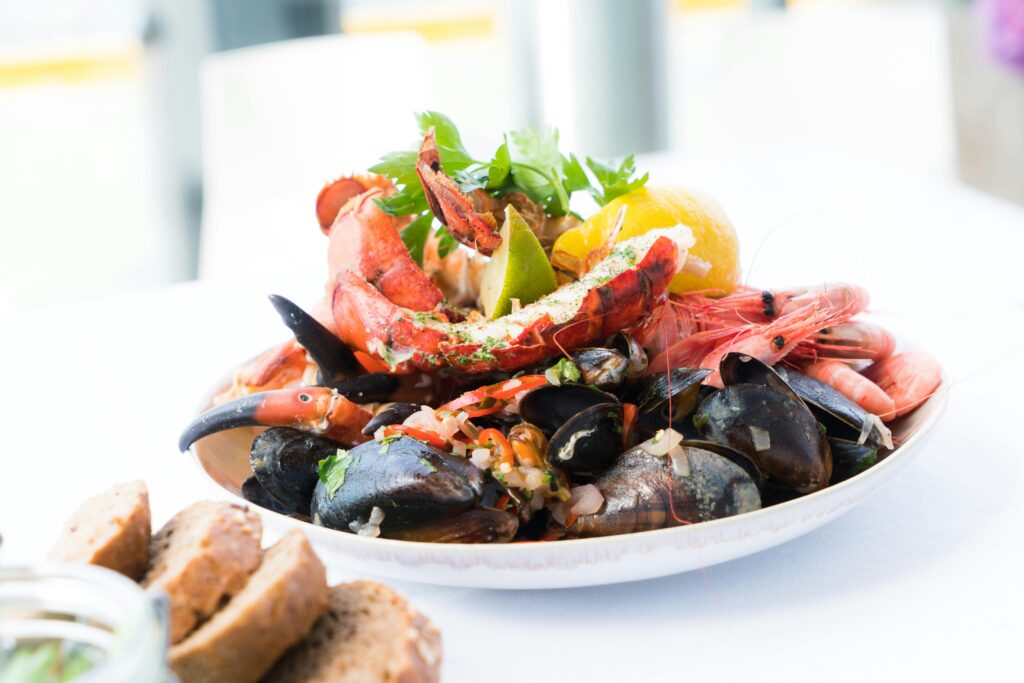
Sancerre is famous for it’s racy, citrus and flinty Sauvignon Blanc thanks to the chalk, limestone-gravel and flint (silex) soils. white, bracingly acidic, and has pungent aromas of gooseberries, grass, nettles, and a hint of stony minerality. Michel Thomas & Fils Sancerre Le Chant du Merle 2020 Sancerre, Loire Valley, France A perfect pairing for all kinds of seafood: 🦞 Lobster Blue Corn Fritters 🦞 Mystic Oysters 🦞 Seafood A La Parilla- wood grilled whole rock crab, ½ lobster, colossal shrimp, little neck clams, oysters, mussels, street corn, smoked red chili bourbon butter, mango habanero aioli. Swirl and fresh cut grass, gooseberry, pink grapefruit, citrus, green fruits and minerality envelops the senses. Sip and the zippy acidity just cuts through the richness of the briney seafood. Well balanced in its intensity and flavors of grass, lemon and lime, crisp pear and green apple, gooseberry and hay as well as flinty minerality. It’s elegant, fresh and so moorish.
Prinicipiano Alta Langa Leonardo Extra Brut 2016
Bubbles and summer sipping poolside – care to join me? 🇮🇹 Alta Langa DOCG, located in Piedmont, Northern Italy produces beautiful Italian Sparkling wines made in the Metodo Classico (traditional method) – be it white or rosé from Pinot Noir and Chardonnay. It can be either 100% of either varietal or a blend. The style can range from brut nature to extra dry. It has to be aged for a minimum of 30 months on the lees. The altitude of the region along with cooler temperatures come into play to contribute to the linear, lively acidity and expressive sparkling. 🥂Ferdinando Principiano Alta Langa Leonardo Extra Brut 2016 Alta Langa, Piedmont, Italy 🇮🇹 Ferdinando Principiano is a young winemaker who inherited the family’s estate. In a short period of time, he turned it all around to be all natural winemaking & biodiversity, focused on high quality, terroir driven wines that speak to the tradition of the region. He produces phenomenal reds as well as sparkling wine. These vineyards are located at an altitude of about 750 meters (2,470 feet). This particular Extra Brut sparkling is produced according to the SoloUva method (without added sugars to promote second fermentation). 🍇 Blend of 60% Pinot Noir, 40% Chardonnay ➡️Minimum 42 months lees ageing 🥂5 000 bottles produced 🥂Pours in the glass a pale lemon color 🥂Sip and you are met with a bouquet of citrus, floral, flinty minerality, ripe green apples with crispy toast. 🥂Sip and the subtle sweetness dances along with the fine, persistent bubbles. The energetic acidity compliments the fine, persistent bubbles. It has a fresh edge to it of crisp green apple, lemon curd, tart cherry, honeysuckle, smoke, golden toast, pastry, honey that gracefully finishes on almonds and flinty minerality that just lingers and lingers. It’s freshly feminine in it’s expressive minerality, pure fruit and an energetic vibrance. Paired with my version of a Seafood Board – tarragon tuna rillette, citrus poached shrimp and local smoked peppered salmon. Perfection 🥂