
Harmony In Numbers Of Louis de Grenelle Saumur Cuvée Maître de Chai Guillaume Poitevin 3/7.7.4
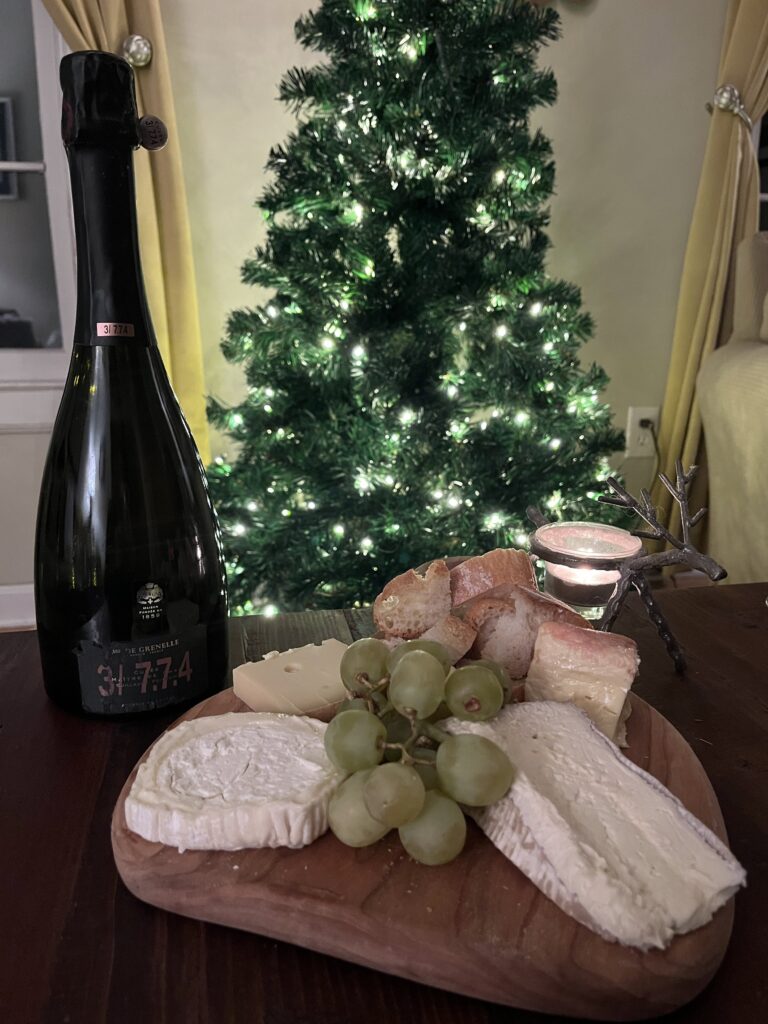
Numbers, like notes in a symphony, harmonize to create the beautiful tapestry of the cosmos. Louis de Grenelle Saumur Cuvée Maître de Chai Guillaume Poitevin 3/7.7.4 Brut Nature In 2023, I had the pleasure of visiting Louis de Grenelle, where I connected with their head cellar master, Guillaume Poitevin, over our shared passion for numbers. He enthusiastically presented his latest and most cherished cuvée, aptly named 3/7.7.4. Guillaume described his goal to create a harmoniously balanced traditional method sparkling wine that captures the essence of the Saumur terroir and the house itself. This cuvée is crafted from a blend of three grape varieties: 7 parts of Pinot Noir (39%), 7 parts of Cabernet Franc (39%), and 4 parts of Pineau d’Aunis (22%) from the 2013 vintage. The wine underwent fermentation in stainless steel and was aged for 8 ½ years sur lie, before being disgorged in October 2022 with zero dosage. As Guillaume explained, measuring in specific parts ensures greater consistency, a concise formula, and ultimately, balance. The Pinot Noir adds depth and austerity; Cabernet Franc provides roundness and a fresh, light touch from the Loire Valley, while Pineau d’Aunis enhances the salty minerality that leaves you wanting more. Guillaume takes a scientific approach to winemaking, and his dedication and attention to detail contribute to the balance of this cuvée. Thus, 3 + 7 + 7 + 4 = 21 represents the perfect balance. I have been patiently awaiting the right moment to share this treasure of a bottle with my dear friend and cheese shop owner of The Cheese Shop of Centrebrook in Centrebrook, CT. Pours into the glass a radiant pale gold hue, shimmering like morning sunlight filtering through a tranquil vineyard. The bubbles are fine and persistent, cascading elegantly, beckoning you to take a sip. The bouquet is absolutely captivating. Tart cherries and raspberries and ripe pear kick off the experience, entwined with vibrant citrus notes of lemon and grapefruit that evoke a sense of freshness and vitality. Deeper swirl exploration unveils hints of feminine rose petals and acacia along with vanilla cream that add nuance and elegance. There’s a subtle saline minerality that speaks of the vineyard’s limestone soils. As it breathes, layers of fresh-baked brioche, dried peach, bay leaf and toasty almond nougat emerge, hinting at the care and craftsmanship behind its production. That first sip, there are no words for that first sip except WOW. A delightful interplay of energy and sophistication. It unfolds with an exhilarating burst of flavors, echoing the fruity notes sensed on the nose. The crisp acidity is invigorating, lifting the essence of the fruit while maintaining a beautifully rounded mouthfeel. The oyster liqueur minerality shines through, providing a distinct character and unctuous mouthfeel. A gentle berry creaminess from the fine mousse caresses the palate, leading into a refreshing finish that lingers with light notes of pastry cream, citrus zest, smoke, anise, sweet brioche and a delicate nuttiness. I never tasted a Blanc de Noirs with such elegance and lightness, yet depth and muscular complexity. It is truly a yin and yang of the Blanc de Noirs world. Every sip tells a story of dedication, balance, and mastery—an exquisite expression of meticulous craftsmanship and a true representation of the Saumur terroir. This refined sparkling wine is a handsome cuvée from a true artist of the craft. A duo of decadence paired with caviar from and a variety of cheeses The Cheese Shop of Centrebrook. However I have no doubt oysters would pair beautifully with this sparkling. The caviar and a Blanc de Noirs Blanc de Noirs depth complements the briny, umami flavors of caviar beautifully, enhancing the overall tasting experience. The Brut Nature’s dry, crisp character as well as fruitiness contrasts nicely with the saltiness the cheeses as well as cuts through the fat, allowing the delicate flavors of both to shine. Dèlice de Bourgogne- Burgundy France – triple crème cow’s milk Hoch Ybrig – Kussnacho, Switzerland. Raw cow’s milk , cider washed rind Bûcheron – Lorie Valley, France – soft ripened goat’s milk Foxglove – Tulip Tree creamery – Indiana , double cream washed rind, funk , cross between epoisse and teligio. Just as numbers converge to create a symphony, each component of this cuvée beautifully complements the others, resulting in a wine that captivates the senses and embodies the spirit of its terroir. The 3/7.7.4 is not merely a bottle; it is an invitation to celebrate the beauty of numbers and the art of living—one sip at a time. Link to my Instagram reel Beauty In Numbers
Fizz the Season!
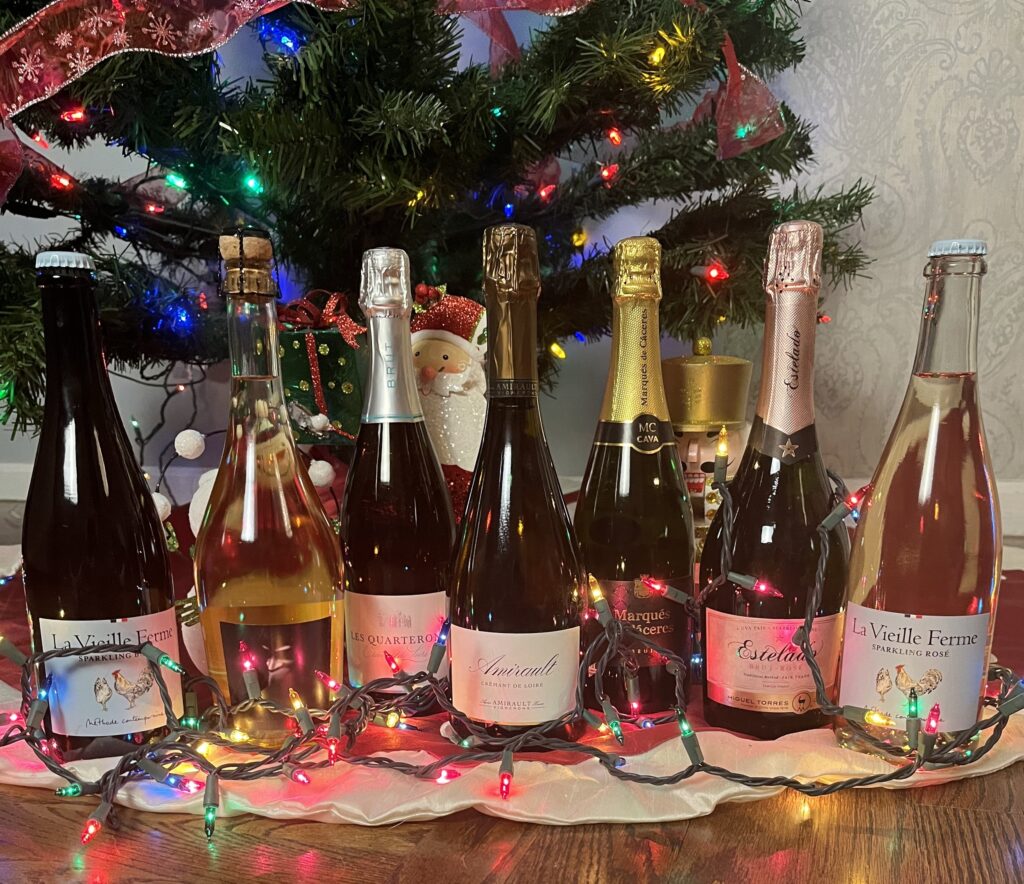
Just like the twinkling lights on a Christmas tree, the world of sparkling wine is a dazzling display of colors and flavors. From blushing pink to crisp white and deep ruby red, there’s a bubbly bottle for everyone! Whether you’re looking for a fun and fizzy party popper or a complex, elegant sip, you’ll find the perfect sparkler to brighten your holiday table. Let’s travel the globe to France, Argentina, Spain and Chile to discover a few crowd-pleasing fizzies that are sure to make your holiday season extra bright! Alma Negra Rosé Sparkling Brut Nature: An Argentinian salmon-hued sparkler boasts a delicate mousse with aromas of red berries, citrus zest, and a hint of yeasty brioche. The palate is crisp and refreshing, with flavors of strawberry, raspberry, and a touch of spice. The finish is clean and lingers with a subtle mineral note. This wine is a versatile choice, perfect for aperitif or pairing with light appetizers and seafood dishes. Domaine Xavier & Agnès Amirault Crémant de Loire Amirault: This organic and biodynamic Crémant de Loire is a light and refreshing wine with aromas of apple, pear acacia, and a subtle chalky mineral note. On the palate, it’s lively and fresh attack with fine bubbles and flavors of green apple, lemon, and a balanced acidity. The finish is long and elegant with notes of brioche and almond. The wine’s organic and biodynamic production adds to its complexity and depth. Domaine Xavier & Agnès Amirault Crémant de Loire Les Quarterons: A light yellow wine with a youthful appearance. It has a complex aroma with notes of white fruits, acacia, honeysuckle, almonds, brioche, and candied citrus. The taste is bright and fresh with fine persistent bubbles. Flavors of white fruits and a mineral undertone. The finish is long and elegant, with a hint of toasted almonds. La Vieille Ferme Sparkling Rosé is a Southern Rhône refreshing and approachable sparkler. Delicate aromas of strawberry, raspberry, and rose petal lead to a lively palate with flavors of red berries and citrus. Fine bubbles and a crisp, clean finish make this a perfect choice for an aperitif or light appetizers. La Vieille Ferme Sparkling White is a delightful sparkler that offers excellent value. It showcases a bright, lemon-yellow hue with fine, persistent bubbles. The nose is inviting, with delicate floral aromas and hints of citrus. On the palate, the wine is crisp and refreshing, with flavors of white peach, pear, and a touch of brioche. The finish is clean and satisfying, leaving a lingering impression of citrus zest. This versatile wine is perfect for any occasion, whether as an aperitif or paired with light appetizers. Marqués de Cáceres Brut Cava from Penedès, Spain is a delightful sparkler with a pale straw color and fine, persistent bubbles. The nose offers bright aromas of green apple, lemon zest, and subtle floral notes. On the palate, it’s crisp and refreshing with flavors of citrus fruits, a touch of brioche, and a clean, balanced finish. A perfect aperitif or celebratory wine. Estelado Brut Rosé País from Chile is a delightful surprise. Pretty pink in color with fine, persistent bubbles, it offers a delicate nose of red berries, cherry and citrus fruits and a touch of spice. The palate is fresh, lively, and showcases the unique character of the ancestral País grape. So, as the holiday season approaches, raise a glass to the wonderful world of sparkling wine. With so many delicious options to choose from, there’s truly a bubbly bottle for everyone. Whether you’re hosting a festive gathering or simply enjoying a quiet evening, a glass of sparkling wine is the perfect way to celebrate. So, let’s fizz the season and make this holiday one to remember!
Pop For Bellissima
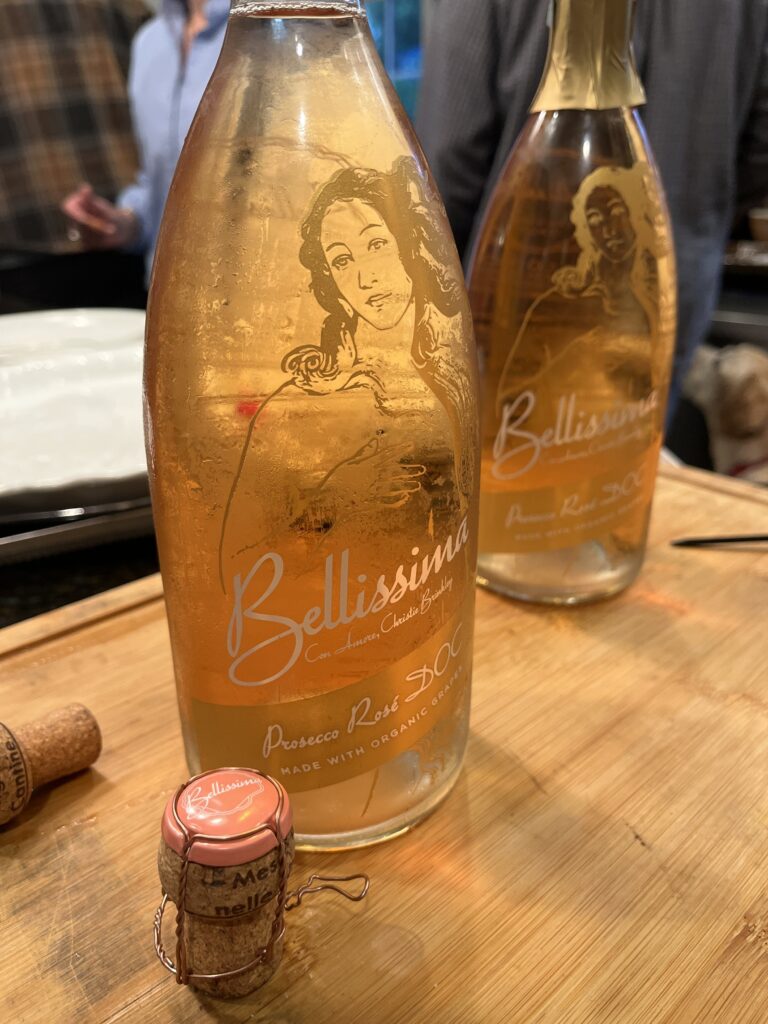
A touch of pink makes everything better. Bellissima is an Italian word that means “very beautiful”, inspired by the supermodel founder Christie Brinkley to the feminine curves of this bottle, the name represents everything that this sparkling represents Inspired by supermodel founder Christie Brinkley, “Bellissima” — the Italian word for “very beautiful” — embodies the elegance and allure of this sparkling wine. Its name and label are a testament to its beauty, just like the bottle’s feminine curves. Bellissima Prosecco Rosé DOC is a Brut Millesimato Sparkling Wine made from organic 90% Glera and 10% Pinot Noir. The grapes are vinified separately, then assembled before the secondary fermentation with the Martinotti/ Charmat Method for 60 days. Like its founder, Bellissima believes in the power of beauty and compassion. Committed to creating organic, vegan wines that are gentle on the Earth and delicious in taste. In 2021, we partnered with One Tree Planted to plant trees in California. And in 2023, we’re proud to support Tamerlaine Sanctuary, a refuge for animals in need. With every sip of Bellissima, you’re not just enjoying a fine sparkler; you’re contributing to a better world. Pop! This fizzy darling is a true charmer. Its delicate coral pink hue is as inviting as a winter sunset. As you lift your glass, a delightful aroma of ripe strawberries and raspberries followed by apple and pear with juicy citrus wafts up to greet you with a white blossom undertone. Take a sip and the effervescence lifts the flavors – a harmonious blend of sweet and tart, with a crisp and refreshing finish. It’s like a party in your mouth, perfect for any holiday celebration. This Prosecco Rosé is a versatile wine that’s always a crowd-pleaser. Pair with a fully loaded antipasti platter as we did, a blood orange cream Pavlova, or a strawberry goat cheese salad. A big thank you to Bellissima for adding a little rosé sparkle to our holiday table.
The Journey of Women in Wine: A Conversation with Silvina van Houten from Tilia Wines
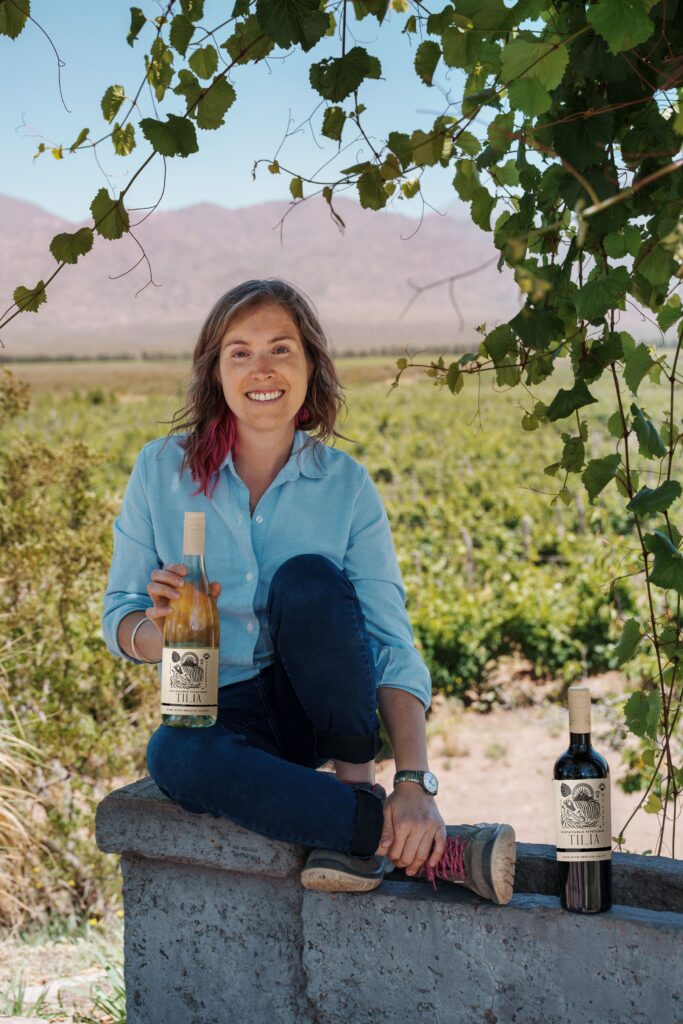
In a recent engaging conversation with Silvina van Houten, Sustainability Specialist of Tilia Wines, a pioneering figure in the world of wine, we explored her unique journey as both a woman and a sustainability specialist in the wine industry. Tilia Wines stands out not just for its quality but also for its commitment to environmentally conscious practices. As of the 2023 vintage, Tilia is now certified organic, further solidifying its role as a leader in sustainability within Argentina’s wine sector. Silvina’s connection to nature began early in Argentina, influenced by a family background steeped in agronomy. Both her father and sister are agronomists, fostering an environment of curiosity about plants and ecosystems. Her academic journey in agronomy led her to participate in various research projects, focusing on sustainable practices in winemaking. Her time in France deepened her understanding of these principles, reinforcing her belief in the importance of sustainability in both the vineyard and winemaking processes. With the increasing importance of sustainability over the last decade, Silvina has embraced this philosophy wholeheartedly. Upon returning to Argentina, she implemented various initiatives at Tilia Wines, starting with water conservation—a crucial factor given Mendoza’s arid climate. She and her team have worked to optimize irrigation systems, ensuring they use water efficiently and judiciously. Biodiversity also plays a significant role in her sustainability efforts. By planting native trees and maintaining the ecosystem, Silvina enhances the agricultural environment for both the vines and local wildlife. The introduction of bees to the vineyard is a testament to this biodiversity initiative, providing essential pollination for the grapes while fostering a healthy ecosystem. Silvina emphasizes that sustainability goes beyond environmental practices; it involves the community and all the individuals working in the vineyards. At Tilia, there’s a concerted effort to include local workers in these sustainability projects, ensuring that their knowledge and practices are respected and valued. By fostering a collaborative atmosphere, they aim to preserve not just nature but also the rich culture and traditions associated with winemaking in Argentina. Collaboration is a cornerstone of Silvina’s approach. Working closely with Gonzalo Llensa, the winemaker, she ensures that both the agricultural and vinification processes are aligned. Like the bees, they work closely together as a team. They regularly engage in discussions about innovative practices and improvements, understanding that a successful wine is the result of harmonizing efforts from both the vineyard to the winery. Looking ahead, Silvina believes in the necessity of research and adaptation. By observing their vineyards closely, they understand which practices yield the best results in each unique environment. Silvina’s dedication to ongoing education and collaboration with other experts reflects a commitment to continuous improvement within the industry. Her key piece of advice for aspiring sustainability specialists is to be patient. Science is a process that takes time, often involving trial and error. While some approaches may work, others might not. However, it’s important to remember that each experience provides valuable insights about what works best with nature. We delved into the artistry and meaning behind a captivating label that, like many others, tells a story and has captured the attention of many. “We wanted to create something that goes beyond aesthetics to convey a deeper message. Initially, we featured a Linden tree on the label, but we realized it was essential to emphasize our commitment to sustainability even more. It can be challenging to communicate sustainability to consumers, so we aimed to include meaningful symbols,” Silvina explained. The mountains and flowing rivers depicted on the label represent the vital water sourced from the Andes, crucial for the survival of their vines. Without this natural resource, their viticulture efforts simply wouldn’t thrive. Bees and leaves were also included, symbolizing biodiversity and resilience, reminding us of the rich ecological network necessary to sustain their work. Additionally, a hand is featured, representing unity and collaboration—signifying that together, we are stronger, and that working as a community is essential in the pursuit of sustainability. Ultimately, the label tells a compelling story of environmental stewardship and community effort, inspiring others to join in creating a brighter, more sustainable future. Silvina shared a surprising detail that many people might not know about her: she enjoys doing silk acrobatics. She finds it incredibly freeing, comparing the experience to flying like a bird. She explained with a laugh “it is a fantastic physical outlet, allowing you to discover muscles you never knew you had.” Silvina’s journey highlights the vital role women play in transforming the wine industry through sustainability. With Tilia Wines setting an example, there is a growing expectation for more wineries to adopt similar practices. The integration of environmental consciousness with traditional winemaking not only enhances the quality and authenticity of the wine but also ensures a better future for the planet and future generations. Her story serves as an inspiration for aspiring sustainability specialists and advocates for a more integrated and nature-respecting approach within the wine sector.
Taboadella – A Gem From The Dão Region
Tucked away in the picturesque Dão region of Portugal, Taboadella is not just a winery; it’s a journey through time and tradition, where the art of winemaking has flourished since Roman times. This historic estate, expertly stewarded by the Amorim family since the 19th century, sits majestically in the Serra da Estrela mountains, encompassing 40 hectares of high-altitude vineyards that benefit from granitic soils. These conditions impart a distinctive minerality to their remarkable wines, each bottle vividly expressing the essence of its unique terroir. At Taboadella, a commitment to craftsmanship shines through. The winery focuses on indigenous grape varieties such as Encruzado, Touriga Nacional, and Jaen, blending time-honored techniques with modern innovations to create wines that are elegance personified—complex yet refreshing, reflecting the multifaceted nature of the land. In this pursuit, sustainability is paramount; the team honors both the environment and the heritage of the estate, ensuring the preservation of its breathtaking landscape for generations to come. The winery itself stands as a testament to contemporary architecture, designed by Carlos Castanheira to harmonize seamlessly with its natural surroundings. Beyond the vineyard, Taboadella offers immersive wine tourism experiences, inviting visitors to wander through the vines, unravel the mysteries of the winemaking process, and indulge in the exquisite wines that emerge from this remarkable estate. One of their standout creations is the Taboadella Reserva Encruzado 2023, crafted entirely from the native Encruzado grape. This wine is a symphony of aging techniques—40% rests in used 500-liter French oak barrels, another 40% ages in cutting-edge cement Tulipe tanks, and the remaining 20% in stainless steel tanks, all for a period of seven months. In the glass, it reveals a brilliant, clear pale lemon hue with a hint of green. The nose bouquet of intense citrus fragrances—zesty lemon and grapefruit, intermingled with fresh green apple and white peach. As you swirl, delicate notes of honeysuckle and jasmine emerge, intertwined with a subtle minerality reminiscent of wet stone, while a whisper of thyme adds a savory depth. On tasting, the Taboadella Reserva Encruzado is a refreshing delight. Its vibrant acidity invigorates the palate, and a silky texture with a rounded mouthfeel exudes youthful exuberance. The citrus notes from the aroma resound on the palate, complemented by a core of ripe pear and a gentle salinity that accentuates the minerality. The finish is long and persistent, where cascading citrus and mineral notes linger enchantingly, underscored by a hint of subtle bitterness that invites curiosity and contemplation. With each sip, this wine expresses the rich character of the Dão region and celebrates the versatility of the Encruzado grape, elegantly balancing vibrant acidity with a luxurious texture and a complex aromatic profile. Taboadella’s wine is truly a captivating experience, a testament to the artistry and heritage of Portuguese winemaking.
Capture My Soul Carmenère
Clos de Luz is a boutique winery located in the the subregion of Almahue Valley in Cachapoal Valley of Chile, renowned for its organic and sustainable winemaking practices. Established with a commitment to producing high-quality wines that express the unique mountainous, cool climate terroir of the region, The winery combines traditional techniques with modern innovations, resulting in meticulously crafted wines that reflect the essence of the Chilean landscape. Their emphasis on environmental sustainability and biodiversity makes Clos de Luz a standout in the Chilean wine scene, appealing to both wine enthusiasts and conscious consumers Clos de Luz Carmenère Massal 1945 – 2019 As the name of the wine indicates their vines date back to 1945 and amongst the oldest vines in Chile. They follow massal selection, none of their vines are grafted or cloned. A style of wine from grapes grown in the cool, mountainous climate of the region, this exquisite blend, primarily Carmenère (92%) with a touch of Syrah (8%) to add structure and acidity, undergoes a meticulous 12-month aging process in fine French oak barrels. Deep inky hued rim offers captivating tapestry of aromas, with ripe black plum, dark raspberry and blackberry taking center stage. A subtle undercurrent of dried herbs and a whisper of bell pepper arrive. As the wine breathes, the complexity deepens with earth, cocoa, tobacco and vanilla leave their trail in the aroma wake. Prepare yourself for a full bodied experience…. the wine is rich and velvety, with plush slightly chalky tannins that cradle the fruit flavors. A lingering finish showcases notes of dark chocolate, green peppercorns and paprika, leaving a lasting impression. This elegant expression of Carmenère is a testament to the grape’s unique character and the winemaker’s artistry. The wine’s structure is impeccable, with a balanced interplay of acidity and tannins that ensures a long, satisfying finish. Don’t hesitate, pair this beautiful red with a cheddar topped bison burger or a lamb root vegetable stew.
Raw & Natural
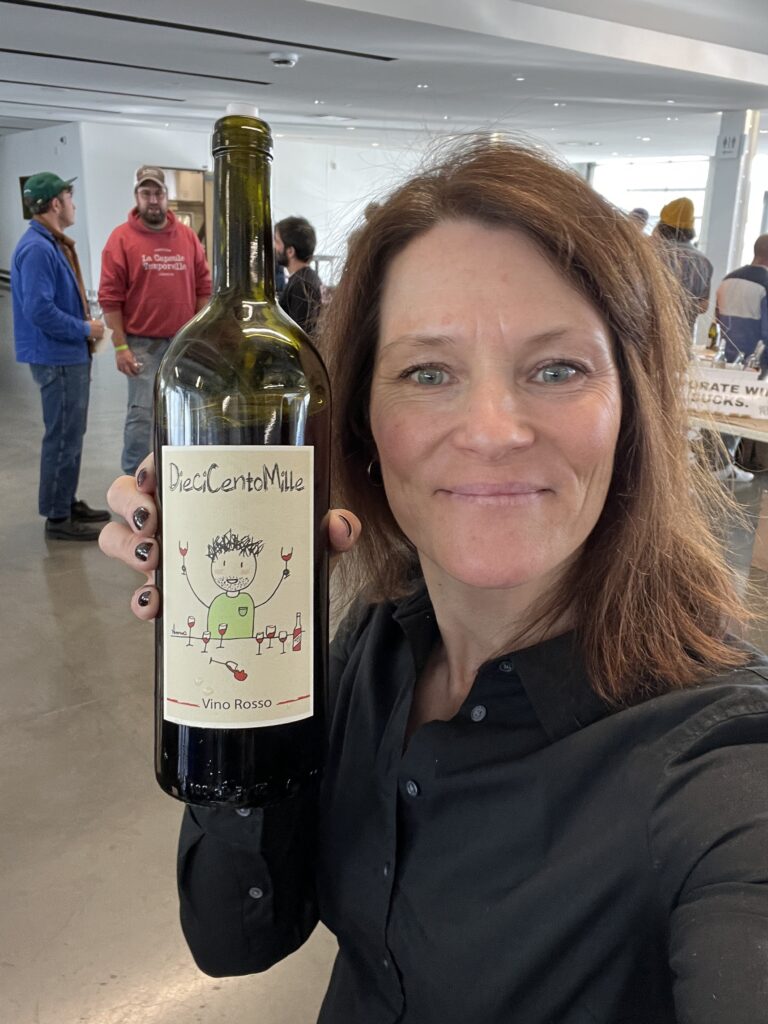
As nature intended with Raw Wines. Raw Wine event took place in the Old Port of Montreal on November 16-17, a celebration of natural, organic, biodynamic, and vegan wines. Founded in 2011 by Isabelle Legeron MW who is strong advocate and passionate about sustainable and low-intervention winemaking. It is an occasion to immerse yourself in the world of natural winemaking from around the globe. A lively atmosphere full of unique wines waiting to be discovered and adored. Meeting the legendary Mathieu Lapierre of Domaine Lapierre whom I admire greatly was a thrill. I was ecstatic to finally meet Stefano of Morra Gabriele, my favorite Barbaresco winemakers, in-person. And to top it off, I tasted and learned about Sébastien David’s latest venture with Georgian cuvées as well as his delightful Loire Cabernet Franc wines.. I discovered three incredible Italian wineries- Alessandra of Monte Dall’Ora (simply mesmerizing), Terre di Pietra (supremely elegant) by the next-generation daughter Ana of the family wine business, both from from Valpolicella and Marta Valpiani (pure finesse) from Emilia-Romagna. What incredible discoveries from these women in wine. So many great discoveries from Marla Tindo (Slovakia), Champagne André Belfort (France), Fora Wines (Italy), Goyo Garcia Viadero (Spain), Krasna Hora (Czech Republic), Domaine Changelle, Domaine Sérol, Clos du Moulin aux Moines, Was del Périé (France), It was so nice to connect with these winemakers. I look forward to our paths crossing when I visit one day soon. Watch the full reel on Instagram Raw & Natural
A Spanish Feast For The Senses
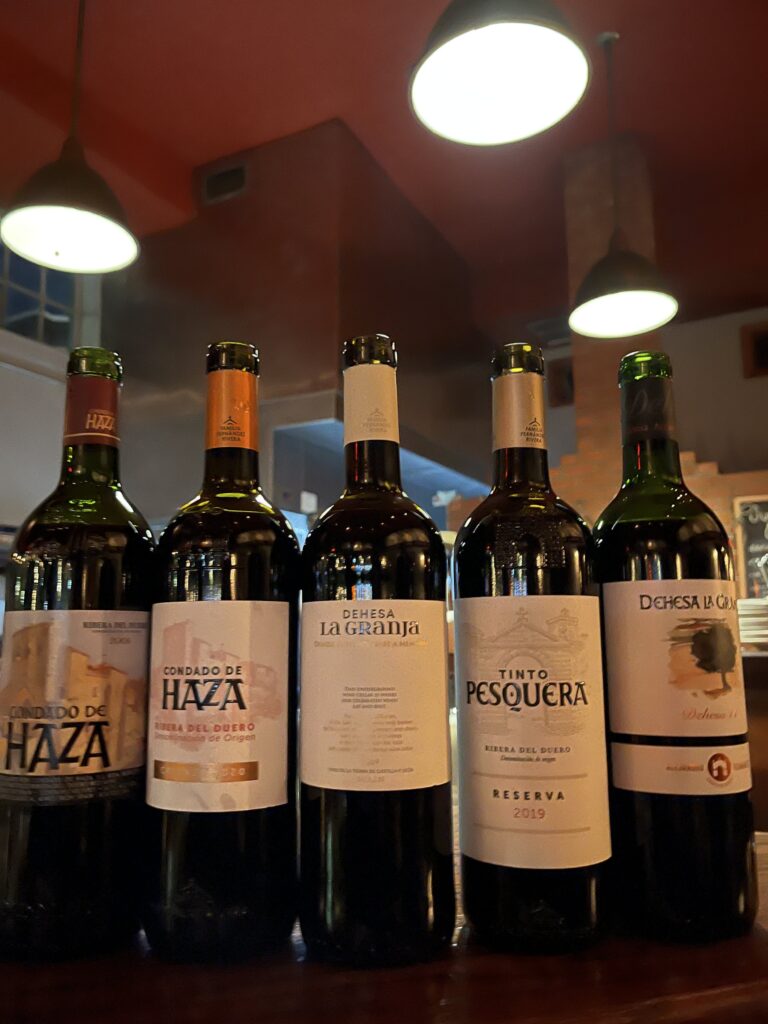
An unforgettable Spanish gastronomic journey with Familia Fernandez Rivera at Taberna del Haro restaurant in Boston. Taberna owner Kristie expertly paired delectable tapas with an exceptional wine lineup, resulting in a truly divine culinary experience. Course 1 : tabla de ibéricos cured Iberian meats, sheep cheese, pan con tomate with El Vinculo Alejairen Crianza 2020 Course 2: Sotas oyster mushrooms, quail egg, garlic-parsley oil with two wines : Condado De Haza 2020 & Condado De Haza 2005 Course 3: Txistorra grilled skinny Basque sausages, salt cod brandada a la plancha with Dehesa La Granja 2019 & Tinto Pesquera Reserva 2019 Course 4: Faldq grilled skirt steak, grilled seasonal vegetables with romesco sauce with Dehesa La Granja 2002 Course 5: Trufas Porrera – house-made dark chocolate truffles, grilled bread, organic EVOO, cacoa, sea salt. which paired beautifully with the 2002 Dehesa Read my previous article on the above wines detailed tasting notes: Masterclass Familia Fernandez Rivera. We were treated to two exceptional older vintages of Cold de Haza 2005 and Dehesa La Granja 2002 Condado De Haza 2005 is a distinguished red wine from the Ribera del Duero region, expertly crafted to reflect the unique terroir of the area. It boasts a deep ruby color with garnet hues, indicating its maturity. On the nose, it reveals a captivating bouquet of ripe dark fruits, including blackberries, black cherries, and hints of plum. These fruit aromas are beautifully intertwined with notes of vanilla, toasted oak, and delicate spices such as clove and cinnamon, imparted during its aging process in French and American oak barrels. Subtle floral hints and earthy undertones add complexity to the aromatic profile. In the mouth, the wine is full-bodied with a velvety texture, showcasing a harmonious balance between fruit and acidity. The flavors mirror the aromas, featuring luscious dark fruit notes mingled with chocolate, leather, and a touch of minerality. Its well-structured tannins provide a firm backbone and contribute to its age-worthiness. The finish is long and satisfying, leaving behind lingering notes of dark fruit and spice, inviting another sip. This wine pairs wonderfully with grilled lamb, hearty stews, or aged cheeses, making it ideal for both special occasions and enjoying with good food and friends. Overall, it showcases the richness and depth characteristic of exceptional Ribera del Duero wines. Dehesa La Granja 2002 is a refined wine that reflects the exceptional craftsmanship of the Castilla y León region. This wine presents a deep, intense ruby color with subtle garnet edges, indicative of its maturity. On the nose, it offers a complex bouquet with prominent aromas of ripe dark fruits such as blackberries and plums, intertwined with notes of dried herbs and floral hints. The aging process imparts additional layers of elegance, featuring warm spices like cinnamon, vanilla, and a touch of sweet tobacco, along with earthy undertones and a whisper of leather. A velvety mouthfeel and well-rounded tannins that contribute to its sophistication. The flavor profile echoes the nose, revealing a rich tapestry of dark fruit, spices, and a hint of mocha, balanced by vibrant acidity that enhances its structure. The finish is long and lingering, with a delightful combination of fruit and spice, leaving a memorable impression. This wine pairs beautifully with grilled meats, hearty stews, and aged cheeses, making it an excellent choice for both casual gatherings and special occasions. A wine that exemplifies age and elegance, a testament to the region’s terroir and winemaking tradition. Our smiles say it all: pure food and wine bliss. A heartfelt thank you to Veronica for bringing us all together. Watch the full reel on Instagram Feast For The Senses
Masterclass- Familia Fernandez Rivera
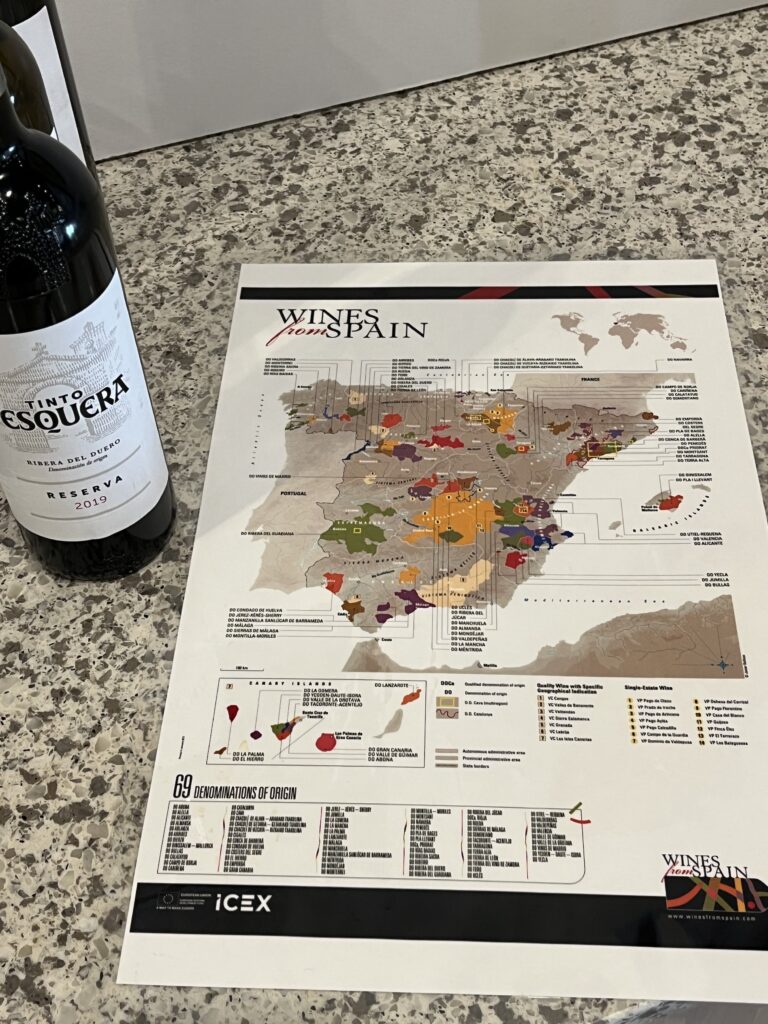
Today’s masterclass at, we delve into the rich history and tradition of Spanish winemaking with Familia Fernández Rivera. For generations, this family has crafted exceptional wines that reflect the unique terroir of the high altitude Ribera del Duero region. They focus on single varietal, low yielding, micro climate expressive wines. Above all, it’s the terroir that matters. Tasting a wine from Familia Fernández Rivera is like taking a sip of history. Each bottle tells a story of passion, tradition, and unwavering dedication to quality. Whether you’re a seasoned wine connoisseur or a curious newcomer, their wines offer an unforgettable experience that captures the essence of Ribera del Duero. The family is involved in four wineries, all close to one another, but with significant differences between them in terms of climate and grape growing conditions. Tinto Pesquera, the Familia Fernandez’s flagship winery is located to the west of the region in the town of Pesquera del Duero whilst the Contado de Haza winery is located to the east of the region, in Burgos. Dehesa la Granjais located close to the borders with Portugal, whilst El Vinculo is situated to the southern part of Spain’s meseta, in La Mancha. Veronica led us through the Familia’s journey to today’s three generations of #womeninwine at the helm of the company while tasting and discovering their wines: El Vinculo Crianza 2020: 100% Airén La Mancha DO: from 70-90 year old vines, pours into the glass a bright yellow gold color. The nose is vibrant with aromas of fresh white peaches, apricot, ripe pears, and zesty citrus, along with subtle floral hints and a touch of vanilla custard, layered herbal dill and toasted almond from oak aging. It offers a delightful balance of freshness and richness, with bright fruit flavors and a slight oxidative note complemented by crisp acidity and a smooth, creamy texture. The finish is clean and refreshing, leaving lingering stone fruit and spice notes. Its bright fruit character and subtle oak influence highlight a modern interpretation of this classic varietal making it an excellent alternative for Chardonnay lovers. Condado de Haza Crianza 2020: 100% Tempranillo (Ribera del Duero DO): Aged in 18 months in American oak with 6 moths additional in the bottle. Pours into the glass a deep ruby red color. The nose offers an inviting aroma of ripe dark fruits such as blackberries and plums, complemented by notes of dried herbs (anise), coffee, cocoa, leather, and subtle oak influences of dill freshness, vanilla and white pepper. On the palate, it is rich and full-bodied, with a silky mouthfeel. The robust flavors of dark berries are balanced by bright acidity and firm, sandy tannins, complemented by hints of espresso, savory meat and dark chocolate. The finish is long and satisfying, with lingering fruit and spice notes. This well-crafted Tempranillo reflects the elegance and depth of the Ribera del Duero region, making it an excellent pairing for grilled meats, hearty stews, or aged cheeses. Dehesa La Granja 2016: 100% Tempranillo (Castilla y León DO): Aged for 24 months in American oak. Pours into the glass a deep garnet color with ruby highlights. The nose is complex and perfumed, featuring ripe red and black fruits like cherries and blackberries, complemented by dried herbs, tobacco, leather, smoke, chocolate and subtle oak notes of vanilla and licorice. The first sip is full-bodied and luxurious, with vibrant fruit flavors balanced by refreshing acidity and well-integrated tannins that offer a velvety texture. Flavors of chocolate, espresso, and earthy nuances add depth. The finish is long and elegant, with lingering dark fruit and spice notes. This wine is a stunning representation of Tempranillo from Castilla y León, making it a perfect pairing for hearty dishes like grilled lamb or rich stews. Tinto Pesquera Reserva 2019: 100% Tempranillo (Ribera del Duero DO): A deep ruby color with violet reflections. The nose is rounder and sweet as well as complex and inviting. Ripe dark fruits – cherry, blackberries and plums, along with dried fruit, floral notes, black pepper, clove, fennel, balsamic, hints of vanilla and toasted oak. On the palate, it is full-bodied, with a harmonious balance of rich black fruit flavors and vibrant acidity with a savory quality. The well-integrated, velvety tannins provide structure, while nuances of espresso, cocoa, and light mineral notes add depth. The long finish features lingering dark fruit, spice, and oak. This exceptional Tempranillo from Ribera del Duero encapsulating the essence of its terroir in a refined manner. Millenium Tinto Pesquera Gran Reserva 2018: 100% Tempranillo (Ribera del Duero): A deep, inky garnet color with a bright ruby rim. The nose offers profound aromas of ripe cherry with subtle blackberries, accompanied by dried figs raisins, sweet spices like cinnamon and clove, and hints of tobacco and leather, enriched by subtle floral notes and savory black olives. On the palate, it is full-bodied and opulent, with a balanced profile of dark fruit flavors and vibrant acidity. The refined, velvety tannins provide structure, while notes of dark chocolate, espresso, balsamic, and a fennel earthiness contribute to a multilayered experience. The exceptionally long finish features lingering baking spice. This Gran Reserva is a stellar representation of Tempranillo from Ribera del Duero, ideal for pairing with rich dishes like roasted lamb or game, and showcases the elegance and depth of its high altitude limestone terroir in a refined manner. Thank you so much for this wonderful tour of a winemaking excellence. More to follow on the Familia’s story and sensory experience. Watch the full reel on Instagram Masterclass With Familia Fernandez Rivera
All That Austrian Sparkle
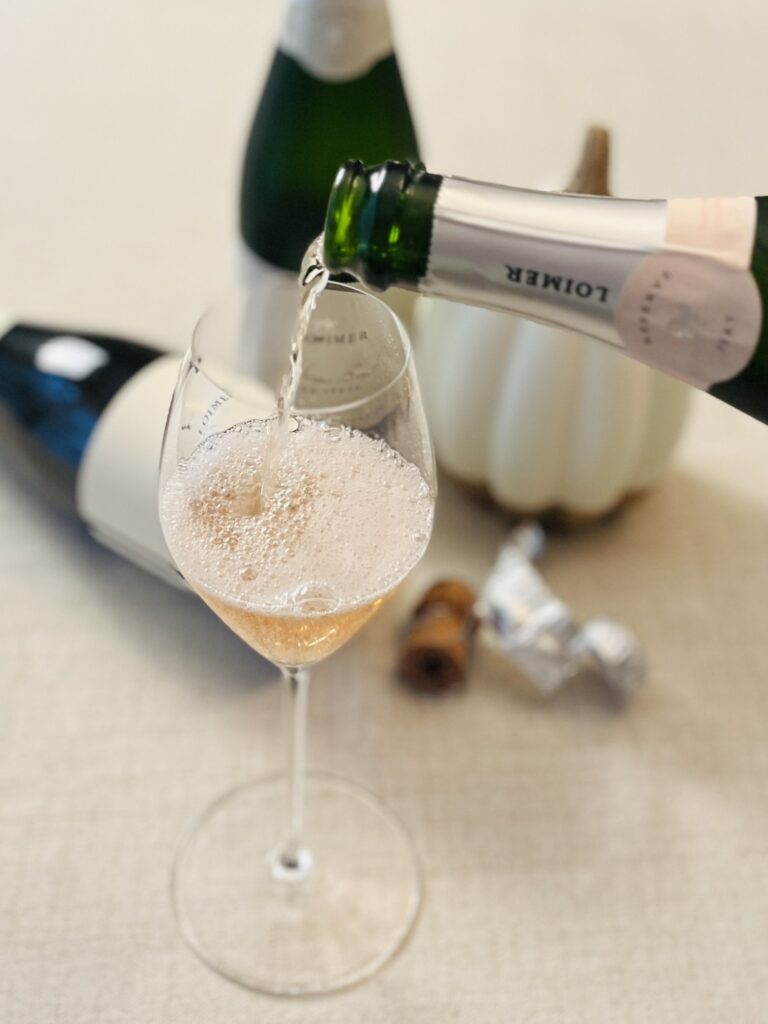
When life gives you Monday, dip it in glitter and sparkle all day. Today we hop, skip & jump over to Austria where you will find high-quality traditional method sparklings that won’t break the bank. With the holidays around the corner, look no further for this quality sparkling 🇦🇹 Loimer is a renowned Austrian family winery based in Langenlois, Kamptal. Fred took over his father’s winery in the late 1980’s with the focus on biodynamics, minimal intervention an terroir driven wines.. The winery is particularly celebrated for its exceptional Riesling and Grüner Veltliner wines, which are widely considered among the finest in Austria. Loimer is deeply committed to biodynamic viticulture, aiming to produce wines that authentically reflect the unique terroir of their vineyards. By prioritizing terroir-driven winemaking of his 70 hectares, the winery creates wines that express the specific characteristics of their various vineyard sites. The five vineyards where they grow Riesling, Grüner Veltliner, Pinot Blanc, Pinot Gris, and Zweigelt are used for both single varietal and blended wines. Fred Loimer is one of the founding members of Respekt-Biodyn, an association of internationally renowned wineries dedicated to producing wines of exceptional quality and individuality through biodynamic methods. Loimer is certified biodynamic, organic and sustainable. Loimer wines have gained significant international recognition for their quality and distinctive style. In addition to their still wines, the winery also produces high-quality sparkling wines. Loimer Extra Brut Reserve A blend 38% Zweigelt, 22% Pinot Noir, 12% Chardonnay, 15% Pinot Gris, 10% Pinot Blanc, 3% St. Laurent with 21 months lees ageing, dosage of 3 g/L. A refined and complex Austrian sparkler, this Extra Brut offers a delicate mousse with fine bubbles. The nose is inviting, with aromas of tart apple, cherry, lemon cake, minerals, yeasty dough, dried dates, honey and a hint of citrus zest. On the palate, it’s bone dry with a crisp acidity that balances the rich flavors of apple strudel and lemon cake. The finish is long and refreshing, leaving a lingering mineral note. A truly exceptional wine that develops beautifully in the glass. Pair with a crudité veggie platter & salted butter or popcorn shrimp. Loimer Brut Rosé Reserve A blend of 60% Zweigelt, 30% Pinot Noir, 10% St. Laurent with 20 months lees ageing, dosage of 3 g/L. Acaptivating sparkler that dances on the palate. Its pale pink hue is a prelude to the delicate aromas of wild strawberry, cherry, red apple, toast and a subtle floral note. The fine, persistent bubbles create a lively effervescence, enhancing the wine’s refreshing character. On the palate, the wine is elegant and balanced. The flavors of red berry fruit are complemented by a crisp acidity and a creamy texture. A hint of toasted brioche adds complexity to the mid-palate, while the finish is long and satisfying, with a mineral undertone. This rosé is a versatile wine pair with roasted salmon cakes or a roasted vegetable tart. Loimer Langenlois Grosse Reserve Blanc de Blancs A blend of 85% Chardonnay, 8% Pinot Blanc, 7% Pinot Gris This Austrian sparkler is a testament to the power of patience and the magic of terroir. A deep, golden hue hints at the wine’s extended aging on the lees. The nose is a captivating blend of brioche, toasted nuts, and a subtle citrus note. As the wine opens up, a delicate floral aroma emerges, adding complexity and elegance. On the palate, the wine is rich and creamy, with a fine, persistent mousse. The flavors are concentrated and complex, with notes of ripe green apple, pear, apricot, hazelnut, toast, cream and a touch of honey. The acidity is vibrant, balancing the richness and providing a refreshing lift. The flavors mirror the aromas with an amplifying baked apple, sweet cream, ginger zing. The finish is long and satisfying, with a lingering saline mineral note that speaks to the wine’s terroir. This is a truly exceptional wine that rewards patient sipping. . Pair with lobster roll, freshly shucked oysters or simply enjoy. Discover Weingut Loimer wines, they are enjoyed by wine lovers worldwide and are considered benchmarks for Austrian winemaking.