
Your Perfect Summertime Red Grill Wine

What’s cooking good lookin’ is your perfect summertime grill wine! Get ready to brighten up your summer with Hermann J. Weimer’s Blaufränkisch 2023 from the Finger Lakes! This vibrant red is like a splash of sunshine in a glass, bursting with fresh, juicy fruit and lively acidity perfect for warm days and crisp evenings. Hermann J. Weimer is renowned for producing high-quality, expressive wines in the Finger Lakes, NY, with a focus on showcasing the region’s unique terroir. The biodynamic winery is known for its commitment to craftsmanship, balance, and elegance, consistently delivering wines that reflect both the purity of fruit and the sophisticated complexity of the Finger Lakes. Pretty in ruby red with a purple rim, it’s an irresistible bouquet of sweet cherries, zesty blackberries, and a playful hint of black pepper—think of it as summer berries mingling with a dash of allspice and violets! That first sip is wildly, delicious and juicy. It’s lively and refreshing, featuring flavors of juicy red and dark berries and bramble complemented by a streak of spice and a touch of earthy minerality. The smooth yet vibrant tannins make it a perfect companion for BBQs, grilled veggies with a warm spice rubbed pork tenderloin. Thanks to the cool Finger Lakes climate, this Blaufränkisch offers a crisp, invigorating savory sweet red pepper finish that keeps the summer fun flowing. Whether you’re hanging out on the patio or packing a summer getaway, this wine is your new go-to for good vibes and great flavor. Cheers to sunny days, warm nights, and unforgettable sips! Watch the Instagram reel Perfect Summertime Grill Wine Wine
Catch The Rosé Wave With Gerard Bertrand

Gérard Bertrand Côte des Rosés 2024 hails from the picturesque Languedoc region in southern France, a place known for its sun-kissed vineyards and breezy Mediterranean charm. This delightful rosé is crafted from a dreamy blend of Grenache, Cinsault, and Syrah grapes. Prepare to be swept off your feet by this flirtatious rosé! With its lovely salmon-pink hue, Gérard Bertrand Côte des Rosés casts a charming spell on the senses. On the nose, expect a playful dance of red berries, zesty citrus, and a hint of floral notes like blooming roses in a summer garden. Take a sip, and let your taste buds waltz through flavors of fresh strawberries, peach, and a whisper of lavender, all wrapped up with a crisp, refreshing finish. Cheers to a wine that’s as vibrant and lively as a spontaneous beach party! The bottom of the Gérard Bertrand Côte des Roses wine bottle is shaped to resemble a rose, and the foil is also representative of a rose. Additionally, the unique Vinolok glass stopper helps keep the wine fresh for several days, if it lasts that long. Watch the Instagram Reel Catch the Rosé Wave
Magnificent Magnum: A Tempranillo Time Capsule in Every Pour!

Tasting a Condado de Haza Crianza 2018 in a magnum format is an experience that invites you into the depth and richness of the Familia Fernandez Rivera winemaking, offering both the immediate allure of its aromatic profile and the promise of graceful aging extended by its larger bottle size. Aged for 18 months in 225L oak barrels before being bottled, with an additional 6 months in bottle.. The regulations in Ribera del Duero stipulate Crianze requires at least 12 months in barrel and the remaining time in bottle. As you pour the wine into your glass, the wine greets you with a deep, ruby red hue, shimmering with garnet reflections. This enchanting visual is indicative of its aging potential and vibrant expressiveness. The wine opens with a captivating bouquet of ripe blackberries and dark cherries, intertwined with subtle notes of crushed violets. As it breathes, hints of cedar, tobacco, mocha, and a touch of vanilla from its time in oak barrels weave through, providing a sensual complexity that promises much more to unfold with each swirl. The first sip reveals a full-bodied wine that is lush and well-structured. The ripe fruit character detected on the nose transitions beautifully onto the palate with juicy plum and fig notes. This fruitiness is balanced with fine-grained tannins and a vibrant acidity that carries hints of mocha, clove, and an earthy undertone. The lengthy finish is both elegant and persistent, leaving a lingering note of graphite and spice that tempts you back for another sip. While this Crianza is already showing splendid character, the magnum format offers significant benefits for aging. Wine in a magnum, with its reduced oxygen exposure relative to volume, ages more slowly and evenly, allowing flavors to deepen and integrate harmoniously over time. This slower aging process ensures that by the time you revisit this wine years down the line, its potential will be magnificently realized, with richer complexities and smoother textures emerging. The extended aging in a magnum format enhances the wine’s longevity and often results in greater depth and balance, presenting an opulent journey through its evolving profile. The result? A joyous encounter that not only showcases the compelling craft of the Familia Fernandez Rivera but also offers the tantalizing promise of gentle maturation, revealing more nuanced pleasures with each passing year. This is an invitation to savor the passage of time itself. There’s nothing like sharing a magnum of Condado de Haza Crianza 2018 with family, alongside a perfectly grilled prime rib au jus. This lakeside meal at my brother’s cottage in Quebec was a beautiful moment to pause and savor life’s precious connections. Our heartfelt thanks to Veronica for this generous and thoughtful gift, as she said” “a magnum calls for a celebration and what better way than with family.” Sublime!
Francesca Mara – A Sparkling Rosato Celebration of Emilia-Romagna’s Spirit

Francesca Mara Laurenti Lambrusco Rosato Secco – A Sparkling Celebration of Emilia-Romagna’s Spirit This lively sparkling rosato is crafted using traditional Italian techniques in the heart of Emilia-Romagna. This Lambrusco reflects the region’s terroir—limestone and clay-rich soils, warm sunny days, and cool nights. It’s a true terroir-driven wine that embodies the vibrant character of this historic region, where wine is woven into daily life and celebrated with passion. Made primarily from native 70% Lambrusco Marani, 25% Lambrusco Salamino and 5% Amcellota,, it undergoes a gentle fermentation in stainless steel tanks to capture its fresh, vibrant personality. With a dry style (“Secco”), minimal residual sugar preserves its crispness, while delicate bubbles dance through the wine, adding a touch of effervescent joy. The result? A wine that’s both lively and refined, bursting with youthful energy and authenticity. Pour it into your glass and watch the soft, salmon pink hue that catches the light, promising freshness and fun. Imagine a garden in full bloom—aromas of ripe strawberries and raspberries, with floral whispers of rose and violet. Notes of tart cherry and zesty citrus awaken your senses, hinting at the wine’s playful vibrancy. Bright as a summer day, this wine is light, crisp, and irresistibly refreshing. Juicy flavors of strawberries, wild cherries, and watermelon along with milk chocolate flow across your palate, balanced by lively acidity and a touch of minerality. The gentle sparkle adds a festive touch, making every sip feel like a celebration. Its dry finish leaves a clean, saline tang—a perfect palate cleanser for any occasion. Clean, crisp, with a lingering fruitiness and a fabulous mouthfeel that beckons for another sip. An all-star for every moment—think antipasti, charcuterie, fresh cheeses, or flatbread pizza. We enjoyed it seaside with sunshine and friends, what else is required? I first tasted this sparkling wine with Francesca at Vinitaly in April 2025, where she launched her new product. A big thank you to Francesca for this lovely gift! Raise your glass to Emilia-Romagna’s spirited heritage with Francesca Mara Lambrusco Rosato Secco—where passion, tradition, and a touch of sparkle come alive in every sip. Cheers! 🥂
Champagne Is Always The Answer

PSA: Champagne is always the answer, but what what the question?? Sparkling Smile courtesy of Champagne Fleury, a magical 2010 Extra Brut, blend of 80% Pinot Noir and 20% Chardonnay. This darling was waited 12 years sur lie before discouragement two years ago whispered her invitation that it was time to shine. From the moment it graces the glass, a delicate stream of effervescent pearls dances upwards, promising something exquisite. The nose is an intoxicating embrace of ripe red berries—think sun-warmed wild strawberries and a hint of crushed raspberries—intertwined with the sophisticated allure of toasted brioche and a subtle, creamy almond. There’s a mineral tension, a flinty spark that hints at the depths beneath its charming surface. The first sip is a tantalizing paradox: rich and full-bodied, yet exquisitely precise. The Pinot Noir asserts its sensual presence with a velvety texture and a core of dark cherry and plum, while the Chardonnay lends a bright, almost citrusy curd and a long, lingering finish of salted caramel and a hint of white truffle. The extra brut dosage leaves its kiss, urging you back for more. Undeniable charm and elegant power. Paired with my favorite sushi rolls – Spicy Salmon and The Mexican.. Wath the Instagram Reel Champagne is the answer
Captivating Castel Juval

Let’s delve into the captivating Castel Juval Pinot Nero Riserva 2019, a wine that whispers of its high-altitude origins. Weingut Unterortl is a well-regarded winery located in the South Tyrol region of northern Italy, known for its high-quality wines and beautiful estate. The winery emphasizes sustainable practices and traditional winemaking techniques, producing a variety of wines that showcase the unique terroir of the area. Imagine vines clinging to steep hillsides, basking in the crisp mountain air at 630-700 meters – this is the terroir that shapes the refined and spirited character of this Pinot Nero. As you pour, a deep ruby hue unfolds in the glass, the merest hint of garnet at the rim suggesting a wine with both youthful vibrancy and the subtle embrace of time. The nose is an invitation to a delicate dance. Initially reserved, it gradually unveils a succulent array of dark cherries and ripe blackberries, their sweetness tempered by a touch of earthy blackcurrant. There’s a captivating moorish quality here, an almost savory undertone that adds intrigue. Breathe deeper, and you’ll discover elegant whispers of forest floor and a subtle, graceful spice – a testament to its careful aging. On the palate, this Riserva truly shines. It’s medium-bodied with a silken texture, the fine tannins providing a gentle caress rather than a firm grip. The juicy cherry and blackberry notes echo beautifully, their vibrancy lifted by a refreshing acidity that keeps the wine lively and engaging. There’s a subtle minerality that speaks of the hillside terroir, adding a layer of complexity that lingers on the graceful finish. This Pinot Nero is effortlessly elegant, a harmonious blend of fruit, earth, and delicate structure that invites contemplation with every sip. It’s undeniably “moorish,” beckoning you back for another taste. This Castel Juval Pinot Nero Riserva 2019 is a testament to the heights that Pinot Nero can achieve. It’s a wine that whispers of its origins and unfolds with a refined and spirited charm. Perfect alongside grilled salmon or a cacio e pepe, it’s a bottle that promises a truly elegant and memorable experience. And with its graceful structure, it hints at even greater delights to come with a few more years in the cellar.
A Montefalco: Where Place, Patience, and Passion Ferment into Memory
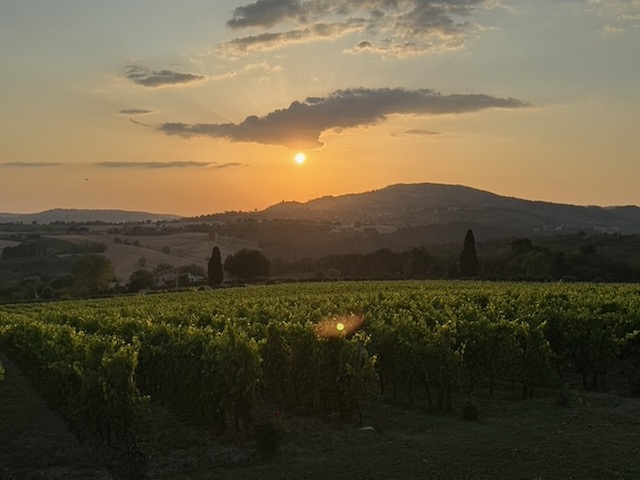
There’s a peculiar hush that falls over Montefalco in the late afternoon — a soft, golden hush that feels like the land itself inhaling before evening. It’s the hush of vines settling into their history, of stone walls holding centuries of stories, and of grapes quietly completing their slow transformation. On this immersive three-day press trip, winding through the hilltops between Montefalco, Bevagna, Gualdo Cattaneo, and Castel Ritaldi, that hush returned again and again. With it came a simple truth: Montefalco is where place and patience turn wine into something far more enduring — memory. Day 1: Turrita Winds, Old Vines, and Hospitality That Feels Like Home The journey began at La Veneranda a charming, exclusively female-led estate led by visionary duo Eleonora Alessandrelli and Anna Rita Scarca, with roots tracing back to 1568 in the Moncelli family archives. Perched at about 300 meters on sedimentary, weakly clayey soils, this 18-hectare property delivered a thoughtful welcome that perfectly set the tone. Their Sagrantino from old plantings offers precise minerality and long-breathed tannins shaped by careful oak aging — a refined, terroir-first expression that feels deeply rooted in the land’s ancient rhythm. Next came Benedetti & Grigi at Polzella. This modern estate thrives on clay-rich hills, meticulously selecting terroir for each variety to unlock its fullest potential. Their bright, neat Trebbiano Spoletino whites danced alongside classically built reds like the Dioniso Sagrantino, showcasing energetic contemporary expressions grounded in careful vineyard work. Lungarotti / Tenuta di Montefalco in Turrita brought a powerful house style that bridges deep history and international reach. With underground cellars using gravity-fed winemaking and a blend of large barrels and barriques, they craft both classic and organic ranges. Their Sagrantino and Montefalco Rosso balance tradition with refinement, delivering harmonious reds rich in wild berries, spices, and structured elegance. Bocale offered pure, elemental Sagrantino from old-vine sites at altitude through rigorous minimal-intervention winemaking — 40+ day macerations, natural enzymes, and aging in 1000L oak — yielding wines with palpable soil minerals, authentic textural depth, and an honest, mineral-driven character that asks for patience and richly rewards time. Valentino Valentini’s infectious smile and family lore captivated us. The day closed with dinner at Terre de la Custodia, A communal rockabilly table and a large cellar program; Terre de la Custodia showcased Montefalco’s many faces that night — from accessible, clear-production bottlings to focused, ageworthy Sagrantino. The meal felt like the region’s social heartbeat distilled into one generous evening thanks to Chef Marco’s talents. Day 2: The Consorzio’s Pulse, Family Histories, and Elegant Restraint A deep dive with the Consorzio Tutela Vini Montefalco brought vintage insights, terroir maps, and the region’s “A” ethos — Assertive, Authentic, Ageable — into focus. Sagrantino’s formidable structure, Montefalco DOC diversity, and Trebbiano Spoletino’s striking verticality told the region’s story through numbers and nuance. Scacciadiavoli embodied layered family history and ambitious breadth. Named after a legendary 14th-century exorcism using local wine, this Pambuffetti family estate blends classic Sagrantino with amphora experiments, site-specific passito, and long-aged bottlings. Its monumental 19th-century cellars feel like a living museum of winemaking tradition meeting modern ambition and family conviviality. Briziarelli in Bevagna brought artistic presentation and clean, honest wines. With a legacy dating to Pio Briziarelli’s early 20th-century agricultural vision and a sleek 2012 winery, they translate lighter Bevagna soils into fresher profiles — from approachable Montefalco Rosso to structured Sagrantino and expressive passito, all marked by bright artisanal energy and a shift toward greater freshness under recent leadership. Tenuta Bellafonte Peter Heilbron’s Bellafonte pursues a “less is more” elegance: Collenottolo Sagrantino and Sperella Bianco favor finesse, silkier tannins and floral lift over brute power, demonstrating how restraint and precision deliver compellingly graceful expressio The Consorzio soirée featured verticals and conversations that showcased Montefalco’s collaborative spirit — a region in dialogue about quality, longevity, and identity. Featuring the beauty of Montefalco blended with aerial performers and delicious Umbrian delights. Day 3: Small Estates, Amphora Tales, and Single-Vineyard Honesty Smaller voices shone on the final day. Colle Ciocco (Spacchetti family) offered historic high-altitude clay sites yielding Sagrantino with bright cores and mineral tension, alongside thoughtful Grechetto and Trebbiano Spoletino whites. Perticaia impressed with organic ambition, clear vineyard zoning, and balanced Sagrantino and Rosso Riserva. Named after the traditional Umbrian plow, this estate emphasizes precision viticulture and stylistic variety, producing characterful reds that marry dark fruit with supple texture and spice Tenuta Alzatura (Cecchi family) Serena Storri led us through the quiet confidence of the winery delivered through organic-certified parcels and a strong white program, including Trebbiano Spoletino aged in tonneaux. Their measured, site-reflective Sagrantino opens beautifully with air, revealing layers of honest Umbrian character. Terre di San Felice in Castel Ritaldi provided intimate, natural terroir-driven wines from small organic-minded plots: honest clay-driven structure and focused fruit that felt familial and authentic. Ninni in the Spoleto/Terraia area was a masterclass in Trebbiano Spoletino, with two distinct expressions — the amphora-textured older-vine Misluli and cleaner Poggio del Vescovo — highlighting how age and vessel shape its vertical acidity and aromatic clarity. A true garagiste and one to watch for his out of the box experimentation and bravado. Antonelli San Marco a historic pillar since 1883 with 190 hectares, closed the visits with rigorous cellar discipline, closed the visits with rigorous cellar discipline: layered Sagrantinos and distinctive Trebbiano Spoletino from experiments in terracotta, large oak, and barrique. Multi-vintage perspectives revealed texture, patience, and long-view ambition. A late-evening soirée hosted by Antonelli along with the Lunelli, Cocco Ilaria, Valgangius and Romanelli families we shared delightful conversations, digestifs, shared stories, and laughter — felt like the trip’s most human chapter, where wine truly turned into memory. Day 4: Women Leading In Wine Cesarini Sartori in Gualdo Cattaneo charms with wines that feel like family stories in a glass—sisters who balance technology with tradition, both in the vineyard and in the winemaking with meticulous vineyard care, gentle drying for passito, slow ferments and thoughtful ageing in large barrels and barriques yield Sagrantino and Bastardo Rosso of approchable
Tenuta Sette Ponti: Where Tuscany Speaks in Layers

Tuscany doesn’t announce itself. It arrives like a faint chord — a warm light, a leaning cypress, a stone wall that remembers seasons. There’s an ease here that’s mistaken for simple beauty, but underneath lies intention: soil studied, vines listened to, decisions made for decades ahead. At Tenuta Sette Ponti, that intention reads plainly. The place feels lived-in and deliberate — a landscape where history and craft hold hands. An Estate That Knows Its Lines Sette Ponti’s villa sits like a punctuation mark among the rows, an old building softened by afternoon sun. The name — Seven Bridges — hints at movement and passage: routes that carried people and stories long before a bottle ever did. The Moretti Cuseri family saw what others did not in the 1950s: old Sangiovese vines with a voice worth tending. What followed has been steady, family-led refinement rather than flashy reinvention. There’s a humility to the project: research and technical expertise are present, but always in service of identity. Vineyard trials, precise clonal choices, and careful oak management exist to let place speak. The wines reflect that focus — disciplined, articulate, and unmistakably rooted. A Cross-Country Tasting Without Leaving the Table A tasting at Sette Ponti unfolds like a mapped journey across Italy. Under the guidance of third-generation Alberto and Francesca, the lineup moved from volcanic edges to Tuscan hills to coastal velvet. Sicily’s contribution — Animardì and Feudo Maccari — brings mineral snap and Mediterranean heat. Carricante-driven Etna Bianco showed shale-driven tension; Nerello Mascalese revealed those lithe, haunting red shapes that feel almost maritime. Feudo Maccari’s Grillo offered ripe, rounded concentration while Friraru turned darker and more elemental — iron and smoke meeting sun. Then Tuscany took the floor. Crognolo is Sette Ponti’s conversation with Sangiovese: vivid red fruit, bright acidity, and an elegant, polished frame. Oreno, by contrast, is composure in a glass — a Bordeaux-tinged blend where Merlot and Cabernet thread together into velvet precision: depth without excess, oak integrated like a memory rather than an ornament. Bolgheri’s Sea-Born Grace Orma brings the coast into the family’s language. Bolgheri’s wines are broader, softer, returned by marine influence: Cabernet and Merlot translate into liquidity that is both generous and refined. Orma’s élevage — nearly eighteen months in new oak — gives structure and sheen, yet beneath the tannins sits freshness that keeps the wines bright and forward in the best way. A Dinner That Anchors Everything Nightfall at the estate threaded the tasting into place. Tuscan dishes arrived, humble and exacting: ribbons of fresh pasta, slow-cooked meats, local greens — food designed to deepen the wines rather than compete. Conversations stretched late; plates emptied; glasses were replenished. The evening felt inevitable and right, as if the land’s patience had finally met human conviviality. What Remains What lingers after a visit to Tenuta Sette Ponti is not a single bottle but a posture: continuity. Here is history respected without being fossilized; precision practiced without losing heart. The wines are made to last, but they are also made to be felt — a balance of intellect and warmth. This is Tuscany in practiced form: layered light, careful craft, and a quiet insistence that elegance is the sum of many small, exacting choices. It’s a place where family, vineyard, and time converge, and where every glass seems to carry both memory and intention. Those are the wines — and the moments — that stay with you.
Beyond the Bottle: Sebastián Labbé’s Quest for Authenticity, Elegance, and a Touch of the Ocean
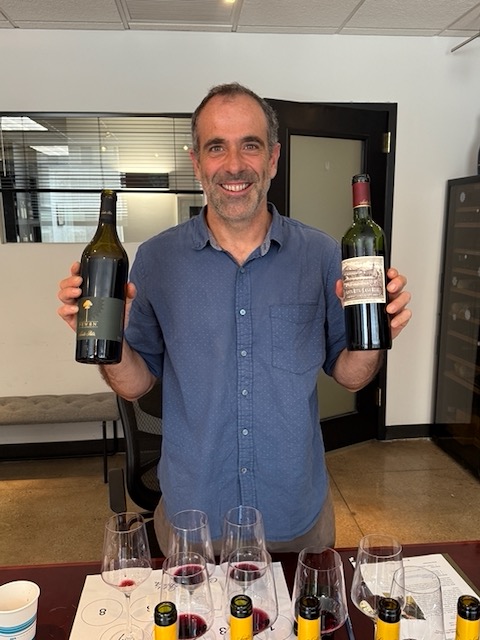
Imagine winemaking as a captivating dance with nature, a never-ending quest shaped by climate, tradition, and an unwavering passion for capturing the purest expression of the land. This is the vibrant reality for Sebastián Labbé, a globe-trotting enologist whose diverse experiences have converged to forge his distinctive vision for the future of Chilean wine. His journey is a compelling tale of exploration, innovation, and profound dedication. Recently, I had the immense pleasure of sitting down with Sebastián for a one-on-one discussion about his journey, his philosophy, and his hopes for the future, all while savoring the exquisite Premium Wines portfolio of Viña Santa Rita. Sebastián’s path began with a solid foundation in agricultural engineering and enology from the Pontifical Catholic University of Chile, but his true education unfolded far beyond his home country. His journey to becoming a champion of Chilean terroir started in some of the world’s most renowned wine regions. Training in New Zealand instilled in him a deep appreciation for meticulous viticulture and a laser focus on sustainability. He was captivated by how a relatively small island nation could make such a profound global impact with its distinctive Sauvignon Blanc. “They’re very good with a strength in sustainability and biodiversity,” he reflects. Australia offered a different kind of education, broadening his understanding of winemaking on a grander scale. He immersed himself in larger-scale operations and a wider range of varietals, honing his craft with Semillon and Shiraz. Bringing his unique global insights back to Chile, Sebastián joined Viña Carmen as Chief Winemaker, part of the esteemed Santa Rita Group in 2005 and later in 2017 spearheading the Ultra-Premium portfolio of Sant Rita. Here, he embarked on a mission to produce exceptional wines that truly capture the essence of Chile’s diverse terroirs. He’s not just a pioneer in flavor, but also in sustainable practices, ensuring the wines are as kind to the earth as they are to your palate. Santa Rita Winery, one of Chile’s most iconic wine producers, boasts a rich history intertwined with the country’s cultural and political landscape. Founded in 1880 by Domingo Fernández Concha in the renowned Maipo Valley, Santa Rita quickly gained a reputation for quality by introducing French grape varieties and modern winemaking techniques. This progressive approach was groundbreaking at a time when Chilean wine was largely rustic. The winery also holds a piece of Chilean history; during the War of Independence, it provided refuge to 120 soldiers—an event commemorated by their popular “120” wine. Today, Santa Rita continues to expand and modernize, maintaining an unwavering commitment to sustainability, quality, and tradition, producing everything from accessible labels to premium wines that highlight Chile’s rich terroir. “I think there’s more and more focusing on farming in general,” Sebastián emphasizes, setting the tone for a conversation centered on the vital connection between the vine and its environment. For him, it’s not just about growing grapes; it’s about cultivating a holistic ecosystem. He spoke passionately about compost preparations, meticulous soil work, and the intentional integration of animals into the vineyard, all fostering a thriving, biodiverse environment. While organic certification isn’t always the sole objective, the philosophy of sustainability is paramount. It’s a deliberate move “back to before the industrial ages, where natural wines, you’re seeing a lot more to the farming and going back to the terroir, as opposed to the conventional methods.” He points to a global shift, even among Burgundy winemakers once reliant on herbicides, now embracing organic practices—a testament to this mindful approach to viticulture. Tasting the Vision As Sebastián guided me through his journey, we sampled the latest releases from Santa Rita’s ultra-premium collection, including the minimal-intervention Floresta wines, the iconic Pewën Carmenere, their Bordeaux-inspired blend Triple C, and the winery’s flagship Casa Real. The Floresta range truly embodies Sebastián’s passion, showcasing his vision for wines that are fresh, vibrant, and deeply expressive of their origins. The wines are terroir specific with minimal intervention as “we wanted to make wines that were more of that style, fresher and with less use of oak,” he explains. Tasting these wines is akin to taking a guided tour of Chile’s diverse viticultural landscapes. Sebastián’s vision for Chilean wine extends beyond crafting exceptional wines; he seeks to challenge preconceived notions and pave the way for future generations of winemakers. “I was tired about this stereotype of Carmenere being big, rich, flat, slightly herbal, ripe with a ton of oak,” he admits, expressing his desire to showcase the true potential of this iconic Chilean variety. He advocates for earlier harvesting, fermentation in concrete tanks, and a judicious use of oak to allow the purity of the fruit to shine through. “There is a big difference, and I still find between herbal characteristics and vegetated characteristics. I think this one is freshness, and the other is under-ripeness.” His continuous challenge is to fine-tune the wines without compromising the house style, especially when dealing with eight subdivided blocks—a challenge he consistently meets head-on. He vividly recounts Chile’s geological history, explaining how the formation of the Andes Mountains and the presence of calcium carbonate deposits in the Limarí Valley contribute to the wines’ unique character. “So that might have that kind of a beautiful tension, but they got a little bit more checks at the same time.” This deep understanding of terroir isn’t merely academic; it informs every decision he makes in the vineyard and the winery. As for advice to future oenologists, he implores them to travel and immerse themselves in the diverse realities of the wine world. Experiencing winemaking firsthand in different regions is crucial for gaining wisdom and unlocking future potential. In a personal choice that speaks volumes about his values, Sebastián recently moved back to the ocean. “After a pandemic, I said, I wanted to return to my roots, closer to the ocean,” he shares. For him, the ocean is more than just a scenic backdrop; it’s a source of tranquility and inspiration, a constant reminder of the natural forces that shape his wines.
MAN Up Your Wine Game: Discover South African Delights

Looking for delicious, approachable wines that won’t break the bank? Look no further than MAN Family Wines from South Africa’s Cape Coast! Founded in 2001 by José Conde and brothers Tyrrel and Philip Myburgh (the “MAN” comes from the initials of their wives – Marie, Anette, and Nicky!), this brand is dedicated to producing high-quality, modern-style wines with exceptional value and eye-catching packaging. What sets MAN Family Wines apart? Their commitment to a single wine-growing region, allowing them to authentically express the distinctive character of the area. And, just in time for warmer weather, they have new labels featuring hand-drawn illustrations by South African artist Georgina Taylor, reflecting the sustainably farmed vineyards and the beautiful flora and fauna of the landscape. There is something for everyone in their lineup from zesty whites to layered reds. Here’s a taste of what MAN Family Wines has to offer: MAN Family Wines Chenin Blanc 2024: Summer sipper awaits! This crisp, light-bodied Chenin Blanc is bursting with white peach, green apple, and a zesty citrus kick. Refreshing, mineral-driven, and utterly delicious. Your new go-to aperitif! MAN Family Wines Sauvignon Blanc 2024: Pale straw with a hint of green, this Sauvignon Blanc is a delightful dance between refreshing herbaceous flavors and lush tropical vibes! Think ripe passionfruit and juicy pineapple perfectly balanced by crisp acidity and a touch of richness from Sémillon. It’s like a summer vacation in a glass MAN Family Wines Cabernet Sauvignon 2023: Dark and delicious! Garnet hues beckon you to a world of black cherries and dark chocolate aromas! This plush, medium-bodied Cab bursts with cherry, cassis, and red currant flavors, leading to a smooth and satisfying finish. Perfect for your next steak night! MAN Family Wines Pinotage 2023: Dive into the unique world of Pinotage! This ruby-garnet beauty teases with mocha, coffee bean, vanilla, spice and ripe plum aromas. On the palate, it’s a delicious dance of red berries, nutmeg, and a touch of oak. Medium-bodied and oh-so-satisfying, it’s a taste of South Africa in every sip! MAN Family Wines Chardonnay 2024: Zesty and delicious! Pale straw in color, this Chardonnay is bursting with zesty lime, lemon, burnt orange and white peach flavors. The nose is a delightful mix of pineapple, orange marmalade, and a hint of butterscotch. With its harmonious blend of crisp fruit and subtle oak, it’s a refreshing and versatile Chardonnay that’s sure to please! With its commitment to quality, value, and beautiful packaging, MAN Family Wines is the perfect choice for everyday enjoyment and for exploring the diverse flavors of South Africa! Cheers!