
A Wine That Dares You
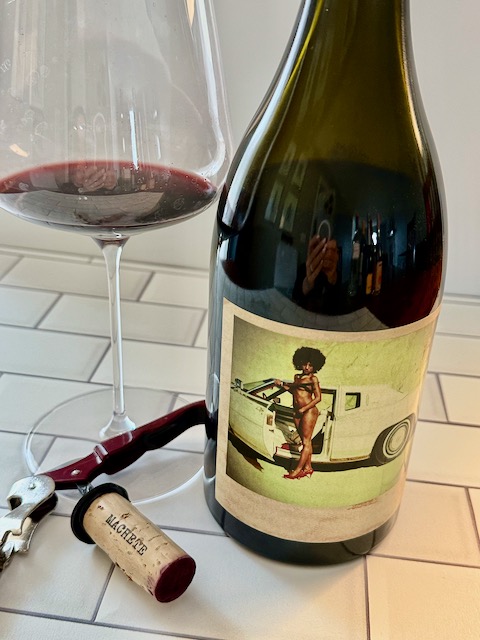
Machete 2016: Orin Swift’s Liquid MidnightIn the world of California wine, few producers blur the line between art, attitude, and hedonistic pleasure quite like Dave Phinney. Through his boundary-pushing label Orin Swift Cellars, Phinney built a cult following by doing something deceptively simple: find the best fruit and don’t screw it up.Founded in 1998, Orin Swift quickly became a lightning rod for collectors, trendsetters, and adventurous drinkers who wanted more than just another Napa red. Phinney had already shaken the wine world with The Prisoner, and with Orin Swift he pushed even further—melding bold winemaking with provocative, gallery-worthy labels and a philosophy that celebrates both craft and creativity.One bottle that perfectly captures that spirit is Machete 2016.This is not a quiet wine.This is a wine with presence. The Blend: A Bold California MosaicUnlike many traditional Napa wines that lean on a single dominant grape, Machete embraces the freedom of blending. The 2016 vintage is built primarily around Petite Sirah, supported by Syrah and Grenache—a trio that delivers both power and personality.Petite Sirah provides the backbone: deep color, muscular structure, and dense black-fruit intensity. Syrah layers in savory spice and aromatic depth, while Grenache softens the edges with lush red fruit and a rounded mouthfeel.The fruit is sourced from premium vineyard sites across California, including areas tied to Napa Valley, giving the wine both richness and regional complexity. The result is a blend that feels bold yet deliberate—powerful but never clumsy. First Impressions: Liquid MidnightPour Machete 2016 into the glass and the visual impact is immediate.The wine shows a deep ruby core that fades into an almost inky purple, hinting at the concentration within. It moves slowly in the glass, thick legs trailing down the bowl like dark velvet.It looks less like a simple red wine and more like liquid midnight. Tasting Notes: Power with PolishAromaticsThe nose opens with a bold rush of dark fruit before unfolding into deeper, more layered complexity.You’ll find aromas of:Black plumBlackberry compoteDark cherryAs the wine breathes, secondary notes emerge:Cocoa powderCracked black pepperLicoriceVanilla beanUnderneath it all lies a subtle earthy backbone—cedar, toasted espresso, and dark chocolate—adding intrigue and depth.The bouquet is rich and dramatic, yet surprisingly composed. PalateOn the palate, Machete delivers exactly what Orin Swift fans crave: plush texture and unapologetic flavor.The entry is lush and generous, bursting with ripe blackberry and plum. As the wine expands across the mid-palate, layers of cocoa nib, baking spice, and dark chocolate begin to unfold.Hints of graphite and pepper add dimension, preventing the wine from tipping into excess sweetness.The structure is full-bodied and broad, with velvety tannins that give the wine its signature plush feel. Despite its richness, the balance remains impressive—intense but controlled. FinishThe finish lingers long after the last sip.Dark chocolate, toasted oak, black pepper, and dried fruit echo on the palate, carried by firm yet polished tannins. It’s the kind of finish that invites contemplation—and another pour. Style: Modern California in Full VoiceMachete 2016 exemplifies what many wine lovers adore about modern California blends: opulent fruit, polished structure, and immediate drinkability.It’s expressive, bold, and unapologetically stylish.Yet beneath the swagger lies craftsmanship. This isn’t just a wine designed to impress—it’s a wine built with intention and balance. Pairing PossibilitiesWith its intensity and richness, Machete pairs beautifully with equally bold dishes.Try it with grilled ribeye, smoked brisket, braised short ribs, or lamb chops seasoned with rosemary and cracked pepper. The wine’s dark fruit and spice also complement barbecue sauces and smoky flavors exceptionally well.For the adventurous, a square of dark chocolate alongside a final sip can be a surprisingly satisfying match. Why Collectors Love Orin SwiftBeyond the wine itself, Orin Swift bottles have become icons of contemporary wine culture.Collectors are drawn to the brand for several reasons:Striking, avant-garde label designsConsistent quality across vintagesBold, recognizable winemaking styleBottles that feel as much like art pieces as beveragesEach release captures the same ethos: break the rules, but never compromise the wine. Final PourSome wines whisper elegance.Some wines impress quietly.Machete 2016 kicks the door open.It’s bold, seductive, and a little dangerous—dark fruit wrapped in velvet tannins with a pulse of spice and power underneath. A wine that feels confident enough to stare back at you from the glass.It’s liquid midnight.A sucker punch of flavor.A bottle with attitude and intention.In other words:Welcome to Orin Swift.
Conviviality, Rosé, and Sainte-Victoire: Léa Rouyet
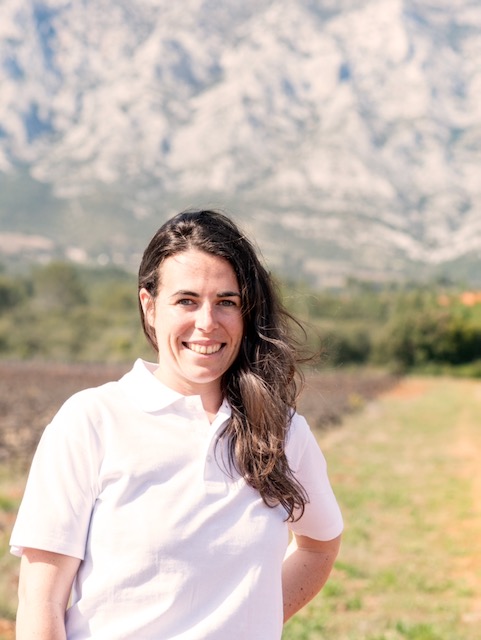
This Women’s Month, I had the genuine pleasure of sitting down—virtually—for an unhurried, heartfelt conversation with Léa Rouyet, the talented winemaker at Château Gassier in the sun-drenched heart of Provençe. Our connection actually began over a lively dinner in Paris last year with friends from MFL&Co. and Gassier, where her quiet confidence and obvious passion for both wine and place left a lasting impression. I knew then she would be the perfect voice for this series celebrating women in wine and gastronomy. So I sent my list of questions ahead of time—some deliberately offbeat and introspective—to give her time to think. When we finally spoke, she admitted with a laugh, “There were a few where I told myself I was going to play the joker.” That candid admission, and the thoughtful way she answered anyway, made this one of the most rewarding and human interviews I’ve ever conducted. Château Gassier sits at the foot of the iconic Mont Sainte-Victoire, the limestone massif that has inspired painters, poets, and now winemakers for generations. The wines themselves feel like an extension of that landscape—elegant, joyful, and deeply rooted in place. Léa’s own journey into this world didn’t begin in a vineyard or a cellar, but around crowded Sunday lunch tables in a tiny village in southwest France (population: 500 souls). “What gave me the desire to work in the world of wine is the conviviality around it,” she explained. Those childhood meals—her grandmother presiding, adults sharing glasses of local red and animated stories—quietly planted the seed. She watched, fascinated, wondering why she wasn’t allowed to taste “this little beverage that looks so good.” That curiosity eventually led her to agronomy studies, where she discovered she loved the entire arc of the process: “From the little plant you put in the ground for a very long time… to seeing it grow, produce grapes, and then the complete transformation into the bottle. It’s so global and so interesting.” Advice for Women Entering (or Staying in) the Wine World The wine industry remains heavily masculine, and Léa encountered that reality head-on early in her career. She still remembers the moment an 80-year-old vigneron, handing over his vineyard and cellar, looked at the young woman standing in front of him and said bluntly: “But you’re the one who’s going to take care of the vines? You’re young, you’re a woman… how will you manage?” She smiled recounting it—because six months later she was invited to this gentleman’s Sunday family lunch with his relatives and everything was fine. She had earned his respect the old-fashioned way: through quiet competence and persistence. Her advice to other women—whether just starting out or already navigating the industry—is both empowering and refreshingly down-to-earth: “You have to believe that you are legitimate in doing this job and that as women we bring so many beautiful things to this still very masculine world.” And since becoming a mother, she’s added a second, equally vital lesson: “You have to accept that everything can’t be perfect. We have the right to make mistakes and not be everywhere at the same time.” As the mother of two daughters, I felt that line land right in my chest. The illusion that we can tie every loose end with a perfect bow vanishes the moment real life—with its tantrums, spilled juice, and endless questions—arrives. Léa’s permission to be imperfect felt like a small gift. Balancing Vines, Children, and a Full Life Maintaining equilibrium between a demanding winemaking career and motherhood is, in her words, “a work in progress.” She’s still learning, still adjusting. Her guiding principle is radical presence: “When I arrive home, I’m at home. When I’m at work, I’m at work. I try not to mix all the subjects at once.” Easier said than done, of course, but the intention matters. She also gives generous credit to her partner—“a really important point”—whose support allows both of them space to thrive professionally and personally. We shared a knowing smile over the old saying “it takes a village to raise a child”. With both of us living far from extended family—hers in southwest France, mine scattered across Canada and the U.S.—building that village through partners, friends, trusted caregivers, or neighbors becomes essential. And what works beautifully one month might need to be completely rethought the next. The Quiet Revolution of Motherhood When I asked which experience outside of work had most transformed her worldview, Léa didn’t hesitate: becoming a mother. “It makes you think much more long-term… Our priorities are no longer the same. It gives us a lot of height on the world and our little passage in humanity.” That long view has sharpened her environmental convictions and deepened her sense of responsibility toward the vineyard’s future. She’s no longer thinking only about today’s vintage—she’s thinking about the vintages her child will inherit. A Bottle Shared with Grandfather One of the tenderest moments came when I asked who—living or gone—she would most want to share a bottle with. Her answer was soft and immediate: her grandfather, the wine lover whose presence at those childhood Sunday tables quietly shaped her path. The wine she would have chosen for him? Le Pas du Moine—“because it has elegance and complexity but is also a wine of pleasure, warmth, and conviviality.” The meal? A classic Sunday roast chicken, slow-cooked until the house filled with that unmistakable, comforting aroma. I loved the image so much that I immediately promised her: I will make my family’s “lazy chicken” (the easy one-pot version with hunks of bread underneath soaking up garlic, herbs, wine, and chicken juices) paired with Le Pas du Moine. I’ll send her the recipe and a photo of my girls raising a (juice) glass in toast. Some stories deserve to keep traveling—over tables, across oceans, from one kitchen to another. Who Léa Really Is (Beyond the Cellar) A fact that surprises people who meet her? This reserved, thoughtful winemaker loves to sing. If she had to describe herself in wine-related
Pleasantly Unanticipated Wonder Of Rueda
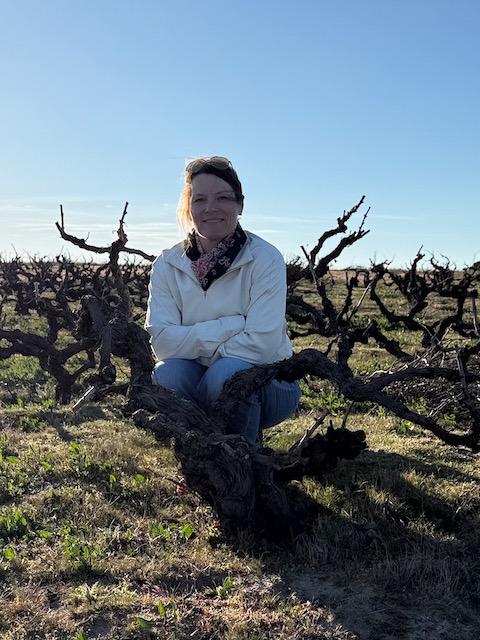
If you love crisp, aromatic whites that practically beg to be poured at sunset gatherings or lively tapas nights, let me whisk you away to D.O. Rueda in Castilla y León, Spain—the undisputed white-wine heartland I had the joy of exploring on March 27, 2026. As part of a small, lucky group of international Bacchus Competition judges, this journey went far beyond what most people typically think of when they picture Rueda whites. We delved deeply into the region’s impressive diversity, remarkable ageability, and wide appeal to wine lovers of all kinds. From the Consejo Regulador’s welcoming presentation to ancient vines swaying in the breeze, every moment felt like a true vibrant awakening. Come along as I share the highlights, the must-know facts, and why Rueda wines are pure magic for sharing. Where It All Began: Rueda’s Vineyard History Rueda’s story stretches back over a thousand years. Verdejo arrived in the 11th–12th centuries with Mozarabs (Christians from Moorish North Africa) who helped King Alfonso VI repopulate the Duero River valley after the Reconquista. Monks planted vines, and by the Middle Ages, Rueda was famous for its fortified “Dorado” and “Palido” styles served at the Spanish royal court. Phylloxera later devastated the region, shrinking vineyards dramatically, but a revival kicked off in the 1970s when Rioja’s Marqués de Riscal invested in modern techniques. Official D.O. status came in 1980—the first in Castilla y León—and the rest is delicious history. Today, Rueda proudly boasts about 20,700 hectares under vine, 79 wineries, and 1,523 growers, making it Spain’s top white-wine denomination by volume (over 118 million bottles produced in recent years) which accounts for a whopping 44.6% of market share! Why Rueda Is Perfect for Verdejo—the Star Varietal High on the Castilla y León plateau (700–800 meters altitude), Rueda enjoys a continental climate with a touch of Atlantic influence: blazing hot days, refreshingly cool nights, low rainfall, and stony, gravelly, sandy-limestone soils that force vines to dig deep for water and minerals. This diurnal temperature swing locks in bright acidity while the drought-tolerant Verdejo thrives, delivering concentrated aromatics without flab. Result? Wines bursting with citrus, green herbs, tropical hints, almond, and a signature saline minerality. Verdejo makes up a whopping 88% of plantings (with Sauvignon Blanc a strong supporting act). It’s hardy, expressive, and versatile—exactly why it’s Spain’s white-wine superstar. Other allowed varieties include Chardonnay and Viognier, but Verdejo remains the undisputed queen. The Character, Styles, and Those Tell-Tale Back Labels Rueda is overwhelmingly a white-wine region: whites account for over 99% of production with reds and rosés making up less than 1%. The star is Verdejo, but the full picture includes a small yet vibrant red presence using authorized varieties such as Tempranillo (the most common), Garnacha, Cabernet Sauvignon, Merlot, and Syrah. Rueda whites are zesty, vibrant, and effortlessly elegant—think freshness with structure, never heavy. Classic styles include: Since the 2019–2020 rule refresh, all dry whites fall under the single “Rueda” designation (minimum 50% Verdejo and/or Sauvignon Blanc). Wines labeled Rueda Verdejo require a minimum of 85% Verdejo (most are 100% and proudly say so on the back label). Premium Gran Vino de Rueda highlights old-vine (30+ years) and low-yield bottlings for extra depth and complexity. The historic fortified styles, beloved for centuries, still thrive today for those who crave something different from the fresh styles. The delicate Pálido is a pale, dry and subtly oxidative wine with elegant notes of almond, chamomile and saline minerality, while the iconic Dorado — a golden-amber, richly oxidative treasure — offers profound layers of toasted hazelnut, caramel, dried apricot, honey and warm spices, traditionally aged in a solera system. Reds and rosés, though rare, follow the same D.O. framework: reds are typically 100% red varieties, while rosés need a minimum 50% red grapes. They tend to be fresh, vibrant, and fruit-forward—think bright cherry and herbal notes in young Tempranillo or Garnacha expressions, with some barrel-aged examples showing more structure and aging potential. A few standouts have even earned Gran Vino de Rueda status. You’ll spot the official D.O. Rueda seal and back label (contraetiqueta) on every bottle—it’s your guarantee of authenticity, quality, origin, vintage, and grape composition. No guesswork; just pure Rueda character in every sip, whether it’s a crisp white or a rare red. Why Rueda Wines Are Made for Sharing These wines are social superstars: bright, approachable, and ridiculously food-friendly. Pair them with seafood, fresh salads, creamy cheeses, or classic Spanish tapas, and watch conversations flow. Their great value, vibrant fruit, and lively acidity make them ideal for picnics, dinner parties, or simply passing the bottle among friends. In a world of complicated wines, Rueda delivers pure joy—versatile enough for casual sipping yet sophisticated enough to impress. No wonder they’re flying off shelves worldwide! My Bacchus Jury Day in Rueda: A Perfect Snapshot Our small group of judges kicked off the morning with arrival at the Consejo Regulador D.O. Rueda. A warm welcome, an insightful presentation on the region, and a focused tasting of a stellar selection of Rueda wines set the tone—fresh, informative, and utterly inspiring. We were then left to our own devices to taste 40 wines of various styles from fresh and lively to aged, oxidative, sweet and VORR. There were a few sprinklings of Sauvignon Blanc and Palomino Fino in the mix but, as the region dictates, Verdejo is the clear queen of the region. A handful stood out and absolutely stole the show: Bodegas Pandora Verdejo Ecológico 2025 burst with vibrant green-apple crunch and zesty lime; Diez Siglos de Verdejo 2025 delivered bright citrus fireworks laced with almond and saline minerality; Bodegas de Alberto Sobre Lías 2024 wrapped us in creamy toasted-nut richness with lingering peach; Bodegas Naia Verdejo 2022 offered elegant fennel and white-flower finesse; Rodríguez y Sanzo Palo Norte brought smoky herbal depth with electric tension; the historic Feliz Lorenzo Cachazo de Alberto Dorado showed golden oxidative nuttiness; its Dorado Dulce version was pure honeyed apricot bliss; and the rare Dorado VORR delivered profound, concentrated
Bacchus 2026: Unforgettable Tastings & Connections
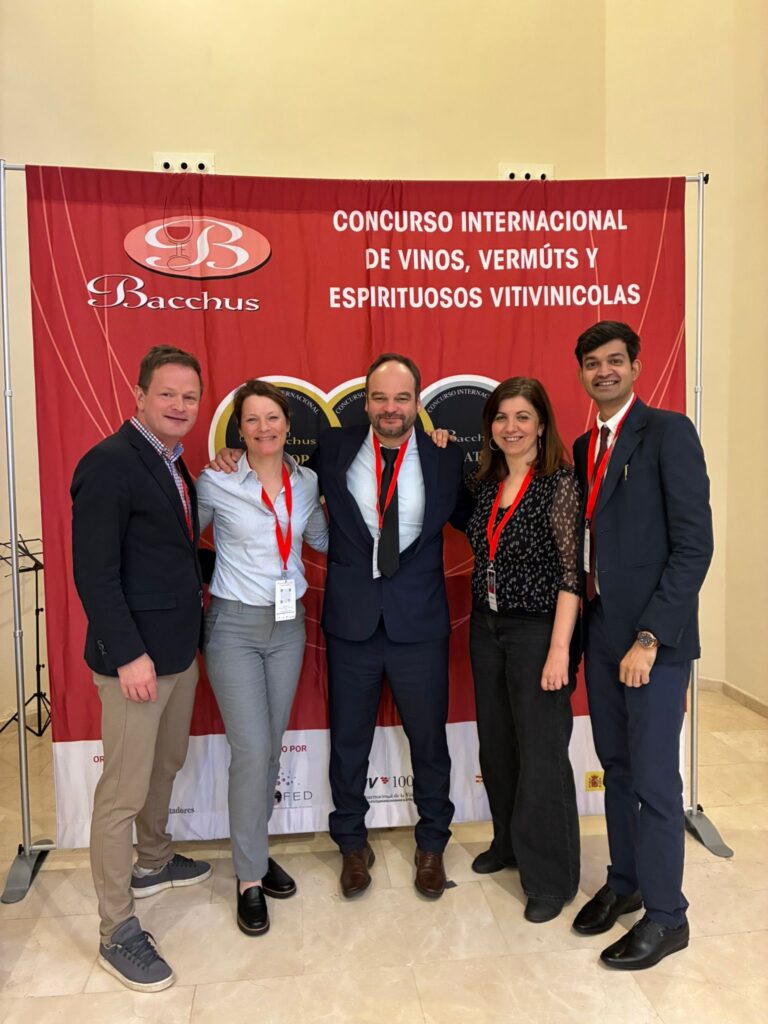
Awaken your senses to the refined warmth of Spanish hospitality, timeless flair, and electrifying energy of Concurso Internacional Bacchus. The Bacchus International Wine Competition (Concurso Internacional Bacchus) remains Spain’s premier annual tasting for wine, vermouth, and spirits. Organized since 1996 by the Unión Española de Catadores in Madrid, Bacchus is recognized by the OIV and respected within the VINOFED network — a benchmark for technical rigor, international visibility, and industry credibility. Bacchus XXIV (Bacchus 2026), held in Madrid from 23–26 March, welcomed a diverse field: 1,462 wines, 28 vermouths, and 35 spirits from 14 countries. Ninety-two judges from 27 nationalities — critics, sommeliers, winemakers, educators, and importers — came together for strict blind tastings. Spanish entries were especially strong, covering 51 geographical indications and 42 designations of origin. Medals across Gran Bacchus de Oro, Bacchus de Oro, and Bacchus de Plata were awarded, with Mexico leading the international medal count. The competition’s logistics run like a well-tuned cellar: flights randomized, controlled tasting conditions, and multiple judges per sample to reduce bias. A calibration session at the start aligned scoring criteria and reference styles, helping ensure coherence across a widely varied panel. Beyond medals, detailed tasting notes offered producers and trade professionals practical feedback on market readiness and stylistic direction. Bacchus balances rigorous assessment with cultural and commercial programming. Over three full days, core blind panels were paired with masterclasses, producer showcases, trade tastings, and evening events — a mix that highlights both established appellations and fresh, experimental projects. The opening Ambassadors of Diversity Wine Salon set the tone, showcasing identity-driven wines and signaling that Bacchus values both tradition and innovation. Several wines stood out. Bodegas Serdio’s 50 VORS sherries revealed oxidative mastery: an Oloroso with nutty-caramel depth, an Amontillado layered with dried apricot and savory nuance, and a Palo Cortado of toasted-walnut precision and saline lift. Paco & Lola’s 2018 Albariño impressed with citrus lift and saline minerality; Granvazan Limousin Albariño offered creamy texture and toasted-almond nuance; Altos de Corona Caíño popped with green apple, wild herbs, and mineral energy; and Pago de los Capellanes Parcela El Picon 2021 showed concentrated dark fruit, warm spice, and silky, refined tannins. As a first time attendee, it was a genuine honor to participate in this esteemed competition. The event’s perfect scale created such wonderful camaraderie among wine professionals from around the globe, giving us the ideal setting to connect and build meaningful relationships with colleagues from every corner of the industry. Adding to the magic of the event were the exceptional lunches, masterclasses, and dinners that followed each day of tasting. All lunches and the core blind tasting sessions took place at the historic MOM Culinary Institute El Pardo — housed in a beautifully repurposed 19th-century convent in Madrid’s El Pardo district. That atmospheric setting, with its timeless architecture and warm, professional vibe, added an extra layer of charm and history to every moment. Culinary pairings and masterclasses were integral to the Bacchus experience, each designed to reveal new facets of the wines: – Lan & Sogrape hosted a standout lunch where grilled octopus and succulent Iberian pork cheek were paired deftly with elegant, balanced wines. Following this, a Raventós Codorníu masterclass showcased Cava’s traditional-method precision — crisp, fine bubbles and focused acidity that demonstrated the region’s world-class sparkling craftsmanship. – An asador dinner at Asador Gonzaba Madrid, sponsored by Marqués de Riscal, provided a quintessential Spanish grilling experience: jamón ibérico de bellota; jamón-and-cheese croquetas; grilled Galician scallops; and a magnificent chuletón de ternera, each course enlivened by generous pours of iconic Rioja and other classic Spanish labels. – Torres hosted a refined luncheon that highlighted varietal finesse and cellar craft, while a Zamora Company masterclass later in the day put a spotlight on exceptional Godello from Finca Lobeira and Godeval alongside a vibrant Ramón Bilbao Albariño — tastings that illustrated how soil, exposure, and vine age influence aromatic lift, texture, and aging potential. – Restaurante Zen Velázquez delivered an elegant Asian-fusion dinner paired with Bodegas NOC, where the Selección de Familia Ribera del Duero 2023 revealed plush dark cherry, violet florals, and polished tannins. Guests were also treated to one of the first public tastings of Bodegas NOC’s inaugural traditional-method sparkling rosé from Tempranillo — a milestone release that speaks to the region’s innovation. The closing day’s lunch at MOM tied the week together with elevated comfort fare — empanada de atún y Manchego, tuna encebollado, Iberian pork tenderloin, and a salted chocolate tart — alongside a strong lineup of standout wines. Noteworthy pours included Familia Navascues Mas de Mancuso Cariñena 2023 (sensual blackberry and pepper wrapped in silky tannins), Arrayan El Bufón Albillo Real 2023 (explosive pineapple and peach with electric acidity), Arrayan La Suerte 2021 (rich dark fruit and tobacco with a long polished finish), and Bodegas Pascual Fernández Siete Peldaños 1857 Selección de Viñas Viejas 2020 (deep cherry, leather, earth, and velvety texture). Sharing these wines with their producers, Jorge Navascues and Maite Sanchez Marquez, underscored the dialogue between bottle and maker that makes Bacchus so meaningful. The evening ended on a high note with a farewell dinner at Sua by Triiclea — a fresh, vibrant Rías Baixas celebration hosted by the Consejo Regulador. They poured 27 impressive Albariños; standouts included Lusco Albariño 2025 (zesty lemon, sea-breeze freshness), Pazo Señorans 2024 (peach and white-flower elegance, bright acidity), Albariño de Fefiñanes 2024 (crisp green apple, saline minerality), Pazo de Rubianes 2024 (creamy texture with tropical fruit) and Granbazán Don Álvaro de Bazán 2022 (honeyed apricot, toasted almond, long refined finish). The menu was exceptional (toast with smoked butter and anchovies were swoon worthy) & framed the wines beautifully and sent the week off in style. From a professional standpoint, Bacchus 2026 balanced technical rigor with access and storytelling. The scoring and medal outcomes continue to offer a reliable external validation that producers can leverage for market entry, trade attention, and consumer trust. For importers and distributors, the competition’s results and the relationships forged here provide a practical roadmap
Elegant Women’s Day Sips
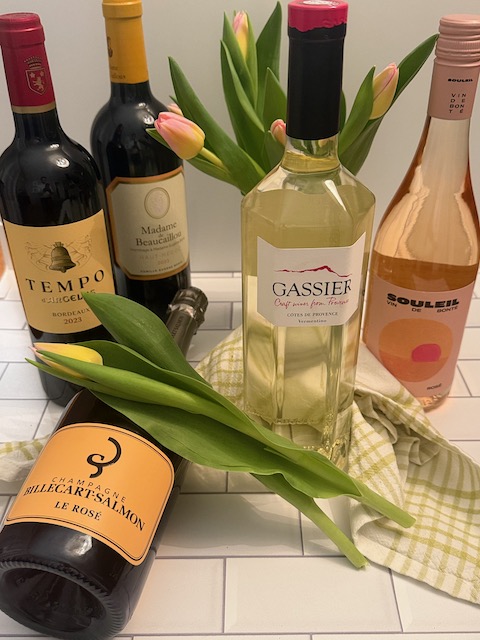
Fellow wine lovers, let’s raise our glasses to the extraordinary women who shape the world of wine with their passion, innovation, and grace. In honor of Women’s Day, I’ve curated a selection of exceptional bottles, each spotlighting a remarkable woman’s role in its creation. From founders to winemakers and historical pioneers, these wines embody their spirit—elegant, resilient, and full of life. Join me on this flavorful journey through France’s finest, where every sip tells a story of empowerment and artistry. Souleil Vin de Bonté Le Rosé 2024 Marianne Fabre-Lanvin: The Visionary Founder of Souleil Marianne Fabre-Lanvin, a French Southerner with deep family roots in vineyards, turned her lifelong passion for wine and the sea into a reality by co-founding Souleil Vin de Bonté. As a wine publicist and marketer splitting time between Paris and New York, she launched this brand as a passion project, blending organic grapes from independent growers while championing sustainability and ocean conservation. Her approachable, laid-back ethos makes every bottle feel like an invitation to share joy with friends. The Winery: Souleil Vin de Bonté Founder Marianne captures the sun-drenched essence of Southern France. This eco-conscious label sources organic grapes from seaside vineyards, emphasizing low-intervention practices and giving back to the ocean. It’s a brand that embodies endless summer vibes, producing approachable reds, whites, and rosés with a nostalgic, unapologetically French flair. The Wine: Sunset rays of vibrancy Crafted through organic, low-intervention winemaking, this rosé blends 34 % Grenache, 33% Syrah, 33% Cinsault, fermented in a Provençal style for bright lift and freshness. Hailing from Mediterranean-sighted parcels in Vin de France, it’s a delicate, dry rosé bursting with strawberries, raspberries, orange rind, and mineral notes—think tart red berries and juicy grapefruit on a vibrant, herbaceous palate. Pair it creatively with a sunset picnic of grilled octopus tacos or vegan berry sorbet for a refreshing, ocean-inspired twist. Madame de Beaucaillou, Haut-Médoc, Bordeaux, 2020 The Matriarch: Honoring Elegance and Warmth This wine pays tribute to the producer’s mother, a symbol of grace and hospitality whose elegance, warmth, and artful table-setting inspired its name. As the heart of the Borie family, she represents the nurturing spirit that infuses the estates legacy, reminding us how women create welcoming spaces that turn houses into homes. The Winery: Madame de Beaucaillou has been family-owned for generations under the Borie family. Spanning 75 hectares with vines averaging over 35 years old, it focuses on meticulous craftsmanship, blending tradition with modern precision to produce iconic Bordeaux wines known for their structure and longevity. The Wine: Poised and Powerful Hand-harvested and vinified with care, this Merlot-dominant blend (66% Merlot Noir, 24% Cabernet Sauvignon, 10% Petit Verdot) ages 12 months in Bordeaux barrels (20% new). From the Haut-Médoc region, it’s a savory, classic red with deep ruby hues, offering blackcurrant, iris petals, and orange blossom aromas. On the palate, juicy black fruits and polished tannins shine—pair it with a creative twist like duck confit empanadas or dark chocolate-dusted venison for an indulgent, welcoming feast. Gassier Blanc, Côtes de Provence, 2025 Léa Rouyet: The Artisan Oenologist Léa Rouyet, a talented winemaker from the Basque Country, joined Château Gassier in 2015 and has since elevated its wines with her passion for terroir-driven expressions. Balancing tradition and innovation, she crafts cuvées that highlight Provence’s unique character, proving rosé and whites deserve serious acclaim while inspiring a new generation of female vintners. The Winery: Château Gassier Nestled at the foot of Montagne Sainte-Victoire, Château Gassier is a six-generation artisanal estate committed to organic farming across 40 hectares. Under Georges Gassier and Léa Rouyet, it pioneers wood-aged Provence wines and sustainable practices, producing expressive rosés and whites that capture the region’s limestone-clay terroir in Côtes de Provence and Sainte-Victoire appellations. The Wine: Crisp Modernity Meets Mediterranean Magic This new cuvée is 100% Vermentino with cool stainless fermentation, offers a fresh, modern take on Provence white. Pale gold with a silvery-green shimmer, this vibrant white opens with fresh white peach, bright citrus, and delicate white flowers. On the palate, it’s crisp and refreshing, delivering zesty lemon and grapefruit notes layered with subtle minerality and a whisper of Mediterranean garrigue. Round yet lively, with a clean, saline finish that lingers invitingly. Savor its sunshine in a glass alongside creative pairings like citrus-glazed scallops over herb-infused quinoa or a summer salad with goat cheese and honeycomb. Tempo d’Angelus, Bordeaux 2023 Stéphanie de Boüard-Rivoal: The Eighth-Generation Leader As the first woman in eight generations to lead Château Angelus, Stéphanie de Boüard-Rivoal has steered the estate toward organic viticulture since 2012. Her visionary guidance created Tempo d’Angelus, demystifying grands crus while preserving family legacy—a testament to her determination, passion, and role as guardian of centuries-old traditions. The Winery: Tempo d’Angelus Born from the same exceptional terroirs and crafted with the Angelus team’s renowned savoir-faire, Tempo d’Angelus delivers the signature depth and complexity of its illustrious siblings—Château Angelus and Carillon d’Angelus—but in a more immediate, hedonistic style. No need to wait 15–20 years; this precise, well-structured wine is ready to be enjoyed at its peak much sooner. Sourced from magnificent clay-limestone slopes in Saint-Magne-de-Castillon, Castillon-La-Bataille, and Sainte-Colombe (acquired in 2017 specifically for this project), it is vinified in a dedicated, state-of-the-art cellar within Chai Carillon. Its elegant label features the iconic swinging Angelus bell, perfectly capturing the new rhythm and energy this wine brings to the family’s prestigious range. The Wine: Refined Grace in Every Sip Made from 90% Merlot and 10% Cabernet Franc, with vines from Castillon-la-Bataille parcels, this Bordeaux red undergoes precise vinification for streamlined elegance. From Bordeaux appellation, it’s poised and complex with red berries, plum, mocha, and subtle oak—richly extracted yet approachable young. A true expression of Bordeaux excellence—refined, accessible, and deeply satisfying. Elevate it with a creative pairing like lamb tagine with apricots or aged cheddar-stuffed mushrooms for a graceful, celebratory meal. Billecart-Salmon Le Rosé, Champagne Elisabeth Salmon: The Pioneering Co-Founder In 1818, Elisabeth Salmon co-founded Billecart-Salmon with her husband Nicolas-François, bringing her
Virtual Sip to Breganze Glory: Maculan’s Wines
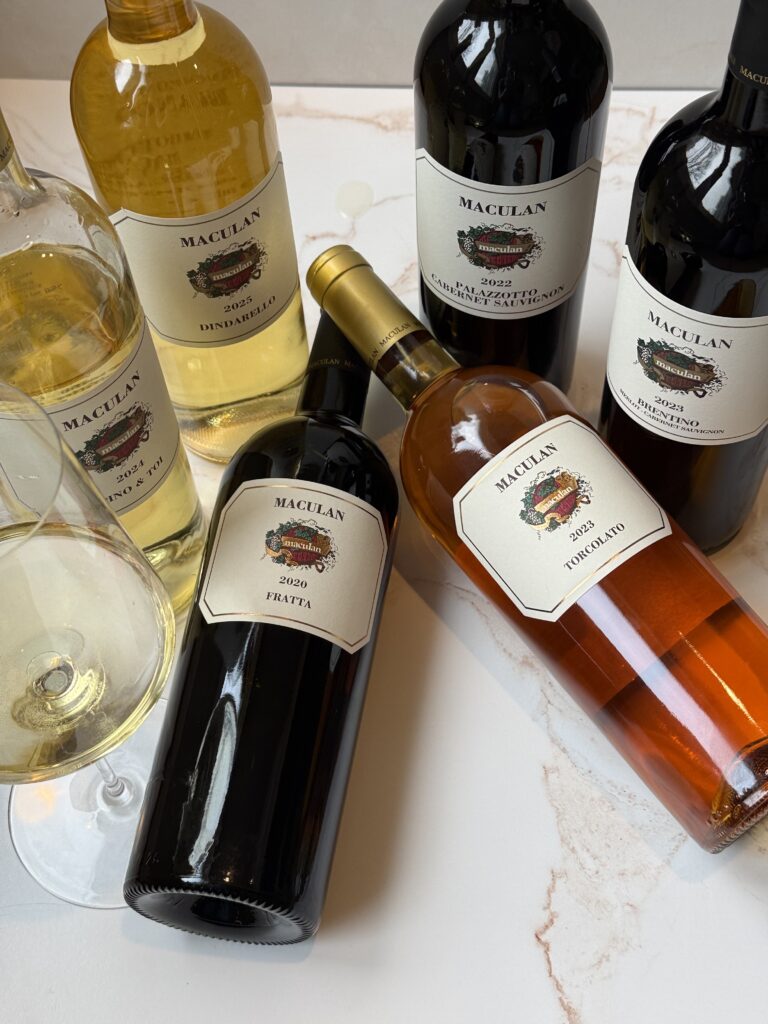
I recently joined a virtual tour and tasting of Maculan’s incredible journey and wines with Angela, “the traveling smile of the winery”, expertly organized by Studio Cru—the go-to Italian wine communications pros who made the event feel intimate, insightful, and downright fun despite being screens apart. Shoutout to them for bridging the Atlantic and letting us dive deep into Breganze from my spot in Providence! Picture this: a postcard-perfect hill town in northern Italy’s Veneto region, tucked at the foot of the Asiago Plateau. That’s Breganze—small, volcanic-soiled, and quietly legendary for wines that blend native soul with international swagger. The Breganze DOC was established in 1969, recognizing the area’s unique potential for quality production. Back then, it was a modest zone with just a handful of producers focused on everyday wines. Today, the appellation has 20 wineries spans about 600 hectares of rolling hills with tuffaceous volcanic soils—rich in minerals, well-drained, and ideal for concentrated, vibrant grapes. The DOC allows a stellar lineup: whites from varieties like Chardonnay, Friulano (Tai), Pinot Bianco, Pinot Grigio, Sauvignon Blanc, and the native star Vespaiola; reds featuring Merlot, Cabernet Sauvignon, Cabernet Franc, Carmenère, Pinot Nero, and Marzemino. Fausto Maculan saw the untapped gold here early on—the fresh alpine breezes, diurnal shifts for acidity, and volcanic terroir that could rival bigger names—and turned Breganze into a benchmark for elegant, terroir-driven wines rather than bulk volume. Enter Maculan, the family powerhouse that’s been turning heads since 1947. It all started when grandfather Giovanni Maculan kicked things off in the heart of Breganze. But the real revolution hit in 1973, when Fausto Maculan—fresh from oenology school in Conegliano—grabbed the reins and flipped the script. Back when most Italian wine was just nondescript table stuff, Fausto pioneered quality: slapping varietal names on labels, obsessing over high-end viticulture, and crafting wines built to age and impress. He became one of Italy’s quality trailblazers, putting Breganze on the map with bold reds and world-class sweets. ” My father was deeply inspired by France’s winemaking.” Fast-forward to today, and Maculan is third-generation fire. Fausto works shoulder-to-shoulder with his dynamic daughters, Angela (exports and sales wizard) and Maria Vittoria (viticulture and winemaking powerhouse). Together, they’re steering the ship toward innovation, sustainability, and global reach—while keeping deep roots in those tuffaceous volcanic hills. The portfolio? A killer mix of “traditional” internationals (planted by noble Venetian families in the 1800s) and native stars. All vineyards hug the Breganze DOC, marrying terroir magic with meticulous hands-on winemaking. Maculan produces approximately 50% red wine, 30% white wine (dry still whites), and 20% dessert/sweet wine (primarily passito styles like Torcolato and Dindarello, which are white-grape based but classified separately due to their sweet profile) Here are the icons we tasted—straight fire: – Pino & Toi 2025 — Zippy white blend (60% Tai/Friulano, 25% Pinot Bianco, 15% Pinot Grigio). Fresh pear, apple, floral pop, and citrus snap. Stainless steel magic keeps it vibrant—your go-to aperitivo rocket. This poppy blend was created for the US market. – Brentino 2023 — The name is an ode to the baskets the workers would carry from the vineyards to the winery. Their number one selling wine in terms of volume, your everyday red. Plush Bordeaux-style red (55% Merlot, 45% Cabernet Sauvignon). Dark plum, blackberry, spice, and a tarry edge. Fine grained tannins made with a blend of stainless steel and oak polish—elegant yet powerful. – Palazzotto 2022 — This wine overdelivers, a fabulous international style that aims to please. Pure Cabernet Sauvignon intensity. Bright cherry, red berries, licorice, silky tannins. Traditional red vinification shines through—vibrant Italian Cab finesse. – Fratta 2020 — “fratta” means steep slopes. The flagship beast: 65% Cabernet Sauvignon– 35% Merlot in a blend from elite low-yield plots. Deep dark fruit, violet, cassis layers. Long maceration + barrique aging = bold, age-worthy balance. This is their jewel of Breganze. – Dindarello 2025 — Moscato passito sunshine. Honeyed grape, orange blossom, tropical vibes. One-month dried grapes, gentle press/ferment—sweet, fresh, pastry-perfect. Pair with a cheesecake for a heavenly experience. – Torcolato 2023 — The crown jewel: 100% Vespaiola passito. Bunches twisted into “torcolato” ropes and air-dried four months for concentrated glory, then aged for a year in new and used oak. This is the regions traditional way to dry the grapes. Honey, dried apricot, vanilla, acacia, spice—searing acidity with opulent sweetness with razor acidity. Liquid gold, Breganze’s pride. The DOC produces 30,000 bottles total of this sweet styled wine. Imported stateside by Massanois (shoutout to Martina Mirandola and Ellen Taylor for making these gems cross the pond), Maculan isn’t chasing trends—it’s setting them. From crisp everyday whites to age-defying reds and those legendary sweets, this is Veneto excellence with family heart. If you’re in Providence or hunting great Italian bottles, track these down. One sip (or virtual sip!), and you’ll get why Fausto, Angela, and Maria Vittoria sign off with pride: “Enjoy the tasting.” Salute to the future in our roots—and thanks again to Studio Cru for the stellar virtual escape.
Uncovering Italy’s Wine Wonders wit Ian D’Agata

Ian D’Agata is the Indiana Jones of Italian wine—a tireless detective who’s spent over 30 years uncovering the magic of Italy’s native grapes and terroirs with scientific precision and infectious enthusiasm. With Sicilian roots and a Toronto upbringing, this former medical doctor swapped scrubs for stemware decades ago, resurrecting forgotten varieties and mapping Italy’s diverse landscapes like no one else. He’s earned top honors, including Best Young Italian Wine Journalist (2007) and accolades for his landmark books: the essential Native Wine Grapes of Italy, Italy’s Native Wine Grape Terroirs, the award-winning Italian Wine Terroirs (Best European Wine Book 2025), and the forthcoming Barbaresco Terroir (spring 2026). He’s lectured worldwide, directed the International Wine Academy in Rome, and curated tastings for Vinitaly and beyond. His books are my essential encyclopedias on everything Italy’s native grapes. They have been instrumental in my WSET Diploma studies and remain my go-to references for every article I’ve written. Now based in Shanghai, he leads Ian D’Agata Wine Culture, including the Ian D’Agata Wine Review, Wine Academy, and a global masterclass series. Through these by-invitation-only events, he delivers educational, entertaining deep dives into Italian wines—empowering sommeliers, writers, importers, and enthusiasts alike. A recent highlight was the Ian D’Agata Wine Culture Show in NYC on March 4, 2026, at Café Carmellini (The Fifth Avenue Hotel). The limited seating event featured three masterclasses on native grapes and hybrids, trailblazing winemakers Cristiana Tiberio and Sabrina Tedeschi, and the greatness of Verdicchio from Castelli di Jesi—plus wines from over 20 producers. Attendees tasted a whopping 20 wines in the first class, 12 in the second, and 16 Verdicchio stunners in the third. Here’s the full lineup with punchy tasting notes from the event—fresh, vibrant sips that showcased Italy’s wine wizardry: Masterclass 1: Native Italian Wine Grapes, Crossings and Hybrids: from Ancient to Modern Times – “In with the Old, but also In with the New” Ian hand-picked a killer lineup for the first masterclass: pure native Italian grapes, intriguing crossings, and bold hybrids to ignite your curiosity. From the regal depths of Nebbiolo to the juicy powerhouse Barbera & vibrant soul of Sangiovese, the aromatic rush of Moscato, the Sicilian crispness of Grillo and Catarratto, the elegant twist of Riesling, the rustic edge of Freisa—and a few wild-card hybrids thrown in to blow your mind. 1. Feudo Montoni Catarratto Terre Siciliane “Masso” 2024: Zesty lemon zest meets peachy almond crunch—crisp, mineral-driven sunshine in a glass. A juicy little number, fresh, nice attack with a full middle. 2. Feudo Montoni Grillo “Timpa” 2024: Grillo has a pschyzo type of personality. Tropical pineapple punch with a salty sea breeze—vibrant and utterly addictive. 3. G.D. Vajra Langhe Riesling “Pétracine” 2024: Petrol-kissed apples and lime—racy acidity that dances on the palate. He was the first to plant Langhe in 1985, so round in stone fruit with a nice steely grip. 4. Vigneti Vinessa “Divento” 2023: Located at the foothills of Lugana, it has an alpine microclimate with strong winds (aka Diveneto). Leonardo only grows hybrids, 2 hectares worth. This is a blend of Johanniter 50% and Bronner 50%Floral jasmine and green pear, cumin seeds, tat apple, bitter greens, rounder and more aromatic—elegant, evolving layers like a wine whisper. 5. Vigneti Vinessa “Divento” 2022: Riper stone fruit with herbal twists—deeper, more contemplative than its younger sib. 6. Vigneti Vinessa “Fruscìo” 2023: This is their first vintage. This wine is a blend of Prior (a Pinot Noir hybrid) and Cabernet Cortis (a Cabernet Franc hybrid).A whispery cross similar to a cross of Pinot Noir and Cabernet Franc. 7. Ca’ d’ Gal Barbera d’Asti “Mavi” 2023: Juicy cherry bomb with bright acid—playful, food-friendly firecracker. Juicy, fresh and nice. 8. G.D. Vajra Langhe Freisa “Kyè” 2023: Wild strawberry and peppery spice—lively, tannic grip that begs for pizza. Smoky edge, mastered tannins, could age forever, so pretty, love it! 9. Castiglion del Bosco Rosso di Montalcino “Gauggiole” 2022: This wine comes from a rare subsection of Montalcino grown in blue clay- it’s dainty, delicate Sangiovese charm with red berry elegance—silky, approachable Tuscan hug. 10. Luigi Baudana Barolo “Baudana” 2022: This is a Serralunga Cru, blue grey marl soil, use decadent and sultry, sexy cherry beauty, Nebbiolo power: rose petals, tar, and firm tannins—young but promising depth. Loved it! 11. G.D. Vajra Barolo Ravera 2022: Gorgeous wine full of earthy cherries, violet and rose petals and licorice—structured, with a long, haunting finish. Pure precision, daintier, penetrating in its perfume, juicy sweet fruit. Incredible. 12. Elvio Cogno Barolo Ravera 2021: More power, structured Cru, beautiful balsamic licorice notes over dark fruit—intense, age-worthy beast. 13. Elvio Cogno Barolo Ravera “Bricco Pernice” 2020: More elegant cur, so tippy toe in its powered truffle and violet elegance—refined power that evolves beautifully. Sweet fruit but less than the Ravera 2021. Stunning. 14. Feudo Montoni Nero D’Avola Riserva “Vrucara” 2020: Plummy depth with chocolate hints—bold Sicilian soul, velvety smooth. Menthol instance, tons of violet, elegant 70 year old vines, so pretty in its power, remarkable. 15. Castiglion del Bosco Brunello di Montalcino 2021: Leather, blood orange and red fruit symphony—robust, with Sangiovese’s signature grip. A pretty wine with muscles. Glides down the palate with flinty ease. 16. Castiglion del Bosco Brunello di Montalcino “Campo del Drago” 2021: Intense black cherry core—complex, terroir-driven masterpiece. This wine has more stuffing to it, elegance lingers. 17. Ca’ d’ Gal Moscato d’Asti “Lumine” 2024: Fizzy peach and floral fizz—sweet, low-alcohol delight. It is a fix that is so concentrated that you want to eat its prescence, creamy and intense, mouthwatering. 18. Ca’ d’ Gal Moscato d’Asti “Vigna Vecchia” 2019: Honeyed apricot with nutty age—evolved, luxurious sparkle. 19. Vigneti Vinessa “Controvento” 2024: Dense wine, mind bending acidity, easy to drink, wind-swept herbs and citrus—rebellious, refreshing twist. 20. Feudo Montoni Passito Rosso: Dried fig, floral, toffee and raisin richness—sweet, sticky finale with balanced acid. Masterclass 2: World Wine Leaders: Meet Cristiana Tiberio and Sabrina Tedeschi and Their Trailblazing Wineries and Wines Spotlighting two powerhouse women shaking up Italian wine with innovation rooted in tradition: Cristiana
Becoming a Dame: Finding My People at Boston’s Legendary Escoffier Dinner
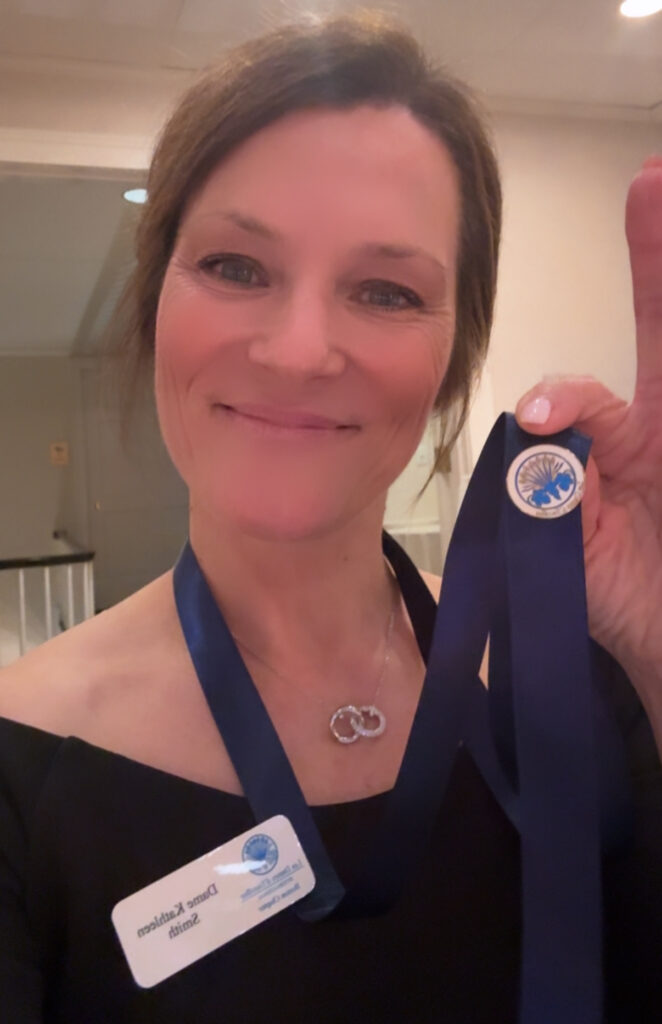
I’m thrilled to share that I’ve been inducted as a Dame in the Boston Chapter of Les Dames d’Escoffier—what an absolute honor! It truly feels like I’ve found my people: a warm, welcoming community bound together by genuine fellowship, kindness, and an unwavering passion for exceptional food, wine, and the art of hospitality. Joining an organization with such a storied legacy and a deep commitment to uplifting women leaders in the culinary world is nothing short of special. The Boston Chapter has a proud history dating back to 1959, when it was founded as Les Dames des Amis d’Escoffier—the pioneering women’s counterpart to the all-male Les Amis d’Escoffier Society (established in New York in 1936 to celebrate the legendary French chef Auguste Escoffier). In a time when women were largely sidelined from elite gastronomic circles, this trailblazing group carved out a vibrant space to honor fine dining, culinary mastery, and the timeless Escoffier principles of elegance, precision, and generosity. From the start, the chapter became renowned for its lavish multi-course dinners and fundraising events that supported food and wine charities. Over the years, it evolved and, in 1991, formally joined Les Dames d’Escoffier International (LDEI), which had been established in 1985 to bring together accomplished women across the food, beverage, and hospitality sectors. Today, the Boston Chapter proudly stands as the only all-female society worldwide dedicated to preserving and advancing the Escoffier tradition—most notably through its signature Annual Escoffier Dinner, the sole chapter globally to host this classic, formal multi-course celebration each year. It’s truly our rite of spring and a breathtaking showcase of gastronomic artistry. Far beyond a dining club, the Boston Chapter is a dynamic professional network that unites women from all corners of the hospitality world—chefs, restaurateurs, writers, producers, sommeliers, and beyond—at every stage of their careers. United by a love for fine cuisine and wine, we build meaningful connections through networking, mentorship, education, and advocacy to champion and elevate women in the industry. Philanthropy has always been central: over the decades, we’ve raised substantial funds for scholarships, backed community food initiatives, and collaborated with partners tackling food insecurity and culinary education. The pinnacle of the year was the 64th Annual Escoffier Dinner on March 15, 2026, held at the elegant, historic Dedham Country & Polo Club. Executive Chef Jeremy DiStefano and his talented team—supported by the tireless Dinner Committee—delivered an unforgettable eight-course masterpiece bursting with fresh spring flavors and timeless sophistication. They beautifully honored Escoffier’s traditions while weaving in modern touches and inclusive pairings, including thoughtful non-alcoholic options so everyone could fully savor the experience. The evening flowed flawlessly: a delightful cocktail hour with a stunning raw bar, heartfelt welcomes and speeches (including the well-deserved Dame of Distinction honor), the exciting induction of new Dames like me, and then that spectacular dinner with perfectly matched wines and zero-proof delights. Surrounded by so many inspiring, powerhouse women in hospitality, I felt pure joy. I’ve set a goal for 2026 to expand my community even further—and this incredible group is the perfect, energizing launchpad. At its heart, the Boston Chapter radiates fellowship, kindness, and a profound love for exceptional cuisine—the very qualities that made my induction feel like coming home to “my people.” It’s a living legacy of bold, trailblazing women that’s thriving stronger than ever. Here’s to many more magical evenings ahead!
Passports To Spring Wine Club
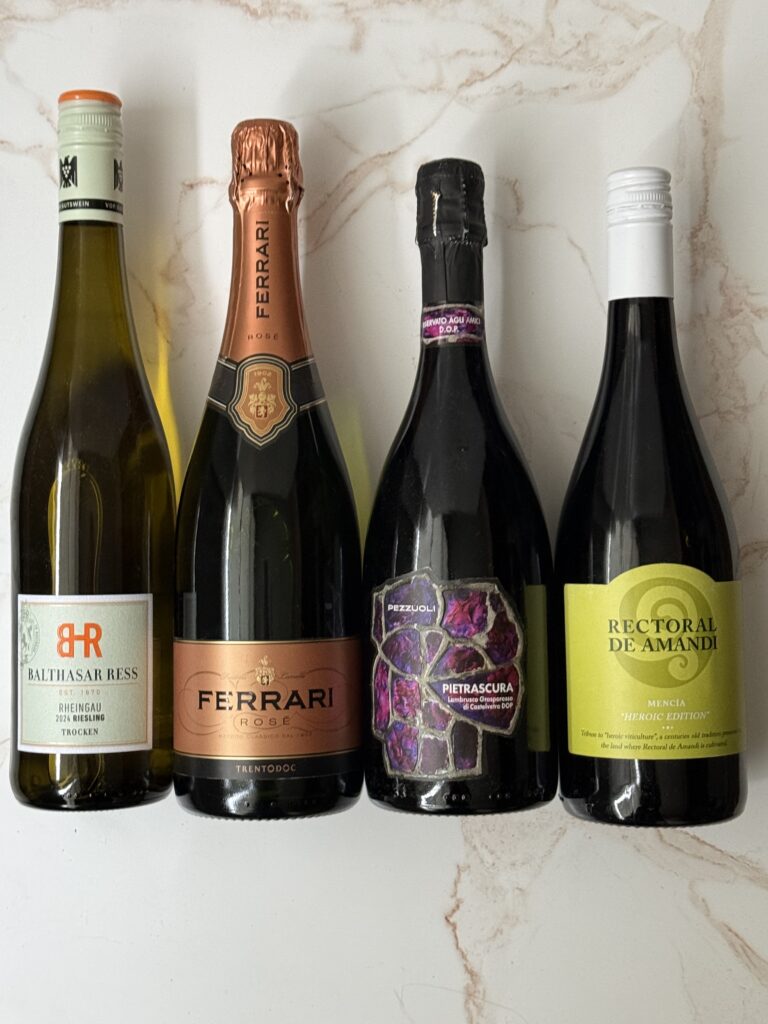
Spring has arrived, and with it comes that irresistible urge to shake off the cozy winter layers, open the windows, and let fresh air—and fresh wines—flood in. I’ve curated four standout bottles that feel like liquid sunshine: each one crisp, lively, and perfectly tuned to the season’s renewal. From a steely German white that wakes up your palate like morning dew on budding flowers, to an Alpine pink sparkler for breezy picnics, a fizzy Italian red to liven up grill sessions, and a soulful Spanish red for those golden-hour evenings under emerging leaves—these are my personal passports to spring awakening. Let’s dive in, one vibrant sip at a time. Spring has arrived, and with it comes that irresistible urge to shake off the cozy winter layers, open the windows, and let fresh air—and fresh wines—flood in. I’ve curated four standout bottles that feel like liquid sunshine: each one crisp, lively, and perfectly tuned to the season’s renewal. From a steely German white that wakes up your palate like morning dew on budding flowers, to an Alpine pink sparkler for breezy picnics, a fizzy Italian red to liven up grill sessions, and a soulful Spanish red for those golden-hour evenings under emerging leaves—these are my personal passports to spring awakening. Let’s dive in, one vibrant sip at a time. Balthasar Ress Rheingau Riesling Dry QbA: The Crisp Dawn Awakener Imagine steep slate slopes rising dramatically along the Rhine, ancient soils channeling pure minerality into every grape—that’s the enchanting world of Balthasar Ress, a storied family estate in the heart of Germany’s prestigious Rheingau. Here, Riesling reigns supreme (78% of plantings), protected by the Taunus Mountains and gently warmed by the river for slow, elegant ripening in this ultimate cool-climate haven. On a personal note I had the pleasure of visiting the estate this past January and let me tell you, it was swoon worthy! Read the full article. Hand-harvested from selected estate vineyards, the grapes undergo gentle whole-cluster pressing and cool stainless-steel fermentation—no oak—to preserve razor-sharp freshness and let the signature slate terroir shine unadorned in this bone-dry trocken QbA style. A delightful secret: Historic sites like Nussbrunnen lend old-vine depth and that classic “wet stone” or subtle petrol note even in young bottles, with many Ress Rieslings evolving gracefully for decades into profound layers. In the glass, pale straw with subtle green glints reveals an explosive bouquet: ripe pear, banana, peach, crunchy green apple, lime zest, gooseberry, delicate herbal spice, and layered wet stone minerality. The palate is invigorating and laser-focused—crisp tree fruits, a herbaceous basil lift, saline snap, vibrant acidity driving through, and a pristinely clean, mouthwatering finish that begs for another sip. It pairs beautifully with spring’s stars: asparagus risotto (its acidity cuts the creamy earthiness like sunlight through clouds), honey-drizzled goat cheese crostini, or grilled ramps and young greens—the wine amplifies every vegetal note like a fresh garden echo. Think of it as the unflappable calm in “The Great British Bake Off” tent during a tense technical challenge—pure, crisp composure amid the chaos, much like Paul Hollywood’s rare approving nod. Best savored at a sunny garden brunch: a long outdoor table strewn with tulips and daffodils, buttery scones or light veggie quiche, friends gathered as birds chirp and bees hum. Sip slowly in the morning light; the minerality mirrors rain-kissed earth, turning every conversation into pure seasonal renewal. Ferrari Rosé: Effortless Alpine Glamour in Pink Bubbles Spring’s soundtrack deserves bubbles, and Ferrari Rosé delivers with effortless elegance from Trento DOC in Italy’s breathtaking Dolomite Alps. Founded in 1902 by Giulio Ferrari (after his French training), this pioneering metodo classico house is now guided by the third generation Lunelli family, who have elevated Trentodoc sparkling wines to world-class status. On a personal note, I had the pleasure of meeting the third generation Lunelli family last year at Wine Paris and will be visiting their estate this April! High-altitude vineyards (300–700 meters+) bask in sunny days and crisp nights on glacial soils, yielding Champagne-like finesse infused with vibrant Italian Alpine soul. The metodo classico process shines: a harmonious blend of Pinot Nero (around 60% for structure and that lovely salmon hue via saignée maceration) and Chardonnay (40% for finesse), gentle pressing, bottle secondary fermentation, and extended lees aging (20–24+ months) for creamy texture and ultra-fine perlage. A fun nod to history: Ferrari helped establish Trento DOC in 1993 as Italy’s dedicated metodo classico zone—often hailed as “Italy’s Champagne,” with recent cuvées earning consistent 90+ praise for harmony and refinement. The wine glows delicate coppery salmon-pink with persistent fine bubbles; the nose is refined and inviting—wild strawberries, red currants, hawthorn blossoms, rose petals, and subtle yeasty brioche. On the dry palate: watermelon rind crispness, a touch of almond sweetness, lively acidity, elegant fruit persistence, and a clean, refreshing finish that feels sophisticated yet utterly approachable. It dances perfectly with prosciutto-wrapped melon skewers (sweet-salty-fruity interplay amplified by bubbles), mint-flecked spring pea risotto, or salmon sushi rolls—the effervescence lifts delicate flavors without overpowering. Channel “Emily in Paris” rooftop glamour: this chic pink fizz matches Emily’s aspirational style, ideal for fashion-week montages or glamorous soirées bursting with springtime joy. Unleash it on a breezy park or lakeside picnic—wicker basket packed with charcuterie, fresh baguette, seasonal strawberries, and soft blankets under blooming cherry trees or dogwoods. Let the bubbles fizz as sunlight filters through leaves and laughter flows; ordinary afternoons transform into spontaneous, feel-good celebrations of longer days. Pezzuoli Pietrascura Dry Lambrusco Grasparossa: The Fizzy Red Rebel Time to flip the script on Lambrusco stereotypes—this dry, savory beauty from Azienda Agricola Pezzuoli (a fourth-generation family treasure since 1932 in Emilia-Romagna’s Castelvetro hills) is complex, food-driven, and full of character. In the smallest, most structured subzone—Lambrusco Grasparossa di Castelvetro DOC—hilly terrain with warm days and cool nights builds intense color, fruit depth, and balanced tannins. 100% estate-grown Grasparossa grapes get cold maceration for gentle extraction, then Charmat tank fermentation for lively, frothy effervescence; short maceration keeps it vibrant, dry, and refreshingly low-intervention. The revelation:
Cocco Ilaria: A Woman-Led Winery Redefining Elegance in Montefalco
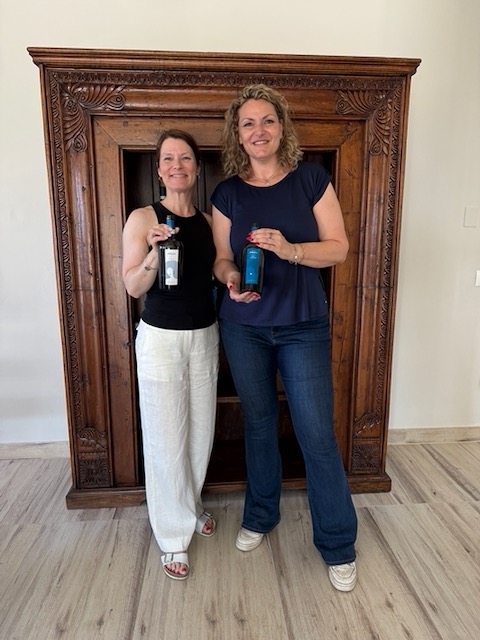
Nestled in the rolling hills of Montefalco, Umbria lies a hidden gem that’s capturing the hearts of wine lovers worldwide. Cocco Ilaria is a testament to passion, perseverance, and the power of a single woman’s vision. During a recent visit, I had the privilege of spending an afternoon with Ilaria Cocco, the dynamic force behind this boutique estate. What unfolded was not only a tasting of exceptional wines but a story of heritage, innovation, and unyielding creativity. For wine enthusiasts seeking authentic, soul-stirring experiences, Cocco Ilaria is a must-discover. Cocco Ilaria embodies the essence of Montefalco’s storied terroir while infusing it with a modern, feminine flair. Established in 2013, the winery produces around 12,000 bottles annually from just 3.5 hectares of vineyards, focusing on indigenous grapes like Sagrantino and Trebbiano Spoletino, alongside Sangiovese and a touch of Merlot. The brand’s philosophy? Elegance over opulence. Ilaria steers clear of the heavy, tannic styles that once defined Sagrantino, opting instead for wines that prioritize freshness, drinkability, and minerality. The labels themselves are a work of art, reflecting Ilaria’s creative spirit. Inspired by a digital thumbprint that morphs into flowing hair, they add a “woman’s touch” without being overt. “I wanted to give a feminine essence to the wine,” Ilaria explained during our chat, “but not by putting a literal woman on the label.” The names—Avventata (impulsive, like wind-swept hair) for her lively Trebbiano Spoletino and Ponderata (thoughtful) for its more contemplative skin-contact version—play on Italian words that mirror the wines’ personalities. Even the red wines draw from historical roots: Camorata for Rosso di Montefalco, Fonsano for Sagrantino (evoking a local spring), and Fontiola for the Passito. This attention to detail extends to the winery’s future plans. Ilaria is experimenting with a sparkling Trebbiano Spoletino, set to debut soon—a bold move that promises to blend tradition with effervescent innovation. As she put it, “I’m really thinking a lot about the sparkling label… incorporating gold foils or something special.” Ilaria’s journey into winemaking is deeply personal, rooted in family tradition yet forged through her own determination. The land has been in her family for generations—her grandfather tended an ancient vineyard here, producing Sagrantino Passito for family consumption and gifting to local dignitaries like priests and doctors. “The harvest was a party for me as a child,” Ilaria recalled fondly. “I’d skip school to help, and Sunday lunches always featured his Passito.” But Ilaria didn’t inherit a turnkey operation. In 2000, she and her father replanted the vines on her grandfather’s neglected land, initially without plans for a winery. After studying unrelated fields and spending a year in London learning English, Ilaria returned in 2005 with a newfound passion. “I realized I wanted to tell my story through wine,” she said. Starting from zero, she built the winery, cellar, and tasting room herself, investing time and resources while juggling another job at her mother’s business in nearby Terni. Her father played a pivotal role in uncovering the winery’s historical ties. Through archival research in ancient Montefalco books, he traced the Cocco family back to the 1400s—dispelling myths of Sardinian origins and linking the surname to the town’s old name, Coccorone. This sleuthing inspired the wine names, drawn from historical place names like springs and valleys on the property. Today, the vineyard—now 25 years old—sits at 300 meters elevation on alluvial soil from an ancient lake bed, yielding grapes with elegant aromas and lower alcohol levels compared to clay-heavy sites elsewhere in Montefalco. Ilaria operates solo, with occasional help from consultants and vineyard workers. “I’m alone; I do everything myself,” she shared, emphasizing the challenges of a one-woman show. Yet, this independence fuels her authenticity. She’s not certified organic but practices sustainable farming intuitively, avoiding rigid calendars and focusing on the vineyard’s needs. “I don’t believe in just a piece of paper,” she noted. “I respect my land and the environment.” Stepping into Ilaria’s tasting room feels like entering a family home—complete with heirlooms that tell stories of the past. The massive wooden table and benches, salvaged from her grandfather’s era, include a clever bench crafted from an old oxen yoke. “This wood is like stone now, heavier than the table,” Ilaria laughed, pointing out pieces over a century old, including a cast-iron stove and church relics collected by her father. Our tasting showcased her creative winemaking style, always chasing elegance and terroir expression: Ilaria’s creativity shines in her refusal to filter or force styles: old concrete tanks for blending, minimal wood to let grapes speak. “I follow the grapes,” she said, a mantra that yields wines as unique as her story. At the heart of Cocco Ilaria is its namesake—a trailblazing woman in a male-dominated industry. Without a winemaking lineage, Ilaria built her “baby” from scratch, balancing two jobs and endless learning. “Winemaking is usually a family affair,” she acknowledged, “but this was my choice, my passion.” Her resilience inspires: from learning enology with consultants to managing vineyards solo, she’s a beacon for women in wine. As we wrapped up, Ilaria shared dreams of expanding the tasting area into a B&B-like space for immersive visits. “I want people to feel at home, not just visit a winery.” Her energy is infectious—much like the “sister from another mister” vibe we shared instantly. For wine enthusiasts, Cocco Ilaria offers more than bottles; it’s a narrative of empowerment and artistry. Plan a visit to Montefalco, savor her wines, and toast to Ilaria’s vision. Who knows? You might leave with a bottle (or two) and a new appreciation for Umbria’s underrated charms.