

My recent trip to the Sherry heartland was nothing short of enchanting, a whirlwind of family legacies, velvety tastings, and unexpected adventures. At the epicenter? The iconic Tío Pepe bodega at González Byass, where I had the profound privilege of touring with Silvia Flores Cintado, the spirited third-generation steward who’s breathing fresh life into this storied house.
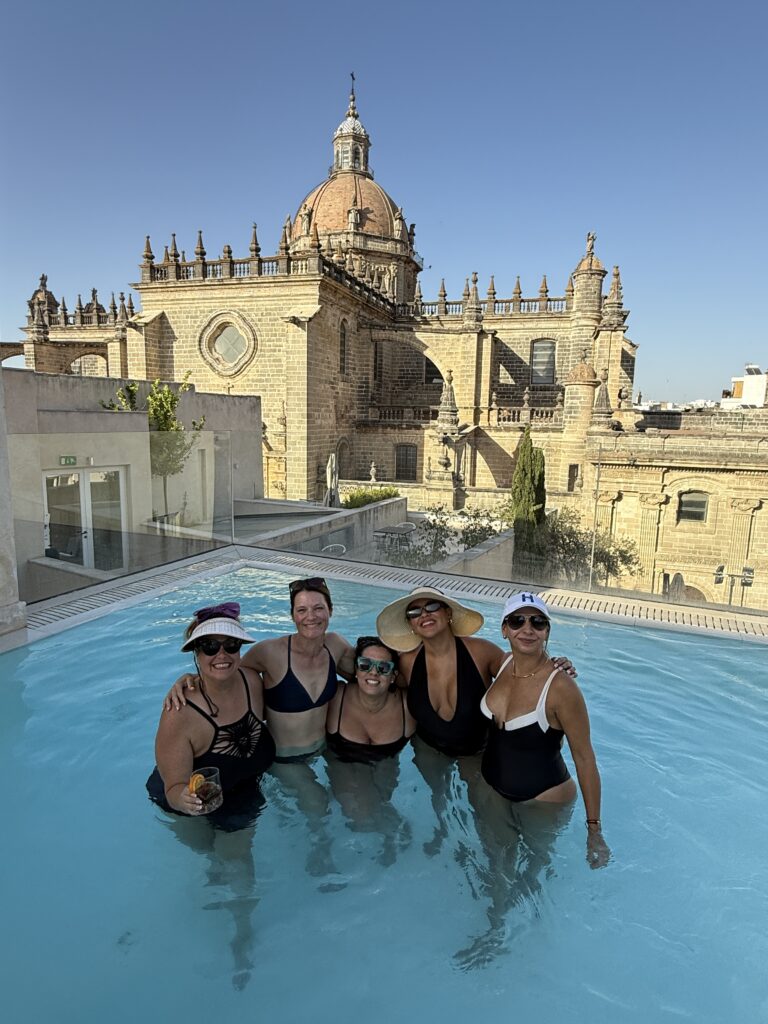
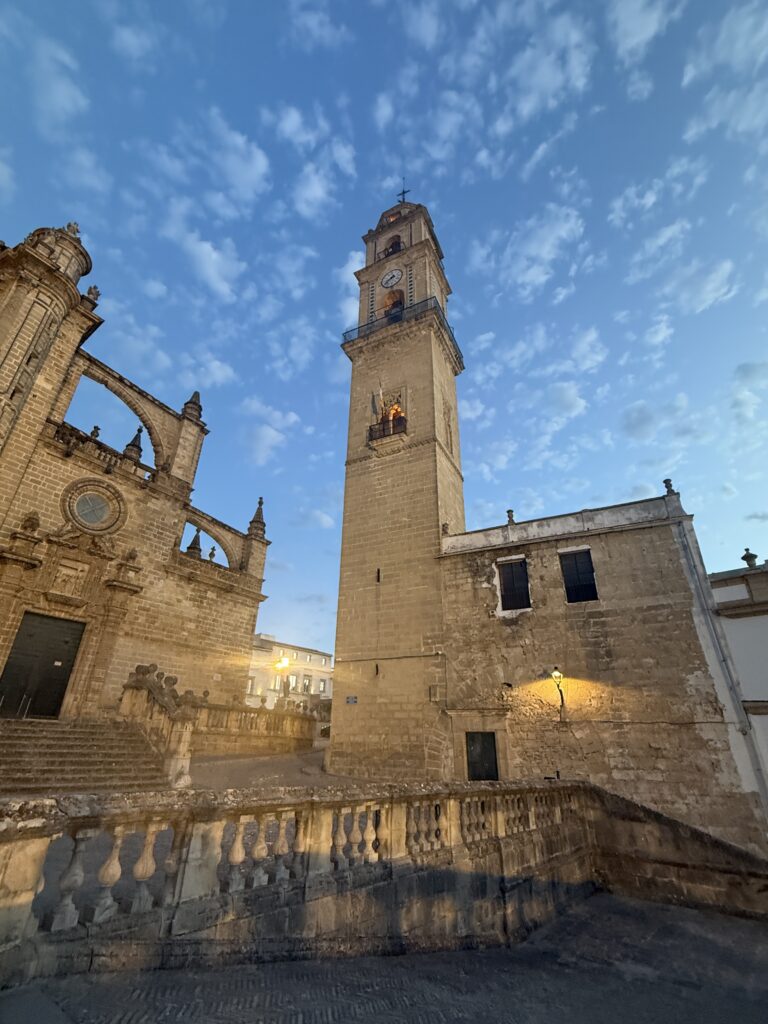
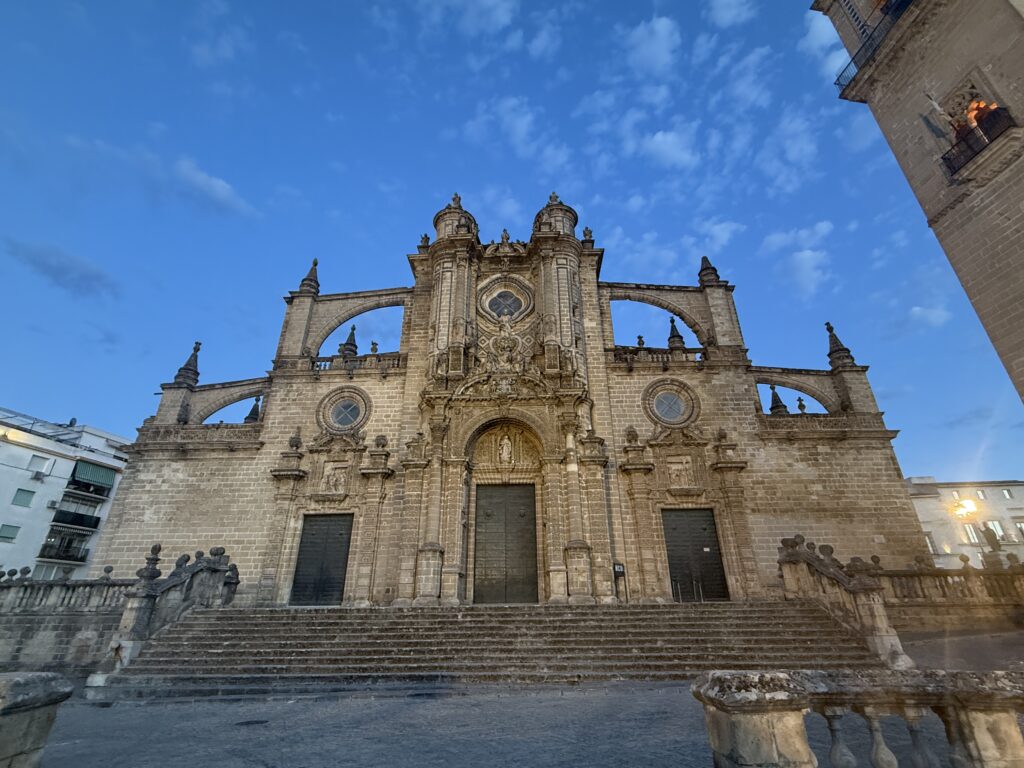
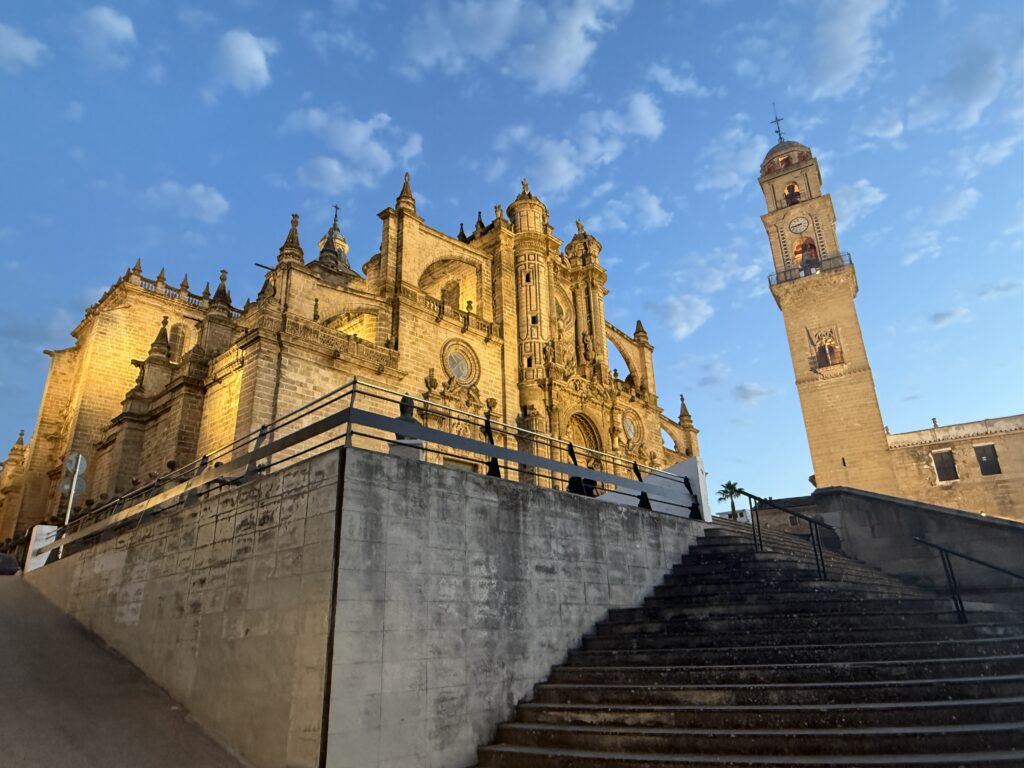
We arrived under a golden autumn sky, checking into the Hotel Bodega Tío Pepe, a boutique gem tucked into the bodega’s historic core. Housed in 19th-century cottages once used by winery workers, the hotel feels like a love letter to sherry’s past – exposed stone walls, wrought-iron accents, and rooms that whisper of old-world romance. Our suite overlooked the sprawling courtyard, where chalk-dusted barrels slumbered like ancient guardians. Mornings began with a lavish breakfast in the garden- a spread of Iberian hams, fresh churros, and, of course, pours of crisp fino to cut through the sweetness. The rooftop pool offered lazy afternoons gazing at the cathedral’s spires, but honestly, who needs a dip when the real immersion is just steps away? It’s the kind of stay that doesn’t just host you; it seduces you into the rhythm of Jerez life.
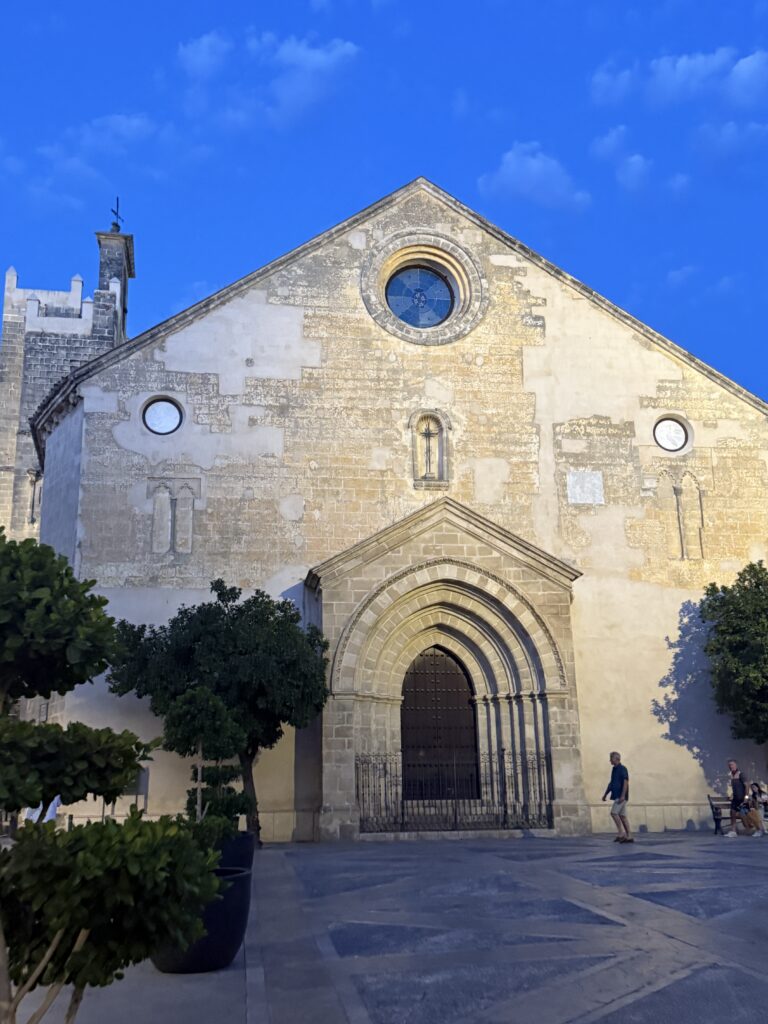
The highlight, without question, was our private tour with Silvia. And Sylvain. Eight years into her role at González Byass (she joined in 2017), this dynamic winemaker and innovator is the epitome of women taking the reins in a traditionally male-dominated world. As the daughter of Antonio Flores, the bodega’s legendary winemaker and master blender – a man whose blends have defined Tío Pepe for decades – Silvia is carrying forward a torch lit by her grandfather, Miguel Flores, who served as technical director for over 50 years. “I’m the third generation,” she shared with a warm laugh, her passion as effervescent as the flor yeast she reveres. “My grandfather, my father, and now it’s my turn to learn all the secrets.”
We descended into the bodega’s oldest wing, a 19th-century labyrinth of cool, dimly lit vaults that house part of the solera system – a staggering 20,000 casks strong. The air was thick with humidity (around 70% down here, she noted, versus a drier 33% higher up), the perfect cradle for biological aging. The floor? A mosaic of crushed glass, swept daily to fend off unwanted moisture while coaxing the magic from above. Silvia led us to the “Solera Baja,” the lowest tier where the youngest wines rest, explaining the art of blending across levels. “It’s a blending system,” she said, her eyes lighting up. “We move the wine from role to role, checking every cask monthly to ensure the flor – that living veil of yeast – thrives.”
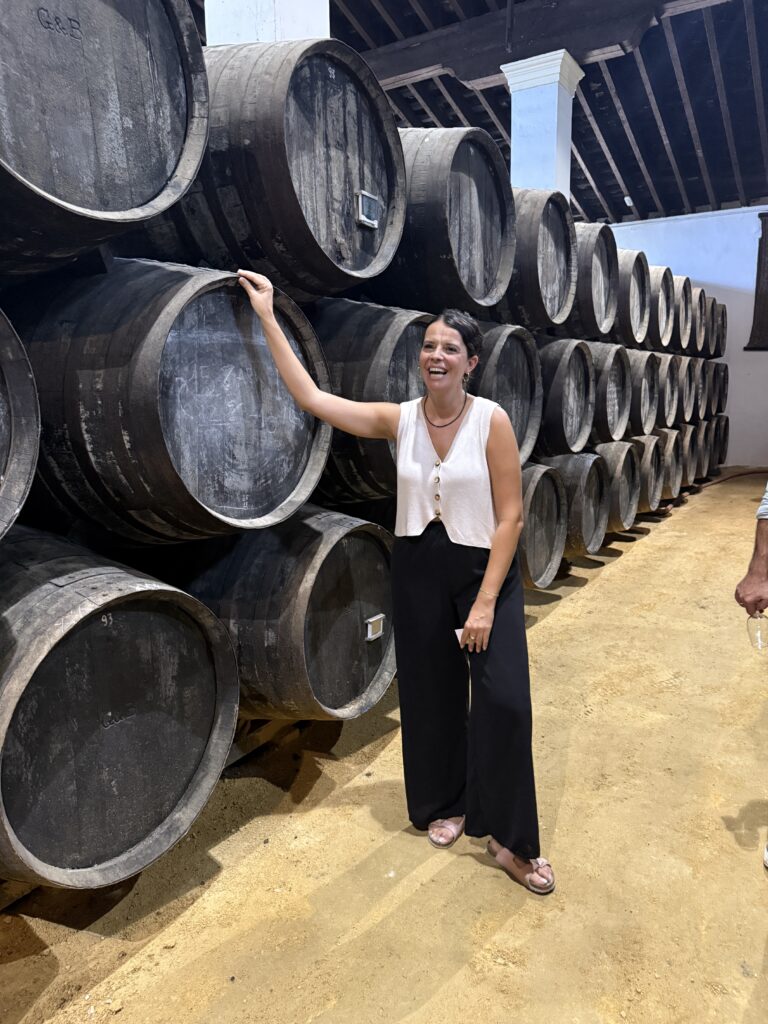
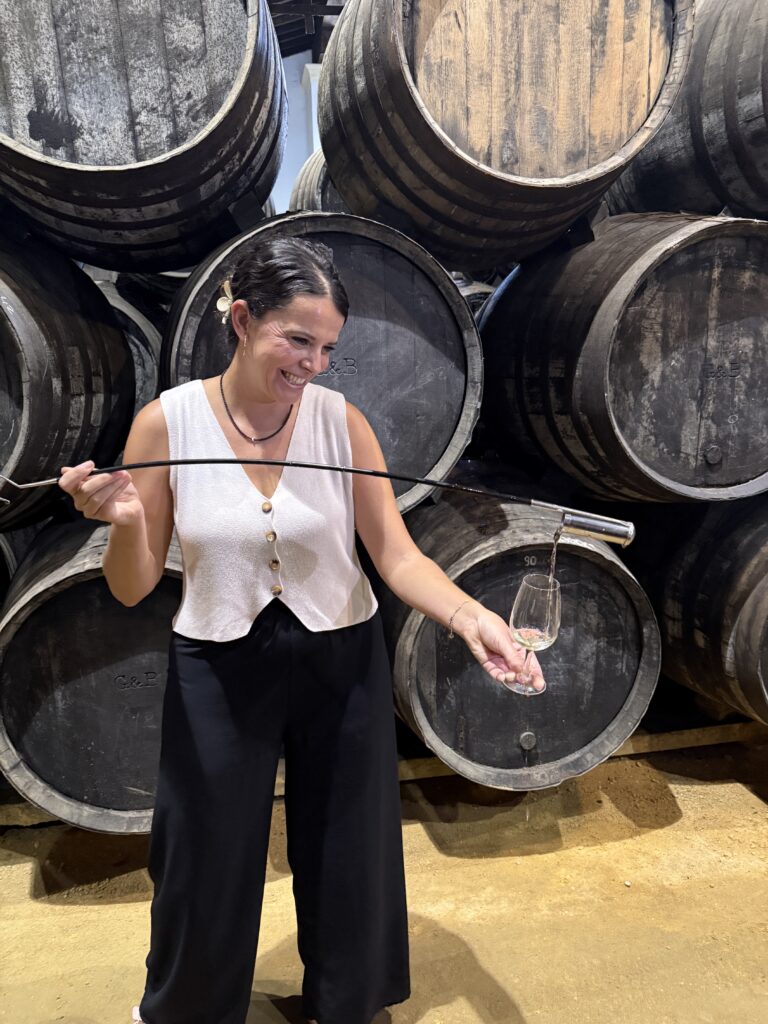
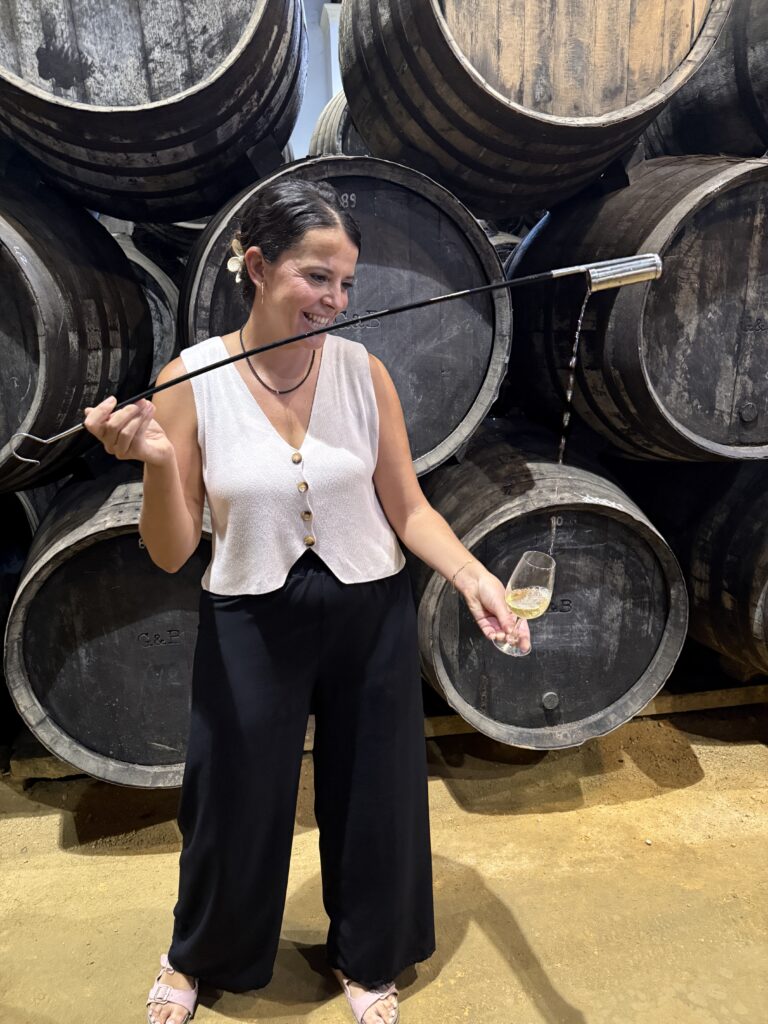
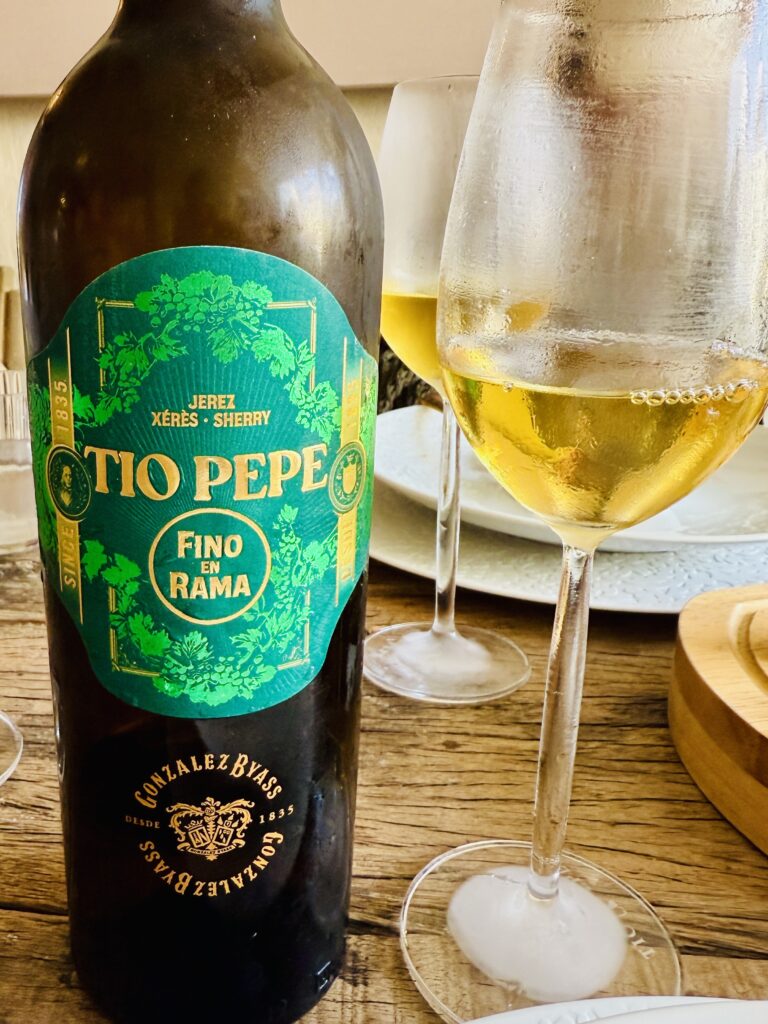
And thrive it does. Peering into an American oak butt, we watched as micro-particles of flor rose to the surface, fueled by the wine’s oxygen space. This “la flor,” as she called it, is the alchemist’s key: it transforms the Palomino Fino grape into the saline, nutty elixir of fino sherry. No added sugars, just pure, probiotic brilliance – “less than one gram per liter,” Silvia assured. With a flourish, she unfurled the venencia – that elegant, long-handled instrument with a slender silver cup, a tool as much art as utility. In one fluid motion, she plunged it deep into the cask, drawing up Tío Pepe’s flagship Fino and pouring it in a golden arc from over her shoulder into our copitas. The sherry sang as it fell, aerating into a pale, crystalline stream. On the palate: razor-sharp green apple, toasted almonds, and a briny Atlantic kiss. Then came the Amontillado, extracted with the same balletic precision – deeper amber, with layers of toasted hazelnut, dried apricot, and a whisper of sea salt caramel. Silvia is the undisputed master of the venencia; her pours are poetry, each drop a testament to generations of skill.
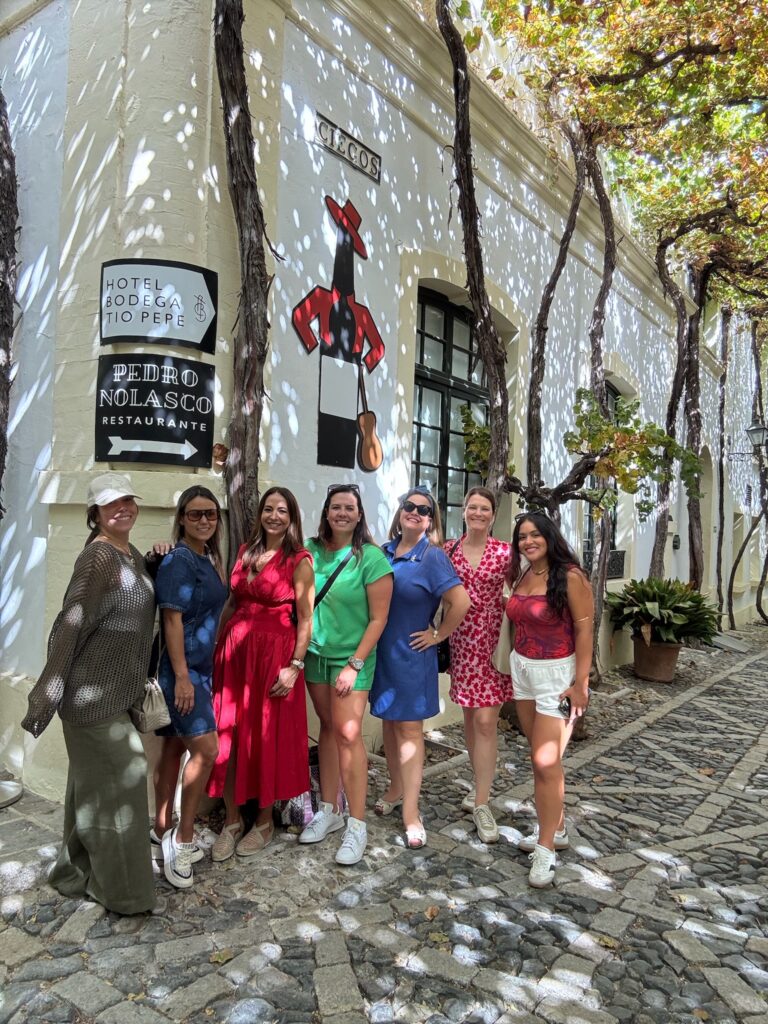
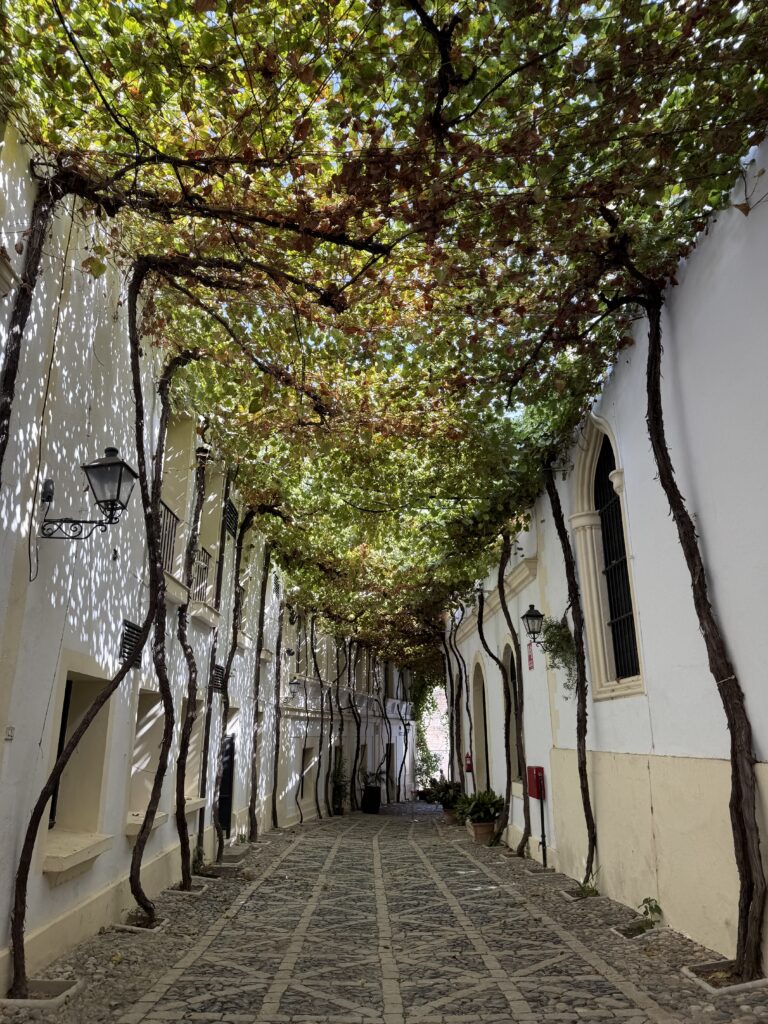
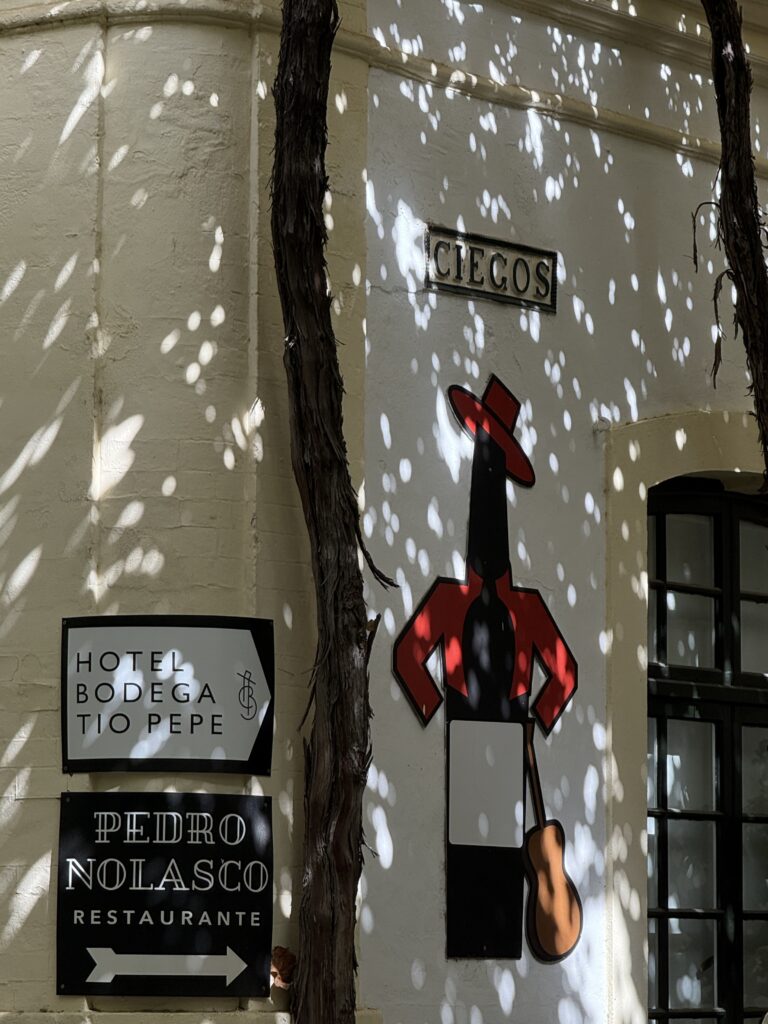
Our wanderings took us along Calle Ciegos, the UNESCO-protected street that threads through the bodega’s heart like a living museum. Flanked by whitewashed walls and towering palms, this narrow artery is part of Jerez’s historic sherry district, recognized by UNESCO in 2014 for its cultural landscape of bodegas, vineyards, and traditions. The vines themselves – sprawling across the albariza soils of the Marco de Jerez – are a protected denomination, ensuring that only grapes from this sacred triangle (Jerez, Sanlúcar, El Puerto) can bear the sherry name. Standing there, beneath the bodega’s iconic Tío Pepe weather vane, you feel the weight of centuries: a place where time is measured not in years, but in soleras.
Then came the moment that stopped time: Silvia reached for a venencia once more, dipping it into a dusty, museum-like cask marked with faded chalk. Out came Dulce Esteve 1986, a rare, naturally sweet Palomino Fino from an exceptional vintage – one of the bodega’s hidden treasures, untouched by fortification. She poured it straight from the barrel into our copitas, the liquid glowing like liquid topaz. On the nose: toasted fig, candied orange peel, and a whisper of old leather-bound books. The palate unfolded in waves – velvety caramelized dates, rancio nuttiness, and a bright, saline finish that lingered like a sunset over the Guadalquivir. Nearly 40 years old, yet vibrant, complex, and utterly alive. “This is what patience tastes like,” she said softly. We stood in reverent silence, glasses trembling slightly in our hands.
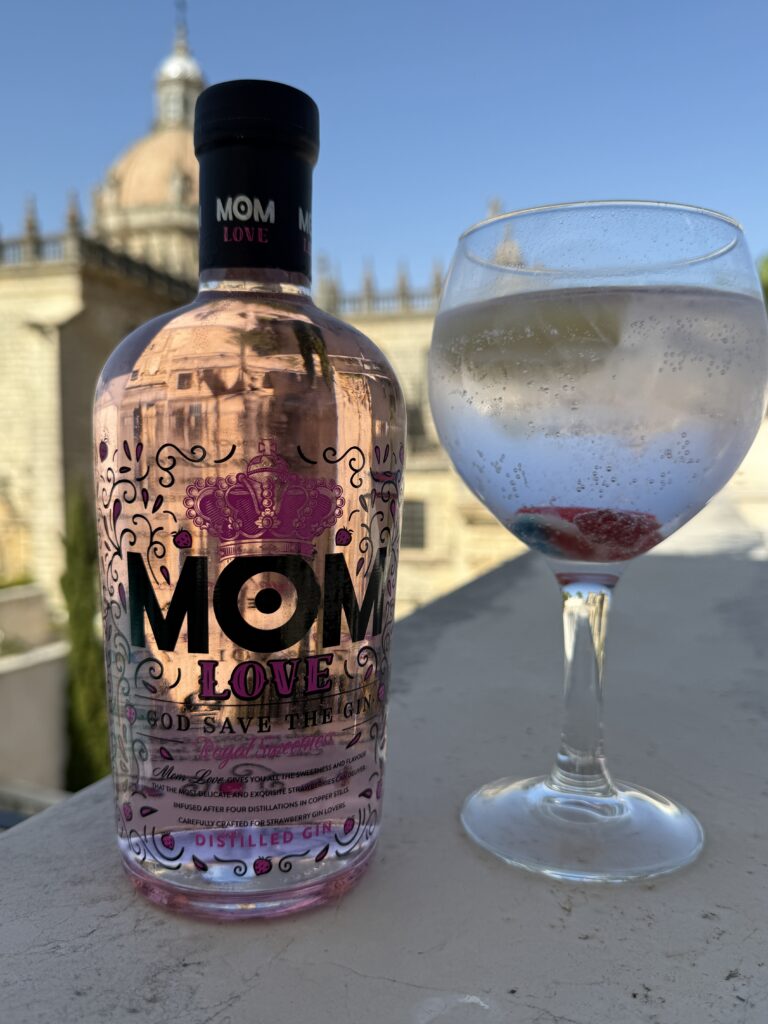
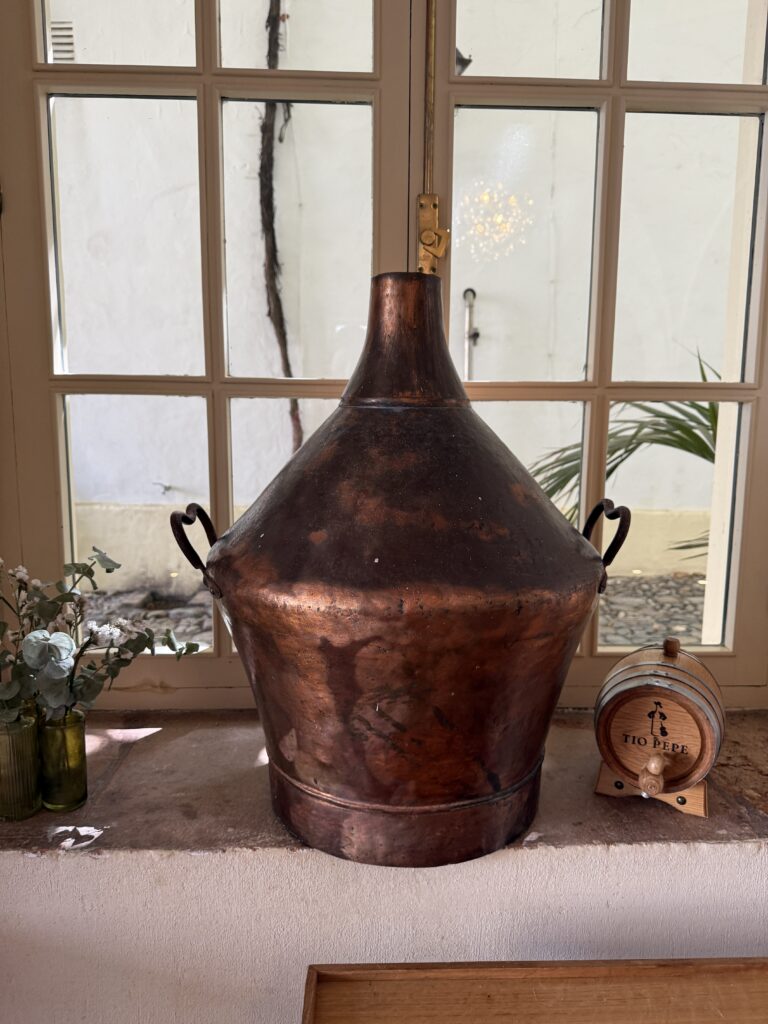
But Tío Pepe isn’t just about sherry anymore. Silvia, ever the innovator, walked us through their expanding spirits lineup, where women are very much at the helm. Their Mom Premium Gin, distilled with sherry wines and Andalusian botanicals like oroblanco and fennel, embodies this forward-thinking vibe – crisp, juniper-forward, yet hauntingly floral. “It’s about blending heritage with what’s next,” she said, mixing us G&Ts that paired seamlessly with the bodega’s tapas. Under her guidance, González Byass is reimagining Tío Pepe not as a relic, but as a vibrant force in modern mixology.
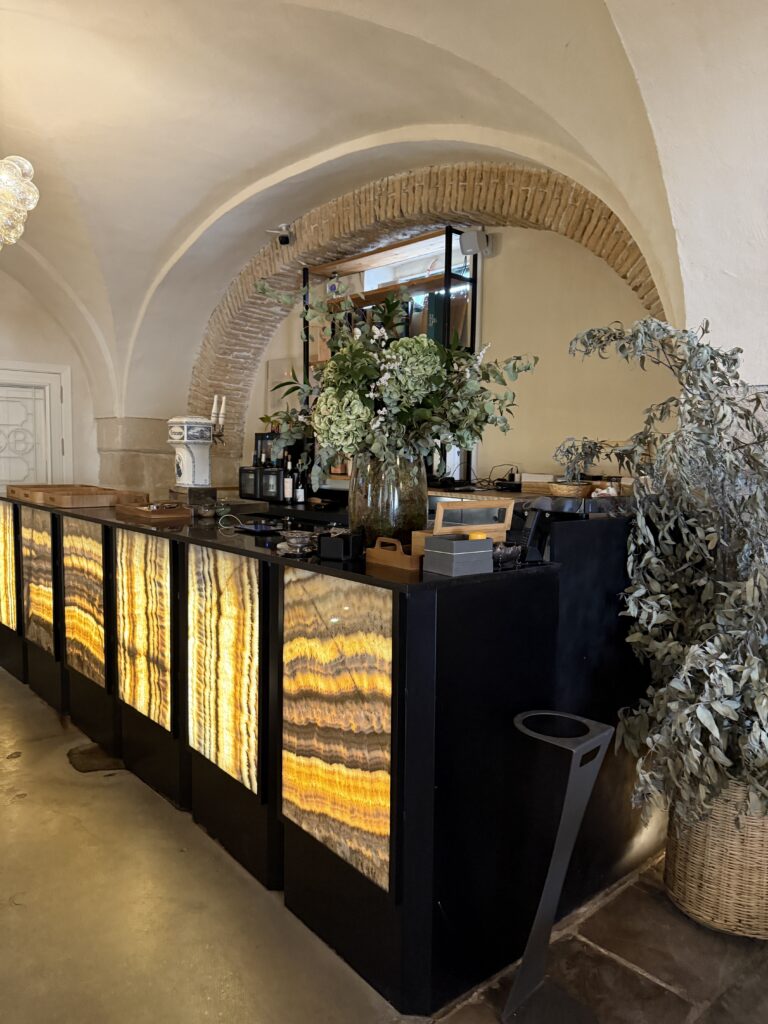
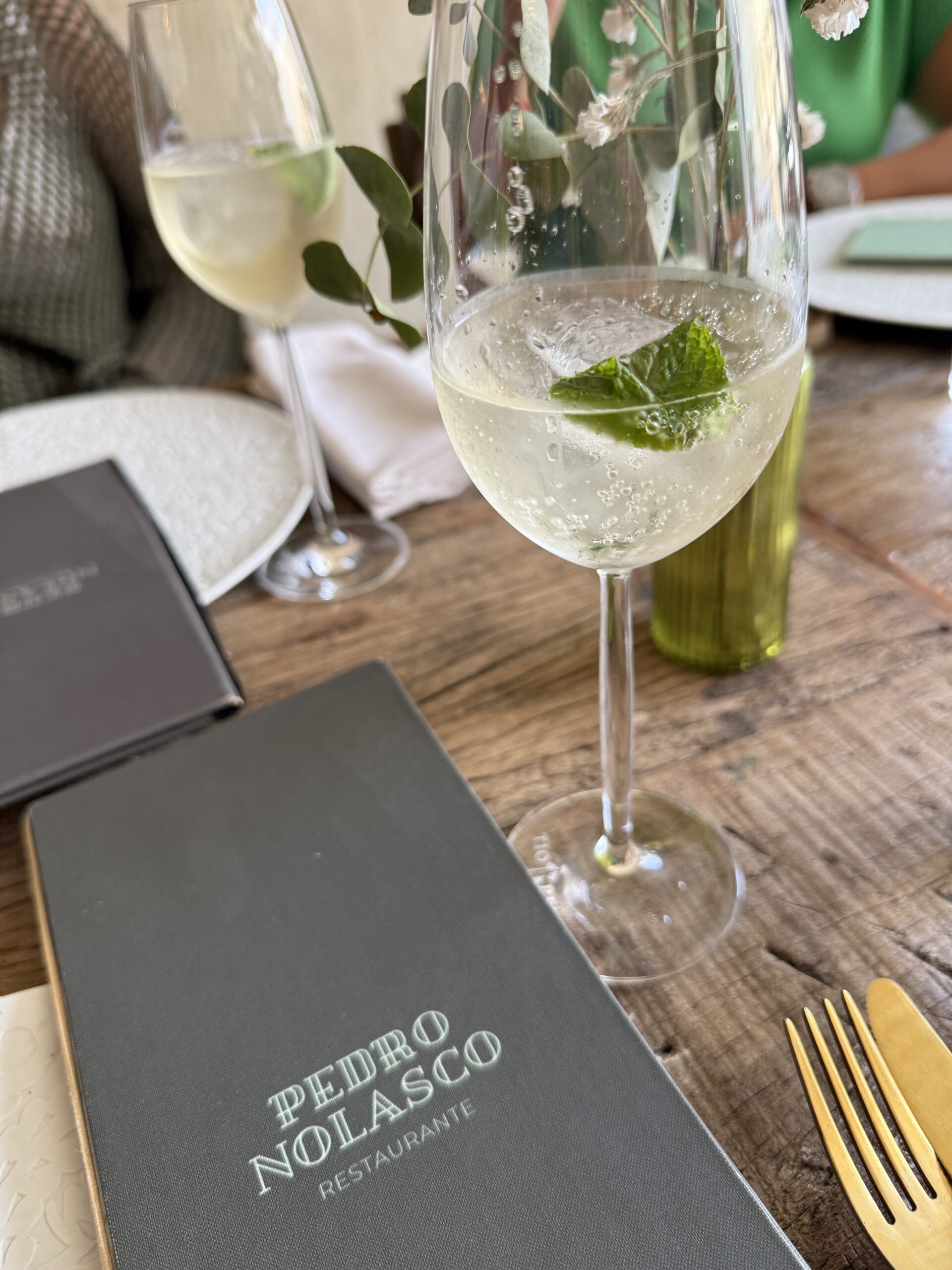
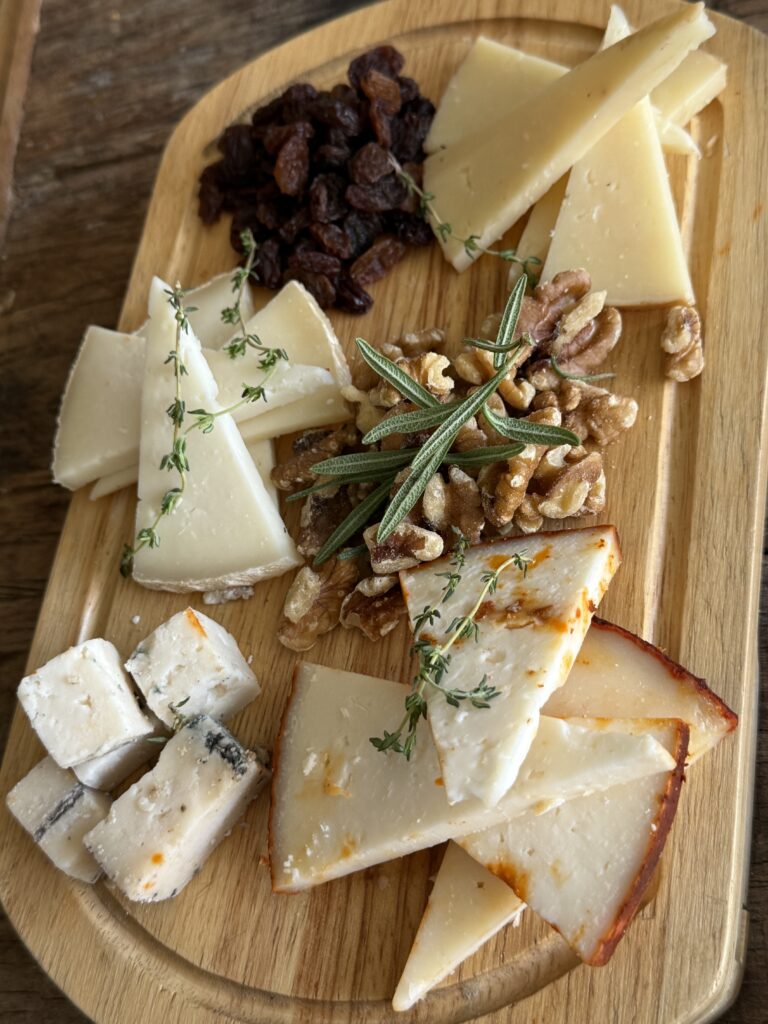
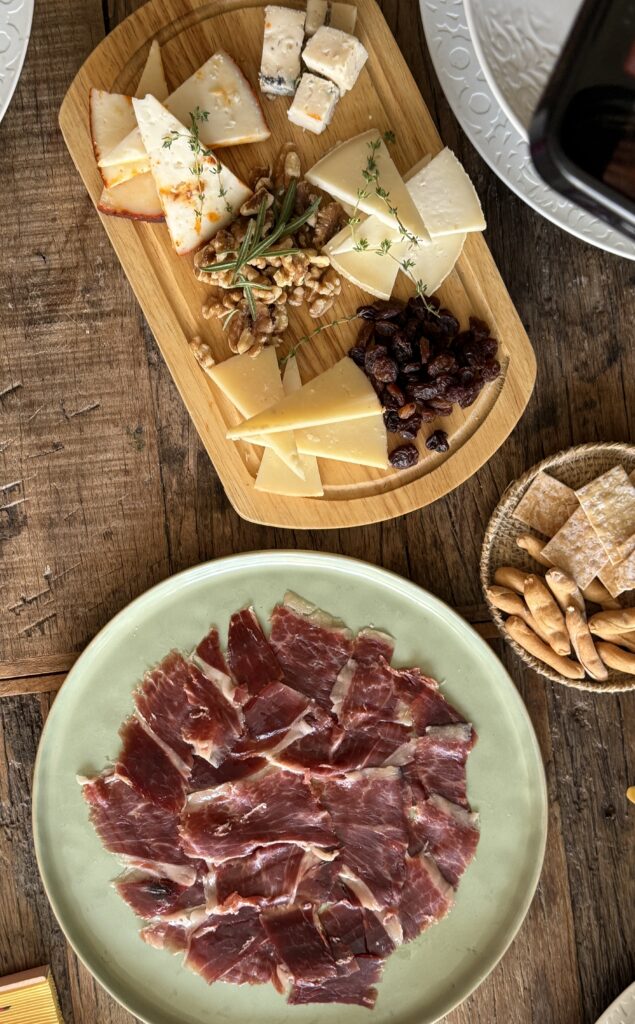
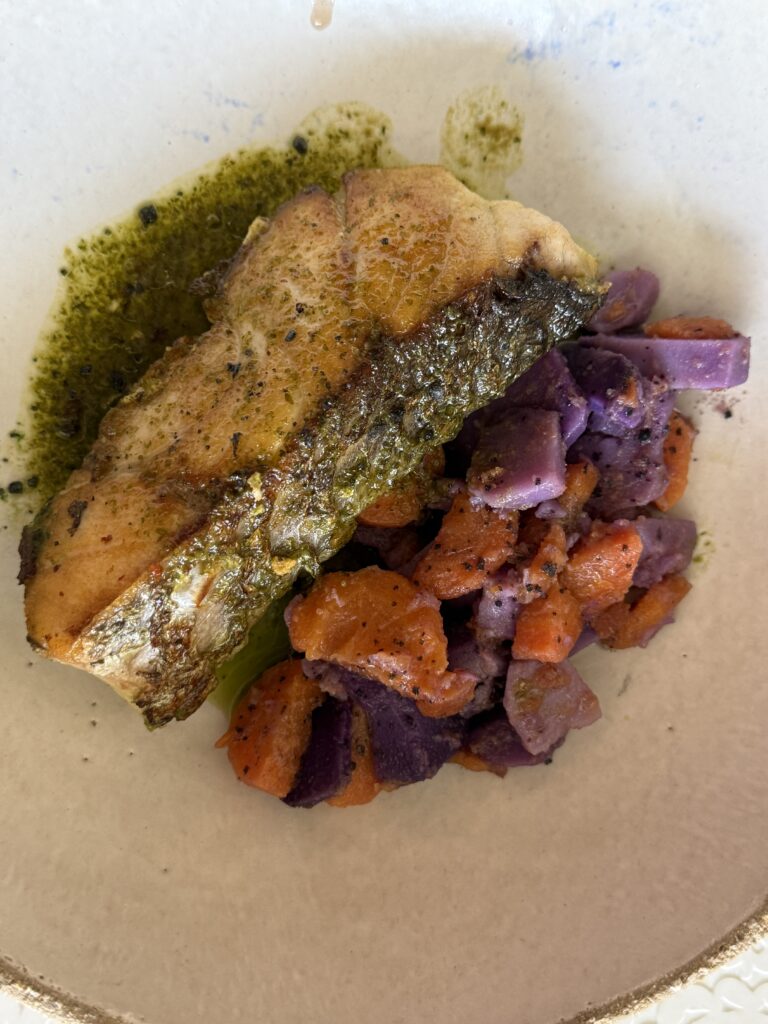
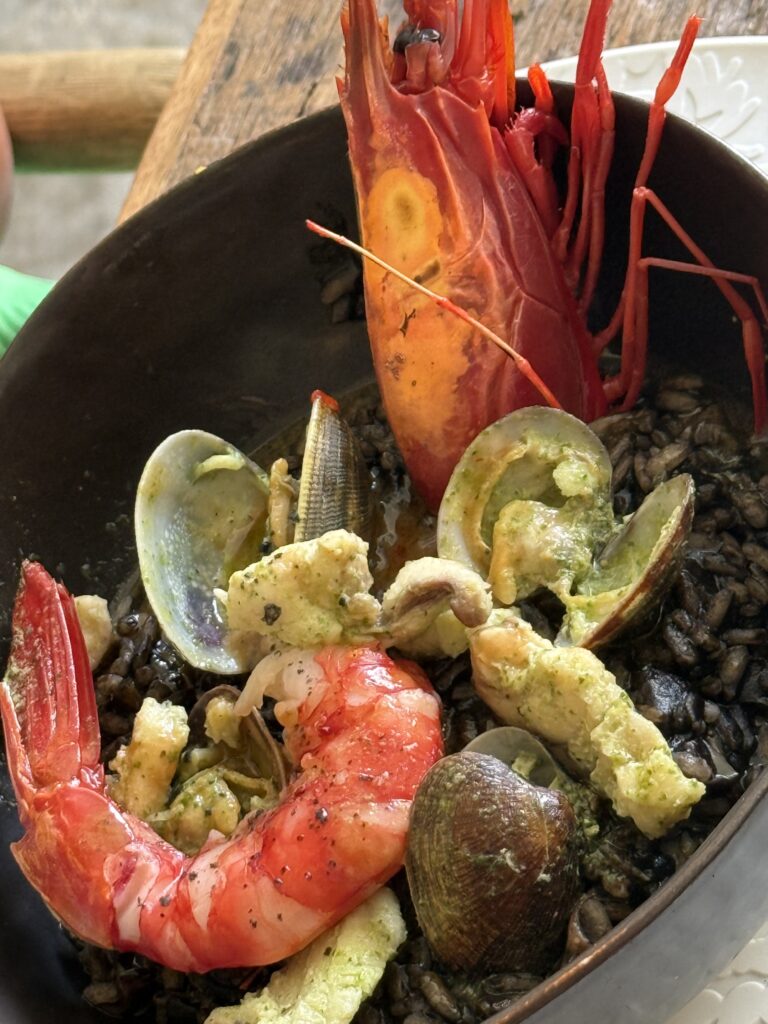
Hunger struck as the sun climbed, leading us to Restaurante Pedro Nolasco, the bodega’s elegant on-site haven. Tucked along the historic Calle Ciegos, it overlooks the Jerez Cathedral through arched windows, blending old-stone charm with contemporary flair. We feasted on modern twists of regional classics: Iberian pork cheeks in sherry reduction, gambas al pil pil with a fino foam, and arroz meloso studded with local prawns. The wine list? A love affair with house pours, naturally. Service was warm and unhurried, the kind that turns lunch into a lingering affair. If you’re plotting a Jerez itinerary, this is non-negotiable – it’s where sherry’s soul meets the plate.
No Jerez tale is complete without horses, and ours culminated in a spellbinding equestrian show right within the bodega’s sun-dappled courtyard. Here, the noble Andalusian horse—proud emblem of centuries-old tradition—takes center stage in a breathtaking display of classical equestrian mastery that echoes the legendary artistry of the Royal Andalusian School of Equestrian Art. This is no mere show; it’s a living tapestry of Jerez’s unbreakable bond with these majestic creatures, a cultural heartbeat that pulses through every graceful leap and thunderous hoofbeat.
As we bid adiós to Jerez, suitcase heavier with bottles and heart fuller with stories, Silvia’s words lingered: “The flor is alive, like a person.” In her hands, Tío Pepe pulses with that same vitality – a family saga evolving, one cask, one pour, one bold step at a time. If sherry’s secrets call to you, answer them. Jerez awaits, glass raised. ¡Salud!