
Tigerstone & Thin Air: Alejandro Sejanovich’s High-Altitude Garnacha
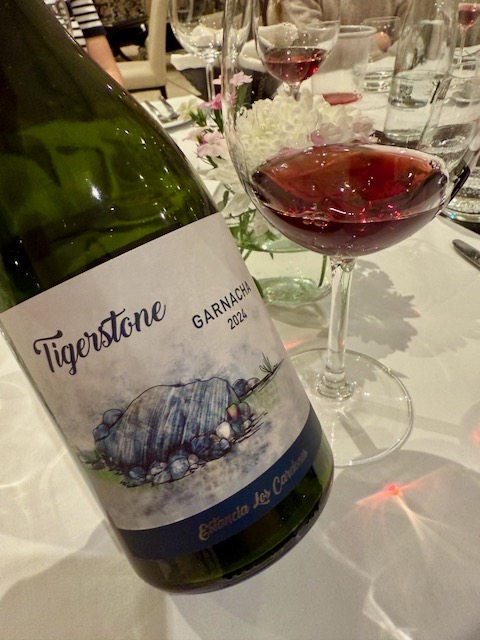
I can still hear Colo’s voice from that September evening in Mendoza — eyes sparkling, hands moving as he mapped Argentina’s extremes from north to south. “We don’t make perfect wines,” he told us. “We make wines that tell a story of the zone.” Months later, a bottle of his 2024 Tigerstone Garnacha from Estancia Los Cardones arrived, and suddenly I was right back in that room… only this time the story was pure northern drama. An Oasis at the Edge of the Map Estancia Los Cardones sits in Tolombón, Salta — Argentina’s northernmost wine region — just south of Cafayate on the eastern slopes of the Calchaquí Valleys. At roughly 1,700 meters (5,577 feet), this is high-desert country: blinding sunlight, warm days, nights that plunge more than 25°C cooler, and bone-dry air interrupted only by the occasional summer shower. The vines here are among the first in the valleys to be harvested, usually in late February. The estate is a true family-and-friends project. The Saavedra Azcona family partnered with Alejandro “Colo” Sejanovich and Jeff Mausbach (both Catena alumni) to create Anko — “high water” in the local Quechua language — a name that feels perfect for an oasis of vines surrounded by giant cardón cacti and jagged mountains. The Tigerstone Plots What makes this Garnacha special is where it grows. Colo and the team planted the variety only in the highest, rockiest parcels of the vineyard. The surface is carpeted in angular, splintered shale (pizarra) mixed with disintegrated mica and bluish slate — stones that look almost tiger-striped in the harsh light. They call it “Tigerstone.” These shallow, rocky soils force the vines to struggle. Yields are naturally tiny. Heat radiates from the stones at night, helping the grapes finish ripening, while the mineral-rich ground imparts a savory, almost saline edge that you can taste in the finished wine. Colo has said the site reminded him of certain Rhône Valley parcels where Garnacha has thrived for centuries. In Salta, it became Argentina’s first dedicated high-altitude Garnacha project — a quiet, stubborn experiment that is now one of the most exciting wines coming out of the north. Gentle Hands, Minimal Intervention The 2024 vintage was hand-harvested on February 20 into small 400 kg bins. After gentle destemming, the grapes went into a series of micro-vinifications with indigenous yeasts. Fermentation stayed cool (17–19°C) for just 5–8 days — enough to extract vibrant red fruit without heavy tannins. The wine then spent nine months in second- and third-use French oak barrels. No new wood. No flashy winemaking. Just enough subtle texture to frame the fruit and the place. The result is a pure, unblended 100% Garnacha that feels both wild and refined. In the Glass The 2024 Tigerstone Garnacha pours a bright, translucent ruby. The nose is immediate and lifted: crushed strawberries and raspberries, a touch of rose petal, and a faint whisper of cacao from the older barrels. On the palate it is medium-bodied, round yet electric. Juicy red fruit sits at the center, framed by fine, grippy tannins and a bright, almost biting acidity that keeps everything alive. A subtle saline minerality and gentle spice linger on the dry finish. Serve it slightly chilled — 12–14°C — and it becomes one of those rare reds that works as an aperitif yet still has the presence to sit at the table. Think grilled vegetables, herby roast chicken, charcuterie, empanadas or a simple tomato salad with good olive oil. This is a wine that feels both serious and joyful — the kind of bottle that makes you want to pour a second glass and keep talking. Colo once told us that the best Argentine wines are the ones that refuse to hide where they come from. The 2024 Tigerstone Garnacha doesn’t hide a thing. It tastes like thin air, broken rock, and the quiet conviction of a winemaker who keeps pushing the map of what’s possible in Argentina. If you loved the energy of Colo’s seminar as much as I did, this is the bottle that lets you taste that same restless curiosity in liquid form.
An Unforgettable Evening Aboard the ARA Libertad: Sail 250 in New York
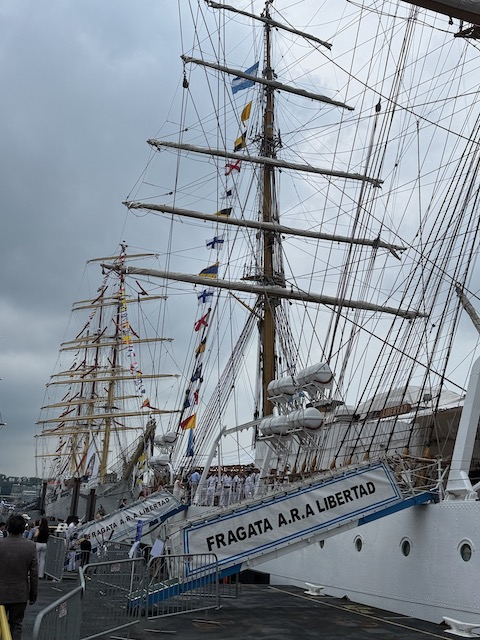
From the moment the elegant invitation arrived—courtesy of the Consul General of Argentina in New York, Ambassador Gerardo Diaz Bartolomé, on behalf of Captain Jorge Gabriel Caceres and the crew of the Argentine Navy Frigate ARA Libertad—I knew this would be one of the season’s most special experiences. The tall ship was in New York as part of Sail 250, the grand international maritime celebration marking the 250th anniversary of the United States’ Independence. Six years in the planning, this gathering brought together magnificent vessels and people from around the globe. Stepping aboard the historic ARA Libertad felt like entering a floating piece of Argentine pride and naval tradition. What made the evening truly magical was the warmth of the connections. I had the pleasure of meeting new friends from Argentina, Australia, Thailand, Mexico, and South Africa—fellow lovers of culture, sea stories, and shared moments of discovery. The special meet-and-greet with the officers and crew was a highlight: Their pride in the ship, the mission, and the enduring friendship between our nations was palpable. And then came the delicious surprise. A kind naval officer, noticing my interest in all things gastronomic, introduced me to panqueques con dulce de leche—delicate crêpes generously filled with that rich, caramelized, almost addictive dulce de leche Argentina does so perfectly. One bite and I was transported: silky, comforting, with that perfect balance of sweetness and depth. It was pure joy wrapped in a warm crêpe, served with big smiles and stories from the high seas. This sweet treat instantly brought back memories of my unforgettable press trip with the Wines of Argentina group—my dear “Las Hermanas” sisterhood. During that journey, we visited Terrazas de los Andes in Mendoza, where the high-altitude vineyards produce wines of remarkable elegance and intensity. Their Reserva Malbec 2023 is an absolute stunner: plush dark fruit, velvety tannins, and a beautiful structure that reflects the power and purity of the Andean terroir. While the panqueques were a delightful onboard discovery, I can already imagine how beautifully that Terrazas de los Andes Reserva Malbec 2023 would shine with a proper Argentine asado—a traditional barbecue with assorted cuts of meat sizzling over charcoal in a lively social feast — each bite aboard the ARA Libertad was one salivating moment after another. The wine’s ripe blackberry, plum, and subtle spice notes cut through richness while its freshness keeps everything lively. Even with the dulce de leche crêpes, a sip of this Malbec offers a lovely contrast, bridging sweet and savory in true Argentine spirit. Events like this remind me why I do what I do—wine and food are bridges. They connect people across oceans, cultures, and histories. Standing on the deck of the ARA Libertad, surrounded by international guests, naval heroes, and the lights of New York, I felt that sense of global conviviality that makes our world feel a little smaller and much sweeter. A heartfelt thank you to the Argentine Consulate in New York, the Captain and crew of the ARA Libertad, and everyone who made Sail 250 such a memorable celebration. ¡Salud y hasta la próxima!
Petit Caro – Mendoza’s Playful Powerhouse
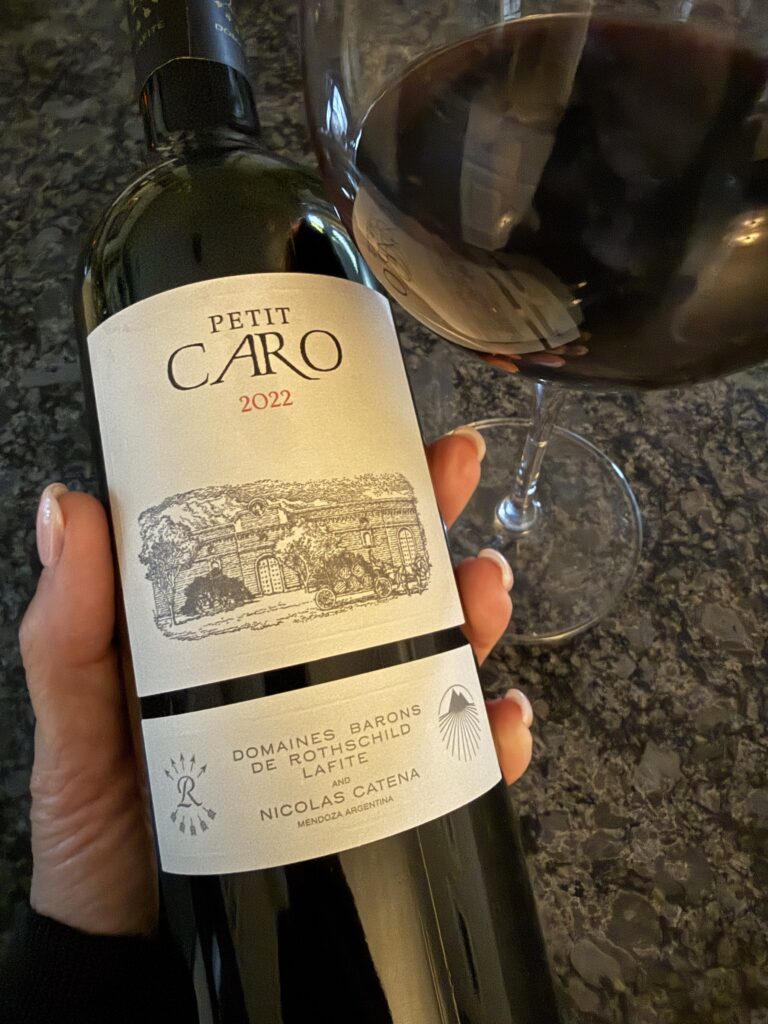
Petit Caro is a playful love letter to Franco‑Argentine winemaking: Bodegas CARO (founded 1999) is the joint venture where Domaines Barons de Rothschild (Lafite) meets the Catena family to marry Bordeaux Cabernet know‑how with Argentina’s high‑altitude Malbec magic. Housed in a lovingly restored 1884 winery in Mendoza, the project launched its flagship CARO in 2000 and introduced Petit Caro as the friendly, fruit‑forward sibling. The name says it all — Ca (Catena) + Ro (Rothschild) — a tidy little shout‑out to two storied families. Vine sourcing spans Mendoza’s marquee districts — Luján de Cuyo (Agrelo), Altamira, La Consulta and the Uco Valley (Tupungato, Gualtallary) — so you get concentrated, altitude‑driven fruit that Lafite’s blending discipline and Catena’s vineyard savvy shape into wines with Old‑World structure and New‑World exuberance. On a personal note, I visited the restored CARO bodega in September 2025 and left grinning. Touring the cellars, wandering through the photography exhibit, tasting with the winemaker and stepping into the 3D grapevine installation in the cellars was pure sensory fun. The month’s photography exhibit, “Terroir & Light,” used stark monochrome and warm color studies to dramatize sun, soil and human touch in the vineyards — evocative, thoughtful and unexpectedly moving. The 1884 building itself anchors the modern project in history while making the whole experience feel theatrical in the best way. A blend 62% Malbec, 35% Cabernet Sauvignon and 3% Cabernet Franc. The vintage was dry and easy‑going: early bud break in October, flowering in late November, and Uco Valley harvest between March 21 and April 7. Grapes are hand‑harvested and sorted; fermentation happens in stainless steel with gentle pumping‑over to coax color and ripe tannin without harshness. The wine spends 12 months aging — half in French oak barrels and half in concrete vats — an approach that gives texture and subtle oak spice while keeping fruit purity front and center. In the glass Petit Caro is a deep red with violet highlights that catch the light. The nose is generous and layered: ripe red cherry and plum up front, bright blackcurrant and a syrupy fig note, then a sweep of baking spice, crushed herbs and a graphite thread that keeps things lively. The palate is broadly appealing — round and plush at first, then brightened by lively acidity; soft, polished tannins lend structure without grabbing the tongue. Flavors echo the nose (red fruit, blackcurrant, fig) and build into a cocoa‑tinged, slightly savory finish with a whisper of cedar and warm spice. It’s immediately enjoyable but has enough backbone for short‑term cellaring and for pairing with food. And oh, the pairings — Petit Caro practically begs for empanadas. Beef empanadas flecked with smoked paprika, cumin and sautéed onion are a classic match: the wine’s dark fruit and savory thread mirror the meat while acidity cuts the fat and refreshes the palate. Chimichurri chicken empanadas are a bright, herbaceous partner — the wine’s lift and midpalate flesh complement the parsley, garlic and acid in the sauce. Cheese and caramelized‑onion empanadas are a cozy, indulgent match: the wine’s cocoa/ oak whisper and soft tannins play beautifully with sweet onion and melted cheese. For spicy fillings (think a hot pepper chimichurri or spicy beef), chill the bottle slightly (55–60°F) to soothe heat and let the fruit sing. Beyond empanadas, Petit Caro is charming with holiday ham — the wine’s gentle sweetness and savory backbone balance salty, glazed ham beautifully (I watched it elevate our Easter table). It also pairs well with grilled flank steak or chimichurri‑dressed roasted vegetables, and if you’re doing a tapas spread, try it alongside manchego, roasted peppers, olives and cured meats for a lively, convivial service. In short: Petit Caro 2022 is a cheerful, well‑made Mendoza red that mixes Malbec plushness and Cabernet structure with a touch of Franc lift. It’s approachable, food‑centric and just the sort of bottle you’ll reach for when you want something versatile, flavorful and sociable. Pop a cork, share a plate of empanadas (or ham), and enjoy the happy chemistry. Cheers from The Happy Vine.
Salentein’s Empanadas
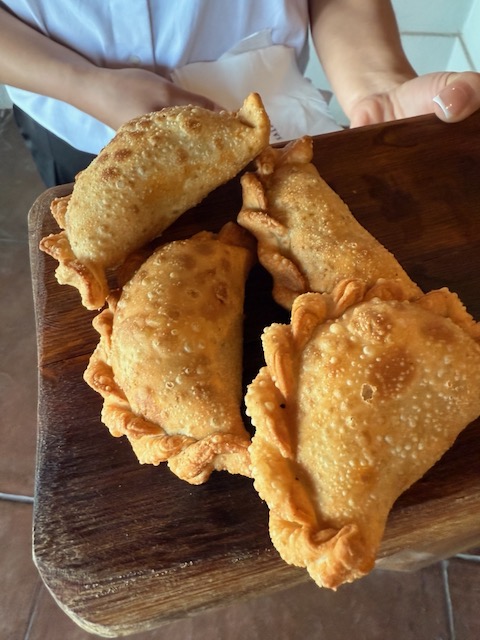
This is an excerpt from a cookbook that I compiled from our Wines of Argentina trip in September 2025 called Los Hermanas Cookbook. This recipe is from Bodega Salentein’s Empanada cooking class. Argentine Beef and Potato Empanadas Ingredients (Makes ~15–18 empanadas): Preparation: Notes:
Inside the Susana Balbo’s Unique Stays
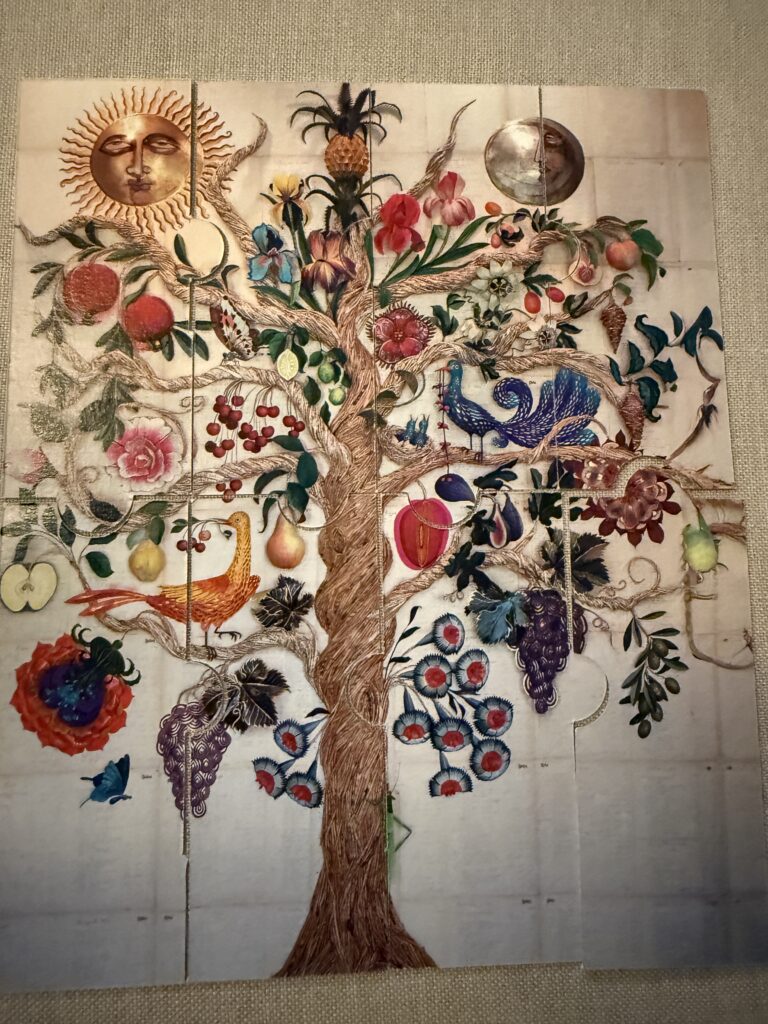
Imagine this: sun-drenched vineyards unfurling like a Malbec tapestry at the foot of the Andes, the air humming with the scent of ripening Torrontés, and a concrete “egg” tub cradling you like a vintage in repose—its curves echoing the very vats where Argentina’s wine revolution was born. This isn’t just another Andean escape. It’s Susana Balbo Unique Stays, the trailblazing haven where Argentina’s first female winemaker, Susana Balbo, and her daughter Ana Lovaglio Balbo have transformed their family home into a 7-suite sanctuary of wine, wellness, and whispered legacy. Susana Balbo didn’t just break barriers; she bottled them. Graduating as Argentina’s inaugural female oenologist in 1981, she defied the red-wine redoubt of Mendoza by championing elegant whites like Torrontés—earning her the crown “Queen of Torrontés.” After nine years elevating Cafayate’s high-altitude valleys, she returned in 1991 to found her eponymous winery in Agrelo, crafting high-scoring vintages exported to 42 countries. But why branch into hospitality? It’s pure evolution: a mother-daughter bid to share their “buen vivir”—that artful blend of wine culture, family stories, and soul-stirring wellness. What started as Ana’s vision to expand enotourism at the winery bloomed into transforming their Chacras de Coria family villa into this adults-only boutique (now a Relais & Châteaux darling since 2024). It’s not about scaling; it’s about intimacy—inviting guests into their world, where every vine-tended detail whispers, This is Mendoza through our eyes. Nestled in leafy Chacras de Coria (20 minutes from downtown Mendoza, 40 from the airport), the estate unfolds like a private dream: a centenary mansion ringed by seven standalone Spa Suites, each a low-slung chalet blending into lush gardens. No towering Andes vista here—instead, it’s an urban-oasis vibe, with linden-lined lanes leading to a saltwater infinity pool that shimmers like liquid quartz. Sustainability pulses through: native flora only, upcycled olive-wood front desk, biodegradable soaps in refillable vessels, and water-saving tech that honors the arid Andean ethos. The Art That Whispers Legacy: A Gallery in Disguise Step through the gates, and art doesn’t just decorate—it narrates. Over 15 local and international creators (Sergio Roggerone, Julio Le Parc, Sebastião Salgado, Martín Villalonga) have woven Susana’s saga into every corner, turning the house into a living gallery. But the showstopper? The monumental “Tree of Life” installation by Sergio Roggerone in the entryway—a towering, kinetic sculpture of twisted iron, glowing resins, and vine-like tendrils that spirals upward like a Malbec barrel stave reaching for the sun. It’s no mere motif; it embodies Susana’s philosophy of growth, resilience, and interconnectedness—mirroring her journey from oenology pioneer to hospitality visionary. Branches fan out like family lineages, etched with subtle nods to Torrontés grapes and Andean peaks, casting dappled shadows that dance with the light. It’s the emotional anchor: As Ana says, “Our story is what makes us unique.” Gaze up, and you’re not just checking in—you’re grafted into the Balbo legacy. Ana herself guided us through the hotel’s three vertical pillars—Wellness, Wine, and Art—revealing how the Tree of Life is more than sculpture; it’s the blueprint. Each of the seven suites corresponds to one of the painting’s seven symbolic elements: earth, water, fire, air, root, trunk, and crown. From the grounding clay tones of Templo (earth) to the ethereal skylights of Corona (crown), every space is a chapter in the same living story. Suite 7—Raíz (Root)—my sanctuary—was the crown jewel of the lineup, the largest and most secluded, tucked at the garden’s far edge like a secret barrel room. It embodies the “root” element: deep, anchoring, foundational. Inside, the space breathes: soaring ceilings with exposed beams, a living area anchored by a suspended fireplace that crackles like a Malbec reduction, and floor-to-ceiling glass sliding doors that erase the line between indoors and out. The egg tub sits on a raised cedar platform, overlooking the private heated plunge pool—a sleek rectangle of turquoise framed by native chañar and carob trees, perfect for midnight dips under star-drenched skies. The dry sauna is a cedar cocoon with a porthole to the garden; step out onto heated stone for a cold-plunge contrast that jolts the senses awake. The bed? A cloud of Egyptian cotton facing a private vineyard sliver—wake to the soft rustle of leaves. A hidden outdoor shower under a pergola of climbing jasmine, a yoga deck with cushioned mats, and a wine fridge stocked with Susana’s Signature wines sealed the deal. It’s not a room. It’s a retreat within a retreat. The Night Begins: A Signature Cocktail to Set the Tone Our evening ignited with Ana’s welcome ritual: a signature cocktail served fireside surrounded by other Mendozian works of art in the cocktail bar. Picture this—grappa infused with clarified butter, toasted hazelnuts, and poached pears, shaken over ice and strained into a chilled coupe. The nose? Warm pastry and orchard fruit. The sip? Silky, nutty, with a whisper of pear sweetness and a clean, spirit-driven finish. It wasn’t just a drink—it was a preview of Mendoza’s soul: bold, layered, unexpectedly refined. One sip, and the Andes felt closer. La Vida by Flavia Amad: A Chef’s Ode to Mendoza’s Soul Dining here is a revelation, helmed by Mendoza-born wunderkind executive chef, Flavia Amad Di Leo—a Michelin-apprenticed force (stages with Anthony Bourdain and Daniel Boulud, New York stardom under her belt). At La Vida, the in-house restaurant, Flavia reinvents regional lore with local, organic bounty: bold, flame-kissed plates that marry molecular wizardry to Andean heart. Chef Flavia’s magical 7-course Tree of Life tasting menu paired with Susana’s curated wines. Throughout the meal, we pieced together puzzle cards revealing ingredients tied to each element of the tree – Roots with redish, cashew, corn, beet, and ponzu; Stem featuring buckwheat and beet; Fruits layering puff pastry with butter-capers, lemon mirin olive, bitter cocoa raspberry, and a cheese & artisanal sweets cart were some of the courses. Flavia’s flavors telling Mendoza’s story, one element at a time. By the finale, we assembled a double-sided image: one side, the full menu in elegant calligraphy; the other, a photographic replica of the Tree of Life,
North to South: Argentina’s Wine Odyssey

Today I attended a North to South Argentina Wines Seminar hosted by WOFA, the Consulate of Argentina, and Copa Air. Surrounded by the bold, abstract art of Paula Morando—her “De América” series swirling with vibrant layers of color and raw energy—our guide Veronica took us on a thrilling journey through 11 wines from 6 regions. Each sip was a passport stamp from Salta’s heights to Buenos Aires’ coast. On a personal note, I was so happy to reunite with my fellow WOFA Argentina trip friends from this past September—Veronica and Li—whose fellowship and smiles instantly brought back the magic of our unforgettable trip. Catching up mid-tasting felt like coming home. To top off the magic, Copa Air gave away two round-trip tickets from anywhere in the USA to Argentina to two lucky winners! The room erupted as dreams of Mendoza sunsets and Salta peaks became real for two attendees. Talk about a flight worth toasting! From high-altitude whites to powerhouse reds, Argentina delivered diversity, soul, and fire. Veronica’s passion, Morando’s art, and these world-class pours made this seminar unforgettable.¡Salud!
A Day in Buenos Aires: My Favorite Spots to Explore
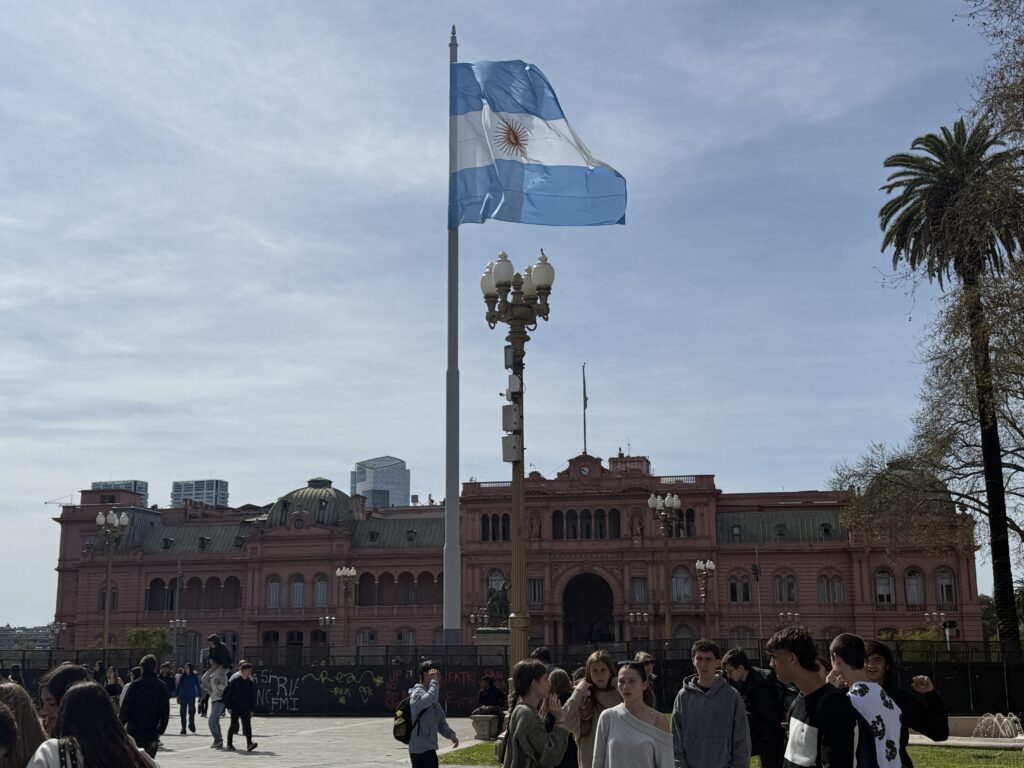
If you’ve got one day in Buenos Aires, Argentina’s vibrant capital (with its 23 provinces and Paris-inspired layout where streets fan out from a central point), here’s a personal guide to make it special. These are the places and experiences I’d share with a friend, packed with history, culture, and delicious bites. Let’s walk through it together! Wander Down Pedestrian Florida StreetStart your morning on Calle Florida, a lively pedestrian street buzzing with shops and street musicians. It’s where I love to soak in the city’s energy—maybe grab a coffee and watch the locals go by. It’s such a welcoming way to ease into BA’s rhythm. Visit Plaza de Mayo & Casa RosadaNext, head to Plaza de Mayo, the heart of Argentina’s history. The Casa Rosada, the iconic pink government house (some say the color came from mixing paint with cow’s blood back in the day!), is a must-see. Around the square, you’ll notice white scarves painted on the ground, honoring the Madres de Plaza de Mayo. These brave women, wearing white headscarves, protested the 1976 dictatorship’s atrocities—abducting and torturing activists, many inspired by Evita Perón, and dropping them into the Atlantic. It’s a heavy but moving piece of history. The Argentine flag’s blue and white (unlike the rival red ribbons) flies proudly here. Step Inside Buenos Aires CathedralJust off the plaza, the Buenos Aires Cathedral feels like a blend of Italian and Spanish elegance, built post-independence to move away from colonial Spanish style. Inside, you’ll find the mausoleum of General José de San Martín, who helped liberate Argentina, Chile, and Peru. It’s outside the church’s main perimeter since he was a Freemason, and it’s guarded by Grenadiers on horseback who change every two hours. The cathedral’s massive organ (the 2nd largest in South America) is another gem that always catches my eye. Stroll Through Mercado San TelmoMake your way to the historic Mercado San Telmo, opened in 1897. I love wandering its cobblestone paths, browsing antiques, and sipping mate. It’s the perfect spot to try local eats—grab a choripán (sausage sandwich), empanadas, fainá (chickpea flatbread), a chacarero (beef sandwich), or some calabrese pizza. Each bite feels like a little piece of Argentina’s soul. Get Lost in the Colorful Streets of La BocaTake a short trip to La Boca, a neighborhood bursting with vibrant energy and history. Walk down Caminito, where brightly painted houses (think bold blues, yellows, and reds!) create a living canvas. This area was home to Italian immigrants who built homes from shipyard scraps, painting them with whatever colors they could find. It’s also the birthplace of tango, with street performers dancing in the open air. Grab a snack at a local café and soak in the artistic vibe—don’t forget your camera for those iconic, colorful shots!We happen to be there when very well known Colombian DJs Feid & Icon spinning tunes in the main Square. What an incredible energy. Experience Tango’s MagicEnd your day with tango, born in the crowded immigrant tenements of places like La Boca (from “tambo,” meaning drum-playing) where families shared single rooms in tough conditions. Watching a street performance or stepping into a milonga always feels like connecting with BA’s heart. The passion in the dance is unforgettable. El Preferido We ended our time in BA at El Preferido de Palermo, Buenos Aires’ pink-hued bodegón icon since 1885. It was revived in 2019 by Don Julio’s Pablo Rivero into a nostalgic gem blending old-school charm with elevated Argentine soul food. We were greeted with mini empanadas while we waited for our table outside. Snag a spot and feast on epic homemade charcuterie, the city’s crunchiest milanesa napolitana, fresh pastas, vitel toné, and farm-fresh veggies—all paired with a vast array of wines and vermouth. Michelin-recommended and a local staple, be sure to book ahead for this flavorful blast of porteño magic. Buenos Aires has a way of feeling like home in just one day. If you go, let me know what you loved most! Link to the Instagram Reel – Buenos Aires