
Ferrari Trento: Vertical Freshness & The Italian Art of Living
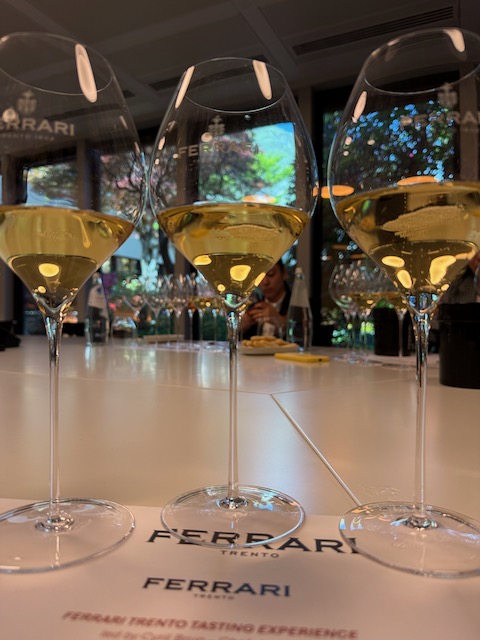
There are wineries you visit to taste wine—and then there are those that make you feel something deeper. At Ferrari Trento, it’s never just about what’s in the glass—it’s about how you experience it. From the moment I arrived, guided through the estate by Jacopo and Anna Chiara, I sensed it immediately. This was not a standard visit, but an invitation into a rhythm—one defined by elegance, harmony, and quiet intention. Nothing feels forced. Nothing feels overdone.Everything feels considered. And as the day unfolded, one truth became clear: every bottle here carries its own story. Where precision meets feeling Set in the mountains of Trentino, with vineyards reaching up to 750 meters, Ferrari’s identity begins with altitude. You feel it not just in the air, but eventually in the glass. Chardonnay is the foundation, representing the majority of production, while Pinot Noir adds depth and structure, particularly in rosé and Blanc de Noirs expressions. Everything begins with care. The harvest is entirely by hand, followed by immediate cooling to 12°C to preserve aromatic purity. From there, time becomes the defining element—not a constraint, but a tool. Aging is deliberate and varied, from a few years to over a decade, allowing each wine to develop its intended expression while maintaining a remarkable sense of lift. This balance—between energy and depth—is what Cyril Brun, cellar master later describes as: “Vertical freshness.” And underpinning it all is a philosophy of restraint: “The best correction is the one you never have to make.” Into the cellars: where time is shaped Before the tasting, we moved into the cellars—and the pace shifted. Cool, quiet, almost meditative, it’s a space that invites you to slow down. Rows of bottles rest in perfect order, each evolving at its own pace. Then the riddling. Three specialists, working entirely by hand, turn upwards of thirty-five thousand of bottles each day. The movement is rhythmic, precise, almost hypnotic. It’s a reminder that even at scale, Ferrari preserves the human touch where it matters most. And then—the family library. The bottles in the family library dating back to 1972 and beyond are not reserved for special occasions, but serve as a living reference for the winemaking team—an archive of decades of knowledge used to guide decisions and navigate both present and future challenges. Standing there, you begin to understand: Ferrari is not just producing wine for the present—it is thinking in decades. Villa Margon: where time stands still If the cellars reveal time in motion, Villa Margon reveals time preserved. Guided by Camilla Lunelli, the visit felt deeply personal—less a tour, more an invitation into the family’s history. The villa’s 16th-century frescoes remain entirely original. Not restored, not altered—preserved simply by its location, tucked away from the main paths of history. Over centuries, it was never disturbed. It simply remained. Walking through its rooms, there is a palpable stillness—a journey of continuity that is rare to experience. At one point, I asked quietly if it might be possible to see the private chapel. To my surprise, the answer was yes. Small, intimate, and still used for family mass, it offered a moment of quiet connection—something deeply human within the grandeur. A rare privilege, and one that stayed with me. A dream that reshaped Italian sparkling wine Ferrari’s story begins with Giulio Ferrari, a visionary who saw potential where others did not. After studying in Champagne, he recognized the unique conditions of Trentino—altitude, climate, and the ability to preserve acidity while achieving ripeness. He brought Chardonnay cuttings from Épernay and planted them here, convinced the region could produce wines of equal finesse. In 1902, Ferrari was born. “Everything can begin with a dream.” From just 700 bottles, the house quickly gained recognition, earning international awards within a few years. Remarkably, it remained untouched through World War II, preserving not only its structure but its vision. That vision was carried forward by Bruno Lunelli and continues today with the third generation of the Lunelli family—where tradition and evolution exist in balance. Meeting Cyril Brun: listening before leading When Cyril Brun joined Ferrari, his first instinct was not to change—but to understand. “For the first six months, I did nothing. I observed, I listened, I learned.” That approach speaks volumes. His role is not to redefine Ferrari, but to refine it—guided by a clear philosophy: “Verticality. Crystalline clarity. Purity… and Pleasure.” And it is within the tasting that these words come fully to life. The tasting: a progression in precision The tasting unfolds as a progression—each wine building on the last, moving from energy and brightness into depth and complexity. Chardonnay remains Ferrari’s central voice, but Pinot Noir is an increasingly important counterpoint. Brun described Ferrari’s identity as a duet between the two grapes. “That’s why you see black and white everywhere in Ferrari communication—it’s the duet between Chardonnay and Pinot Noir.” During our tasting, I asked Brun what he would be if he were not a winemaker. His answer came without hesitation: “I would be an orchestra conductor.” It is a perfect metaphor for the way he works. “Making wine is like conducting an orchestra. You have the small triangle, you have the big bass, and you have to deal with all those different voices.” That image lingers. It captures both his humility and his precision. A conductor does not impose sound from nothing. He shapes, balances, listens, and guides. That is exactly what Brun appears to be doing at Ferrari. What stayed with me What defines Ferrari is not what it tries to be—but what it chooses not to become. It does not chase power.It does not overstate itself. Instead, it focuses on precision, balance, and identity. Mountain freshness.Energy without excess.Complexity without weight. And through it all—a sense of ease. Final sip Ferrari Trento may have been inspired by Champagne—but it has become something entirely its own. A house shaped by altitude, defined by time, and guided by intention. And for me, this was more than a visit. It was an experience you feel—and one that stays with you. What Ferrari
VinItaly By Night
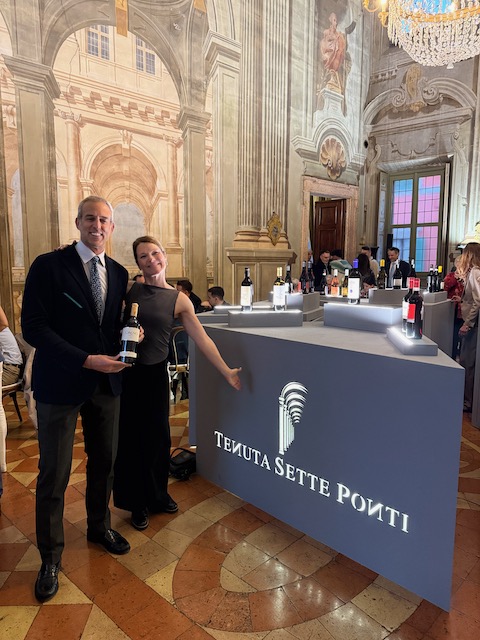
Verona nights, Tuscan soul.During the Vinitaly marathon I was treated to two unforgettable evenings: a Big Bottle Social dinner hosted by Tenuta Sette Ponti at the frescoed Palazzo Verità Poeta, followed by an intimate industry gathering — Chianti Lovers & Rosso Morellino — at AMO Bistrot, hosted by IEEM USA. Both events fused impeccable wine, inspired food pairings, and that ineffable Italian energy. Palazzo Verità Poeta’s frescoed salons and ornate ceilings feel like stepping into a living masterpiece: once the urban residence of the Verità Poeta family, the palazzo evolved from Renaissance elegance to Baroque splendor and has been lovingly restored to host concerts, exhibitions and intimate private events. For Tenuta Sette Ponti’s Big Bottle Social Night the rooms shimmered under gilded cornices as giant bottles gleamed on illuminated plinths, while murmurs of conversation and the clink of glasses echoed through frescoed vaults—history and hedonism entwined, making every taste of wine feel like a discovery suspended in time. Hosts Antonio and Alberto Moretti Cuseri — father and son — presided with warm hospitality, embodying Tenuta Sette Ponti’s ethos of handmade luxury. Tenuta Sette Ponti (Valdarno di Sopra DOC) and Orma (Bolgheri) provided the backbone of the tasting, supported by their wider portfolio: Poggio al Lupo (Maremma) with bold, Mediterranean reds and coastal lift; Feudo Macarri (Noto, Sicily) delivering sun-soaked Nero d’Avola and expressive island whites; Animaetna (Etna, Sicily) offering mineral-driven, volcanic reds and crisp high-altitude whites; and the flagship Sette Ponti bottlings that balance power with finesse. Together the estates showcased the family’s terroir-driven range across Tuscany and Sicily. Big Bottle Tasting highlights: A night for Chianti lovers featuring wines from Chianti & Morellino, the evening was equally compelling through thoughtful, perfectly paired bites elevated every glass; bottles flowed, conversations buzzed, and the rooms pulsed with passion for Tuscan terroir. Tuscany stole the show — and Morellino was my happy star of the night. Chianti Classico (Sangiovese-led) ranges from fresh, floral giovane bottlings with cherry and tomato leaf brightness to more structured Classico and Superiore expressions that layer ripe red fruit, dried herbs, leather and savory spice over firmer tannins and brighter acidity; Riserva bottlings show extended oak and bottle aging, adding tobacco, cedar, earth and long, refined finishes ideal for roasted meats and aged cheeses. Rosso Morellino di Scansano, by contrast, leans toward the sun-warmed, coastal side of Sangiovese: exuberant bright red cherry, ripe plum, Mediterranean herbs and a plush, silky palate, often showing softer tannins and a juicy, fresh immediate appeal. Winemaking choices (shorter maceration, judicious oak or amphora) can push Morellino from bright and fruity to more textured, savory versions with spice and smoky nuances — which is exactly what made the Morellino at AMO Bistrot the night’s standout for me: fresh, vividly fruity, effortlessly drinkable yet complex enough to linger with every bite. Every pour told a story of sun-drenched vineyards, coastal breezes and generations of winemaking — if this is what Tuscany tastes like, I’m already planning my next glass.
Riesling Revolution: Martin Tesch’s Nahe Magic

My recent trip to Germany had a twofold purpose: first, to demystify the often misunderstood world of German wine, peeling back layers of complexity beyond labels and classifications; and second, to dive deeper into the nuances of its signature grape, Riesling, in hopes of converting me—a devoted Chenin Blanc lover—into an even greater Riesling devotee. What better place to start than in the Nahe region, where I spent an enlightening day with the visionary winemaker Martin Tesch. Meeting Martin was like chatting with a philosopher who just happens to make exceptional wine. Charismatic and deeply thoughtful, he’s the driving force behind Weingut Tesch’s evolution. As he put it quite simply, I describe my wines as New Old School, Innovative & Rebellious. Nestled in the picturesque Nahe valley in the village of Langenlonsheim—one of the region’s largest winegrowing municipalities with around 187 hectares of vineyards—Weingut Tesch is more than just a winery—it’s a living testament to Germany’s rich viticultural heritage. Born into a family with centuries of winemaking tradition, Martin’s path to becoming a winemaker was both scientific and serendipitous. He studied microbiology, where he discovered his enthusiasm for fermentation processes of all kinds. This academic background led him back to the family estate, which he has run since 1997. In 2001, he embarked on a transformative journey, reinventing the winery by focusing primarily on dry Rieslings produced with minimal intervention, reducing the family’s portfolio from plus 50 to 6 wines. Often seen as a trailblazer who “follows the science,” even if it means bucking traditions that some peers view as unconventional, Martin’s journey reflects a blend of heritage and innovation. Martin’s independence is the key to his success. From an early age, Martin was fascinated by punk music. He befriended the famous German punk band Die Toten Hosen at their second concert outside Düsseldorf and later created several private-label wines with them. He left the VdP (Germany’s prestigious wine association which his grandfather founded in 1901) to forge his own path, emphasizing individuality over conformity. “The road to success is not a group travel. You need to be individual,” he told me, and it’s paid off. His customer base now includes young, educated wine lovers who crave authenticity and stories over fleeting trends. But wait, Martin said, to have a better understanding of my wines, you need to see where they come from. Immediately, Martin Tesch took us up to his vineyard, wanting us to really feel the story behind his wines before we started tasting. From a stunning viewpoint high above the steep, terraced slopes of the Nahe Valley, he introduced us to his pride and joy: the legendary St. Remigiusberg vineyard. First planted by Benedictine monks centuries ago and long considered one of the Nahe’s greatest sites, this parcel was split apart during the turmoil of the 16th-century Reformation. After hundreds of years divided, it’s only recently been brought back together through the passion and perseverance of Martin’s family and six families from the Netherlands. Now whole again at 4 hectares, the reunification is so much more than just gaining land. It’s a powerful, deeply symbolic “major step” in protecting a viticultural heritage that stretches back generations. Martin said it best, with real emotion in his voice: “You have a step every 300–400 years, and this was only three steps… you got to live one of the major steps.” Standing there among vines planted in ancient volcanic soil, you can’t help but feel the weight of history—and the quiet thrill of being part of its next chapter. Driving through the Nahe, Martin explained the empty plots—a stark sign of ongoing production reduction in the region as growers adapt to changing markets and climates. But the magic of Nahe isn’t lost. At the core of Weingut Tesch is Martin’s “new old school” philosophy—a brilliant blend of tradition and innovation. It’s about honoring the past while adapting to the present, ensuring the wines remain timeless yet relevant. Riesling, of course, takes center stage here, but Martin’s dry styles are a revelation. Sustainability is woven into every practice, though Martin shuns certifications. “People want to understand deeper than just a stamp… ‘organic’ isn’t a guarantee of taste,” he explained. Instead, it’s about handwork, minimal copper use, and a genuine respect for the land. This approach yields wines that are pure expressions of Nahe’s terroir—crisp, mineral-driven, and endlessly fascinating. Tasting them side by side, I felt the “new” in modern techniques like screw caps harmonizing with the “old school” essence of ancient vines and historical insights. His wines are crafted from 60-year-old vines, aged on lees for added complexity, and bottled under screw caps—a bold move Martin adopted in 2005 despite initial controversy. He also minimizes sulfites (down to 25 ppm post-bottling) and focuses on spicy, intricate profiles, like the “Unplugged” Riesling, which boasts lower sugar but heightened depth. Martin shared amusing anecdotes about label designs: an angel on one bottle raised eyebrows in the US for not being “fully clothed” enough, while Sweden questioned its age-appropriateness. His bold, modern labels—featuring vibrant color-coding inspired by the London Underground map, unique artwork for each vineyard (often with playful motifs like a king frog), and a consistent portrait of his great-grandfather—earned a prestigious Red Dot Design Award. These stories underscore the cultural tightrope of exporting authentic German wine, maintaining both traditional and modern art influences on each label. His son, set to carry the torch, plans to “stay small” and keep the “fun in winemaking” alive, rejecting mass-market temptations like “2 million bottles of alcohol-free wine.” In Martin’s words, “History means nothing… you can lose it in every generation. It’s just a starting point.” This mindset ensures Weingut Tesch isn’t resting on its laurels but building a future rooted in values: individuality, sustainability, and that unbreakable bond between people, place, and wine. How to promote Riesling, the issue with success of Riesling -Martin said Give Riesling a role – that doesn’t work- perfect for food pairings acid with fat and richness no matter
Holiday Travels
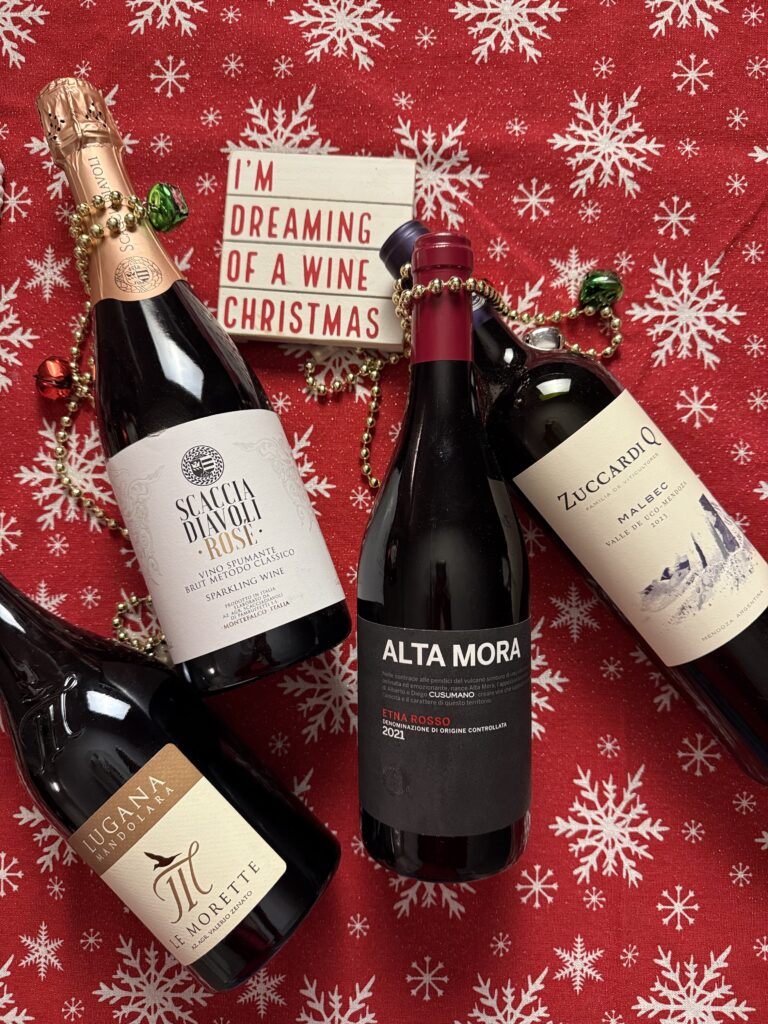
These four bottles aren’t just wines – they’re postcards from the roads I traveled in 2025, little liquid souvenirs I brought home from places that stole my heart. From volcanic slopes to glacier-cooled lakeshores, from devil-chasing hilltops to sky-high Andean vineyards, each one carries the soul of where it was born. And as the holiday lights start twinkling, they transform into the perfect companions for the season: sparkle to kick off the night, spice to match the feast, brightness to cut through the richness, and velvet depth for those long, fireside conversations. Here they are – four passports to joy, ready to make your holiday season unforgettable! Scacciadiavoli Brut Rosé: The Devil-Chasing Sparkler That’s Pure Party Magic! Oh, buckle up, bubbly lovers—this Scacciadiavoli Brut Rosé from the legendary Cantina Scacciadiavoli is like a cheeky Italian whisper saying, “Life’s too short for flat vibes!” Hailing from the sun-kissed hills of Montefalco in Umbria, Italy, this winery’s been crafting wines since the 1800s, with a name that literally means “devil-chaser” The region’s volcanic soils and gentle breezes give it that extra zing, turning humble grapes into liquid fireworks. Winemaking here is all about that classic Italian flair: hand-picked 100% Sagrantino grapes get the royal treatment with the Metodo Classico (think Champagne method, but with more Mediterranean soul), aged min 24 months sur lie fermenting in the bottle for that fine, celebratory fizz. It’s aged just right to keep things fresh without losing the fun—pure artisanal wizardry that lets the terroir shine through every bubble. Style-wise, this is your go-to sparkling rosé for when you want elegance with a wink: brut-dry for that crisp edge, but bursting with playful energy. It’s the rosé that dances on your tongue, light yet structured, like a summer fling that turns into your new bestie. Tasting notes? Get ready to swoon: a pale salmon glow in the glass, unleashing a floral explosion of wild strawberries, red apples, and a whisper of brioche crust—fresh as a morning jog through an orchard. On the palate, it’s a lively tango of cranberry zip, ginger spice, and white pepper kick, all wrapped in silky bubbles and zesty acidity that lingers like a flirty goodbye. One sip, and you’re hooked—elegant, savory, and oh-so-refreshing! For fun food pairings, pop this open with seafood towers , charcuterie boards loaded with prosciutto and fresh cheeses, or even a zesty white-meat grill-out. It’s the ultimate mood-lifter for rooftop toasts, beach picnics, or just because—evoking that carefree, sun-drenched euphoria where worries bubble away and every moment feels like a victory lap. Cheers to chasing devils with delight! Fun Fact: The winery’s name literally means “Devil-Chaser” because, back in the 19th century, the vineyard sat right next to a tiny village where an exorcist was once called in to banish a pesky demon. Locals swear the first bottles of sparkling Sagrantino were so good that even the devil fled in delight… and never came back! Le Morette Mandolara 2024: Lake Garda’s Zesty Sunshine in a Bottle! Dive into the sparkling waters of joy with Le Morette’s Mandolara 2024—because nothing says “let’s make memories” like a white wine that’s as breezy as a Venetian gondola ride! Crafted by the Zenato family at Le Morette winery, these folks have been tending vines in Peschiera del Garda since the 1960s, blending old-school passion with zero-chemical purity for wines that taste like pure, unfiltered happiness. Nestled in the Lugana DOC region of Veneto, Italy—just a stone’s throw south of Lake Garda’s shimmering shores—this spot’s mineral-rich clays and lake-cooled nights crank up the freshness dial to eleven, making every vintage a love letter to the land. Winemaking is a family affair done right: 100% Turbiana grapes (that’s Verdicchio’s sexy Italian alias) from the hallowed Mandolara vineyard get a gentle stainless-steel hug to preserve their zippy soul—no oak, no fuss, just pure expression fermented cool and crisp for that vibrant pop. It’s sustainable magic that lets the grapes strut their stuff. This bad boy rocks a flinty-green white wine style—light-bodied, zingy, and endlessly quaffable, like the cool cousin at the family reunion who always brings the best stories. Perfect for those “aha!” moments when you need refreshment without the weight. Pour it out, and bam—your nose is hit with a citrus symphony of grapefruit zest, green apple crunch, white flowers, and a sneaky apricot tease, all wrapped in that flinty, mineral kiss from the Garda stones. The palate? A fruity fiesta of peach whispers and apple brightness, finishing with bitter almond elegance and a mouthwatering acidity that begs for another sip. It’s fresh, balanced, and downright addictive—like biting into summer itself! Pair it up with Taco Tuesday fish tacos, delicate seafood pastas, or veggie-packed risottos for a match made in heaven—light, lively, and laugh-out-loud delicious. The mood? Effortlessly upbeat, evoking lazy afternoons by the water, spontaneous brunches, or that giddy “yes!” to new adventures—pure, feel-good elixir for souls craving a splash of serenity and sparkle! Fun Fact: The Mandolara vineyard is home to a colony of wild ducks (called “morette” in local dialect) that waddle through the rows every spring. The Zenato family refuses to scare them away, so every vintage is officially “duck-approved” and probably blessed with extra good luck! Alta Mora Etna Rosso 2022: Sicily’s Volcanic Vixen Ignite your senses with Alta Mora Etna Rosso 2022, where the fiery spirit of Mount Etna meets winemaking wizardry for a red that’s as explosively fun as a Sicilian festa! Born from the Cusumano family’s Alta Mora project—a high-elevation love child of passion and precision since 2007—this crew’s all about honoring Etna’s wild side with sustainable swagger and indigenous soul. Perched on the volcanic flanks of Etna in Sicily, Italy—blending grapes from star vineyards like Verzella, Solicchiata, Feudo di Mezzo, and Guardiola at 650–900 meters up—these lava-kissed black sands and ancient soils brew a mineral magic that’s equal parts rugged and refined, capturing the island’s untamed heartbeat. Winemaking channels that volcanic energy: 100% Nerello Mascalese gets a cool ferment to lock in freshness, then