
Tigerstone & Thin Air: Alejandro Sejanovich’s High-Altitude Garnacha
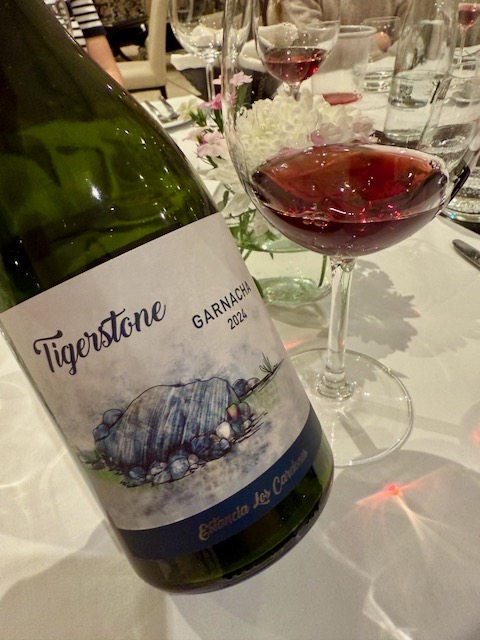
I can still hear Colo’s voice from that September evening in Mendoza — eyes sparkling, hands moving as he mapped Argentina’s extremes from north to south. “We don’t make perfect wines,” he told us. “We make wines that tell a story of the zone.” Months later, a bottle of his 2024 Tigerstone Garnacha from Estancia Los Cardones arrived, and suddenly I was right back in that room… only this time the story was pure northern drama. An Oasis at the Edge of the Map Estancia Los Cardones sits in Tolombón, Salta — Argentina’s northernmost wine region — just south of Cafayate on the eastern slopes of the Calchaquí Valleys. At roughly 1,700 meters (5,577 feet), this is high-desert country: blinding sunlight, warm days, nights that plunge more than 25°C cooler, and bone-dry air interrupted only by the occasional summer shower. The vines here are among the first in the valleys to be harvested, usually in late February. The estate is a true family-and-friends project. The Saavedra Azcona family partnered with Alejandro “Colo” Sejanovich and Jeff Mausbach (both Catena alumni) to create Anko — “high water” in the local Quechua language — a name that feels perfect for an oasis of vines surrounded by giant cardón cacti and jagged mountains. The Tigerstone Plots What makes this Garnacha special is where it grows. Colo and the team planted the variety only in the highest, rockiest parcels of the vineyard. The surface is carpeted in angular, splintered shale (pizarra) mixed with disintegrated mica and bluish slate — stones that look almost tiger-striped in the harsh light. They call it “Tigerstone.” These shallow, rocky soils force the vines to struggle. Yields are naturally tiny. Heat radiates from the stones at night, helping the grapes finish ripening, while the mineral-rich ground imparts a savory, almost saline edge that you can taste in the finished wine. Colo has said the site reminded him of certain Rhône Valley parcels where Garnacha has thrived for centuries. In Salta, it became Argentina’s first dedicated high-altitude Garnacha project — a quiet, stubborn experiment that is now one of the most exciting wines coming out of the north. Gentle Hands, Minimal Intervention The 2024 vintage was hand-harvested on February 20 into small 400 kg bins. After gentle destemming, the grapes went into a series of micro-vinifications with indigenous yeasts. Fermentation stayed cool (17–19°C) for just 5–8 days — enough to extract vibrant red fruit without heavy tannins. The wine then spent nine months in second- and third-use French oak barrels. No new wood. No flashy winemaking. Just enough subtle texture to frame the fruit and the place. The result is a pure, unblended 100% Garnacha that feels both wild and refined. In the Glass The 2024 Tigerstone Garnacha pours a bright, translucent ruby. The nose is immediate and lifted: crushed strawberries and raspberries, a touch of rose petal, and a faint whisper of cacao from the older barrels. On the palate it is medium-bodied, round yet electric. Juicy red fruit sits at the center, framed by fine, grippy tannins and a bright, almost biting acidity that keeps everything alive. A subtle saline minerality and gentle spice linger on the dry finish. Serve it slightly chilled — 12–14°C — and it becomes one of those rare reds that works as an aperitif yet still has the presence to sit at the table. Think grilled vegetables, herby roast chicken, charcuterie, empanadas or a simple tomato salad with good olive oil. This is a wine that feels both serious and joyful — the kind of bottle that makes you want to pour a second glass and keep talking. Colo once told us that the best Argentine wines are the ones that refuse to hide where they come from. The 2024 Tigerstone Garnacha doesn’t hide a thing. It tastes like thin air, broken rock, and the quiet conviction of a winemaker who keeps pushing the map of what’s possible in Argentina. If you loved the energy of Colo’s seminar as much as I did, this is the bottle that lets you taste that same restless curiosity in liquid form.
Abruzzo: Italy’s Wild Heart
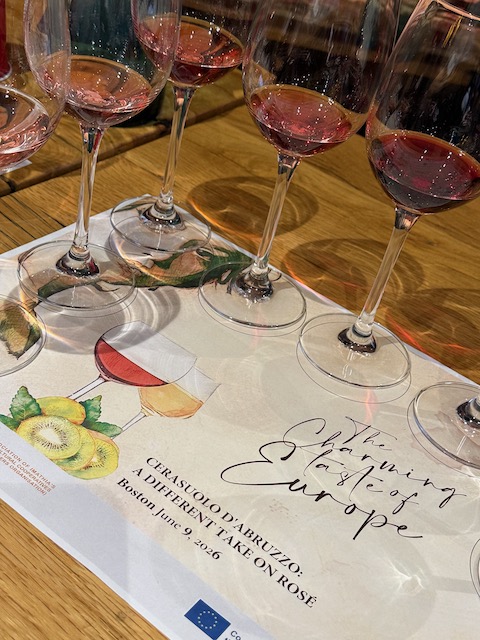
Some wine regions whisper. Abruzzo speaks with clarity. At a recent trade tasting at City Winery Boston, hosted by the Consorzio Tutela Vini d’Abruzzo at City Winery Boston, I was reminded why this central Italian region is one of the most exciting—and still wonderfully underrated—wine territories in Italy today. Set between the dramatic peaks of the Apennines and the cooling influence of the Adriatic coast, Abruzzo is a region of striking natural contrast. Mountains, sea breezes, altitude, and wild terrain all shape wines that carry freshness, energy, and unmistakable identity. It’s a place where power and elegance meet. A Region Defined by Contrast What makes Abruzzo so fascinating is that it isn’t one singular wine region—it’s four distinct provinces, each with its own personality, shaped by altitude, soils, and proximity to the Adriatic. Together, they create one of Italy’s most dynamic terroir mosaics. Teramo (North) This is where Montepulciano reaches some of its most profound expressions, particularly in the prestigious Colline Teramane DOCG. The soils here are rich in clay and limestone, giving the wines structure, depth, and ageability. Vineyards stretch from the rolling hills toward the foothills of the Gran Sasso, often reaching 250–400 meters in altitude. The climate is cooler than the south, with strong mountain influence preserving acidity and freshness. What shines here: Montepulciano with darker fruit, firmer tannins, and greater longevity. Cerasuolo here often feels more vinous, structured, and savory. Think: power with polish. Pescara (Central Coast) Pescara sits in the heart of Abruzzo and often delivers some of the most balanced and versatile wines of the region. Its soils are a patchwork of clay, sand, and marine sediments, shaped by ancient seabeds. The Adriatic influence is strongest here, bringing cooling breezes and moderating the warmth. Altitude ranges from sea level up to 350 meters, allowing producers to play with ripeness and freshness. What shines here: Montepulciano with juicy fruit and softer tannins, vibrant Cerasuolo, and increasingly exciting Pecorino. Think: generosity meets freshness. Chieti (South Coast) Abruzzo’s largest and most productive province, but don’t mistake scale for simplicity. Chieti benefits from warmer temperatures, lower elevations, and more Mediterranean influence. The soils here are often sandy clay with limestone pockets, giving approachable, fruit-forward wines. This is where much of Abruzzo’s commercial heartbeat lies, but there’s also a growing movement toward quality-driven terroir wines. What shines here: Accessible Montepulciano, bright Trebbiano, aromatic Passerina, and textured Pecorino. Think: warmth, generosity, and incredible value. L’Aquila (Inland Mountains) The wild card. This mountainous inland province is less associated with volume and more with altitude, extremes, and freshness. Here, vineyards can climb beyond 500 meters, with dramatic diurnal shifts and rugged calcareous soils. It’s cooler, harsher, and more unpredictable—but that tension creates wines of incredible energy. What shines here: Fresh whites like Trebbiano and Pecorino, and increasingly elegant reds with lifted acidity. Think: mountain tension and purity. Eight Shades of Cerasuolo Leading the masterclass was Jeff Porter, who guided us through what makes Abruzzo so compelling—not just geographically, but stylistically. The focus? Eight distinct expressions of Cerasuolo d’Abruzzo, the region’s historic rosato that continues to challenge expectations. And what a category it is. Cerasuolo sits in a world of its own: deeper in color than most rosés, built from Montepulciano, and packed with vibrant red fruit, savory lift, and mineral tension. It has the structure of a light red, the refreshment of rosé, and the gastronomic versatility of both. Tasting eight examples side by side revealed just how broad and nuanced this category can be. Tenuta I Fauri — Chiola Cerasuolo d’Abruzzo DOC 2025 The lightest in the lineup, but far from simple. Wild strawberry, watermelon rind, and crushed rose petals leap from the glass, followed by citrus-driven tension and saline lift. Sleek, energetic, and refreshing—this is Cerasuolo in its most vibrant form. It drinks like a savory, earthy Gamay with a finish of almond skin. Pasetti — Tenuta Rosa Cerasuolo d’Abruzzo Superiore 2025 A darker and more structured expression. Sour cherry, blood orange, and pomegranate layered with savory herbs and wet stone. Fuller-bodied with real texture and grip. This is where Cerasuolo begins to show its serious side. Biagi — Campelli Cerasuolo d’Abruzzo Juicy and immediate, loaded with ripe raspberry, red currant, and cranberry skin. A subtle herbal lift and bitter almond edge bring complexity. Charming, bright, and dangerously drinkable. Biagi — Rerum Cerasuolo d’Abruzzo Superiore Biologico 2025 Deeper, broader, and more layered. Wild cherry, macerated strawberry, orange peel, and dried thyme unfold across the palate with gentle phenolic grip. More contemplative, more vinous—built for food. Castorani — Cerasuolo d’Abruzzo Superiore 2025 One of the most vinous in the flight. Dark cherry, hibiscus, rhubarb, and crushed stone. Deeper concentration and almost red-wine-like presence, yet still lifted by freshness. Serious and gastronomic. Caprera — Le Vasche 2024 Cerasuolo d’Abruzzo 2025 A standout for precision and polish. Bright red berries, pomegranate, bitter orange, and Mediterranean herbs. Silky yet electric, with chalky minerality and beautiful tension. Modern, vibrant, and highly expressive. More Than Montepulciano But Abruzzo’s story stretches far beyond rosato. Long beloved for the generous fruit and savory depth of Montepulciano d’Abruzzo, the region is increasingly earning international recognition for its quality, value, and deep sense of place. These are wines that overdeliver—bold yet approachable, serious yet easy to love. The walk-around tasting offered an impressive snapshot of the region’s breadth, with standout wines from NAE, Pasetti, Talamonti, Castorani, Caprera, Biagi, Tilli, Strappelli, and Tenuta I Fauri. Beyond Montepulciano and Cerasuolo, the whites were equally compelling: crisp, expressive wines from Trebbiano, Pecorino, Passerina, and other indigenous varieties, each carrying Abruzzo’s signature tension between ripeness and freshness. What makes Abruzzo so relevant right now is that it meets the modern drinker exactly where they are: authenticity, value, food-friendliness, and indigenous character. It’s a region without pretense—but with enormous substance. For trade professionals, tastings like this are a reminder that Abruzzo is no longer simply a “great value” region. It’s a serious conversation. A place of diversity, energy, and evolving identity. And perhaps most
A Montefalco 2026: The Quiet Poetry of Place
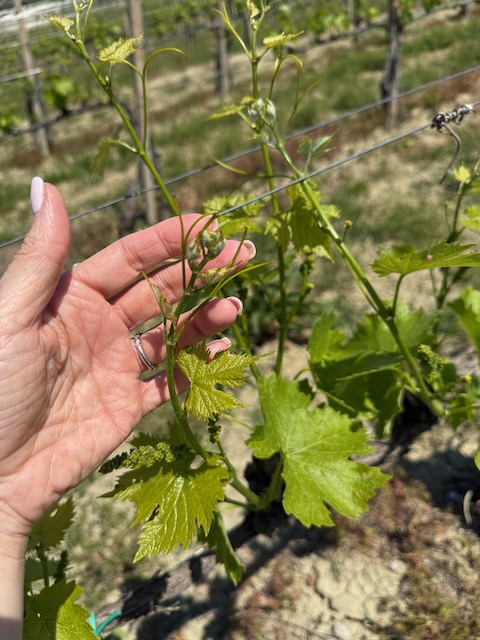
Montefalco arrives like a promise: a ribbon of sun-drenched hills stitched with olive groves and vines, where the light turns grape skins to jewels and the afternoon hush feels like the land exhaling centuries of stories. Three immersive days threading through the gentle slopes between Montefalco, Gualdo Cattaneo, Giano dell’Umbria, Castel Ritaldi, and beyond revealed the region’s living heartbeat — Sagrantino’s powerful, age-worthy structure rooted in thick-skinned intensity and polyphenolic richness; the crystalline, vertical lift of Trebbiano Spoletino with its uncommon acidity and aromatic freshness; and a hospitality that turns every tasting into shared conversation. Here, place and patience continue to ferment wine into memory. Day 1: Hilltops, Family Stories, and First Impressions The journey opened in the Gualdo Cattaneo area with Cesarini-Sartori — gritty, tenacious, rooted — an intimate, family-minded estate led by sisters Chiara and Alice Cesarini Sartori. Their wines speak eloquently of hill soils and old-vine heritage, delivering Sagrantino-driven structure layered with a clear sense of place and energetic Montefalco Rosso blends that balance deep tannins with vibrant freshness — a refined introduction to the territory’s duality of power and approachability. Terre de la Custodia — commanding, earthy, relentless — part of the historic Farchioni family (with Giampaolo Farchioni and winemaker Marco Minciarelli at the helm), followed with a vineyard-forward philosophy deeply rooted in local varieties and the area’s clay-calcareous terroir. Their well-shaped Sagrantino and Montefalco Rosso impressed with earthy aromatics, savory finishes, and harmonious structure — wines that exemplify how the rolling hills translate into glass with both generosity and precision. In Giano dell’Umbria, Moretti Omero — nimble, salty, defiant — a small-scale family operation, offered meticulous attention to detail where traditional viticulture meets thoughtful modern cellar choices. Their approachable Trebbiano Spoletino shone with freshness and salt-sapidity, while the nimble reds highlighted drinkability and pairing versatility — honest expressions that feel intimately tied to the land. Terre di San Felice — warm-edged, familial, fierce — in the Castel Ritaldi/Montefalco area (Società Agricola San Felice) wrapped the day with warm hospitality and wines that favor drinkability without sacrificing pedigree. Lively Montefalco Bianco and Grechetto examples danced alongside Montefalco Rosso featuring ripe fruit and soft tannic edges — terroir-driven voices that felt familial and inviting. The evening dinner at Tenuta di Saragano provided a convivial close: regional Umbrian cooking paired seamlessly with structured Sagrantino and local wines, underscoring how Montefalco’s earthiness and cuisine make every bottle sing. Day 2: Consorzio Wisdom, Village Cellars, and Shared Craft A highlight was the Consorzio Tutela Vini Montefalco visit and masterclass “Montefalco Today” led by Cristina Mercuri MW at Chiostro S. Agostino. She crystallized the region’s story: a compact production area with ancient vines, mandatory aging for Sagrantino DOCG (37 months total, including wood and bottle), and the distinctive characters of its grapes. Sagrantino’s world-class polyphenols and tenacity meet Trebbiano Spoletino’s vertical acidity and aromatic precursors, all shaped by varied microclimates across calcareous-clay soils and four pedologic subzones. The “A Montefalco” ethos — Assertive, Authentic, Ageable — came alive through vintage insights and terroir maps. Le Cimate — precise, mineral-sharp, unyielding — impressed with terroir-focused parcel work and elegant cellar decisions under the estate’s dedicated team. Their refined Sagrantino and well-structured Montefalco Rosso emphasized length, minerality, and balanced oak — poised expressions of the central hills. Romanelli — concentrated, savage, persistent — at San Clemente (with Devis Romanelli involved in the family legacy) brought an old-vine sensibility and strong sense of place. Concentrated red fruit, savory herbs, and persistent tannins defined their Sagrantino — wines that reward slow sipping and reveal layers with time. Ninni — citrus-blade, vertical, audacious — grounded us in Spoleto DOC tradition with expressive Trebbiano Spoletino showcasing the grape’s signature citrus-mineral profile and impressive aging potential, alongside friendly, food-ready whites made in a living way that highlight its versatility and daring nature at Ninni. The Consorzio soirée — a “Visita mestieri” with light dinner — celebrated craft and conviviality. Winemakers, members, and artisans gathered over small plates matched to local whites and vibrant reds, reminding us that Montefalco’s terroir is as much cultural as geological. Day 3: Comparative Tastings and Enduring Classics A focused morning in the central Sala Degustazione allowed side-by-side comparisons, sharpening impressions across producers. Valdangius — saline-striking, bright, rebellious — stood out as a newer voice with clear vineyard intentions. Fresh Montefalco Bianco and Grechetto offered bright aromatics and a saline thread — lively whites that bring energy to the lineup. Scacciadiavoli — historic fury, potent, timeless — the Pambuffetti family flagship (founded 1884) delivered classic Sagrantino depth and Montefalco Rosso blending elegance with potency. These are wines that demonstrate the DOCG’s serious aging ambition and the estate’s living museum of tradition. Goretti — Fattoria Le Mura Saracene — tactile-intense, cinematic, savory-rebel — in the Pietrauta area (led by the Goretti family, including Sara and Giuli Goretti) conveyed a powerful sense of place through old-vine sites. Cinematic Trebbiano Spoletino and expressive Sangiovese-led blends featured tactile minerality and savory finishes that lingered beautifully. The trip culminated in an evening soirée at Tenute Lunelli — Carapace, a polished setting for wide-ranging comparisons and producer conversations. From bright Spoletino and Grechetto whites to powerful Sagrantino bottlings, the diversity shone — philosophies ranging from restraint to robust extraction, all united by profound respect for terroir and the land’s potential. Why Montefalco Matters Sagrantino remains the backbone — thick-skinned, polyphenolic powerhouse built for longevity, with a fascinating falcon-derived history and unique tannin profile that offers tenacity, finesse, and evolution. Yet the region’s beauty is its mosaic: Trebbiano Spoletino’s vertical freshness and aromatic complexity; Grechetto’s structure; Sangiovese-driven Montefalco Rosso for approachable elegance. Across compact hills (220–472m altitude) with clay-calcareous soils, pebble veins, and varied exposures, microclimates craft remarkable diversity. The Consorzio’s sustainable vision — organic growth, biodiversity, and green practices — alongside the “A Montefalco” manifesto, ensures this green heart of Italy stays authentic and forward-looking. 2021 Vintage Snapshot: The Montefalco Sagrantino DOCG earned a strong 4-star Excellent rating (94/100). A harsh winter and spring frost gave way to a
VieVinum 2026: Vienna & Vineyards
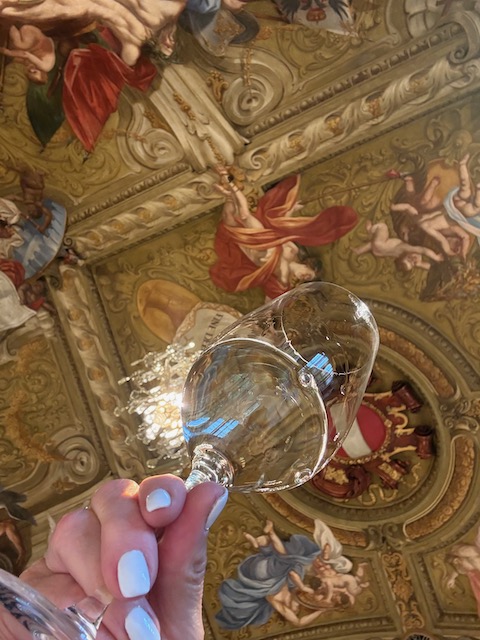
Vienna has a way of making wine feel cinematic. Perhaps it’s the imperial grandeur. The late-night glow spilling from historic cafés. The effortless blend of culture, history, and hospitality. Or perhaps it’s because Austrian wine itself mirrors the city — precise yet emotional, intellectual yet deeply soulful. For four days in May every two years, VieVinum 2026 transformed Vienna into the epicenter of the wine world, bringing together approximately 550 wineries and exhibitors from across Austria and beyond. Hosted within the magnificent Hofburg Palace, VieVinum remains one of Europe’s most important wine events—not simply because of its scale, but because of the conversations happening inside the glass. This year felt particularly electric. Not loud. Not flashy. Confident. Austria knows exactly who it is right now. The Energy of VieVinum VieVinum isn’t a fair you casually stroll through. It’s a marathon of tastings, interviews, masterclasses, meetings, press conferences, and spontaneous conversations that somehow become the most memorable part of the experience. From the Welcome Event at the MAK to ÖTW gatherings throughout the city, every day offered a deeper look into the evolution of Austrian wine. What stood out most was the remarkable balance between tradition and innovation. Austria’s producers aren’t chasing trends. They’re doubling down on authenticity, site expression, sustainability, and precision. The wines reflect that philosophy beautifully. Grüner Veltliner continues to evolve into one of the world’s most compelling white varieties, combining freshness, texture, and mineral detail. Blaufränkisch is cementing itself as one of Europe’s most exciting red grapes, capable of delivering both power and finesse with remarkable clarity of place. But let’s not loose sight of the racy Sauvignon Blanc, the finessed Chardonnay, that mineral driven Pinot Noir.. Austria is more than Grüner my friends. Discovering Austria’s Next Generation One of the highlights of the week was meeting producers who are helping define the next chapter of Austrian wine. The Schuller sisters of Weingut Schuller brought a fresh, modern energy to their wines—vibrant, expressive, and deeply connected to place while embracing a contemporary vision for the future. At Schlumberger, Austria’s historic sparkling wine house, traditional method Sekts demonstrated elegance, creamy texture, and remarkable precision. Bauer-Pöltl showcased Blaufränkisch with dark fruit, spice, structure, and a vibrant sense of energy that felt distinctly Burgenland. Weingut Toni Hartl impressed with refined, site-driven reds that balanced concentration with elegance. Weingutstift Göttweig offered wines that reflected centuries of history, delivering purity, minerality, and timeless sophistication. Familie Reinisch once again demonstrated why Thermenregion remains one of Austria’s most exciting regions, crafting Pinot Noir and white wines of remarkable finesse and detail. Puklavec Family Wines brought an international perspective, producing vibrant, approachable wines with aromatic clarity and freshness. Among the most fascinating conversations were those with childhood friends Philipp Grassl and Markus Huber, both members of Österreichische Traditionsweingüter (ÖTW) and two of Austria’s most respected voices in modern winemaking. Philipp Grassl has become one of Carnuntum’s defining producers, crafting wines he describes as having “silence, depth, and tension.” His wines unfold slowly, revealing layers of texture and complexity while maintaining a quiet confidence that demands attention without ever shouting. The master of St. Laurent, he calls “a diva in the vineyard.” Markus Huber, meanwhile, continues to elevate Traisental through wines defined by precision and elegance. His remarkably pure expressions capture the crystalline freshness and mineral character that have made him one of Austria’s benchmark producers. Together, they embody a generation of winemakers acting as artists for their respective regions, lifting them onto the international stage through authenticity rather than imitation. Wine, History and Hospitality Some of the most memorable moments happened away from the tasting halls. What makes Vienna unique is that wine isn’t something that exists outside the city—it is woven directly into its identity. As Europe’s only capital city with significant vineyards planted within its city limits, wine is never far away. One afternoon led to Schönbrunn Palace, the former imperial summer residence of the Habsburgs. With its staggering 1,441 rooms and miles of vast manicured gardens stretching across the landscape, it felt less like visiting a palace and more like stepping into a living history book. No visit to Vienna would be complete without embracing its culinary traditions. Discovering the rich elegance of a true Sacher Torte and the delicate layers of freshly prepared apple strudel offered a delicious reminder that Austria’s obsession with craftsmanship extends far beyond wine. At Pfarrwirt, Vienna’s oldest Heuriger, lunch provided a deeper understanding of Vienna’s wine culture through a tasting of wines from Mayer am Pfarrplatz and Mayer Rotes Haus. Surrounded by centuries of history, we explored vineyard-designated wines that showcased the precision and freshness that define modern Viennese wine. We tasted the range from Mayer am Pfarrplatz: Gelber Muskateller, Grüner Veltliner (Grinzing), Riesling Ried Alsegg and Riesling Nussberg, plus two examples of Wiener Gemischter Satz (from Weingut Rotes Haus and Mayer am Pfarrplatz). Wiener Gemischter Satz is a beautiful, chaotic field blend—multiple varieties planted side by side in the same vineyard, harvested and fermented together. It’s a living snapshot of Vienna’s historic vineyards, where complexity, texture and tension are woven naturally into every glass. Dinner at the legendary Plachutta delivered another Austrian classic: Wiener Schnitzel and white asparagus season in full force. Light, airy, delicate and impossibly crisp, it was arguably the finest example of the dish I’ve ever tasted—a masterclass in how simplicity becomes extraordinary when executed perfectly. Austria at a Turning Point What struck me most throughout VieVinum 2026 was how internationally relevant Austrian wine has become. Not as a trend. Not as a niche. But as a benchmark for terroir-driven, precision-focused winemaking. Climate challenges continue to reshape wine regions across the globe, yet Austria appears uniquely positioned for this moment. The balance between freshness, ripeness, structure, and elegance aligns perfectly with what sommeliers, collectors, and consumers increasingly seek. The wines feel sharper than ever. More articulate. More confident. And yet they retain their soul. That balance is difficult to achieve. Austria is doing it remarkably well. Leaving Vienna As VieVinum came
An Evening Beneath Carapace
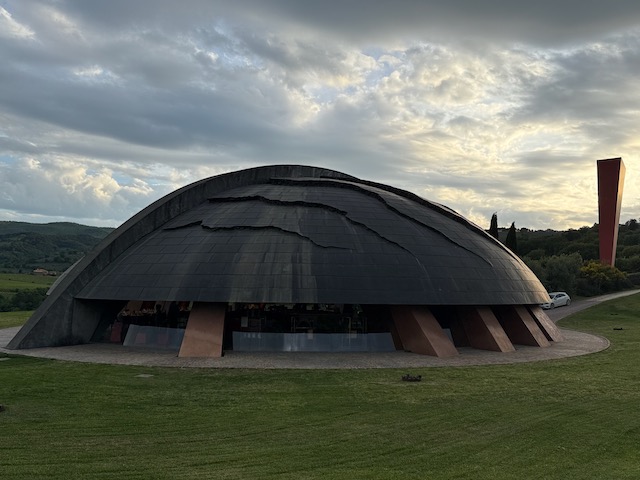
Montefalco isn’t measured in hectares or vintages, but in the warmth, generosity, and passion of those who call it home. As the sun slipped behind the Umbrian hills, we arrived at Carapace—the extraordinary winery commissioned by the Lunelli family and designed by renowned sculptor and architect Arnaldo Pomodoro. Rising from the vineyards like a bronze sculpture emerging from the earth, the winery feels less like a building and more like a monument to the land itself. At the entrance stands a striking symbol that appears throughout the estate and on the Carapace labels. At first glance it resembles a tribal emblem, but the meaning becomes clearer when viewed in the context of the winery. Encircled within a protective form, the central figure evokes both a vine and a shield—a visual representation of growth, permanence, and protection. It reflects the very concept of a carapace: a shell safeguarding what lies within. Much like Sagrantino itself, the symbol speaks of strength, structure, longevity, and a profound connection between earth and vine. And what better place to explore those ideas than around a dinner table filled with the people who dedicate their lives to this region? Aperitivo Among Friends The evening began outdoors with an aperitivo overlooking the vineyards as Montefalco glowed in the fading light. Glasses clinked, conversations flowed effortlessly, and winemakers mingled with journalists not as presenters but as friends welcoming guests into their home. Dinner followed inside, where each table hosted three winemakers or winery representatives, creating an atmosphere that felt intimate, engaging, and wonderfully unfiltered. There were no formal speeches or carefully rehearsed presentations—just stories, laughter, debates about vintages, and plenty of friendly banter. Our host for the evening was Alessandro Lunelli, joined by Filippo Antonelli of Cantina Antonelli and members of several Montefalco wine families such as Scacciadiavoli, Tenuta Cecchi, Tenuta Bellafonte, Cantina Laveneranda, Cantina Le Climate, Cantina Goretti and Poderi Moretti. It was a rare opportunity to share a meal with the people shaping the future of the region while hearing firsthand how they interpret one of Italy’s most distinctive grape varieties. A Menu Rooted in Umbria The menu was a celebration of local ingredients and Umbrian comfort. We began with a modern interpretation of eggplant parmigiana before moving to a beautifully creamy risotto enriched with cultured butter, saffron from nearby Cascia, and wild asparagus. The main course showcased guinea fowl accompanied by a rustic crostino with salmì, soft potato, and black truffle—a dish that seemed purpose-built for mature Sagrantino. The food never competed with the wines; it amplified them, revealing why Sagrantino has always been a grape meant for the table. Large Formats, Old Vintages, and the Magic of Time Then came the bottles. Large formats appeared alongside older vintages, turning the evening into an unofficial masterclass on the ageing potential of Montefalco’s flagship grape. Seeing wines with ten, fifteen, and even twenty years of evolution side by side was a reminder that Sagrantino’s reputation for power tells only part of the story. With time, the grape finds grace. A few wines stood out above all others. 2016 Carapace Montefalco Sagrantino DOCG – Tenute LunelliA benchmark expression of modern Sagrantino. Dark cherry, blackberry, licorice, and sweet spice unfold with remarkable precision. The tannins are substantial but polished, carrying layers of black fruit, tobacco, and savory herbs through a long, persistent finish. Powerful, yet surprisingly composed. 2005 Chiusa di Pannone Montefalco Sagrantino DOCG – AntonelliPerhaps the wine that best demonstrated what maturity can achieve. The fruit had evolved into dried cherry, leather, balsamic herbs, and forest floor while retaining remarkable freshness. The tannins had softened into a fine-grained texture that gave the wine elegance rather than force. A beautiful lesson in patience. 2011 Collenottolo Montefalco Sagrantino DOCG – Tenuta BellafonteA more restrained and refined interpretation of Sagrantino. Aromatically lifted with dried flowers, black tea, dark berries, and Mediterranean herbs. The palate balanced depth with energy, showing the tension and precision that increasingly define Montefalco’s contemporary style. 2013 Montefalco Sagrantino DOCG – ScacciadiavoliA wine that married tradition with freshness. Notes of black plum, cocoa, cedar, and dried herbs gave way to a structured palate framed by vibrant acidity. Still youthful, still muscular, yet already revealing impressive complexity. More Than a Dinner What made the evening memorable wasn’t simply the quality of the wines. It was the feeling of being welcomed into a community. Montefalco may be a small appellation, but its producers share an uncommon sense of collective pride. Around the tables at Carapace, competitors became collaborators, stories were shared freely, and generations of winemaking experience passed from one glass to the next. As the final pours made their way around the room and conversations stretched long into the night, it became clear that Montefalco’s greatest strength isn’t just Sagrantino. It’s the people behind it. And there may be no better place to understand that than beneath the protective shell of Carapace itself.
Four Austrian Producers, Four Regions, One Story
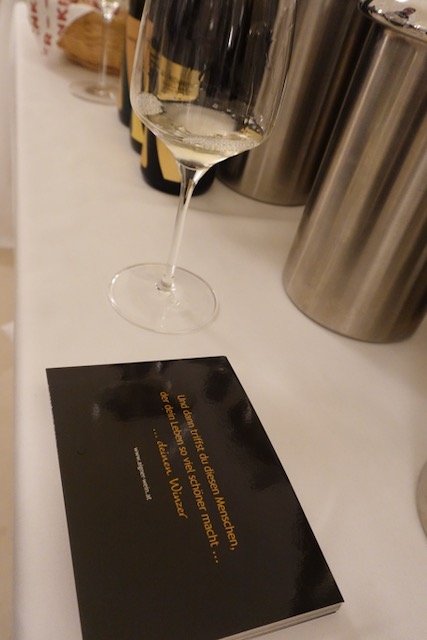
The wines brought me to VieVinum. The people made me stay. Among the grand halls of Vienna’s Hofburg Palace, surrounded by hundreds of producers and thousands of bottles, it is easy to become distracted by scores, technical sheets, and tasting notes. Yet the most memorable moments rarely happen in the glass alone. They happen in conversation. This year at VieVinum, I spent time with a group of Wine of Austria producers whose work feels deeply rooted in place and people. Different regions. Different generations. Different personalities. Yet despite their differences, they all seemed to share the same philosophy: respect the land, respect the family, and make wines that reflect both. As Austrian wine continues its rise on the international stage, these are the producers quietly shaping its future—not through trends or marketing slogans, but through authenticity, craftsmanship, and a deep understanding of where they come from. Gregor Schupp: Precision with Purpose One of the most engaging conversations of the week came from the Schupp family, brother and sister Gregor and Johanna. Johanna Schupp combines Burgundian experience with Austrian pragmatism, bringing curiosity and technical precision into the cellar while remaining deeply connected to her family’s roots. Together with her brother Gregor, the family has built a reputation for wines that are held back until they are truly ready to show their full character. Their vineyards sit on limestone and chalk-rich soils that contribute texture, structure, and remarkable longevity. Gregor spoke passionately about creating wines that reflect those soils rather than market trends, focusing on patience, precision, and individuality. “We want wines that are unique.” It sounds simple, but in today’s wine world, it feels increasingly rare. The family’s Pinot Noir and Chardonnay embody that philosophy beautifully—wines that don’t chase attention but quietly earn it through balance, texture, and a strong sense of place. Weingut Liechtenstein: The Pull of Salinity The conversation with Stefan Tscheppe of Weingut Liechtenstein revealed a producer deeply connected to the identity of Weinviertel. Rather than focusing on grape varieties or cellar techniques, Stefan spoke about energy, drinkability, and what he believes defines the region’s wines. “Animating and salinity.” Those two words perfectly captured the wines in the glass—fresh, vibrant, and structured by a mineral tension that keeps drawing you back for another sip. Stefan was also quick to challenge the misconception that Weinviertel is a one-dimensional region. Beneath its reputation lies a mosaic of vineyard sites, soils, and microclimates that allow for remarkable diversity of expression. Working alongside Josef Stumvoll and Christina Fritz, the estate produces wines that prioritize balance over power and elegance over excess. The result is a lineup that feels modern, food-friendly, and remarkably easy to enjoy. Franz Tschermonegg & Lena Gruber: Hospitality in Every Glass Representing Weingut Tschermonegg in Southern Styria, winemaker Franz Tschermonegg & Lena Gruber brought warmth, energy, and an infectious enthusiasm for both wine and hospitality. Sauvignon Blancs showcase everything that makes the region exciting today: aromatic intensity, vibrant acidity, and remarkable precision. Yet what stood out most was their belief that wine belongs at the table, paired with food, family, and conversation. Describing her single-vineyard Sauvignon Blanc Ried Oberglanz, she laughed: “Every time you have a glass, you think… I want the next one.” After tasting it, it was hard to disagree. The wines are bright, expressive, and effortlessly drinkable, but Lena was equally passionate when speaking about Styrian food culture. Whether discussing local specialties, pumpkin seed oil, or the importance of hospitality, she reminded me that great wine is rarely just about what’s in the glass. It’s about bringing people together. She also spoke candidly about the realities facing growers today. Heavy rains, changing seasons, and unpredictable weather have become part of modern viticulture. Like many producers I met throughout Austria, adaptation is no longer a future challenge—it’s part of everyday life. Elfie Aigner: Tradition with Confidence If Lena represented energy, Elfie Aigner embodied quiet confidence. Her family’s estate remains firmly rooted in the traditions of Austrian Grüner Veltliner, producing wines that balance minerality, elegance, and structure with effortless drinkability. When discussing her favorite single-vineyard bottling, her description was brief but telling: “For me, it’s the perfect Grüner Veltliner.” The wine reflected exactly that confidence—classic, precise, and unapologetically Austrian. What impressed me most was Elfie’s ability to balance respect for tradition with a clear vision for the future. She spoke about the importance of supporting young women entering the wine industry, encouraging mentorship, collaboration, and stronger professional networks. It was a reminder that great wine regions are built not only through vineyards and vintages, but through communities willing to invest in the next generation. In an increasingly crowded global wine market, Austria’s greatest strength may not be Grüner Veltliner, Blaufränkisch, Riesling, or Sauvignon Blanc. It may simply be the people. The families preserving traditions while embracing innovation. The growers adapting to climate challenges without losing sight of identity. The producers who still believe that every bottle should tell a story. And it’s being built one vineyard, one family, and one honest glass at a time.
Campania Stories: Giorno 3-Coastal Fire, Ancient Wines & the Soul of Falerno
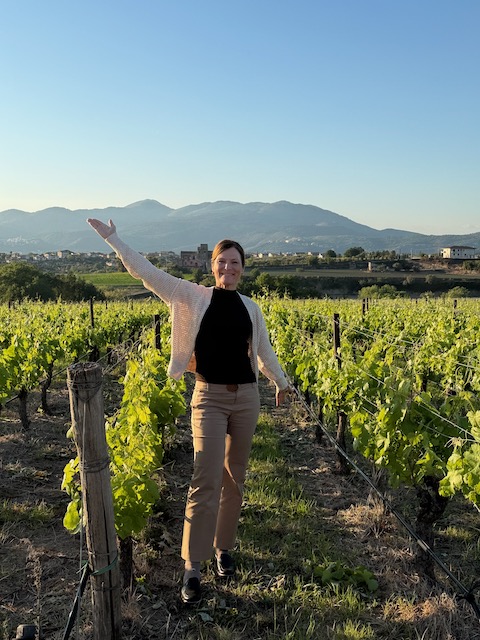
Giorno 3 — Caserta Villa Matilde Avallone • Fattoria Pagano By Day 3, Campania no longer felt like a region. It felt like a living conversation. Every subregion carried its own rhythm, its own accent, its own emotional temperature. After the mountain tension of Irpinia and the rustic soul of Sannio, the road led us toward Caserta — where volcanic soils meet sea air, where Falerno still echoes through history, and where hospitality arrives as naturally as wine at the table. The morning returned us to the pulse of Vega Palace for another day of focused tastings and exchange, this time centered around reds with a scattering of rosé. But it was the late afternoon that stayed with me most. Golden light. Warm air. Cellars beginning to quiet as evening approached. And producers leaning across the table to explain not just a wine, but a decision, a vintage, a piece of family history. Falerno del Massico: The Ancient Voice of Campania Long before Barolo, Brunello or Super Tuscans existed, there was Falerno. The legendary wine of ancient Rome. The wine of Caesar and Cleopatra. Produced along the volcanic slopes surrounding Monte Massico near the Tyrrhenian coast, Falerno del Massico remains one of Campania’s most historic appellations. But unlike the elevated freshness of Irpinia or the earthy rusticity of Sannio, the wines here carry something broader and warmer. Sun-warmed fruit. Salty minerality. Mediterranean herbs. Volcanic depth softened by sea breezes. The climate here changes everything. Warm coastal air ripens the fruit generously, while cold winds descending from the Apennines preserve freshness and tension. Combined with volcanic soils, the result is wines that feel simultaneously rich and lifted — structured yet deeply convivial. This was the world of Villa Matilde Avallone. Villa Matilde Avallone: Reviving the Wine of the Romans Villa Matilde is not simply a winery. It is an act of resurrection. Founded by Francesco Paolo Avallone, the estate spent over a decade researching and reviving the ancient terroir and varieties connected to Falerno del Massico. What began as a passion project eventually became one of Campania’s most important modern estates. Today the winery is guided by siblings Salvatore and Maria Avallone, continuing their father’s vision with deep emotional attachment to the land. And that emotion is impossible to miss. At one point during the tasting, Salvatore smiled and said: “We, the people from Campania, are completely crazy. We live our land. We want to communicate our passion through the wine.” And honestly, that sentence captured the entire visit. Emotion. People. Land. Everything here revolves around that connection. The tasting began with Falanghina. The 2024 carried fresh citrus, apple, pear and saline minerality — bright and coastal in feel. Then came the Mata 2015 Falanghina, and suddenly the conversation shifted entirely. Ten years old and completely alive. Ripe peach. Biscuit. Dough. Dried florals. A wine proving once again how beautifully Campanian whites evolve with time. Salvatore compared the grapes almost like iconic Italian women. The 2025 Fiano di Avellino? “Audrey Hepburn.” Elegant. Refined. Silky. The Greco? “Sophia Loren.” More character. More presence. A touch of rustic edge. And honestly, he was right. The Contrada 127 Greco 2022 — produced with amphora, as the estate has done since the 1960s — carried remarkable grip and minerality, like “a hand on your shoulder,” balancing freshness with texture and serious aging potential. Then came Carracci. And this is where Villa Matilde truly revealed its soul. The 2020 Carracci Falerno del Massico single vineyard unfolded through honeyed dried stone fruit, herbs, salinity and lemon curd wrapped around subtle tannic grip. The 2008 broadened even further into caramel, dried grapefruit and toasted nuts while still retaining freshness. These wines felt ancient somehow. Meditative. Completely tied to place. The reds carried the warmth of the coast but never lost their freshness. The 2025 Roccamonfina Piedirosso was pure glou-glou energy — crunchy red fruit, bright acidity and white pepper spice. The 2020 Falerno del Massico Rosso — 80% Aglianico, 20% Piedirosso — felt closest to Salvatore’s heart. He described it as the wine that “communicates the voice of the land.” And it did exactly that. Savory. Volcanic. Layered with spice and lifted fruit. The Taurasi wines brought more structure and smoke, while Cecubo 2018 — blending Primitivo, Aglianico and Piedirosso — moved into darker, richer territory without losing Campania’s signature freshness. What struck me most was how clearly Caserta differentiated itself from the previous days. The wines here carried sunlight inside them. Fattoria Pagano: Drink the Terroir As evening deepened, we continued toward Fattoria Pagano. And suddenly everything became even more intimate. Founded in 2001 by Antonio Pagano, the organic estate stretches across roughly 24 hectares, with vineyards both in Falerno del Massico and Irpinia. The philosophy here is simple: “Drink the terroir.” Nothing polished for international style. Nothing overworked. Just wines tied honestly to volcanic soils, hand harvesting and the rhythm of Campanian hospitality. Antonio and Angelo welcomed us alongside tables already filling with local dishes and buffalo mozzarella made by Antonio’s uncle — firmer in texture than most mozzarella di bufala, originating from nearby Casedici. And once again, the food and wines became inseparable. The evening began with a 120-day Charmat sparkling blend of Greco and Falanghina — biscuit notes, fine bubbles and remarkable freshness. The labels themselves carried stories too, decorated with musical instruments representing the musicians who once gathered here. Even the rosé held personal meaning, dedicated to Antonio’s mother Rosa: 40% Aglianico, 40% Piedirosso and 20% Merlot carrying bright fruit and unmistakable volcanic minerality. The whites leaned generous yet precise. The Falanghina 2025 shimmered with bright minerality, while the late-harvest Falanghina carried rounder floral concentration. The Greco 2025 moved beautifully from tropical softness into rising minerality, while the Fabula Falerno del Massico Bianca 2025 showed serious elegance and structure. Then came the reds. The Piedirosso 2023 carried smoky violets, savory earth and elegant ripeness. The Aglianico bottlings balanced fruit intensity with remarkably soft tannins. But the standout was Gaurasi Falerno del Massico
Campania Stories: Initial Sips — Campi Flegrei & Irpinia
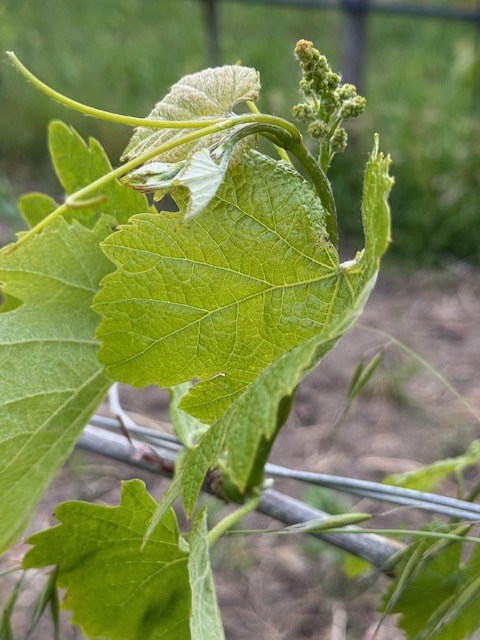
Campania Stories: Volcanic Soul, Mountain Tension & the Wines That Refuse to Be Forgotten Giorno 0 to 1— Campi Flegrei & Irpinia Salvatore Martusciello • Tenuta Cavalier Pepe • Donnachiara Campania does not ease you in gently. It grabs hold of your senses immediately — volcanic smoke in the air, salty Mediterranean breezes, mountain tension in the wines and conversations that stretch long past the final glass. This is not a region of quiet wines. Or quiet people. Campania Stories began the moment the plane touched down in Naples, where Salvatore and Gilda welcomed us not with formality, but with the warmth that instantly turns travel into something personal. Within moments, we were standing at the Solfatara crater in Campi Flegrei, surrounded by black volcanic earth and steam rising from the ground beneath our feet. And suddenly, everything made sense. This is where the wines begin. Not in the cellar. Not in the glass. But in the tension between volcano and sea. Salvatore Martusciello: Wines With Salt in Their Veins At the Salvatore Martusciello winery in Pozzuoli, the family’s role in shaping Campi Flegrei became immediately clear. Salvatore’s father helped establish the DOC in the 1990s, while his uncle Genaro identified Falanghina clones and created what remains one of the region’s defining viticultural references. The vineyards themselves feel wild and alive — ancient Alberata pergolas climbing skyward, wild chamomile lining the rows and some vines still untouched by phylloxera. And you can taste that energy in every glass. The wines moved between electric freshness and volcanic depth: Asprinio bursting with citrus and razor acidity; Falanghina layered with crushed stone, salinity and smoky aged complexity; Piedirosso vibrant with red fruit and coastal freshness. Then came OttoUvo Frizzante Gragnano — fizzy, joyful and unapologetically Neapolitan. “The most beloved iconic wine of the Neapolitan people,” Salvatore called it with a smile. At one point, I asked him what his favorite vintage was. “The next one.” That answer captured the spirit of Campania perfectly. No chasing trends. No imitation. Just wines deeply rooted in place and identity. Dinner among the tanks with Gilda’s homemade timbalo di Nerano, the buffalo mozzarella alongside the estate’s rustic cuisine, grounding the wines even further into place and tradition, the warm sfogliatella transformed the tasting into something even more personal. The wines opened further around the table, revealing Campania not simply as a wine region, but as a way of living. Into the Mountains: Tenuta Cavalier Pepe The following morning, the landscape shifted dramatically as we climbed into Irpinia. More altitude. More silence. More tension. Tenuta Cavalier Pepe unfolded across steep hillsides where cool nights preserve freshness and precision in every grape. Walking the vineyards with Milena Pepe, it became clear that everything here is built around stewardship — hand harvesting, massale selection and allowing the land itself to shape the wines. Milena structured the tasting vertically, revealing how beautifully Irpinia’s wines evolve with time. The Fiano di Avellino wines moved from fresh acacia and citrus into layers of roasted nuts, petrol, honey and salted depth with age. The older vintages carried remarkable energy and proved exactly why Fiano deserves to stand among Italy’s greatest white wines. The Greco di Tufo Riserva wines showed a sharper, more volcanic personality — smoky, savory and intensely mineral. Then came Taurasi. Young vintages carried vivid cherry and chalky tannins, while older bottles unfolded into leather, dried herbs, licorice and savory complexity. The 2011 La Loggia di Cavaliere Taurasi Riserva lingered long after the final sip — dried cherry, violets, leather and fine tannins stretched endlessly across the palate. Hauntingly beautiful. Throughout the tasting, one thing remained constant: Minerality and sapidity slicing through the wines, making you crave food immediately. These are wines built for long lunches, slow conversations and crowded tables. Turn the Page: Donnachiara Irpinia has a way of slowing you down. After the volcanic intensity of Campi Flegrei, arriving at Donnachiara in Montefalcione felt quieter, more introspective somehow. Perched at 400 metres above sea level, surrounded by chunky clay and fractured rock soils, Donnachiara has become one of the defining modern voices of Irpinia through organic farming, native varieties and wines rooted deeply in place. Named after Ilaria Petitto’s great-grandmother, the winery feels deeply personal from the moment you arrive. Ilaria describes her wines simply: “Elegant. Not banal. Wines that need time to show themselves.” That philosophy is everywhere here. Nothing is loud. Nothing is rushed. The wines unfold slowly and confidently, much like Irpinia itself. Alongside winemaker Marco Giulioli, Donnachiara vinifies entirely in stainless steel, allowing the purity of the terroir to remain untouched. The Fiano wines were mesmerizing — moving from fresh pear and white florals in youth into chamomile, honey, petrol, dried herbs and smoky complexity with age. The older Esoterica vintages carried extraordinary tension and depth, proving just how beautifully Fiano can evolve over time. The Greco wines leaned more volcanic and structured, layering smoke, spice, dried herbs and electric acidity into wines that demanded attention rather than easy charm. Then came Taurasi — elegant rather than overpowering, focused on finesse and purity of fruit rather than sheer weight. The older vintages unfolded into leather, balsamic herbs and lifted savory complexity, while the 2006 stood out for its remarkable elegance and freshness. What stayed with me most after this first day of Campania Stories was not simply the quality of the wines. It was the connection between landscape, people and glass. From the volcanic soul of Campi Flegrei to the mountain tension of Irpinia, every wine carried the unmistakable fingerprint of Campania itself. The afternoon shifted gears to the Reggia di Caserta: marble corridors, gardens unfolding like a map of the region, then the Sala Romanelli filling with voices at the opening conference. Over a light dinner curated by the Consorzio VITICA, introductions deepened into plans — collaborations forming as easily as smiles. And this was only Giorno 0-1! Day 2 would take us even deeper into the soul of southern Italy.
VinItaly By Night
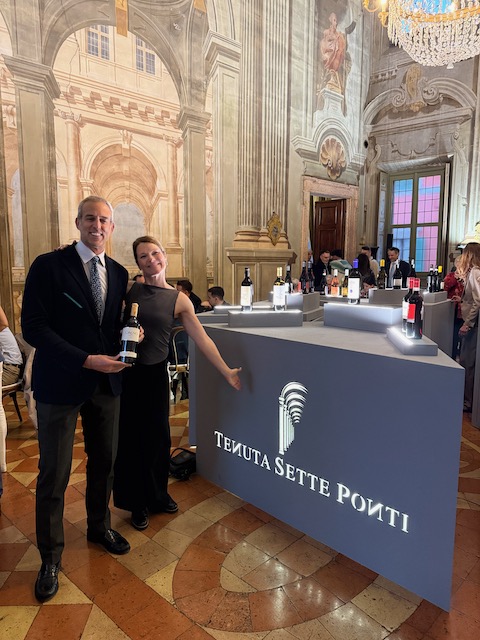
Verona nights, Tuscan soul.During the Vinitaly marathon I was treated to two unforgettable evenings: a Big Bottle Social dinner hosted by Tenuta Sette Ponti at the frescoed Palazzo Verità Poeta, followed by an intimate industry gathering — Chianti Lovers & Rosso Morellino — at AMO Bistrot, hosted by IEEM USA. Both events fused impeccable wine, inspired food pairings, and that ineffable Italian energy. Palazzo Verità Poeta’s frescoed salons and ornate ceilings feel like stepping into a living masterpiece: once the urban residence of the Verità Poeta family, the palazzo evolved from Renaissance elegance to Baroque splendor and has been lovingly restored to host concerts, exhibitions and intimate private events. For Tenuta Sette Ponti’s Big Bottle Social Night the rooms shimmered under gilded cornices as giant bottles gleamed on illuminated plinths, while murmurs of conversation and the clink of glasses echoed through frescoed vaults—history and hedonism entwined, making every taste of wine feel like a discovery suspended in time. Hosts Antonio and Alberto Moretti Cuseri — father and son — presided with warm hospitality, embodying Tenuta Sette Ponti’s ethos of handmade luxury. Tenuta Sette Ponti (Valdarno di Sopra DOC) and Orma (Bolgheri) provided the backbone of the tasting, supported by their wider portfolio: Poggio al Lupo (Maremma) with bold, Mediterranean reds and coastal lift; Feudo Macarri (Noto, Sicily) delivering sun-soaked Nero d’Avola and expressive island whites; Animaetna (Etna, Sicily) offering mineral-driven, volcanic reds and crisp high-altitude whites; and the flagship Sette Ponti bottlings that balance power with finesse. Together the estates showcased the family’s terroir-driven range across Tuscany and Sicily. Big Bottle Tasting highlights: A night for Chianti lovers featuring wines from Chianti & Morellino, the evening was equally compelling through thoughtful, perfectly paired bites elevated every glass; bottles flowed, conversations buzzed, and the rooms pulsed with passion for Tuscan terroir. Tuscany stole the show — and Morellino was my happy star of the night. Chianti Classico (Sangiovese-led) ranges from fresh, floral giovane bottlings with cherry and tomato leaf brightness to more structured Classico and Superiore expressions that layer ripe red fruit, dried herbs, leather and savory spice over firmer tannins and brighter acidity; Riserva bottlings show extended oak and bottle aging, adding tobacco, cedar, earth and long, refined finishes ideal for roasted meats and aged cheeses. Rosso Morellino di Scansano, by contrast, leans toward the sun-warmed, coastal side of Sangiovese: exuberant bright red cherry, ripe plum, Mediterranean herbs and a plush, silky palate, often showing softer tannins and a juicy, fresh immediate appeal. Winemaking choices (shorter maceration, judicious oak or amphora) can push Morellino from bright and fruity to more textured, savory versions with spice and smoky nuances — which is exactly what made the Morellino at AMO Bistrot the night’s standout for me: fresh, vividly fruity, effortlessly drinkable yet complex enough to linger with every bite. Every pour told a story of sun-drenched vineyards, coastal breezes and generations of winemaking — if this is what Tuscany tastes like, I’m already planning my next glass.
Conviviality, Rosé, and Sainte-Victoire: Léa Rouyet
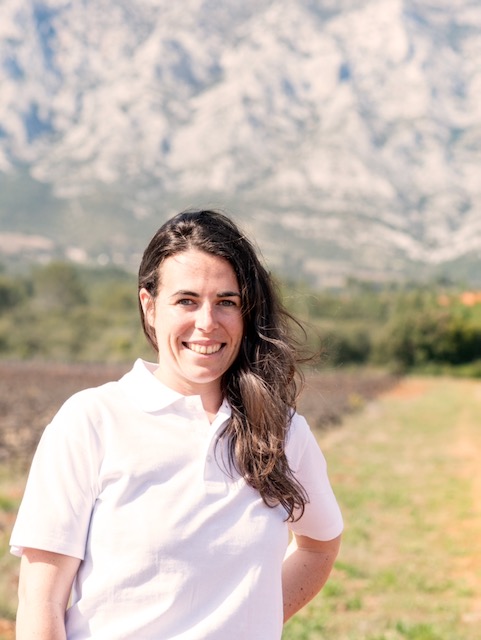
This Women’s Month, I had the genuine pleasure of sitting down—virtually—for an unhurried, heartfelt conversation with Léa Rouyet, the talented winemaker at Château Gassier in the sun-drenched heart of Provençe. Our connection actually began over a lively dinner in Paris last year with friends from MFL&Co. and Gassier, where her quiet confidence and obvious passion for both wine and place left a lasting impression. I knew then she would be the perfect voice for this series celebrating women in wine and gastronomy. So I sent my list of questions ahead of time—some deliberately offbeat and introspective—to give her time to think. When we finally spoke, she admitted with a laugh, “There were a few where I told myself I was going to play the joker.” That candid admission, and the thoughtful way she answered anyway, made this one of the most rewarding and human interviews I’ve ever conducted. Château Gassier sits at the foot of the iconic Mont Sainte-Victoire, the limestone massif that has inspired painters, poets, and now winemakers for generations. The wines themselves feel like an extension of that landscape—elegant, joyful, and deeply rooted in place. Léa’s own journey into this world didn’t begin in a vineyard or a cellar, but around crowded Sunday lunch tables in a tiny village in southwest France (population: 500 souls). “What gave me the desire to work in the world of wine is the conviviality around it,” she explained. Those childhood meals—her grandmother presiding, adults sharing glasses of local red and animated stories—quietly planted the seed. She watched, fascinated, wondering why she wasn’t allowed to taste “this little beverage that looks so good.” That curiosity eventually led her to agronomy studies, where she discovered she loved the entire arc of the process: “From the little plant you put in the ground for a very long time… to seeing it grow, produce grapes, and then the complete transformation into the bottle. It’s so global and so interesting.” Advice for Women Entering (or Staying in) the Wine World The wine industry remains heavily masculine, and Léa encountered that reality head-on early in her career. She still remembers the moment an 80-year-old vigneron, handing over his vineyard and cellar, looked at the young woman standing in front of him and said bluntly: “But you’re the one who’s going to take care of the vines? You’re young, you’re a woman… how will you manage?” She smiled recounting it—because six months later she was invited to this gentleman’s Sunday family lunch with his relatives and everything was fine. She had earned his respect the old-fashioned way: through quiet competence and persistence. Her advice to other women—whether just starting out or already navigating the industry—is both empowering and refreshingly down-to-earth: “You have to believe that you are legitimate in doing this job and that as women we bring so many beautiful things to this still very masculine world.” And since becoming a mother, she’s added a second, equally vital lesson: “You have to accept that everything can’t be perfect. We have the right to make mistakes and not be everywhere at the same time.” As the mother of two daughters, I felt that line land right in my chest. The illusion that we can tie every loose end with a perfect bow vanishes the moment real life—with its tantrums, spilled juice, and endless questions—arrives. Léa’s permission to be imperfect felt like a small gift. Balancing Vines, Children, and a Full Life Maintaining equilibrium between a demanding winemaking career and motherhood is, in her words, “a work in progress.” She’s still learning, still adjusting. Her guiding principle is radical presence: “When I arrive home, I’m at home. When I’m at work, I’m at work. I try not to mix all the subjects at once.” Easier said than done, of course, but the intention matters. She also gives generous credit to her partner—“a really important point”—whose support allows both of them space to thrive professionally and personally. We shared a knowing smile over the old saying “it takes a village to raise a child”. With both of us living far from extended family—hers in southwest France, mine scattered across Canada and the U.S.—building that village through partners, friends, trusted caregivers, or neighbors becomes essential. And what works beautifully one month might need to be completely rethought the next. The Quiet Revolution of Motherhood When I asked which experience outside of work had most transformed her worldview, Léa didn’t hesitate: becoming a mother. “It makes you think much more long-term… Our priorities are no longer the same. It gives us a lot of height on the world and our little passage in humanity.” That long view has sharpened her environmental convictions and deepened her sense of responsibility toward the vineyard’s future. She’s no longer thinking only about today’s vintage—she’s thinking about the vintages her child will inherit. A Bottle Shared with Grandfather One of the tenderest moments came when I asked who—living or gone—she would most want to share a bottle with. Her answer was soft and immediate: her grandfather, the wine lover whose presence at those childhood Sunday tables quietly shaped her path. The wine she would have chosen for him? Le Pas du Moine—“because it has elegance and complexity but is also a wine of pleasure, warmth, and conviviality.” The meal? A classic Sunday roast chicken, slow-cooked until the house filled with that unmistakable, comforting aroma. I loved the image so much that I immediately promised her: I will make my family’s “lazy chicken” (the easy one-pot version with hunks of bread underneath soaking up garlic, herbs, wine, and chicken juices) paired with Le Pas du Moine. I’ll send her the recipe and a photo of my girls raising a (juice) glass in toast. Some stories deserve to keep traveling—over tables, across oceans, from one kitchen to another. Who Léa Really Is (Beyond the Cellar) A fact that surprises people who meet her? This reserved, thoughtful winemaker loves to sing. If she had to describe herself in wine-related