
Passports To Spring Wine Club
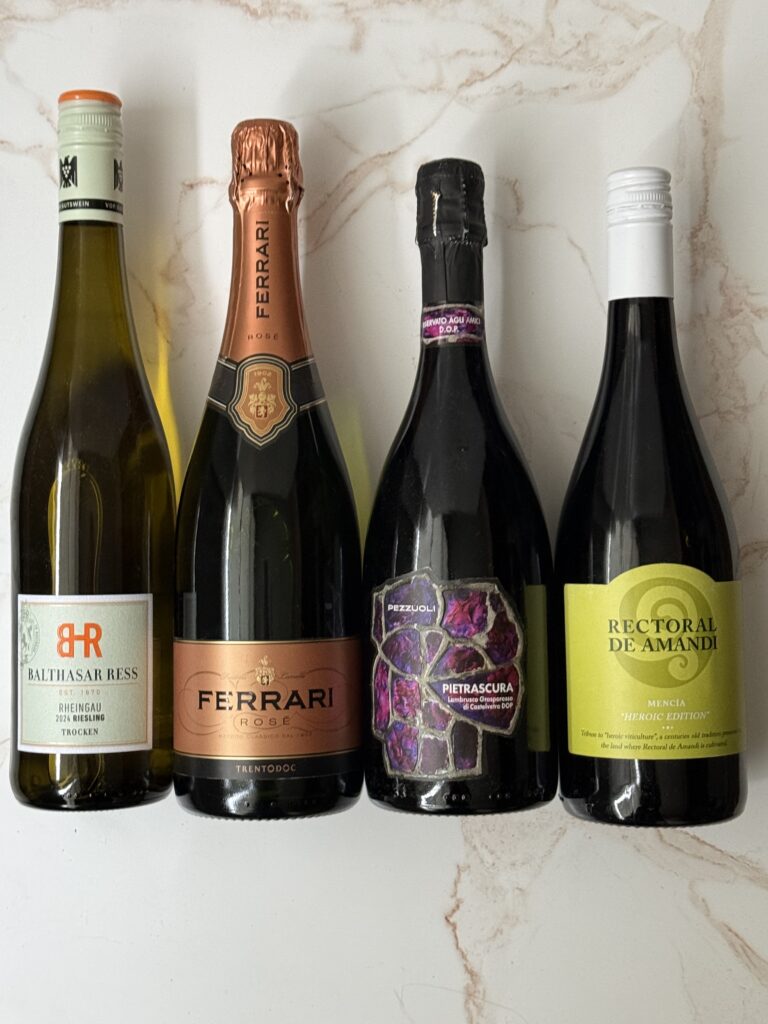
Spring has arrived, and with it comes that irresistible urge to shake off the cozy winter layers, open the windows, and let fresh air—and fresh wines—flood in. I’ve curated four standout bottles that feel like liquid sunshine: each one crisp, lively, and perfectly tuned to the season’s renewal. From a steely German white that wakes up your palate like morning dew on budding flowers, to an Alpine pink sparkler for breezy picnics, a fizzy Italian red to liven up grill sessions, and a soulful Spanish red for those golden-hour evenings under emerging leaves—these are my personal passports to spring awakening. Let’s dive in, one vibrant sip at a time. Spring has arrived, and with it comes that irresistible urge to shake off the cozy winter layers, open the windows, and let fresh air—and fresh wines—flood in. I’ve curated four standout bottles that feel like liquid sunshine: each one crisp, lively, and perfectly tuned to the season’s renewal. From a steely German white that wakes up your palate like morning dew on budding flowers, to an Alpine pink sparkler for breezy picnics, a fizzy Italian red to liven up grill sessions, and a soulful Spanish red for those golden-hour evenings under emerging leaves—these are my personal passports to spring awakening. Let’s dive in, one vibrant sip at a time. Balthasar Ress Rheingau Riesling Dry QbA: The Crisp Dawn Awakener Imagine steep slate slopes rising dramatically along the Rhine, ancient soils channeling pure minerality into every grape—that’s the enchanting world of Balthasar Ress, a storied family estate in the heart of Germany’s prestigious Rheingau. Here, Riesling reigns supreme (78% of plantings), protected by the Taunus Mountains and gently warmed by the river for slow, elegant ripening in this ultimate cool-climate haven. On a personal note I had the pleasure of visiting the estate this past January and let me tell you, it was swoon worthy! Read the full article. Hand-harvested from selected estate vineyards, the grapes undergo gentle whole-cluster pressing and cool stainless-steel fermentation—no oak—to preserve razor-sharp freshness and let the signature slate terroir shine unadorned in this bone-dry trocken QbA style. A delightful secret: Historic sites like Nussbrunnen lend old-vine depth and that classic “wet stone” or subtle petrol note even in young bottles, with many Ress Rieslings evolving gracefully for decades into profound layers. In the glass, pale straw with subtle green glints reveals an explosive bouquet: ripe pear, banana, peach, crunchy green apple, lime zest, gooseberry, delicate herbal spice, and layered wet stone minerality. The palate is invigorating and laser-focused—crisp tree fruits, a herbaceous basil lift, saline snap, vibrant acidity driving through, and a pristinely clean, mouthwatering finish that begs for another sip. It pairs beautifully with spring’s stars: asparagus risotto (its acidity cuts the creamy earthiness like sunlight through clouds), honey-drizzled goat cheese crostini, or grilled ramps and young greens—the wine amplifies every vegetal note like a fresh garden echo. Think of it as the unflappable calm in “The Great British Bake Off” tent during a tense technical challenge—pure, crisp composure amid the chaos, much like Paul Hollywood’s rare approving nod. Best savored at a sunny garden brunch: a long outdoor table strewn with tulips and daffodils, buttery scones or light veggie quiche, friends gathered as birds chirp and bees hum. Sip slowly in the morning light; the minerality mirrors rain-kissed earth, turning every conversation into pure seasonal renewal. Ferrari Rosé: Effortless Alpine Glamour in Pink Bubbles Spring’s soundtrack deserves bubbles, and Ferrari Rosé delivers with effortless elegance from Trento DOC in Italy’s breathtaking Dolomite Alps. Founded in 1902 by Giulio Ferrari (after his French training), this pioneering metodo classico house is now guided by the third generation Lunelli family, who have elevated Trentodoc sparkling wines to world-class status. On a personal note, I had the pleasure of meeting the third generation Lunelli family last year at Wine Paris and will be visiting their estate this April! High-altitude vineyards (300–700 meters+) bask in sunny days and crisp nights on glacial soils, yielding Champagne-like finesse infused with vibrant Italian Alpine soul. The metodo classico process shines: a harmonious blend of Pinot Nero (around 60% for structure and that lovely salmon hue via saignée maceration) and Chardonnay (40% for finesse), gentle pressing, bottle secondary fermentation, and extended lees aging (20–24+ months) for creamy texture and ultra-fine perlage. A fun nod to history: Ferrari helped establish Trento DOC in 1993 as Italy’s dedicated metodo classico zone—often hailed as “Italy’s Champagne,” with recent cuvées earning consistent 90+ praise for harmony and refinement. The wine glows delicate coppery salmon-pink with persistent fine bubbles; the nose is refined and inviting—wild strawberries, red currants, hawthorn blossoms, rose petals, and subtle yeasty brioche. On the dry palate: watermelon rind crispness, a touch of almond sweetness, lively acidity, elegant fruit persistence, and a clean, refreshing finish that feels sophisticated yet utterly approachable. It dances perfectly with prosciutto-wrapped melon skewers (sweet-salty-fruity interplay amplified by bubbles), mint-flecked spring pea risotto, or salmon sushi rolls—the effervescence lifts delicate flavors without overpowering. Channel “Emily in Paris” rooftop glamour: this chic pink fizz matches Emily’s aspirational style, ideal for fashion-week montages or glamorous soirées bursting with springtime joy. Unleash it on a breezy park or lakeside picnic—wicker basket packed with charcuterie, fresh baguette, seasonal strawberries, and soft blankets under blooming cherry trees or dogwoods. Let the bubbles fizz as sunlight filters through leaves and laughter flows; ordinary afternoons transform into spontaneous, feel-good celebrations of longer days. Pezzuoli Pietrascura Dry Lambrusco Grasparossa: The Fizzy Red Rebel Time to flip the script on Lambrusco stereotypes—this dry, savory beauty from Azienda Agricola Pezzuoli (a fourth-generation family treasure since 1932 in Emilia-Romagna’s Castelvetro hills) is complex, food-driven, and full of character. In the smallest, most structured subzone—Lambrusco Grasparossa di Castelvetro DOC—hilly terrain with warm days and cool nights builds intense color, fruit depth, and balanced tannins. 100% estate-grown Grasparossa grapes get cold maceration for gentle extraction, then Charmat tank fermentation for lively, frothy effervescence; short maceration keeps it vibrant, dry, and refreshingly low-intervention. The revelation:
Andes to Plate: Trivento’s Elegant Malbec Exploration
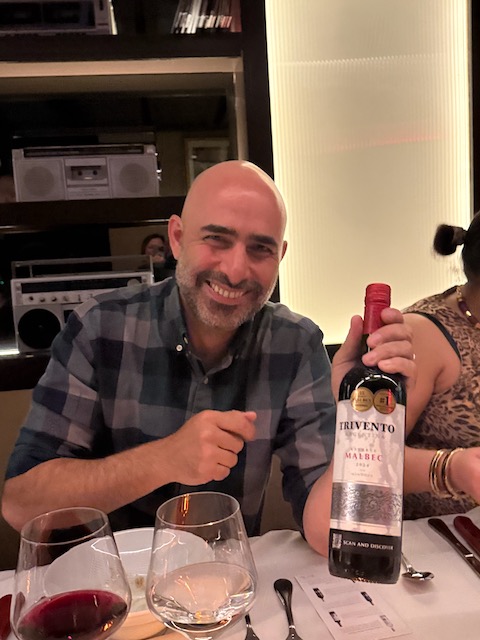
An unforgettable evening unfolded at Vinile Chop House, where Trivento hosted an intimate Malbec dinner in collaboration with the restaurant’s talented team. This special gathering celebrated the versatility and elegance of Argentine Malbec, guided by none other than Trivento’s Chief Winemaker, Germán Di Césare, who traveled from Mendoza to share the stories, terroir, and passion behind each pour. Founded in 1996 in the foothills of the Andes, Trivento crafts wines with a deep respect for the land, blending meticulous winemaking with authentic expressions of Malbec—from vibrant modern styles to timeless single-vineyard gems. The evening’s menu was a thoughtful exploration of the grape, pairing four standout Trivento wines with a curated four-course meal that highlighted bold flavors, refined textures, and perfect harmony. Germán’s presence made the night truly personal. He spoke eloquently about the vineyard’s soul: “Every section within a plot has a sense of place,” he emphasized, highlighting how subtle variations in soil and microclimate create distinct character even within a small area. He also shared his reverence for nature’s gifts: “The mountains give us the most important elements—water and soil. We work hard with these elements.” The pinnacle of his passion shone through when discussing the iconic Eolo, sourced from ungrafted vines planted in 1912 in Luján de Cuyo’s historic Vistalba area. At around 930 meters elevation, the 4-hectare vineyard features alluvial soils—rock, sand, clay, and loam—that lend complexity and elegance. Germán described the wine as “clear, precise, powerful, and beautiful,” an expression of four different moods from four distinct soil types, or micro-appellations. First produced in 2000, Eolo holds a special place in his heart as the ultimate embodiment of place and history. Adding to the evening’s warmth, Germán expressed deep gratitude for recent recognition: “Being named Winemaker of the Year by the renowned Tim Atkin, MW means a lot to me. I am very grateful.” His humility and expertise brought every sip to life. The night began with the innovative Trivento White Malbec 2025, a rare and intriguing white expression of the grape. Crisp and crystalline, it burst with notes of green apple, lychee, and tropical pineapple, backed by bright acidity and a refreshing, medium-bodied finish. It was the ideal opener—light, surprising, and palate-cleansing. Paired beautifully with the First Course: Crab Malfadine featuring lump crab, fennel, and mascarpone. The wine’s lively fruit and subtle floral hints cut through the creamy richness of the mascarpone while complementing the sweet crab and anise-like fennel for a fresh, elegant start. Next came the Trivento Reserve Malbec 2024, a classic crowd-pleaser with deep ruby hues and violet tinges. On the nose, ripe blackberries, juicy plums, and violets intertwined with gentle vanilla and sweet spice from French oak aging. On the palate, it was generous yet balanced—soft tannins, lively acidity, and a persistent, harmonious finish. This poured alongside the Second Course: Braised Lamb Shoulder with Potato Purée. The wine’s plush dark fruit and subtle oak notes embraced the tender, savory lamb, while its freshness lifted the richness of the braise and creamy potato, creating a comforting yet sophisticated pairing. The highlight for many was the Third Course, featuring two powerhouse reds: the Trivento Reserve Maximum Red Blend 2023 (a bold Malbec-dominant blend) and the flagship Trivento Eolo 2021, that century-old-vine masterpiece. The Eolo delivered intense aromas of cherry, raspberry, and floral notes, evolving into a powerful yet refined palate with silky tannins, ripe fruit concentration, and a long, elegant finish—classic Luján de Cuyo character with modern freshness. Paired with Filet Mignon sauced in Black Garlic Béarnaise. The steak’s juicy tenderness met its match in the Eolo’s structured fruit and spice, while the black garlic’s umami depth amplified the wine’s complexity. Earthy, luxurious, and utterly memorable. To close, the Trivento Golden Reserve 2022—a premium single-vineyard expression from old vines—brought elegance and power. Deep purple-red with violet tones, it offered a bouquet of berry fruits, plum jam, coffee, tobacco, and subtle floral hints. On the palate, it was ripe, juicy, and balanced, with silky tannins, vibrant intensity, and a long, dry finish. The Fourth Course: Decadent Chocolate Cake with Berry Compote and Black Truffle. The wine’s dark fruit and subtle spice harmonized with the rich chocolate, while the berry compote echoed its berry notes, and the black truffle added an intriguing savory layer for a luxurious, lingering finale. Under Germán Di Césare’s warm guidance—sharing insights into terroir, history, and heartfelt gratitude—the evening felt illuminating and intimate. Stories of Andean mountains, ancient vines, and meticulous craftsmanship brought every sip to life. For wine enthusiasts and food lovers alike, it was a powerful reminder of why Argentine Malbec continues to captivate: balance, authenticity, and endless pairing potential. If you’re passionate about Malbec or simply love exceptional wine dinners, keep an eye out for future Trivento events—they’re not to be missed. Cheers to more nights like this!
A Conversation with Isabelle Legeron MW: The Heart and Soul of RAW WINE
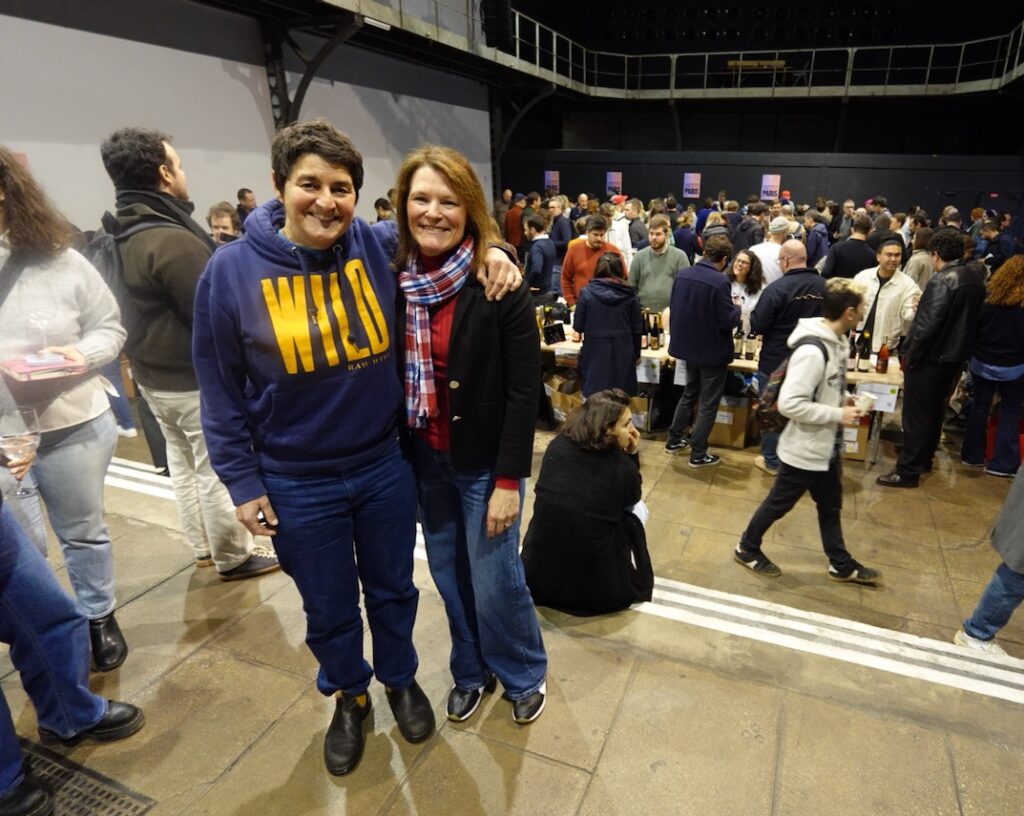
I had the pleasure of interviewing Isabelle Legeron MW, founder of RAW WINE, amid the electric atmosphere of the RAW WINE fair in Paris. As someone who has long admired her work, I’m continually struck by how much she embodies—not just as the first French woman to become a Master of Wine, but as an environmental advocate, mother, and remarkably grounded person who has quietly reshaped the way so many of us think about wine. Her story begins on a family farm in the Cognac region of France, where agriculture was woven into her earliest memories. There, she witnessed firsthand the heavy toll industrial farming and pesticides exacted on health and the land. Those experiences instilled in her a lifelong conviction: the best way forward is to work *with* nature, never against it. That conviction found new depth during her rigorous Master of Wine studies, when she discovered what she calls an “alternative wine world.” Small producers crafting low-intervention wines—free of excessive additives, high sulfites, or chemical shortcuts—captivated her completely. These wines tasted alive, authentic, and resonant in ways conventional ones never had, perfectly mirroring the values she had carried since childhood. “It turned my life on its head,” she told me. The wines seized her both on the palate and philosophically, sparking a dedication that would define her path. At the time, natural wine lacked real visibility or infrastructure in the UK, where she was based. In 2012 she responded by founding RAW WINE: a platform to celebrate these growers, build community, demand greater transparency, and forge direct connections between makers and drinkers through fairs, education, and honest conversation. Those original guiding principles remain as vital today as they were then. Isabelle deliberately designed RAW WINE as an inclusive space where growers could speak with both trade professionals and everyday consumers. “Consumers are crucial—they buy the wine,” she emphasized. Unlike many closed-door industry tastings, RAW WINE opens its doors wide, inviting real dialogue across every table. Transparency has always been another cornerstone. Twenty years ago, most people had little idea what happened inside the bottle—how much sulfites dioxide was added, or what other interventions took place. RAW WINE set out to change that by encouraging growers to share these details openly and without judgment, so people could choose with knowledge rather than guesswork. Above all, though, the mission is about serving nature. Isabelle champions organic and minimal-intervention wines to reduce viticulture’s environmental burden. She personally notices a tangible difference: these “living wines” feel more vibrant and harmonious in the body than their conventional counterparts. She often uses the term “living wine” for low-intervention styles – typically ≤30 ppm sulfites, unfiltered, teeming with visible microbial life under a microscope—though she readily acknowledges that “natural wine” has become the more familiar label. That sense of life and vitality runs deep in her own memories, too. One stands out vividly: the rich, heady smell of fermenting grape juice from childhood days spent helping her grandfather in the family winery. That sweet-tangy aroma of active fermentation still transports her instantly back to the harvest bustle on the farm. It’s the very same lively, yeasty energy she finds—and loves—in the young pét-nats she enjoys today: fresh, fizzy wines bottled while fermentation is still underway, carrying echoes of the unpolished, elemental magic she first encountered as a girl. For Isabelle, it’s a straight line from a childhood scent to her lifelong devotion to living, low-intervention wines. The conversation turned even more personal when I asked who she would most want to share a bottle with, and why. Her answer came without hesitation and carried quiet weight: her late father, who died of lung cancer when she was just 25. “He never had the chance to taste the kind of beautiful wine I work with now,” she said, “the kind he could never have afforded back then.” In that imagined evening she would pour him something exceptional and walk him through her journey—from the Cognac farm where he raised her amid soil and seasons, to becoming France’s first female Master of Wine and founding RAW WINE. It would be her way of honoring the agricultural roots he gave her and showing him how deeply his legacy still runs through everything she does. Her words hit especially close to home for me. I lost my own father to cancer when I was 23, so hearing her speak about that unfinished conversation—that wish to share a bottle and a story—felt achingly familiar. It reminded me how often the most powerful moments in wine have little to do with vintage or score, and everything to do with memory, gratitude, and the people we wish could still raise a glass with us. Isabelle has also navigated the natural wine world as a woman, facing more scrutiny and criticism than some of her male counterparts. Her advice to others entering the industry is characteristically direct and grounded: – Prepare for hardship—recognize the gender-based challenges, but keep going. – Trust your instincts—tune out the external noise and follow your own intuition rather than trying to please everyone. – Work diligently—there are no shortcuts; real success comes from consistent effort. Even with a demanding travel schedule, she balances family life and the occasional escape into foraging—though she admits it’s difficult to find time during peak seasons like autumn. Looking ahead, she is eager to bring RAW WINE to high-potential emerging markets. These are regions with a new generation of wine drinkers who are excited to embrace the fun and joy of wine, rather than being “educated” into the often exclusive, traditional, and occasion-driven world of classic wines. Promising markets could include Brazil and several rapidly developing Asian countries. While high costs and logistical challenges remain significant hurdles, she remains optimistic and hopeful about the possibilities. Isabelle Legeron’s path reflects an unwavering commitment to authenticity, resilience, and respect for the natural world. Through RAW WINE she is not only showcasing a different kind of wine; she is empowering consumers, uplifting small growers, and
Wine of Austria Stole the Spotlight at Wine Paris
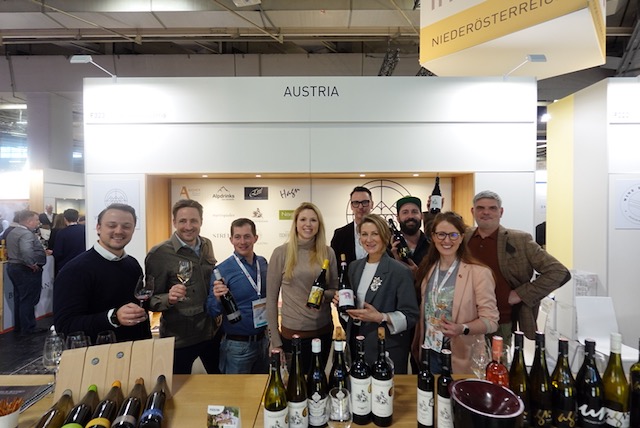
Wine Paris, organized by Vinexposium—the world’s leading wine and spirits event organizer—remains the premier global trade fair for the industry. Held annually at Paris Expo Porte de Versailles, it brings together thousands of exhibitors (over 6,500 in 2026!), producers, buyers, and professionals from dozens of countries for three intense days of tastings, masterclasses, B2B meetings, and high-stakes networking. It’s far more than a show—it’s the ultimate barometer of global wine trends, influence, and innovation, drawing massive crowds and transforming Paris into the epicenter of the wine world. This was my first year working behind the Wine of Austria stand, and let me tell you—it’s a completely different experience from just attending. Instead of wandering the aisles as a visitor, I was right there in the heart of it: interviewing the producers, tasting their wines straight from the source, hearing their unfiltered stories up close, and watching them light up as they shared their journeys with new clients, curious enthusiasts, sommeliers, and buyers from around the world. There’s something profoundly unforgettable about being the bridge—pouring a glass, starting a conversation, and seeing eyes widen as someone truly connects with the wine and the person behind it. The vulnerability, the pride, the quiet triumphs in those exchanges—it all felt raw and real. Being part of that energy, day after day, left me buzzing long after the lights went down. The energy at the Wine of Austria stand was palpable: the room crackled with unfiltered intensity—sharp conversations, fearless pours, and producers dropping raw truths about what makes these wines so genuinely provocative. Their bottles cut straight through the clutter—bold, unapologetic, demanding attention—while every glass sparked real, electric connections, channeling raw passion directly from vineyard terroir to the table, no compromises allowed. The labels whisper personal stories, carrying the artistic touch of generations past and turning each bottle into a true family heirloom. Beneath them lie the souls of winemakers and their ancestors, with each vine rooted in history stretching back over 600 years. These producers are guardians of legacy. One remembers childhood footsteps between the rows; another draws strength from her mother stepping into her own, finding peace in nature’s rhythm and transforming small-family silence into vibrant, soul-stirring wines. Multi-generational hands keep traditions alive while infusing fresh passion into every harvest. From the fiery reds of Burgenland to the mineral-crisp whites of Wachau, it’s all about passing the torch: bottling emotion, memory, heritage, and that unbreakable bond between family and soil. Hearing these producers share their worlds in their own words was one of the most powerful parts of the fair. Here are some of the standout moments: Each of these wineries has a story to share, each unique and personal: Why chase this endless story? To preserve what came before, to hand it forward, and to let every sip echo centuries of love for the land. Thank you to everyone who showed up with curiosity, shared wines and zero pretense—you elevated the entire experience. To these producers who bring the real edge, and to every palate that tasted it: this is only the beginning. Here’s to fearless pours, boundary-pushing bottles, and collaborations that refuse to play it safe. What an electric way to kick off the year in wine! Stay tuned for more on the wines shared and discovered.
Creative, Happy Place of Gesine Roll
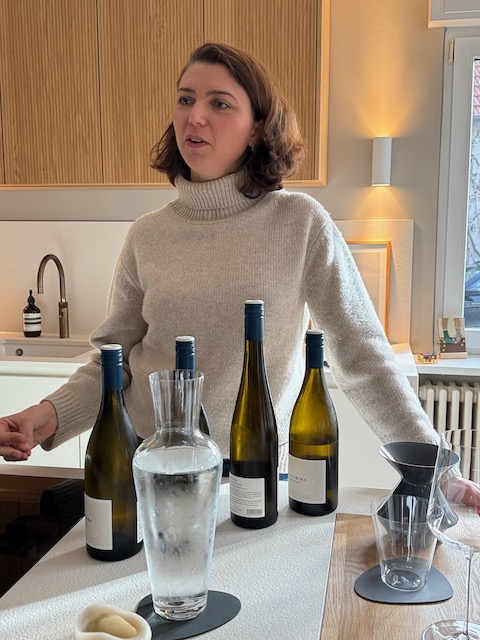
Imagine this: wine so vibrant and precise that one sip pulls you straight into the rolling, limestone-rich hills of Rheinhessen – Germany’s most dynamic wine region. At the forefront of this renaissance are two extraordinary young winemakers whose deep personal drive, infectious joy, and fearless creativity are reshaping what German wine can be. This two part article dives into the worlds of winemakers Gesine Roll and Tobias Kramer. You are standing on a high plateau in Rheinhessen, the wind whispering through vines heavy with promise, overlooking legendary sites like Morstein and Kirchspiel in nearby Westhofen. This is Weingut Weedenborn in Monzernheim – a place where tradition meets bold vision, Sauvignon Blanc reigns supreme, and the soils are rich in limestone and basalt. Here, a moderate cooling climate and the coolest sites guarantee perfect ripeness, creating wines that burst with energy and precision. What drives Gesine? A profound belief in patience, humility, and letting exceptional terroir speak for itself. Her winery is her self-described happy place – a space of determined creativity and genuine warmth that shines through in every bottle and every heartfelt homemade lunch she shares with visitors. Gesine isn’t chasing approval; she’s building a legacy rooted in authenticity and joy. What started as a historic family farm – grandparents raising animals, parents diversifying into other crops – transformed into a pure viticultural gem when Gesine Roll took over in 2005. With ~20 hectares of family-owned vineyards, Gesine has turned heads (and palates) by putting Sauvignon Blanc front and center: a whopping 13 hectares, about 50-65% of the plantings. Rounded out by Chardonnay (some vines dating back to 1992, Germany’s first legal year), Weissburgunder, Riesling, and Pinot Noir, her focus is laser-sharp. From a young age, she was deeply drawn to architecture &exploring design, envisioning environments shaped by form and function. However, at the age of 15, she made the deliberate decision to continue the family tradition, transitioning from architectural pursuits to the heritage and responsibilities of winemaking. She said “had I not followed this path, I would likely have pursued a career in fine woodworking—crafting bespoke pieces from carefully selected timbers, where precision joinery, thoughtful design, and the natural beauty of wood converge to create enduring, handcrafted objects of both utility and artistry.” And the accolades? In 2024, Gesine was crowned Falstaff Female Winemaker of the Year among many other awards– a huge nod to her vibrant, juicy, expressive whites that are rewriting Rheinhessen’s story beyond Riesling. ONE CORRECTION FOUND: Also several other awards Gault & Millau wine personality of the year -23, Vinum -25 & -24 Best Sauvignon Blanc of the year. Meeting Gesine is like chatting with a force of nature – humble yet fiercely passionate. Her philosophy? Patience, humility, consequence, passion, and focus. “We want to make passionate, quality wine without complexity,” she says with a smile, shunning trends like non-alcoholic wines or fleeting fads like Pet-Nat. Instead, she lets the terroir speak: those unique limestone soils, high altitudes (200-265m) for cooler temps, slow ripening, and that perfect balance of acidity and aroma – no “green” notes here! Her style is all about energy and precision: spontaneous fermentation, reductive winemaking, and generous aging. Notably, her Sauvignon Blanc and Chardonnay follow the same winemaking approach. Top cuvées like “Terra Rossa” (from red limestone sites rich in iron oxide) spend 18-20 months in 500L French oak (60-65% new), plus time on lees and in bottle. The result? Wines that explode with freshness, minerality, and layered complexity – elegant, pure, and utterly drinkable. Gesine said “ to create a great wine, it needs silence.” We tasted a stunning vertical of Sauvignon Blanc Terra Rossa, Reserve Sauvignon Blanc, Chardonnay Reserve, and the pinnacle Grande Réserve – here are the brief notes that captured the moment: Sauvignon Blanc Terra Rossa Reserve Sauvignon Blanc (often called Fumé for its smoky oak influence) Chardonnay Reserve Grande Réserve (more Chardonnay than Sauvignon Blanc in the blend)Gesine notes that this needs more silence and time – “Sauvignon Blanc is a louder grape.” It wasn’t always smooth sailing. It took time for Gesine to find her Sauvignon Blanc style. It wasn’t till 2016 that she truly felt confident. Early skeptics asked, “Why Sauvignon Blanc instead of Riesling?” in a region long underrated for premium wines. But Gesine bet on exceptional sites, long aging, and collaboration. As a founder of the “Message in a Bottle” group in 2002 – 25 ambitious young winemakers united to champion Rheinhessen’s chalky terroir – she helped shift perceptions and elevate the entire area. Her signature is long post-fermentation lees aging, and since 2011 she’s been crafting Reserve wines in large 500L. Today, Weedenborn is celebrated for world-class quality (VDP-recognized, though independent), mentoring the next generation, and proving you can go all-in on one variety and still reflect pure terroir. As if the wines weren’t generous enough, Gesine surprised us by preparing a beautiful lunch herself – a warm, heartfelt touch that made the visit feel like being welcomed into a friend’s home. The highlight was her signature quiche, golden and fluffy, packed with seasonal vegetables and just the right creamy richness. Paired with a crisp glass of Sauvignon Blanc, it was the perfect savory counterpoint to the afternoon’s vibrant tasting – grounding, comforting, and utterly delicious. It truly felt like the ideal close to a day filled with inspiration, flavor, and genuine hospitality. Spending time with Gesine Roll at Weedenborn feels electric – a tale of quiet defiance, deep roots, and soaring ambition. Gesine Roll isn’t just crafting wines; she’s building a legacy, one thrilling, mineral-kissed sip (and bite) at a time. If you’re exploring Rheinhessen, put this on your must-visit list. Trust me, you’ll leave inspired… and thirsty for more! 🍷 Next stop, an evening with Tobias Kramer of Weingut Krämer.
An Evening with Tobias Krämer: Straight Talk
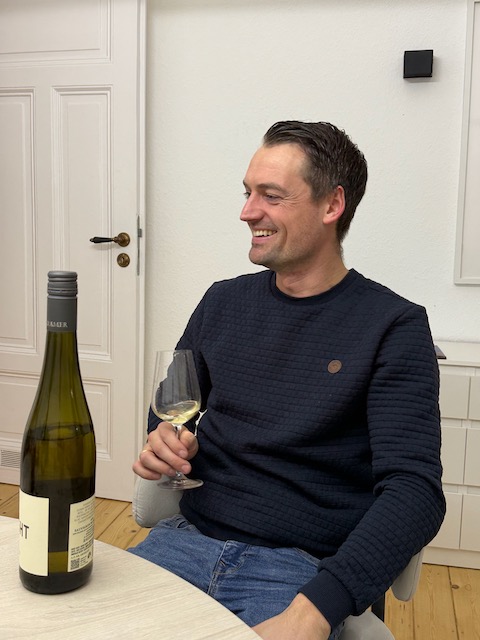
It was one of those cozy winter evenings in Wiesbaden, the kind where the air carries a crisp chill and the promise of good conversation over glasses of wine. We sat down with Tobias Krämer, the young winemaker behind Weingut Krämer for an intimate interview and tasting. At just 31, Tobias exudes a quiet confidence, the sort earned from growing up among vines and now steering his family’s eighth generation winery into a new era. Gau-Weinheim, a charming wine village nestled in the heart of Rheinhessen—Germany’s largest wine region, often called the “land of a thousand hills.” Rheinhessen is renowned for its diverse grape varieties, innovative young winemakers, and a remarkable renaissance in quality dry Rieslings and other whites, shedding its old association with mass-produced sweet blends to emerge as a hotspot for fresh, terroir-driven, and exciting wines. But there is one special estate, a hidden jewel amongst gems, WKrämer. What fuels Tobias? An unbreakable connection to his family’s eighth generation roots combined with an urgent desire to prove Rheinhessen’s world-class potential. His wines are straight, creative & innovative. The Krämer estate is compact and personal—around 13 hectares of vineyards dotted across limestone-rich slopes like the impressive Gau-Weinheim—but it’s deeply rooted. “My vineyards come from both sides of the family,” Tobias explained as he poured the first glass. “Part from my father’s side, part from my mother’s, just a few kilometers apart. That gives us these wonderful microclimates to play with.” He smiled, recalling how his father was the first in the family to shift from bulk agriculture to bottling and selling wine directly to customers. “Before that, it was mostly farming with a bit of wine on the side. Now, we’re all in.” As Tobias said with a smile, three words that describe my wines are Straight, Creative & Innovative. As we swirled and sipped his flagship Straight Riesling 2024—the wine he calls his “business card” and the heart of the winery’s identity—the conversation flowed naturally. This young vintage burst with vibrant freshness: juicy yellow peach, zesty citrus, and subtle herbal notes, all underpinned by a crisp, mineral backbone that makes it athletic and invigorating, just as Tobias describes his style. This Riesling is everything Tobias stands for: mineral-driven, fresh, clear, and what he describes as “athletic” in structure. “It’s not overly round or ripe,” he said, gesturing animatedly. “We want that balance, that freshness from our cool climate and limestone soils. Riesling is our identity here—it’s what we do best.” We moved on to the Straight Sauvignon Blanc 2024, sourced purely from the Gau-Weinheim sites. It jumped from the glass with exotic energy—lime zest, gooseberry, papaya, and a cheeky streak of passionfruit, backed by lively acidity and a mouthwatering mineral snap. “Fein, frech und fruity,” as one might say: bold, fun, and unmistakably Rheinhessen. Next came the Straight Chardonnay 2024, a clear, powerful expression with exotic hints of quince and ripe pear, wrapped in a smoky finesse that speaks of careful craftsmanship—elegant yet approachable, with great length. Tobias’s journey into winemaking feels almost predestined. “From childhood, I knew I wanted to make wine,” he shared with a chuckle. “I’d be out on the tractor in the vineyards as a kid, loving every minute.” But it wasn’t without challenges. After his apprenticeship in 2009 at several estates, where he learned everything from solo cellar management in small operations to teamwork in larger ones, he returned home ready to innovate. One anecdote stands out: pushing to plant new blocks on steep hills. “My father was traditional, a bit hesitant at first,” Tobias admitted. “But he supported me. We’ve blended old knowledge with new ideas.” The single-vineyard gems stole the show later in the evening. The Kaisergarten Gau-Weinheimer 2022 (likely a Chardonnay from this prized site) delivered exceptional density and minerality, with complex smoky notes, quince, and pear—straff, structured, and lingering beautifully. Then the La Roche Riesling 2020, from the red slate soils shared with legends like Niersteiner Rotenhang: intensely mineral and saftig, loaded with citrus, ripe stone fruit, and a firm, structured grip that promises even more with age. We finished with the maiden vintage, La Roche 2016—Tobias’s first solo statement from this site. Even after years in bottle, it showed youthful vitality layered with deeper complexity: concentrated fruit, pronounced minerality from the Rotliegend, and that elegant, juicy tension that marks great terroir-driven Riesling. We’d tasted blind a few wines, comparing to pricier benchmarks like Herman J Wiemer Riesling “People pay $35 for that,” he laughed. “But blind? Our quality holds up, and at €10-12 a bottle in Germany, it’s about making great wine accessible—a big table where everyone is welcome.” I encouraged Tobias to take the remainder of the bottle home to share with his wife Laura even running her own label, “Aura.” They have a harmonious collaboration that mirrors inspiring industry duos, where each partner pursues their vision while supporting the other, fostering innovation rather than competition. Marketing is where Tobias’s modern side really sparkles. He’s part of a young generation elevating Rheinhessen’s reputation, once overshadowed but now buzzing with quality-driven peers. Social media plays a big role, along with partnerships. A high-profile collaboration providing wines for VIP events tied to German football. “It’s a fantastic opportunity,” Tobias said, eyes lighting up. “Getting our Riesling in front of thousands, demystifying German wine—moving past those old stereotypes of sweet stuff in blue bottles from the ’70s and ’80s.” Climate challenges came up too—droughts, hotter summers atypical for their cool sites. “But our spread of vineyards helps,” he noted. “Some have better water access; we blend for consistency.” As the evening wound down, glasses empty and stories shared, it was clear: Tobias is honoring his roots while pushing forward, one straight, mineral-kissed sip at a time. He is driven by a mission to demolish old stereotypes and invite everyone to the table with wines that are honest, exciting, and unmistakably Rheinhessen.
Riesling Revolution: Martin Tesch’s Nahe Magic
My recent trip to Germany had a twofold purpose: first, to demystify the often misunderstood world of German wine, peeling back layers of complexity beyond labels and classifications; and second, to dive deeper into the nuances of its signature grape, Riesling, in hopes of converting me—a devoted Chenin Blanc lover—into an even greater Riesling devotee. What better place to start than in the Nahe region, where I spent an enlightening day with the visionary winemaker Martin Tesch. Meeting Martin was like chatting with a philosopher who just happens to make exceptional wine. Charismatic and deeply thoughtful, he’s the driving force behind Weingut Tesch’s evolution. As he put it quite simply, I describe my wines as New Old School, Innovative & Rebellious. Nestled in the picturesque Nahe valley in the village of Langenlonsheim—one of the region’s largest winegrowing municipalities with around 187 hectares of vineyards—Weingut Tesch is more than just a winery—it’s a living testament to Germany’s rich viticultural heritage. Born into a family with centuries of winemaking tradition, Martin’s path to becoming a winemaker was both scientific and serendipitous. He studied microbiology, where he discovered his enthusiasm for fermentation processes of all kinds. This academic background led him back to the family estate, which he has run since 1997. In 2001, he embarked on a transformative journey, reinventing the winery by focusing primarily on dry Rieslings produced with minimal intervention, reducing the family’s portfolio from plus 50 to 6 wines. Often seen as a trailblazer who “follows the science,” even if it means bucking traditions that some peers view as unconventional, Martin’s journey reflects a blend of heritage and innovation. Martin’s independence is the key to his success. From an early age, Martin was fascinated by punk music. He befriended the famous German punk band Die Toten Hosen at their second concert outside Düsseldorf and later created several private-label wines with them. He left the VdP (Germany’s prestigious wine association which his grandfather founded in 1901) to forge his own path, emphasizing individuality over conformity. “The road to success is not a group travel. You need to be individual,” he told me, and it’s paid off. His customer base now includes young, educated wine lovers who crave authenticity and stories over fleeting trends. But wait, Martin said, to have a better understanding of my wines, you need to see where they come from. Immediately, Martin Tesch took us up to his vineyard, wanting us to really feel the story behind his wines before we started tasting. From a stunning viewpoint high above the steep, terraced slopes of the Nahe Valley, he introduced us to his pride and joy: the legendary St. Remigiusberg vineyard. First planted by Benedictine monks centuries ago and long considered one of the Nahe’s greatest sites, this parcel was split apart during the turmoil of the 16th-century Reformation. After hundreds of years divided, it’s only recently been brought back together through the passion and perseverance of Martin’s family and six families from the Netherlands. Now whole again at 4 hectares, the reunification is so much more than just gaining land. It’s a powerful, deeply symbolic “major step” in protecting a viticultural heritage that stretches back generations. Martin said it best, with real emotion in his voice: “You have a step every 300–400 years, and this was only three steps… you got to live one of the major steps.” Standing there among vines planted in ancient volcanic soil, you can’t help but feel the weight of history—and the quiet thrill of being part of its next chapter. Driving through the Nahe, Martin explained the empty plots—a stark sign of ongoing production reduction in the region as growers adapt to changing markets and climates. But the magic of Nahe isn’t lost. At the core of Weingut Tesch is Martin’s “new old school” philosophy—a brilliant blend of tradition and innovation. It’s about honoring the past while adapting to the present, ensuring the wines remain timeless yet relevant. Riesling, of course, takes center stage here, but Martin’s dry styles are a revelation. Sustainability is woven into every practice, though Martin shuns certifications. “People want to understand deeper than just a stamp… ‘organic’ isn’t a guarantee of taste,” he explained. Instead, it’s about handwork, minimal copper use, and a genuine respect for the land. This approach yields wines that are pure expressions of Nahe’s terroir—crisp, mineral-driven, and endlessly fascinating. Tasting them side by side, I felt the “new” in modern techniques like screw caps harmonizing with the “old school” essence of ancient vines and historical insights. His wines are crafted from 60-year-old vines, aged on lees for added complexity, and bottled under screw caps—a bold move Martin adopted in 2005 despite initial controversy. He also minimizes sulfites (down to 25 ppm post-bottling) and focuses on spicy, intricate profiles, like the “Unplugged” Riesling, which boasts lower sugar but heightened depth. Martin shared amusing anecdotes about label designs: an angel on one bottle raised eyebrows in the US for not being “fully clothed” enough, while Sweden questioned its age-appropriateness. His bold, modern labels—featuring vibrant color-coding inspired by the London Underground map, unique artwork for each vineyard (often with playful motifs like a king frog), and a consistent portrait of his great-grandfather—earned a prestigious Red Dot Design Award. These stories underscore the cultural tightrope of exporting authentic German wine, maintaining both traditional and modern art influences on each label. His son, set to carry the torch, plans to “stay small” and keep the “fun in winemaking” alive, rejecting mass-market temptations like “2 million bottles of alcohol-free wine.” In Martin’s words, “History means nothing… you can lose it in every generation. It’s just a starting point.” This mindset ensures Weingut Tesch isn’t resting on its laurels but building a future rooted in values: individuality, sustainability, and that unbreakable bond between people, place, and wine. How to promote Riesling, the issue with success of Riesling -Martin said Give Riesling a role – that doesn’t work- perfect for food pairings acid with fat and richness no matter
Holiday Travels
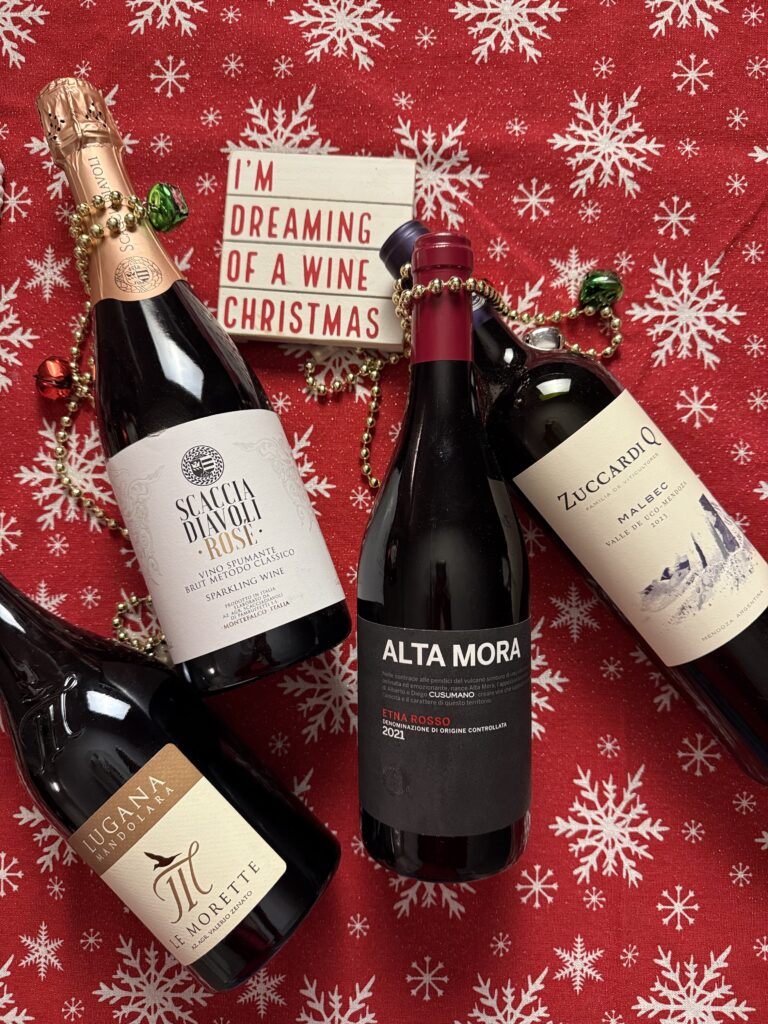
These four bottles aren’t just wines – they’re postcards from the roads I traveled in 2025, little liquid souvenirs I brought home from places that stole my heart. From volcanic slopes to glacier-cooled lakeshores, from devil-chasing hilltops to sky-high Andean vineyards, each one carries the soul of where it was born. And as the holiday lights start twinkling, they transform into the perfect companions for the season: sparkle to kick off the night, spice to match the feast, brightness to cut through the richness, and velvet depth for those long, fireside conversations. Here they are – four passports to joy, ready to make your holiday season unforgettable! Scacciadiavoli Brut Rosé: The Devil-Chasing Sparkler That’s Pure Party Magic! Oh, buckle up, bubbly lovers—this Scacciadiavoli Brut Rosé from the legendary Cantina Scacciadiavoli is like a cheeky Italian whisper saying, “Life’s too short for flat vibes!” Hailing from the sun-kissed hills of Montefalco in Umbria, Italy, this winery’s been crafting wines since the 1800s, with a name that literally means “devil-chaser” The region’s volcanic soils and gentle breezes give it that extra zing, turning humble grapes into liquid fireworks. Winemaking here is all about that classic Italian flair: hand-picked 100% Sagrantino grapes get the royal treatment with the Metodo Classico (think Champagne method, but with more Mediterranean soul), aged min 24 months sur lie fermenting in the bottle for that fine, celebratory fizz. It’s aged just right to keep things fresh without losing the fun—pure artisanal wizardry that lets the terroir shine through every bubble. Style-wise, this is your go-to sparkling rosé for when you want elegance with a wink: brut-dry for that crisp edge, but bursting with playful energy. It’s the rosé that dances on your tongue, light yet structured, like a summer fling that turns into your new bestie. Tasting notes? Get ready to swoon: a pale salmon glow in the glass, unleashing a floral explosion of wild strawberries, red apples, and a whisper of brioche crust—fresh as a morning jog through an orchard. On the palate, it’s a lively tango of cranberry zip, ginger spice, and white pepper kick, all wrapped in silky bubbles and zesty acidity that lingers like a flirty goodbye. One sip, and you’re hooked—elegant, savory, and oh-so-refreshing! For fun food pairings, pop this open with seafood towers , charcuterie boards loaded with prosciutto and fresh cheeses, or even a zesty white-meat grill-out. It’s the ultimate mood-lifter for rooftop toasts, beach picnics, or just because—evoking that carefree, sun-drenched euphoria where worries bubble away and every moment feels like a victory lap. Cheers to chasing devils with delight! Fun Fact: The winery’s name literally means “Devil-Chaser” because, back in the 19th century, the vineyard sat right next to a tiny village where an exorcist was once called in to banish a pesky demon. Locals swear the first bottles of sparkling Sagrantino were so good that even the devil fled in delight… and never came back! Le Morette Mandolara 2024: Lake Garda’s Zesty Sunshine in a Bottle! Dive into the sparkling waters of joy with Le Morette’s Mandolara 2024—because nothing says “let’s make memories” like a white wine that’s as breezy as a Venetian gondola ride! Crafted by the Zenato family at Le Morette winery, these folks have been tending vines in Peschiera del Garda since the 1960s, blending old-school passion with zero-chemical purity for wines that taste like pure, unfiltered happiness. Nestled in the Lugana DOC region of Veneto, Italy—just a stone’s throw south of Lake Garda’s shimmering shores—this spot’s mineral-rich clays and lake-cooled nights crank up the freshness dial to eleven, making every vintage a love letter to the land. Winemaking is a family affair done right: 100% Turbiana grapes (that’s Verdicchio’s sexy Italian alias) from the hallowed Mandolara vineyard get a gentle stainless-steel hug to preserve their zippy soul—no oak, no fuss, just pure expression fermented cool and crisp for that vibrant pop. It’s sustainable magic that lets the grapes strut their stuff. This bad boy rocks a flinty-green white wine style—light-bodied, zingy, and endlessly quaffable, like the cool cousin at the family reunion who always brings the best stories. Perfect for those “aha!” moments when you need refreshment without the weight. Pour it out, and bam—your nose is hit with a citrus symphony of grapefruit zest, green apple crunch, white flowers, and a sneaky apricot tease, all wrapped in that flinty, mineral kiss from the Garda stones. The palate? A fruity fiesta of peach whispers and apple brightness, finishing with bitter almond elegance and a mouthwatering acidity that begs for another sip. It’s fresh, balanced, and downright addictive—like biting into summer itself! Pair it up with Taco Tuesday fish tacos, delicate seafood pastas, or veggie-packed risottos for a match made in heaven—light, lively, and laugh-out-loud delicious. The mood? Effortlessly upbeat, evoking lazy afternoons by the water, spontaneous brunches, or that giddy “yes!” to new adventures—pure, feel-good elixir for souls craving a splash of serenity and sparkle! Fun Fact: The Mandolara vineyard is home to a colony of wild ducks (called “morette” in local dialect) that waddle through the rows every spring. The Zenato family refuses to scare them away, so every vintage is officially “duck-approved” and probably blessed with extra good luck! Alta Mora Etna Rosso 2022: Sicily’s Volcanic Vixen Ignite your senses with Alta Mora Etna Rosso 2022, where the fiery spirit of Mount Etna meets winemaking wizardry for a red that’s as explosively fun as a Sicilian festa! Born from the Cusumano family’s Alta Mora project—a high-elevation love child of passion and precision since 2007—this crew’s all about honoring Etna’s wild side with sustainable swagger and indigenous soul. Perched on the volcanic flanks of Etna in Sicily, Italy—blending grapes from star vineyards like Verzella, Solicchiata, Feudo di Mezzo, and Guardiola at 650–900 meters up—these lava-kissed black sands and ancient soils brew a mineral magic that’s equal parts rugged and refined, capturing the island’s untamed heartbeat. Winemaking channels that volcanic energy: 100% Nerello Mascalese gets a cool ferment to lock in freshness, then
Beyond the Bottle: Sebastián Labbé’s Quest for Authenticity, Elegance, and a Touch of the Ocean
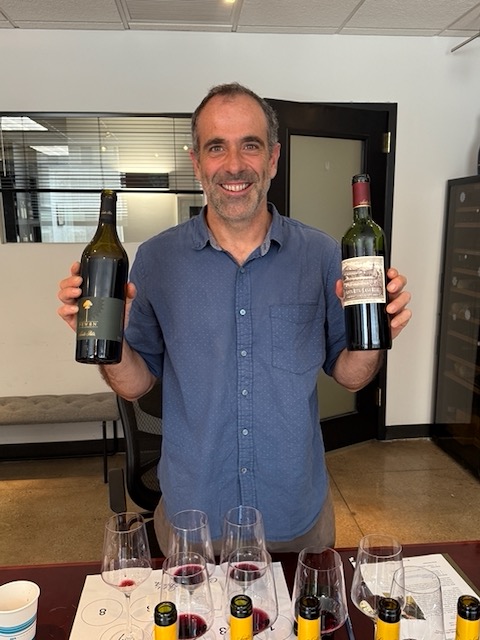
Imagine winemaking as a captivating dance with nature, a never-ending quest shaped by climate, tradition, and an unwavering passion for capturing the purest expression of the land. This is the vibrant reality for Sebastián Labbé, a globe-trotting enologist whose diverse experiences have converged to forge his distinctive vision for the future of Chilean wine. His journey is a compelling tale of exploration, innovation, and profound dedication. Recently, I had the immense pleasure of sitting down with Sebastián for a one-on-one discussion about his journey, his philosophy, and his hopes for the future, all while savoring the exquisite Premium Wines portfolio of Viña Santa Rita. Sebastián’s path began with a solid foundation in agricultural engineering and enology from the Pontifical Catholic University of Chile, but his true education unfolded far beyond his home country. His journey to becoming a champion of Chilean terroir started in some of the world’s most renowned wine regions. Training in New Zealand instilled in him a deep appreciation for meticulous viticulture and a laser focus on sustainability. He was captivated by how a relatively small island nation could make such a profound global impact with its distinctive Sauvignon Blanc. “They’re very good with a strength in sustainability and biodiversity,” he reflects. Australia offered a different kind of education, broadening his understanding of winemaking on a grander scale. He immersed himself in larger-scale operations and a wider range of varietals, honing his craft with Semillon and Shiraz. Bringing his unique global insights back to Chile, Sebastián joined Viña Carmen as Chief Winemaker, part of the esteemed Santa Rita Group in 2005 and later in 2017 spearheading the Ultra-Premium portfolio of Sant Rita. Here, he embarked on a mission to produce exceptional wines that truly capture the essence of Chile’s diverse terroirs. He’s not just a pioneer in flavor, but also in sustainable practices, ensuring the wines are as kind to the earth as they are to your palate. Santa Rita Winery, one of Chile’s most iconic wine producers, boasts a rich history intertwined with the country’s cultural and political landscape. Founded in 1880 by Domingo Fernández Concha in the renowned Maipo Valley, Santa Rita quickly gained a reputation for quality by introducing French grape varieties and modern winemaking techniques. This progressive approach was groundbreaking at a time when Chilean wine was largely rustic. The winery also holds a piece of Chilean history; during the War of Independence, it provided refuge to 120 soldiers—an event commemorated by their popular “120” wine. Today, Santa Rita continues to expand and modernize, maintaining an unwavering commitment to sustainability, quality, and tradition, producing everything from accessible labels to premium wines that highlight Chile’s rich terroir. “I think there’s more and more focusing on farming in general,” Sebastián emphasizes, setting the tone for a conversation centered on the vital connection between the vine and its environment. For him, it’s not just about growing grapes; it’s about cultivating a holistic ecosystem. He spoke passionately about compost preparations, meticulous soil work, and the intentional integration of animals into the vineyard, all fostering a thriving, biodiverse environment. While organic certification isn’t always the sole objective, the philosophy of sustainability is paramount. It’s a deliberate move “back to before the industrial ages, where natural wines, you’re seeing a lot more to the farming and going back to the terroir, as opposed to the conventional methods.” He points to a global shift, even among Burgundy winemakers once reliant on herbicides, now embracing organic practices—a testament to this mindful approach to viticulture. Tasting the Vision As Sebastián guided me through his journey, we sampled the latest releases from Santa Rita’s ultra-premium collection, including the minimal-intervention Floresta wines, the iconic Pewën Carmenere, their Bordeaux-inspired blend Triple C, and the winery’s flagship Casa Real. The Floresta range truly embodies Sebastián’s passion, showcasing his vision for wines that are fresh, vibrant, and deeply expressive of their origins. The wines are terroir specific with minimal intervention as “we wanted to make wines that were more of that style, fresher and with less use of oak,” he explains. Tasting these wines is akin to taking a guided tour of Chile’s diverse viticultural landscapes. Sebastián’s vision for Chilean wine extends beyond crafting exceptional wines; he seeks to challenge preconceived notions and pave the way for future generations of winemakers. “I was tired about this stereotype of Carmenere being big, rich, flat, slightly herbal, ripe with a ton of oak,” he admits, expressing his desire to showcase the true potential of this iconic Chilean variety. He advocates for earlier harvesting, fermentation in concrete tanks, and a judicious use of oak to allow the purity of the fruit to shine through. “There is a big difference, and I still find between herbal characteristics and vegetated characteristics. I think this one is freshness, and the other is under-ripeness.” His continuous challenge is to fine-tune the wines without compromising the house style, especially when dealing with eight subdivided blocks—a challenge he consistently meets head-on. He vividly recounts Chile’s geological history, explaining how the formation of the Andes Mountains and the presence of calcium carbonate deposits in the Limarí Valley contribute to the wines’ unique character. “So that might have that kind of a beautiful tension, but they got a little bit more checks at the same time.” This deep understanding of terroir isn’t merely academic; it informs every decision he makes in the vineyard and the winery. As for advice to future oenologists, he implores them to travel and immerse themselves in the diverse realities of the wine world. Experiencing winemaking firsthand in different regions is crucial for gaining wisdom and unlocking future potential. In a personal choice that speaks volumes about his values, Sebastián recently moved back to the ocean. “After a pandemic, I said, I wanted to return to my roots, closer to the ocean,” he shares. For him, the ocean is more than just a scenic backdrop; it’s a source of tranquility and inspiration, a constant reminder of the natural forces that shape his wines.