
Andes to Plate: Trivento’s Elegant Malbec Exploration
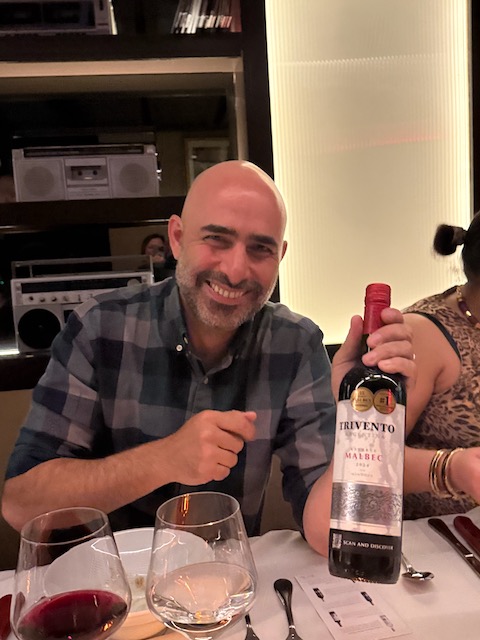
An unforgettable evening unfolded at Vinile Chop House, where Trivento hosted an intimate Malbec dinner in collaboration with the restaurant’s talented team. This special gathering celebrated the versatility and elegance of Argentine Malbec, guided by none other than Trivento’s Chief Winemaker, Germán Di Césare, who traveled from Mendoza to share the stories, terroir, and passion behind each pour. Founded in 1996 in the foothills of the Andes, Trivento crafts wines with a deep respect for the land, blending meticulous winemaking with authentic expressions of Malbec—from vibrant modern styles to timeless single-vineyard gems. The evening’s menu was a thoughtful exploration of the grape, pairing four standout Trivento wines with a curated four-course meal that highlighted bold flavors, refined textures, and perfect harmony. Germán’s presence made the night truly personal. He spoke eloquently about the vineyard’s soul: “Every section within a plot has a sense of place,” he emphasized, highlighting how subtle variations in soil and microclimate create distinct character even within a small area. He also shared his reverence for nature’s gifts: “The mountains give us the most important elements—water and soil. We work hard with these elements.” The pinnacle of his passion shone through when discussing the iconic Eolo, sourced from ungrafted vines planted in 1912 in Luján de Cuyo’s historic Vistalba area. At around 930 meters elevation, the 4-hectare vineyard features alluvial soils—rock, sand, clay, and loam—that lend complexity and elegance. Germán described the wine as “clear, precise, powerful, and beautiful,” an expression of four different moods from four distinct soil types, or micro-appellations. First produced in 2000, Eolo holds a special place in his heart as the ultimate embodiment of place and history. Adding to the evening’s warmth, Germán expressed deep gratitude for recent recognition: “Being named Winemaker of the Year by the renowned Tim Atkin, MW means a lot to me. I am very grateful.” His humility and expertise brought every sip to life. The night began with the innovative Trivento White Malbec 2025, a rare and intriguing white expression of the grape. Crisp and crystalline, it burst with notes of green apple, lychee, and tropical pineapple, backed by bright acidity and a refreshing, medium-bodied finish. It was the ideal opener—light, surprising, and palate-cleansing. Paired beautifully with the First Course: Crab Malfadine featuring lump crab, fennel, and mascarpone. The wine’s lively fruit and subtle floral hints cut through the creamy richness of the mascarpone while complementing the sweet crab and anise-like fennel for a fresh, elegant start. Next came the Trivento Reserve Malbec 2024, a classic crowd-pleaser with deep ruby hues and violet tinges. On the nose, ripe blackberries, juicy plums, and violets intertwined with gentle vanilla and sweet spice from French oak aging. On the palate, it was generous yet balanced—soft tannins, lively acidity, and a persistent, harmonious finish. This poured alongside the Second Course: Braised Lamb Shoulder with Potato Purée. The wine’s plush dark fruit and subtle oak notes embraced the tender, savory lamb, while its freshness lifted the richness of the braise and creamy potato, creating a comforting yet sophisticated pairing. The highlight for many was the Third Course, featuring two powerhouse reds: the Trivento Reserve Maximum Red Blend 2023 (a bold Malbec-dominant blend) and the flagship Trivento Eolo 2021, that century-old-vine masterpiece. The Eolo delivered intense aromas of cherry, raspberry, and floral notes, evolving into a powerful yet refined palate with silky tannins, ripe fruit concentration, and a long, elegant finish—classic Luján de Cuyo character with modern freshness. Paired with Filet Mignon sauced in Black Garlic Béarnaise. The steak’s juicy tenderness met its match in the Eolo’s structured fruit and spice, while the black garlic’s umami depth amplified the wine’s complexity. Earthy, luxurious, and utterly memorable. To close, the Trivento Golden Reserve 2022—a premium single-vineyard expression from old vines—brought elegance and power. Deep purple-red with violet tones, it offered a bouquet of berry fruits, plum jam, coffee, tobacco, and subtle floral hints. On the palate, it was ripe, juicy, and balanced, with silky tannins, vibrant intensity, and a long, dry finish. The Fourth Course: Decadent Chocolate Cake with Berry Compote and Black Truffle. The wine’s dark fruit and subtle spice harmonized with the rich chocolate, while the berry compote echoed its berry notes, and the black truffle added an intriguing savory layer for a luxurious, lingering finale. Under Germán Di Césare’s warm guidance—sharing insights into terroir, history, and heartfelt gratitude—the evening felt illuminating and intimate. Stories of Andean mountains, ancient vines, and meticulous craftsmanship brought every sip to life. For wine enthusiasts and food lovers alike, it was a powerful reminder of why Argentine Malbec continues to captivate: balance, authenticity, and endless pairing potential. If you’re passionate about Malbec or simply love exceptional wine dinners, keep an eye out for future Trivento events—they’re not to be missed. Cheers to more nights like this!
Beyond the Bottle: Sebastián Labbé’s Quest for Authenticity, Elegance, and a Touch of the Ocean
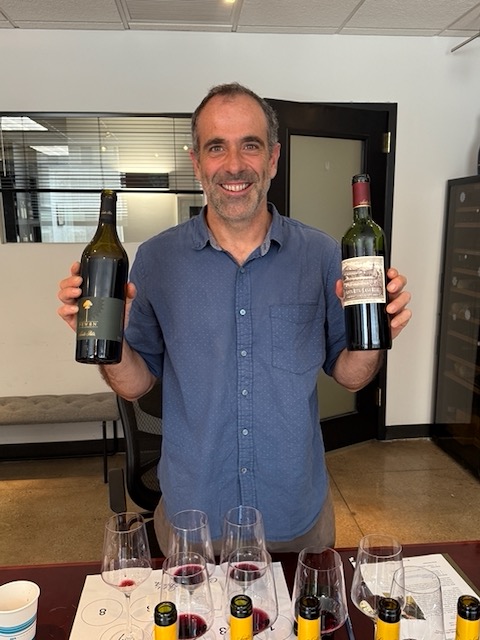
Imagine winemaking as a captivating dance with nature, a never-ending quest shaped by climate, tradition, and an unwavering passion for capturing the purest expression of the land. This is the vibrant reality for Sebastián Labbé, a globe-trotting enologist whose diverse experiences have converged to forge his distinctive vision for the future of Chilean wine. His journey is a compelling tale of exploration, innovation, and profound dedication. Recently, I had the immense pleasure of sitting down with Sebastián for a one-on-one discussion about his journey, his philosophy, and his hopes for the future, all while savoring the exquisite Premium Wines portfolio of Viña Santa Rita. Sebastián’s path began with a solid foundation in agricultural engineering and enology from the Pontifical Catholic University of Chile, but his true education unfolded far beyond his home country. His journey to becoming a champion of Chilean terroir started in some of the world’s most renowned wine regions. Training in New Zealand instilled in him a deep appreciation for meticulous viticulture and a laser focus on sustainability. He was captivated by how a relatively small island nation could make such a profound global impact with its distinctive Sauvignon Blanc. “They’re very good with a strength in sustainability and biodiversity,” he reflects. Australia offered a different kind of education, broadening his understanding of winemaking on a grander scale. He immersed himself in larger-scale operations and a wider range of varietals, honing his craft with Semillon and Shiraz. Bringing his unique global insights back to Chile, Sebastián joined Viña Carmen as Chief Winemaker, part of the esteemed Santa Rita Group in 2005 and later in 2017 spearheading the Ultra-Premium portfolio of Sant Rita. Here, he embarked on a mission to produce exceptional wines that truly capture the essence of Chile’s diverse terroirs. He’s not just a pioneer in flavor, but also in sustainable practices, ensuring the wines are as kind to the earth as they are to your palate. Santa Rita Winery, one of Chile’s most iconic wine producers, boasts a rich history intertwined with the country’s cultural and political landscape. Founded in 1880 by Domingo Fernández Concha in the renowned Maipo Valley, Santa Rita quickly gained a reputation for quality by introducing French grape varieties and modern winemaking techniques. This progressive approach was groundbreaking at a time when Chilean wine was largely rustic. The winery also holds a piece of Chilean history; during the War of Independence, it provided refuge to 120 soldiers—an event commemorated by their popular “120” wine. Today, Santa Rita continues to expand and modernize, maintaining an unwavering commitment to sustainability, quality, and tradition, producing everything from accessible labels to premium wines that highlight Chile’s rich terroir. “I think there’s more and more focusing on farming in general,” Sebastián emphasizes, setting the tone for a conversation centered on the vital connection between the vine and its environment. For him, it’s not just about growing grapes; it’s about cultivating a holistic ecosystem. He spoke passionately about compost preparations, meticulous soil work, and the intentional integration of animals into the vineyard, all fostering a thriving, biodiverse environment. While organic certification isn’t always the sole objective, the philosophy of sustainability is paramount. It’s a deliberate move “back to before the industrial ages, where natural wines, you’re seeing a lot more to the farming and going back to the terroir, as opposed to the conventional methods.” He points to a global shift, even among Burgundy winemakers once reliant on herbicides, now embracing organic practices—a testament to this mindful approach to viticulture. Tasting the Vision As Sebastián guided me through his journey, we sampled the latest releases from Santa Rita’s ultra-premium collection, including the minimal-intervention Floresta wines, the iconic Pewën Carmenere, their Bordeaux-inspired blend Triple C, and the winery’s flagship Casa Real. The Floresta range truly embodies Sebastián’s passion, showcasing his vision for wines that are fresh, vibrant, and deeply expressive of their origins. The wines are terroir specific with minimal intervention as “we wanted to make wines that were more of that style, fresher and with less use of oak,” he explains. Tasting these wines is akin to taking a guided tour of Chile’s diverse viticultural landscapes. Sebastián’s vision for Chilean wine extends beyond crafting exceptional wines; he seeks to challenge preconceived notions and pave the way for future generations of winemakers. “I was tired about this stereotype of Carmenere being big, rich, flat, slightly herbal, ripe with a ton of oak,” he admits, expressing his desire to showcase the true potential of this iconic Chilean variety. He advocates for earlier harvesting, fermentation in concrete tanks, and a judicious use of oak to allow the purity of the fruit to shine through. “There is a big difference, and I still find between herbal characteristics and vegetated characteristics. I think this one is freshness, and the other is under-ripeness.” His continuous challenge is to fine-tune the wines without compromising the house style, especially when dealing with eight subdivided blocks—a challenge he consistently meets head-on. He vividly recounts Chile’s geological history, explaining how the formation of the Andes Mountains and the presence of calcium carbonate deposits in the Limarí Valley contribute to the wines’ unique character. “So that might have that kind of a beautiful tension, but they got a little bit more checks at the same time.” This deep understanding of terroir isn’t merely academic; it informs every decision he makes in the vineyard and the winery. As for advice to future oenologists, he implores them to travel and immerse themselves in the diverse realities of the wine world. Experiencing winemaking firsthand in different regions is crucial for gaining wisdom and unlocking future potential. In a personal choice that speaks volumes about his values, Sebastián recently moved back to the ocean. “After a pandemic, I said, I wanted to return to my roots, closer to the ocean,” he shares. For him, the ocean is more than just a scenic backdrop; it’s a source of tranquility and inspiration, a constant reminder of the natural forces that shape his wines.