
An Evening with Tobias Krämer: Straight Talk
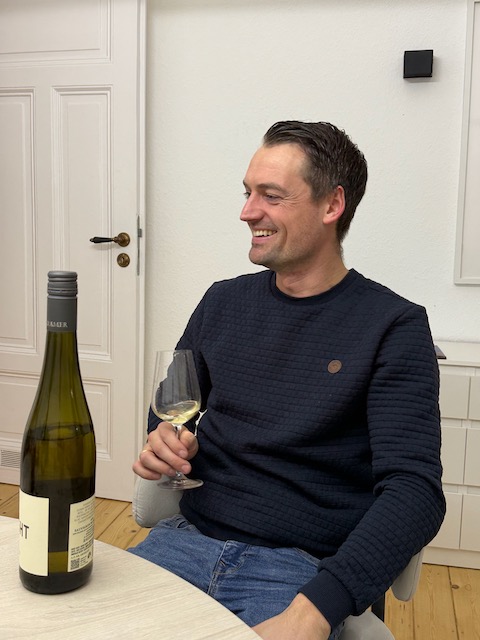
It was one of those cozy winter evenings in Wiesbaden, the kind where the air carries a crisp chill and the promise of good conversation over glasses of wine. We sat down with Tobias Krämer, the young winemaker behind Weingut Krämer for an intimate interview and tasting. At just 31, Tobias exudes a quiet confidence, the sort earned from growing up among vines and now steering his family’s eighth generation winery into a new era. Gau-Weinheim, a charming wine village nestled in the heart of Rheinhessen—Germany’s largest wine region, often called the “land of a thousand hills.” Rheinhessen is renowned for its diverse grape varieties, innovative young winemakers, and a remarkable renaissance in quality dry Rieslings and other whites, shedding its old association with mass-produced sweet blends to emerge as a hotspot for fresh, terroir-driven, and exciting wines. But there is one special estate, a hidden jewel amongst gems, WKrämer. What fuels Tobias? An unbreakable connection to his family’s eighth generation roots combined with an urgent desire to prove Rheinhessen’s world-class potential. His wines are straight, creative & innovative. The Krämer estate is compact and personal—around 13 hectares of vineyards dotted across limestone-rich slopes like the impressive Gau-Weinheim—but it’s deeply rooted. “My vineyards come from both sides of the family,” Tobias explained as he poured the first glass. “Part from my father’s side, part from my mother’s, just a few kilometers apart. That gives us these wonderful microclimates to play with.” He smiled, recalling how his father was the first in the family to shift from bulk agriculture to bottling and selling wine directly to customers. “Before that, it was mostly farming with a bit of wine on the side. Now, we’re all in.” As Tobias said with a smile, three words that describe my wines are Straight, Creative & Innovative. As we swirled and sipped his flagship Straight Riesling 2024—the wine he calls his “business card” and the heart of the winery’s identity—the conversation flowed naturally. This young vintage burst with vibrant freshness: juicy yellow peach, zesty citrus, and subtle herbal notes, all underpinned by a crisp, mineral backbone that makes it athletic and invigorating, just as Tobias describes his style. This Riesling is everything Tobias stands for: mineral-driven, fresh, clear, and what he describes as “athletic” in structure. “It’s not overly round or ripe,” he said, gesturing animatedly. “We want that balance, that freshness from our cool climate and limestone soils. Riesling is our identity here—it’s what we do best.” We moved on to the Straight Sauvignon Blanc 2024, sourced purely from the Gau-Weinheim sites. It jumped from the glass with exotic energy—lime zest, gooseberry, papaya, and a cheeky streak of passionfruit, backed by lively acidity and a mouthwatering mineral snap. “Fein, frech und fruity,” as one might say: bold, fun, and unmistakably Rheinhessen. Next came the Straight Chardonnay 2024, a clear, powerful expression with exotic hints of quince and ripe pear, wrapped in a smoky finesse that speaks of careful craftsmanship—elegant yet approachable, with great length. Tobias’s journey into winemaking feels almost predestined. “From childhood, I knew I wanted to make wine,” he shared with a chuckle. “I’d be out on the tractor in the vineyards as a kid, loving every minute.” But it wasn’t without challenges. After his apprenticeship in 2009 at several estates, where he learned everything from solo cellar management in small operations to teamwork in larger ones, he returned home ready to innovate. One anecdote stands out: pushing to plant new blocks on steep hills. “My father was traditional, a bit hesitant at first,” Tobias admitted. “But he supported me. We’ve blended old knowledge with new ideas.” The single-vineyard gems stole the show later in the evening. The Kaisergarten Gau-Weinheimer 2022 (likely a Chardonnay from this prized site) delivered exceptional density and minerality, with complex smoky notes, quince, and pear—straff, structured, and lingering beautifully. Then the La Roche Riesling 2020, from the red slate soils shared with legends like Niersteiner Rotenhang: intensely mineral and saftig, loaded with citrus, ripe stone fruit, and a firm, structured grip that promises even more with age. We finished with the maiden vintage, La Roche 2016—Tobias’s first solo statement from this site. Even after years in bottle, it showed youthful vitality layered with deeper complexity: concentrated fruit, pronounced minerality from the Rotliegend, and that elegant, juicy tension that marks great terroir-driven Riesling. We’d tasted blind a few wines, comparing to pricier benchmarks like Herman J Wiemer Riesling “People pay $35 for that,” he laughed. “But blind? Our quality holds up, and at €10-12 a bottle in Germany, it’s about making great wine accessible—a big table where everyone is welcome.” I encouraged Tobias to take the remainder of the bottle home to share with his wife Laura even running her own label, “Aura.” They have a harmonious collaboration that mirrors inspiring industry duos, where each partner pursues their vision while supporting the other, fostering innovation rather than competition. Marketing is where Tobias’s modern side really sparkles. He’s part of a young generation elevating Rheinhessen’s reputation, once overshadowed but now buzzing with quality-driven peers. Social media plays a big role, along with partnerships. A high-profile collaboration providing wines for VIP events tied to German football. “It’s a fantastic opportunity,” Tobias said, eyes lighting up. “Getting our Riesling in front of thousands, demystifying German wine—moving past those old stereotypes of sweet stuff in blue bottles from the ’70s and ’80s.” Climate challenges came up too—droughts, hotter summers atypical for their cool sites. “But our spread of vineyards helps,” he noted. “Some have better water access; we blend for consistency.” As the evening wound down, glasses empty and stories shared, it was clear: Tobias is honoring his roots while pushing forward, one straight, mineral-kissed sip at a time. He is driven by a mission to demolish old stereotypes and invite everyone to the table with wines that are honest, exciting, and unmistakably Rheinhessen.
Discovering Andalusia’s Spirit Heritage: A Journey Through Harveys Sherry and Fundador Brandy
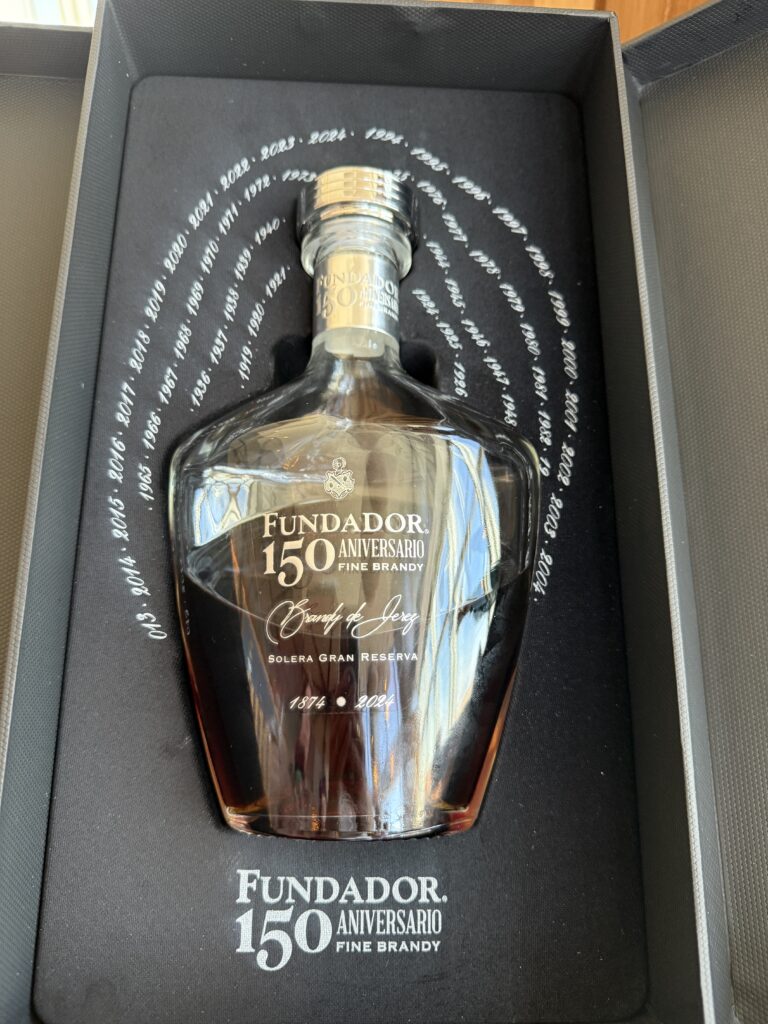
My recent adventure in Jerez de la Frontera, Spain, was an immersive experience that truly highlighted the artistry and tradition behind some of the world’s most renowned spirits. Invited by González Byass, a name synonymous with Spanish vinicultural excellence and now part of the Alliance Global Group (a Philippine-owned company led by the Town family), I had the privilege of exploring their fully integrated operations — from grape to glass. We began our journey at the Torre Emperador Castellana, the tallest building in Madrid with a masterclass on the Harvey’s and Fundador portfolio, led by the enthusiastic and knowledgeable Livinia Stuyck (Head of Consumer Marketing Emperador Group) and Alberto Pizarro (Trade Ambassador, Emperador Group). Livinia shared insights into the rich history of Grupo Emperador, emphasizing the subtle yet vital differences between sherry and brandy — both in production and flavor profile. While they often share aging casks, sherry is a fortified wine, and brandy is distilled, each with its unique character shaped by factors like grape variety, aging, and oxidation. Note: the difference between Sherry and Brandy: -Sherry vs. Brandy: While both are often aged in the same casks, it’s important to remember that sherry is a fortified wine, while brandy is a distilled spirit -Flavor Profiles: Understanding how factors like cask age, grape variety, and oxidation method influence the final flavor profile is key to appreciating the nuances of each expression. The tasting highlighted both Harvey’s Sherry and Fundador Brandy. Harvey’s Bristol Cream evoked cozy evenings with rich dried fruits, caramel, and roasted nuts, beautifully balanced by Parmesan’s saltiness and nuttiness. Fun Fact: When chilled, the Harvey’s logo on the bottle turns blue—indicating the perfect serving temperature! Harvey’s Medium Dry Sherry delivered bright notes of apricot and citrus, paired with nutty cheeses as an ideal aperitif. Fundador Supremo 12 revealed vanilla, toasted oak, and dried plum, complementing creamy cheese. The Supremo 15 offered rich aromas of fig and spice, with a velvety palate of dried fruit and dark chocolate, best enjoyed with Parmesan. Finally, the Supremo 18, aged to perfection, presented a complex bouquet of fig, walnut, and leather, elevated by aged cheese. Following this insightful session, we savored an exquisite lunch at the Michelin-starred Élkar on the 33rd floor, boasting panoramic 360° views (as detailed in my previous post). The meal featured refined dishes—Parmesan mousse, Ibérico presá, and Tarta Ópera—paired with exceptional spirits and spirit based cocktails. Did you know that any whiskey- or bourbon-based cocktail can be swapped out for Fundador Sherry Cask Brandy or Harveys Sherry? This discovery really highlighted the incredible versatility of both sherry and brandy! Joined by Angel Piña Serrano (Global Chief Commercial & Marketing Office) and Oscar Vargas ( VP Marketing Pedro Domecq) we discovered the limited-edition Fundador 150 Aniversario, celebrating 150 years of craftsmanship. This extraordinary spirit is best savored neat, with dark chocolate as a divine pairing. As Angel wisely commented, “Once you open the bottle of 150, it has to be finished!” Next Stop: The Heart of Jerez de la Frontera My adventure unfolded in the sunny southern lands of Spain, an area steeped in centuries of history influenced by Moorish legacies, bustling trade routes, and a passion for quality. Wandering through lush vineyards and historic cellars, I felt fully immersed in a culture that honors its heritage while embracing innovation. Guided by the passionate Beatriz Fierro Clavero, Head of Consumer Marketing for the Emperador Group, whose deep knowledge brought every detail to life, our day started at El Majuelo Vineyard. Renowned for its exceptional albariza soil—white, chalky, porous, and limestone-rich—this terrain retains moisture expertly, creating ideal conditions for premium palomino grapes that yield some of Spain’s finest sherry wines. Next, we explored the historic cellars of Bodega de La Mezquita, built in 1974 with impressive mosque-style arches designed to maintain perfect humidity—a crucial element for aging. The construction ingeniously incorporates natural elements: window designs and ocean orientation for climate control. Spanning six buildings equivalent to four football fields in size, this complex—designed by Lopi Nodia over three years—blends Moorish architecture with nature, evoking a cathedral-like ambiance. Surrounded by over 40,000 sherry casks, some dating back to 1730, the scale was awe-inspiring. These casks aren’t mere storage; they’re living artifacts, seasoned like whiskey or bourbon barrels, imparting rich, layered flavors through the solera system—a tiered blending process ensuring consistent quality. Nearby, El Molino, the oldest bodega established in 1730, holds a distinguished place in Spanish winemaking history. It preserves traditional methods while integrating modern advancements, producing wines that reflect the region’s unique terroir with unwavering dedication to excellence. Passing through the Neoclassical Porta Rota gate at the bodega, I entered lush gardens that regulate humidity for the bodega, enhanced by the gentle flow of the River Guadalquivir. These gardens not only captivate visually but also create a vital microclimate, featuring artisan touches like handmade fishing nets crafted by local experts—emblems of regional tradition. The on-site museum revealed the estate’s storied past through artifacts, vintage tools, and photographs. The tasting included a range of spirits, each with its unique personality: We concluded with a delightful lunch at Casa Fundador Restaurante, featuring an incredible four-course meal paired with spirits and the newly launched Mica Fundador Sherry Cask beer. This Toro Amber Ale, aged in Oloroso sherry casks, boasts a rich amber hue with notes of dried fruit, toasted almond, and oak—Spain’s most awarded craft beer! From a Harvey’s Spritz with duck foie gras, pink pepper, and tomato jam to a Fundador Brandy Colada with brandy-infused tiramisu, every element was curated flawlessly. Beatriz insisted on tasting the exceptional Fundador Supremo 30, aged for three decades: deep, refined, and balanced, rich with dried fruit, toasted oak, and subtle spice—the epitome of aged brandy. This journey through Andalusia exemplified the rich heritage, masterful craftsmanship, and cultural significance of Spanish sherry and brandy. From historic vineyards and ancient cellars to curated tastings and exquisite pairings, these spirits transcend beverages—they are living testaments to tradition, innovation, and passion. Reflecting on this immersive experience, I appreciate
North to South: Argentina’s Wine Odyssey

Today I attended a North to South Argentina Wines Seminar hosted by WOFA, the Consulate of Argentina, and Copa Air. Surrounded by the bold, abstract art of Paula Morando—her “De América” series swirling with vibrant layers of color and raw energy—our guide Veronica took us on a thrilling journey through 11 wines from 6 regions. Each sip was a passport stamp from Salta’s heights to Buenos Aires’ coast. On a personal note, I was so happy to reunite with my fellow WOFA Argentina trip friends from this past September—Veronica and Li—whose fellowship and smiles instantly brought back the magic of our unforgettable trip. Catching up mid-tasting felt like coming home. To top off the magic, Copa Air gave away two round-trip tickets from anywhere in the USA to Argentina to two lucky winners! The room erupted as dreams of Mendoza sunsets and Salta peaks became real for two attendees. Talk about a flight worth toasting! From high-altitude whites to powerhouse reds, Argentina delivered diversity, soul, and fire. Veronica’s passion, Morando’s art, and these world-class pours made this seminar unforgettable.¡Salud!