
Falling Head Over Heels in Piemonte: My First Grandi Langhe Adventure
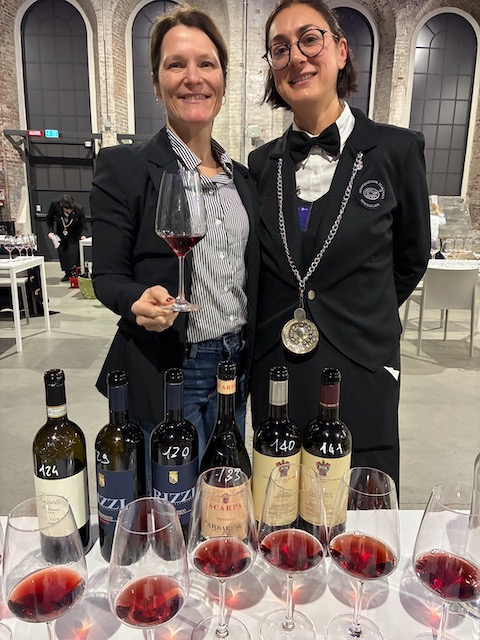
If you’re a wine lover, there are certain experiences that hit you like a perfectly aged Barolo—deep, layered, unforgettable. My first time at Grandi Langhe in Turin was exactly that kind of moment. The excitement kicked off even before the main tastings, with opening festivities on Sunday, January 25. The Consorzio Piemonte Land of Wine organized a fantastic Gala Dinner followed by a lively walk-around tasting at the iconic Museo Nazionale dell’Automobile in Turin. Surrounded by an incredible collection of vintage and modern cars from every era, we sipped Piemonte wines amid gleaming Ferraris, classic Fiats, and automotive legends. It was the perfect, stylish prelude—blending Turin’s industrial heritage with its world-class wine culture—to set the tone for what was to come. What a way to kick things off! Then came the heart of the event: two full days of pure wine bliss on Monday, January 26, and Tuesday, January 27 with over 500 producers on site. Hosted at the stunning OGR Torino—a former locomotive factory reborn as a sleek cultural powerhouse—Grandi Langhe gathered hundreds of producers from Langhe, Roero, and across all of Piemonte, now showcasing the incredible breadth of the region’s appellations. It’s professionally run, beautifully organized, and blissfully free of overwhelming crowds. Absolute heaven for any enthusiast. Over 700 labels (and in recent editions, even more with the expanded Piemonte focus) in the dedicated press room (130 wines in the press room alone, 47 Barolos and 24 Barbarescos among others) allowed us to dive headfirst into the region. Walk over to the stands for a treasure trove of wines. Recent-vintage Barolos and Barbarescos stole the show with their elegance and structure, the unmistakable minerality screams Piemonte terroir. But I was equally smitten by the bright Roero Arneis and Nascetta, the crisp Timorasso, the lively Alta Langa sparklers, and so much more. Every glass felt like a love letter from the hills, crafted with care and deep respect for the land. So Many Incredible Producers—Here Are Just a Few That Stole My Heart One of the greatest joys of Grandi Langhe was meeting so many passionate, talented producers in person. There were hundreds of stands, each telling its own story, and it was impossible to taste everything—but the ones I did meet left lasting impressions. Here are just a few standouts that made my notebook fill up fast and my heart race: These are just a handful—the region is bursting with talent, and every conversation added another layer to why Piemonte feels so special. I left with a long list of estates I now dream of visiting. Yet the wines, as extraordinary as they were, weren’t even the best part. The real magic happened in the conversations. Meeting the producers face-to-face turned tasting into something intimate and alive. I listened, wide-eyed, as winemakers shared multi-generational family stories, their quiet philosophies on minimal intervention or perfect oak choices, and that fierce, centuries-old love affair with their vineyards. These weren’t sales talks—they were heartfelt glimpses into why Piemonte wines taste the way they do: soulful, honest, alive. Every chat made the next sip taste richer, more meaningful. And then came the evenings—oh, the evenings! On Monday, January 26, the Alta Langa Consortium invited us to an exclusive Alta Langa after Grandi Langhe event at the breathtaking Teatro Regio, Turin’s iconic opera house. Picture this: over 50 labels of Piemonte’s refined, traditional-method sparkling wines flowing freely in a happy-hour-style setting, while the Regio Ensemble filled the gilded halls with live opera. The bubbles danced on the palate, the music soared, and the whole night felt like a dream you never want to wake from. The next evening, Tuesday, January 27, the Consorzio Freisa di Chieri and Consorzio Erbaluce di Caluso welcomed us to a special dinner right in the historic heart of Turin—Piazza Carignano. The dinner took place at the legendary Caffè Gelateria Pepino, a historic Turin institution founded in 1884 and famous for inventing the Il Penguino dessert. Surrounded by the café’s timeless elegance and the centuries-old beauty of the piazza, we explored the charming, often-under-the-radar wines of the Turin hills: vibrant Freisa di Chieri and Erbaluce di Caluso in every style—fresh annata, aged vintages, passito and sparkling versions. Guided by the consortia president, board members, and passionate winemakers, it was the perfect reminder of Piemonte’s astonishing diversity. These are wines that surprise, delight, and beg to be shared. A special treat was shared during the evening from Gian Luigi Orsolani, fourth generation winemaker with over 125 years of history in a glass of Orsolani Caluso Passito, a decadent wine made from dried Erbaluce grapes in the Caluso area. Golden-hued, honeyed, with notes of dried apricot, almond, candied citrus, and a touch of noble botrytis complexity, it was an exquisite, velvety finale—intensely aromatic yet beautifully balanced with refreshing acidity. Sipping it slowly amid the warm glow Zabaglione felt like the ultimate Piemonte indulgence. One of the most inspiring highlights was discovering the Urban Vineyards Association (U.V.A.) through Luca Balbiano, the passionate third-generation winemaker from Cantine Balbiano and the association’s founder and honorary president. Luca shared his remarkable story of reviving the historic Vigna della Regina—a royal vineyard tucked within Turin’s Villa della Regina, where Freisa vines now thrive in an urban setting, producing one of Italy’s few certified DOC urban cru wines. Inspired by that project, he created the Urban Vineyards Association in 2019 to connect and promote historical urban vineyards worldwide—from Turin’s city vines to rooftops in New York (Rooftop Reds) and beyond. It’s a global network celebrating how vines can bridge tradition, sustainability, culture, and urban life, turning city landscapes into living heritage sites. Hearing Luca’s vision firsthand—about regenerating green spaces, boosting proximity tourism, and preserving viticultural history right in the heart of cities—was truly eye-opening and added such a fresh, innovative layer to Piemonte’s already rich wine narrative. And because no unforgettable Italian evening is complete without a little dolce indulgence, that Tuesday night at Pepino I tried my very first Il Penguino Crema Pepino—the legendary Turin
Wine Of Austria-Portal to Irresistible Addictive
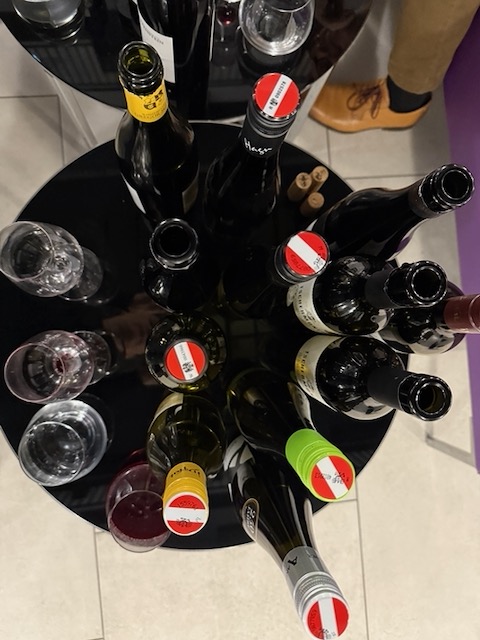
Last week in Budapest, I had the privilege of sitting down with Markus Stieger, founder of Wine of Austria, for a late afternoon that felt less like a formal tasting and more like a conversation among friends who happen to be obsessed with great wine. We took over a quiet corner of the hotel lobby—no tasting sheets, no rush, just open bottles, honest reactions, and a growing realization that Austrian wine is in the middle of something extraordinary. Later that evening we carried our shortlist across the city to Tom George Osteria, where the sommelier tasted alongside us and, bottle by bottle, saw his own preconceptions quietly dismantled. What follows are my unfiltered notes from one of the most exciting line-ups I’ve experienced this year. Tasting the 16 wines in Markus’s portfolio was awakening curiosity with razor-sharp precision, family soul, and frankly insane QPR that makes you question everything you thought you knew about “value.” Austria is quietly making the most electric, soulful, drink-now-or-cry-later wines on earth. My impressions on the wineries and wines tasted: Weingut Aigner “Tradition” Riesling 2024: Lime-zest rocket fuel with wet-stone electricity. Kremstal Riesling that tastes like it was raised on AC/DC and alpine air. Stupidly precise for pocket change. 13 generations of family growers with focus. Screaming wet-stone tension, green apple snap, and a salty finish that punches way above its price. Weingut Aigner Grüner Veltliner Ried Obere Sandgrube 2021: The serious older sibling. Deeper, smokier, layered with yellow apple, crushed rocks, and a salty kiss that lingers like a dirty promise. Single-vineyard GV royalty. Ettl Chardonnay Reserve 2023 (Wagram): Two organic brothers having fun. Youthful, playful, honeyed ripeness yet pure as mountain air. Whole-bunch magic that screams “drink me now.” Ettl “Prädium” Chardonnay 2024: The aromatic big brother – spiced honey, silky texture, built for the American palate that loves a little opulence without losing class. Weingut Hagn “Ried Hundschupfen” Grüner Veltliner 2024 (Weinviertel): White-pepper grenade, gooseberry, and a flinty backbone that makes your tongue buzz. Classic Weinviertel snap – the wine equivalent of a cold slap from a beautiful stranger. Weingut Martin Pasler Blaufränkisch Ried Buschenberg 2019 (Mittelburgenland): Brooding dark cherry, black pepper, and iron-rich soil vibes. Five years in bottle have turned it sleek, spicy, and dangerously velvety. The red that makes you forget Pinot ever existed. PMC Münzenrieder “Tschernosem & Salz” Blaufränkisch-Cabernet Franc 2021: Black-soil power meets lake-breeze freshness. Cassis, graphite, roasted bell pepper, and a saline lick on the finish. Bordeaux varieties grown by someone who actually understands. Weingut Nastl Ried Käferberg Grüner Veltliner 2023 (Kamptal Reserve level): From one of the coolest sites in Langenlois. Explosive green pineapple, wild herbs, and a mineral tension that feels like chewing on a glacier. Nastl’s masterpiece – quiet, intense, unforgettable. Weingut Tschermonegg Ried Lubkogel Sauvignon Blanc 2023 (Südsteiermark): Classic Styrian insanity: passion-fruit bomb, cut grass, elderflower, tomato leaf, pink grapefruit, and a salty whip-crack finish. SB that grabs you by the collar and demands attention. Weingut Tschermonegg Ried Oberglanzberg Sauvignon Blanc 2022: Even more feral – blackcurrant bud, kiwi skin, mango, gunflint, and wet slate. One year extra gives it smoky depth without losing the electric high notes. A total knockout. Winzerfamilie Gregor Schup Rotgipfler Gumpoldskirchen 2023 (Thermenregion): The cult grape whispers seduction: peach melba, almond blossom, nutmeg, and a creamy yet razor-fresh texture. If Chardonnay and Pinot Blanc had a spicy Austrian love child. Ettl “Römerstein” Zweigelt Reserve 2022: Classic jammy dark fruit, black pepper, moreish tannin. Old-school Austrian red that reminds you why Zweigelt rules the countryside.Ftraminer Winzerfamilie Gregor Schup Zweigelt Gumpoldskirchen 2023: Crunchy sour cherry, violet pastilles, and white pepper pop. Zero heaviness, all joy – the red you drain with roast pork or straight from the fridge on a summer night. Winzerfamilie Gregor Schup “Eichkogel” Pinot Noir 2016 (Thermenregion): A nine-year-old Austrian Pinot that costs less than a cocktail in Manhattan. Silky wild strawberry, forest floor, dried rose, black tea and sweet-spice oak. Pure elegance that makes Burgundy hunters weep into their wallets. Hofkellerei Liechtenstein Blaufränkisch 2020: Modern, fresh, peppery elegance personified. Crunchy blue fruit and a finish that keeps whispering “drink another glass.” Münzenrieder Muskat Auslese 2023: Dried stone fruit, piercing acidity, and a salty thread that keeps it gorgeously fresh. Botrytis sweetness done with Styrian precision – not cloying, just addictive. These bottles aren’t waiting for permission. They’re here, they’re brilliant, and they’re priced like someone made a glorious mistake. Austria has never needed hype; it simply makes wines that speak for themselves. After this trip, I’m convinced they’re speaking louder and more eloquently than ever. If you’ve been waiting for the right moment to dive deeper into Austrian wine, consider this your invitation. The bottles are ready. I know I’ll be drinking them for a very long time.