
Thirty-Four Countries, One Table.
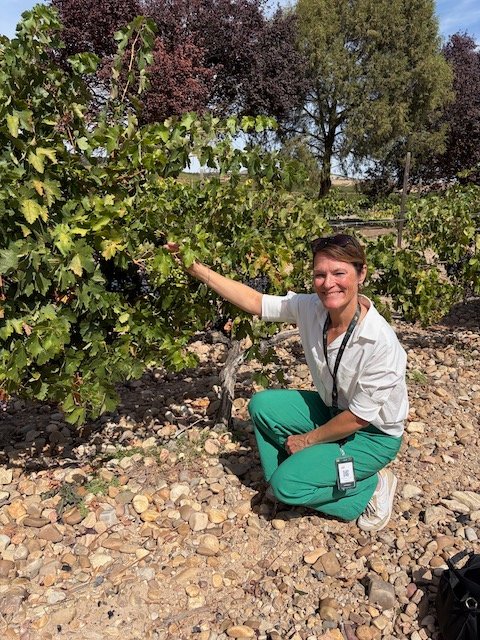
Valladolid, and the Table That Kept Growing from the VinoInfluencers World Awards 2026 This was my first time at the VinoInfluencers World Awards, and I arrived in Valladolid not quite knowing what to expect — only that the week had promised to be magical. It kept that promise before I’d even unpacked. The wine train pulled in and the week began the way the best wine weeks always do: not with trophies, but with people. A bus met us at the station and carried us to the International School of Cooking, where we shared a welcome breakfast, collected our credentials, and listened to a few words from the Head of Tourism for Castilla y León. Then came the first small secret of the week: we’d be sent into the vineyards with our destinations unannounced, so the land could introduce itself before anyone told us its name. Two of those afternoons have already made their way onto the page — the gates swinging open onto Dehesa de los Canónigos on Ribera del Duero’s Golden Mile, and the color and clarete of Cigales at Bodegas Sinforiano. But what stays with me most isn’t any single stop. It’s the shape of the days around them — the way Castilla y León gathered a room full of the world for three days and nights, and how, somewhere in the middle of it, a nomination quietly found its place. Never at the center. Always among friends. An Evening of Roses and Choreography The welcome evening at Villa Augusta Spa & Garden in Arroyo de la Encomienda brought roses, chandeliers, and the gentle choreography of an event determined to make you feel beautiful while still getting you on the bus by nine. VWA Connect brought wineries and communicators together from around the globe, conversation flowing easily across tables not yet set for ceremony. We made a few new discoveries that night, chief among them Bodegas Marqués de Cáceres’ Los Altares Gran Reserva Blanco de Guarda 2016 — creamy, yet lifted by a refreshing thread of acidity, finishing long, poised, and wonderfully complex. There was also an impromptu Sherry tasting with Ruth Amaya of Vinos de Jerez, the kind of unplanned moment that so often turns out to be the best one of the night. Wine Routes, and the Scent of Harvest Friday sent us out again along the Wine Routes, each group following its own thread of adventure, the scent of harvest still hanging in the air. By seven we were back; by 8:15, another bus carried us into Valladolid, to the Tourist Office and Exhibition Hall of San Benito, for the pre-awards gala. There were speeches, meet-and-greets, and that particular hush of anticipation that settles in before a big night. One of my personal highlights, every time, is seeing Laura Catena — one of my favorite women in wine, and a woman with a rare gift for making everyone in the room feel welcome, her smile as infectious as her energy. That evening was also when the room cast its vote for Nos Impulsa Castilla y León — not a jury prize, but a peer prize honoring charisma, professionalism, commitment, and camaraderie. The winners would be revealed at the gala, and by the time we left, the anticipation for the next day was electric. Stepping outside for a breath of fresh air brought its own discovery: Javier Abrego’s Re-Cordis, a “fever dream” Malbec, juicy and vibrant, bursting with blackberry, ripe plum, violet, and a whisper of spice — plush on the palate, beautifully balanced, utterly moreish. It was the kind of wine that makes you pause mid-conversation and quietly go back for another glass. The label tells its own story too: a romantic scene of Javier’s family universe, from his father down to his daughter, Catalina. Beautiful, in every sense. A Sea of White, and a Few Surprise Pours Saturday opened with the Prelude Awards at Sotoverde, sunlight catching in the glass before anyone had changed for the evening. The crowd moved in a sea of white between tapas, MasterChef Carlos Alba’s oyster creations, laughter, and wine samplings gathered from across Spain — with a few surprises tucked in along the way. Luis XIV was expressive, ripe dark fruit meeting gentle spice and a polished finish. The Fondillón offered dried fig, raisin, and toasted nuts against a balanced sweetness, while the Fondillón Gran Solera 1980 was utterly captivating — layers of date, caramel, walnut, and orange peel unfolding one after another. These were wines built for sipping slowly, between conversations, while the afternoon gathered itself around us. A welcome change of pace arrived from Bolivia: high-altitude wines from Tarija showing freshness, concentration, and elegance. My personal star among them was the Campos de Solana Esther Ortiz Petit Verdot — blackberry, black plum, violet, and spice, with fine tannins, lively acidity, and a long, polished finish. Pure high-altitude elegance, the kind of wine that seems to say, quietly, look at me, and wonder. The Gala The grand finale was the VinoInfluencers Gala itself, and it unfolded exactly as galas do: a green-carpet arrival, photographs among nominees and invitees, and the unmistakable sense that it was finally, actually time. Music and entertainment carried the evening forward, building toward ten gold cups celebrating ten different ways of telling the story of wine — style, travel, marketing, communication, consulting, events, education, sommellerie, gastronomy, and the prize chosen by the room itself. My name was among the nominees for Wine Educator Innovation. The award went elsewhere. But winning, I’ve learned, was never really the point. What stayed with me instead was a quieter kind of recognition — for the journey itself: the long hours, the leap from project management into wine, a young family waiting at home, and the courage it took to start from scratch in a place not exactly known for vines. This calling still draws me forward. I suspect it always will. As the hall emptied, the foyer filled. The Wine Experience began — tables from participating
Cigales in Color: A Day at Bodegas Sinforiano
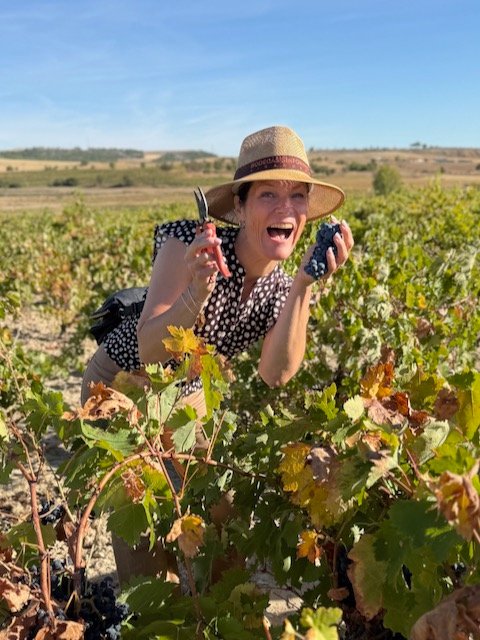
Some winery visits are about tasting. This one felt like stepping into the heart of what Cigales has always meant. Cigales is one of those rare Spanish regions where rosado is not a seasonal afterthought, but the very soul of the place. For generations, clarete was the tradition here: red and white grapes grown side by side, harvested and fermented together. The DO now produces reds and other styles, but the heartbeat remains pink. That sense of identity greets you as soon as you arrive. At Bodegas Sinforiano, tradition and innovation move together. The family cares for bush vines that have seen more than a century of seasons, spread across three valleys. About 100 hectares are farmed organically, with a portion certified, and the modern cellar—first filled in 2004—sits above the old underground cave where earlier generations worked. The winery runs with care for the land, from energy use to water treatment. Beneath the easy smiles and laughter, there is a steady, practiced hand guiding it all. Then came that joyful kind of chaos that only harvest can bring, the sort that calls for celebration. We climbed into jeeps and bumped along sunbaked roads toward the oldest vineyards—bush vines that have seen 105 harvests. This is where the rosado story starts, slow and steady. Josan, our colorful host for the day, welcomed us with a knowing smile and hinted at surprises. Most grapes had already been picked, but a few clusters remained, almost as if they were waiting for us. We were invited to harvest, taste, and enjoy the fruits of our work over a traditional lunch among the vines, with another surprise waiting back at the winery. With pruning shears ready, we paired up and grabbed our buckets. Before we started, Josan paused to explain why this place and its rosado are so important. Eight grape varieties, both white and red, are picked together from these old bush vines and co-fermented to create a clarete rosé that could only come from Cigales. This is not a pale, delicate rosé, but a wine with vivid color, bright fruit, and a sense of history in every glass. The harvest is timed for freshness, and when you open a bottle, it offers pleasure and energy that linger long after the first sip. After picking, we gathered for lunch right there among the vines. Plates of local cheese, spicy chorizo, and slices of pan candeal—the dense, white Castilian bread with its tight crumb—were passed around, perfect for catching every bit of flavor. Glasses of Sinfo clarete, with its orange label, shone bright and cool in the heat of the Castilian sun. Sinfo Rosado This is the wine that defines the house. Its deep strawberry-pink color catches the eye. Ripe red fruit leads the way, with a touch of fennel and peach, and a lively acidity that keeps it all in balance. It is a picnic wine with backbone. Once opened, the bottle empties quickly, and at our table, no one wanted it to end. After the harvest, we returned to the winery for a tasting of four rosado wines. The formal lineup, La versatilidad del rosado, was led by Josan Solano Ávila, whose warmth and humor made each wine feel like a new discovery rather than a lesson. Liala Espumoso Rosé Brut Nature This is the first sparkling rosado from DO Cigales. The bubbles are fine, the palate dry and crisp. Pink fruit and a touch of chalk lead to a clean, refreshing finish. Rosado with bubbles, and it shines. Quelías Rosé 2025 This wine is all about elegance. Five months on lees give it subtlety and depth. Pale in color, precise on the palate, with notes of citrus blossom and stone. It is the quiet wine that lingers longest in the glass. Sinfo Rosado Fermentado en Barrica 2023 This is rosado with the soul of a red. Oak fermentation and aging bring grip and spice, but the fruit remains at the center. It is a serious, structured pink—made for the table. Liala Clarete 2020 This wine honors their beginnings. An old-vine field blend, aged in Spanish oak, it shows a deeper color and flavors of dried strawberry, earth, and gentle maturity. Here is that joyful madness, bottled. Josan invited us outside for the next surprise. Since we had picked the grapes, we were handed the chance to stomp them as well, and taste the juice we pressed. We laughed, feet in a wooden bucket, tasting juice still warm from the sun. This was my first harvest, my first grape stomp, and it was harder than I imagined. You need a partner to steady you, the fruit is cold beneath your feet, and that first rush of juice is something you never forget. Josan and the family toasted our visit and handed out glass charms as keepsakes. Every detail felt thoughtful. The grill sent up the scent of lamb and blood sausage, and soon we were back in the winery for lunch, music, and dancing. It was the kind of afternoon that explains why families keep returning to this work, even when the easier path would be to stop. At Sinforiano, rosado is more than a specialty—it is a way of life. The family tends their old mixed vineyards with care, harvests for the style they believe in, and welcomes visitors to share in the process. Here, heritage and celebration are woven together, with tradition and innovation moving side by side. In a country celebrated for Tempranillo reds, Cigales has held fast to its rosado roots. Clarete remains a living memory, and freshness is something you taste, not just a word on a label. Pink finale I arrived as a visitor and left with grape juice on my feet and a clearer sense of why this region endures. In Cigales, rosado is not an afterthought. It is rooted in family, tradition, and a future that can sparkle, age, or remain in the old mixed vineyards. Sinforiano keeps this spirit alive, always remembering the table—the pan
Secret Gates: An Afternoon at Dehesa de los Canónigos
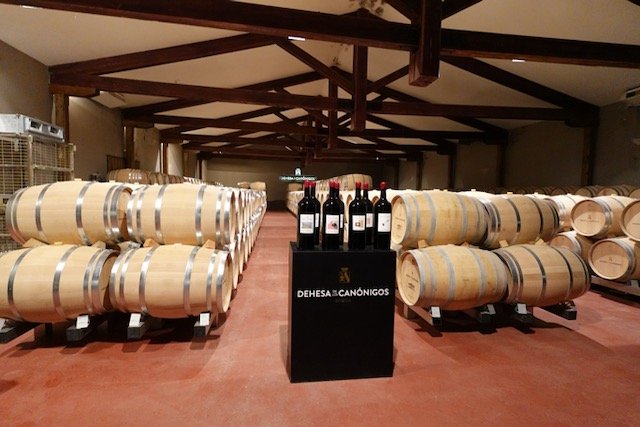
We set out with VinoInfluencers, the road ahead a mystery. The destinations remained secret, and that sense of not knowing brought a quiet thrill to the air, heightening every moment. When the gates finally opened, the purpose behind the secrecy revealed itself. A Basque farmhouse stands quietly on the Golden Mile of Ribera del Duero. Pines and vines share the same golden light, and the scent of harvest lingers in the air. Dehesa de los Canónigos does not announce itself. Instead, it invites you in, letting the land and its stories speak first. This stretch of river between Pesquera and Valbuena earned its name honestly. The Duero cuts a high, spare valley. Nights fall cold. Tempranillo — Tinto Fino — finds the tension that made Ribera famous. Cascajo underfoot: gravel, sand, soil that makes a vine work. Across the water, Vega Sicilia. The two estates have been speaking for generations. Dehesa was once church land, named for the twenty-two canons of the Cathedral of Valladolid. The Lecanda family built the Basque farmhouse that still stands; Eloy would found Vega Sicilia, and his brother Teodosio inherited this bank of the river. For years the fruit crossed the water. Then the Cid family took the estate in 1931. Luis Sanz Busto and María Luz Cid brought it home, planted more vines, and — after years of selling grapes to that legendary neighbor — kept the story in their own bottle—first vintage: 1989. The motto still sounds like a handshake: antes uvas que cubas—vine before barrel. Sixty-five hectares of vineyard are nestled within a wider world of forest and farmland. Tinto Fino forms the heart of it all, with Cabernet, Merlot, Garnacha, and Albillo Mayor woven in. The fourth generation is here now, with Belén Sanz Cid guiding the cellar. This was the journey we were welcomed into, not simply a tour but a family opening their door and sharing their world. Elena Intyakova guided us through rows of Tempranillo, the vines still heavy with fruit, clusters just beginning to yield to harvest. Inside the house, Julio Galán’s sculptures and installations appear at every turn—dreamlike figures, echoes of Mexican Baroque, folk memory, and a touch of New York grit. The estate seems to gather kindred spirits as thoughtfully as it gathers barrels. We came to a door carved in the shape of a Tempranillo leaf and stepped into the barrel room. One by one, we signed a barrel to mark our visit, our names joining the oak—a guest book written in scent and memory. There, Elena told us about the Godfather of the Harvest. Each year the family chooses a Spanish figure who shares their values. A special barrel is set aside. Years later — five, when the wine is ready — it is bottled and sold at a private auction, and the money goes to a cause the godfather names. Journalists, artists, public voices have stood in that role. What began as a gesture has become a house ritual: one harvest, one name, one barrel that leaves the cellar as care. There, among the barrels, they poured Luzianilla 2022, Belén’s clarete. Wild strawberry and crushed raspberry rose from the glass, with a hint of rose and sour cherry, followed by the subtle mineral thread of old vines and cascajo. As fresh as a rosé, as deep as a red—Belén crafted it so you never have to choose. That glass has lingered in my memory ever since. It should have been enough. It wasn’t. Lunch in the garden felt like a kind of magic. Every delicacy the land could offer found its way to the table. Flamenco music drifted between the roses. Two wines were poured under the open sky. Dehesa de los Canónigos 2023, 15 meses en barrica is the house in a glass. Blackberry and dark cherry, licorice and warm oak, thyme and the Duero wind. Velvet tannin. Honest acidity. Generous, grounded, already at ease. Solideo Reserva 2022 is reserved for the years Belén trusts enough to call by this name. Plum and black cherry steeped in cedar, cocoa, a thread of mint and rosemary. Silk over structure. Long. The kind of finish that makes conversation fall away for a second — then come back softer. Three wines. One house.The cellar held its memories. The garden sang with life. Once, this estate sent its grapes across the river. Later, the family chose to keep the fruit and begin their own story. After a loss too heavy to name, Belén returned to the cellar, and still, every door was open to us. Wine has a way of gathering people, of making strangers lean in at the same second. Sometimes, wine lets you sit quietly inside someone else’s heart, if only for an afternoon. Thank you, VinoInfluencers, for the secret.Thank you, Elena & Belén, for the day.
What The Nomination Actually Meant
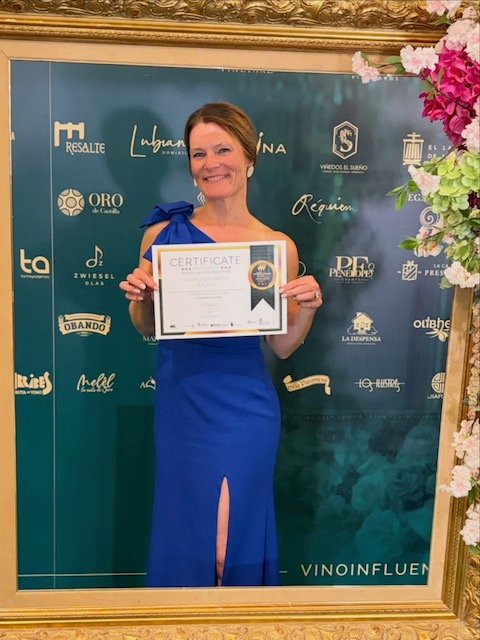
Not All Milestones Come With a Trophy I am still holding that feeling…. I did not see it coming. Being nominated was unexpected—and rewarding on so many levels. Winning was never the point. The nomination itself felt like a recognition of the hard work and the long hours: of completely pivoting my career from project management into wine as a brand strategist and communicator, while raising a young family at home, and starting from scratch in a region that is not known for wine. Early mornings writing. Late nights editing. Tastings that become conversations. Glasses that open into someone else’s land, family, and work. A passion that has never felt like a career so much as a calling I keep answering. What I will not forget is the room. Communicators from 34 countries. Castilla y León opening its vineyards and tables. That hush when a bottle is poured and, for a moment, everyone leans in together. Instant friendships. No pretense. Just the warmth of a global community that already speaks the same language. Thank you to everyone who has followed my journey as The Happy Vine, sat at a tasting, shared a post, or believed that wine education can be warm, sensory, and human. We would not be here without the winemakers. They are the soul of the bottle. Every piece of content, every pairing, every “can you taste the limestone?” begins with them. The Happy Vine has never been about the spotlight. It has always been about the people who grow, ferment, and bottle something that carries place and memory. A nomination is a beautiful pause.The work continues — the next vineyard walk, the next glass, the next story that deserves to be told with care. Grateful. Grounded. Still completely in love with this world. Kathleen Smith, DipWSET