
24 Hours In Madrid: Foodie’s Whirlwind Feast
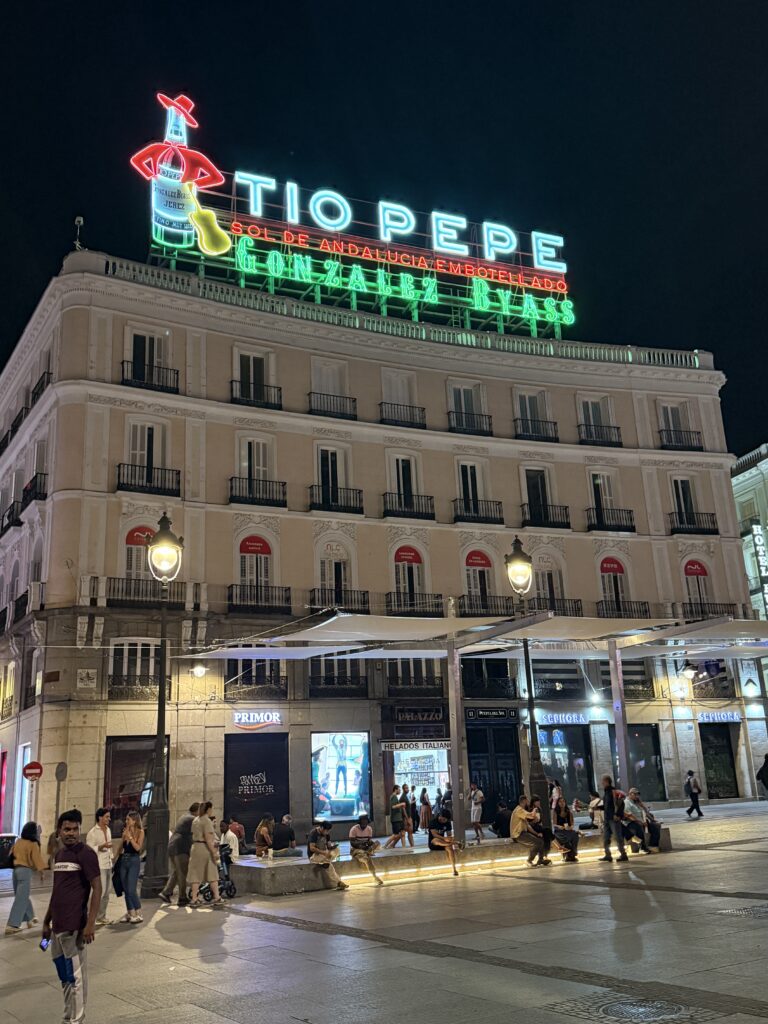
We’re embarking on the González Byass Press Trip, curated by The Tourism Lab—24 immersive hours in Madrid, priming our palates before diving into the sherry and brandy heritage of González Byass, Harvey’s, and Fundador. Touch down with just one day to savor the city’s vibrant soul through exceptional cuisine. This isn’t a typical tour—it’s our exhilarating gastronomic journey across seven standout destinations: the timeless Chocolatería San Ginés for churros, a lively stop at Plaza Mayor beneath the iconic Tío Pepe sign, tapas delights at Mercado de San Miguel, an elevated lunch at Élkar on the 33rd floor, classic cocktails at Viva Madrid, and a refreshing close at Kala Greek Frozen Yogurt, with optional evening views from on high. Perfectly positioned in the historic center and business district (near Puerta del Sol, Gran Vía, and Paseo de la Castellana), these spots connect seamlessly via walks, metros, or quick taxis for an energizing, flavor-filled 24 hours. Get ready, food enthusiasts—Madrid’s culinary heights are calling us! Morning Kickoff: Sweet Start at Chocolatería San Ginés (9 AM – 11 AM) Kick off your adventure (or wrap up a late night—it’s open almost round-the-clock!) at this beloved 1894 gem hidden in Pasadizo de San Ginés, steps from Puerta del Sol. Indulge in crisp churros (or hearty porras) dunked in rich, pudding-like hot chocolate—a true Madrid essential. With marble tables and tiled charm, it’s a favorite for locals and visitors alike. Pro tip: The classic combo costs under €5 and provides the perfect fuel. Stroll 5 minutes west to Plaza Mayor next. Late Morning Highlight: Plaza Mayor Magic (11 AM – 11:30 AM) Pause in Madrid’s historic core at Plaza Mayor, a 17th-century masterpiece of arcades, frescoes, and energy. Capture the glowing Tío Pepe neon sign (a sherry icon since 1935) alongside the King Philip III statue. Enjoy street performers and a quick café con leche from a terrace—it’s free, fabulous for photos, and appetite-building. Head north 15 minutes on foot (or by metro/taxi) for more. Mid-Morning Grazing: Mercado de San Miguel (11:45 AM – 12:45 PM) Step into the elegant iron-and-glass haven of Mercado de San Miguel, a 1916 landmark turned premier food hall. Explore 30+ stalls brimming with Spanish gems: paper-thin jamón ibérico, calamari, olives of every kind, fresh oysters, regional cheeses, paella nibbles, and vermouth pours. Keep it light with calamares bocata or croquetas (€15-25). Vibrant yet top-quality—stand and savor. Then, taxi 10 minutes north along Gran Vía to soar upward. Sky-High Lunch: Élkar Excellence (1 PM – 3:30 PM) Ascend to the 33rd floor of Torre Emperador Castellana (over 160m up—Spain’s highest restaurant!) for Élkar’s “Gastronomía de Altura.” Panoramic windows reveal stunning 360° vistas of the Sierra, Bernabéu, and cityscape. Chef Fran Vicente’s Mediterranean menu dazzles: Parmesan mousse with pesto, premium bellota ham, pistachio ajo blanco with tuna and Jerez pearls, sea bass with beurre blanc and caviar, Ibérico presa with demi-glace and kumquat, or the exquisite Tarta Ópera. Enhance with Fundador infusions or cellar wines. Choose the executive menu or à la carte; book ahead. Sophisticated and inspiring—taxi 15 minutes south afterward. Early Afternoon Aperitivo: Viva Madrid (4 PM – 7 PM) Dive into Barrio de las Letras at Viva Madrid, a 1856 tavern reborn with flair by mixologist Diego Cabrera. Vintage tiles meet ‘20s tango ambiance as jazz hums in the background. Sip gin classics or try the standout Honey Moon cocktail—Pisco 1615 blended with spiced liquor, elderflower, lemon juice, and a whisper of smoked orange tree honey that adds a delightful, aromatic sweetness. Pair with upscale tapas such as truffle croquetas or vermouth olives. It’s the ideal relaxed aperitivo spot to unwind. Evening Finale: Kala Greek Frozen Yogurt (7 PM Onward) End on a fresh note at Kala on Calle de las Huertas: authentic Greek yogurt in creamy pistachio or fruit bases, topped with compote, berries, or crunch. Probiotic and portion-packed—perfect for strolling or bench-sitting. For night owls: Revisit San Ginés or taxi to Élkar’s bar for starry views and cocktails. In just 24 hours, experience Madrid’s core: timeless treats, plaza charm, market buzz, elevated feasts with Fundador elegance, spirited tapas, and cool refreshment. Arrive eager, depart delighted—¡Buen provecho! These gems glow anytime in this vibrant city, day or night.
Marcelo’s Alba Gems: Brazil’s Aguardentes
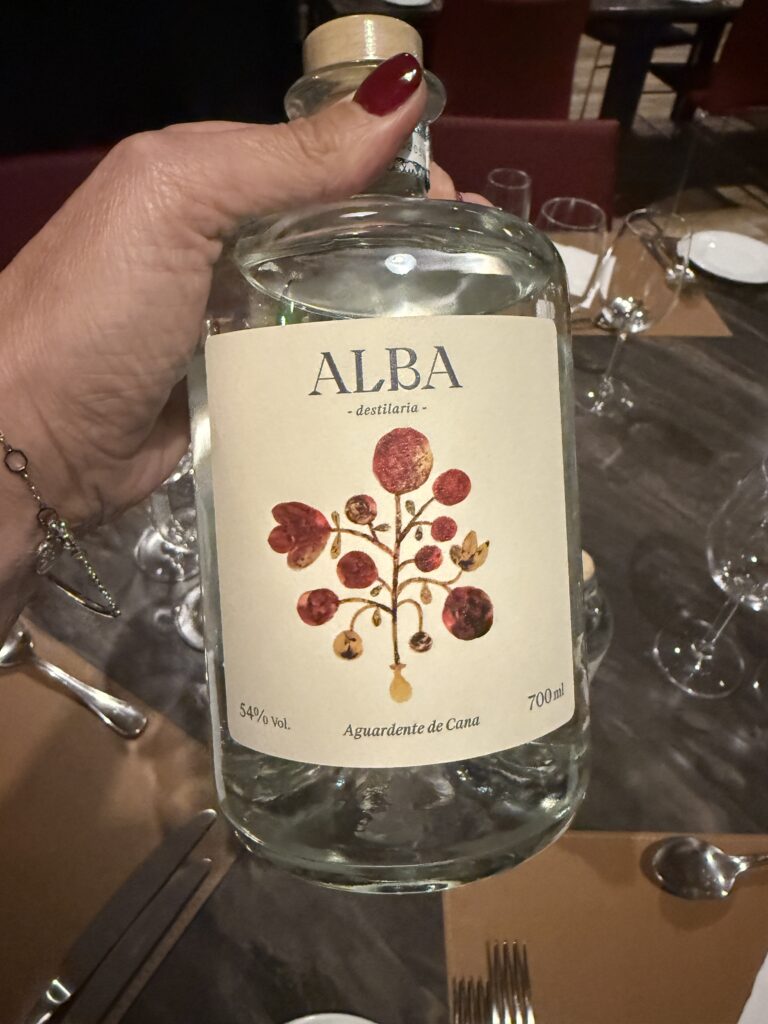
I’m thrilled to introduce our fellow judge, the incredible bartender and cachaça sommelier Marcelo Pereira! His infectious passion for Brazilian spirits and culture lights up the room, and today he’s treating us international judges to two absolute gems from Alba Distillaria. Let me share the magic he’s poured for us — and dive into the heart of aguardente, how it’s crafted, and the story behind this remarkable distillery. The Soul of Aguardente in Brazil In Brazil, aguardente de cana — better known as cachaça — is pure national pride in liquid form. Born in the 16th century with Portuguese distillation know-how, it’s the heartbeat of celebrations, the soul of the caipirinha, and a symbol of resilience and joy. From powering samba nights to once serving as currency in colonial times, cachaça is Brazil’s most beloved spirit, with over 40,000 producers and countless regional styles. It’s not just a drink — it’s heritage, rhythm, and rebellion in every sip. How Aguardente de Cana is Made It all starts with fresh, juicy sugarcane, crushed to release its sweet nectar. That juice ferments naturally (often with wild yeasts) for days, building bold, vibrant flavors. Then comes the artistry: double distillation in traditional copper pot stills using the bain-marie method — gentle heat that preserves purity and character. The result? A crystal-clear spirit between 38–54% ABV, either enjoyed young and fresh or aged in native Brazilian woods like amburana (think vanilla and spice) or jequitibá (subtle, honeyed warmth). Every bottle carries the land, the hands, and the heart of its maker. Alba Distillaria: A New Chapter in Brazilian Spirits Tucked into the wine-soaked hills of Serra Gaúcha in Monte Belo do Sul, Alba Destilaria was born in late 2021 from the bold vision of Pedro Paiva (a former psychologist) and Rosana Cavaleri. After two years of planning, they launched a micro-distillery dedicated to spontaneous fermentation, wild yeasts, and living ingredients only — no shortcuts, no additives. Using local grapes and sugarcane year-round, they craft high-ester, terroir-driven spirits in copper alembics, blending tradition with fearless innovation. Since their first 2022 harvest, Alba has been redefining Brazilian rum and eaux-de-vie, putting the untapped soul of Rio Grande do Sul on the world stage. Aguardente de Uva LorenaFrom the stunning Monte Belo do Sul/RS, this Eau de Vie is crafted from the rare Uva Lorena grape. Distilled in a copper alembic with the bain-marie method, it’s a refined 45% ABV with smooth, fruity elegance, delicate floral hints, and a crisp, lingering finish. Pure sophistication in a glass — like sipping sunlight from the vineyard. Aguardente de Cana VermelhaHailing from Presidente Lucena/RS, this powerhouse is made from Cana Vermelha, fermented for 30 days and distilled in copper. At a fiery 54% ABV, it delivers sweet cane freshness, deep earthy richness, and a crisp, joyful finish that explodes with personality. Brazil in a bottle — bold, alive, and unforgettable. Marcelo, your passion is contagious — and these spirits? They’re proof that Brazil’s liquid legacy is only getting brighter. Cheers to Alba, to tradition, and to the next revolution in every glass! Link to the Instagram Reel – Marcelo & Alba Spirits
Eternal Sips at Graham’s: A Cherished Port

Nestled on the south bank of the Douro River in Vila Nova de Gaia, just across from the vibrant city of Porto, Graham’s Lodge stands as a beacon of Portugal’s rich Port wine heritage. As part of the esteemed Symington Family Estates—one of the world’s leading Port producers—I recently had the privilege of touring this historic site. What unfolded was not just a visit to a winery, but an immersive dive into centuries of tradition, innovation, and the alchemy of aging wine. Guiding me through this captivating experience was our gracious host, Nuno R. Silva, whose passion and expertise brought the story of Graham’s to life. The Brand: Symington and Graham’s—A Legacy of Excellence Symington Family Estates is a powerhouse in the Port world, owning iconic houses like Graham’s, Dow’s, Warre’s, and Cockburn’s. Founded by the Symington family, who trace their roots back to the 19th century, the company is now in its fifth generation of family ownership. They are the largest vineyard owners in the Douro Valley, with over 1,000 hectares spread across 26 Lodges (estates), producing everything from vintage Ports to innovative blends. Graham’s, acquired by Symington in 1970, is celebrated for its opulent, fruit-forward Ports that embody romance and exuberance. As Nuno explained during our tour, Graham’s stands out for its colorful, approachable style—think sweeter, more vibrant expressions compared to the drier, more restrained profiles of sister brands like Dow’s. The brand’s motto, “Ne Oublie” (Never Forget), honors its Scottish founder, Andrew James Symington, who arrived in Porto in 1882. Today, Symington’s isn’t just about Port; it’s a multifaceted empire encompassing table wines from regions like Douro, Vinho Verde and Alentejo, plus a thriving wine tourism arm that includes three visitor centers, restaurants, and even a cocktail bar in Porto’s city center. What sets Symington apart is their commitment to sustainability—they were the first in the Port industry to achieve B Corp certification, emphasizing environmental, social, and financial responsibility. From sponsoring firefighters in the Douro to reducing water usage in their cellars, their ethos resonates with modern wine lovers who seek quality with a conscience. The History: From River Barrels to Global Icon Stepping into Graham’s Lodge feels like entering a living museum. The cellars, dating back to the 19th century, house an astonishing diversity of wines aging in casks and bottles—from 1882 vintages to the latest 2024 harvests. Nuno painted a vivid picture of Port’s history: born from the synergy between the rugged Douro Valley vineyards and Porto’s urban trade hubs, Port wine evolved as a fortified style to withstand long sea voyages to Britain, thanks to the world’s oldest alliance between Portugal and the UK (dating back 650 years).We wandered through rows of “small” casks (holding thousands of liters each) and massive pipes, where wines from over 140 years mingle in a symphony of blends. Nuno highlighted how the Douro’s schist soils—acting like solar panels to retain heat—contribute to the slow, concentrated maturation of grapes. He shared tales of the region’s challenges: climate change pushing vineyards to higher altitudes for freshness, and historical hurdles like phylloxera in the late 1800s that decimated vines but spurred innovation. A highlight was the “Very Old Tawny” section, where hidden gems like the 1882 Ne Oublie—a wine over 140 years old—evoke indestructibility. Nuno recounted how Andrew James Symington received barrels as his first payment upon arriving in Porto, some of which have survived wars, floods, and time itself. This isn’t just wine; it’s a generational handoff, with Symington producing Ports today that won’t peak until 2040 or beyond. We also touched on evolution: from foot-treading in lagares (traditional granite tanks) to modern robotic systems that mimic human pressure for precision. Blending, Nuno emphasized, is the true art—combining varieties, plots, and even years to create harmony. It’s alchemy, as he put it, blending patience, experience, and a touch of magic. The Tasting Experience: A Symphony of Flavors No visit to Graham’s is complete without tasting, and under Nuno’s expert guidance, we sampled a curated lineup that showcased the brand’s versatility and the Symington portfolio’s depth. Starting in the cool, dimly lit bottle maturation cellar—home to vintages from the 1860s—we moved to a private tasting room overlooking the river. Each Port told a story, with Nuno weaving in tales of harvests, vintages, and the Douro’s soul. Throughout the tour, Nuno R. Silva shone as the perfect ambassador. With over a decade in the industry—including stints in wine tourism and sales for Symington—Nuno’s enthusiasm is infectious. Hailing from Porto, he weaves personal anecdotes (like his father’s initial skepticism toward Port cocktails) with deep knowledge of viticulture, climate impacts, and blending artistry.What struck me most was Nuno’s ability to demystify the nuances of Port without diminishing its magic. Whether explaining single-Lodge vintages or sustainability initiatives, he made complex topics accessible and engaging. His pride in Graham’s—calling it “colorful and romantic”—mirrors his warm, approachable style. By the end, it felt like chatting with an old friend over exceptional wine. The day concluded with a memorable lunch at Vinum, Graham’s elegant restaurant perched with a stunning view of the Douro River and Porto’s skyline. We savored a grilled whole John Dory, its flaky flesh complemented by vibrant heirloom tomatoes and a trio of croquettes—crisp outside, creamy within. Paired with a 2022 Loureiro from Ameál, this crisp white wine revealed zesty lime, peach blossom, and a mineral edge, harmonizing beautifully with the seafood and enhancing the panoramic vista. The experience was sensory and emotional: the cool cellar air, the scent of aged oak, and wines that transported us through time. If you’re a wine enthusiast planning a trip to Porto, book a tour at Graham’s Lodge (part of Symington’s portfolio) and request Nuno as your guide. It’s not just a visit; it’s a portal to Portugal’s soulful wine world.
A Sip of Tradition: Visiting Velho Alambique Cachaçaria in Brazil
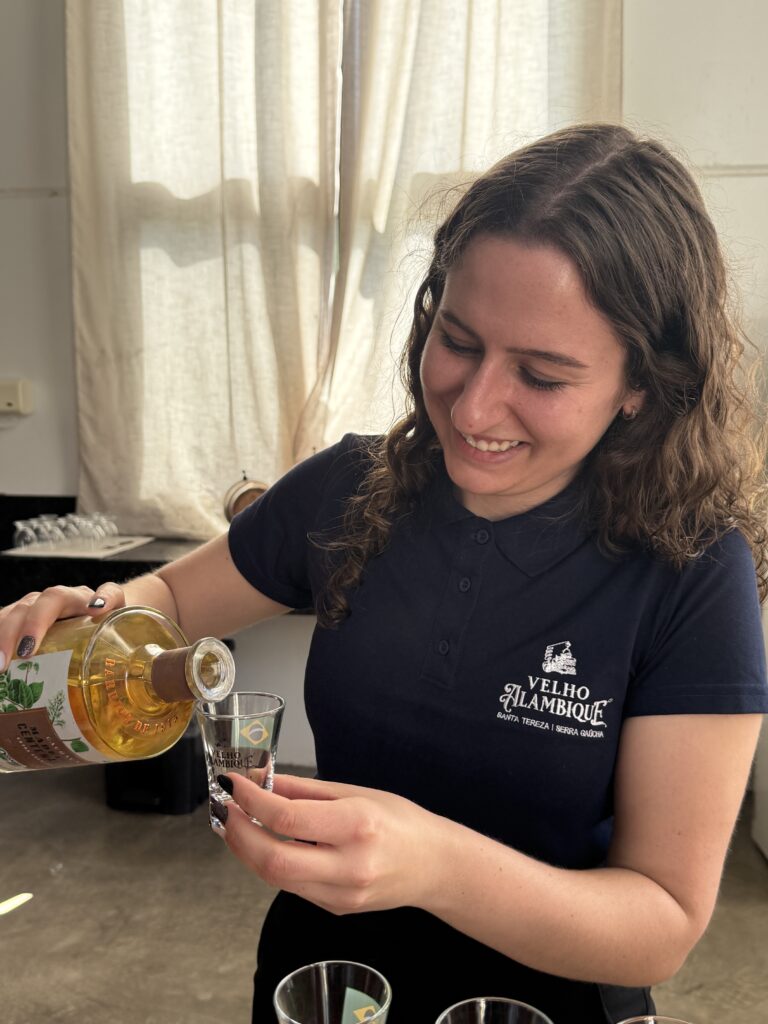
Welcome, wine lovers and spirit enthusiasts, to another adventure with The Happy Vine! Today, we’re stepping away from the vineyard and diving into the vibrant world of cachaça, Brazil’s beloved spirit, with a visit to the charming Velho Alambique Cachaçaria. Nestled in the heart of Brazil’s sugarcane country, this small, family-owned distillery is a treasure trove of tradition, passion, and some seriously sippable cachaça. So, grab a shot glass and let’s explore! Nestled in the rolling hills of Santa Tereza, Rio Grande do Sul, Velho Alambique is a family-run gem producing organic, artisanal cachaças from their own sugarcane fields. With a nod to tradition and a flair for wood-aged innovation, their lineup showcases the distillery’s mastery of blends and native Brazilian hardwoods. The distillery sits on a modest 10-12 hectares of sugarcane fields, a plot that’s been lovingly tended by the family for generations. The current owners, João and Maria, have passed down their passion to the next generation, their daughter Laura and son Gustavo, who are now steering the distillery into the future with pride and innovation. Velho Alambique churns out an impressive 40,000 liters of cachaça each year, all from a single harvest in June when the sugarcane is at its peak. That’s right—one harvest, one chance to capture the essence of the land in liquid form. The process is as much art as it is science, with every step infused with the family’s dedication to quality. From the moment the cane is cut to the final bottling, you can feel the care that João, Maria, Laura, and Gustavo pour into every drop. What makes Velho Alambique truly special is their experimentation with 35 types of wood for aging their cachaça. Yes, you read that right—35! They use exotic woods like balsam, each imparting its own unique character to the spirit. Laura shared that the level of toasting on the barrels plays a fascinating role in the final product: less toasted wood gives the cachaça a deeper, richer color, while more heavily toasted barrels result in a lighter hue but bolder, smokier flavors. It’s like a painter’s palette, with each barrel adding its own stroke of genius. According to Brazil’s cachaça regulations (set by the Ministry of Agriculture, Livestock and Supply), there’s no cap on the types of wood you can use to age this spirited gem. The only rule? Aging happens in “suitable wooden barrels” (think classic oak or vibrant Brazilian hardwoods) up to 700 liters, for at least one year to earn that coveted envelhecida (aged) cachaça title. But here’s the exciting part: the guidelines throw the doors wide open for creativity, letting distillers play with a dazzling array of native woods to craft bold, unique flavor profiles that make every sip a journey! As we toured the distillery, Laura explained the concept of the “angel’s share”—the 3-5% of cachaça that evaporates during aging, a little gift to the heavens (or maybe just the Brazilian humidity). It’s a reminder of the patience required to craft something extraordinary. The cachaça here is made with respect for tradition but also a playful curiosity, as Laura and Gustavo experiment with new woods and techniques to honor their parents’ legacy while keeping things fresh and exciting. We enjoyed churrasco—Brazilian barbecue—and sampled their range of cachaça, from unaged white varieties to those aged in various woods, revealing deep amber hues. I was genuinely impressed by the breadth of flavors and distinct spirit profiles.My personal favorite was the amburana-aged cachaça: exceptionally smooth, with warm, spicy notes reminiscent of cinnamon. Sipping their cachaça was, of course, the highlight. Each glass told a story—of the land, the family, and the craftsmanship of João, Maria, Laura, and Gustavo. Whether it was a smooth, golden cachaça aged in lightly toasted balsam or a crisp, unaged version bursting with fresh sugarcane notes, every taste was a celebration of Brazil’s spirit (pun intended). Velho Alambique proudly upholds the denominação de origem (DO) status, a mark of quality and authenticity for cachaça. Brazil currently recognizes seven DO regions for cachaça, each with its own distinct terroir and production methods, and Velho Alambique’s offerings shine as a testament to their region’s unique character. As I left Velho Alambique, the sun was setting over the sugarcane fields, casting a golden glow that felt like a nod to the liquid gold in their barrels. This little distillery is a testament to the beauty of small-scale, family-run operations—where João and Maria’s vision lives on through Laura and Gustavo’s passion, tradition, and innovation come together in every bottle. If you ever find yourself in Brazil, make the trek to Velho Alambique. And if you can’t, track down a bottle of their cachaça and let it transport you to those sun-drenched fields. Until our next adventure, keep sipping, exploring, and finding joy in every glass. Link to the Instagram Reel: Vamos! Velho Alambique
A Day in Buenos Aires: My Favorite Spots to Explore
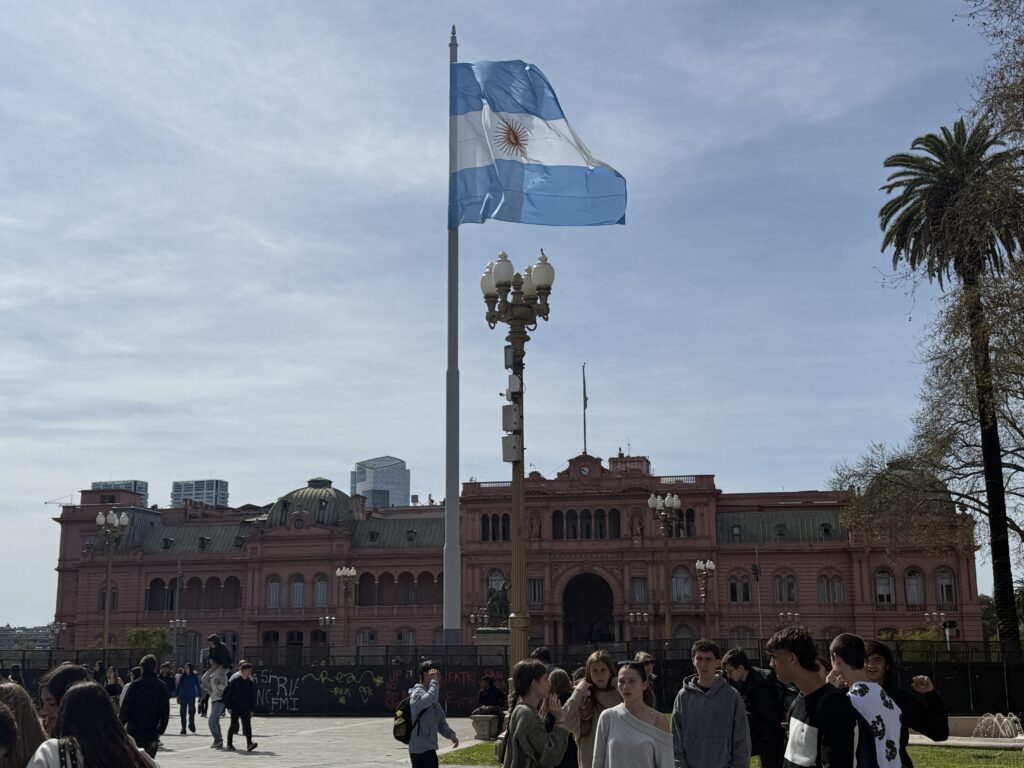
If you’ve got one day in Buenos Aires, Argentina’s vibrant capital (with its 23 provinces and Paris-inspired layout where streets fan out from a central point), here’s a personal guide to make it special. These are the places and experiences I’d share with a friend, packed with history, culture, and delicious bites. Let’s walk through it together! Wander Down Pedestrian Florida StreetStart your morning on Calle Florida, a lively pedestrian street buzzing with shops and street musicians. It’s where I love to soak in the city’s energy—maybe grab a coffee and watch the locals go by. It’s such a welcoming way to ease into BA’s rhythm. Visit Plaza de Mayo & Casa RosadaNext, head to Plaza de Mayo, the heart of Argentina’s history. The Casa Rosada, the iconic pink government house (some say the color came from mixing paint with cow’s blood back in the day!), is a must-see. Around the square, you’ll notice white scarves painted on the ground, honoring the Madres de Plaza de Mayo. These brave women, wearing white headscarves, protested the 1976 dictatorship’s atrocities—abducting and torturing activists, many inspired by Evita Perón, and dropping them into the Atlantic. It’s a heavy but moving piece of history. The Argentine flag’s blue and white (unlike the rival red ribbons) flies proudly here. Step Inside Buenos Aires CathedralJust off the plaza, the Buenos Aires Cathedral feels like a blend of Italian and Spanish elegance, built post-independence to move away from colonial Spanish style. Inside, you’ll find the mausoleum of General José de San Martín, who helped liberate Argentina, Chile, and Peru. It’s outside the church’s main perimeter since he was a Freemason, and it’s guarded by Grenadiers on horseback who change every two hours. The cathedral’s massive organ (the 2nd largest in South America) is another gem that always catches my eye. Stroll Through Mercado San TelmoMake your way to the historic Mercado San Telmo, opened in 1897. I love wandering its cobblestone paths, browsing antiques, and sipping mate. It’s the perfect spot to try local eats—grab a choripán (sausage sandwich), empanadas, fainá (chickpea flatbread), a chacarero (beef sandwich), or some calabrese pizza. Each bite feels like a little piece of Argentina’s soul. Get Lost in the Colorful Streets of La BocaTake a short trip to La Boca, a neighborhood bursting with vibrant energy and history. Walk down Caminito, where brightly painted houses (think bold blues, yellows, and reds!) create a living canvas. This area was home to Italian immigrants who built homes from shipyard scraps, painting them with whatever colors they could find. It’s also the birthplace of tango, with street performers dancing in the open air. Grab a snack at a local café and soak in the artistic vibe—don’t forget your camera for those iconic, colorful shots!We happen to be there when very well known Colombian DJs Feid & Icon spinning tunes in the main Square. What an incredible energy. Experience Tango’s MagicEnd your day with tango, born in the crowded immigrant tenements of places like La Boca (from “tambo,” meaning drum-playing) where families shared single rooms in tough conditions. Watching a street performance or stepping into a milonga always feels like connecting with BA’s heart. The passion in the dance is unforgettable. El Preferido We ended our time in BA at El Preferido de Palermo, Buenos Aires’ pink-hued bodegón icon since 1885. It was revived in 2019 by Don Julio’s Pablo Rivero into a nostalgic gem blending old-school charm with elevated Argentine soul food. We were greeted with mini empanadas while we waited for our table outside. Snag a spot and feast on epic homemade charcuterie, the city’s crunchiest milanesa napolitana, fresh pastas, vitel toné, and farm-fresh veggies—all paired with a vast array of wines and vermouth. Michelin-recommended and a local staple, be sure to book ahead for this flavorful blast of porteño magic. Buenos Aires has a way of feeling like home in just one day. If you go, let me know what you loved most! Link to the Instagram Reel – Buenos Aires
The Enchantment of Porto: A Traveler’s Guide to Timeless Charm, Epic Views, and Irresistible Flavors
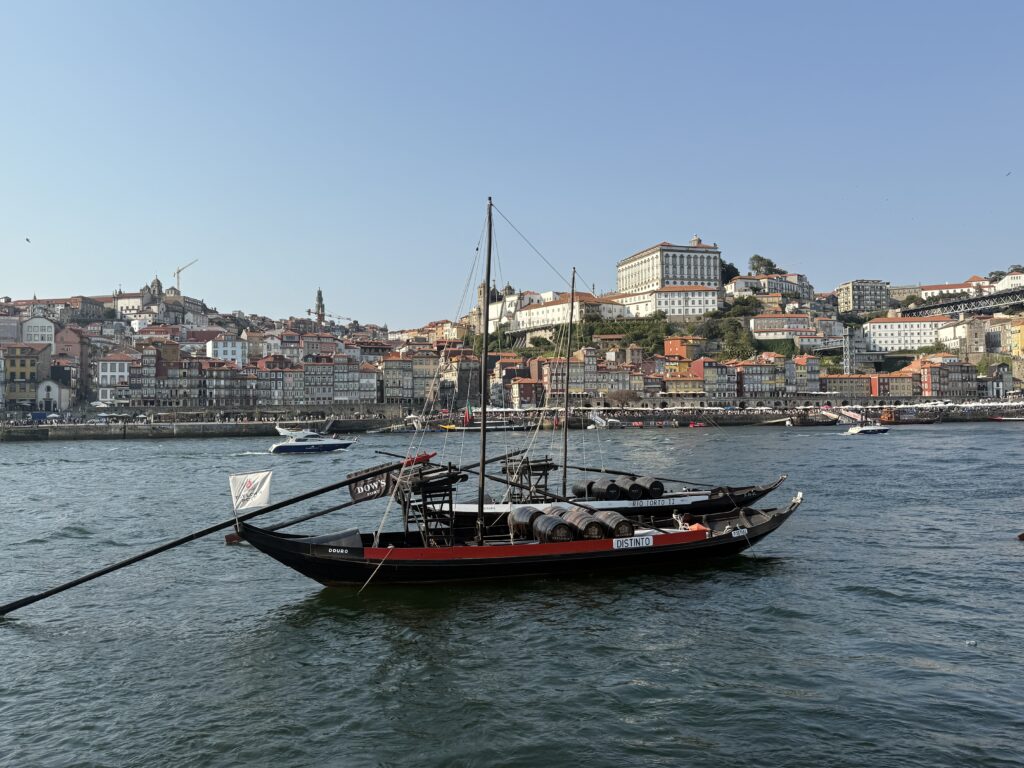
Ah, Porto—where the Douro River whispers secrets of ancient voyages, and every cobblestone street feels like a portal to a bygone era of explorers and dreamers. If you’re a wanderer with a penchant for history laced with magic, or a wine lover chasing that perfect sip under golden sunsets, Porto is calling your name. This northern Portuguese gem isn’t just a city; it’s a living tapestry of soul-stirring beauty, where affordability meets accessibility, and every corner invites you to linger a little longer. Let’s dive into why Porto captivates hearts, explore its must-visit spots, and savor the food and wine scene that will have you booking your next flight before you’ve even finished reading. Porto’s history stretches back over 2,000 years, beginning as a humble Roman settlement known as Portus Cale—the very name that evolved into “Portugal.” By the Middle Ages, it had blossomed into a bustling port city, fueling the Age of Discoveries with its shipyards and intrepid sailors. But it was in the 18th century that Porto truly found its liquid gold: Port wine. Born from the need to fortify wines for long sea journeys to Britain, this sweet elixir turned the Douro Valley into a UNESCO World Heritage site and cemented Porto as the epicenter of vinous innovation. Today, the city’s historic Ribeira district, also a UNESCO treasure, stands as a testament to its resilient spirit, having survived invasions, earthquakes, and revolutions. What makes Porto so special, magical, and utterly charming? It’s the alchemy of elements that blend seamlessly: the dramatic location perched on hilly banks overlooking the Douro, where misty mornings give way to vibrant afternoons. The vibe is effortlessly cool—relaxed yet alive with energy, like a perpetual festival where locals flash warm smiles and share stories over coffee. Hospitality here is legendary; Portuguese friendliness isn’t performative—it’s genuine, making you feel like family from the first “obrigado.” And the food and wine culture? Divine. From fresh Atlantic seafood grilled to perfection to the world’s finest Ports aged in riverside cellars, it’s a feast for the senses. Best of all, Porto is incredibly walkable—most attractions are a leisurely stroll apart—and affordable, with meals, wines, and stays that won’t break the bank compared to Lisbon or other European hotspots. It’s the kind of place where magic happens on a budget, leaving you enchanted and eager for more. Porto rewards the curious explorer with a mix of iconic landmarks, hidden gems, and neighborhoods pulsing with life. Lace up your comfiest shoes—the city’s hills are part of the charm—and let’s hit the highlights. Everything’s within easy reach on foot, making it a dream for spontaneous adventures. Start with the beating heart of old Porto: Cais da Ribeira. This waterfront promenade is where the city’s social soul shines brightest. Picture colorful, centuries-old buildings stacked like a rainbow along the Douro, buzzing with cafés, street performers strumming fado tunes, and vendors hawking local crafts. It’s pure magic at golden hour or sunset, when the light dances on the water and casts a spell over everything. Pro tip for wine lovers: Grab a glass of crisp Vinho Verde at a riverside spot and watch the world go by. From here, cross the iconic Dom Luís I Bridge—a 19th-century engineering marvel by a disciple of Gustave Eiffel—for panoramic views that will steal your breath. Stroll to the upper deck for a bird’s-eye vista of the river, or venture to the lower level to connect with Vila Nova de Gaia on the opposite bank. Just across the bridge, ascend to Jardim do Morro, a lush hilltop garden offering postcard-perfect panoramas of Porto’s skyline, the river, and those famous bridges. It’s a serene spot for picnics or sunset toasts—pack a bottle of local wine and let the views work their wonders. For a dose of architectural awe, admire the tiled facade of the Chapel of Souls (Capela das Almas). Covered in over 15,000 blue-and-white azulejos depicting religious scenes, this 18th-century gem is a stunning example of Portugal’s tile artistry. It’s not just pretty—it’s a cultural icon that tells stories of faith and history, right in the bustling Aliados area. Venture into Porto’s creative underbelly with a stroll through Rua de Miguel Bombarda, the city’s artsy, indie district. Here, design shops, hip cafés, small galleries, and creative locals converge in a bohemian haven. On weekends, the Bombarda block comes alive with art openings and pop-ups that feel distinctly local and electric—perfect for snagging unique souvenirs or chatting with emerging artists over espresso. Continue the pedestrian bliss on Rua das Flores, a stylish street brimming with shops, art galleries, boutiques, and street musicians. It’s where city life thrives: locals and tourists mingle effortlessly over espresso or an Aperol spritz, especially in the evening over a glass of wine at an outdoor table. The energy is infectious, blending old-world charm with modern flair. Don’t miss Livraria Lello, one of the world’s most beautiful bookstores and a true city icon. With its neo-Gothic staircase, stained-glass ceiling, and shelves groaning under literary treasures, it’s a bibliophile’s paradise (and rumored inspiration for Harry Potter’s Hogwarts). The surrounding area, like Rua das Carmelitas, buzzes with students from the nearby University of Porto, cafés spilling onto sidewalks, and prime people-watching opportunities. Ascend to the Porto Cathedral (Sé do Porto), a Romanesque fortress-church dating back to the 12th century. Perched on a hill, it offers sweeping views and a peek into Porto’s medieval roots, with Gothic cloisters and Baroque azulejos adding layers of enchantment. Walk along the Douro River in Vila Nova de Gaia is best known for its historic port wine cellars along the south bank, which form the heart of the city’s identity and economy. The riverfront serves as a vibrant tourism hub, lined with restaurants, bars, and shops, and is renowned for the iconic Dom Luís I Bridge, offering breathtaking views of neighboring Porto. For a modern twist on culture, head to WOW Porto – The Cultural District in Vila Nova de Gaia. This innovative hub transforms old wine cellars into