
A Montefalco 2026: The Quiet Poetry of Place
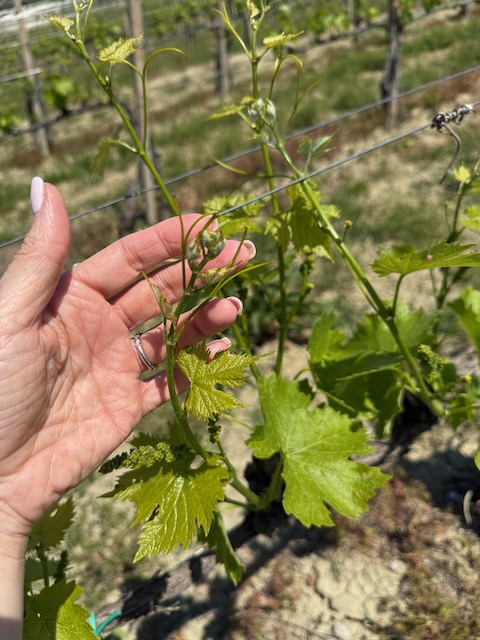
Montefalco arrives like a promise: a ribbon of sun-drenched hills stitched with olive groves and vines, where the light turns grape skins to jewels and the afternoon hush feels like the land exhaling centuries of stories. Three immersive days threading through the gentle slopes between Montefalco, Gualdo Cattaneo, Giano dell’Umbria, Castel Ritaldi, and beyond revealed the region’s living heartbeat — Sagrantino’s powerful, age-worthy structure rooted in thick-skinned intensity and polyphenolic richness; the crystalline, vertical lift of Trebbiano Spoletino with its uncommon acidity and aromatic freshness; and a hospitality that turns every tasting into shared conversation. Here, place and patience continue to ferment wine into memory. Day 1: Hilltops, Family Stories, and First Impressions The journey opened in the Gualdo Cattaneo area with Cesarini-Sartori — gritty, tenacious, rooted — an intimate, family-minded estate led by sisters Chiara and Alice Cesarini Sartori. Their wines speak eloquently of hill soils and old-vine heritage, delivering Sagrantino-driven structure layered with a clear sense of place and energetic Montefalco Rosso blends that balance deep tannins with vibrant freshness — a refined introduction to the territory’s duality of power and approachability. Terre de la Custodia — commanding, earthy, relentless — part of the historic Farchioni family (with Giampaolo Farchioni and winemaker Marco Minciarelli at the helm), followed with a vineyard-forward philosophy deeply rooted in local varieties and the area’s clay-calcareous terroir. Their well-shaped Sagrantino and Montefalco Rosso impressed with earthy aromatics, savory finishes, and harmonious structure — wines that exemplify how the rolling hills translate into glass with both generosity and precision. In Giano dell’Umbria, Moretti Omero — nimble, salty, defiant — a small-scale family operation, offered meticulous attention to detail where traditional viticulture meets thoughtful modern cellar choices. Their approachable Trebbiano Spoletino shone with freshness and salt-sapidity, while the nimble reds highlighted drinkability and pairing versatility — honest expressions that feel intimately tied to the land. Terre di San Felice — warm-edged, familial, fierce — in the Castel Ritaldi/Montefalco area (Società Agricola San Felice) wrapped the day with warm hospitality and wines that favor drinkability without sacrificing pedigree. Lively Montefalco Bianco and Grechetto examples danced alongside Montefalco Rosso featuring ripe fruit and soft tannic edges — terroir-driven voices that felt familial and inviting. The evening dinner at Tenuta di Saragano provided a convivial close: regional Umbrian cooking paired seamlessly with structured Sagrantino and local wines, underscoring how Montefalco’s earthiness and cuisine make every bottle sing. Day 2: Consorzio Wisdom, Village Cellars, and Shared Craft A highlight was the Consorzio Tutela Vini Montefalco visit and masterclass “Montefalco Today” led by Cristina Mercuri MW at Chiostro S. Agostino. She crystallized the region’s story: a compact production area with ancient vines, mandatory aging for Sagrantino DOCG (37 months total, including wood and bottle), and the distinctive characters of its grapes. Sagrantino’s world-class polyphenols and tenacity meet Trebbiano Spoletino’s vertical acidity and aromatic precursors, all shaped by varied microclimates across calcareous-clay soils and four pedologic subzones. The “A Montefalco” ethos — Assertive, Authentic, Ageable — came alive through vintage insights and terroir maps. Le Cimate — precise, mineral-sharp, unyielding — impressed with terroir-focused parcel work and elegant cellar decisions under the estate’s dedicated team. Their refined Sagrantino and well-structured Montefalco Rosso emphasized length, minerality, and balanced oak — poised expressions of the central hills. Romanelli — concentrated, savage, persistent — at San Clemente (with Devis Romanelli involved in the family legacy) brought an old-vine sensibility and strong sense of place. Concentrated red fruit, savory herbs, and persistent tannins defined their Sagrantino — wines that reward slow sipping and reveal layers with time. Ninni — citrus-blade, vertical, audacious — grounded us in Spoleto DOC tradition with expressive Trebbiano Spoletino showcasing the grape’s signature citrus-mineral profile and impressive aging potential, alongside friendly, food-ready whites made in a living way that highlight its versatility and daring nature at Ninni. The Consorzio soirée — a “Visita mestieri” with light dinner — celebrated craft and conviviality. Winemakers, members, and artisans gathered over small plates matched to local whites and vibrant reds, reminding us that Montefalco’s terroir is as much cultural as geological. Day 3: Comparative Tastings and Enduring Classics A focused morning in the central Sala Degustazione allowed side-by-side comparisons, sharpening impressions across producers. Valdangius — saline-striking, bright, rebellious — stood out as a newer voice with clear vineyard intentions. Fresh Montefalco Bianco and Grechetto offered bright aromatics and a saline thread — lively whites that bring energy to the lineup. Scacciadiavoli — historic fury, potent, timeless — the Pambuffetti family flagship (founded 1884) delivered classic Sagrantino depth and Montefalco Rosso blending elegance with potency. These are wines that demonstrate the DOCG’s serious aging ambition and the estate’s living museum of tradition. Goretti — Fattoria Le Mura Saracene — tactile-intense, cinematic, savory-rebel — in the Pietrauta area (led by the Goretti family, including Sara and Giuli Goretti) conveyed a powerful sense of place through old-vine sites. Cinematic Trebbiano Spoletino and expressive Sangiovese-led blends featured tactile minerality and savory finishes that lingered beautifully. The trip culminated in an evening soirée at Tenute Lunelli — Carapace, a polished setting for wide-ranging comparisons and producer conversations. From bright Spoletino and Grechetto whites to powerful Sagrantino bottlings, the diversity shone — philosophies ranging from restraint to robust extraction, all united by profound respect for terroir and the land’s potential. Why Montefalco Matters Sagrantino remains the backbone — thick-skinned, polyphenolic powerhouse built for longevity, with a fascinating falcon-derived history and unique tannin profile that offers tenacity, finesse, and evolution. Yet the region’s beauty is its mosaic: Trebbiano Spoletino’s vertical freshness and aromatic complexity; Grechetto’s structure; Sangiovese-driven Montefalco Rosso for approachable elegance. Across compact hills (220–472m altitude) with clay-calcareous soils, pebble veins, and varied exposures, microclimates craft remarkable diversity. The Consorzio’s sustainable vision — organic growth, biodiversity, and green practices — alongside the “A Montefalco” manifesto, ensures this green heart of Italy stays authentic and forward-looking. 2021 Vintage Snapshot: The Montefalco Sagrantino DOCG earned a strong 4-star Excellent rating (94/100). A harsh winter and spring frost gave way to a
Casale del Giglio-Ancient Grapes & the Wines That Rewrote a Region
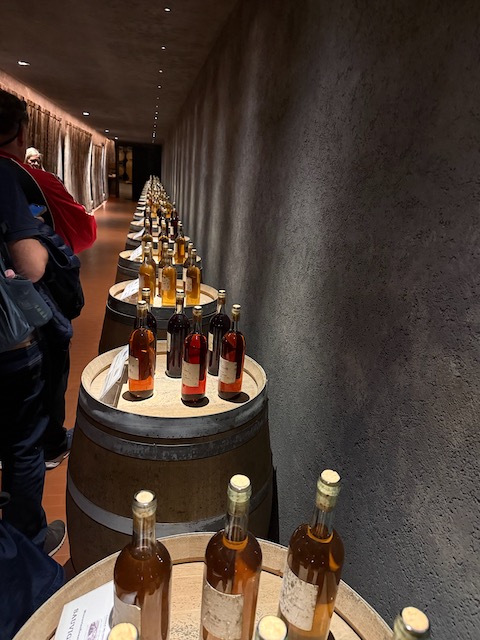
After days immersed in the volcanic soul of Campania, the road shifted north toward Lazio. And suddenly, the story changed again. The landscape softened. The air carried more Mediterranean warmth. The wines became broader, saltier, sunlit in a different way. But what I did not expect was just how revolutionary Casale del Giglio would feel. Because this is not simply a winery. It is one of the estates that fundamentally changed the conversation around modern Lazio wine. Lazio Beyond Rome For decades, Lazio lived quietly in the shadow of Italy’s more celebrated wine regions. People thought of Rome. Not fine wine. Yet south of the city, in the Agro Pontino near Latina, the Santarelli family saw something entirely different: untouched potential. When Antonio Santarelli’s father began seriously exploring the territory, the region had very little established viticultural identity compared to the rest of Italy. Rather than following tradition blindly, the family approached the land almost like a scientific experiment — studying which grape varieties truly belonged in this warm coastal microclimate, 65 to be exact. Dozens of varieties were planted and observed over years of trial, adjustment and experimentation. It was not about copying Tuscany or Piedmont. It was about discovering what Lazio itself could become. That philosophy still defines Casale del Giglio today. And honestly, tasting through the wines felt like watching a region slowly uncover its own identity. The Wines of Agro Pontino: Sunlight & Salinity Our tasting opened with Elaine and Linda as our guides through a carefully selected lineup. The Agro Pontino differs dramatically from Campania. Here, the Mediterranean defines everything. Sea breezes preserve freshness. Sandy and calcareous soils create salinity. Warm days ripen the fruit generously without sacrificing acidity. The wines feel expansive yet lifted. There is brightness. Texture. Maritime energy. The Satrico 2025 — blending Chardonnay, Sauvignon Blanc and Trebbiano — carried aromatic ripeness balanced by mineral freshness. Ripe fruit without heaviness. Polished yet energetic. Then came the Viognier 2025. And this was not the oily, overblown Viognier many people expect. Instead: maritime salinity, freshness, yellow fruit ripeness, but remarkably restrained. The Petit Manseng 2025 followed with herbal lift and freshness, showing how naturally certain international varieties have adapted to this coastal environment. But then the tasting shifted toward Lazio’s indigenous soul. And this is where Casale del Giglio became truly fascinating. Bellone: The Ancient Grape of the Sea Bellone may be one of Italy’s most underrated white grapes. The Romans once referred to it as Uva Pantastica — a grape deeply connected to Lazio’s ancient agricultural history. At Casale del Giglio, Bellone becomes something entirely profound. The Anthium Bellone 2025 comes from old ungrafted vines planted in sandy soils near the Mediterranean coast, where constant sea breezes shape the grape’s naturally saline character. And you could feel the sea immediately. Green citrus. White florals. Delicate tropical fruit. Grapefruit tension. High acidity despite the warmth. At 14% alcohol, it somehow remained completely balanced and alive. Antonio explained that Bellone truly thrives when grown close to the coast. Honestly, after tasting it, I understood exactly what he meant. Then came Radix Bellone 2020. And suddenly Bellone transformed entirely. Creamy texture. Ripe yellow fruit. Mineral breadth. Almost Chardonnay-like complexity. Yet underneath it all remained unmistakable Lazio salinity. The wine spends years evolving through old wood and amphora before release, gaining remarkable texture and depth without losing freshness. The name Radix means “roots.” And that felt appropriate. Because this wine seemed connected not just to terroir, but to history itself. The Island Wines of Ponza Then came one of the day’s biggest surprises: Faro della Guardia Biancolella 2025. The grapes are grown on the island of Ponza, where steep vineyards cling dramatically to cliffs overlooking the Tyrrhenian Sea. And the wine tasted exactly like that landscape. Salty. Wind-swept. Raw. Yellow fruit and white flowers carried by smoky herbal minerality and intense maritime freshness. One sip felt like standing on a cliff above the Mediterranean. Cesanese: Lazio’s Quiet Red Soul Then the tasting turned toward red wines. And once again, Lazio revealed another personality entirely. Cesanese does not behave like Aglianico. Or Sangiovese. Or Nebbiolo. It feels softer. Earthier. More herbal. The Matidia Cesanese 2024 — sourced from volcanic limestone vineyards in the hills outside Rome — unfolded through graphite, dried herbs and savory earthiness wrapped around soft yet present tannins. There was restraint here. Subtlety. A wine whispering rather than shouting. Part of the grapes are lightly dried before fermentation, while aging in cherrywood tonneaux adds another layer of texture and spice. And honestly, it felt uniquely Lazio. The Bordeaux Varieties That Found a Home Casale del Giglio also proved something few expected decades ago: That Bordeaux varieties could thrive in Lazio. The 2019 Madreselva — named after the wild honeysuckle growing throughout the Agro Pontino countryside — blended Merlot, Cabernet Sauvignon and Petit Verdot into something vibrant and savory rather than heavy. Ripe red berries. Crushed herbs. Lifted spice. But the flagship Mater Matuta 2019 was another level entirely. Mainly Syrah with Petit Verdot, the wine unfolded through dark berry fruit, coffee, menthol, anise and deep spice carried by remarkable structure and freshness. Powerful, yes. But polished. The wine takes its name from an ancient Italic fertility goddess once worshipped in the area surrounding the estate — another reminder of how deeply history runs through this land. And somehow the wine felt worthy of that mythology. Lunch at the Villa Then came lunch. And once again, Italy reminded me that wine is never meant to stand alone. Inside the historic villa, mezze maniche alla gricia arrived alongside Anthium Bellone, followed by spaghetti all’Amatriciana and local pecorino cheeses. Simple dishes. Perfect pairings. Long conversation. And that is when the wines opened even further. The salinity sharpened. The textures broadened. Everything became more complete. Because wines like these are not built for isolated tasting notes. They are built for tables. For stories. For connection. Why Casale del Giglio Matters What stayed with me most after leaving Casale
Campania Stories: Giorno 2 Rustic Soul, Mountain Power & the Wines of Sannio
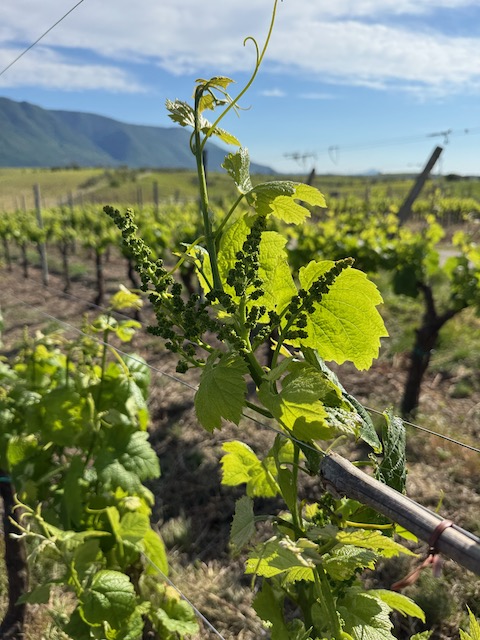
Giorno 2 — Benevento: Sannio & Aglianico del Taburno Terre Stregate • Fontevecchia By Day 2, Campania had already begun to reveal its rhythm. Not polished. Not predictable. But deeply alive. The morning began with Campania Stories tastings focused on sparkling wines and whites — glasses filled with Falanghina, Fiano and Greco carrying the tension of volcanic soils and mountain air. Yet as we moved deeper into Benevento and the hills surrounding Taburno, the mood shifted once again. Rustic charm replaced coastal energy. The wines became earthier. More grounded. More quietly powerful. This was Sannio. A vast inland area surrounding Benevento that has quietly become one of southern Italy’s most important wine-producing zones. Unlike the dramatic volcanic landscapes of Campi Flegrei or the elevated mountain tension of Irpinia, Sannio feels warmer, softer and more agricultural — rolling hills, olive groves, grain fields and vineyards woven together across the countryside. And the wines reflect that generosity. Falanghina from Sannio tends to be rounder and more approachable than the sharper, saline expressions from Campi Flegrei. The fruit becomes riper, the texture broader, while still maintaining freshness thanks to altitude and limestone-rich soils. Then there is Taburno. Centered around Mount Taburno itself, Aglianico del Taburno carries a different personality from Taurasi. While Taurasi often leans toward darker structure, tension and austere longevity, Taburno tends to show more immediate savory charm — earthy spice, softer tannins and a slightly more approachable elegance in youth while still retaining the ability to age beautifully. This was Sannio. A place where Falanghina feels less polished and more rooted. Where Aglianico trades sheer force for savory depth and drinkability. Where food, wine and history still feel inseparable from everyday life. Terre Stregate: The Land of Witches The name alone tells you this is not an ordinary place. Terre Stregate — “Land of the Witches” — sits at roughly 400 metres above sea level in the Benevento valley, surrounded by calcareous stone soils touched by volcanic influence drifting inland from Vesuvius. The symbol of the estate — moon, sun and eye — represents protection, an echo of the folklore and ancient legends woven throughout this part of Campania. Benevento has long been associated with stories of witches gathering beneath walnut trees, casting spells carried by the wind through the valley. And honestly, standing there among the vines, it does feel slightly enchanted. The estate is led by Filomena Iacobucci and her brother, fifth-generation custodians of a family deeply rooted in Sannio agriculture. Today they farm roughly 25 hectares of vines alongside four hectares of olive groves, using the olive leaves themselves as mulch to nourish the vineyard soils naturally. Everything here feels connected to the land. Filomena explained that Falanghina remains the beating heart of the estate, accounting for roughly 65% of production. Their goal is not simply to make Falanghina, but to tell the story of where Falanghina was born — through multiple styles and expressions. And the tasting revealed exactly that. The Caledonio Brut Falanghina DOC opened the morning with freshness and roundness, carrying vibrant citrus and soft orchard fruit wrapped in delicate mousse. Then came the Genius Loci Fiano Sannio DOP 2025 — fresh peach, light on its feet, yet quietly full of character and salinity. The Aurora Greco 2025 followed with round stone fruit and softness, its label inspired by the estate’s new cellar building rising from the hills. But the wines became increasingly compelling as depth and texture entered the conversation. The Svelato Falanghina del Sannio DOP, aged six months on lees, carried savory breadth and mineral tension, while the Caracara 2020 Late Harvest unfolded through caramel, stone fruit compote, lemon curd and toasted nuts. Rich. Layered. Yet still alive with freshness. The rosé, Attimo 2025, brought the mood back toward brightness — cherry, violet, raspberry leaf and mineral lift wrapped into something playful yet beautifully balanced. Then came Aglianico. The Idillio 2025 IGP Benevento carried bright cherry, tea leaf, earth and violets with soft tannins and spice, while the Manent 2023 — vinified partly in barrel and partly in stainless steel — balanced fresh cherry fruit with earthy structure, dark chocolate and fine acidity. Filomena explained the meaning behind the name: “Everything written stays forever.” And that sentiment lingered long after the glass was empty. The Arcano 2020 Riserva — “deep secret” — moved further into savory territory with leather, dried violets, clove and earthy spice wrapped around remarkably fine tannins. Then came Costa del Duca Late Harvest 2018, full of juicy cherry, leather and earthy depth, before the tasting closed with the Malaca Passito. Dried stone fruit. Toffee. Caramel. Christmas spice. A wine built for slow endings and long conversations. At Terre Stregate, wine feels inseparable from story. From folklore. From family. From land. And perhaps that is what made the visit so memorable. Nothing felt manufactured. Only deeply, proudly Campanian. Fontevecchia: Quiet Confidence Beneath Mount Taburno As evening approached, we continued deeper into Taburno toward Fontevecchia. If Terre Stregate felt folkloric and expressive, Fontevecchia carried a quieter kind of confidence. Rustic stone walls. Old cellars. A sense of time moving slowly. The estate, now over 150 years old, welcomed us with warmth from Libero, Lucio and the next generation already quietly stepping into the story. Here, the philosophy is simple: Pay attention to the soil, not the winemaking. And everything at Fontevecchia revolves around Mount Taburno itself. The vineyards surrounding the mountain produce Falanghina del Sannio and Aglianico del Taburno shaped by varied soils — clay and limestone, volcanic zones and tufaceous pockets — now carefully separated under oenologist Emiliano Falsini, who joined the estate in 2020. The wines are divided according to soil type: C for clay and limestone. F for tuff. B for volcanic soils. Precision without losing identity. Lucio explained how the Aglianico clones in Taburno naturally differ from Taurasi, producing smaller, less compact bunches better suited to the warmer conditions. Macerations are handled more gently here — more infusion than extraction — creating wines of elegance
Campania Stories: Initial Sips — Campi Flegrei & Irpinia
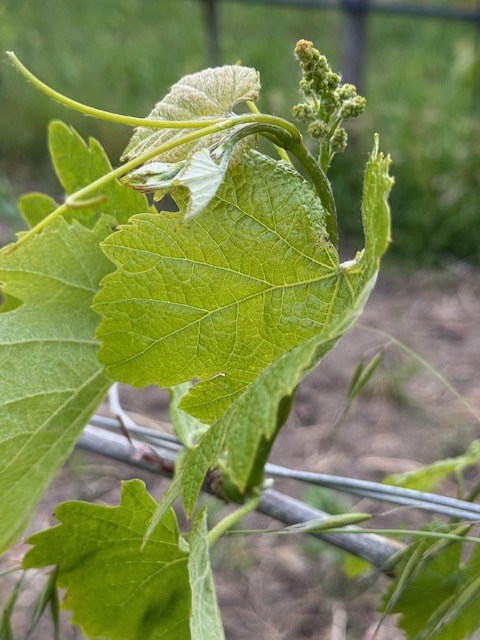
Campania Stories: Volcanic Soul, Mountain Tension & the Wines That Refuse to Be Forgotten Giorno 0 to 1— Campi Flegrei & Irpinia Salvatore Martusciello • Tenuta Cavalier Pepe • Donnachiara Campania does not ease you in gently. It grabs hold of your senses immediately — volcanic smoke in the air, salty Mediterranean breezes, mountain tension in the wines and conversations that stretch long past the final glass. This is not a region of quiet wines. Or quiet people. Campania Stories began the moment the plane touched down in Naples, where Salvatore and Gilda welcomed us not with formality, but with the warmth that instantly turns travel into something personal. Within moments, we were standing at the Solfatara crater in Campi Flegrei, surrounded by black volcanic earth and steam rising from the ground beneath our feet. And suddenly, everything made sense. This is where the wines begin. Not in the cellar. Not in the glass. But in the tension between volcano and sea. Salvatore Martusciello: Wines With Salt in Their Veins At the Salvatore Martusciello winery in Pozzuoli, the family’s role in shaping Campi Flegrei became immediately clear. Salvatore’s father helped establish the DOC in the 1990s, while his uncle Genaro identified Falanghina clones and created what remains one of the region’s defining viticultural references. The vineyards themselves feel wild and alive — ancient Alberata pergolas climbing skyward, wild chamomile lining the rows and some vines still untouched by phylloxera. And you can taste that energy in every glass. The wines moved between electric freshness and volcanic depth: Asprinio bursting with citrus and razor acidity; Falanghina layered with crushed stone, salinity and smoky aged complexity; Piedirosso vibrant with red fruit and coastal freshness. Then came OttoUvo Frizzante Gragnano — fizzy, joyful and unapologetically Neapolitan. “The most beloved iconic wine of the Neapolitan people,” Salvatore called it with a smile. At one point, I asked him what his favorite vintage was. “The next one.” That answer captured the spirit of Campania perfectly. No chasing trends. No imitation. Just wines deeply rooted in place and identity. Dinner among the tanks with Gilda’s homemade timbalo di Nerano, the buffalo mozzarella alongside the estate’s rustic cuisine, grounding the wines even further into place and tradition, the warm sfogliatella transformed the tasting into something even more personal. The wines opened further around the table, revealing Campania not simply as a wine region, but as a way of living. Into the Mountains: Tenuta Cavalier Pepe The following morning, the landscape shifted dramatically as we climbed into Irpinia. More altitude. More silence. More tension. Tenuta Cavalier Pepe unfolded across steep hillsides where cool nights preserve freshness and precision in every grape. Walking the vineyards with Milena Pepe, it became clear that everything here is built around stewardship — hand harvesting, massale selection and allowing the land itself to shape the wines. Milena structured the tasting vertically, revealing how beautifully Irpinia’s wines evolve with time. The Fiano di Avellino wines moved from fresh acacia and citrus into layers of roasted nuts, petrol, honey and salted depth with age. The older vintages carried remarkable energy and proved exactly why Fiano deserves to stand among Italy’s greatest white wines. The Greco di Tufo Riserva wines showed a sharper, more volcanic personality — smoky, savory and intensely mineral. Then came Taurasi. Young vintages carried vivid cherry and chalky tannins, while older bottles unfolded into leather, dried herbs, licorice and savory complexity. The 2011 La Loggia di Cavaliere Taurasi Riserva lingered long after the final sip — dried cherry, violets, leather and fine tannins stretched endlessly across the palate. Hauntingly beautiful. Throughout the tasting, one thing remained constant: Minerality and sapidity slicing through the wines, making you crave food immediately. These are wines built for long lunches, slow conversations and crowded tables. Turn the Page: Donnachiara Irpinia has a way of slowing you down. After the volcanic intensity of Campi Flegrei, arriving at Donnachiara in Montefalcione felt quieter, more introspective somehow. Perched at 400 metres above sea level, surrounded by chunky clay and fractured rock soils, Donnachiara has become one of the defining modern voices of Irpinia through organic farming, native varieties and wines rooted deeply in place. Named after Ilaria Petitto’s great-grandmother, the winery feels deeply personal from the moment you arrive. Ilaria describes her wines simply: “Elegant. Not banal. Wines that need time to show themselves.” That philosophy is everywhere here. Nothing is loud. Nothing is rushed. The wines unfold slowly and confidently, much like Irpinia itself. Alongside winemaker Marco Giulioli, Donnachiara vinifies entirely in stainless steel, allowing the purity of the terroir to remain untouched. The Fiano wines were mesmerizing — moving from fresh pear and white florals in youth into chamomile, honey, petrol, dried herbs and smoky complexity with age. The older Esoterica vintages carried extraordinary tension and depth, proving just how beautifully Fiano can evolve over time. The Greco wines leaned more volcanic and structured, layering smoke, spice, dried herbs and electric acidity into wines that demanded attention rather than easy charm. Then came Taurasi — elegant rather than overpowering, focused on finesse and purity of fruit rather than sheer weight. The older vintages unfolded into leather, balsamic herbs and lifted savory complexity, while the 2006 stood out for its remarkable elegance and freshness. What stayed with me most after this first day of Campania Stories was not simply the quality of the wines. It was the connection between landscape, people and glass. From the volcanic soul of Campi Flegrei to the mountain tension of Irpinia, every wine carried the unmistakable fingerprint of Campania itself. The afternoon shifted gears to the Reggia di Caserta: marble corridors, gardens unfolding like a map of the region, then the Sala Romanelli filling with voices at the opening conference. Over a light dinner curated by the Consorzio VITICA, introductions deepened into plans — collaborations forming as easily as smiles. And this was only Giorno 0-1! Day 2 would take us even deeper into the soul of southern Italy.
Lugana Dreaming – Parte 2
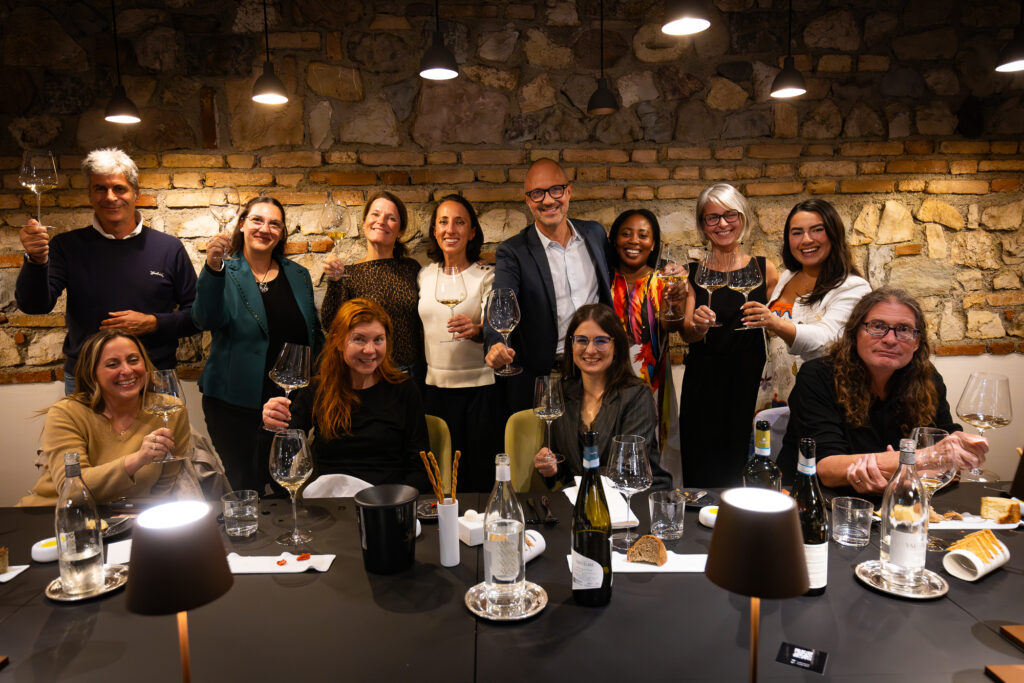
The day began the way every perfect Italian evening should: with a boat. We met at Desenzano del Garda’s graceful port as the sun was beginning its slow descent, turning the water into liquid gold. A restored wooden riva – sleek, varnished mahogany glowing in the light – waited for us. The moment the lines were cast off, the world softened. We cruised north along the southern shore of Italy’s largest lake, past quiet bays and pastel villages, the breeze carrying the faint scent of fig trees and distant grills. Twenty magical minutes later, the fairy-tale silhouette of Sirmione rose from the water: the 13th-century Scaligero Castle, moat aglow, drawbridge silhouetted against the sky. The captain eased us straight through the castle’s watery entrance – an approach that still feels like slipping into another century – and tied up inside the historic center. From there it was a short, cypress-lined walk to the Grotte di Catullo. Perched at the very tip of the peninsula, these sprawling ruins of a 1st-century BC Roman villa are among northern Italy’s most evocative archaeological sites. Olive trees now shade fallen columns, wild caper bushes cling to ancient walls, and the views stretch across the endless lake to the Alps. Legend (though not history) links the villa to the poet Catullus, who called Sirmione “the pearl of all peninsulas.” Standing on the sun-warmed stones as the light faded, it was impossible not to feel the same enchantment two thousand years later. By the time we wandered back through the lantern-lit lanes, twilight had settled and anticipation was high. La Rucola 2.0 – the intimate, one-Michelin-starred jewel hidden just steps from the castle – opened its doors to our small group like an old friend. Inside, the stage was set for something extraordinary: a seven-course tasting menu created by chef Stefano Dall’Ospedale, our seven course meal including a fish from the region ineach dish expressly designed to converse with the Lugana wines of Sirmione’s finest producers. Nestled on the southern shore of Lake Garda, the tiny sub-region of Sirmione within the Lugana DOC stands out for its strikingly compact size and distinctive terroir. Home to just nine wineries, this narrow peninsula benefits from dense, heavy clay soils—often white or grayish in color—that retain water and impart remarkable structure and minerality to the wines. These calcium-rich clays, formed from ancient morainic deposits, give Sirmione’s Turbiana grapes a fuller body and pronounced savory character compared to the sandier, more perfumed expressions found further north in the appellation, making its limited-production Luganas some of the most powerful and age-worthy in the entire zone. Around the long table sat the people who make the magic happen: Chiara Perego (oenologue of Azienda Agricola Sgreva), Sara Salgaro of Tenuta Frontelago, Nunzio Ghiraldi himself, and Eliza Zordan from Cascina Maddalena, who moderated the evening with warmth and precision. Every time a new bottle was opened, the maker told the story behind the wine, and guided us through the glass while the perfectly timed course arrived. With every course, the room grew livelier. Stories of grandfathers planting the first vines, of siblings sketching labels at the kitchen table, of horses galloping between rows, of brain waves translated into art – each tale deepened the flavour in the glass. When we finally stepped back into the cool night air, the castle lights shimmering on the water and the lake lapping gently at the ancient walls, no one spoke for a long time. Some evenings feed the body. This one fed the soul. Sirmione, with its Roman ghosts, thermal springs, white-clay vineyards, and nine fiercely proud winemaking families, had worked its quiet spell once again.
Lugana Dreaming – Parte I:
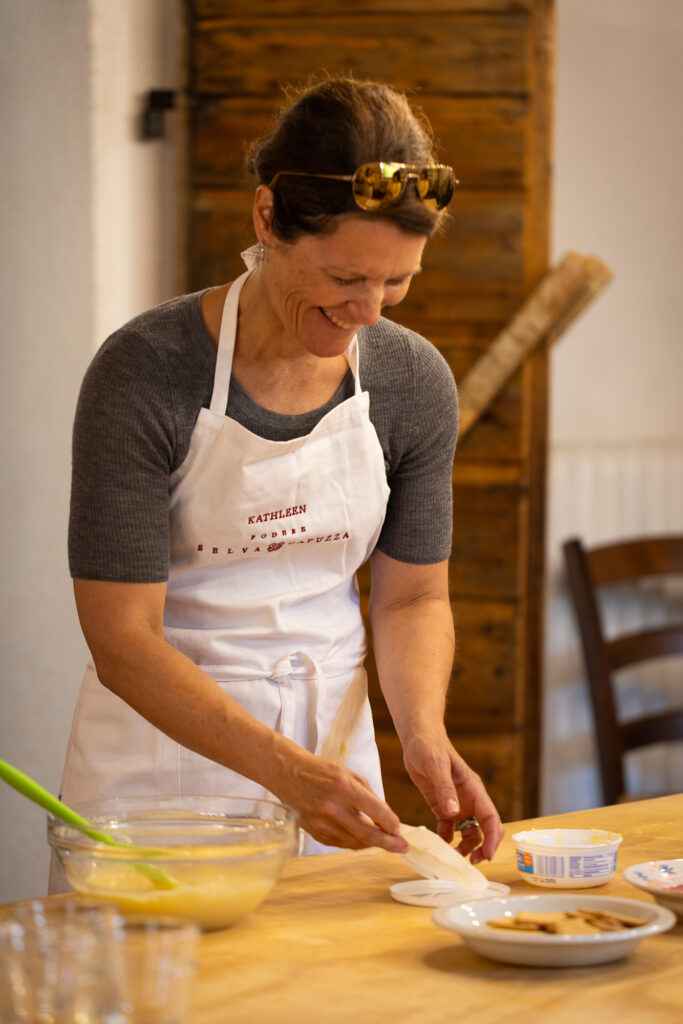
From the Arches of Tenuta Roveglia to the Circle of Time at Selva Capuzza After a night wrapped in the soft hush of Desenzano del Garda, the morning light pulled us south along quiet country roads to Pozzolengo and Tenuta Roveglia – 120 hectares of vines, stories, and famously stubborn clay that have been making wine since the early 1400s. The estate was reborn in the early 1900s by Swiss immigrant Federico Zweifel, but today it is the three Azzone sisters – Sara, Vanessa, and the irrepressible Babettli – who are writing the most vibrant chapter yet. From the moment Babettli greets you with that knowing smile, you feel like you’ve been let in on a wonderful secret. Within minutes she quotes her father’s lifelong creed: “We need to promote the dream – Lugana – and not the winery.” He used to pedal from trattoria to trattoria with sample bottles strapped to his bicycle until the world finally sat up and listened. That same generous, collaborative spirit still pulses through every corner of Roveglia. It’s impossible to miss. Step into the foyer and you’re immediately enveloped by the “family wall” – a sprawling, joyful collage not just of the three sisters, but of every facet of the team – the office, the tractor driver, the seasonal picker, every cellar hand who has ever worked a harvest here. “They are Roveglia,” Babettli says, tapping a faded photo of a man who started at fourteen. “We don’t separate blood from chosen family.” Babettli herself is a whirlwind of passions. Trained as an HR specialist, she’s also a self-taught architect and an obsessive collector of antique telephones. Her office feels like a tiny museum of Bakelite rotaries and candy-apple-red Ericofons. “Each one has its own voice,” she murmurs, cradling a 1930s Siemens like a baby bird, “exactly like old vines.” That love of distinctive voices brought us straight out to the vineyard. She scoops up a fistful of the heavy white clay. “Wet, it’s glue. Dry, it’s stone.” Fifty-five-year-old roots barely reach five metres deep, spreading instead in a desperate spiderweb just to survive. “Survival mode,” she grins, “makes the wine more interesting.” All that character needed a worthy home, so Babettli designed one. To reach the new tasting room you descend a stone staircase behind a monumental door of reclaimed wood and iron – every plank salvaged from centuries-old barns and presses. “Nothing here is wasted,” she whispers, pushing it open like a secret. What waits below is pure, breath-stealing magic: a six-metre-deep golden cathedral of hand-built brick arches, no two alike, each curve sketched by Babettli herself and shaped by eye to carry the exact weight above. Hidden lights make the rosy terracotta glow, and the cool air is thick with the scent of earth and sleeping wine. Yet the true soul of the estate lives upstairs in the 16th-century Cascina Roveglia farmhouse. Thick limestone-and-clay walls – the very same moraine that gives Lugana its mineral snap – keep it cool in summer and cosy in winter. Ancient chestnut beams that once held grain now frame intimate tastings; pink Veronese rose marble floors shimmer beneath humble arches originally built for oxen, not ostentation. The former stable has become the coziest tasting room imaginable: a scarred oak table, a fireplace blackened by five centuries of smoke, family photos watching over us, and the low hum of sleek steel tanks just next door. At one point Babettli disappears for a moment and returns cradling their very first commercial vintage – 1989 – one of only twelve bottles left in the world. And then, beneath those glowing arches, the wines spoke for themselves. – Lugana Spumante Brut: A silver river of pinpoint bubbles carrying crisp green apple, spring flowers, and warm brioche. Dry, electric, celebratory. – Limne Lugana DOC: So pale it flashes green at the rim. Lime blossom, white peach fuzz, wet river stones – pure Garda breeze in a glass. – Vigne di Filiberto Lugana DOC: Ripe yellow plum, roasted almond, a twist of lemon confit, and a saline snap that makes your mouth water again and again. – Riserva Vigne di Catullo Lugana DOC 2012 – Cork vs Screwcap: Deep, luminous gold. The nose explodes: candied orange, acacia honey, toasted hazelnut, smoky minerals. Velvety, almost chewy, then a blade of acidity lifts ginger biscuit and sea salt into an endless, resonant finish. The cork bottle was tired and mushroomy; the screw-cap version still singing with lemon peel and almond blossom. “Dad made the switch in 2007,” she laughs. “Everyone thought he was crazy. Sales tripled the next year.” – Bonus: 2021 Late-Harvest VT : Golden like November sun, swirling with candied ginger, toasted walnut, and river-stone freshness. 14 g/L of honeyed sweetness balanced by acidity so bright your jaw tingles. “A me-wine,” Babettli declares, a wine that can last an hour. We left Roveglia with hearts full and Babettli’s parting words ringing in our ears: “Now go taste the other side of the dream.” So we pointed the car just a few kilometres east, toward the hills of San Martino della Battaglia and Podere Selva Capuzza – another family, another century-old cascina, another unforgettable chapter of Lugana waiting to be uncorked. We left Roveglia with hearts full, and Babettli’s parting words ringing in our ears: “Now go taste the other side of the dream.” So we pointed the car just a few kilometres east, toward the hills of San Martino della Battaglia and Podere Selva Capuzza – another family, another century-old cascina, another unforgettable chapter of Lugana waiting to be uncorked. We didn’t taste in a cellar or a sleek tasting room – we tasted right where the magic happens, among the vines of the San Biagio vineyard at Podere Selva Capuzza, in the heart of the Lugana DOC on the gentle morainic hills of San Martino del Garda, just a few kilometres south of magnificent Lake Garda itself. Glasses balanced on an old wooden table facing the rows, late-afternoon
Pour, Adore, Repeat in Lugana- White Wine Elegance
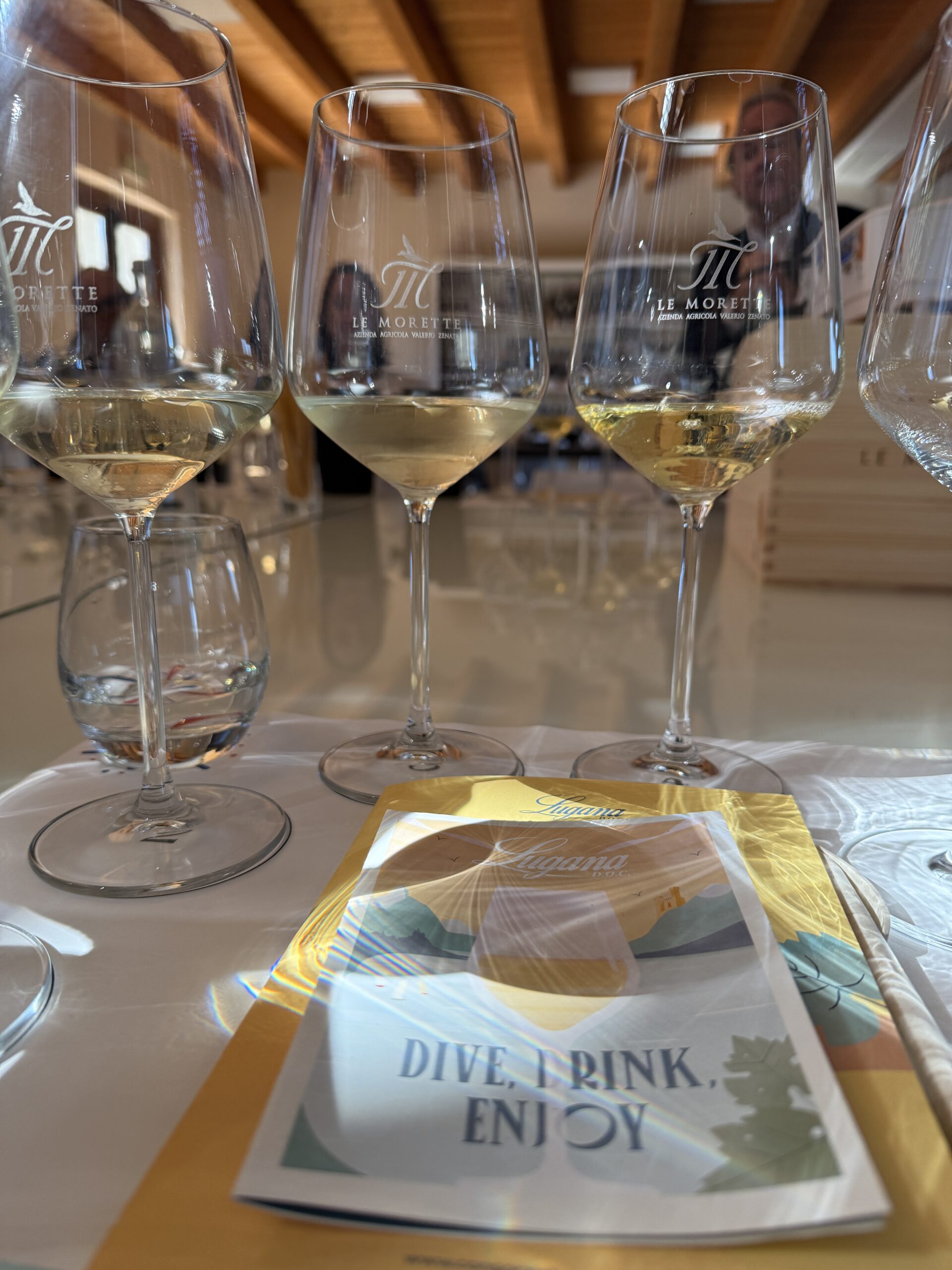
Nestled along the southern shores of Lake Garda, Lugana DOC stands as Italy’s most refined lakeside white wine appellation. Spanning the border between Lombardy and Veneto in northern Italy, this designated area forms a narrow, crescent-shaped corridor encompassing five key communes: Sirmione, Desenzano del Garda, Pozzolengo, Lonato del Garda, and Peschiera del Garda. Framed by morainic hills shaped by ancient glaciers, Lugana’s distinctive white-clay and limestone soils impart remarkable minerality and aging potential to its signature grape, Turbiana (locally known as Trebbiano di Lugana). In essence: a sophisticated white wine region, just 20 minutes from Lake Garda’s crystalline waters. Having explored vintages from Umbria’s robust Sagrantino vineyards to the sunlit hills of Chianti in Tuscany, I arrived in Lugana last autumn with keen anticipation. Hosted by the Consorzio Tutela Lugana and Nonni Marketing, this press trip transcended routine tastings and tours. It offered an immersive tribute to Turbiana—the resilient grape that defines Lugana’s elegant, mineral-driven whites. Over three radiant days, I toured historic cellars, enjoyed locally sourced cuisine, and embraced the serene cadence of the lake. For wine enthusiasts and discerning travelers alike, allow me to guide you through this captivating journey. Arrival at Le Morette: A Memorable Introduction Our journey commenced immediately upon arrival at Le Morette. Before alighting from the vehicle, third-generation proprietor Fabio Zenato presented a chilled flute of the estate’s Metodo Classico Brut—a sparkling Turbiana alive with green apple, brioche, and a precise saline finish. The effervescence evoked sunlight dancing across Lake Garda, setting an inviting tone. Fabio’s dedication mirrors the depth of the estate’s 40 hectares, situated between Garda’s southern shores and the UNESCO-protected Frassino Lake—a habitat for wild ducks (the name Le Morette, meaning “little brunettes,” pays homage to these birds). An introductory masterclass, conducted by JC Viens of Grande Passione, transformed technical terroir discussion into an engaging narrative. With experience spanning Hong Kong’s wine scene to Italian ambassadorships, JC illuminated Lugana’s inter-regional character, its glacial clay-rich soils, and the grape’s Verdicchio lineage. Confirmed by DNA analysis as a distinct variety, Turbiana thrives under the lake’s microclimate: warming Ora winds by day and cooling Pelèr breezes by night, yielding wines of vibrant acidity and refined texture. “Duality in a bottle,” he noted—suitable for casual aperitifs yet capable of graceful evolution. Notable selections included: Fabio then led a comprehensive tour of the 60-hectare certified organic estate. We traversed sunlit vineyards and descended into cool underground cellars featuring stainless steel and sustainable innovations. Originating as a vine nursery in the 1950s, the family grafts Turbiana onto phylloxera-resistant American rootstocks—a process Fabio demonstrated with precision, underscoring the blend of tradition and science that sustains the region. The modern winery integrates geothermal systems within a restored 19th-century farmhouse, employing gravity-fed presses and subtle oak influence. Lunch, hosted by Fabio, featured seafood saffron risotto with lake perch and shrimp, paired seamlessly with Le Morette’s portfolio. He recounted the family’s postwar legacy and Turbiana’s central role in Lugana’s identity. Evening Elegance at Hotel Piccola Vela We settled at Hotel Piccola Vela in Desenzano del Garda—a contemporary lakeside retreat offering minimalist accommodations, private beach access, an infinity pool blending with the horizon, and a spa featuring vinotherapy. It provided an ideal respite. As dusk approached, we gathered on the rooftop with Cà Lojera’s Belle Metodo Classico Brut Zero 2018—a zero-dosage sparkler from 50-year-old vines, aged 36 months on lees. Its focused citrus, mineral precision, and fine mousse harmonized with the sunset. The evening culminated in a welcome Apericena hosted by the Lugana Board of Directors. Amid convivial exchange, we sampled offerings from Tenuta Corbari, Pasini San Giovanni, Montonale, Fraccaroli, Citari, Ca’ dei Frati, Sansonina, Cantina Coarse, and Zenato—ranging from delicate sparklers to structured reserves. Key tasting notes: Lugana DOC represents more than a wine region—it embodies a harmonious balance of tradition, innovation, and natural beauty. From the meticulous grafting at Le Morette to the panoramic tastings at Hotel Piccola Vela, Turbiana reveals remarkable versatility: crisp enough for casual enjoyment, yet profound in its capacity to evolve. With 60–70% of production exported to discerning markets in Germany and the United States, Lugana maintains an aura of understated excellence. For wine professionals and collectors, these bottlings offer intellectual depth and exceptional value. For travelers, the communes along Lake Garda promise cultural richness, culinary authenticity, and restorative landscapes. This press trip reaffirmed Lugana’s quiet authority in Italy’s viticultural canon—an invitation to savor elegance in its purest form. Whether planning a vineyard pilgrimage or seeking the perfect white for your table, let Lugana be your next discovery. Day two next!
24 Hours In Madrid: Foodie’s Whirlwind Feast
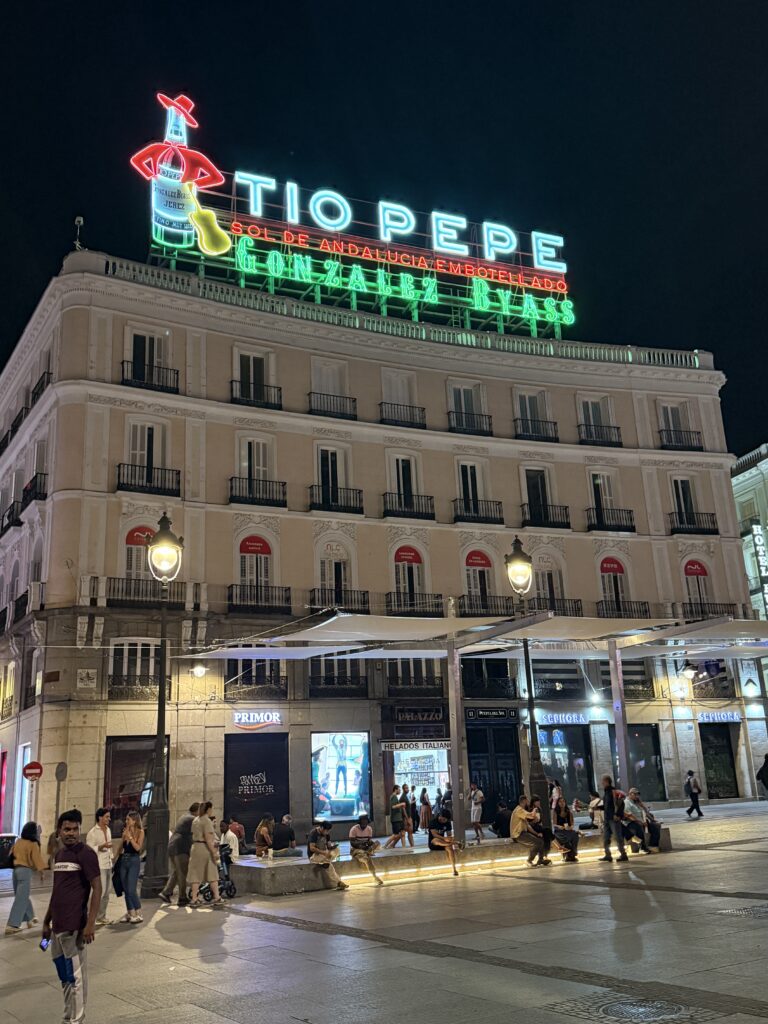
We’re embarking on the González Byass Press Trip, curated by The Tourism Lab—24 immersive hours in Madrid, priming our palates before diving into the sherry and brandy heritage of González Byass, Harvey’s, and Fundador. Touch down with just one day to savor the city’s vibrant soul through exceptional cuisine. This isn’t a typical tour—it’s our exhilarating gastronomic journey across seven standout destinations: the timeless Chocolatería San Ginés for churros, a lively stop at Plaza Mayor beneath the iconic Tío Pepe sign, tapas delights at Mercado de San Miguel, an elevated lunch at Élkar on the 33rd floor, classic cocktails at Viva Madrid, and a refreshing close at Kala Greek Frozen Yogurt, with optional evening views from on high. Perfectly positioned in the historic center and business district (near Puerta del Sol, Gran Vía, and Paseo de la Castellana), these spots connect seamlessly via walks, metros, or quick taxis for an energizing, flavor-filled 24 hours. Get ready, food enthusiasts—Madrid’s culinary heights are calling us! Morning Kickoff: Sweet Start at Chocolatería San Ginés (9 AM – 11 AM) Kick off your adventure (or wrap up a late night—it’s open almost round-the-clock!) at this beloved 1894 gem hidden in Pasadizo de San Ginés, steps from Puerta del Sol. Indulge in crisp churros (or hearty porras) dunked in rich, pudding-like hot chocolate—a true Madrid essential. With marble tables and tiled charm, it’s a favorite for locals and visitors alike. Pro tip: The classic combo costs under €5 and provides the perfect fuel. Stroll 5 minutes west to Plaza Mayor next. Late Morning Highlight: Plaza Mayor Magic (11 AM – 11:30 AM) Pause in Madrid’s historic core at Plaza Mayor, a 17th-century masterpiece of arcades, frescoes, and energy. Capture the glowing Tío Pepe neon sign (a sherry icon since 1935) alongside the King Philip III statue. Enjoy street performers and a quick café con leche from a terrace—it’s free, fabulous for photos, and appetite-building. Head north 15 minutes on foot (or by metro/taxi) for more. Mid-Morning Grazing: Mercado de San Miguel (11:45 AM – 12:45 PM) Step into the elegant iron-and-glass haven of Mercado de San Miguel, a 1916 landmark turned premier food hall. Explore 30+ stalls brimming with Spanish gems: paper-thin jamón ibérico, calamari, olives of every kind, fresh oysters, regional cheeses, paella nibbles, and vermouth pours. Keep it light with calamares bocata or croquetas (€15-25). Vibrant yet top-quality—stand and savor. Then, taxi 10 minutes north along Gran Vía to soar upward. Sky-High Lunch: Élkar Excellence (1 PM – 3:30 PM) Ascend to the 33rd floor of Torre Emperador Castellana (over 160m up—Spain’s highest restaurant!) for Élkar’s “Gastronomía de Altura.” Panoramic windows reveal stunning 360° vistas of the Sierra, Bernabéu, and cityscape. Chef Fran Vicente’s Mediterranean menu dazzles: Parmesan mousse with pesto, premium bellota ham, pistachio ajo blanco with tuna and Jerez pearls, sea bass with beurre blanc and caviar, Ibérico presa with demi-glace and kumquat, or the exquisite Tarta Ópera. Enhance with Fundador infusions or cellar wines. Choose the executive menu or à la carte; book ahead. Sophisticated and inspiring—taxi 15 minutes south afterward. Early Afternoon Aperitivo: Viva Madrid (4 PM – 7 PM) Dive into Barrio de las Letras at Viva Madrid, a 1856 tavern reborn with flair by mixologist Diego Cabrera. Vintage tiles meet ‘20s tango ambiance as jazz hums in the background. Sip gin classics or try the standout Honey Moon cocktail—Pisco 1615 blended with spiced liquor, elderflower, lemon juice, and a whisper of smoked orange tree honey that adds a delightful, aromatic sweetness. Pair with upscale tapas such as truffle croquetas or vermouth olives. It’s the ideal relaxed aperitivo spot to unwind. Evening Finale: Kala Greek Frozen Yogurt (7 PM Onward) End on a fresh note at Kala on Calle de las Huertas: authentic Greek yogurt in creamy pistachio or fruit bases, topped with compote, berries, or crunch. Probiotic and portion-packed—perfect for strolling or bench-sitting. For night owls: Revisit San Ginés or taxi to Élkar’s bar for starry views and cocktails. In just 24 hours, experience Madrid’s core: timeless treats, plaza charm, market buzz, elevated feasts with Fundador elegance, spirited tapas, and cool refreshment. Arrive eager, depart delighted—¡Buen provecho! These gems glow anytime in this vibrant city, day or night.