
Eternal Sips at Graham’s: A Cherished Port

Nestled on the south bank of the Douro River in Vila Nova de Gaia, just across from the vibrant city of Porto, Graham’s Lodge stands as a beacon of Portugal’s rich Port wine heritage. As part of the esteemed Symington Family Estates—one of the world’s leading Port producers—I recently had the privilege of touring this historic site. What unfolded was not just a visit to a winery, but an immersive dive into centuries of tradition, innovation, and the alchemy of aging wine. Guiding me through this captivating experience was our gracious host, Nuno R. Silva, whose passion and expertise brought the story of Graham’s to life. The Brand: Symington and Graham’s—A Legacy of Excellence Symington Family Estates is a powerhouse in the Port world, owning iconic houses like Graham’s, Dow’s, Warre’s, and Cockburn’s. Founded by the Symington family, who trace their roots back to the 19th century, the company is now in its fifth generation of family ownership. They are the largest vineyard owners in the Douro Valley, with over 1,000 hectares spread across 26 Lodges (estates), producing everything from vintage Ports to innovative blends. Graham’s, acquired by Symington in 1970, is celebrated for its opulent, fruit-forward Ports that embody romance and exuberance. As Nuno explained during our tour, Graham’s stands out for its colorful, approachable style—think sweeter, more vibrant expressions compared to the drier, more restrained profiles of sister brands like Dow’s. The brand’s motto, “Ne Oublie” (Never Forget), honors its Scottish founder, Andrew James Symington, who arrived in Porto in 1882. Today, Symington’s isn’t just about Port; it’s a multifaceted empire encompassing table wines from regions like Douro, Vinho Verde and Alentejo, plus a thriving wine tourism arm that includes three visitor centers, restaurants, and even a cocktail bar in Porto’s city center. What sets Symington apart is their commitment to sustainability—they were the first in the Port industry to achieve B Corp certification, emphasizing environmental, social, and financial responsibility. From sponsoring firefighters in the Douro to reducing water usage in their cellars, their ethos resonates with modern wine lovers who seek quality with a conscience. The History: From River Barrels to Global Icon Stepping into Graham’s Lodge feels like entering a living museum. The cellars, dating back to the 19th century, house an astonishing diversity of wines aging in casks and bottles—from 1882 vintages to the latest 2024 harvests. Nuno painted a vivid picture of Port’s history: born from the synergy between the rugged Douro Valley vineyards and Porto’s urban trade hubs, Port wine evolved as a fortified style to withstand long sea voyages to Britain, thanks to the world’s oldest alliance between Portugal and the UK (dating back 650 years).We wandered through rows of “small” casks (holding thousands of liters each) and massive pipes, where wines from over 140 years mingle in a symphony of blends. Nuno highlighted how the Douro’s schist soils—acting like solar panels to retain heat—contribute to the slow, concentrated maturation of grapes. He shared tales of the region’s challenges: climate change pushing vineyards to higher altitudes for freshness, and historical hurdles like phylloxera in the late 1800s that decimated vines but spurred innovation. A highlight was the “Very Old Tawny” section, where hidden gems like the 1882 Ne Oublie—a wine over 140 years old—evoke indestructibility. Nuno recounted how Andrew James Symington received barrels as his first payment upon arriving in Porto, some of which have survived wars, floods, and time itself. This isn’t just wine; it’s a generational handoff, with Symington producing Ports today that won’t peak until 2040 or beyond. We also touched on evolution: from foot-treading in lagares (traditional granite tanks) to modern robotic systems that mimic human pressure for precision. Blending, Nuno emphasized, is the true art—combining varieties, plots, and even years to create harmony. It’s alchemy, as he put it, blending patience, experience, and a touch of magic. The Tasting Experience: A Symphony of Flavors No visit to Graham’s is complete without tasting, and under Nuno’s expert guidance, we sampled a curated lineup that showcased the brand’s versatility and the Symington portfolio’s depth. Starting in the cool, dimly lit bottle maturation cellar—home to vintages from the 1860s—we moved to a private tasting room overlooking the river. Each Port told a story, with Nuno weaving in tales of harvests, vintages, and the Douro’s soul. Throughout the tour, Nuno R. Silva shone as the perfect ambassador. With over a decade in the industry—including stints in wine tourism and sales for Symington—Nuno’s enthusiasm is infectious. Hailing from Porto, he weaves personal anecdotes (like his father’s initial skepticism toward Port cocktails) with deep knowledge of viticulture, climate impacts, and blending artistry.What struck me most was Nuno’s ability to demystify the nuances of Port without diminishing its magic. Whether explaining single-Lodge vintages or sustainability initiatives, he made complex topics accessible and engaging. His pride in Graham’s—calling it “colorful and romantic”—mirrors his warm, approachable style. By the end, it felt like chatting with an old friend over exceptional wine. The day concluded with a memorable lunch at Vinum, Graham’s elegant restaurant perched with a stunning view of the Douro River and Porto’s skyline. We savored a grilled whole John Dory, its flaky flesh complemented by vibrant heirloom tomatoes and a trio of croquettes—crisp outside, creamy within. Paired with a 2022 Loureiro from Ameál, this crisp white wine revealed zesty lime, peach blossom, and a mineral edge, harmonizing beautifully with the seafood and enhancing the panoramic vista. The experience was sensory and emotional: the cool cellar air, the scent of aged oak, and wines that transported us through time. If you’re a wine enthusiast planning a trip to Porto, book a tour at Graham’s Lodge (part of Symington’s portfolio) and request Nuno as your guide. It’s not just a visit; it’s a portal to Portugal’s soulful wine world.
The Enchantment of Porto: A Traveler’s Guide to Timeless Charm, Epic Views, and Irresistible Flavors
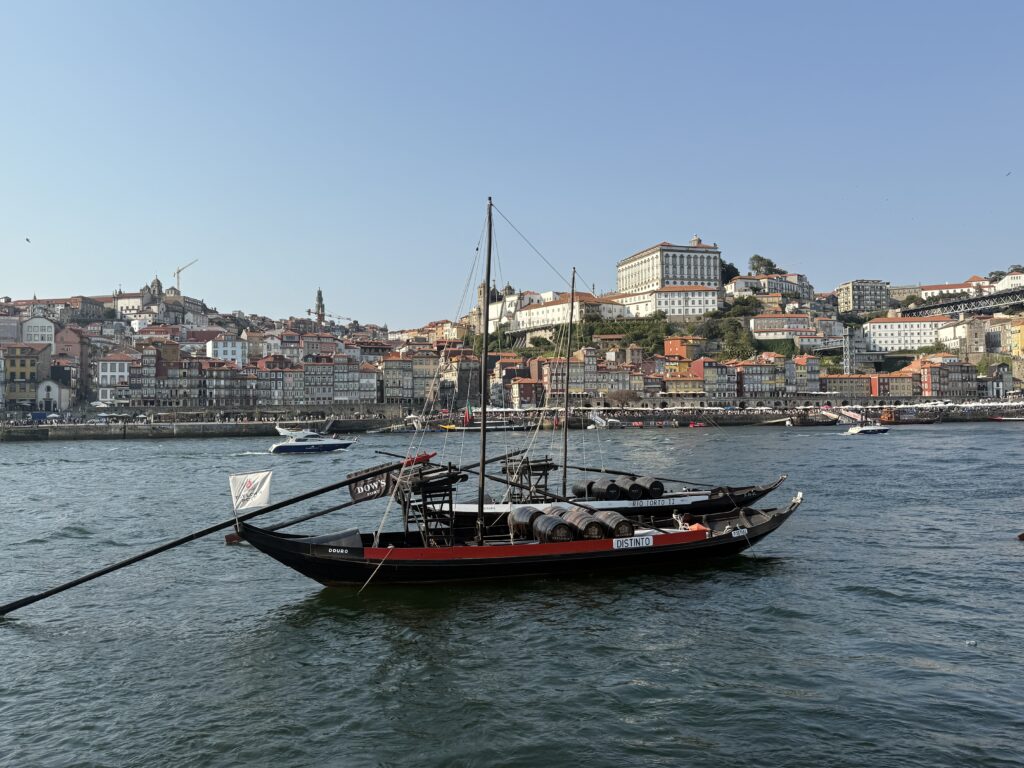
Ah, Porto—where the Douro River whispers secrets of ancient voyages, and every cobblestone street feels like a portal to a bygone era of explorers and dreamers. If you’re a wanderer with a penchant for history laced with magic, or a wine lover chasing that perfect sip under golden sunsets, Porto is calling your name. This northern Portuguese gem isn’t just a city; it’s a living tapestry of soul-stirring beauty, where affordability meets accessibility, and every corner invites you to linger a little longer. Let’s dive into why Porto captivates hearts, explore its must-visit spots, and savor the food and wine scene that will have you booking your next flight before you’ve even finished reading. Porto’s history stretches back over 2,000 years, beginning as a humble Roman settlement known as Portus Cale—the very name that evolved into “Portugal.” By the Middle Ages, it had blossomed into a bustling port city, fueling the Age of Discoveries with its shipyards and intrepid sailors. But it was in the 18th century that Porto truly found its liquid gold: Port wine. Born from the need to fortify wines for long sea journeys to Britain, this sweet elixir turned the Douro Valley into a UNESCO World Heritage site and cemented Porto as the epicenter of vinous innovation. Today, the city’s historic Ribeira district, also a UNESCO treasure, stands as a testament to its resilient spirit, having survived invasions, earthquakes, and revolutions. What makes Porto so special, magical, and utterly charming? It’s the alchemy of elements that blend seamlessly: the dramatic location perched on hilly banks overlooking the Douro, where misty mornings give way to vibrant afternoons. The vibe is effortlessly cool—relaxed yet alive with energy, like a perpetual festival where locals flash warm smiles and share stories over coffee. Hospitality here is legendary; Portuguese friendliness isn’t performative—it’s genuine, making you feel like family from the first “obrigado.” And the food and wine culture? Divine. From fresh Atlantic seafood grilled to perfection to the world’s finest Ports aged in riverside cellars, it’s a feast for the senses. Best of all, Porto is incredibly walkable—most attractions are a leisurely stroll apart—and affordable, with meals, wines, and stays that won’t break the bank compared to Lisbon or other European hotspots. It’s the kind of place where magic happens on a budget, leaving you enchanted and eager for more. Porto rewards the curious explorer with a mix of iconic landmarks, hidden gems, and neighborhoods pulsing with life. Lace up your comfiest shoes—the city’s hills are part of the charm—and let’s hit the highlights. Everything’s within easy reach on foot, making it a dream for spontaneous adventures. Start with the beating heart of old Porto: Cais da Ribeira. This waterfront promenade is where the city’s social soul shines brightest. Picture colorful, centuries-old buildings stacked like a rainbow along the Douro, buzzing with cafés, street performers strumming fado tunes, and vendors hawking local crafts. It’s pure magic at golden hour or sunset, when the light dances on the water and casts a spell over everything. Pro tip for wine lovers: Grab a glass of crisp Vinho Verde at a riverside spot and watch the world go by. From here, cross the iconic Dom Luís I Bridge—a 19th-century engineering marvel by a disciple of Gustave Eiffel—for panoramic views that will steal your breath. Stroll to the upper deck for a bird’s-eye vista of the river, or venture to the lower level to connect with Vila Nova de Gaia on the opposite bank. Just across the bridge, ascend to Jardim do Morro, a lush hilltop garden offering postcard-perfect panoramas of Porto’s skyline, the river, and those famous bridges. It’s a serene spot for picnics or sunset toasts—pack a bottle of local wine and let the views work their wonders. For a dose of architectural awe, admire the tiled facade of the Chapel of Souls (Capela das Almas). Covered in over 15,000 blue-and-white azulejos depicting religious scenes, this 18th-century gem is a stunning example of Portugal’s tile artistry. It’s not just pretty—it’s a cultural icon that tells stories of faith and history, right in the bustling Aliados area. Venture into Porto’s creative underbelly with a stroll through Rua de Miguel Bombarda, the city’s artsy, indie district. Here, design shops, hip cafés, small galleries, and creative locals converge in a bohemian haven. On weekends, the Bombarda block comes alive with art openings and pop-ups that feel distinctly local and electric—perfect for snagging unique souvenirs or chatting with emerging artists over espresso. Continue the pedestrian bliss on Rua das Flores, a stylish street brimming with shops, art galleries, boutiques, and street musicians. It’s where city life thrives: locals and tourists mingle effortlessly over espresso or an Aperol spritz, especially in the evening over a glass of wine at an outdoor table. The energy is infectious, blending old-world charm with modern flair. Don’t miss Livraria Lello, one of the world’s most beautiful bookstores and a true city icon. With its neo-Gothic staircase, stained-glass ceiling, and shelves groaning under literary treasures, it’s a bibliophile’s paradise (and rumored inspiration for Harry Potter’s Hogwarts). The surrounding area, like Rua das Carmelitas, buzzes with students from the nearby University of Porto, cafés spilling onto sidewalks, and prime people-watching opportunities. Ascend to the Porto Cathedral (Sé do Porto), a Romanesque fortress-church dating back to the 12th century. Perched on a hill, it offers sweeping views and a peek into Porto’s medieval roots, with Gothic cloisters and Baroque azulejos adding layers of enchantment. Walk along the Douro River in Vila Nova de Gaia is best known for its historic port wine cellars along the south bank, which form the heart of the city’s identity and economy. The riverfront serves as a vibrant tourism hub, lined with restaurants, bars, and shops, and is renowned for the iconic Dom Luís I Bridge, offering breathtaking views of neighboring Porto. For a modern twist on culture, head to WOW Porto – The Cultural District in Vila Nova de Gaia. This innovative hub transforms old wine cellars into