
Why Villány Is a Home for Cabernet Franc
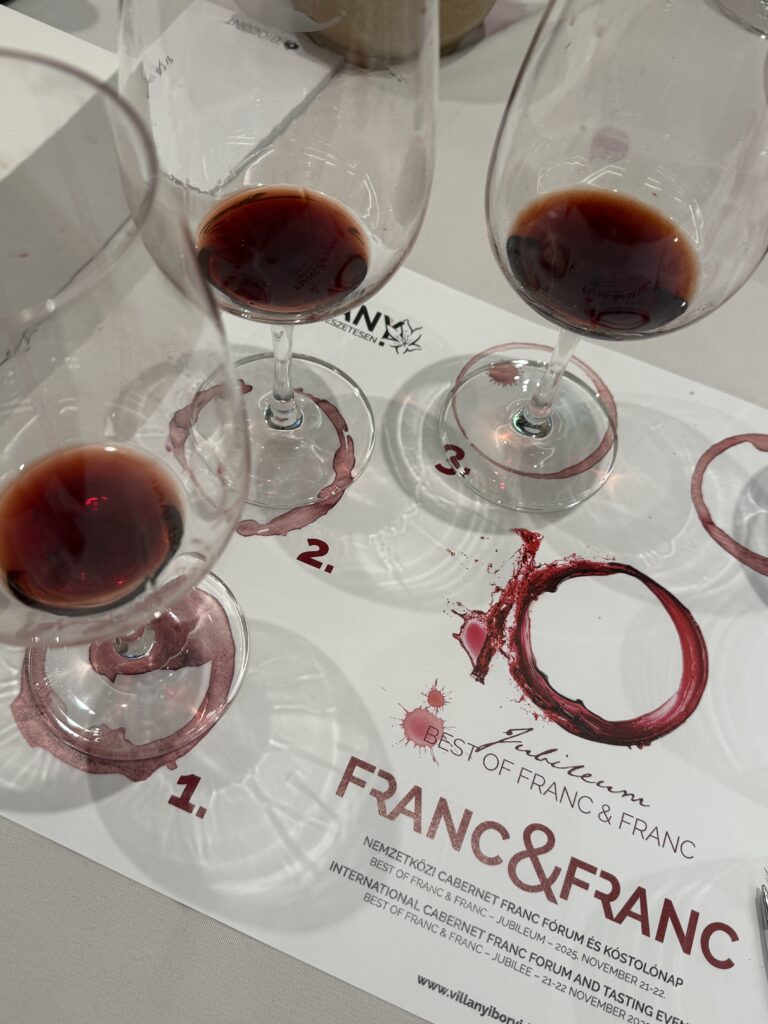
Cabernet Franc didn’t just stumble into Villány and strike gold—it found a terroir that feels tailor-made for its finest qualities. Hungary’s southernmost wine region sits at the same latitude as northern Bordeaux, yet enjoys a warmer, more continental climate. With 2,100–2,200 hours of sunshine a year (among the highest in the country) and long, dry autumns, Villány reliably delivers full physiological ripeness without sacrificing acidity. In cooler climates, Cabernet Franc can turn lean, herbal, and aggressively pyrazinic. Here, it unfurls dense blue and black fruit—cassis, blueberry, black cherry—along with pronounced violet notes and that signature cracked-pepper and tobacco-leaf spice, all wrapped in vibrant freshness. The soils are the clincher. The finest sites, particularly the Siklós and Fekete-hegy slopes, rest on thick Eocene limestone capped with loess and red clay. The active calcium in the limestone promotes refined, polymerised tannins and superb drainage, forcing vines to root deeply (often 6–10 metres) in search of water. Yields stay naturally low—rarely exceeding 35–45 hl/ha in top parcels—and the small berries deliver intense colour, firm yet silky tannic structure, and explosive aromatics. A pronounced diurnal shift locks in the magic: September days can climb to 28–30 °C, while nights drop to 10–14 °C, preserving malic acid and perfume. The surrounding hills shield vines from cold northern winds, and morning fog rolling in from the Drava River valley gently extends hang-time. Hungarian growers didn’t leave it to chance. From the early 1990s, pioneers such as Attila Gere and József Bock planted top-quality Loire and Bordeaux clones on devigorating rootstocks. Meticulous canopy management—vertical shoot positioning, aggressive morning-side leaf thinning, and green harvesting—has become standard at the best estates, pushing concentration while keeping alcohols in an elegant 13–14 % range. Furthermore, to cement its reputation, Villány implemented one of Europe’s most stringent protected-origin systems and established the Villányi Franc designation—a category reserved exclusively for varietal Cabernet Franc and Cabernet Franc-based blends that meet exacting production criteria. Within this framework, two upper tiers were created: These designations are far more than marketing labels; they represent a deliberate shift toward a refined, terroir-expressive style. To qualify, yields are strictly limited, only the region’s top vineyard sites are eligible, and the wines must exhibit balanced alcohol levels (typically 13–14 %), bright natural acidity, finely polymerised tannins, and a clear imprint of Villány’s limestone-driven minerality. Heavy extraction, excessive oak influence, and overripeness are effectively excluded by regulation. The objective to move beyond the powerful, internationally influenced reds that characterized the post-communist era and to establish a distinctive, elegant, and age-worthy Villány signature—one capable of standing alongside the finest examples from the Loire Valley and Bordeaux’s Right Bank. The Franc & Franc Jubilee Conference: A Decade of Leadership The Franc & Franc Jubilee Conference opened in Villány with electric energy, marking ten years of the region’s rise as a global beacon for Cabernet Franc. Before the official conference kicked off, international guests were treated to an exclusive, intimate preview tasting that felt like sneaking into the cellar after hours. This wasn’t just a polite welcome pour—it was a full-on seduction showcasing Villány’s broader brilliance beyond its beloved Cabernet Franc. We dove into a dazzling line-up: The opening tasting set the tone: a curated flight of twelve benchmark Hungarian wines—two Classics, six Premium, and four Super Premium selections—showcasing the extraordinary depth, precision, and consistency Villány has achieved with the variety. Day one began with heartfelt words from the pioneers themselves, József Bock and Attila Gere. What moved me most was the turnout: fully 80 % of Villány’s producers were present—an extraordinary show of unity and regional passion. In an industry often defined by fierce individualism, this near-total community mobilisation revealed a rare spirit of collaboration and shared ambition. The symposium sessions were every bit as compelling as the wines. “Unity in Diversity” explored how Villány’s mosaic of terroirs produces strikingly different yet unmistakably related expressions. A deep dive into the impact of skin-contact duration illuminated its profound influence on flavour, colour, and structure. We then travelled the globe—from the Loire to Tuscany (presented by Pasi Ketolainen MW, South Africa (presented by South African winemaker Reino Thiart), Argentina, Chile, and the United States (presented by Peter McCombie MW) —marvelling at Cabernet Franc’s astonishing versatility. A special tasting of Villány through the decades as we journeyed from 2015, 2009 and 2006. Each one had its own identity, freshness and expressed the true refinement of Cab Franc. Villány is not just part of the Cabernet Franc conversation – it is helping define its future. Ten years on, Franc & Franc has evolved from a regional celebration into the world’s premier annual gathering for serious Cabernet Franc lovers and professionals. This community isn’t just riding the wave; they’re steering it. My heartfelt thank you to Andras Horkay & the organizers for this unforgettable journey through unity in diversity and to the new connections made The next decade promises to be exhilarating. If you love Cabernet Franc, book your ticket to Villány now. You won’t just taste great wine—you’ll witness a revolution in the making. Welcome Dinner – Sauska 48 Hungary’s only Michelin-starred restaurant outside Budapest, tucked inside the breathtaking Sauska estate overlooking the moonlit vineyards. Sleek architecture, warm lighting, and an open style kitchen that treats local ingredients like royalty. The evening was a dazzling collaboration between two of the country’s most visionary producers: Sauska and Heumann. Sauska is the restless perfectionist who decided Hungary’s two greatest wine regions deserved the same uncompromising vision. Christian Sauska began in 1999 by resurrecting forgotten volcanic slopes in Tokaj, turning them into benchmarks for crystalline dry Furmint and legendary Aszú. In 2007 he crossed the country to Villány, built a gravity-flow masterpiece on limestone ridges, and started crafting reds that instantly stood shoulder-to-shoulder with the region’s icons. Today he farms 120 hectares split evenly between Tokaj’s electric whites and Villány’s dark, spicy reds—obsessively low yields, zero compromise, pure terroir in every bottle. Whether it’s a Furmint that crackles with minerality, a velvet Villány Cabernet Franc, or a 20-year-old Aszú
La Carbona: Sherry & Michelin Stars in Jerez
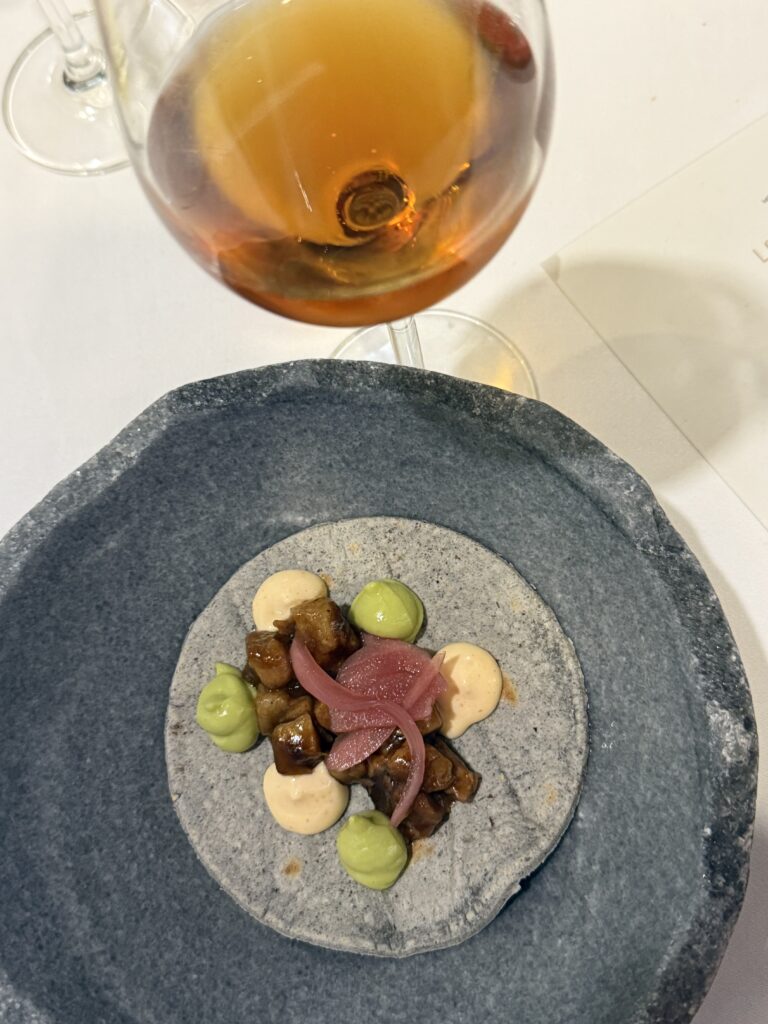
Nestled in the sun-drenched heart of Jerez de la Frontera, Andalusia’s sherry capital, La Carbona occupies a space that’s equal parts history lesson and love letter to the region’s viticultural soul. Housed within the restored 19th-century Bodegas González Byass – the legendary cellars where Fundador Brandy has been aging for over two centuries – the restaurant feels like stepping into a time capsule. Exposed brick walls, vaulted stone ceilings, and towering oak barrels (some dating back to the 1800s) create an intimate, almost subterranean cocoon, where the air hums with the faint, nutty aroma of oxidative sherries fermenting nearby. It’s not your typical white-tablecloth affair; instead, it’s a rustic-elegant haven that blends industrial heritage with modern refinement. Outside, the cobbled streets of Jerez whisper of flamenco rhythms and equestrian parades, but inside, time slows to the deliberate pour of a fino from a criadera. We opted for the crown jewel of the menu: the 7-course tasting extravaganza, meticulously paired with an exclusive selection from González Byass’s sherry portfolio and a digestif flourish from Fundador Brandy. At €150 per person (a steal for this caliber), it promised – and delivered – a narrative arc of flavors that danced between the bracing salinity of coastal Jerez and the opulent depth of its solera-aged treasures. Chef Israel Rodríguez, La Carbona’s visionary, channels Andalusian tradition through a contemporary lens, drawing from the bodega’s own larder of seasonal bounty. Each course arrived like a chapter in an unpublished novella, with the sherries acting as both chorus and counterpoint. Service, led by sommelier extraordinaire Ana Morales, was poetic: unobtrusive yet profoundly knowledgeable, with pairings explained in hushed tones that felt like sharing secrets over a late-night copita. The overture opened with Sardinas Ahumadas – lightly smoked sardines atop a confit of onions and piquillo peppers, their briny punch tempered by a velvety Tío Pepe Fino (González Byass’s crisp, almond-flecked icon). The sherry’s marine edge cut through the fish’s richness like a Moorish blade, evoking Jerez’s Atlantic proximity. Next, a playful Gazpacho de Tomate y Pimiento followed, chilled to perfection with a swirl of basil oil and fermented garlic. Paired with a rare La Guita Manzanilla (nutty and saline, with chamomile whispers), it was summer in a bowl – refreshing yet intellectually layered, the sherry’s flor notes mirroring the soup’s subtle umami. Transitioning to heartier terrain, the Pollo Asado con Confited Garlic arrived as a golden, herb-crusted half-bird, its skin crackling under the fork, juices mingling with roasted carrots and a jus laced with bay leaf. Here, the Equipo Navazos Amontillado (dry, oxidative, with hazelnut and orange zest) stepped in like a mischievous storyteller, its oxidative bite amplifying the poultry’s savoriness without overwhelming. Midway, a palate-cleansing interlude of Molletes de Aceite – fluffy olive oil bread bites with anchovy butter – bridged to the main act: Costillas de Ternera Glaseadas, slow-braised short ribs that melted into oblivion, glazed with a reduction of Pedro Ximénez and wild thyme. The bold, raisiny PX Sherry (a González Byass classic) was pure decadence, its caramel depth wrapping the beef in a sweet-savory embrace that lingered like a flamenco echo. Vegetarian diversions shone too, with Pimientos del Padrón and Ensalada de Tomate providing bright, peppery interludes, their pairings a zippy Viña AB (young, fruity) that popped with citrus acidity. The crescendo built to Queso de Cabra con Membrillo, a creamy goat cheese from the Sierra de Grazalema, offset by quince paste and toasted Marcona almonds – elevated by the Oloroso Royal, a nutty, spicy sherry that evoked leather-bound libraries and forgotten cellars. The finale? A whisper of elegance in Helado de Turrón, almond nougat ice cream drizzled with honey and pistachios, before the brandy encore: a velvety sip of Fundador Supremo, its vanilla-oak warmth cutting through the dessert’s sweetness like aged wisdom. At 40% ABV, it was the perfect denouement – contemplative, not cloying. The atmosphere – dimly lit, with live guitar strums on weekends and the occasional sherry tasting in adjacent rooms – fosters romance and reverie, ideal for anniversaries or solo reflections. At one Michelin star since 2022, it earns every accolade for innovation rooted in reverence. Reflecting on this journey, it’s clear that Spanish sherry and brandy are more than beverages—they are cultural treasures that embody centuries of heritage, craftsmanship, and innovation. Whether savored in historic cellars or paired with culinary excellence, these spirits continue to inspire and enchant enthusiasts around the world, carrying forward a legacy as vibrant and enduring as Andalusia itself. If you’re in Andalusia, detour here; it’s not just a meal, but a memory etched in sherry’s amber glow.
24 Hours In Madrid: Foodie’s Whirlwind Feast
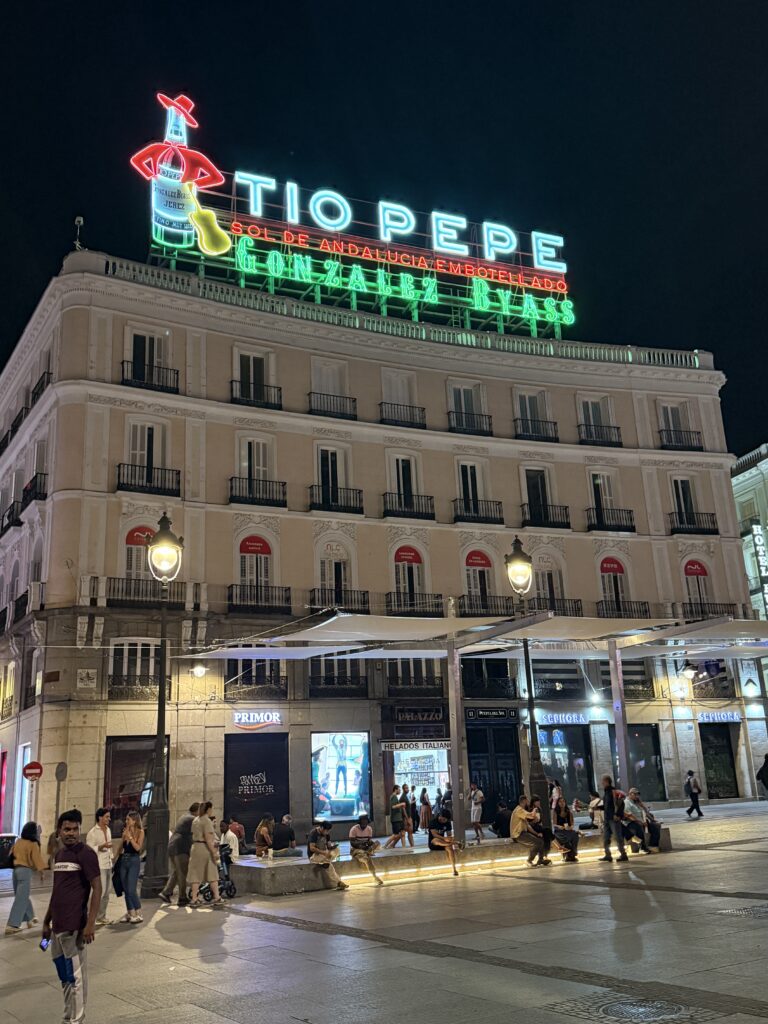
We’re embarking on the González Byass Press Trip, curated by The Tourism Lab—24 immersive hours in Madrid, priming our palates before diving into the sherry and brandy heritage of González Byass, Harvey’s, and Fundador. Touch down with just one day to savor the city’s vibrant soul through exceptional cuisine. This isn’t a typical tour—it’s our exhilarating gastronomic journey across seven standout destinations: the timeless Chocolatería San Ginés for churros, a lively stop at Plaza Mayor beneath the iconic Tío Pepe sign, tapas delights at Mercado de San Miguel, an elevated lunch at Élkar on the 33rd floor, classic cocktails at Viva Madrid, and a refreshing close at Kala Greek Frozen Yogurt, with optional evening views from on high. Perfectly positioned in the historic center and business district (near Puerta del Sol, Gran Vía, and Paseo de la Castellana), these spots connect seamlessly via walks, metros, or quick taxis for an energizing, flavor-filled 24 hours. Get ready, food enthusiasts—Madrid’s culinary heights are calling us! Morning Kickoff: Sweet Start at Chocolatería San Ginés (9 AM – 11 AM) Kick off your adventure (or wrap up a late night—it’s open almost round-the-clock!) at this beloved 1894 gem hidden in Pasadizo de San Ginés, steps from Puerta del Sol. Indulge in crisp churros (or hearty porras) dunked in rich, pudding-like hot chocolate—a true Madrid essential. With marble tables and tiled charm, it’s a favorite for locals and visitors alike. Pro tip: The classic combo costs under €5 and provides the perfect fuel. Stroll 5 minutes west to Plaza Mayor next. Late Morning Highlight: Plaza Mayor Magic (11 AM – 11:30 AM) Pause in Madrid’s historic core at Plaza Mayor, a 17th-century masterpiece of arcades, frescoes, and energy. Capture the glowing Tío Pepe neon sign (a sherry icon since 1935) alongside the King Philip III statue. Enjoy street performers and a quick café con leche from a terrace—it’s free, fabulous for photos, and appetite-building. Head north 15 minutes on foot (or by metro/taxi) for more. Mid-Morning Grazing: Mercado de San Miguel (11:45 AM – 12:45 PM) Step into the elegant iron-and-glass haven of Mercado de San Miguel, a 1916 landmark turned premier food hall. Explore 30+ stalls brimming with Spanish gems: paper-thin jamón ibérico, calamari, olives of every kind, fresh oysters, regional cheeses, paella nibbles, and vermouth pours. Keep it light with calamares bocata or croquetas (€15-25). Vibrant yet top-quality—stand and savor. Then, taxi 10 minutes north along Gran Vía to soar upward. Sky-High Lunch: Élkar Excellence (1 PM – 3:30 PM) Ascend to the 33rd floor of Torre Emperador Castellana (over 160m up—Spain’s highest restaurant!) for Élkar’s “Gastronomía de Altura.” Panoramic windows reveal stunning 360° vistas of the Sierra, Bernabéu, and cityscape. Chef Fran Vicente’s Mediterranean menu dazzles: Parmesan mousse with pesto, premium bellota ham, pistachio ajo blanco with tuna and Jerez pearls, sea bass with beurre blanc and caviar, Ibérico presa with demi-glace and kumquat, or the exquisite Tarta Ópera. Enhance with Fundador infusions or cellar wines. Choose the executive menu or à la carte; book ahead. Sophisticated and inspiring—taxi 15 minutes south afterward. Early Afternoon Aperitivo: Viva Madrid (4 PM – 7 PM) Dive into Barrio de las Letras at Viva Madrid, a 1856 tavern reborn with flair by mixologist Diego Cabrera. Vintage tiles meet ‘20s tango ambiance as jazz hums in the background. Sip gin classics or try the standout Honey Moon cocktail—Pisco 1615 blended with spiced liquor, elderflower, lemon juice, and a whisper of smoked orange tree honey that adds a delightful, aromatic sweetness. Pair with upscale tapas such as truffle croquetas or vermouth olives. It’s the ideal relaxed aperitivo spot to unwind. Evening Finale: Kala Greek Frozen Yogurt (7 PM Onward) End on a fresh note at Kala on Calle de las Huertas: authentic Greek yogurt in creamy pistachio or fruit bases, topped with compote, berries, or crunch. Probiotic and portion-packed—perfect for strolling or bench-sitting. For night owls: Revisit San Ginés or taxi to Élkar’s bar for starry views and cocktails. In just 24 hours, experience Madrid’s core: timeless treats, plaza charm, market buzz, elevated feasts with Fundador elegance, spirited tapas, and cool refreshment. Arrive eager, depart delighted—¡Buen provecho! These gems glow anytime in this vibrant city, day or night.
Inside the Susana Balbo’s Unique Stays
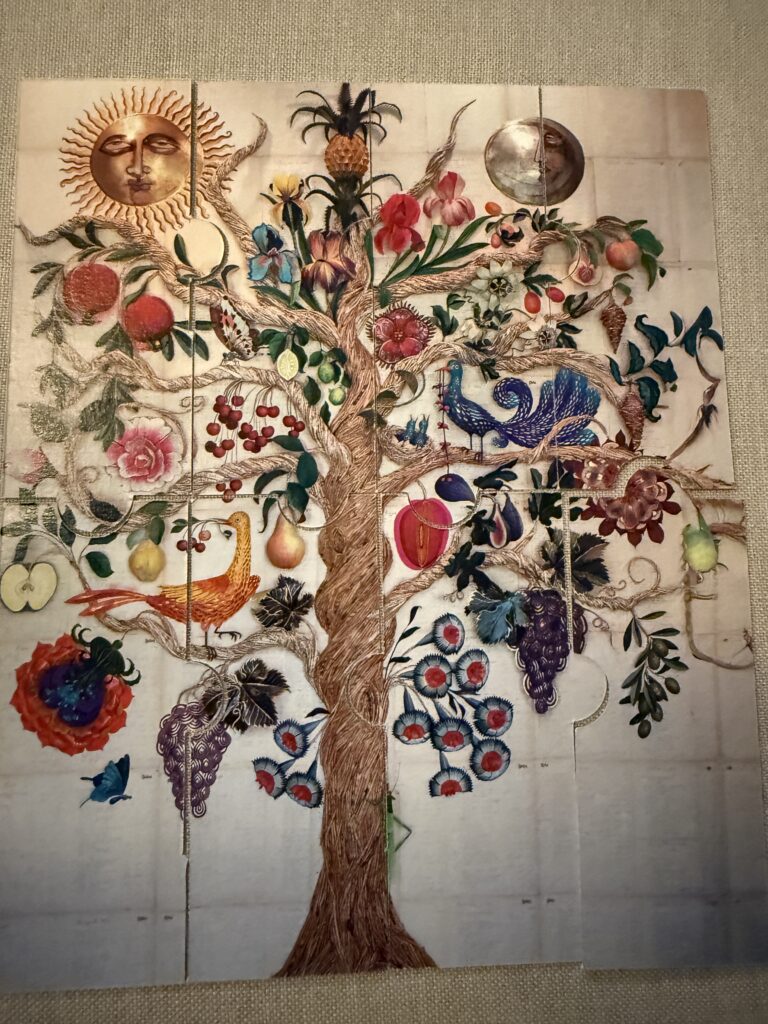
Imagine this: sun-drenched vineyards unfurling like a Malbec tapestry at the foot of the Andes, the air humming with the scent of ripening Torrontés, and a concrete “egg” tub cradling you like a vintage in repose—its curves echoing the very vats where Argentina’s wine revolution was born. This isn’t just another Andean escape. It’s Susana Balbo Unique Stays, the trailblazing haven where Argentina’s first female winemaker, Susana Balbo, and her daughter Ana Lovaglio Balbo have transformed their family home into a 7-suite sanctuary of wine, wellness, and whispered legacy. Susana Balbo didn’t just break barriers; she bottled them. Graduating as Argentina’s inaugural female oenologist in 1981, she defied the red-wine redoubt of Mendoza by championing elegant whites like Torrontés—earning her the crown “Queen of Torrontés.” After nine years elevating Cafayate’s high-altitude valleys, she returned in 1991 to found her eponymous winery in Agrelo, crafting high-scoring vintages exported to 42 countries. But why branch into hospitality? It’s pure evolution: a mother-daughter bid to share their “buen vivir”—that artful blend of wine culture, family stories, and soul-stirring wellness. What started as Ana’s vision to expand enotourism at the winery bloomed into transforming their Chacras de Coria family villa into this adults-only boutique (now a Relais & Châteaux darling since 2024). It’s not about scaling; it’s about intimacy—inviting guests into their world, where every vine-tended detail whispers, This is Mendoza through our eyes. Nestled in leafy Chacras de Coria (20 minutes from downtown Mendoza, 40 from the airport), the estate unfolds like a private dream: a centenary mansion ringed by seven standalone Spa Suites, each a low-slung chalet blending into lush gardens. No towering Andes vista here—instead, it’s an urban-oasis vibe, with linden-lined lanes leading to a saltwater infinity pool that shimmers like liquid quartz. Sustainability pulses through: native flora only, upcycled olive-wood front desk, biodegradable soaps in refillable vessels, and water-saving tech that honors the arid Andean ethos. The Art That Whispers Legacy: A Gallery in Disguise Step through the gates, and art doesn’t just decorate—it narrates. Over 15 local and international creators (Sergio Roggerone, Julio Le Parc, Sebastião Salgado, Martín Villalonga) have woven Susana’s saga into every corner, turning the house into a living gallery. But the showstopper? The monumental “Tree of Life” installation by Sergio Roggerone in the entryway—a towering, kinetic sculpture of twisted iron, glowing resins, and vine-like tendrils that spirals upward like a Malbec barrel stave reaching for the sun. It’s no mere motif; it embodies Susana’s philosophy of growth, resilience, and interconnectedness—mirroring her journey from oenology pioneer to hospitality visionary. Branches fan out like family lineages, etched with subtle nods to Torrontés grapes and Andean peaks, casting dappled shadows that dance with the light. It’s the emotional anchor: As Ana says, “Our story is what makes us unique.” Gaze up, and you’re not just checking in—you’re grafted into the Balbo legacy. Ana herself guided us through the hotel’s three vertical pillars—Wellness, Wine, and Art—revealing how the Tree of Life is more than sculpture; it’s the blueprint. Each of the seven suites corresponds to one of the painting’s seven symbolic elements: earth, water, fire, air, root, trunk, and crown. From the grounding clay tones of Templo (earth) to the ethereal skylights of Corona (crown), every space is a chapter in the same living story. Suite 7—Raíz (Root)—my sanctuary—was the crown jewel of the lineup, the largest and most secluded, tucked at the garden’s far edge like a secret barrel room. It embodies the “root” element: deep, anchoring, foundational. Inside, the space breathes: soaring ceilings with exposed beams, a living area anchored by a suspended fireplace that crackles like a Malbec reduction, and floor-to-ceiling glass sliding doors that erase the line between indoors and out. The egg tub sits on a raised cedar platform, overlooking the private heated plunge pool—a sleek rectangle of turquoise framed by native chañar and carob trees, perfect for midnight dips under star-drenched skies. The dry sauna is a cedar cocoon with a porthole to the garden; step out onto heated stone for a cold-plunge contrast that jolts the senses awake. The bed? A cloud of Egyptian cotton facing a private vineyard sliver—wake to the soft rustle of leaves. A hidden outdoor shower under a pergola of climbing jasmine, a yoga deck with cushioned mats, and a wine fridge stocked with Susana’s Signature wines sealed the deal. It’s not a room. It’s a retreat within a retreat. The Night Begins: A Signature Cocktail to Set the Tone Our evening ignited with Ana’s welcome ritual: a signature cocktail served fireside surrounded by other Mendozian works of art in the cocktail bar. Picture this—grappa infused with clarified butter, toasted hazelnuts, and poached pears, shaken over ice and strained into a chilled coupe. The nose? Warm pastry and orchard fruit. The sip? Silky, nutty, with a whisper of pear sweetness and a clean, spirit-driven finish. It wasn’t just a drink—it was a preview of Mendoza’s soul: bold, layered, unexpectedly refined. One sip, and the Andes felt closer. La Vida by Flavia Amad: A Chef’s Ode to Mendoza’s Soul Dining here is a revelation, helmed by Mendoza-born wunderkind executive chef, Flavia Amad Di Leo—a Michelin-apprenticed force (stages with Anthony Bourdain and Daniel Boulud, New York stardom under her belt). At La Vida, the in-house restaurant, Flavia reinvents regional lore with local, organic bounty: bold, flame-kissed plates that marry molecular wizardry to Andean heart. Chef Flavia’s magical 7-course Tree of Life tasting menu paired with Susana’s curated wines. Throughout the meal, we pieced together puzzle cards revealing ingredients tied to each element of the tree – Roots with redish, cashew, corn, beet, and ponzu; Stem featuring buckwheat and beet; Fruits layering puff pastry with butter-capers, lemon mirin olive, bitter cocoa raspberry, and a cheese & artisanal sweets cart were some of the courses. Flavia’s flavors telling Mendoza’s story, one element at a time. By the finale, we assembled a double-sided image: one side, the full menu in elegant calligraphy; the other, a photographic replica of the Tree of Life,