
Holiday Travels
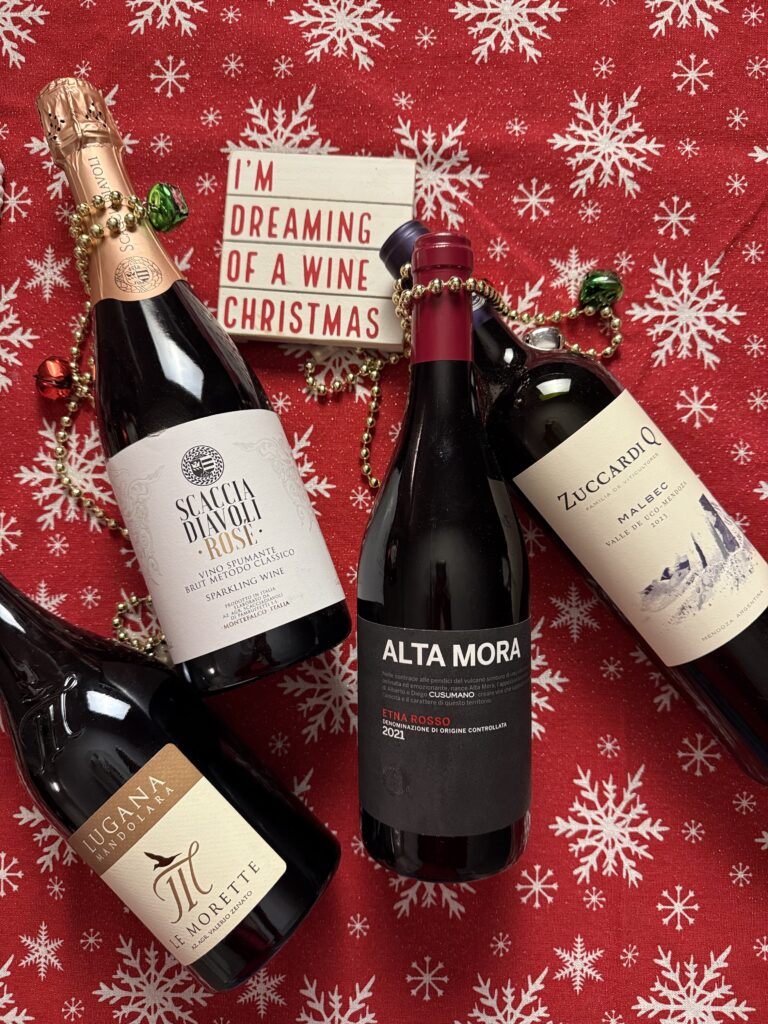
These four bottles aren’t just wines – they’re postcards from the roads I traveled in 2025, little liquid souvenirs I brought home from places that stole my heart. From volcanic slopes to glacier-cooled lakeshores, from devil-chasing hilltops to sky-high Andean vineyards, each one carries the soul of where it was born. And as the holiday lights start twinkling, they transform into the perfect companions for the season: sparkle to kick off the night, spice to match the feast, brightness to cut through the richness, and velvet depth for those long, fireside conversations. Here they are – four passports to joy, ready to make your holiday season unforgettable! Scacciadiavoli Brut Rosé: The Devil-Chasing Sparkler That’s Pure Party Magic! Oh, buckle up, bubbly lovers—this Scacciadiavoli Brut Rosé from the legendary Cantina Scacciadiavoli is like a cheeky Italian whisper saying, “Life’s too short for flat vibes!” Hailing from the sun-kissed hills of Montefalco in Umbria, Italy, this winery’s been crafting wines since the 1800s, with a name that literally means “devil-chaser” The region’s volcanic soils and gentle breezes give it that extra zing, turning humble grapes into liquid fireworks. Winemaking here is all about that classic Italian flair: hand-picked 100% Sagrantino grapes get the royal treatment with the Metodo Classico (think Champagne method, but with more Mediterranean soul), aged min 24 months sur lie fermenting in the bottle for that fine, celebratory fizz. It’s aged just right to keep things fresh without losing the fun—pure artisanal wizardry that lets the terroir shine through every bubble. Style-wise, this is your go-to sparkling rosé for when you want elegance with a wink: brut-dry for that crisp edge, but bursting with playful energy. It’s the rosé that dances on your tongue, light yet structured, like a summer fling that turns into your new bestie. Tasting notes? Get ready to swoon: a pale salmon glow in the glass, unleashing a floral explosion of wild strawberries, red apples, and a whisper of brioche crust—fresh as a morning jog through an orchard. On the palate, it’s a lively tango of cranberry zip, ginger spice, and white pepper kick, all wrapped in silky bubbles and zesty acidity that lingers like a flirty goodbye. One sip, and you’re hooked—elegant, savory, and oh-so-refreshing! For fun food pairings, pop this open with seafood towers , charcuterie boards loaded with prosciutto and fresh cheeses, or even a zesty white-meat grill-out. It’s the ultimate mood-lifter for rooftop toasts, beach picnics, or just because—evoking that carefree, sun-drenched euphoria where worries bubble away and every moment feels like a victory lap. Cheers to chasing devils with delight! Fun Fact: The winery’s name literally means “Devil-Chaser” because, back in the 19th century, the vineyard sat right next to a tiny village where an exorcist was once called in to banish a pesky demon. Locals swear the first bottles of sparkling Sagrantino were so good that even the devil fled in delight… and never came back! Le Morette Mandolara 2024: Lake Garda’s Zesty Sunshine in a Bottle! Dive into the sparkling waters of joy with Le Morette’s Mandolara 2024—because nothing says “let’s make memories” like a white wine that’s as breezy as a Venetian gondola ride! Crafted by the Zenato family at Le Morette winery, these folks have been tending vines in Peschiera del Garda since the 1960s, blending old-school passion with zero-chemical purity for wines that taste like pure, unfiltered happiness. Nestled in the Lugana DOC region of Veneto, Italy—just a stone’s throw south of Lake Garda’s shimmering shores—this spot’s mineral-rich clays and lake-cooled nights crank up the freshness dial to eleven, making every vintage a love letter to the land. Winemaking is a family affair done right: 100% Turbiana grapes (that’s Verdicchio’s sexy Italian alias) from the hallowed Mandolara vineyard get a gentle stainless-steel hug to preserve their zippy soul—no oak, no fuss, just pure expression fermented cool and crisp for that vibrant pop. It’s sustainable magic that lets the grapes strut their stuff. This bad boy rocks a flinty-green white wine style—light-bodied, zingy, and endlessly quaffable, like the cool cousin at the family reunion who always brings the best stories. Perfect for those “aha!” moments when you need refreshment without the weight. Pour it out, and bam—your nose is hit with a citrus symphony of grapefruit zest, green apple crunch, white flowers, and a sneaky apricot tease, all wrapped in that flinty, mineral kiss from the Garda stones. The palate? A fruity fiesta of peach whispers and apple brightness, finishing with bitter almond elegance and a mouthwatering acidity that begs for another sip. It’s fresh, balanced, and downright addictive—like biting into summer itself! Pair it up with Taco Tuesday fish tacos, delicate seafood pastas, or veggie-packed risottos for a match made in heaven—light, lively, and laugh-out-loud delicious. The mood? Effortlessly upbeat, evoking lazy afternoons by the water, spontaneous brunches, or that giddy “yes!” to new adventures—pure, feel-good elixir for souls craving a splash of serenity and sparkle! Fun Fact: The Mandolara vineyard is home to a colony of wild ducks (called “morette” in local dialect) that waddle through the rows every spring. The Zenato family refuses to scare them away, so every vintage is officially “duck-approved” and probably blessed with extra good luck! Alta Mora Etna Rosso 2022: Sicily’s Volcanic Vixen Ignite your senses with Alta Mora Etna Rosso 2022, where the fiery spirit of Mount Etna meets winemaking wizardry for a red that’s as explosively fun as a Sicilian festa! Born from the Cusumano family’s Alta Mora project—a high-elevation love child of passion and precision since 2007—this crew’s all about honoring Etna’s wild side with sustainable swagger and indigenous soul. Perched on the volcanic flanks of Etna in Sicily, Italy—blending grapes from star vineyards like Verzella, Solicchiata, Feudo di Mezzo, and Guardiola at 650–900 meters up—these lava-kissed black sands and ancient soils brew a mineral magic that’s equal parts rugged and refined, capturing the island’s untamed heartbeat. Winemaking channels that volcanic energy: 100% Nerello Mascalese gets a cool ferment to lock in freshness, then
Lugana’s Lingering Sips
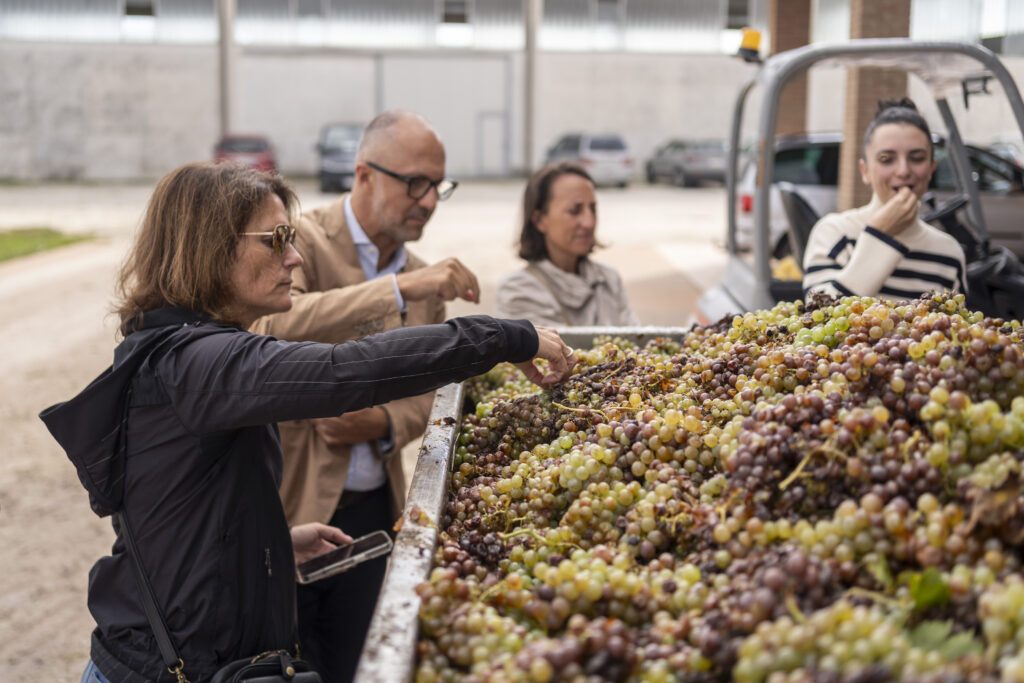
The final morning climbed poetic heights at the Tower of San Martino, a 74-meter Neo-Gothic spire erected in 1878 atop the hill where the 1859 Battle of Solferino raged – a bloody pivot in Italy’s Risorgimento that inspired the Red Cross. Ascending its spiraling ramp, frescoed panels by Venetian masters like Vittorio Bressanin unfolded tales of valor, the ossuary below a somber nod to 2,000 fallen souls. From the summit, Lugana’s patchwork vineyards unfurled like a green quilt, Lake Garda a sapphire thread binding it all. It’s a site that stirs the soul, reminding us wine’s roots tangle with history’s thorns. We descended to Corte Sermana for lunch, a boutique “Clos” vineyard since 2009, named for the stream marking Veneto-Lombardy lines. Brothers Nicolò and Filippo (third-gen growers) shared their 5-hectare plot’s secrets: white clays laced with calcium carbonate, yielding Turbiana of “remarkable finesse and mineral energy.” Corte Sermana sits right in the heart of the Lugana DOC, on the southern shore of Lake Garda in northern Italy. Tucked into a breathtaking corner just 15 metres from the water’s edge, the estate is cradled between the lake itself and the Sermana stream – the natural boundary between Veneto and Lombardy. This extraordinary position gifts the vines cool, breezy summer nights and ancient, mineral-rich glacial soils dominated by white clay and calcium carbonate – the ideal playground for the native Turbiana grape that gives Lugana its unmistakable soul. Filippo Bottacini greets us at the cellar door with the easy smile of someone who has just come in from the vines. At barely thirty-something, he already carries the calm authority of a man who trusts time more than trends. “People always ask me why we harvest so early for the sparkling base,” he says, pouring a crystal-clear 2025 vintage that won’t see bottle until next spring. “Simple. I want the wine to taste like the lake in September – cool, electric, alive.” The glass explodes with white flowers, sea breeze, and that unmistakable flinty mineral streak that only seems to appear when vineyards sit a few hundred meters from water. At 11.4% alcohol and a racy 7.6 g/L acidity, it feels like drinking a cold wave. Filippo swirls and smiles: “This is the freshness we fight for. Everything else – the yeast, the lees stirring, the three years we’ll give it – is just to protect that first electric impression.” We move to the tank room, where the full-harvest still wines rest. The difference is immediate. Where the sparkling base is all nerve and brightness, these lots (harvested just a week or two later) have already begun their slow transformation into something richer, rounder, almost velvety. “Same vineyard, same Turbiana grapes, six days apart,” Filippo shrugs, as if the miracle is the most natural thing in the world. He’s divided the estate into six blocks – some running north-south, others east-west – to capture every possible nuance of ripeness. “Machine harvesting used to be a dirty word around here,” he admits. “But we proved that with the right heads and soft pressing, you actually get cleaner aromatics. The skins break gently, the vegetable notes never appear, and suddenly the white flowers and exotic fruit arrive like they’ve been waiting for permission.” What strikes me most is the patience. While most Lugana producers rush wines to market, Corte Sermana refuses to bottle anything young. The sparkling wines get a full year on lees before even the second fermentation begins. The flagship white – a kaleidoscopic creature Filippo calls Kromago (chrom + lago = colors of the lake) – spends eight months in bottle before release and, he insists, only starts showing its true self after three or four years. “This is why we don’t put the year on the sparkling,” Filippo says. “I want people to taste the wine, not the label. In ten years these bottles will taste completely different again – that’s the point.” Lunch is served! There are bowls of bright salads, platters of house-cured lonza, coppa, and pancetta rolled so thin you can almost see Garda through it. An array of local cheeses and warm focaccia just out of the oven. And, because this is Corte Sermana, nine bottles standing like soldiers, waiting to be opened in ceremony. Filippo pours. We begin. We ended the meal with their Grappa di Lugana is gentle, almost creamy, with a clean almond finish paired with the authentic torcetti del Lago – the proper Lugana “cookie” for grappa. Eventually Filippo says quietly: “This is what the vineyard tastes like when it’s happy.” I believe him. And somewhere in my luggage, wrapped in two sweaters and a prayer, a bottle of 2015 Cromalgo is already dreaming of the next decade. Nestled on the southern shore of Lake Garda, in the heart of the Lugana DOC, stands Cà LoJera – “House of the Wolf” in local dialect. This small, fiercely independent estate is now in its third generation and feels more like a secret than a winery. The story begins in the early 1970s when Amalia and Pietro Tiraboschi planted the first vines. Today their son Franco and his wife Marta run every inch of the 16 hectares with their own hands and a stubborn refusal to compromise. No barrique, no selected yeasts, no rush – just old-vine Turbiana and that magical white clay soil that looks like you scooped it straight from the lake bed. Franco Tiraboschi is the winemaker, the philosopher, and the quiet guardian of all this magic. When you taste his wines – especially the immortal Riserva del Lupo – you’re tasting purity, patience, and absolute respect for Turbiana and that white clay. The name itself is pure legend. Centuries ago this farmhouse hid lake smugglers – the lupi (wolves) who moved contraband under moonlight. The ancient name of the land? Loyate – “House of the World”. Combine the two and you get Cà LoJera: the wolf’s den that opens its doors to the world. You’ll see the old house, the
Lugana Dreaming – Parte 2
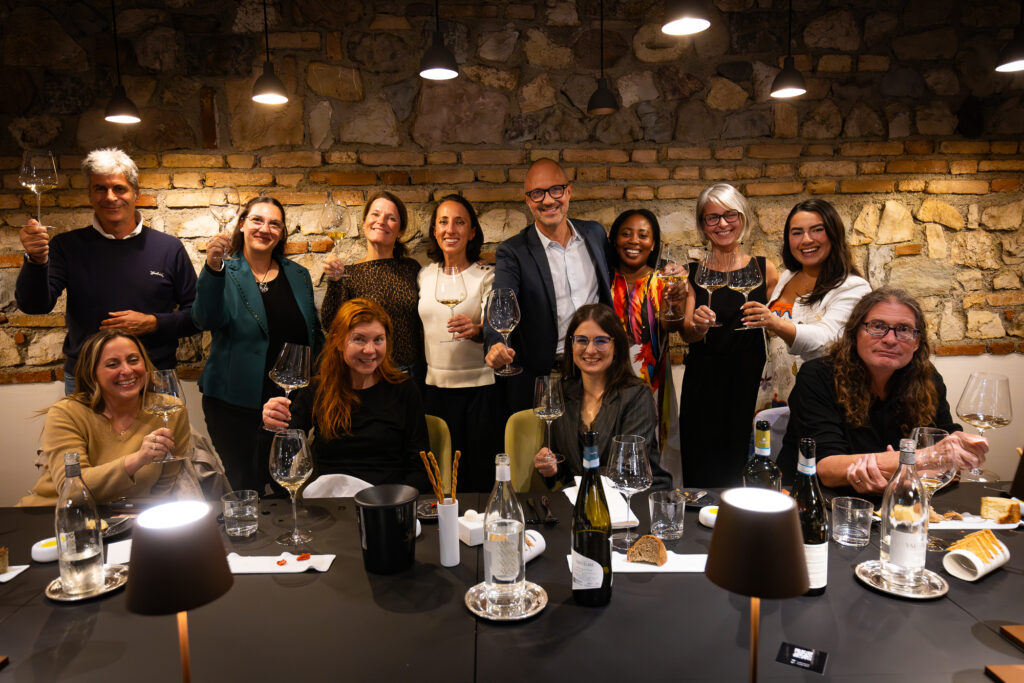
The day began the way every perfect Italian evening should: with a boat. We met at Desenzano del Garda’s graceful port as the sun was beginning its slow descent, turning the water into liquid gold. A restored wooden riva – sleek, varnished mahogany glowing in the light – waited for us. The moment the lines were cast off, the world softened. We cruised north along the southern shore of Italy’s largest lake, past quiet bays and pastel villages, the breeze carrying the faint scent of fig trees and distant grills. Twenty magical minutes later, the fairy-tale silhouette of Sirmione rose from the water: the 13th-century Scaligero Castle, moat aglow, drawbridge silhouetted against the sky. The captain eased us straight through the castle’s watery entrance – an approach that still feels like slipping into another century – and tied up inside the historic center. From there it was a short, cypress-lined walk to the Grotte di Catullo. Perched at the very tip of the peninsula, these sprawling ruins of a 1st-century BC Roman villa are among northern Italy’s most evocative archaeological sites. Olive trees now shade fallen columns, wild caper bushes cling to ancient walls, and the views stretch across the endless lake to the Alps. Legend (though not history) links the villa to the poet Catullus, who called Sirmione “the pearl of all peninsulas.” Standing on the sun-warmed stones as the light faded, it was impossible not to feel the same enchantment two thousand years later. By the time we wandered back through the lantern-lit lanes, twilight had settled and anticipation was high. La Rucola 2.0 – the intimate, one-Michelin-starred jewel hidden just steps from the castle – opened its doors to our small group like an old friend. Inside, the stage was set for something extraordinary: a seven-course tasting menu created by chef Stefano Dall’Ospedale, our seven course meal including a fish from the region ineach dish expressly designed to converse with the Lugana wines of Sirmione’s finest producers. Nestled on the southern shore of Lake Garda, the tiny sub-region of Sirmione within the Lugana DOC stands out for its strikingly compact size and distinctive terroir. Home to just nine wineries, this narrow peninsula benefits from dense, heavy clay soils—often white or grayish in color—that retain water and impart remarkable structure and minerality to the wines. These calcium-rich clays, formed from ancient morainic deposits, give Sirmione’s Turbiana grapes a fuller body and pronounced savory character compared to the sandier, more perfumed expressions found further north in the appellation, making its limited-production Luganas some of the most powerful and age-worthy in the entire zone. Around the long table sat the people who make the magic happen: Chiara Perego (oenologue of Azienda Agricola Sgreva), Sara Salgaro of Tenuta Frontelago, Nunzio Ghiraldi himself, and Eliza Zordan from Cascina Maddalena, who moderated the evening with warmth and precision. Every time a new bottle was opened, the maker told the story behind the wine, and guided us through the glass while the perfectly timed course arrived. With every course, the room grew livelier. Stories of grandfathers planting the first vines, of siblings sketching labels at the kitchen table, of horses galloping between rows, of brain waves translated into art – each tale deepened the flavour in the glass. When we finally stepped back into the cool night air, the castle lights shimmering on the water and the lake lapping gently at the ancient walls, no one spoke for a long time. Some evenings feed the body. This one fed the soul. Sirmione, with its Roman ghosts, thermal springs, white-clay vineyards, and nine fiercely proud winemaking families, had worked its quiet spell once again.
Lugana Dreaming – Parte I:
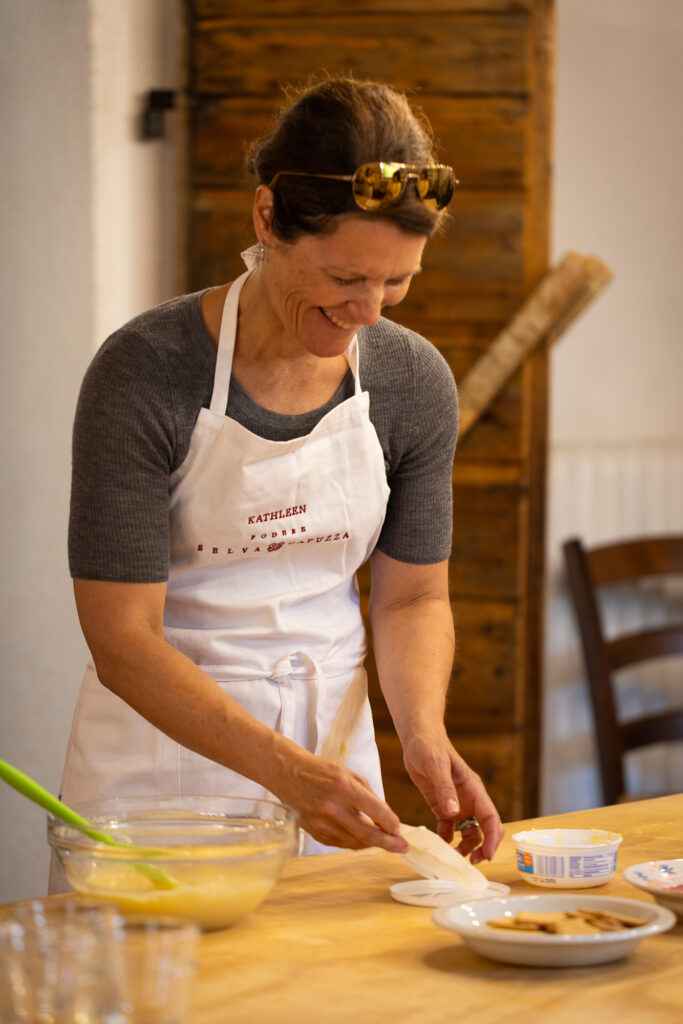
From the Arches of Tenuta Roveglia to the Circle of Time at Selva Capuzza After a night wrapped in the soft hush of Desenzano del Garda, the morning light pulled us south along quiet country roads to Pozzolengo and Tenuta Roveglia – 120 hectares of vines, stories, and famously stubborn clay that have been making wine since the early 1400s. The estate was reborn in the early 1900s by Swiss immigrant Federico Zweifel, but today it is the three Azzone sisters – Sara, Vanessa, and the irrepressible Babettli – who are writing the most vibrant chapter yet. From the moment Babettli greets you with that knowing smile, you feel like you’ve been let in on a wonderful secret. Within minutes she quotes her father’s lifelong creed: “We need to promote the dream – Lugana – and not the winery.” He used to pedal from trattoria to trattoria with sample bottles strapped to his bicycle until the world finally sat up and listened. That same generous, collaborative spirit still pulses through every corner of Roveglia. It’s impossible to miss. Step into the foyer and you’re immediately enveloped by the “family wall” – a sprawling, joyful collage not just of the three sisters, but of every facet of the team – the office, the tractor driver, the seasonal picker, every cellar hand who has ever worked a harvest here. “They are Roveglia,” Babettli says, tapping a faded photo of a man who started at fourteen. “We don’t separate blood from chosen family.” Babettli herself is a whirlwind of passions. Trained as an HR specialist, she’s also a self-taught architect and an obsessive collector of antique telephones. Her office feels like a tiny museum of Bakelite rotaries and candy-apple-red Ericofons. “Each one has its own voice,” she murmurs, cradling a 1930s Siemens like a baby bird, “exactly like old vines.” That love of distinctive voices brought us straight out to the vineyard. She scoops up a fistful of the heavy white clay. “Wet, it’s glue. Dry, it’s stone.” Fifty-five-year-old roots barely reach five metres deep, spreading instead in a desperate spiderweb just to survive. “Survival mode,” she grins, “makes the wine more interesting.” All that character needed a worthy home, so Babettli designed one. To reach the new tasting room you descend a stone staircase behind a monumental door of reclaimed wood and iron – every plank salvaged from centuries-old barns and presses. “Nothing here is wasted,” she whispers, pushing it open like a secret. What waits below is pure, breath-stealing magic: a six-metre-deep golden cathedral of hand-built brick arches, no two alike, each curve sketched by Babettli herself and shaped by eye to carry the exact weight above. Hidden lights make the rosy terracotta glow, and the cool air is thick with the scent of earth and sleeping wine. Yet the true soul of the estate lives upstairs in the 16th-century Cascina Roveglia farmhouse. Thick limestone-and-clay walls – the very same moraine that gives Lugana its mineral snap – keep it cool in summer and cosy in winter. Ancient chestnut beams that once held grain now frame intimate tastings; pink Veronese rose marble floors shimmer beneath humble arches originally built for oxen, not ostentation. The former stable has become the coziest tasting room imaginable: a scarred oak table, a fireplace blackened by five centuries of smoke, family photos watching over us, and the low hum of sleek steel tanks just next door. At one point Babettli disappears for a moment and returns cradling their very first commercial vintage – 1989 – one of only twelve bottles left in the world. And then, beneath those glowing arches, the wines spoke for themselves. – Lugana Spumante Brut: A silver river of pinpoint bubbles carrying crisp green apple, spring flowers, and warm brioche. Dry, electric, celebratory. – Limne Lugana DOC: So pale it flashes green at the rim. Lime blossom, white peach fuzz, wet river stones – pure Garda breeze in a glass. – Vigne di Filiberto Lugana DOC: Ripe yellow plum, roasted almond, a twist of lemon confit, and a saline snap that makes your mouth water again and again. – Riserva Vigne di Catullo Lugana DOC 2012 – Cork vs Screwcap: Deep, luminous gold. The nose explodes: candied orange, acacia honey, toasted hazelnut, smoky minerals. Velvety, almost chewy, then a blade of acidity lifts ginger biscuit and sea salt into an endless, resonant finish. The cork bottle was tired and mushroomy; the screw-cap version still singing with lemon peel and almond blossom. “Dad made the switch in 2007,” she laughs. “Everyone thought he was crazy. Sales tripled the next year.” – Bonus: 2021 Late-Harvest VT : Golden like November sun, swirling with candied ginger, toasted walnut, and river-stone freshness. 14 g/L of honeyed sweetness balanced by acidity so bright your jaw tingles. “A me-wine,” Babettli declares, a wine that can last an hour. We left Roveglia with hearts full and Babettli’s parting words ringing in our ears: “Now go taste the other side of the dream.” So we pointed the car just a few kilometres east, toward the hills of San Martino della Battaglia and Podere Selva Capuzza – another family, another century-old cascina, another unforgettable chapter of Lugana waiting to be uncorked. We left Roveglia with hearts full, and Babettli’s parting words ringing in our ears: “Now go taste the other side of the dream.” So we pointed the car just a few kilometres east, toward the hills of San Martino della Battaglia and Podere Selva Capuzza – another family, another century-old cascina, another unforgettable chapter of Lugana waiting to be uncorked. We didn’t taste in a cellar or a sleek tasting room – we tasted right where the magic happens, among the vines of the San Biagio vineyard at Podere Selva Capuzza, in the heart of the Lugana DOC on the gentle morainic hills of San Martino del Garda, just a few kilometres south of magnificent Lake Garda itself. Glasses balanced on an old wooden table facing the rows, late-afternoon
Pour, Adore, Repeat in Lugana- White Wine Elegance
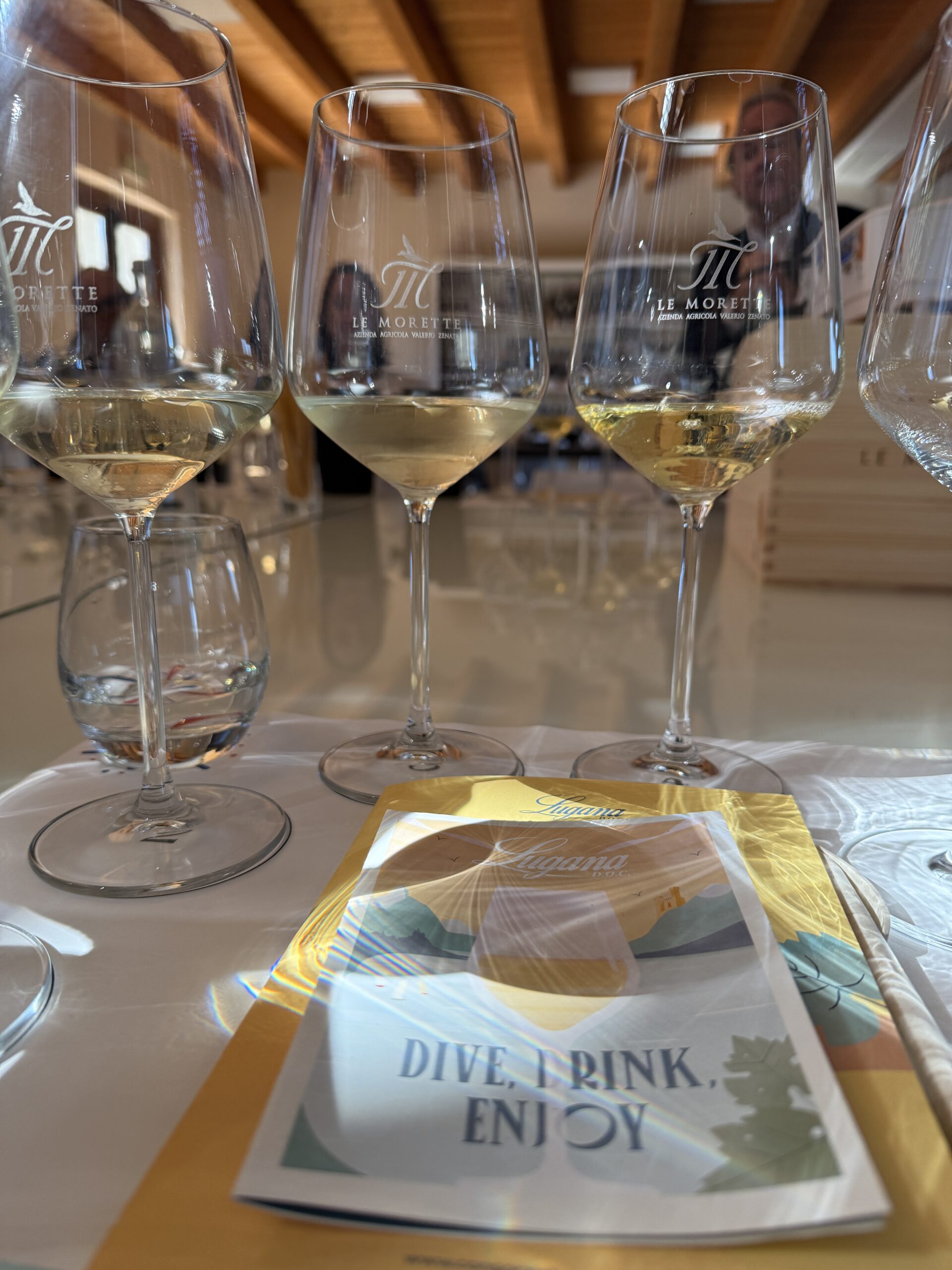
Nestled along the southern shores of Lake Garda, Lugana DOC stands as Italy’s most refined lakeside white wine appellation. Spanning the border between Lombardy and Veneto in northern Italy, this designated area forms a narrow, crescent-shaped corridor encompassing five key communes: Sirmione, Desenzano del Garda, Pozzolengo, Lonato del Garda, and Peschiera del Garda. Framed by morainic hills shaped by ancient glaciers, Lugana’s distinctive white-clay and limestone soils impart remarkable minerality and aging potential to its signature grape, Turbiana (locally known as Trebbiano di Lugana). In essence: a sophisticated white wine region, just 20 minutes from Lake Garda’s crystalline waters. Having explored vintages from Umbria’s robust Sagrantino vineyards to the sunlit hills of Chianti in Tuscany, I arrived in Lugana last autumn with keen anticipation. Hosted by the Consorzio Tutela Lugana and Nonni Marketing, this press trip transcended routine tastings and tours. It offered an immersive tribute to Turbiana—the resilient grape that defines Lugana’s elegant, mineral-driven whites. Over three radiant days, I toured historic cellars, enjoyed locally sourced cuisine, and embraced the serene cadence of the lake. For wine enthusiasts and discerning travelers alike, allow me to guide you through this captivating journey. Arrival at Le Morette: A Memorable Introduction Our journey commenced immediately upon arrival at Le Morette. Before alighting from the vehicle, third-generation proprietor Fabio Zenato presented a chilled flute of the estate’s Metodo Classico Brut—a sparkling Turbiana alive with green apple, brioche, and a precise saline finish. The effervescence evoked sunlight dancing across Lake Garda, setting an inviting tone. Fabio’s dedication mirrors the depth of the estate’s 40 hectares, situated between Garda’s southern shores and the UNESCO-protected Frassino Lake—a habitat for wild ducks (the name Le Morette, meaning “little brunettes,” pays homage to these birds). An introductory masterclass, conducted by JC Viens of Grande Passione, transformed technical terroir discussion into an engaging narrative. With experience spanning Hong Kong’s wine scene to Italian ambassadorships, JC illuminated Lugana’s inter-regional character, its glacial clay-rich soils, and the grape’s Verdicchio lineage. Confirmed by DNA analysis as a distinct variety, Turbiana thrives under the lake’s microclimate: warming Ora winds by day and cooling Pelèr breezes by night, yielding wines of vibrant acidity and refined texture. “Duality in a bottle,” he noted—suitable for casual aperitifs yet capable of graceful evolution. Notable selections included: Fabio then led a comprehensive tour of the 60-hectare certified organic estate. We traversed sunlit vineyards and descended into cool underground cellars featuring stainless steel and sustainable innovations. Originating as a vine nursery in the 1950s, the family grafts Turbiana onto phylloxera-resistant American rootstocks—a process Fabio demonstrated with precision, underscoring the blend of tradition and science that sustains the region. The modern winery integrates geothermal systems within a restored 19th-century farmhouse, employing gravity-fed presses and subtle oak influence. Lunch, hosted by Fabio, featured seafood saffron risotto with lake perch and shrimp, paired seamlessly with Le Morette’s portfolio. He recounted the family’s postwar legacy and Turbiana’s central role in Lugana’s identity. Evening Elegance at Hotel Piccola Vela We settled at Hotel Piccola Vela in Desenzano del Garda—a contemporary lakeside retreat offering minimalist accommodations, private beach access, an infinity pool blending with the horizon, and a spa featuring vinotherapy. It provided an ideal respite. As dusk approached, we gathered on the rooftop with Cà Lojera’s Belle Metodo Classico Brut Zero 2018—a zero-dosage sparkler from 50-year-old vines, aged 36 months on lees. Its focused citrus, mineral precision, and fine mousse harmonized with the sunset. The evening culminated in a welcome Apericena hosted by the Lugana Board of Directors. Amid convivial exchange, we sampled offerings from Tenuta Corbari, Pasini San Giovanni, Montonale, Fraccaroli, Citari, Ca’ dei Frati, Sansonina, Cantina Coarse, and Zenato—ranging from delicate sparklers to structured reserves. Key tasting notes: Lugana DOC represents more than a wine region—it embodies a harmonious balance of tradition, innovation, and natural beauty. From the meticulous grafting at Le Morette to the panoramic tastings at Hotel Piccola Vela, Turbiana reveals remarkable versatility: crisp enough for casual enjoyment, yet profound in its capacity to evolve. With 60–70% of production exported to discerning markets in Germany and the United States, Lugana maintains an aura of understated excellence. For wine professionals and collectors, these bottlings offer intellectual depth and exceptional value. For travelers, the communes along Lake Garda promise cultural richness, culinary authenticity, and restorative landscapes. This press trip reaffirmed Lugana’s quiet authority in Italy’s viticultural canon—an invitation to savor elegance in its purest form. Whether planning a vineyard pilgrimage or seeking the perfect white for your table, let Lugana be your next discovery. Day two next!