
Hidden Gems Just a Stone’s Throw from Rome: A Feast for Foodies, Wine Lovers, and Nature Seekers
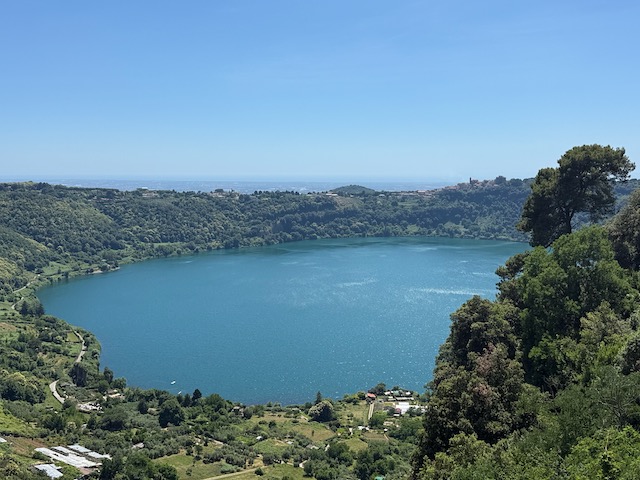
Hey there, fellow wanderers and vine enthusiasts! I’m back from a soul-recharging escape that reminded me why the Castelli Romani—those volcanic hills just outside Rome—feel like Italy’s best-kept secret. If you crave winding trails, world-class wines, fresh-from-the-earth food, and moments of pure magic, this region delivers in spades. I based myself in charming Rocca di Papa, and set off on day trips that blended history, nature, and indulgence. Here’s my heartfelt story from this unforgettable trip. Rocca di Papa: My Charming Hilltop Base Perched at 680 meters on the slopes of Monte Cavo, Rocca di Papa is the second-highest town in the Alban Hills and retains a wonderfully preserved medieval layout. Narrow, steep alleys wind between stone houses that seem to cling to the rock, and colorful murals brighten the streets thanks to local artists. The Belvedere della Fortezza Medievale offers jaw-dropping panoramic views stretching all the way to the sea—perfect for morning coffee with a side of awe. It was the ideal peaceful base: fresh mountain air, friendly locals, and easy access to everything else. Genzano di Roma: A Living Carpet of Flowers and Peace The undisputed highlight was the Infiorata di Genzano, one of Italy’s oldest and most iconic floral festivals, dating back to 1778. This year’s 248th edition during Corpus Domini (June 13–15, 2026) carried the moving theme “Fiorita nella pace: 80 years of the Italian Republic.” Via Italo Belardi became a massive, vibrant living carpet stretching for hundreds of meters, meticulously crafted by local “maestri infioratori” and volunteers using thousands of fresh flower petals, seeds, and leaves. The designs were intricate and symbolic—ephemeral works of art honoring peace and democracy that the community walks over gently during the religious procession before they’re ceremonially swept away. The sweet, earthy fragrance filled the air, and the explosion of colors under the June sun was mesmerizing. It’s a powerful reminder of tradition, community spirit, and the beauty of fleeting moments—ideal for slow, meaningful travel. Thoughtful detail: Genzano overlooks the surrounding soft hills and has deep roots as a “City of Wine” in centuries past. Wander the historic center, admire the grape-and-vine bas-reliefs in Piazza Tommaso Frasconi, and grab warm bread from a local bakery for a simple picnic. It’s a town that feels alive with pride in its heritage. Frascati: Wine Heaven, Gelato Bliss & Historic Charm Frascati sits elegantly on the Alban Hills, famous for its volcanic-soil Frascati DOC wines that have been called “the Pope’s wine” for centuries. Cobblestone streets, elegant villas, and sweeping views over the Roman countryside make it irresistibly charming. I paused at the grand Frascati Cathedral (Cattedrale di San Pietro Apostolo), with its impressive Baroque facade completed in 1700 and serene interior offering a cool, reflective escape. Nearby, the historic Campanile di San Rocco (dating back to 1305) stands as a charming landmark. But the true magic happened at Santé wine bar—a warm, welcoming enoteca that feels like chatting with old friends. The standout wines included: Don’t miss Greed Gelateria—an absolute must! Their gelato is incredibly creamy and packed with flavor. I savored the local Nemi strawberry (intensely aromatic), rich pistachio, and a wild herb & honey scoop that captured the essence of the hills. It was the perfect refreshing interlude. Thoughtful addition: Frascati invites leisurely wandering with vineyard views and family-run spots offering authentic tastings—far from the tourist crowds. Nemi and Lago di Nemi: Strawberries, Hiking, and Lakeside Bliss Nemi is a postcard-perfect medieval village perched on a spur above its namesake volcanic crater lake—often called Lazio’s Strawberry Capital. The tiny, wildly fragrant fragoline di Nemi are legendary; they appear in gelato, tarts, and fresh bowls with irresistible sweetness. I hiked the gentle trails around Lago di Nemi, enjoying panoramic viewpoints like the Belvedere degli Innamorati (Lovers’ Viewpoint), with birdsong, chestnut groves, and dappled sunlight creating a restorative atmosphere. The lake’s deep blue waters and surrounding hills feel timeless—ancient Roman ships were famously recovered from its depths. Thoughtful detail: Nemi’s compact streets are lined with strawberry vendors and crafts. The annual Sagra delle Fragole festival celebrates the berry in June, but the magic is year-round. It’s a dream for outdoor lovers blending gentle adventure with culinary delight. Castel Gandolfo and Lago Albano: Papal Tranquility and Scenic Beauty Castel Gandolfo exudes regal calm as the traditional summer residence of the Popes. The Apostolic Palace (designed in the 17th century) and its beautiful gardens overlook the stunning Lago Albano, a deep volcanic crater lake framed by lush green hills. Strolling the charming narrow streets and piazzas, I soaked in the mix of history, spirituality, and natural beauty. Grab an espresso at a viewpoint café and gaze across the water—many popes found solace here, and it’s easy to see why. The black volcanic sands along the lake invite a refreshing dip in warmer months. Ostia Antica: Step Back into Ancient Roman Life A short hop from Fiumicino brought me to Ostia Antica, the remarkably well-preserved ancient port city of Rome. Founded in the 4th century BC, this sprawling archaeological site once bustled with over 100,000 inhabitants as the vibrant commercial heart of the empire. Wandering the Decumanus Maximus (main street), I explored grand theaters that still host summer performances, intricate mosaics in the Piazzale delle Corporazioni (Square of the Guilds), public baths, apartment buildings (insulae), warehouses, and even a thermopolium (ancient fast-food bar). The ruins felt incredibly alive—far less crowded than Pompeii yet equally evocative, with wildflowers growing among the stones and birds nesting in the old walls. It’s a fantastic blend of history and gentle outdoor exploration, perfect for imagining daily Roman life by the sea. Thoughtful detail: Bring comfortable shoes and a hat for sun protection. Combine it with beach time in Fiumicino for the ultimate ancient-meets-modern day. Sunrise and Sunset at Fiumicino Beach: Bookends of Beauty My trip bookended with pure coastal magic at Fiumicino beach. Watching the sunrise paint the sky in soft pinks and oranges, followed by a dramatic sunset with gentle waves lapping at my feet, provided perfect
Casale del Giglio-Ancient Grapes & the Wines That Rewrote a Region
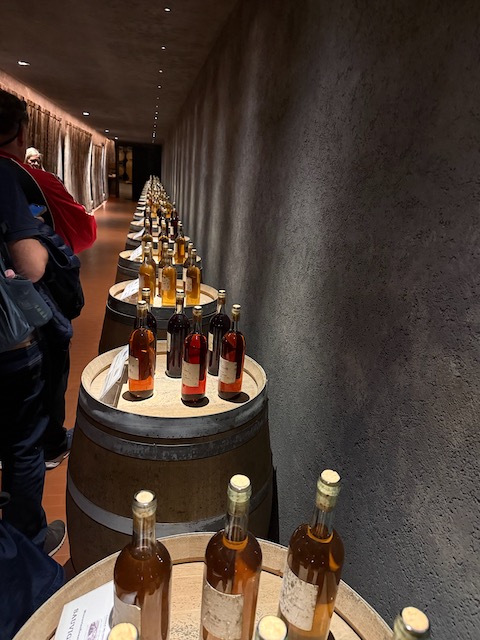
After days immersed in the volcanic soul of Campania, the road shifted north toward Lazio. And suddenly, the story changed again. The landscape softened. The air carried more Mediterranean warmth. The wines became broader, saltier, sunlit in a different way. But what I did not expect was just how revolutionary Casale del Giglio would feel. Because this is not simply a winery. It is one of the estates that fundamentally changed the conversation around modern Lazio wine. Lazio Beyond Rome For decades, Lazio lived quietly in the shadow of Italy’s more celebrated wine regions. People thought of Rome. Not fine wine. Yet south of the city, in the Agro Pontino near Latina, the Santarelli family saw something entirely different: untouched potential. When Antonio Santarelli’s father began seriously exploring the territory, the region had very little established viticultural identity compared to the rest of Italy. Rather than following tradition blindly, the family approached the land almost like a scientific experiment — studying which grape varieties truly belonged in this warm coastal microclimate, 65 to be exact. Dozens of varieties were planted and observed over years of trial, adjustment and experimentation. It was not about copying Tuscany or Piedmont. It was about discovering what Lazio itself could become. That philosophy still defines Casale del Giglio today. And honestly, tasting through the wines felt like watching a region slowly uncover its own identity. The Wines of Agro Pontino: Sunlight & Salinity Our tasting opened with Elaine and Linda as our guides through a carefully selected lineup. The Agro Pontino differs dramatically from Campania. Here, the Mediterranean defines everything. Sea breezes preserve freshness. Sandy and calcareous soils create salinity. Warm days ripen the fruit generously without sacrificing acidity. The wines feel expansive yet lifted. There is brightness. Texture. Maritime energy. The Satrico 2025 — blending Chardonnay, Sauvignon Blanc and Trebbiano — carried aromatic ripeness balanced by mineral freshness. Ripe fruit without heaviness. Polished yet energetic. Then came the Viognier 2025. And this was not the oily, overblown Viognier many people expect. Instead: maritime salinity, freshness, yellow fruit ripeness, but remarkably restrained. The Petit Manseng 2025 followed with herbal lift and freshness, showing how naturally certain international varieties have adapted to this coastal environment. But then the tasting shifted toward Lazio’s indigenous soul. And this is where Casale del Giglio became truly fascinating. Bellone: The Ancient Grape of the Sea Bellone may be one of Italy’s most underrated white grapes. The Romans once referred to it as Uva Pantastica — a grape deeply connected to Lazio’s ancient agricultural history. At Casale del Giglio, Bellone becomes something entirely profound. The Anthium Bellone 2025 comes from old ungrafted vines planted in sandy soils near the Mediterranean coast, where constant sea breezes shape the grape’s naturally saline character. And you could feel the sea immediately. Green citrus. White florals. Delicate tropical fruit. Grapefruit tension. High acidity despite the warmth. At 14% alcohol, it somehow remained completely balanced and alive. Antonio explained that Bellone truly thrives when grown close to the coast. Honestly, after tasting it, I understood exactly what he meant. Then came Radix Bellone 2020. And suddenly Bellone transformed entirely. Creamy texture. Ripe yellow fruit. Mineral breadth. Almost Chardonnay-like complexity. Yet underneath it all remained unmistakable Lazio salinity. The wine spends years evolving through old wood and amphora before release, gaining remarkable texture and depth without losing freshness. The name Radix means “roots.” And that felt appropriate. Because this wine seemed connected not just to terroir, but to history itself. The Island Wines of Ponza Then came one of the day’s biggest surprises: Faro della Guardia Biancolella 2025. The grapes are grown on the island of Ponza, where steep vineyards cling dramatically to cliffs overlooking the Tyrrhenian Sea. And the wine tasted exactly like that landscape. Salty. Wind-swept. Raw. Yellow fruit and white flowers carried by smoky herbal minerality and intense maritime freshness. One sip felt like standing on a cliff above the Mediterranean. Cesanese: Lazio’s Quiet Red Soul Then the tasting turned toward red wines. And once again, Lazio revealed another personality entirely. Cesanese does not behave like Aglianico. Or Sangiovese. Or Nebbiolo. It feels softer. Earthier. More herbal. The Matidia Cesanese 2024 — sourced from volcanic limestone vineyards in the hills outside Rome — unfolded through graphite, dried herbs and savory earthiness wrapped around soft yet present tannins. There was restraint here. Subtlety. A wine whispering rather than shouting. Part of the grapes are lightly dried before fermentation, while aging in cherrywood tonneaux adds another layer of texture and spice. And honestly, it felt uniquely Lazio. The Bordeaux Varieties That Found a Home Casale del Giglio also proved something few expected decades ago: That Bordeaux varieties could thrive in Lazio. The 2019 Madreselva — named after the wild honeysuckle growing throughout the Agro Pontino countryside — blended Merlot, Cabernet Sauvignon and Petit Verdot into something vibrant and savory rather than heavy. Ripe red berries. Crushed herbs. Lifted spice. But the flagship Mater Matuta 2019 was another level entirely. Mainly Syrah with Petit Verdot, the wine unfolded through dark berry fruit, coffee, menthol, anise and deep spice carried by remarkable structure and freshness. Powerful, yes. But polished. The wine takes its name from an ancient Italic fertility goddess once worshipped in the area surrounding the estate — another reminder of how deeply history runs through this land. And somehow the wine felt worthy of that mythology. Lunch at the Villa Then came lunch. And once again, Italy reminded me that wine is never meant to stand alone. Inside the historic villa, mezze maniche alla gricia arrived alongside Anthium Bellone, followed by spaghetti all’Amatriciana and local pecorino cheeses. Simple dishes. Perfect pairings. Long conversation. And that is when the wines opened even further. The salinity sharpened. The textures broadened. Everything became more complete. Because wines like these are not built for isolated tasting notes. They are built for tables. For stories. For connection. Why Casale del Giglio Matters What stayed with me most after leaving Casale