
Visiting Weingut Wegeler with the Larger-Than-Life Richard Grosche
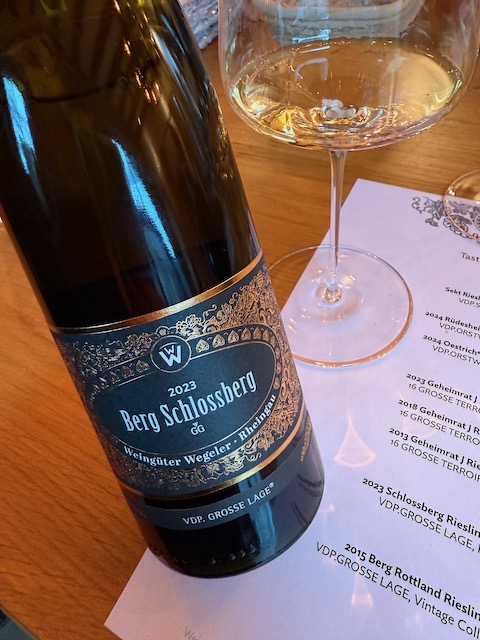
There’s something magical about the winding rivers and steep slate slopes of Germany’s wine regions, where history, terroir, and passion converge in every glass. My recent visit to Weingut Wegeler, nestled in the heart of the Rheingau and Mosel, was nothing short of enchanting. Guiding me through this vinous wonderland was Richard Grosche, the winery’s charismatic Managing Director—a true force of nature with an infectious enthusiasm for wine that makes every conversation feel like a celebration. Larger than life, with a booming laugh and stories that span continents, Richard is not only a passionate advocate for Riesling but also a market-savvy visionary: forward-thinking, creative, and deeply attuned to global trends. With over 20 years in the industry—including stints at top estates like Reichsrat von Buhl and Karthäuserhof—he has driven brand modernization, internationalization, and innovative projects that elevate traditional winemaking into the modern era. Interestingly, as a child Richard dreamed of becoming a teacher, and in many ways he has fulfilled that calling—sharing his encyclopedic knowledge of wine with infectious joy, turning every tasting into an inspiring lesson. Richard embodies the spirit of Wegeler: timeless quality infused with forward-thinking flair. As we strolled through the vineyards and tasted from the cellars, he shared insights that brought the estate’s legacy to vivid life. Founded in 1882 by Julius Wegeler—a visionary from the Deinhard family seeking independence and excellence—the estate remains family-run across four generations. “To make great wine, Wegeler needed not only capital, but also foresight,” Richard echoed the founder’s words. Today, under his dynamic leadership as Managing Director, the family blends deep tradition with passionate innovation: “We have to pursue viticulture, winemaking, and wine sales with foresight and passion!” Weingut Wegeler spans Oestrich-Winkel in the Rheingau (headquarters) and Bernkastel in the Mosel, with 42 hectares in Rheingau and 15 in Mosel. These include iconic grand cru sites, notably the largest holding in legendary Bernkasteler Doctor. Rheingau’s varied soils deliver structured Rieslings; Mosel’s steep slate slopes yield ethereal, mineral expressions. The portfolio also features the 4-hectare Krone estate in Assmannshausen, a VDP site dedicated entirely to elegant Spätburgunder (Pinot Noir). A dedicated team ensures terroir-driven precision: In Rheingau, Michael Burgdorf (Product Manager and Cellar Master) and Andreas Holderrieth oversee operations; in Mosel, Norbert Breit crafts the slate-influenced Rieslings. Hand-harvesting, gentle processing, sustainable practices, and extended lees aging define their approach. As Richard puts it: “Our team ensures every wine reflects its origin—aged until optimally ripe.” Primarily a Riesling specialist, Wegeler produces everything from bone-dry Grosses Gewächs (like flagship Geheimrat J, blended from premier sites and lees-matured) to classic Prädikat levels showcasing vintage character. “Riesling is so versatile, shaped by origin, vintage, and the winemaker’s skill,” Richard noted, dismissing myths: “Riesling is sweet? Bah! Our dry styles prove it’s versatile and age-worthy.” Krone adds silky Pinot Noirs, with small sparkling volumes completing the range. Extended lees contact creates layered, long-lived wines. Under Richard’s creative direction, innovations like switching the Riesling Extra Brut Sekt to traditional bottle fermentation (from Charmat since 2021), earlier picking for fresher profiles, and ambitious production growth reflect his forward-thinking approach to elevating quality and appeal. When I asked Richard to distill the essence of Weingut Wegeler, he leaned in with that signature enthusiasm: “For us, it’s all about Tradition – Place – Prestige – Artisanal.” He elaborated passionately: “We stand on the shoulders of generations of winemaking tradition, rooted deeply in our unique places—the exceptional terroirs of Rheingau and Mosel. We build on this heritage with prestige that comes from uncompromising quality and iconic sites like Bernkasteler Doctor and our grand crus. And everything is done artisanal—hand-harvested, with meticulous care, respect for nature, and the patience to let the wines mature on the lees until they tell their full story. Quality is our philosophy, as Julius Wegeler said in 1882, and nothing has changed.” The pinnacle of the visit was an intimate tasting session with Richard, where we explored current releases, emerging projects, and a vertical of the iconic Geheimrat J. Richard emphasized the wines’ longevity, noting: “Our wines need to age at least 10 years to truly shine because they often go through a ‘dumb phase’ around year 5—that’s why tasting a vertical like this reveals their full potential.” – Riesling Extra Brut Sekt (30 months on lees, base likely 2022; switched from Charmat to traditional method in 2021): Earlier picking for fresher grapes yields a vibrant sparkler with just 3 g/L residual sugar. Current production around 12,000 liters, with ambitious growth planned (20,000 in year 2, 25,000 in year 3—the next release not yet disgorged). Elegant and lively, with fine bubbles, crisp citrus, and mineral drive—a refreshing aperitif bursting with potential. – 2024 Rüdesheim barrel samples (from Berg Rottland, Berg Schlossberg, Kirchenpfad; quartzite and slate soils): Fruitier and chalkier on the nose and palate, evoking a Rheinhessen-like generosity—vibrant yellow fruit, subtle chalk minerality, and approachable charm even in youth. – 2024 Oestrich barrel samples (from Doosberg and Lenchen GG sites; clayish marl soils): More restrained and profound—mineral-driven with lime zest, spicy notes, subtle vegetal undertones, and a mysterious depth that hints at great aging potential. – 2023 Geheimrat J: Fruity and opulent yet flirty and fascinating; broad-shouldered with enticing pomelo and passion fruit aromas. Richard called it potentially one of the best vintages—vibrant, layered, and irresistibly charming. – 2018 Geheimrat J: Emerging from its dumb phase; mineral core with exotic fruits, spicier and more herbal complexity—evolving beautifully with added depth and intrigue. – 2013 Geheimrat J (cool, rainy late September with botrytis influence): Exotic fruits and honeysuckle on the nose, enlivened by vibrant acidity and saline, sea-shore minerality—a balanced, evolving masterpiece. – 2023 Berg Schlossberg GG (Richard’s longtime favorite; shifted from stainless steel to super-old oak, now 2nd- and 5th-use barrels): Intensive and broad, yet socially pleasant—powerful slate-driven minerality, concentrated fruit, and harmonious structure that invites lingering sips. – 2015 Berg Rottland Spätlese (just released; only 3,000 bottles sold, 10,000 remaining): Amazing ripeness shines through with intense passion fruit notes, balanced by beautiful freshness—lush yet precise,
Bubbles Magic: My Enchanting Visit to Weingut Barth in the Rheingau
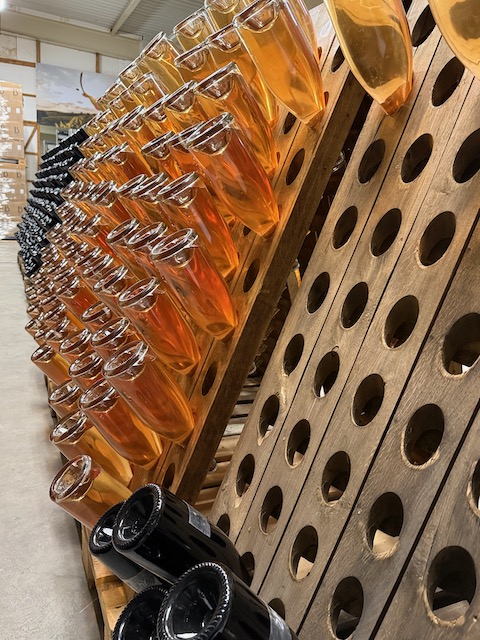
Nestled in the heart of the Rheingau, in the charming village of Hattenheim near Oestrich-Winkel, lies Weingut Barth – a family-run estate that beautifully bridges tradition and innovation in German winemaking. My recent visit, guided by the passionate Marketing Manager Janna, offered an intimate glimpse into this VDP member winery, renowned for its exceptional sparkling wines (Sekt) crafted using the traditional method. Weingut Barth’s story is one of postwar resilience and sparkling ambition. Founded in the 1940s by Hans Barth, the estate truly ignited its fizz under Norbert – Christine Barth’s father – who pioneered traditional-method Sekt production in the Rheingau. Today, Mark Barth, a Geisenheim-trained visionary and self-styled “Riesling Master,” being their core focus, helms the winemaking alongside his wife Christine. Their philosophy is to craft Sekts that radiate “inner peace” through patient, natural vinification, capturing the soul of historic vineyards with refreshing innovation. Germans may have reduced wine consumption dramatically but the sparkling wine consumption remains strong. Spanning around 20 hectares of organically farmed slopes – including crown jewels like the VDP.Grosse Lage Hattenheimer Hassel and VDP.Erste Lage Schützenhaus – the estate is a Riesling stronghold (over 80% of plantings), complemented by Spätburgunder (Pinot Noir), Weißburgunder (Pinot Blanc), and bold experiments like Cabernet Sauvignon. Biodiversity thrives here: wild herbs and flowers dance between rows, hand-harvesting ensures perfection, and vegan practices honor the land for generations to come. What sets Barth apart is their devotion to Sekt as art. “Sparkling, Family Tradition – Open Minded,” Janna, our host and hospitality representative beamed, encapsulating their ethos. All Sekts are vintage-dated, born from traditional bottle fermentation with extended sur lie aging – the longest now stretching to five years for upcoming Wisselbrunnen Grosse Gewächs releases from 2023. Producing about 60,000 bottles annually, they currently disgorge by hand, riddling on pupitres (some whimsically hand-painted with Picasso-inspired motifs). Next year brings automation to scale their magic without compromise. All sparklings are vintage, but only declared with the single vineyards, much easier from the processing point of view for Barth and their clients. A delightful detour: the collaborative “Riegel” spirit (echoing partnerships in the region), where growers pool premium grapes for communal bases, each imprinting their unique label – a testament to Rheingau’s shared pursuit of excellence. The pinnacle was the tasting in their award-winning vinotheque, where Barth’s style unfolded like a masterpiece: mineral-laced freshness, creamy depth from lees, and gastronomic allure that dances on the palate. Standouts from their vast range: The prestige lineup? Transcendent. From vibrant entry-level sparks to prestige profundity, Barth’s Sekts aren’t mere drinks – they’re terroir-kissed elixirs that rival the world’s finest, blending tradition with fearless innovation. As Janna reflected, eyes sparkling: “We’re a family pouring heart into every bubble.” If your soul craves bubbles that captivate, evoke, and elevate, seek out Weingut Barth. One sip, and you’ll be enchanted forever.
An Evening with Tobias Krämer: Straight Talk
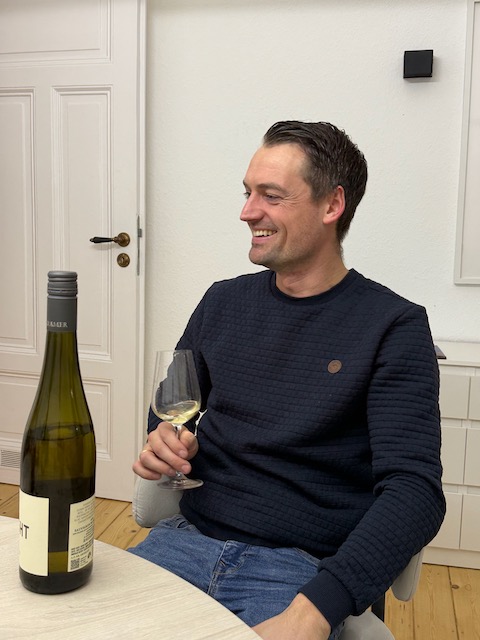
It was one of those cozy winter evenings in Wiesbaden, the kind where the air carries a crisp chill and the promise of good conversation over glasses of wine. We sat down with Tobias Krämer, the young winemaker behind Weingut Krämer for an intimate interview and tasting. At just 31, Tobias exudes a quiet confidence, the sort earned from growing up among vines and now steering his family’s eighth generation winery into a new era. Gau-Weinheim, a charming wine village nestled in the heart of Rheinhessen—Germany’s largest wine region, often called the “land of a thousand hills.” Rheinhessen is renowned for its diverse grape varieties, innovative young winemakers, and a remarkable renaissance in quality dry Rieslings and other whites, shedding its old association with mass-produced sweet blends to emerge as a hotspot for fresh, terroir-driven, and exciting wines. But there is one special estate, a hidden jewel amongst gems, WKrämer. What fuels Tobias? An unbreakable connection to his family’s eighth generation roots combined with an urgent desire to prove Rheinhessen’s world-class potential. His wines are straight, creative & innovative. The Krämer estate is compact and personal—around 13 hectares of vineyards dotted across limestone-rich slopes like the impressive Gau-Weinheim—but it’s deeply rooted. “My vineyards come from both sides of the family,” Tobias explained as he poured the first glass. “Part from my father’s side, part from my mother’s, just a few kilometers apart. That gives us these wonderful microclimates to play with.” He smiled, recalling how his father was the first in the family to shift from bulk agriculture to bottling and selling wine directly to customers. “Before that, it was mostly farming with a bit of wine on the side. Now, we’re all in.” As Tobias said with a smile, three words that describe my wines are Straight, Creative & Innovative. As we swirled and sipped his flagship Straight Riesling 2024—the wine he calls his “business card” and the heart of the winery’s identity—the conversation flowed naturally. This young vintage burst with vibrant freshness: juicy yellow peach, zesty citrus, and subtle herbal notes, all underpinned by a crisp, mineral backbone that makes it athletic and invigorating, just as Tobias describes his style. This Riesling is everything Tobias stands for: mineral-driven, fresh, clear, and what he describes as “athletic” in structure. “It’s not overly round or ripe,” he said, gesturing animatedly. “We want that balance, that freshness from our cool climate and limestone soils. Riesling is our identity here—it’s what we do best.” We moved on to the Straight Sauvignon Blanc 2024, sourced purely from the Gau-Weinheim sites. It jumped from the glass with exotic energy—lime zest, gooseberry, papaya, and a cheeky streak of passionfruit, backed by lively acidity and a mouthwatering mineral snap. “Fein, frech und fruity,” as one might say: bold, fun, and unmistakably Rheinhessen. Next came the Straight Chardonnay 2024, a clear, powerful expression with exotic hints of quince and ripe pear, wrapped in a smoky finesse that speaks of careful craftsmanship—elegant yet approachable, with great length. Tobias’s journey into winemaking feels almost predestined. “From childhood, I knew I wanted to make wine,” he shared with a chuckle. “I’d be out on the tractor in the vineyards as a kid, loving every minute.” But it wasn’t without challenges. After his apprenticeship in 2009 at several estates, where he learned everything from solo cellar management in small operations to teamwork in larger ones, he returned home ready to innovate. One anecdote stands out: pushing to plant new blocks on steep hills. “My father was traditional, a bit hesitant at first,” Tobias admitted. “But he supported me. We’ve blended old knowledge with new ideas.” The single-vineyard gems stole the show later in the evening. The Kaisergarten Gau-Weinheimer 2022 (likely a Chardonnay from this prized site) delivered exceptional density and minerality, with complex smoky notes, quince, and pear—straff, structured, and lingering beautifully. Then the La Roche Riesling 2020, from the red slate soils shared with legends like Niersteiner Rotenhang: intensely mineral and saftig, loaded with citrus, ripe stone fruit, and a firm, structured grip that promises even more with age. We finished with the maiden vintage, La Roche 2016—Tobias’s first solo statement from this site. Even after years in bottle, it showed youthful vitality layered with deeper complexity: concentrated fruit, pronounced minerality from the Rotliegend, and that elegant, juicy tension that marks great terroir-driven Riesling. We’d tasted blind a few wines, comparing to pricier benchmarks like Herman J Wiemer Riesling “People pay $35 for that,” he laughed. “But blind? Our quality holds up, and at €10-12 a bottle in Germany, it’s about making great wine accessible—a big table where everyone is welcome.” I encouraged Tobias to take the remainder of the bottle home to share with his wife Laura even running her own label, “Aura.” They have a harmonious collaboration that mirrors inspiring industry duos, where each partner pursues their vision while supporting the other, fostering innovation rather than competition. Marketing is where Tobias’s modern side really sparkles. He’s part of a young generation elevating Rheinhessen’s reputation, once overshadowed but now buzzing with quality-driven peers. Social media plays a big role, along with partnerships. A high-profile collaboration providing wines for VIP events tied to German football. “It’s a fantastic opportunity,” Tobias said, eyes lighting up. “Getting our Riesling in front of thousands, demystifying German wine—moving past those old stereotypes of sweet stuff in blue bottles from the ’70s and ’80s.” Climate challenges came up too—droughts, hotter summers atypical for their cool sites. “But our spread of vineyards helps,” he noted. “Some have better water access; we blend for consistency.” As the evening wound down, glasses empty and stories shared, it was clear: Tobias is honoring his roots while pushing forward, one straight, mineral-kissed sip at a time. He is driven by a mission to demolish old stereotypes and invite everyone to the table with wines that are honest, exciting, and unmistakably Rheinhessen.
Riesling Revolution: Martin Tesch’s Nahe Magic
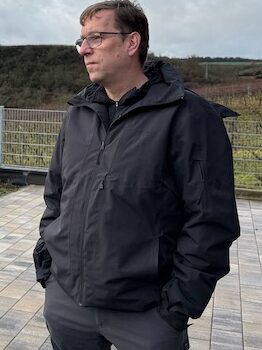
My recent trip to Germany had a twofold purpose: first, to demystify the often misunderstood world of German wine, peeling back layers of complexity beyond labels and classifications; and second, to dive deeper into the nuances of its signature grape, Riesling, in hopes of converting me—a devoted Chenin Blanc lover—into an even greater Riesling devotee. What better place to start than in the Nahe region, where I spent an enlightening day with the visionary winemaker Martin Tesch. Meeting Martin was like chatting with a philosopher who just happens to make exceptional wine. Charismatic and deeply thoughtful, he’s the driving force behind Weingut Tesch’s evolution. As he put it quite simply, I describe my wines as New Old School, Innovative & Rebellious. Nestled in the picturesque Nahe valley in the village of Langenlonsheim—one of the region’s largest winegrowing municipalities with around 187 hectares of vineyards—Weingut Tesch is more than just a winery—it’s a living testament to Germany’s rich viticultural heritage. Born into a family with centuries of winemaking tradition, Martin’s path to becoming a winemaker was both scientific and serendipitous. He studied microbiology, where he discovered his enthusiasm for fermentation processes of all kinds. This academic background led him back to the family estate, which he has run since 1997. In 2001, he embarked on a transformative journey, reinventing the winery by focusing primarily on dry Rieslings produced with minimal intervention, reducing the family’s portfolio from plus 50 to 6 wines. Often seen as a trailblazer who “follows the science,” even if it means bucking traditions that some peers view as unconventional, Martin’s journey reflects a blend of heritage and innovation. Martin’s independence is the key to his success. From an early age, Martin was fascinated by punk music. He befriended the famous German punk band Die Toten Hosen at their second concert outside Düsseldorf and later created several private-label wines with them. He left the VdP (Germany’s prestigious wine association which his grandfather founded in 1901) to forge his own path, emphasizing individuality over conformity. “The road to success is not a group travel. You need to be individual,” he told me, and it’s paid off. His customer base now includes young, educated wine lovers who crave authenticity and stories over fleeting trends. But wait, Martin said, to have a better understanding of my wines, you need to see where they come from. Immediately, Martin Tesch took us up to his vineyard, wanting us to really feel the story behind his wines before we started tasting. From a stunning viewpoint high above the steep, terraced slopes of the Nahe Valley, he introduced us to his pride and joy: the legendary St. Remigiusberg vineyard. First planted by Benedictine monks centuries ago and long considered one of the Nahe’s greatest sites, this parcel was split apart during the turmoil of the 16th-century Reformation. After hundreds of years divided, it’s only recently been brought back together through the passion and perseverance of Martin’s family and six families from the Netherlands. Now whole again at 4 hectares, the reunification is so much more than just gaining land. It’s a powerful, deeply symbolic “major step” in protecting a viticultural heritage that stretches back generations. Martin said it best, with real emotion in his voice: “You have a step every 300–400 years, and this was only three steps… you got to live one of the major steps.” Standing there among vines planted in ancient volcanic soil, you can’t help but feel the weight of history—and the quiet thrill of being part of its next chapter. Driving through the Nahe, Martin explained the empty plots—a stark sign of ongoing production reduction in the region as growers adapt to changing markets and climates. But the magic of Nahe isn’t lost. At the core of Weingut Tesch is Martin’s “new old school” philosophy—a brilliant blend of tradition and innovation. It’s about honoring the past while adapting to the present, ensuring the wines remain timeless yet relevant. Riesling, of course, takes center stage here, but Martin’s dry styles are a revelation. Sustainability is woven into every practice, though Martin shuns certifications. “People want to understand deeper than just a stamp… ‘organic’ isn’t a guarantee of taste,” he explained. Instead, it’s about handwork, minimal copper use, and a genuine respect for the land. This approach yields wines that are pure expressions of Nahe’s terroir—crisp, mineral-driven, and endlessly fascinating. Tasting them side by side, I felt the “new” in modern techniques like screw caps harmonizing with the “old school” essence of ancient vines and historical insights. His wines are crafted from 60-year-old vines, aged on lees for added complexity, and bottled under screw caps—a bold move Martin adopted in 2005 despite initial controversy. He also minimizes sulfites (down to 25 ppm post-bottling) and focuses on spicy, intricate profiles, like the “Unplugged” Riesling, which boasts lower sugar but heightened depth. Martin shared amusing anecdotes about label designs: an angel on one bottle raised eyebrows in the US for not being “fully clothed” enough, while Sweden questioned its age-appropriateness. His bold, modern labels—featuring vibrant color-coding inspired by the London Underground map, unique artwork for each vineyard (often with playful motifs like a king frog), and a consistent portrait of his great-grandfather—earned a prestigious Red Dot Design Award. These stories underscore the cultural tightrope of exporting authentic German wine, maintaining both traditional and modern art influences on each label. His son, set to carry the torch, plans to “stay small” and keep the “fun in winemaking” alive, rejecting mass-market temptations like “2 million bottles of alcohol-free wine.” In Martin’s words, “History means nothing… you can lose it in every generation. It’s just a starting point.” This mindset ensures Weingut Tesch isn’t resting on its laurels but building a future rooted in values: individuality, sustainability, and that unbreakable bond between people, place, and wine. How to promote Riesling, the issue with success of Riesling -Martin said Give Riesling a role – that doesn’t work- perfect for food pairings acid with fat and richness no matter