
Beyond the Glass: Sharing Knowledge, Inspiring Curiosity, and the Next Generation of Wine
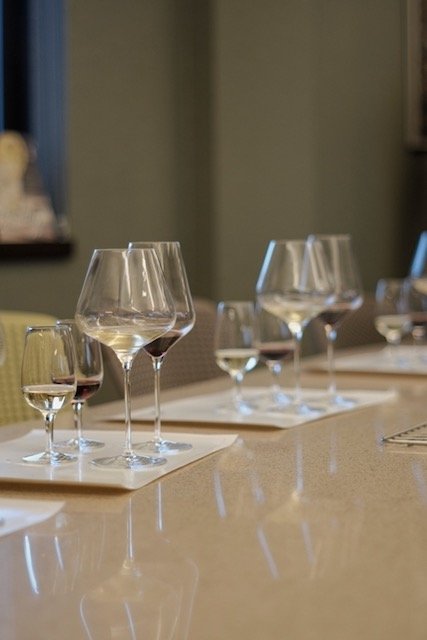
How a simple wine glass opened the door to discovery, connection, and new possibilities at Johnson & Wales University. Some of the most rewarding moments in my wine journey have little to do with rare vintages or extraordinary bottles. Instead, they come from the people we meet, the stories we exchange, and those unexpected moments when curiosity opens the door to something new. My recent visit to Johnson & Wales University was one of those moments. Alongside Ryan Spadaccini, CEO of Stölzle Lausitz USA, I had the pleasure of sharing our knowledge and experiences with the next generation of hospitality professionals. What began as an exploration of glassware became something far more meaningful: a conversation about sensory discovery, the power of curiosity, and the possibilities that await those entering the world of wine and hospitality. After years of traveling through vineyards, meeting winemakers, and sharing their stories through The Happy Vine, bringing those experiences into a classroom felt especially rewarding. And it all began with one deceptively simple question. Why does the glass matter? Why the Glass Matters: The Beauty Is in the Details I often begin my glassware presentations with a confession. I’m a creature of habit. Like many of us, I have a favorite coffee mug. The one that feels just right in my hand, with a familiar weight and shape that somehow makes that first sip of morning coffee taste better. We rarely question why. We simply know the experience feels different. Wine is much the same. As wine professionals, we spend countless hours discussing grape varieties, terroir, vintages, and winemaking techniques. Yet one of the final decisions before a wine reaches our lips is often overlooked. The glass. Far more than an aesthetic choice, its shape and design can influence how we experience a wine. During our presentations, Ryan and I explored with the Beverage Appreciation classes the five essential elements: aroma concentration, aeration, temperature, visual evaluation, and mouthfeel. The bowl influences how aromas collect and reach our nose, while its width affects the wine’s exposure to air. The stem helps preserve serving temperature, and the clarity of the glass reveals color and brilliance. Even the rim can influence our perception of texture, acidity, and tannins. Small details? Perhaps. But hospitality is built on small details. Rather than simply explaining these principles, we wanted the students to experience them firsthand. Because the glass doesn’t change the wine. It reveals more of its story. Terroir Through the Glass: One Wine, Two Perspectives To bring these principles to life, for the BevNation group at JWU, we turned to New York’s Finger Lakes and the wines of Hermann J. Wiemer Vineyard. Overlooking Seneca Lake, this pioneering estate has helped shape the reputation of cool-climate winemaking in the northeastern United States. Its founder, Hermann Wiemer, arrived from Germany’s Mosel region in the 1970s with a conviction that European grape varieties could thrive in the Finger Lakes, even when others remained skeptical. I’ve always loved stories like his. Stories of people who see possibility where others see limitations. Today, Fred Merwarth and Oskar Bynke continue that legacy, producing wines that reflect the character of their vineyards and the influence of Seneca Lake. For our interactive tasting, we selected two expressions of the estate: Cabernet Franc 2023 and Reserve Dry Riesling 2023. Each wine was poured into two different glasses: a standard ISO tasting glass and a larger Stölzle Lausitz Quatrophil glass. Same wine. Same bottle. Same pour. Only the glass changed. We invited the students to explore without searching for a correct answer. Would the aromas become more expressive? Would the acidity feel sharper or rounder? Could the texture change? More importantly, what might they discover that they hadn’t noticed before? That’s when wine education becomes exciting. When curiosity replaces expectation, and we begin trusting our own senses. Cabernet Franc: Where Fruit Meets Earth I’ve always appreciated Cabernet Franc for its balance of vibrant fruit, savory complexity, and sense of place. The Hermann J. Wiemer Cabernet Franc 2023 delivered bright red cherry, raspberry, and subtle herbal notes, with a touch of cracked pepper, lively acidity, and fine tannins. Moving from the standard ISO glass to the Stölzle Lausitz Quatrophil Red Wine Glass, we explored how its generous bowl might reveal more expressive fruit, soften the perception of tannins, and bring savory nuances into focus. The beauty of the exercise? There were no right or wrong answers. Just the confidence to trust our senses and discover something new. Riesling in a Burgundy Glass? Why Not! Our second wine challenged convention: Hermann J. Wiemer Reserve Dry Riesling 2023, served in a Stölzle Lausitz Quatrophil Burgundy Glass. Riesling in a Burgundy glass? Absolutely! With its inviting notes of lemon zest, ripe white peach, and delicate florals, the wine offered a silky texture balanced by vibrant acidity and a lingering mineral finish. The Burgundy glass’s generous bowl encouraged us to explore another dimension of this rich warm vintag wine, potentially revealing greater aromatic depth and a rounder expression of its texture. It was a reminder that a wine’s personality matters as much as its grape variety. Sometimes, the most interesting discoveries happen when we challenge convention. Beyond the Tasting: The Stories We Pass Forward While the sensory experience was at the heart of our presentations, what stayed with me most was the opportunity to share a broader perspective on the world of wine and hospitality. My own journey has taken me through vineyards, wineries, international wine events, journalism, education, and storytelling. And if there’s one thing I’ve learned, it’s that a career in wine rarely follows a straight line. Wine is agriculture and science, geography and history, culture and craftsmanship. But it’s also communication, entrepreneurship, creativity, and, above all, human connection. Ryan offered another perspective, sharing his experiences in glassware manufacturing, business leadership, and the many opportunities that exist beyond traditional hospitality roles. Together, we hoped to encourage the students to imagine possibilities they might not yet have considered. If even one student left our presentation thinking, I hadn’t considered that possibility before,
A Legacy In The Pour
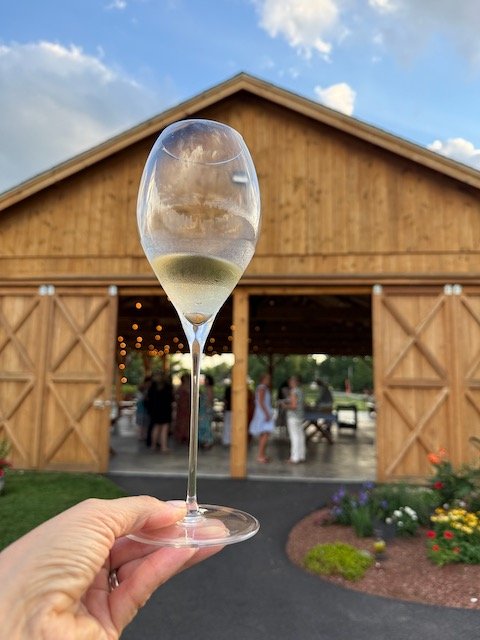
A Room Full of Dames Certain invitations carry a quiet weight, signaling that something meaningful is about to unfold. When I was invited to present as a fellow Dame at the Les Dames d’Escoffier International Legacy Awards Boston Experience, I recognized the significance right away. At Verrill Farm in Concord, we gathered to celebrate Melinda Carbajal. From the moment we stepped inside, the energy was unmistakable—a room alive with women who lead with both heart and skill, each there to lift another. What the Legacy Awards Mean Since 2009, with support from The Julia Child Foundation for Gastronomy and the Culinary Arts, Les Dames d’Escoffier International has presented the Legacy Awards. The vision is generous and straightforward: to offer women in food, beverage, and hospitality mentorship that can truly change the course of a career. Awardees spend five days immersed alongside Dames in a host city. They step into kitchens, dining rooms, and businesses that might otherwise remain out of reach, and leave with a circle of women cheering them on. I love that this program is tied to Julia Child’s name. She was an honorary Dame, and she never stopped learning or teaching. The Legacy Awards carry that spirit forward, one woman at a time. Celebrating Melinda Melinda pours her energy into restaurant ownership and hospitality—two worlds that ask for everything you have to give. [Add a sentence or two about Melinda: where she works, what she’s building, and what she hopes to take from her Legacy experience.] To celebrate her among so many Dames who have built restaurants, wine programs, and businesses of their own felt exactly right. Every woman in the room understood what it takes to keep a dining room full and a team inspired, and every one was cheering her on. Two Stories of Craftsmanship The bites, prepared by fellow Dames, carried the kind of care you can taste. The glasses we raised told their own stories of craftsmanship. Stölzle Lausitz (USA) generously donated their feather-light Fino Champagne glasses and Starlight white wine glasses, and Hermann J. Wiemer Vineyard shared three expressive Finger Lakes wines. Great stemware almost disappears in your hand. It lets the wine speak, and as I poured, I watched each wine find its voice in the right glass. The 2019 Cuvée Brut in the Fino Champagne Glass I began with the elegant 2019 Cuvée Brut, poured into the Fino Champagne glass. It was the perfect way to open a celebration. The Fino’s bowl tapers gently toward a sheer rim. The bubbles rose in a fine, steady stream, and that tapered shape gathered the aromas right where you breathe them in. The toasty, brioche notes of a traditional-method sparkling and the wine’s bright citrus arrived together, before the first sip. Then came the rim. It is so thin that the mousse felt creamy rather than sharp, and the wine’s crisp Finger Lakes acidity glided across the palate. The glass weighs almost nothing in your hand, so all your attention stays on the wine. The Dry Riesling and Dry Rosé in the Starlight White Wine Glass For the precise 2024 Dry Riesling and the vibrant 2024 Dry Rosé, I reached for the Starlight white wine glass. Its walls are remarkably thin, and its slender stem keeps warm hands away from the bowl, so both wines stayed cool and lively from the first pour to the last sip. The Riesling came alive here. A gentle swirl lifted its citrus, stone fruit, and stony minerality, and the narrowing rim kept those aromas focused instead of letting them drift away. On the palate, the thin rim delivered the wine cleanly, and its bright acidity felt precise rather than sharp. The rosé loved the same glass for different reasons. Its delicate red berry and floral aromas can get lost in a wide bowl, but the Starlight held them close. The clear, thin glass showed off its soft pink color beautifully, and every sip felt fresh, juicy, and bright. With each sip, I reflected on how these three wines echoed the work Melinda has chosen. The sparkling welcomes you at the door. The Riesling brings the quiet precision behind the scenes, all the details guests never see but always feel. The rosé is the warmth that draws people back. True hospitality needs all three. Here’s to Legacy I am grateful to my fellow Dames for creating a space that feels both supportive and inspiring, and to Melinda for the work she brings to our table. It was a privilege to be part of this celebration. Leaving Verrill Farm, I found myself thinking about what legacy truly looks like. It is a woman who has already made the climb, reaching back for the next. It is a table set by friends, a glass poured with care, and a room that believes in you before you have finished proving yourself. Here’s to legacy, to women lifting women, and to always pouring with intention.Here’s to legacy, to women lifting women, and to always pouring with intention.