
Conviviality, Rosé, and Sainte-Victoire: Léa Rouyet
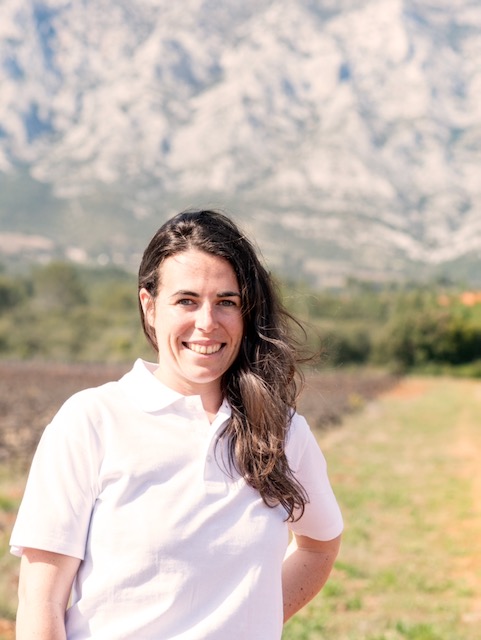
This Women’s Month, I had the genuine pleasure of sitting down—virtually—for an unhurried, heartfelt conversation with Léa Rouyet, the talented winemaker at Château Gassier in the sun-drenched heart of Provençe. Our connection actually began over a lively dinner in Paris last year with friends from MFL&Co. and Gassier, where her quiet confidence and obvious passion for both wine and place left a lasting impression. I knew then she would be the perfect voice for this series celebrating women in wine and gastronomy. So I sent my list of questions ahead of time—some deliberately offbeat and introspective—to give her time to think. When we finally spoke, she admitted with a laugh, “There were a few where I told myself I was going to play the joker.” That candid admission, and the thoughtful way she answered anyway, made this one of the most rewarding and human interviews I’ve ever conducted. Château Gassier sits at the foot of the iconic Mont Sainte-Victoire, the limestone massif that has inspired painters, poets, and now winemakers for generations. The wines themselves feel like an extension of that landscape—elegant, joyful, and deeply rooted in place. Léa’s own journey into this world didn’t begin in a vineyard or a cellar, but around crowded Sunday lunch tables in a tiny village in southwest France (population: 500 souls). “What gave me the desire to work in the world of wine is the conviviality around it,” she explained. Those childhood meals—her grandmother presiding, adults sharing glasses of local red and animated stories—quietly planted the seed. She watched, fascinated, wondering why she wasn’t allowed to taste “this little beverage that looks so good.” That curiosity eventually led her to agronomy studies, where she discovered she loved the entire arc of the process: “From the little plant you put in the ground for a very long time… to seeing it grow, produce grapes, and then the complete transformation into the bottle. It’s so global and so interesting.” Advice for Women Entering (or Staying in) the Wine World The wine industry remains heavily masculine, and Léa encountered that reality head-on early in her career. She still remembers the moment an 80-year-old vigneron, handing over his vineyard and cellar, looked at the young woman standing in front of him and said bluntly: “But you’re the one who’s going to take care of the vines? You’re young, you’re a woman… how will you manage?” She smiled recounting it—because six months later she was invited to this gentleman’s Sunday family lunch with his relatives and everything was fine. She had earned his respect the old-fashioned way: through quiet competence and persistence. Her advice to other women—whether just starting out or already navigating the industry—is both empowering and refreshingly down-to-earth: “You have to believe that you are legitimate in doing this job and that as women we bring so many beautiful things to this still very masculine world.” And since becoming a mother, she’s added a second, equally vital lesson: “You have to accept that everything can’t be perfect. We have the right to make mistakes and not be everywhere at the same time.” As the mother of two daughters, I felt that line land right in my chest. The illusion that we can tie every loose end with a perfect bow vanishes the moment real life—with its tantrums, spilled juice, and endless questions—arrives. Léa’s permission to be imperfect felt like a small gift. Balancing Vines, Children, and a Full Life Maintaining equilibrium between a demanding winemaking career and motherhood is, in her words, “a work in progress.” She’s still learning, still adjusting. Her guiding principle is radical presence: “When I arrive home, I’m at home. When I’m at work, I’m at work. I try not to mix all the subjects at once.” Easier said than done, of course, but the intention matters. She also gives generous credit to her partner—“a really important point”—whose support allows both of them space to thrive professionally and personally. We shared a knowing smile over the old saying “it takes a village to raise a child”. With both of us living far from extended family—hers in southwest France, mine scattered across Canada and the U.S.—building that village through partners, friends, trusted caregivers, or neighbors becomes essential. And what works beautifully one month might need to be completely rethought the next. The Quiet Revolution of Motherhood When I asked which experience outside of work had most transformed her worldview, Léa didn’t hesitate: becoming a mother. “It makes you think much more long-term… Our priorities are no longer the same. It gives us a lot of height on the world and our little passage in humanity.” That long view has sharpened her environmental convictions and deepened her sense of responsibility toward the vineyard’s future. She’s no longer thinking only about today’s vintage—she’s thinking about the vintages her child will inherit. A Bottle Shared with Grandfather One of the tenderest moments came when I asked who—living or gone—she would most want to share a bottle with. Her answer was soft and immediate: her grandfather, the wine lover whose presence at those childhood Sunday tables quietly shaped her path. The wine she would have chosen for him? Le Pas du Moine—“because it has elegance and complexity but is also a wine of pleasure, warmth, and conviviality.” The meal? A classic Sunday roast chicken, slow-cooked until the house filled with that unmistakable, comforting aroma. I loved the image so much that I immediately promised her: I will make my family’s “lazy chicken” (the easy one-pot version with hunks of bread underneath soaking up garlic, herbs, wine, and chicken juices) paired with Le Pas du Moine. I’ll send her the recipe and a photo of my girls raising a (juice) glass in toast. Some stories deserve to keep traveling—over tables, across oceans, from one kitchen to another. Who Léa Really Is (Beyond the Cellar) A fact that surprises people who meet her? This reserved, thoughtful winemaker loves to sing. If she had to describe herself in wine-related
Elegant Women’s Day Sips
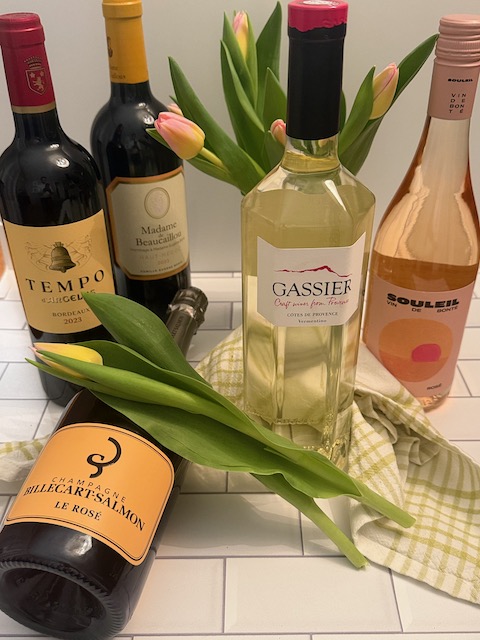
Fellow wine lovers, let’s raise our glasses to the extraordinary women who shape the world of wine with their passion, innovation, and grace. In honor of Women’s Day, I’ve curated a selection of exceptional bottles, each spotlighting a remarkable woman’s role in its creation. From founders to winemakers and historical pioneers, these wines embody their spirit—elegant, resilient, and full of life. Join me on this flavorful journey through France’s finest, where every sip tells a story of empowerment and artistry. Souleil Vin de Bonté Le Rosé 2024 Marianne Fabre-Lanvin: The Visionary Founder of Souleil Marianne Fabre-Lanvin, a French Southerner with deep family roots in vineyards, turned her lifelong passion for wine and the sea into a reality by co-founding Souleil Vin de Bonté. As a wine publicist and marketer splitting time between Paris and New York, she launched this brand as a passion project, blending organic grapes from independent growers while championing sustainability and ocean conservation. Her approachable, laid-back ethos makes every bottle feel like an invitation to share joy with friends. The Winery: Souleil Vin de Bonté Founder Marianne captures the sun-drenched essence of Southern France. This eco-conscious label sources organic grapes from seaside vineyards, emphasizing low-intervention practices and giving back to the ocean. It’s a brand that embodies endless summer vibes, producing approachable reds, whites, and rosés with a nostalgic, unapologetically French flair. The Wine: Sunset rays of vibrancy Crafted through organic, low-intervention winemaking, this rosé blends 34 % Grenache, 33% Syrah, 33% Cinsault, fermented in a Provençal style for bright lift and freshness. Hailing from Mediterranean-sighted parcels in Vin de France, it’s a delicate, dry rosé bursting with strawberries, raspberries, orange rind, and mineral notes—think tart red berries and juicy grapefruit on a vibrant, herbaceous palate. Pair it creatively with a sunset picnic of grilled octopus tacos or vegan berry sorbet for a refreshing, ocean-inspired twist. Madame de Beaucaillou, Haut-Médoc, Bordeaux, 2020 The Matriarch: Honoring Elegance and Warmth This wine pays tribute to the producer’s mother, a symbol of grace and hospitality whose elegance, warmth, and artful table-setting inspired its name. As the heart of the Borie family, she represents the nurturing spirit that infuses the estates legacy, reminding us how women create welcoming spaces that turn houses into homes. The Winery: Madame de Beaucaillou has been family-owned for generations under the Borie family. Spanning 75 hectares with vines averaging over 35 years old, it focuses on meticulous craftsmanship, blending tradition with modern precision to produce iconic Bordeaux wines known for their structure and longevity. The Wine: Poised and Powerful Hand-harvested and vinified with care, this Merlot-dominant blend (66% Merlot Noir, 24% Cabernet Sauvignon, 10% Petit Verdot) ages 12 months in Bordeaux barrels (20% new). From the Haut-Médoc region, it’s a savory, classic red with deep ruby hues, offering blackcurrant, iris petals, and orange blossom aromas. On the palate, juicy black fruits and polished tannins shine—pair it with a creative twist like duck confit empanadas or dark chocolate-dusted venison for an indulgent, welcoming feast. Gassier Blanc, Côtes de Provence, 2025 Léa Rouyet: The Artisan Oenologist Léa Rouyet, a talented winemaker from the Basque Country, joined Château Gassier in 2015 and has since elevated its wines with her passion for terroir-driven expressions. Balancing tradition and innovation, she crafts cuvées that highlight Provence’s unique character, proving rosé and whites deserve serious acclaim while inspiring a new generation of female vintners. The Winery: Château Gassier Nestled at the foot of Montagne Sainte-Victoire, Château Gassier is a six-generation artisanal estate committed to organic farming across 40 hectares. Under Georges Gassier and Léa Rouyet, it pioneers wood-aged Provence wines and sustainable practices, producing expressive rosés and whites that capture the region’s limestone-clay terroir in Côtes de Provence and Sainte-Victoire appellations. The Wine: Crisp Modernity Meets Mediterranean Magic This new cuvée is 100% Vermentino with cool stainless fermentation, offers a fresh, modern take on Provence white. Pale gold with a silvery-green shimmer, this vibrant white opens with fresh white peach, bright citrus, and delicate white flowers. On the palate, it’s crisp and refreshing, delivering zesty lemon and grapefruit notes layered with subtle minerality and a whisper of Mediterranean garrigue. Round yet lively, with a clean, saline finish that lingers invitingly. Savor its sunshine in a glass alongside creative pairings like citrus-glazed scallops over herb-infused quinoa or a summer salad with goat cheese and honeycomb. Tempo d’Angelus, Bordeaux 2023 Stéphanie de Boüard-Rivoal: The Eighth-Generation Leader As the first woman in eight generations to lead Château Angelus, Stéphanie de Boüard-Rivoal has steered the estate toward organic viticulture since 2012. Her visionary guidance created Tempo d’Angelus, demystifying grands crus while preserving family legacy—a testament to her determination, passion, and role as guardian of centuries-old traditions. The Winery: Tempo d’Angelus Born from the same exceptional terroirs and crafted with the Angelus team’s renowned savoir-faire, Tempo d’Angelus delivers the signature depth and complexity of its illustrious siblings—Château Angelus and Carillon d’Angelus—but in a more immediate, hedonistic style. No need to wait 15–20 years; this precise, well-structured wine is ready to be enjoyed at its peak much sooner. Sourced from magnificent clay-limestone slopes in Saint-Magne-de-Castillon, Castillon-La-Bataille, and Sainte-Colombe (acquired in 2017 specifically for this project), it is vinified in a dedicated, state-of-the-art cellar within Chai Carillon. Its elegant label features the iconic swinging Angelus bell, perfectly capturing the new rhythm and energy this wine brings to the family’s prestigious range. The Wine: Refined Grace in Every Sip Made from 90% Merlot and 10% Cabernet Franc, with vines from Castillon-la-Bataille parcels, this Bordeaux red undergoes precise vinification for streamlined elegance. From Bordeaux appellation, it’s poised and complex with red berries, plum, mocha, and subtle oak—richly extracted yet approachable young. A true expression of Bordeaux excellence—refined, accessible, and deeply satisfying. Elevate it with a creative pairing like lamb tagine with apricots or aged cheddar-stuffed mushrooms for a graceful, celebratory meal. Billecart-Salmon Le Rosé, Champagne Elisabeth Salmon: The Pioneering Co-Founder In 1818, Elisabeth Salmon co-founded Billecart-Salmon with her husband Nicolas-François, bringing her