
Lugana’s Lingering Sips
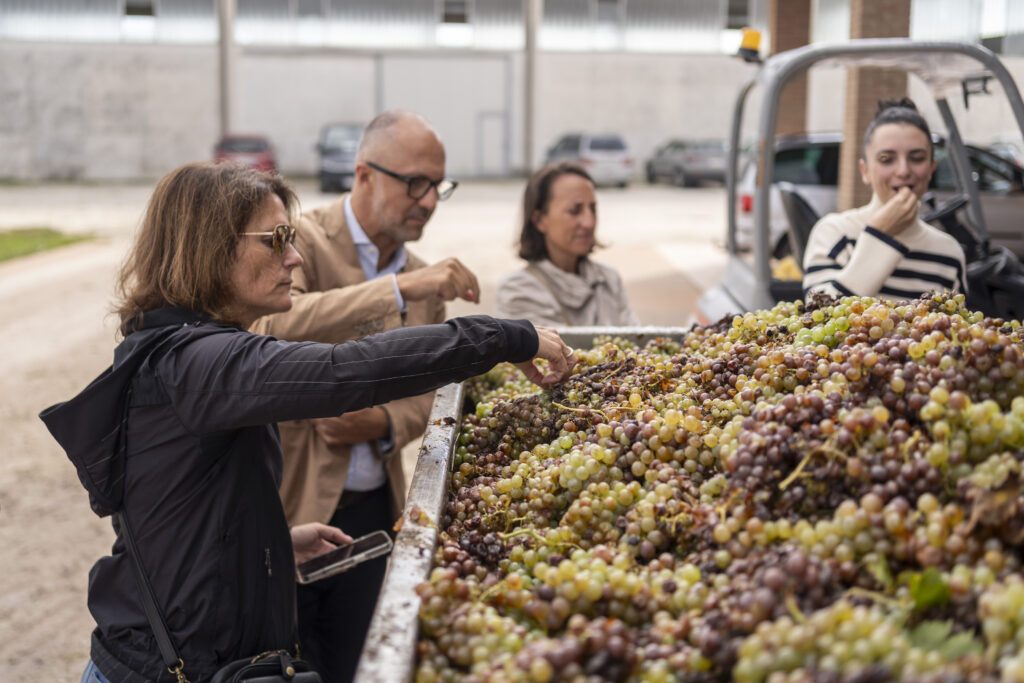
The final morning climbed poetic heights at the Tower of San Martino, a 74-meter Neo-Gothic spire erected in 1878 atop the hill where the 1859 Battle of Solferino raged – a bloody pivot in Italy’s Risorgimento that inspired the Red Cross. Ascending its spiraling ramp, frescoed panels by Venetian masters like Vittorio Bressanin unfolded tales of valor, the ossuary below a somber nod to 2,000 fallen souls. From the summit, Lugana’s patchwork vineyards unfurled like a green quilt, Lake Garda a sapphire thread binding it all. It’s a site that stirs the soul, reminding us wine’s roots tangle with history’s thorns. We descended to Corte Sermana for lunch, a boutique “Clos” vineyard since 2009, named for the stream marking Veneto-Lombardy lines. Brothers Nicolò and Filippo (third-gen growers) shared their 5-hectare plot’s secrets: white clays laced with calcium carbonate, yielding Turbiana of “remarkable finesse and mineral energy.” Corte Sermana sits right in the heart of the Lugana DOC, on the southern shore of Lake Garda in northern Italy. Tucked into a breathtaking corner just 15 metres from the water’s edge, the estate is cradled between the lake itself and the Sermana stream – the natural boundary between Veneto and Lombardy. This extraordinary position gifts the vines cool, breezy summer nights and ancient, mineral-rich glacial soils dominated by white clay and calcium carbonate – the ideal playground for the native Turbiana grape that gives Lugana its unmistakable soul. Filippo Bottacini greets us at the cellar door with the easy smile of someone who has just come in from the vines. At barely thirty-something, he already carries the calm authority of a man who trusts time more than trends. “People always ask me why we harvest so early for the sparkling base,” he says, pouring a crystal-clear 2025 vintage that won’t see bottle until next spring. “Simple. I want the wine to taste like the lake in September – cool, electric, alive.” The glass explodes with white flowers, sea breeze, and that unmistakable flinty mineral streak that only seems to appear when vineyards sit a few hundred meters from water. At 11.4% alcohol and a racy 7.6 g/L acidity, it feels like drinking a cold wave. Filippo swirls and smiles: “This is the freshness we fight for. Everything else – the yeast, the lees stirring, the three years we’ll give it – is just to protect that first electric impression.” We move to the tank room, where the full-harvest still wines rest. The difference is immediate. Where the sparkling base is all nerve and brightness, these lots (harvested just a week or two later) have already begun their slow transformation into something richer, rounder, almost velvety. “Same vineyard, same Turbiana grapes, six days apart,” Filippo shrugs, as if the miracle is the most natural thing in the world. He’s divided the estate into six blocks – some running north-south, others east-west – to capture every possible nuance of ripeness. “Machine harvesting used to be a dirty word around here,” he admits. “But we proved that with the right heads and soft pressing, you actually get cleaner aromatics. The skins break gently, the vegetable notes never appear, and suddenly the white flowers and exotic fruit arrive like they’ve been waiting for permission.” What strikes me most is the patience. While most Lugana producers rush wines to market, Corte Sermana refuses to bottle anything young. The sparkling wines get a full year on lees before even the second fermentation begins. The flagship white – a kaleidoscopic creature Filippo calls Kromago (chrom + lago = colors of the lake) – spends eight months in bottle before release and, he insists, only starts showing its true self after three or four years. “This is why we don’t put the year on the sparkling,” Filippo says. “I want people to taste the wine, not the label. In ten years these bottles will taste completely different again – that’s the point.” Lunch is served! There are bowls of bright salads, platters of house-cured lonza, coppa, and pancetta rolled so thin you can almost see Garda through it. An array of local cheeses and warm focaccia just out of the oven. And, because this is Corte Sermana, nine bottles standing like soldiers, waiting to be opened in ceremony. Filippo pours. We begin. We ended the meal with their Grappa di Lugana is gentle, almost creamy, with a clean almond finish paired with the authentic torcetti del Lago – the proper Lugana “cookie” for grappa. Eventually Filippo says quietly: “This is what the vineyard tastes like when it’s happy.” I believe him. And somewhere in my luggage, wrapped in two sweaters and a prayer, a bottle of 2015 Cromalgo is already dreaming of the next decade. Nestled on the southern shore of Lake Garda, in the heart of the Lugana DOC, stands Cà LoJera – “House of the Wolf” in local dialect. This small, fiercely independent estate is now in its third generation and feels more like a secret than a winery. The story begins in the early 1970s when Amalia and Pietro Tiraboschi planted the first vines. Today their son Franco and his wife Marta run every inch of the 16 hectares with their own hands and a stubborn refusal to compromise. No barrique, no selected yeasts, no rush – just old-vine Turbiana and that magical white clay soil that looks like you scooped it straight from the lake bed. Franco Tiraboschi is the winemaker, the philosopher, and the quiet guardian of all this magic. When you taste his wines – especially the immortal Riserva del Lupo – you’re tasting purity, patience, and absolute respect for Turbiana and that white clay. The name itself is pure legend. Centuries ago this farmhouse hid lake smugglers – the lupi (wolves) who moved contraband under moonlight. The ancient name of the land? Loyate – “House of the World”. Combine the two and you get Cà LoJera: the wolf’s den that opens its doors to the world. You’ll see the old house, the