
Pleasantly Unanticipated Wonder Of Rueda
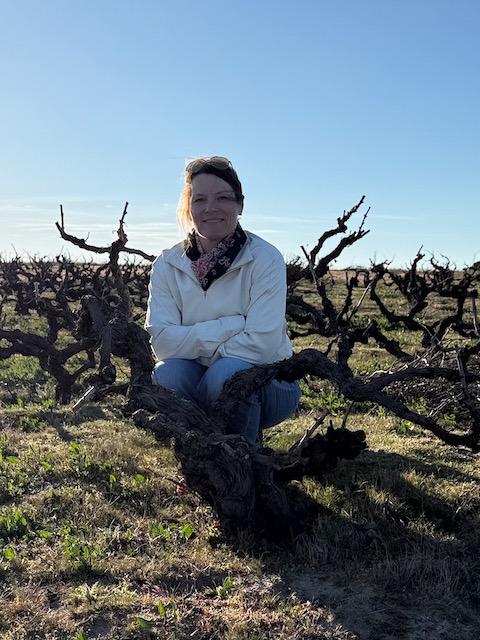
If you love crisp, aromatic whites that practically beg to be poured at sunset gatherings or lively tapas nights, let me whisk you away to D.O. Rueda in Castilla y León, Spain—the undisputed white-wine heartland I had the joy of exploring on March 27, 2026. As part of a small, lucky group of international Bacchus Competition judges, this journey went far beyond what most people typically think of when they picture Rueda whites. We delved deeply into the region’s impressive diversity, remarkable ageability, and wide appeal to wine lovers of all kinds. From the Consejo Regulador’s welcoming presentation to ancient vines swaying in the breeze, every moment felt like a true vibrant awakening. Come along as I share the highlights, the must-know facts, and why Rueda wines are pure magic for sharing. Where It All Began: Rueda’s Vineyard History Rueda’s story stretches back over a thousand years. Verdejo arrived in the 11th–12th centuries with Mozarabs (Christians from Moorish North Africa) who helped King Alfonso VI repopulate the Duero River valley after the Reconquista. Monks planted vines, and by the Middle Ages, Rueda was famous for its fortified “Dorado” and “Palido” styles served at the Spanish royal court. Phylloxera later devastated the region, shrinking vineyards dramatically, but a revival kicked off in the 1970s when Rioja’s Marqués de Riscal invested in modern techniques. Official D.O. status came in 1980—the first in Castilla y León—and the rest is delicious history. Today, Rueda proudly boasts about 20,700 hectares under vine, 79 wineries, and 1,523 growers, making it Spain’s top white-wine denomination by volume (over 118 million bottles produced in recent years) which accounts for a whopping 44.6% of market share! Why Rueda Is Perfect for Verdejo—the Star Varietal High on the Castilla y León plateau (700–800 meters altitude), Rueda enjoys a continental climate with a touch of Atlantic influence: blazing hot days, refreshingly cool nights, low rainfall, and stony, gravelly, sandy-limestone soils that force vines to dig deep for water and minerals. This diurnal temperature swing locks in bright acidity while the drought-tolerant Verdejo thrives, delivering concentrated aromatics without flab. Result? Wines bursting with citrus, green herbs, tropical hints, almond, and a signature saline minerality. Verdejo makes up a whopping 88% of plantings (with Sauvignon Blanc a strong supporting act). It’s hardy, expressive, and versatile—exactly why it’s Spain’s white-wine superstar. Other allowed varieties include Chardonnay and Viognier, but Verdejo remains the undisputed queen. The Character, Styles, and Those Tell-Tale Back Labels Rueda is overwhelmingly a white-wine region: whites account for over 99% of production with reds and rosés making up less than 1%. The star is Verdejo, but the full picture includes a small yet vibrant red presence using authorized varieties such as Tempranillo (the most common), Garnacha, Cabernet Sauvignon, Merlot, and Syrah. Rueda whites are zesty, vibrant, and effortlessly elegant—think freshness with structure, never heavy. Classic styles include: Since the 2019–2020 rule refresh, all dry whites fall under the single “Rueda” designation (minimum 50% Verdejo and/or Sauvignon Blanc). Wines labeled Rueda Verdejo require a minimum of 85% Verdejo (most are 100% and proudly say so on the back label). Premium Gran Vino de Rueda highlights old-vine (30+ years) and low-yield bottlings for extra depth and complexity. The historic fortified styles, beloved for centuries, still thrive today for those who crave something different from the fresh styles. The delicate Pálido is a pale, dry and subtly oxidative wine with elegant notes of almond, chamomile and saline minerality, while the iconic Dorado — a golden-amber, richly oxidative treasure — offers profound layers of toasted hazelnut, caramel, dried apricot, honey and warm spices, traditionally aged in a solera system. Reds and rosés, though rare, follow the same D.O. framework: reds are typically 100% red varieties, while rosés need a minimum 50% red grapes. They tend to be fresh, vibrant, and fruit-forward—think bright cherry and herbal notes in young Tempranillo or Garnacha expressions, with some barrel-aged examples showing more structure and aging potential. A few standouts have even earned Gran Vino de Rueda status. You’ll spot the official D.O. Rueda seal and back label (contraetiqueta) on every bottle—it’s your guarantee of authenticity, quality, origin, vintage, and grape composition. No guesswork; just pure Rueda character in every sip, whether it’s a crisp white or a rare red. Why Rueda Wines Are Made for Sharing These wines are social superstars: bright, approachable, and ridiculously food-friendly. Pair them with seafood, fresh salads, creamy cheeses, or classic Spanish tapas, and watch conversations flow. Their great value, vibrant fruit, and lively acidity make them ideal for picnics, dinner parties, or simply passing the bottle among friends. In a world of complicated wines, Rueda delivers pure joy—versatile enough for casual sipping yet sophisticated enough to impress. No wonder they’re flying off shelves worldwide! My Bacchus Jury Day in Rueda: A Perfect Snapshot Our small group of judges kicked off the morning with arrival at the Consejo Regulador D.O. Rueda. A warm welcome, an insightful presentation on the region, and a focused tasting of a stellar selection of Rueda wines set the tone—fresh, informative, and utterly inspiring. We were then left to our own devices to taste 40 wines of various styles from fresh and lively to aged, oxidative, sweet and VORR. There were a few sprinklings of Sauvignon Blanc and Palomino Fino in the mix but, as the region dictates, Verdejo is the clear queen of the region. A handful stood out and absolutely stole the show: Bodegas Pandora Verdejo Ecológico 2025 burst with vibrant green-apple crunch and zesty lime; Diez Siglos de Verdejo 2025 delivered bright citrus fireworks laced with almond and saline minerality; Bodegas de Alberto Sobre Lías 2024 wrapped us in creamy toasted-nut richness with lingering peach; Bodegas Naia Verdejo 2022 offered elegant fennel and white-flower finesse; Rodríguez y Sanzo Palo Norte brought smoky herbal depth with electric tension; the historic Feliz Lorenzo Cachazo de Alberto Dorado showed golden oxidative nuttiness; its Dorado Dulce version was pure honeyed apricot bliss; and the rare Dorado VORR delivered profound, concentrated