
A Sip of Tradition: Visiting Velho Alambique Cachaçaria in Brazil
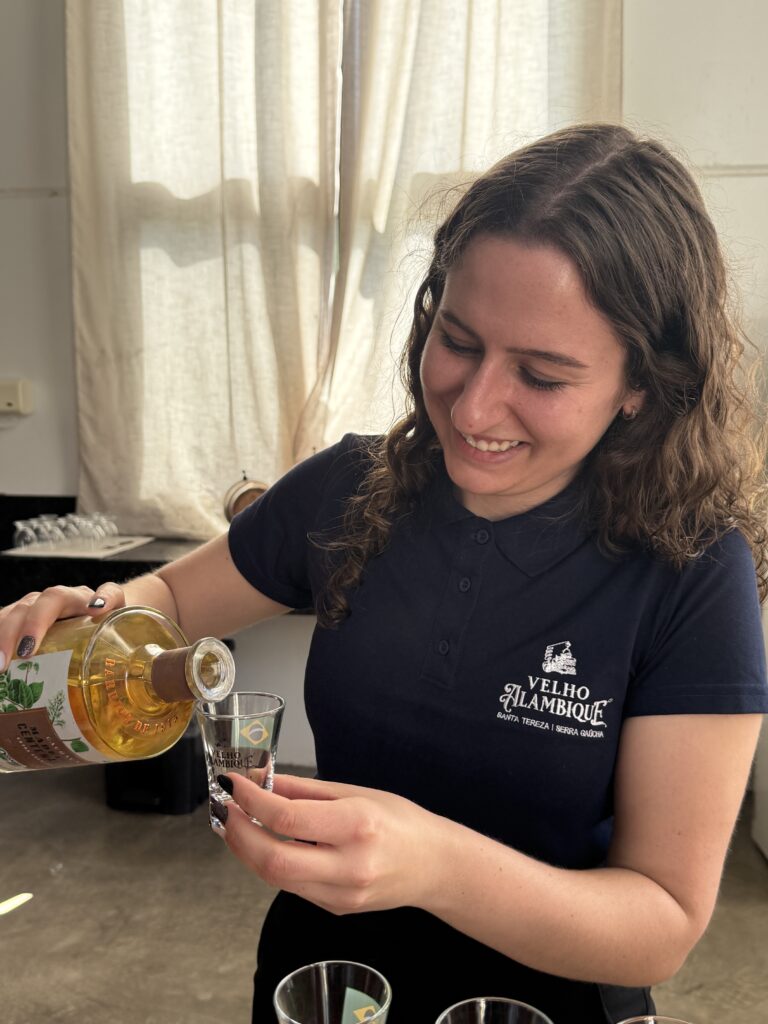
Welcome, wine lovers and spirit enthusiasts, to another adventure with The Happy Vine! Today, we’re stepping away from the vineyard and diving into the vibrant world of cachaça, Brazil’s beloved spirit, with a visit to the charming Velho Alambique Cachaçaria. Nestled in the heart of Brazil’s sugarcane country, this small, family-owned distillery is a treasure trove of tradition, passion, and some seriously sippable cachaça. So, grab a shot glass and let’s explore! Nestled in the rolling hills of Santa Tereza, Rio Grande do Sul, Velho Alambique is a family-run gem producing organic, artisanal cachaças from their own sugarcane fields. With a nod to tradition and a flair for wood-aged innovation, their lineup showcases the distillery’s mastery of blends and native Brazilian hardwoods. The distillery sits on a modest 10-12 hectares of sugarcane fields, a plot that’s been lovingly tended by the family for generations. The current owners, João and Maria, have passed down their passion to the next generation, their daughter Laura and son Gustavo, who are now steering the distillery into the future with pride and innovation. Velho Alambique churns out an impressive 40,000 liters of cachaça each year, all from a single harvest in June when the sugarcane is at its peak. That’s right—one harvest, one chance to capture the essence of the land in liquid form. The process is as much art as it is science, with every step infused with the family’s dedication to quality. From the moment the cane is cut to the final bottling, you can feel the care that João, Maria, Laura, and Gustavo pour into every drop. What makes Velho Alambique truly special is their experimentation with 35 types of wood for aging their cachaça. Yes, you read that right—35! They use exotic woods like balsam, each imparting its own unique character to the spirit. Laura shared that the level of toasting on the barrels plays a fascinating role in the final product: less toasted wood gives the cachaça a deeper, richer color, while more heavily toasted barrels result in a lighter hue but bolder, smokier flavors. It’s like a painter’s palette, with each barrel adding its own stroke of genius. According to Brazil’s cachaça regulations (set by the Ministry of Agriculture, Livestock and Supply), there’s no cap on the types of wood you can use to age this spirited gem. The only rule? Aging happens in “suitable wooden barrels” (think classic oak or vibrant Brazilian hardwoods) up to 700 liters, for at least one year to earn that coveted envelhecida (aged) cachaça title. But here’s the exciting part: the guidelines throw the doors wide open for creativity, letting distillers play with a dazzling array of native woods to craft bold, unique flavor profiles that make every sip a journey! As we toured the distillery, Laura explained the concept of the “angel’s share”—the 3-5% of cachaça that evaporates during aging, a little gift to the heavens (or maybe just the Brazilian humidity). It’s a reminder of the patience required to craft something extraordinary. The cachaça here is made with respect for tradition but also a playful curiosity, as Laura and Gustavo experiment with new woods and techniques to honor their parents’ legacy while keeping things fresh and exciting. We enjoyed churrasco—Brazilian barbecue—and sampled their range of cachaça, from unaged white varieties to those aged in various woods, revealing deep amber hues. I was genuinely impressed by the breadth of flavors and distinct spirit profiles.My personal favorite was the amburana-aged cachaça: exceptionally smooth, with warm, spicy notes reminiscent of cinnamon. Sipping their cachaça was, of course, the highlight. Each glass told a story—of the land, the family, and the craftsmanship of João, Maria, Laura, and Gustavo. Whether it was a smooth, golden cachaça aged in lightly toasted balsam or a crisp, unaged version bursting with fresh sugarcane notes, every taste was a celebration of Brazil’s spirit (pun intended). Velho Alambique proudly upholds the denominação de origem (DO) status, a mark of quality and authenticity for cachaça. Brazil currently recognizes seven DO regions for cachaça, each with its own distinct terroir and production methods, and Velho Alambique’s offerings shine as a testament to their region’s unique character. As I left Velho Alambique, the sun was setting over the sugarcane fields, casting a golden glow that felt like a nod to the liquid gold in their barrels. This little distillery is a testament to the beauty of small-scale, family-run operations—where João and Maria’s vision lives on through Laura and Gustavo’s passion, tradition, and innovation come together in every bottle. If you ever find yourself in Brazil, make the trek to Velho Alambique. And if you can’t, track down a bottle of their cachaça and let it transport you to those sun-drenched fields. Until our next adventure, keep sipping, exploring, and finding joy in every glass. Link to the Instagram Reel: Vamos! Velho Alambique
The 24th Brasil Selection Wine & Spirits Lights Up Bento Gonçalves!
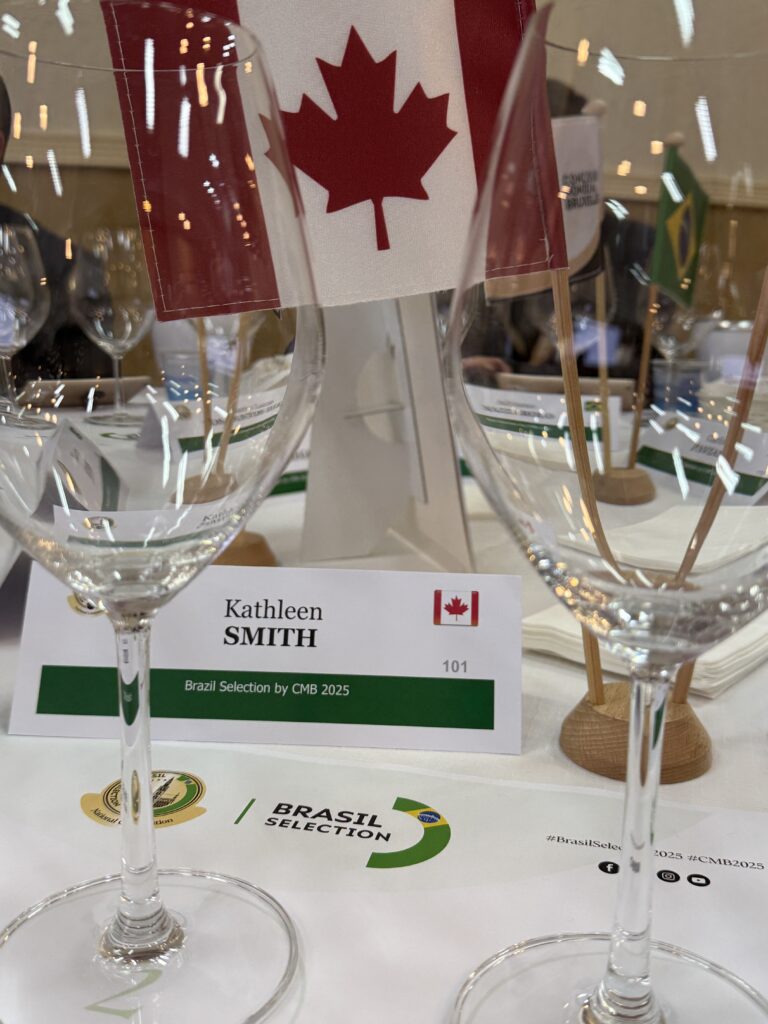
Olá, my delightful vine explorers! 🍷✨ Imagine this: rolling hills kissed by the southern sun, air humming with the promise of fresh grapes, and the unmistakable buzz of passion in every pour. That’s Bento Gonçalves for you – Brazil’s beating heart of wine country – where the 24th edition of the Brasil Selection Wine & Spirits held on October 19 to 22nd 2025 just wrapped up like a perfectly aged vintage. Held over three unforgettable days, this gem of an event, organized by CMB (Concours Mondial de Bruxelles), turned the Serra Gaúcha into a playground for palates and a toast to viticultural magic. Let’s rewind the reel a bit. Picture 35 expert judges – including five international stars hailing from Canada, Peru, the USA, and the UK – diving deep into a sea of excellence. They evaluated a whopping 200 wines and 300 spirits, each one a story bottled up from Brazil’s diverse regions. The wine squad? They powered through 96 samples across those sun-soaked days, noses attuned, tongues dancing. But oh, it wasn’t just about the sips! The program wove in cultural gems, lively samplings, and those heartwarming moments that make you feel like family. (Stay tuned for the juicy details on pairings and hidden gems – I’ve got scoops coming your way!). The closing gala unfolded at the prestigious USC Escola de Gastronomia, where the organizers announced next year’s epic celebration will take place in the enchanting Flores da Cunha! This isn’t your average tasting; it’s a full-on showcase of Brazil’s viticultural prowess. From the bold reds echoing Italian roots to the crisp sparklers that rival the world’s best, these wines and spirits are proving that South American soil is crafting world-class wonders. Culminating in the big reveal of this year’s top-tier honorees, it’s the kind of event that reminds us why we chase that next glass – for the discovery, the joy, and the sheer felicidade it brings. A massive, heartfelt obrigado to the incredible volunteers and CMB crew who poured their souls into making it all seamless. And shoutout to the Spa do Vinho staff – your hospitality turned every moment into pure bliss. You created an unforgettable tapestry for every participant, judge, and wide-eyed attendee. Here’s to you, the unsung heroes behind the vines! Fellow wine lovers, if you’re not already plotting a pilgrimage to Bento Gonçalves (Brazil’s official “Capital of Wine,” with over 600 wineries calling the Serra Gaúcha home), what are you waiting for? This event is a siren call to explore, taste, and fall head over heels for Brazilian brilliance. Grab a bottle from a past winner, raise it high this weekend, and let’s keep the conversation bubbling. Saúde to more adventures on the vine!