
Four Austrian Producers, Four Regions, One Story
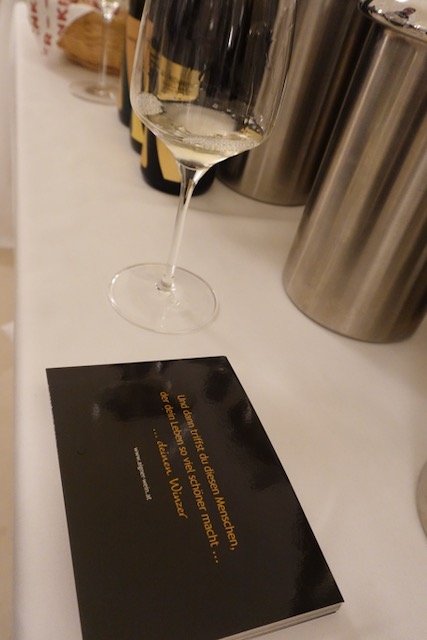
The wines brought me to VieVinum. The people made me stay. Among the grand halls of Vienna’s Hofburg Palace, surrounded by hundreds of producers and thousands of bottles, it is easy to become distracted by scores, technical sheets, and tasting notes. Yet the most memorable moments rarely happen in the glass alone. They happen in conversation. This year at VieVinum, I spent time with a group of Wine of Austria producers whose work feels deeply rooted in place and people. Different regions. Different generations. Different personalities. Yet despite their differences, they all seemed to share the same philosophy: respect the land, respect the family, and make wines that reflect both. As Austrian wine continues its rise on the international stage, these are the producers quietly shaping its future—not through trends or marketing slogans, but through authenticity, craftsmanship, and a deep understanding of where they come from. Gregor Schupp: Precision with Purpose One of the most engaging conversations of the week came from the Schupp family, brother and sister Gregor and Johanna. Johanna Schupp combines Burgundian experience with Austrian pragmatism, bringing curiosity and technical precision into the cellar while remaining deeply connected to her family’s roots. Together with her brother Gregor, the family has built a reputation for wines that are held back until they are truly ready to show their full character. Their vineyards sit on limestone and chalk-rich soils that contribute texture, structure, and remarkable longevity. Gregor spoke passionately about creating wines that reflect those soils rather than market trends, focusing on patience, precision, and individuality. “We want wines that are unique.” It sounds simple, but in today’s wine world, it feels increasingly rare. The family’s Pinot Noir and Chardonnay embody that philosophy beautifully—wines that don’t chase attention but quietly earn it through balance, texture, and a strong sense of place. Weingut Liechtenstein: The Pull of Salinity The conversation with Stefan Tscheppe of Weingut Liechtenstein revealed a producer deeply connected to the identity of Weinviertel. Rather than focusing on grape varieties or cellar techniques, Stefan spoke about energy, drinkability, and what he believes defines the region’s wines. “Animating and salinity.” Those two words perfectly captured the wines in the glass—fresh, vibrant, and structured by a mineral tension that keeps drawing you back for another sip. Stefan was also quick to challenge the misconception that Weinviertel is a one-dimensional region. Beneath its reputation lies a mosaic of vineyard sites, soils, and microclimates that allow for remarkable diversity of expression. Working alongside Josef Stumvoll and Christina Fritz, the estate produces wines that prioritize balance over power and elegance over excess. The result is a lineup that feels modern, food-friendly, and remarkably easy to enjoy. Franz Tschermonegg & Lena Gruber: Hospitality in Every Glass Representing Weingut Tschermonegg in Southern Styria, winemaker Franz Tschermonegg & Lena Gruber brought warmth, energy, and an infectious enthusiasm for both wine and hospitality. Sauvignon Blancs showcase everything that makes the region exciting today: aromatic intensity, vibrant acidity, and remarkable precision. Yet what stood out most was their belief that wine belongs at the table, paired with food, family, and conversation. Describing her single-vineyard Sauvignon Blanc Ried Oberglanz, she laughed: “Every time you have a glass, you think… I want the next one.” After tasting it, it was hard to disagree. The wines are bright, expressive, and effortlessly drinkable, but Lena was equally passionate when speaking about Styrian food culture. Whether discussing local specialties, pumpkin seed oil, or the importance of hospitality, she reminded me that great wine is rarely just about what’s in the glass. It’s about bringing people together. She also spoke candidly about the realities facing growers today. Heavy rains, changing seasons, and unpredictable weather have become part of modern viticulture. Like many producers I met throughout Austria, adaptation is no longer a future challenge—it’s part of everyday life. Elfie Aigner: Tradition with Confidence If Lena represented energy, Elfie Aigner embodied quiet confidence. Her family’s estate remains firmly rooted in the traditions of Austrian Grüner Veltliner, producing wines that balance minerality, elegance, and structure with effortless drinkability. When discussing her favorite single-vineyard bottling, her description was brief but telling: “For me, it’s the perfect Grüner Veltliner.” The wine reflected exactly that confidence—classic, precise, and unapologetically Austrian. What impressed me most was Elfie’s ability to balance respect for tradition with a clear vision for the future. She spoke about the importance of supporting young women entering the wine industry, encouraging mentorship, collaboration, and stronger professional networks. It was a reminder that great wine regions are built not only through vineyards and vintages, but through communities willing to invest in the next generation. In an increasingly crowded global wine market, Austria’s greatest strength may not be Grüner Veltliner, Blaufränkisch, Riesling, or Sauvignon Blanc. It may simply be the people. The families preserving traditions while embracing innovation. The growers adapting to climate challenges without losing sight of identity. The producers who still believe that every bottle should tell a story. And it’s being built one vineyard, one family, and one honest glass at a time.
Wine Of Austria-Portal to Irresistible Addictive
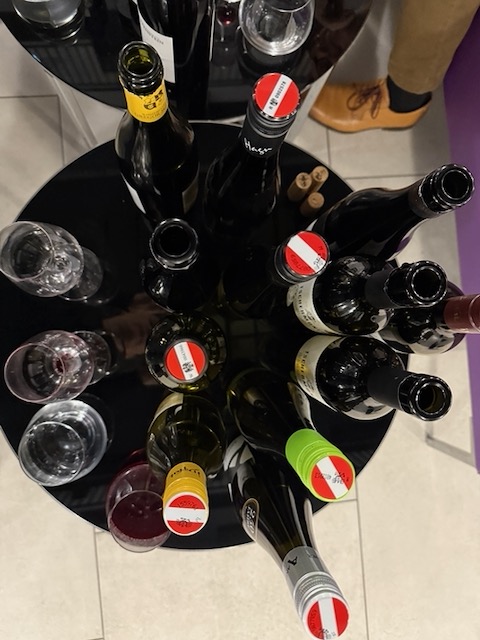
Last week in Budapest, I had the privilege of sitting down with Markus Stieger, founder of Wine of Austria, for a late afternoon that felt less like a formal tasting and more like a conversation among friends who happen to be obsessed with great wine. We took over a quiet corner of the hotel lobby—no tasting sheets, no rush, just open bottles, honest reactions, and a growing realization that Austrian wine is in the middle of something extraordinary. Later that evening we carried our shortlist across the city to Tom George Osteria, where the sommelier tasted alongside us and, bottle by bottle, saw his own preconceptions quietly dismantled. What follows are my unfiltered notes from one of the most exciting line-ups I’ve experienced this year. Tasting the 16 wines in Markus’s portfolio was awakening curiosity with razor-sharp precision, family soul, and frankly insane QPR that makes you question everything you thought you knew about “value.” Austria is quietly making the most electric, soulful, drink-now-or-cry-later wines on earth. My impressions on the wineries and wines tasted: Weingut Aigner “Tradition” Riesling 2024: Lime-zest rocket fuel with wet-stone electricity. Kremstal Riesling that tastes like it was raised on AC/DC and alpine air. Stupidly precise for pocket change. 13 generations of family growers with focus. Screaming wet-stone tension, green apple snap, and a salty finish that punches way above its price. Weingut Aigner Grüner Veltliner Ried Obere Sandgrube 2021: The serious older sibling. Deeper, smokier, layered with yellow apple, crushed rocks, and a salty kiss that lingers like a dirty promise. Single-vineyard GV royalty. Ettl Chardonnay Reserve 2023 (Wagram): Two organic brothers having fun. Youthful, playful, honeyed ripeness yet pure as mountain air. Whole-bunch magic that screams “drink me now.” Ettl “Prädium” Chardonnay 2024: The aromatic big brother – spiced honey, silky texture, built for the American palate that loves a little opulence without losing class. Weingut Hagn “Ried Hundschupfen” Grüner Veltliner 2024 (Weinviertel): White-pepper grenade, gooseberry, and a flinty backbone that makes your tongue buzz. Classic Weinviertel snap – the wine equivalent of a cold slap from a beautiful stranger. Weingut Martin Pasler Blaufränkisch Ried Buschenberg 2019 (Mittelburgenland): Brooding dark cherry, black pepper, and iron-rich soil vibes. Five years in bottle have turned it sleek, spicy, and dangerously velvety. The red that makes you forget Pinot ever existed. PMC Münzenrieder “Tschernosem & Salz” Blaufränkisch-Cabernet Franc 2021: Black-soil power meets lake-breeze freshness. Cassis, graphite, roasted bell pepper, and a saline lick on the finish. Bordeaux varieties grown by someone who actually understands. Weingut Nastl Ried Käferberg Grüner Veltliner 2023 (Kamptal Reserve level): From one of the coolest sites in Langenlois. Explosive green pineapple, wild herbs, and a mineral tension that feels like chewing on a glacier. Nastl’s masterpiece – quiet, intense, unforgettable. Weingut Tschermonegg Ried Lubkogel Sauvignon Blanc 2023 (Südsteiermark): Classic Styrian insanity: passion-fruit bomb, cut grass, elderflower, tomato leaf, pink grapefruit, and a salty whip-crack finish. SB that grabs you by the collar and demands attention. Weingut Tschermonegg Ried Oberglanzberg Sauvignon Blanc 2022: Even more feral – blackcurrant bud, kiwi skin, mango, gunflint, and wet slate. One year extra gives it smoky depth without losing the electric high notes. A total knockout. Winzerfamilie Gregor Schup Rotgipfler Gumpoldskirchen 2023 (Thermenregion): The cult grape whispers seduction: peach melba, almond blossom, nutmeg, and a creamy yet razor-fresh texture. If Chardonnay and Pinot Blanc had a spicy Austrian love child. Ettl “Römerstein” Zweigelt Reserve 2022: Classic jammy dark fruit, black pepper, moreish tannin. Old-school Austrian red that reminds you why Zweigelt rules the countryside.Ftraminer Winzerfamilie Gregor Schup Zweigelt Gumpoldskirchen 2023: Crunchy sour cherry, violet pastilles, and white pepper pop. Zero heaviness, all joy – the red you drain with roast pork or straight from the fridge on a summer night. Winzerfamilie Gregor Schup “Eichkogel” Pinot Noir 2016 (Thermenregion): A nine-year-old Austrian Pinot that costs less than a cocktail in Manhattan. Silky wild strawberry, forest floor, dried rose, black tea and sweet-spice oak. Pure elegance that makes Burgundy hunters weep into their wallets. Hofkellerei Liechtenstein Blaufränkisch 2020: Modern, fresh, peppery elegance personified. Crunchy blue fruit and a finish that keeps whispering “drink another glass.” Münzenrieder Muskat Auslese 2023: Dried stone fruit, piercing acidity, and a salty thread that keeps it gorgeously fresh. Botrytis sweetness done with Styrian precision – not cloying, just addictive. These bottles aren’t waiting for permission. They’re here, they’re brilliant, and they’re priced like someone made a glorious mistake. Austria has never needed hype; it simply makes wines that speak for themselves. After this trip, I’m convinced they’re speaking louder and more eloquently than ever. If you’ve been waiting for the right moment to dive deeper into Austrian wine, consider this your invitation. The bottles are ready. I know I’ll be drinking them for a very long time.