
The final morning climbed poetic heights at the Tower of San Martino, a 74-meter Neo-Gothic spire erected in 1878 atop the hill where the 1859 Battle of Solferino raged – a bloody pivot in Italy’s Risorgimento that inspired the Red Cross. Ascending its spiraling ramp, frescoed panels by Venetian masters like Vittorio Bressanin unfolded tales of valor, the ossuary below a somber nod to 2,000 fallen souls. From the summit, Lugana’s patchwork vineyards unfurled like a green quilt, Lake Garda a sapphire thread binding it all. It’s a site that stirs the soul, reminding us wine’s roots tangle with history’s thorns.
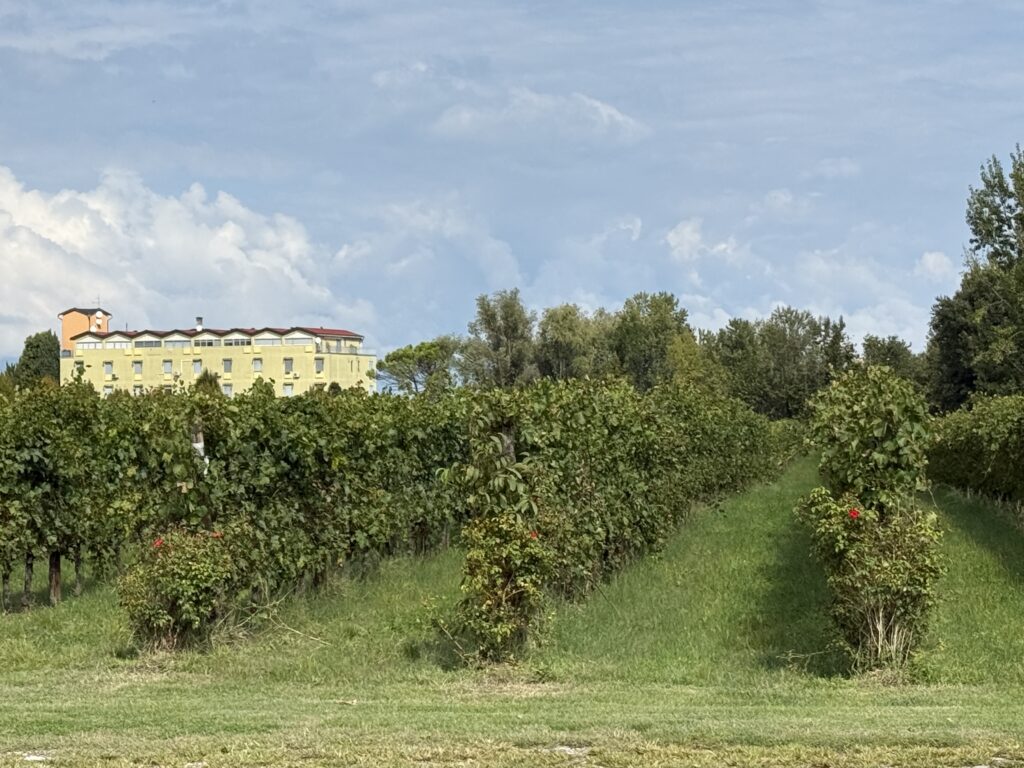
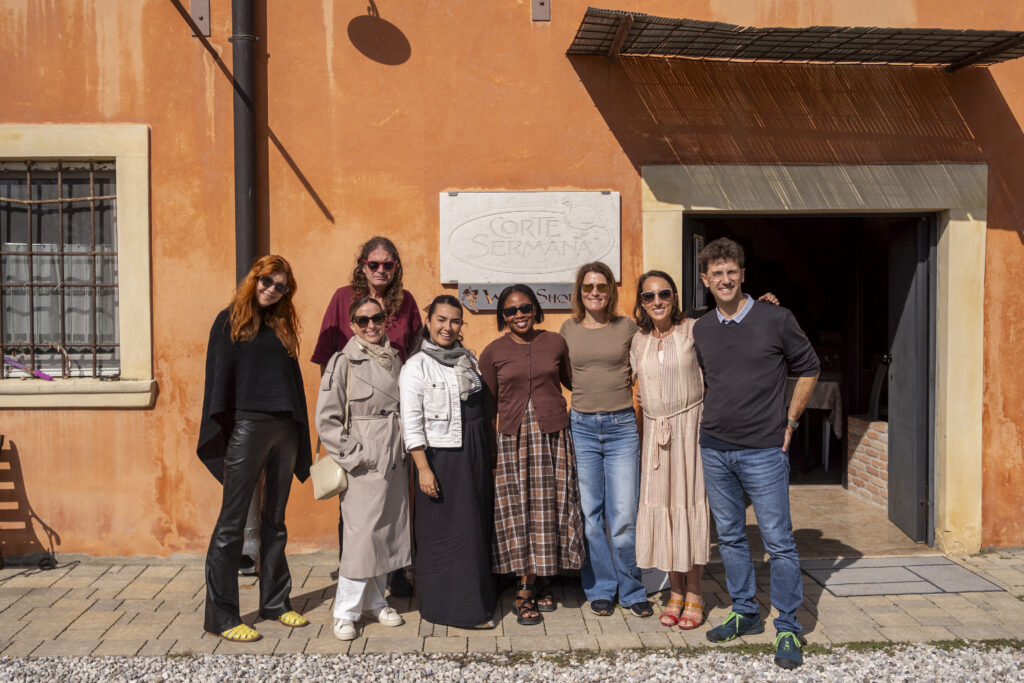
We descended to Corte Sermana for lunch, a boutique “Clos” vineyard since 2009, named for the stream marking Veneto-Lombardy lines. Brothers Nicolò and Filippo (third-gen growers) shared their 5-hectare plot’s secrets: white clays laced with calcium carbonate, yielding Turbiana of “remarkable finesse and mineral energy.” Corte Sermana sits right in the heart of the Lugana DOC, on the southern shore of Lake Garda in northern Italy. Tucked into a breathtaking corner just 15 metres from the water’s edge, the estate is cradled between the lake itself and the Sermana stream – the natural boundary between Veneto and Lombardy. This extraordinary position gifts the vines cool, breezy summer nights and ancient, mineral-rich glacial soils dominated by white clay and calcium carbonate – the ideal playground for the native Turbiana grape that gives Lugana its unmistakable soul.
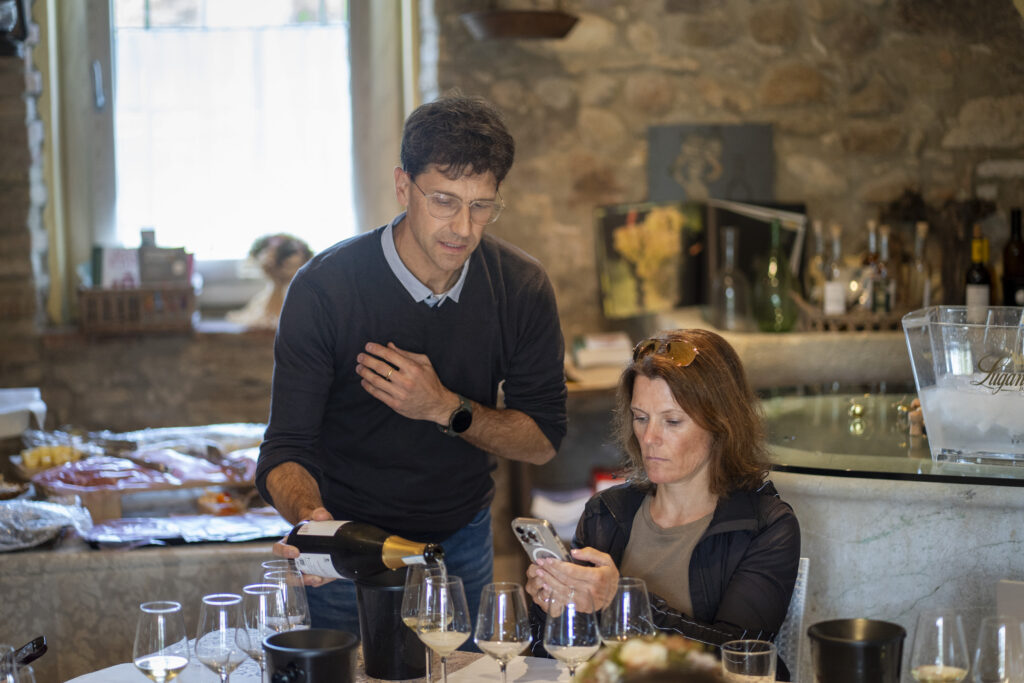
Filippo Bottacini greets us at the cellar door with the easy smile of someone who has just come in from the vines. At barely thirty-something, he already carries the calm authority of a man who trusts time more than trends.
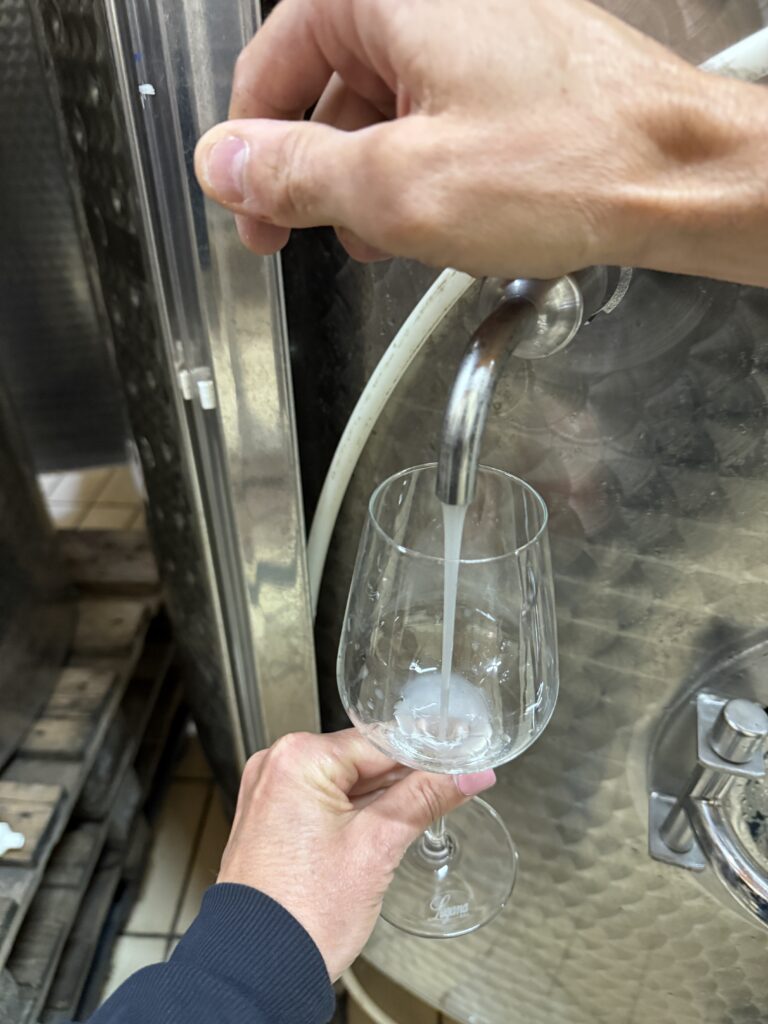
“People always ask me why we harvest so early for the sparkling base,” he says, pouring a crystal-clear 2025 vintage that won’t see bottle until next spring. “Simple. I want the wine to taste like the lake in September – cool, electric, alive.”
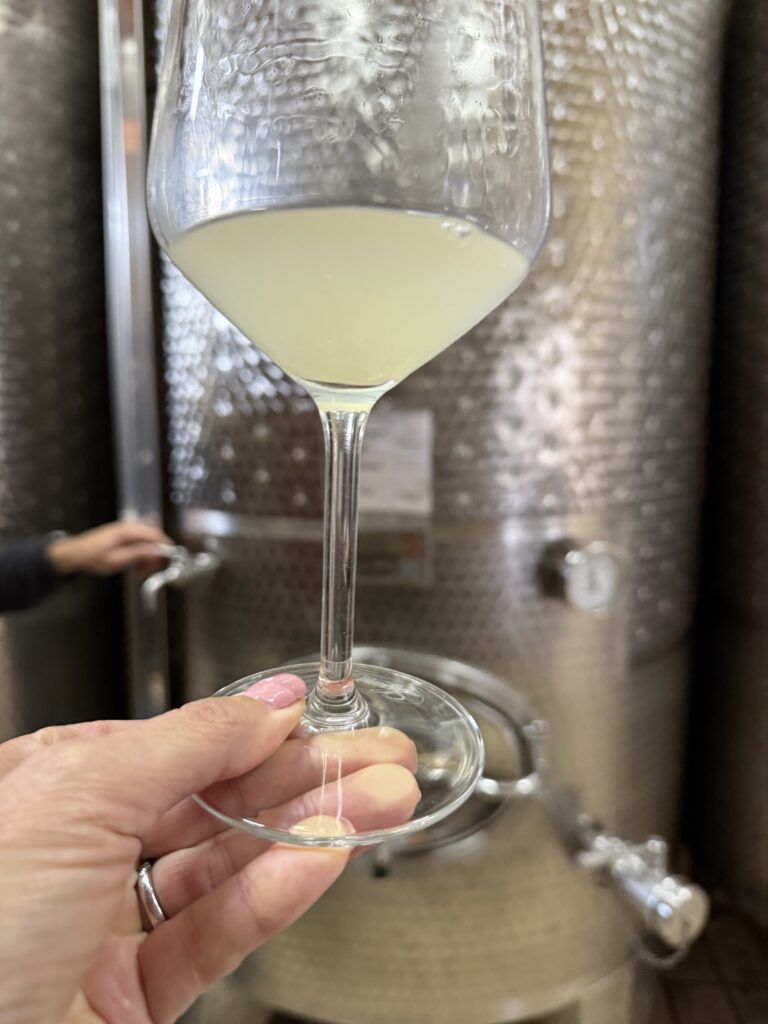
The glass explodes with white flowers, sea breeze, and that unmistakable flinty mineral streak that only seems to appear when vineyards sit a few hundred meters from water. At 11.4% alcohol and a racy 7.6 g/L acidity, it feels like drinking a cold wave. Filippo swirls and smiles: “This is the freshness we fight for. Everything else – the yeast, the lees stirring, the three years we’ll give it – is just to protect that first electric impression.”
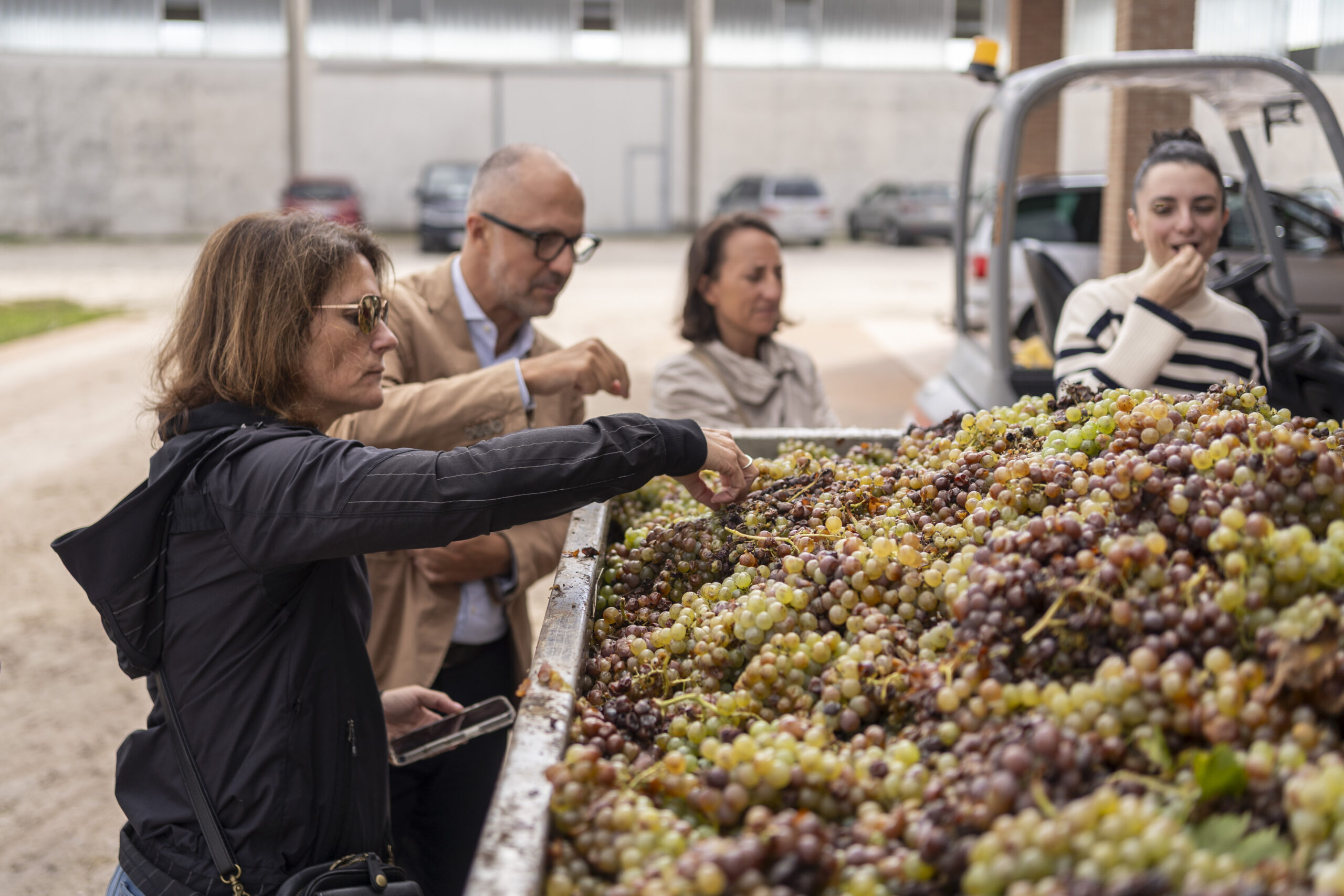
We move to the tank room, where the full-harvest still wines rest. The difference is immediate. Where the sparkling base is all nerve and brightness, these lots (harvested just a week or two later) have already begun their slow transformation into something richer, rounder, almost velvety. “Same vineyard, same Turbiana grapes, six days apart,” Filippo shrugs, as if the miracle is the most natural thing in the world.
He’s divided the estate into six blocks – some running north-south, others east-west – to capture every possible nuance of ripeness. “Machine harvesting used to be a dirty word around here,” he admits. “But we proved that with the right heads and soft pressing, you actually get cleaner aromatics. The skins break gently, the vegetable notes never appear, and suddenly the white flowers and exotic fruit arrive like they’ve been waiting for permission.”
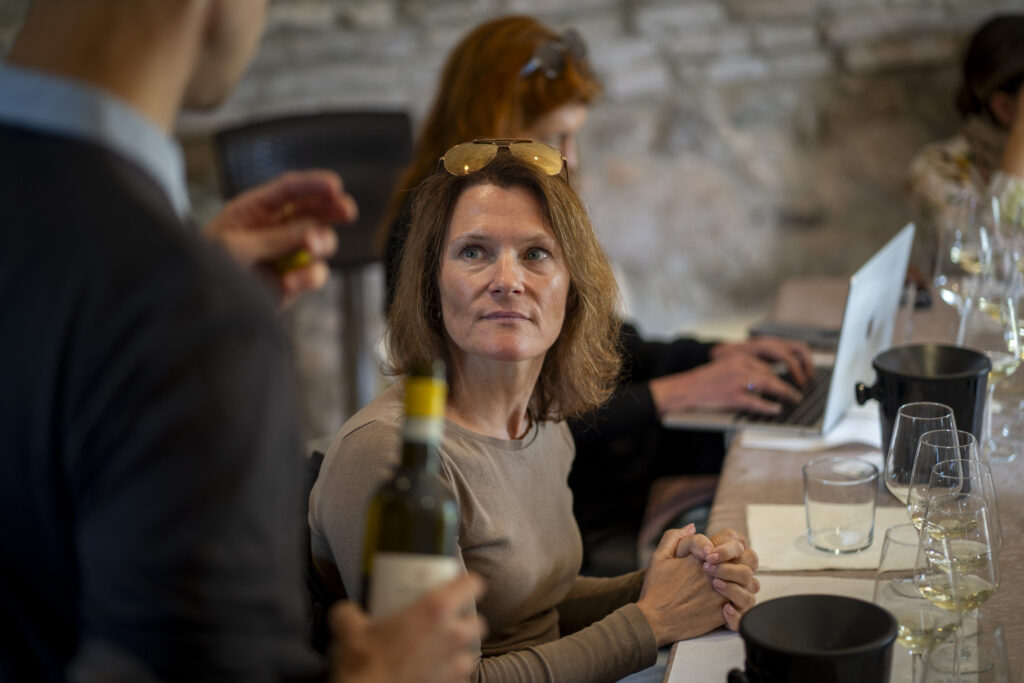
What strikes me most is the patience. While most Lugana producers rush wines to market, Corte Sermana refuses to bottle anything young. The sparkling wines get a full year on lees before even the second fermentation begins. The flagship white – a kaleidoscopic creature Filippo calls Kromago (chrom + lago = colors of the lake) – spends eight months in bottle before release and, he insists, only starts showing its true self after three or four years. “This is why we don’t put the year on the sparkling,” Filippo says. “I want people to taste the wine, not the label. In ten years these bottles will taste completely different again – that’s the point.”
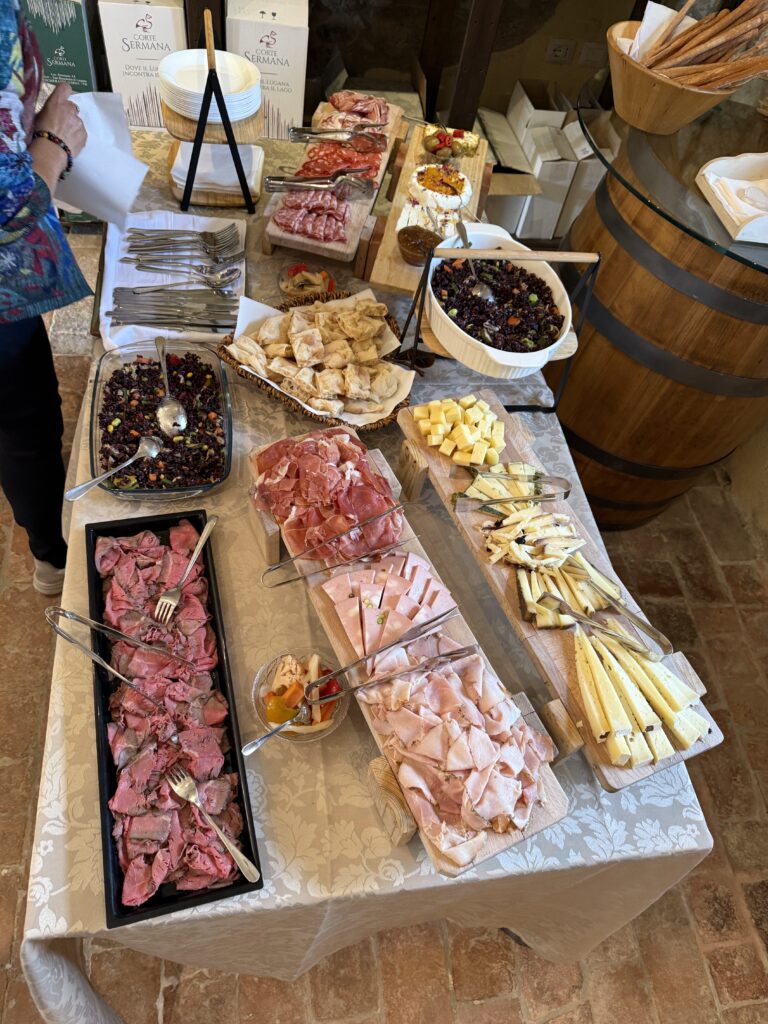
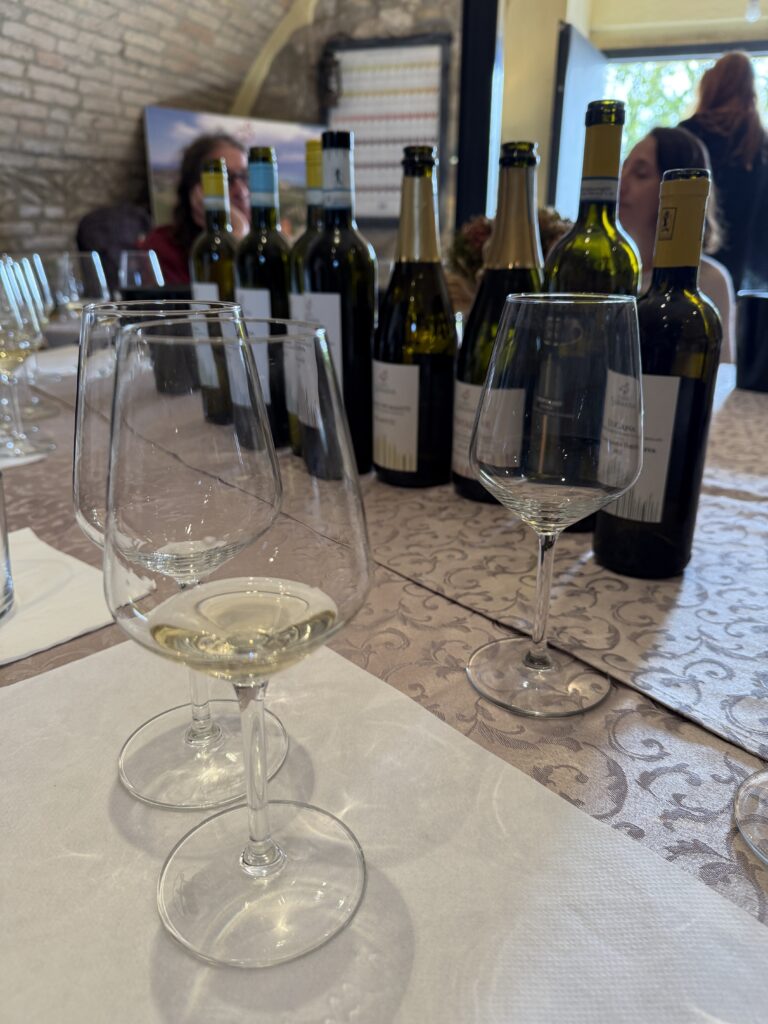
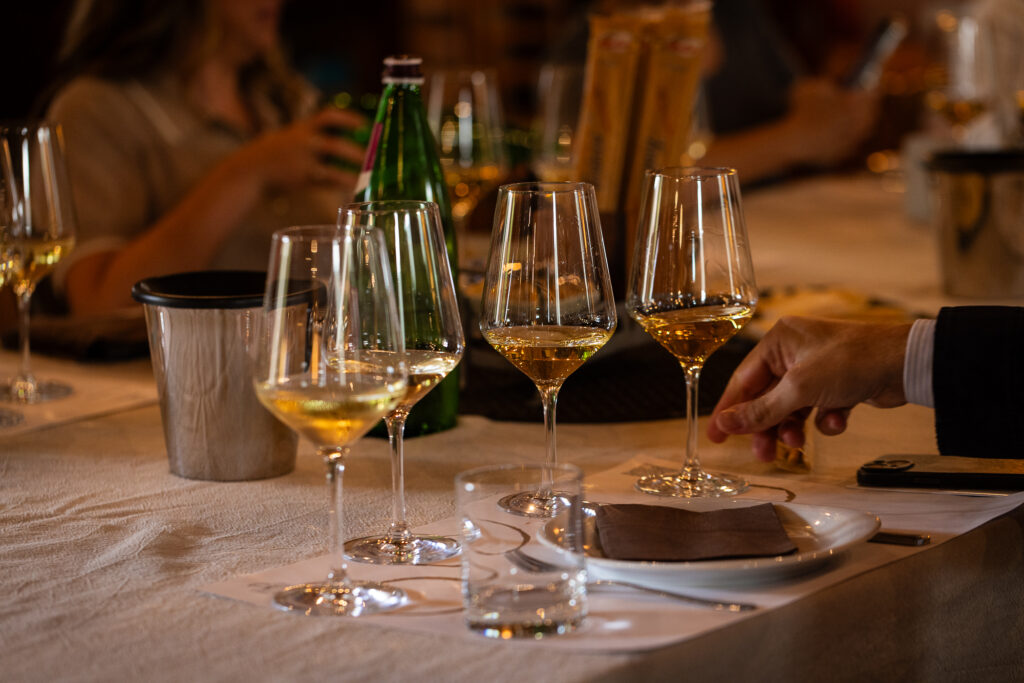
Lunch is served! There are bowls of bright salads, platters of house-cured lonza, coppa, and pancetta rolled so thin you can almost see Garda through it. An array of local cheeses and warm focaccia just out of the oven. And, because this is Corte Sermana, nine bottles standing like soldiers, waiting to be opened in ceremony.
Filippo pours. We begin.
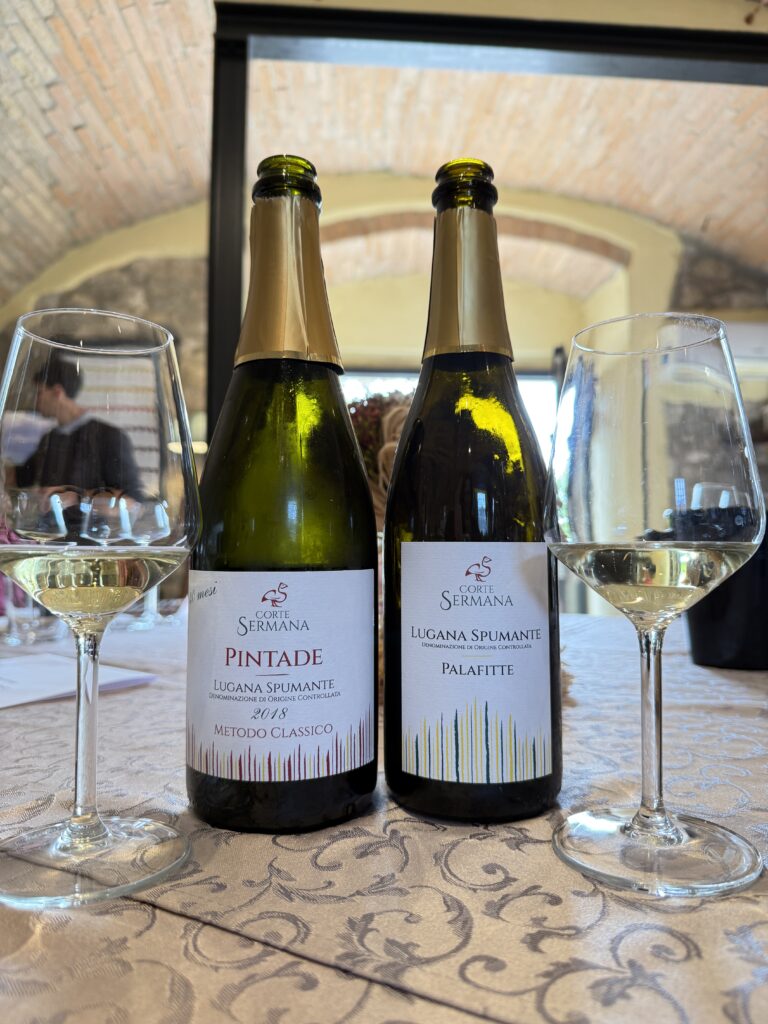
- PINTADE 2018 Metodo Classico: a golden, seven-year lees-aged Turbiana sparkler that has traded youthful fizz for profound brioche, hazelnut, and dried-herb complexity while keeping a razor-sharp mineral spine.
- PALAFITTE Spumante : pale, razor-fresh Turbiana sparkler that bursts with lemon blossom, green apple skin, and salty oyster-shell minerality, its fine bubbles carrying zero-dosage tension like a cool Garda breeze.
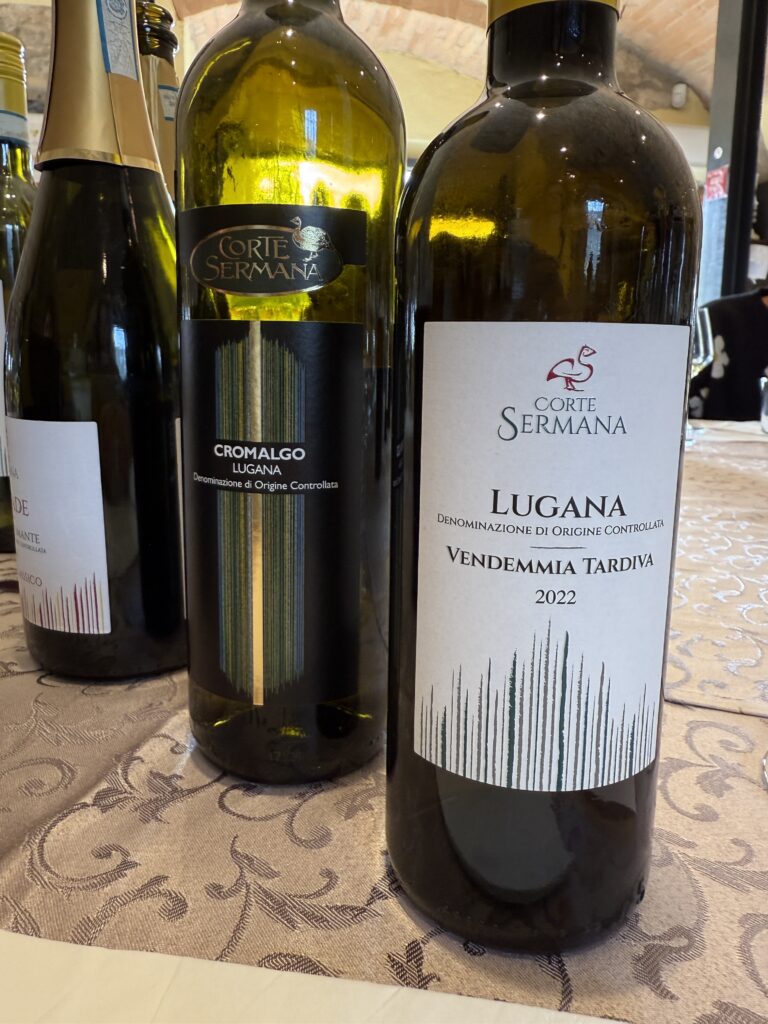
- CROMALGO 2024: The just-born vintage: green apple skin, lemon blossom, wet stone. So pure it hurts. Cuts through the fattiness of the lonza like a blade made of citrus.
- CROMALGO 2023 One year in bottle has rounded the edges. Now there’s almond blossom and a faint flinty smoke. Paired with slivers of 24-month Monte Veronese, it sings a salty-mineral duet.
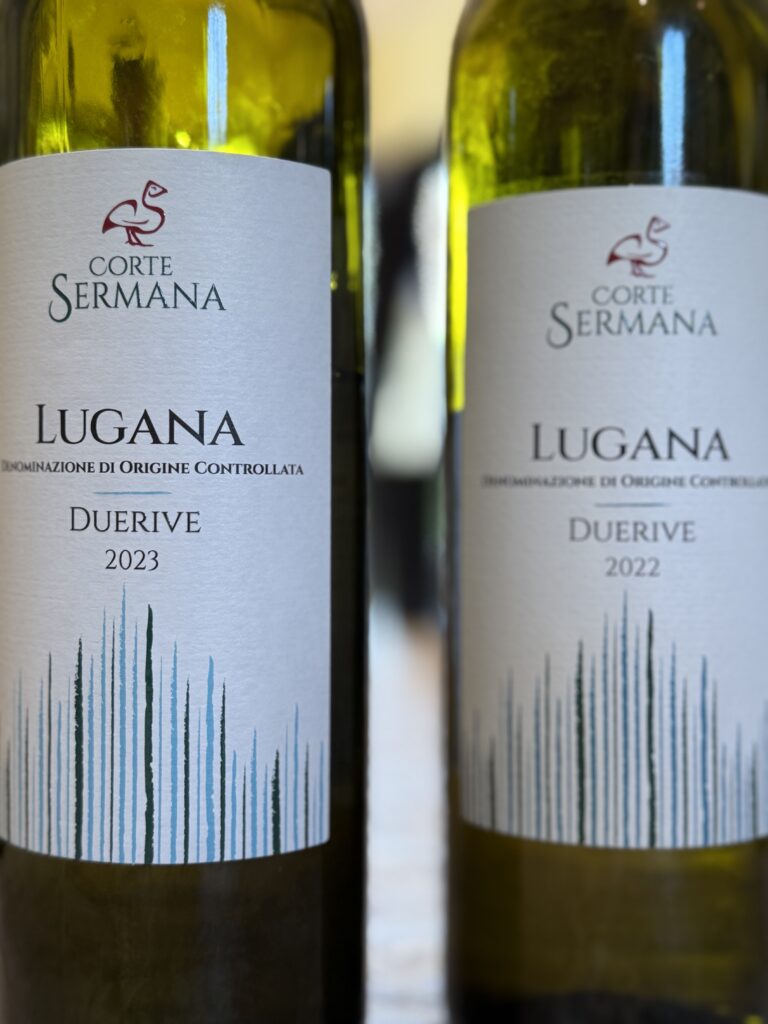
- DUERIVE 2023: Filippo’s “river wine” – from the two parcels closest to the inflow and outflow of the lake. A touch broader, almost saline, with yellow plum and wild herbs. Perfect with the coppa and a spoonful of pear mostarda.
- DUERIVE 2022The warmer vintage shows ripe mirabelle and a creamy mid-palate, yet still that electric Garda spine. The table goes quiet for a moment – the kind of silence that means everyone is secretly planning to hide a bottle in their suitcase.
- SERMANA 2021: The oaked masterpiece (10% new French barrique that year). Macadamia nut, crème brûlée crust, but still lifted by cool-lake acidity. With a shard of 36-month aged cheese it turns positively decadent.
- CROMALGO 2015: Ten years old and just hitting stride. Petrol, white truffle, preserved lemon – the kind of tertiary complexity that makes grown wine lovers misty-eyed. Filippo raises an eyebrow: “See what happens when you wait?”
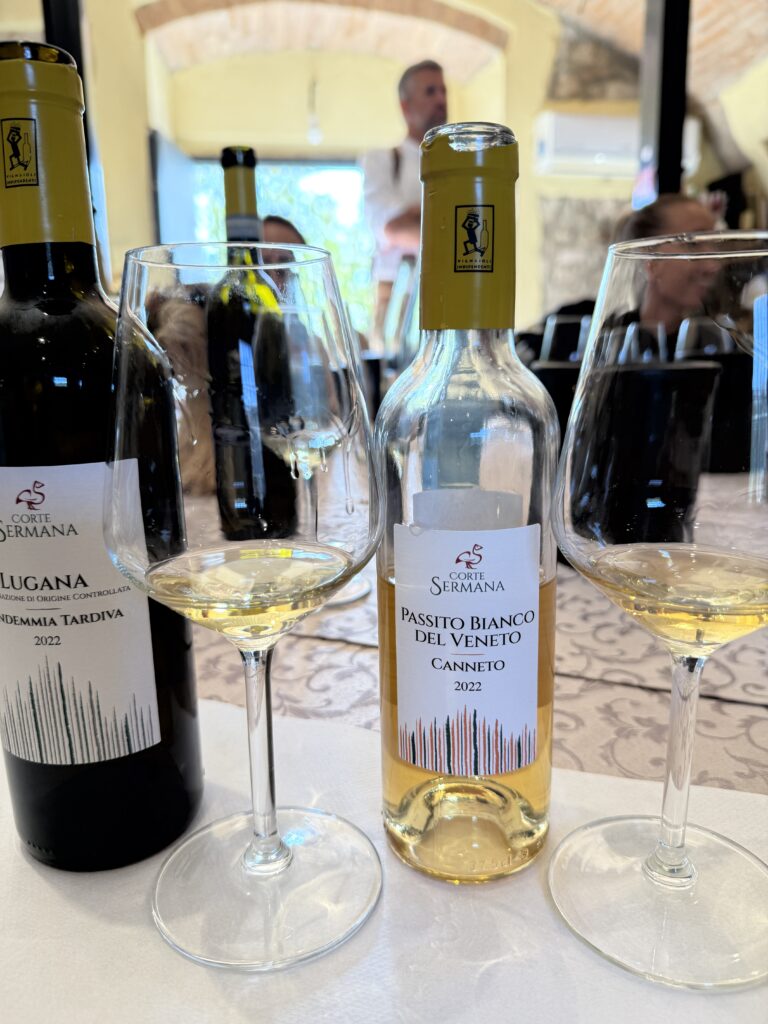
- VENDENNIA TARDIVA “Later Spins” 2022: The famous blue capsule. 25 g/L residual sugar held aloft by 7.3 g/L acidity. Candied orange peel, smoked honey, roasted pineapple. Spooned alongside a quenelle of fresh goat cheese and a drop of truffle honey, it achieves lift-off.
- PASSITO BIANCO DEL VENETO “Canneto” 2022: Grapes dried on reeds the old-fashioned way. Liquid Christmas cake, saffron, dried fig, but somehow still vibrant. We’re down to crumbs of focaccia now, using them to mop up the last amber drops.
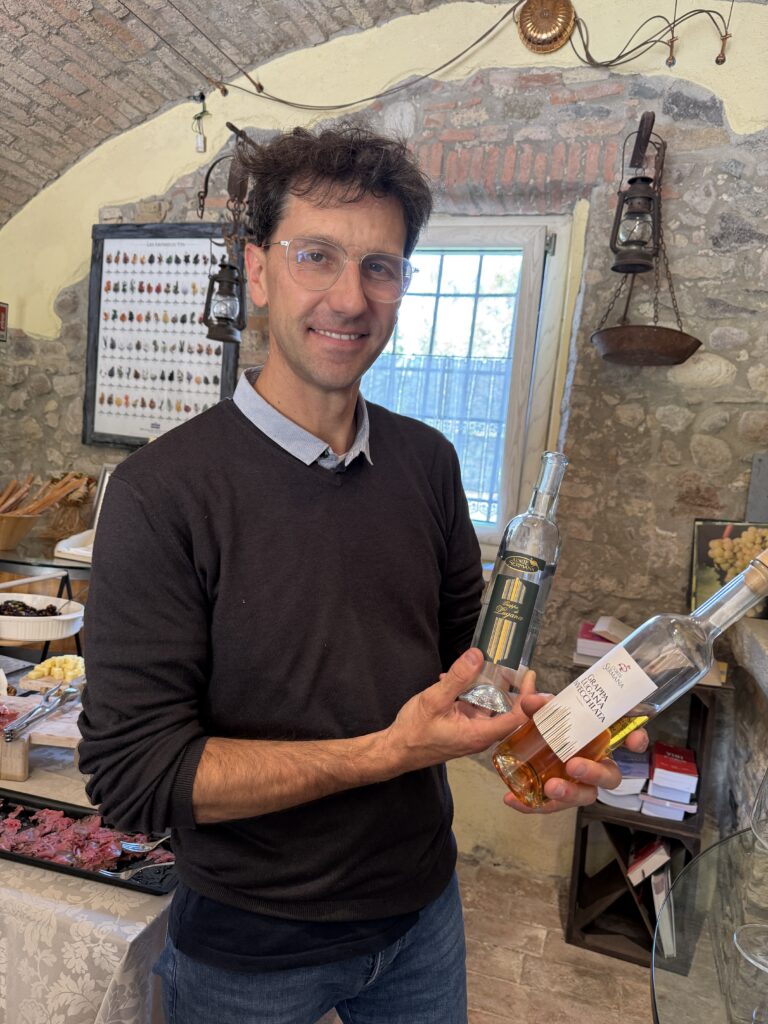
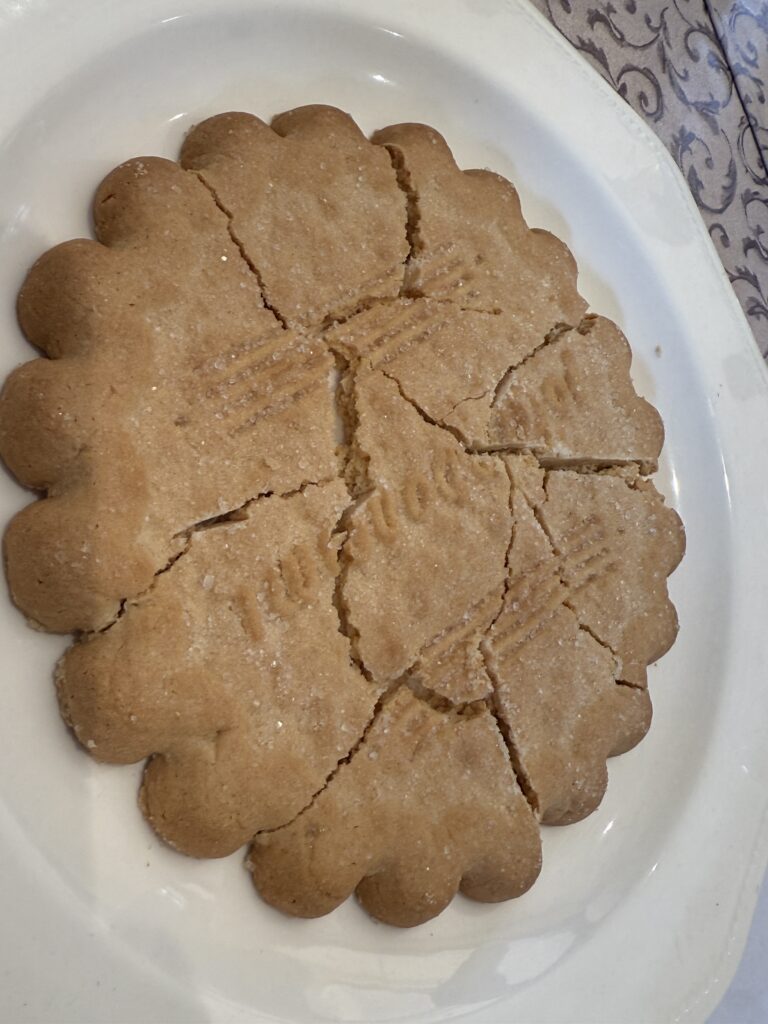
We ended the meal with their Grappa di Lugana is gentle, almost creamy, with a clean almond finish paired with the authentic torcetti del Lago – the proper Lugana “cookie” for grappa. Eventually Filippo says quietly: “This is what the vineyard tastes like when it’s happy.” I believe him. And somewhere in my luggage, wrapped in two sweaters and a prayer, a bottle of 2015 Cromalgo is already dreaming of the next decade.
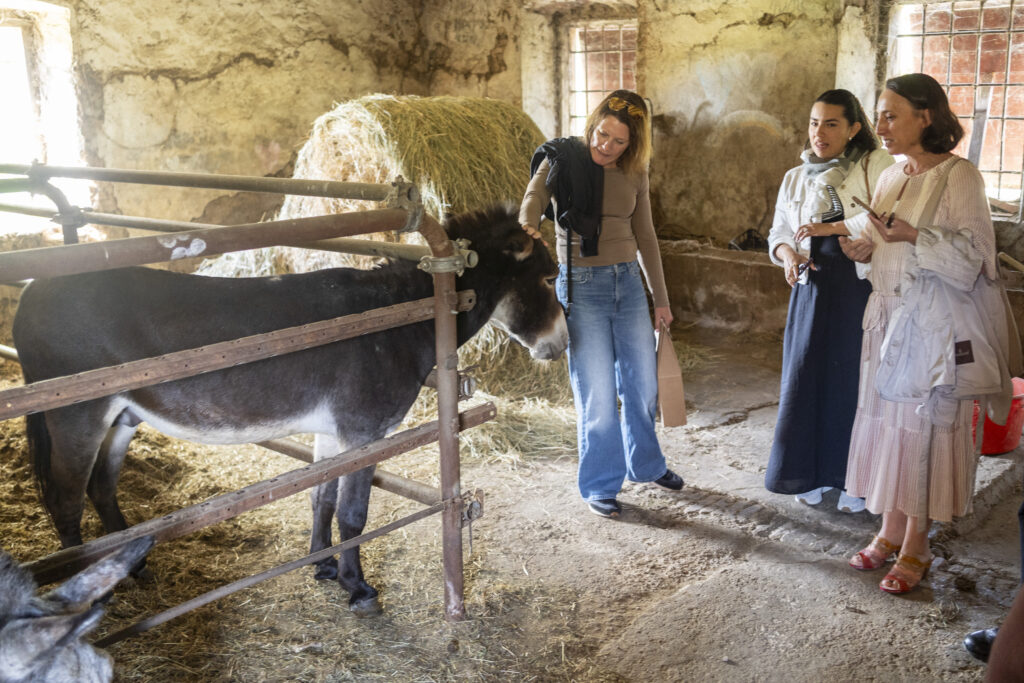
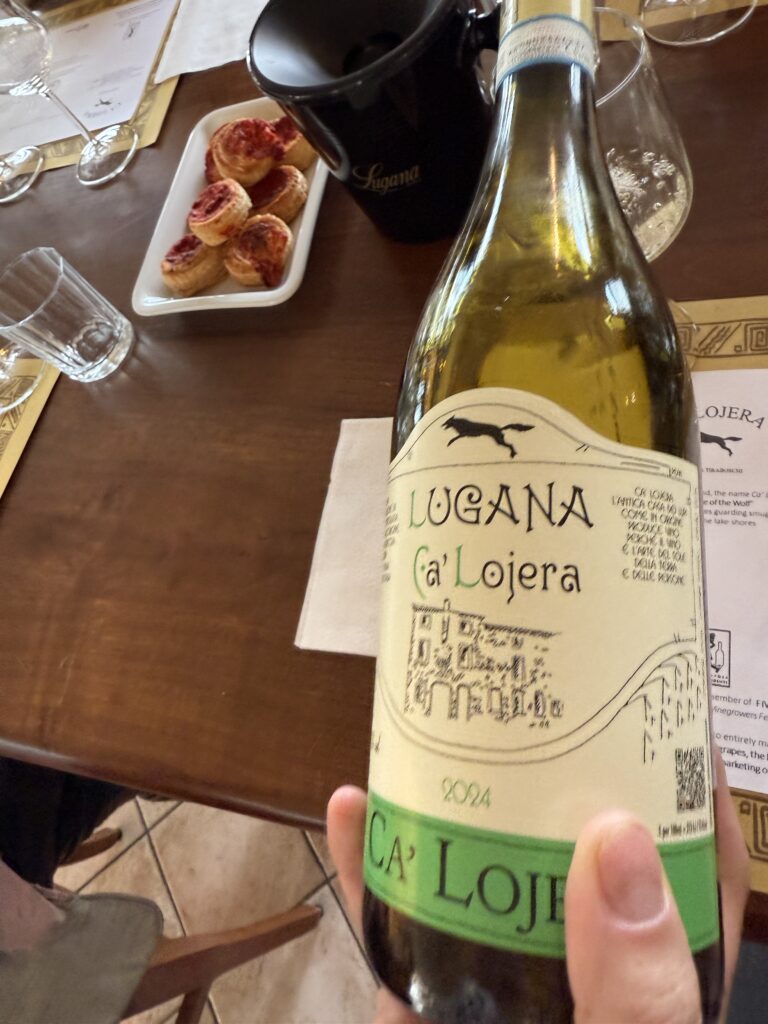
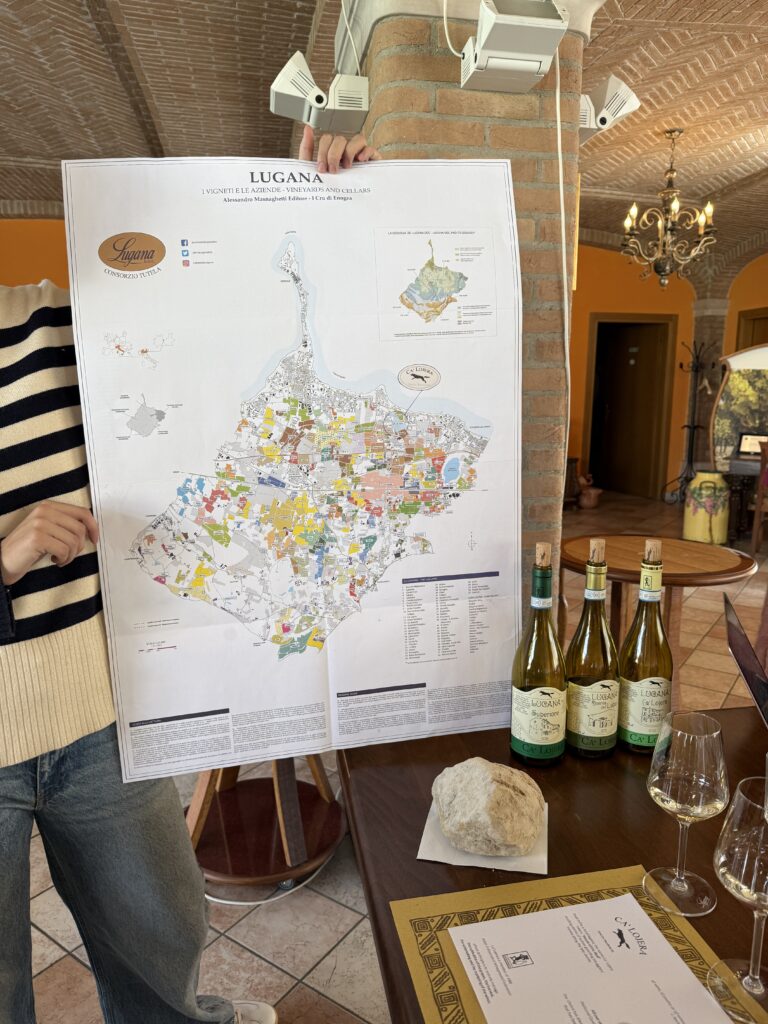
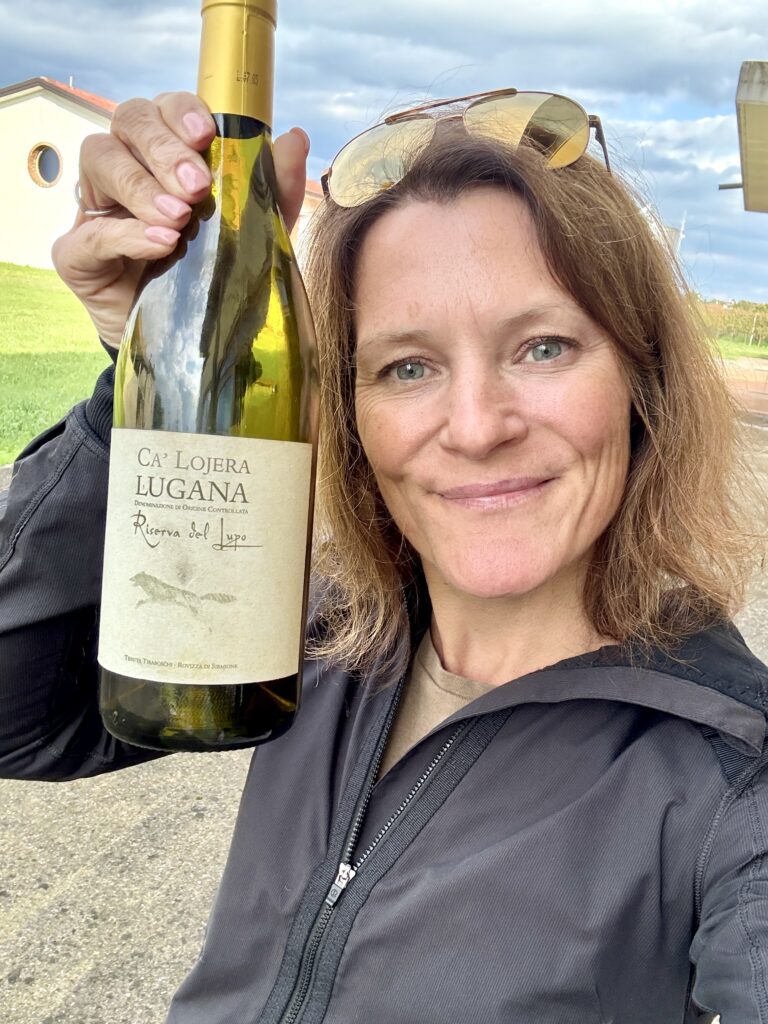
Nestled on the southern shore of Lake Garda, in the heart of the Lugana DOC, stands Cà LoJera – “House of the Wolf” in local dialect. This small, fiercely independent estate is now in its third generation and feels more like a secret than a winery.
The story begins in the early 1970s when Amalia and Pietro Tiraboschi planted the first vines. Today their son Franco and his wife Marta run every inch of the 16 hectares with their own hands and a stubborn refusal to compromise. No barrique, no selected yeasts, no rush – just old-vine Turbiana and that magical white clay soil that looks like you scooped it straight from the lake bed. Franco Tiraboschi is the winemaker, the philosopher, and the quiet guardian of all this magic. When you taste his wines – especially the immortal Riserva del Lupo – you’re tasting purity, patience, and absolute respect for Turbiana and that white clay.
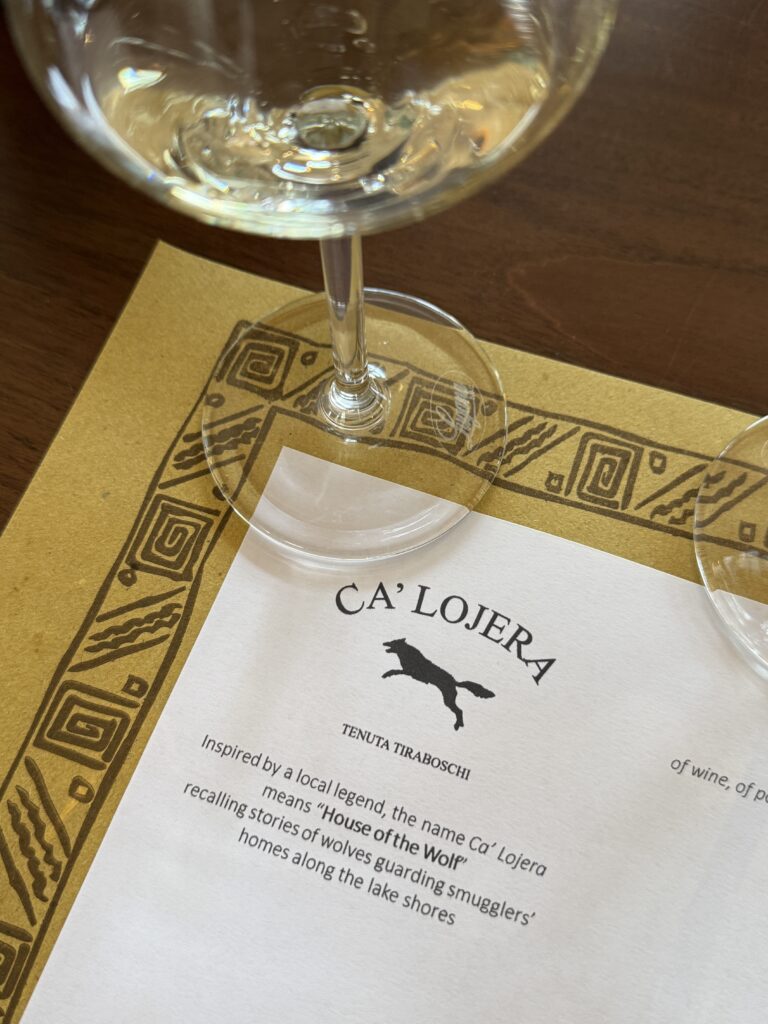
The name itself is pure legend. Centuries ago this farmhouse hid lake smugglers – the lupi (wolves) who moved contraband under moonlight. The ancient name of the land? Loyate – “House of the World”. Combine the two and you get Cà LoJera: the wolf’s den that opens its doors to the world. You’ll see the old house, the lake, and a shadowy figure on every label. This isn’t marketing – it’s family history poured into a bottle.
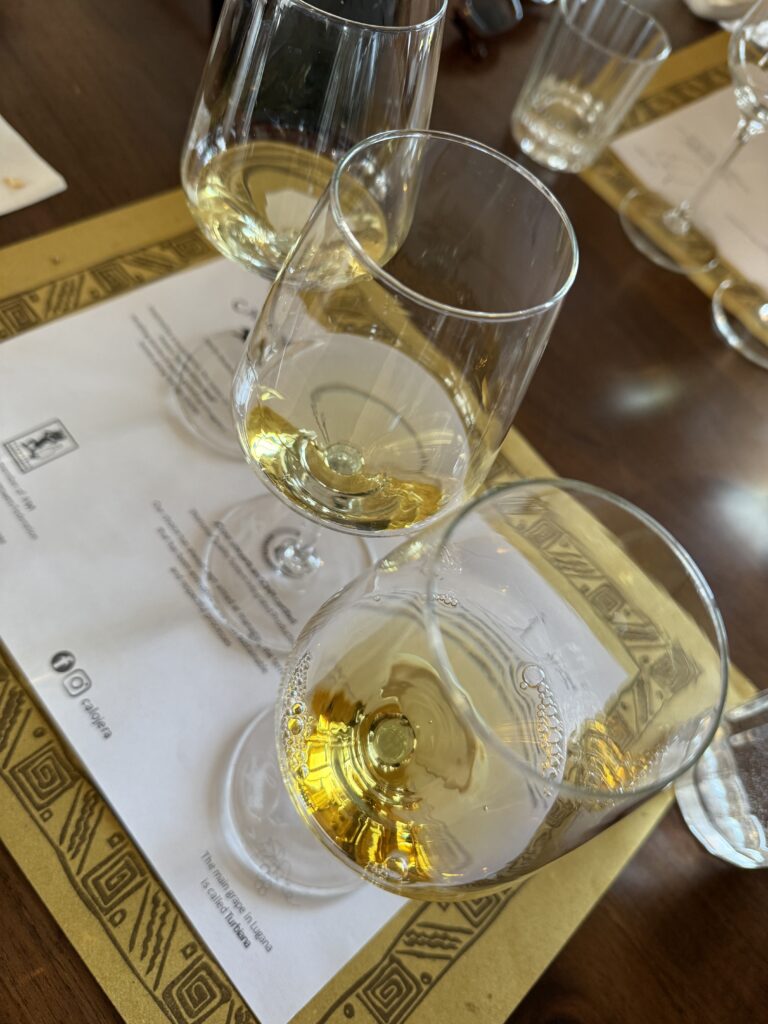
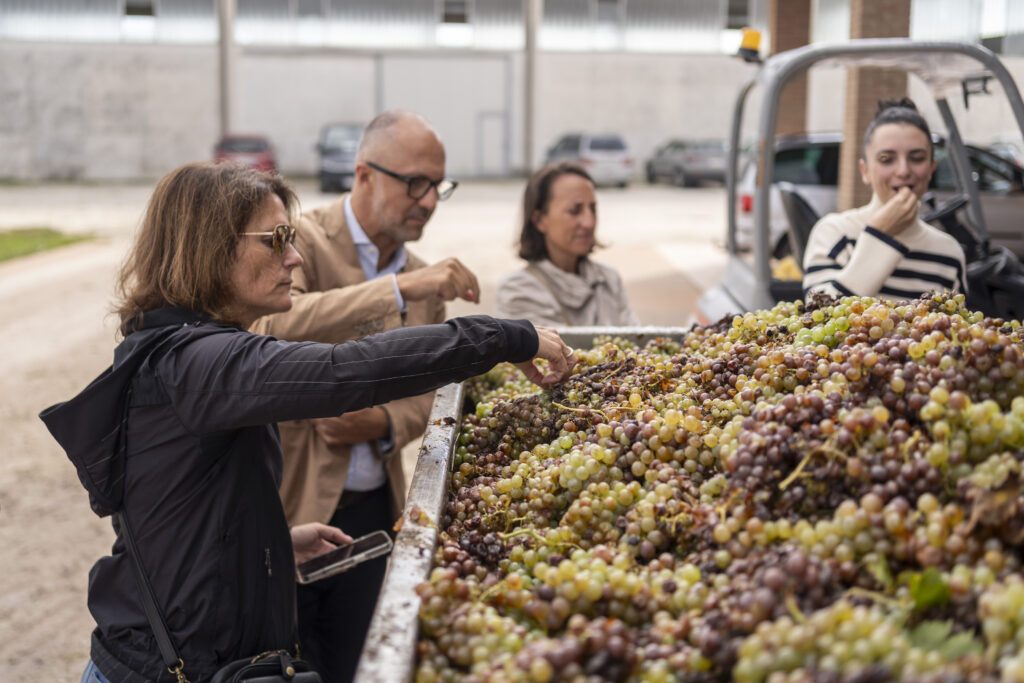
We arrived on a perfect autumn morning while the team was hand-harvesting botrytis-affected grapes for their rare vendemmia tardiva. The air smelled of ripe fruit and lake mist. Martha, third generation led us to the cellar, crumbled that famous white clay between his fingers, and the tasting began. After our tour it was time taste in the family style tasting room filled with warmth and character.
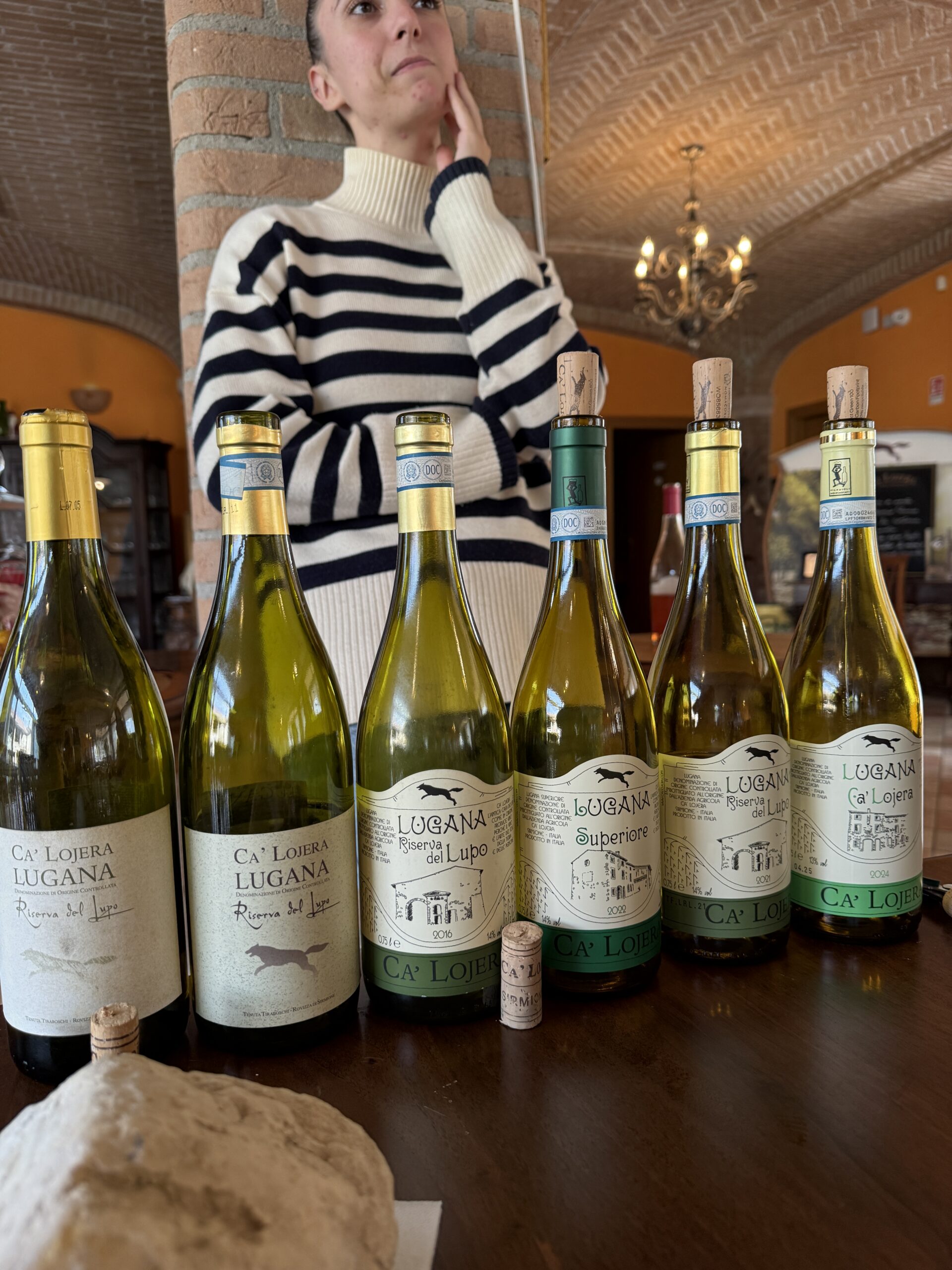
Lugana 2023
Pale straw with a green flash. Ripe peach, mandarin zest, crushed stone, wild mint – the nose jumps out of the glass. Juicy stone fruit meets laser lemon-lime acidity and a salty, rocky finish that feels like a cool Garda breeze. Dangerously vibrant and drinkable now.
Lugana Superiore 2022
Deeper gold. White nectarine, wild herbs, grapefruit pith, a touch of beeswax. Creamier and more structured than the base wine, yet still electric. The salinity on the finish screams for risotto or richer seafood.
Riserva del Lupo 2012
Golden straw. Lemon curd, roasted almonds, wet stones, truffle hints. Shockingly fresh acidity cuts through honey and beeswax layers. Salty-smoky finish that lasts forever. Someone whispered “salty nuts and wild mushrooms” and the table erupted.
Riserva del Lupo 2011
Amber-edged and hedonistic. Petrol, dried apricot, candied orange, minerality cranked to eleven. Creamy yet razor-sharp – like a mature Riesling that summered on the Mediterranean.
Riserva del Lupo 2003 – The Legend
22 years old and absolutely strutting. Old gold color, lanolin, toasted hazelnut, preserved lemon, gunflint, sea-salt breeze. Silky, electric, noble bitter-almond close. We went silent, then someone just said “holy…” and Franco laughed.
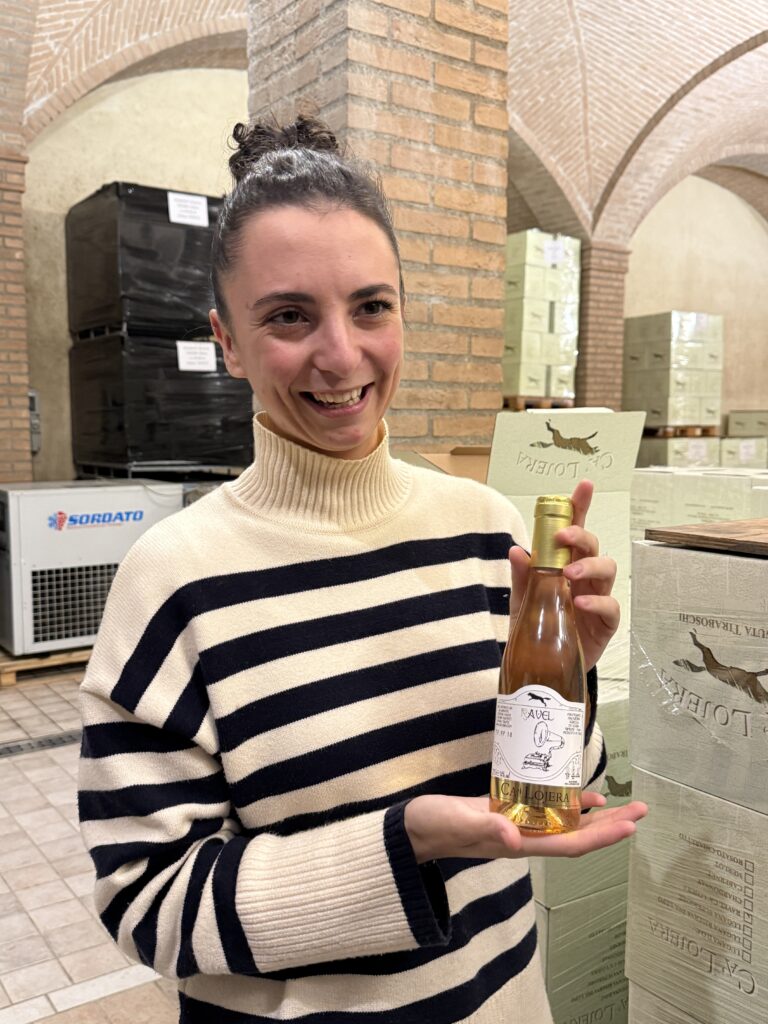
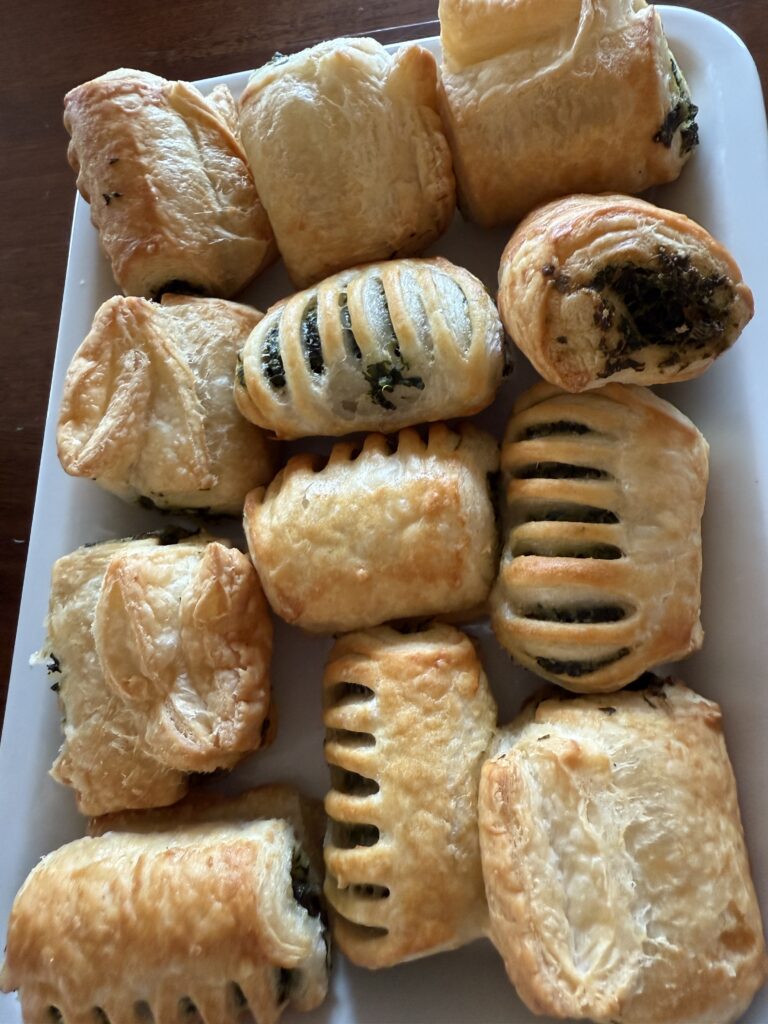
The finale unfolded at Cobue Winery. We arrived at Cobue in the warm glow of late day, just as the heat was easing and the lake started sparkling below the hills. A treat of a private spa experience, tour and wine-paired dinner awaited us. Cobue is family-owned and proudly small. The vineyards sit in the sweet spot between Lake Garda and the morainic amphitheater, benefiting from constant breezes and reflective light off the water. The focus is almost entirely on Turbiana. Sustainability is not a marketing word here; it’s daily practice: organic certification in progress, minimal intervention in the cellar, and a gravity-flow winery built into the hillside.
The private spa (reserved exclusively for a handful of guests) felt like stepping into a secret world: panoramic glass walls framing the vineyards turning amber, an outdoor infinity pool that seemed to melt into the horizon, and nobody else around. The ritual: Finnish sauna → herbal steam room → ice-cold emotional shower → sinking into the bubbling jacuzzi while the sky shifted from peach to lavender. By the time we floated out to the heated pool, the first stars were appearing and the only sound was water lapping and distant cicadas. Pure, unhurried bliss.
Dinner took place in Cobue’s stunning upper tasting room—a minimalist, light-filled space of glass, warm wood, and brushed steel that feels more like a contemporary Scandinavian design gallery than a traditional cantina. One wall is entirely open to the barrel cellar below, softly lit so the oak glows like treasure. The real surprise? A high-end turntable and a carefully curated shelf of vinyl records. Between courses we flipped through albums—everything from Italian classics to jazz and 70s soul and 80s rock—and let the needle drop. The crackle of vinyl, the clink of glasses, and the laughter of new friends floating over the vines made the night feel like the coolest secret dinner party on the planet.
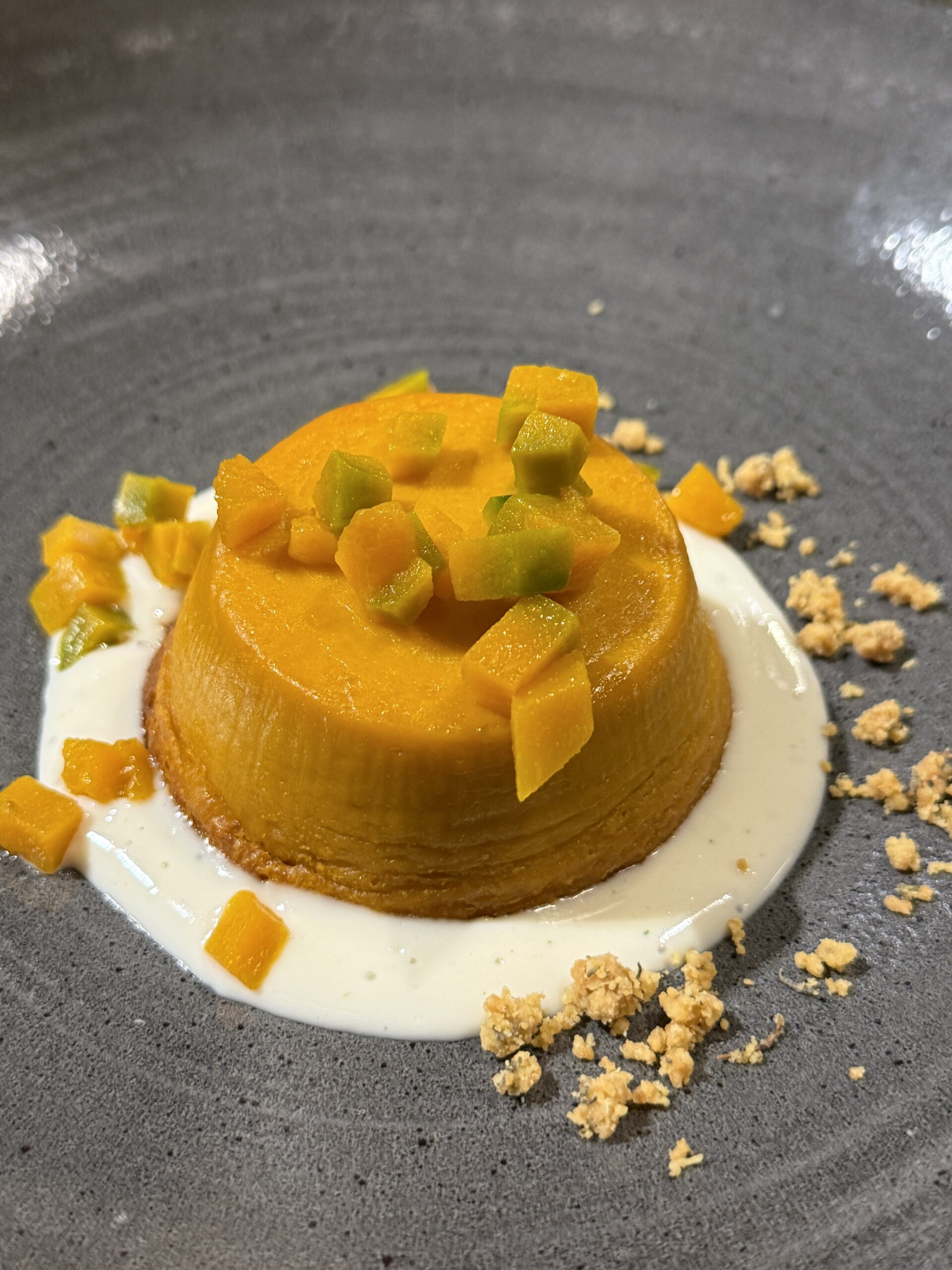
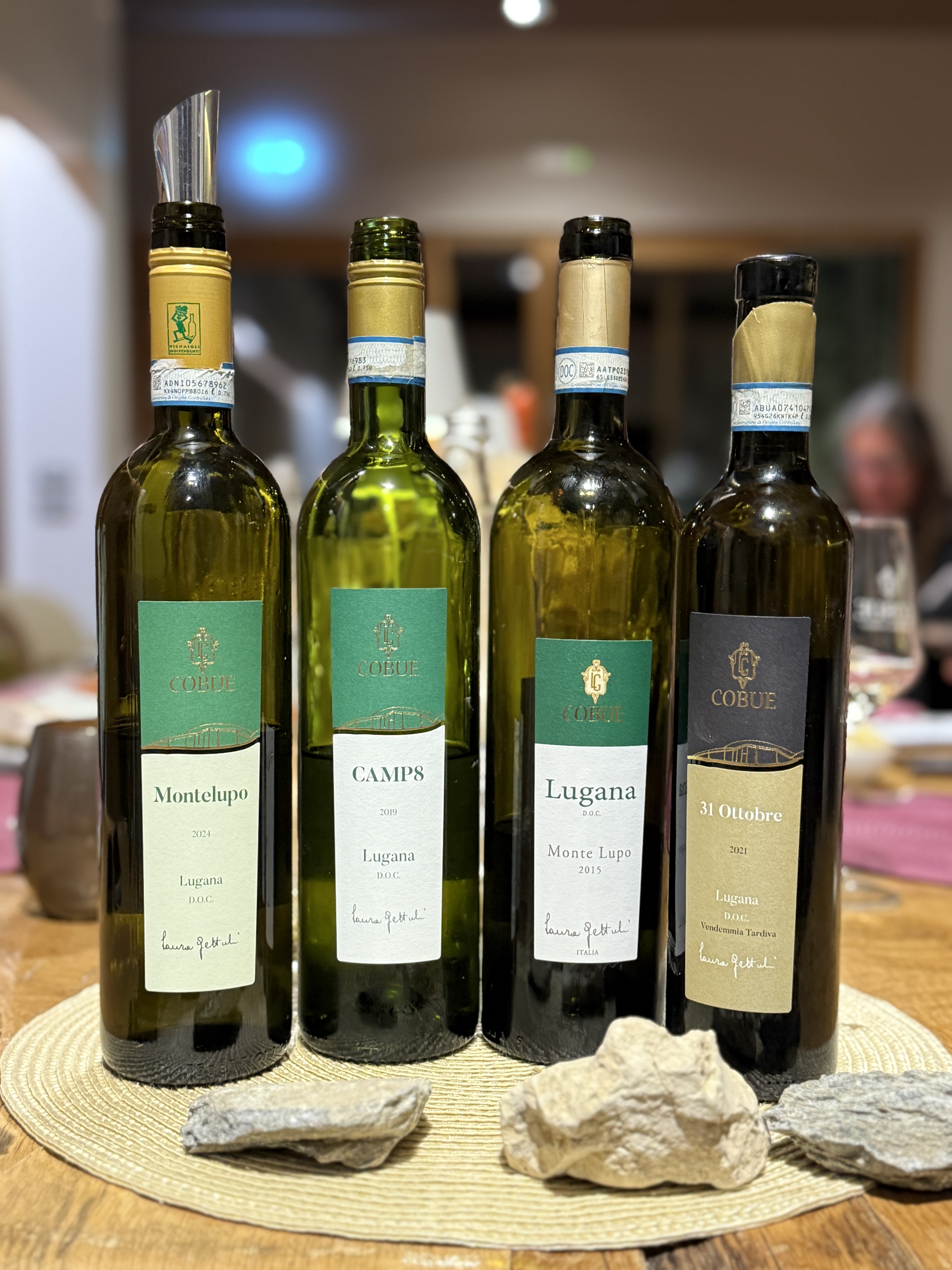
- Garden pumpkin flan, Valsabbia cheese cream paired with Montelupo Lugana DOC 2024 The wine’s razor-sharp acidity sliced through the richness like a dream.
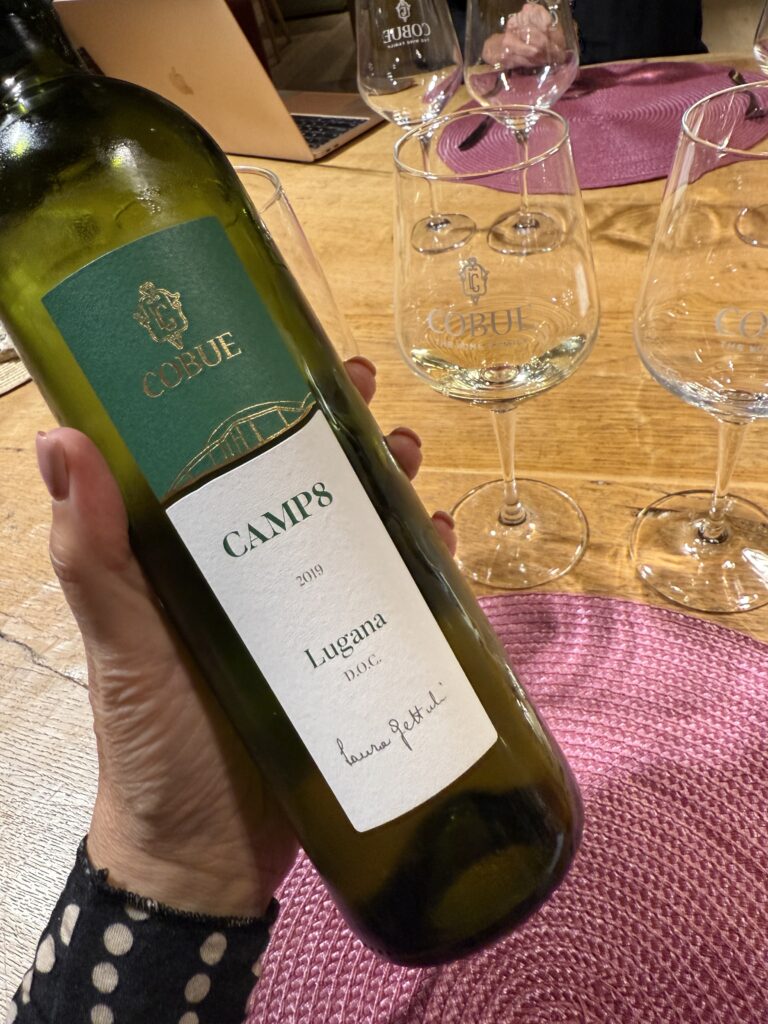
- Handmade fusilli, duck ragù, aged Grana Padano “crunchies” paired with Camp8 Lugana DOC 2019 Texture met texture, and the duck’s gaminess found its match in the wine’s evolved depth.
- Buffalo tenderloin, roasted potatoes, red-wine reduction paired with Monte Lupo Lugana DOC 2015 (magnum) Yes, aged white wine with red meat. The toasty, almost Burgundian complexity stood up beautifully; zero need for red here.
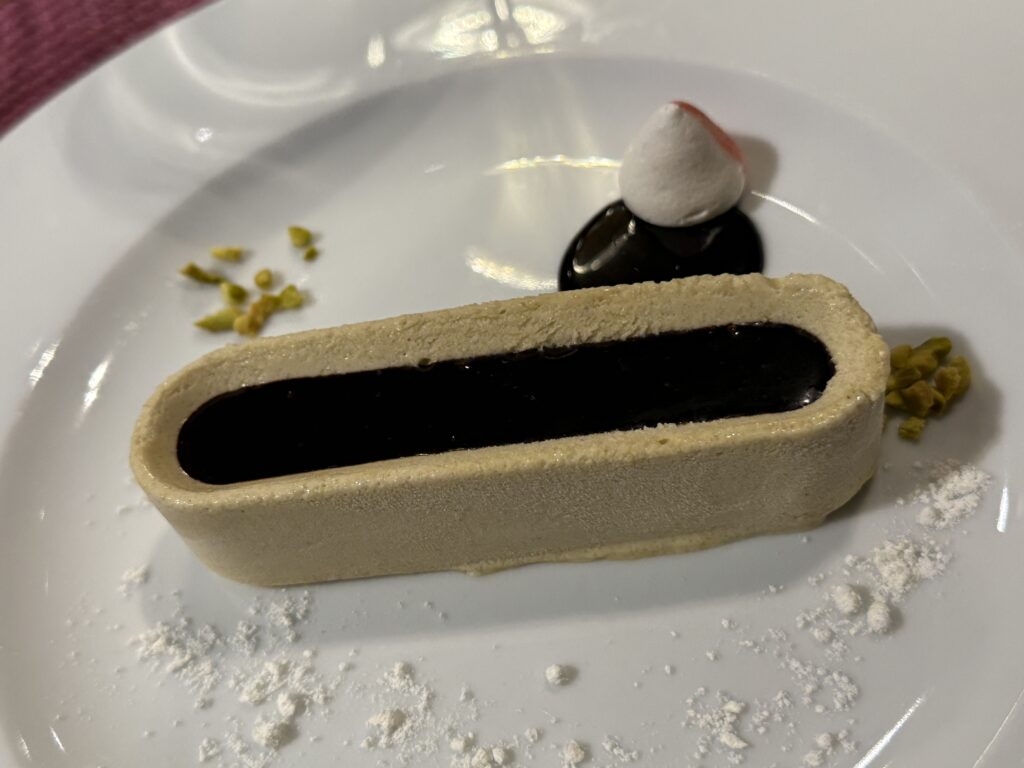
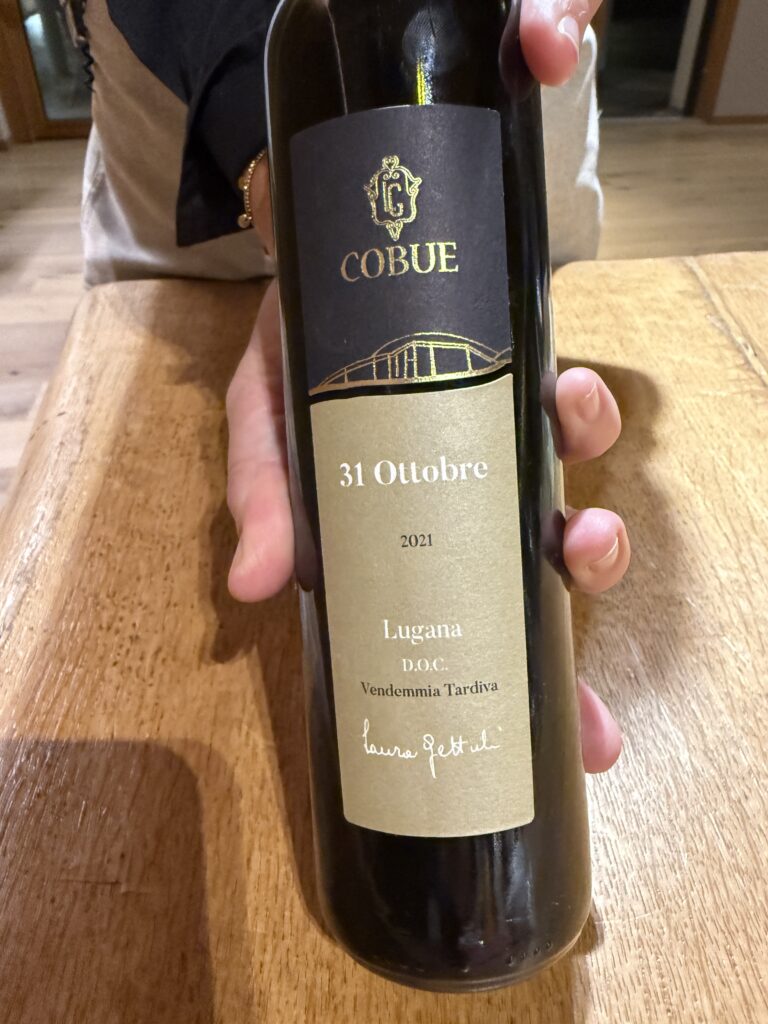
- Pistachio semifreddo, 70 % dark chocolate sauce paired with 31 Ottobre Vendemmia Tardiva 2021 Sweetness perfectly tempered by vibrant acidity; the finale everyone hopes for.
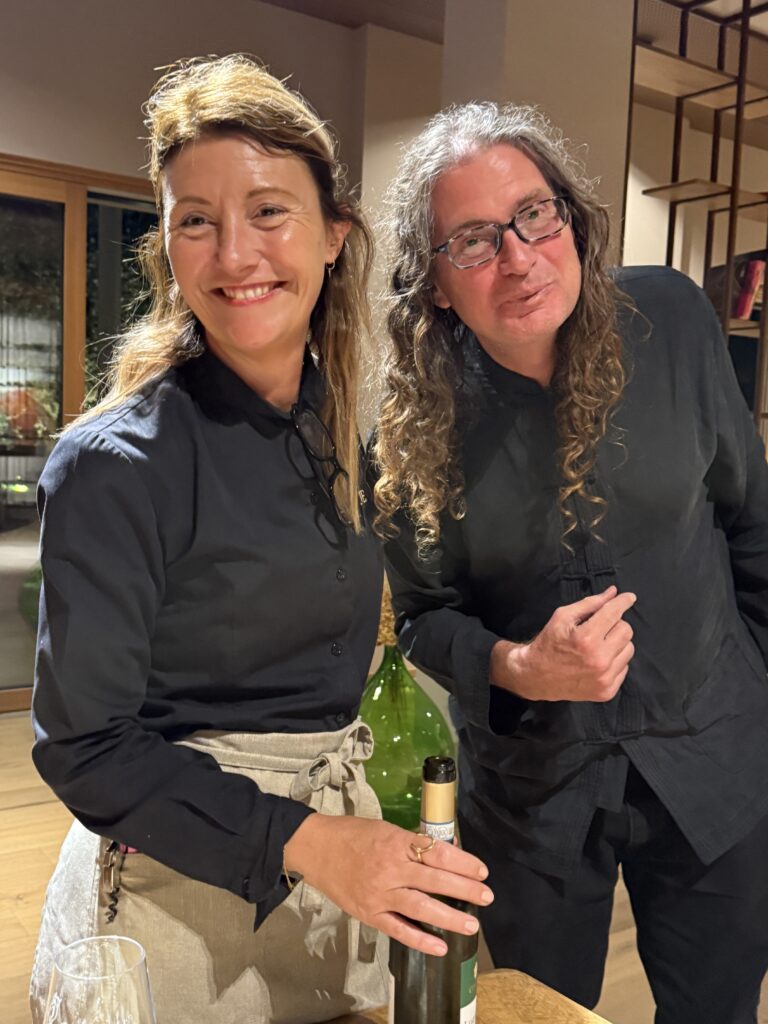
Every plate used produce from the estate garden or trusted local producers, and Laura poured each wine herself, sharing the story behind the vintage like we were old friends.
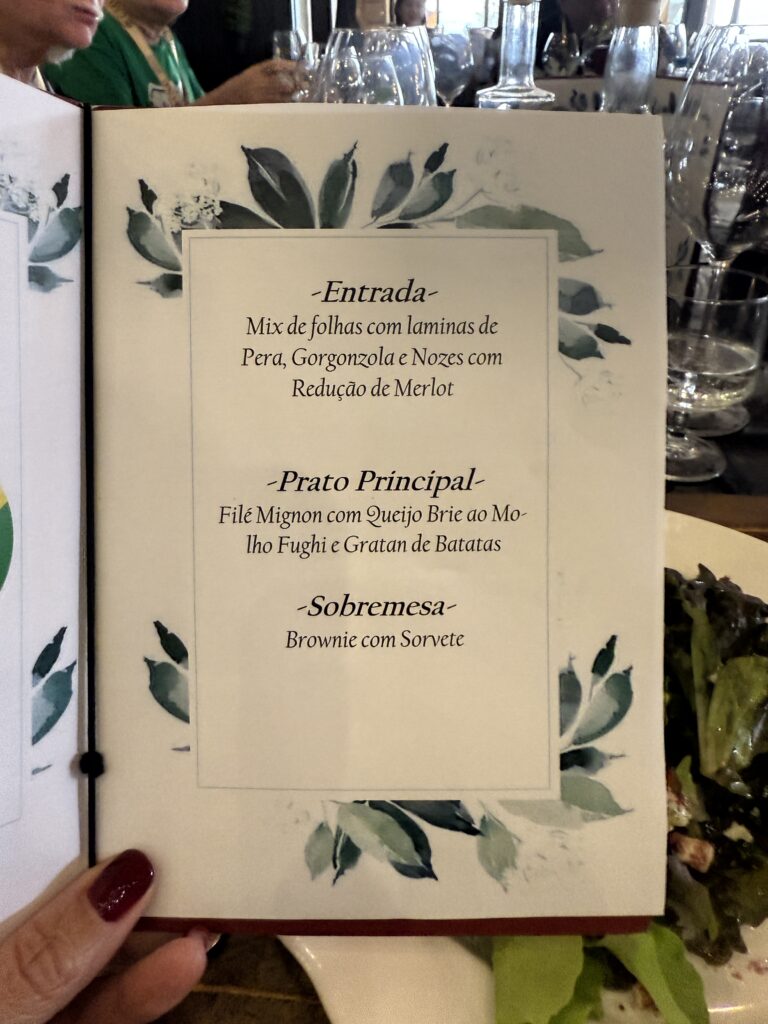
This trip etched Lugana into my heart not just for its wines – those vibrant, age-worthy Turbianas that pair as effortlessly with aperitivi as aged cheeses – but for the people: the Zenatos’ quiet innovation, the Azzone sisters’ fierce legacy, the Tiraboschis’ wolfish grit. Amid Garda’s balmy microclimate and morainic soils, I found a region that’s equal parts timeless and tomorrow, exporting elegance to Japan and beyond while guarding its soul. If my Umbrian jaunts taught me tradition’s fire, Lugana whispered its cool, enduring glow. Pack your curiosity (and a spare cork), fellow vine-hugger – this lakeside siren calls, and she doesn’t disappoint. What’s your next white wine whisper? Tell me in the comments; let’s plot the pour.
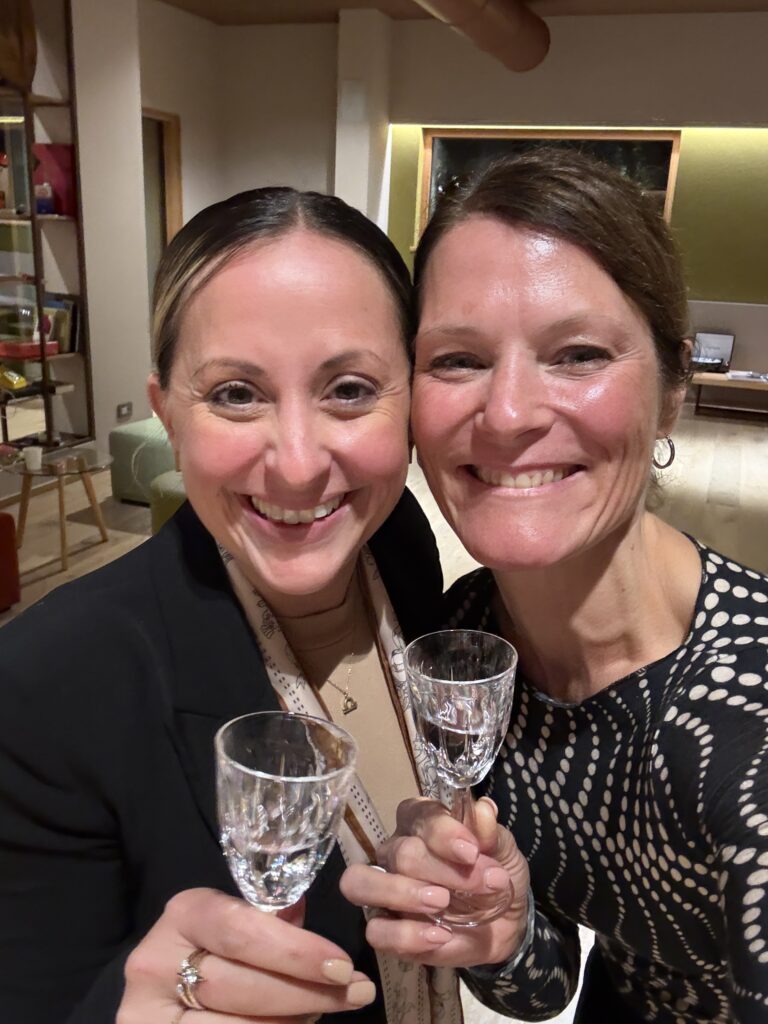
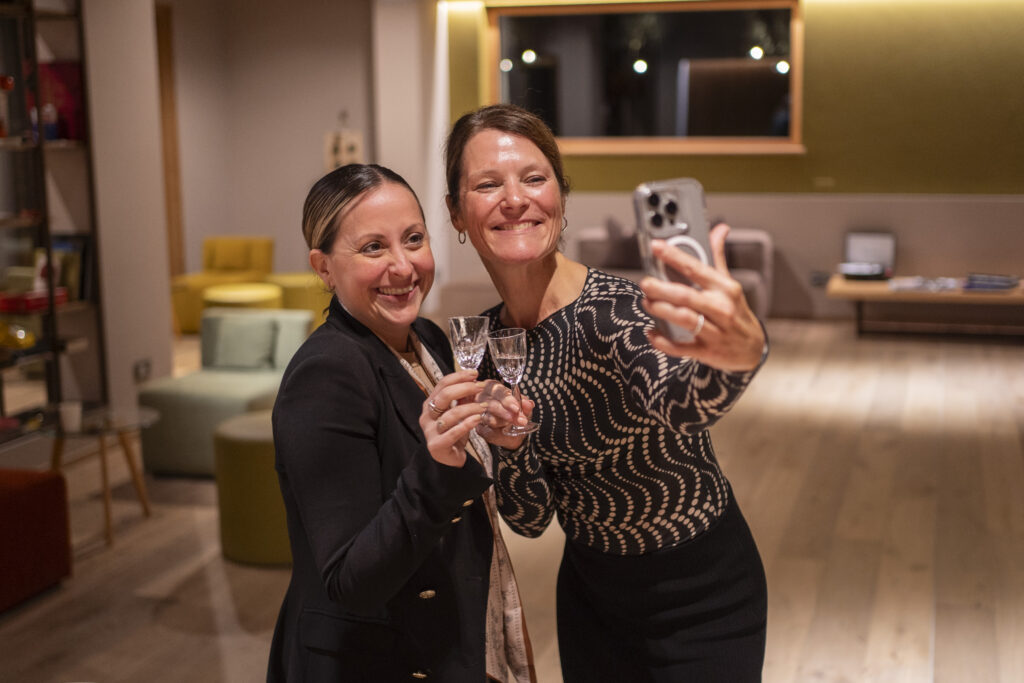
Cheers to the Consorzio and Nonni Marketing’s Erica for curating such seamless splendor. All experiences were hosted, but the swoons are mine alone.