
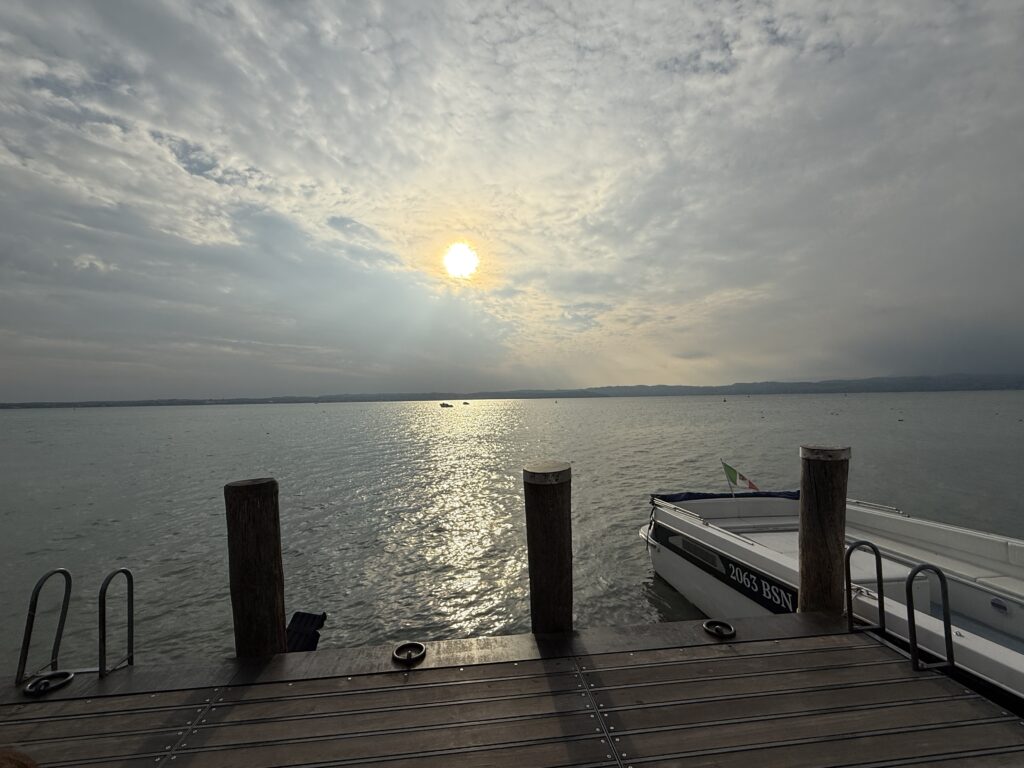
The day began the way every perfect Italian evening should: with a boat.
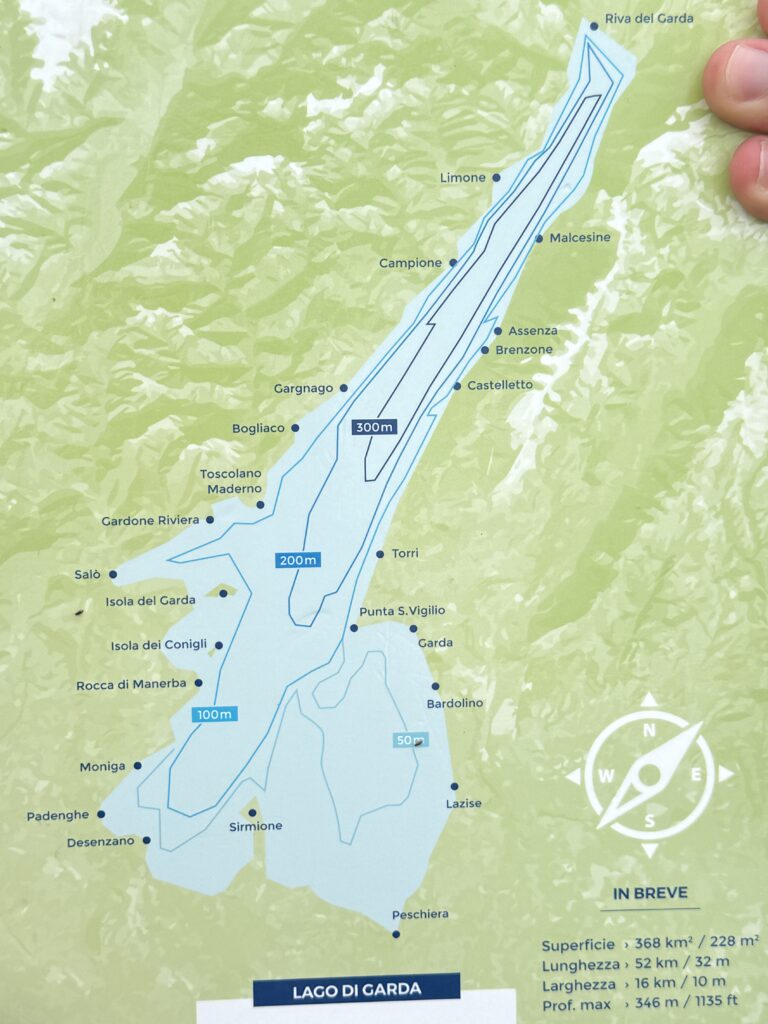
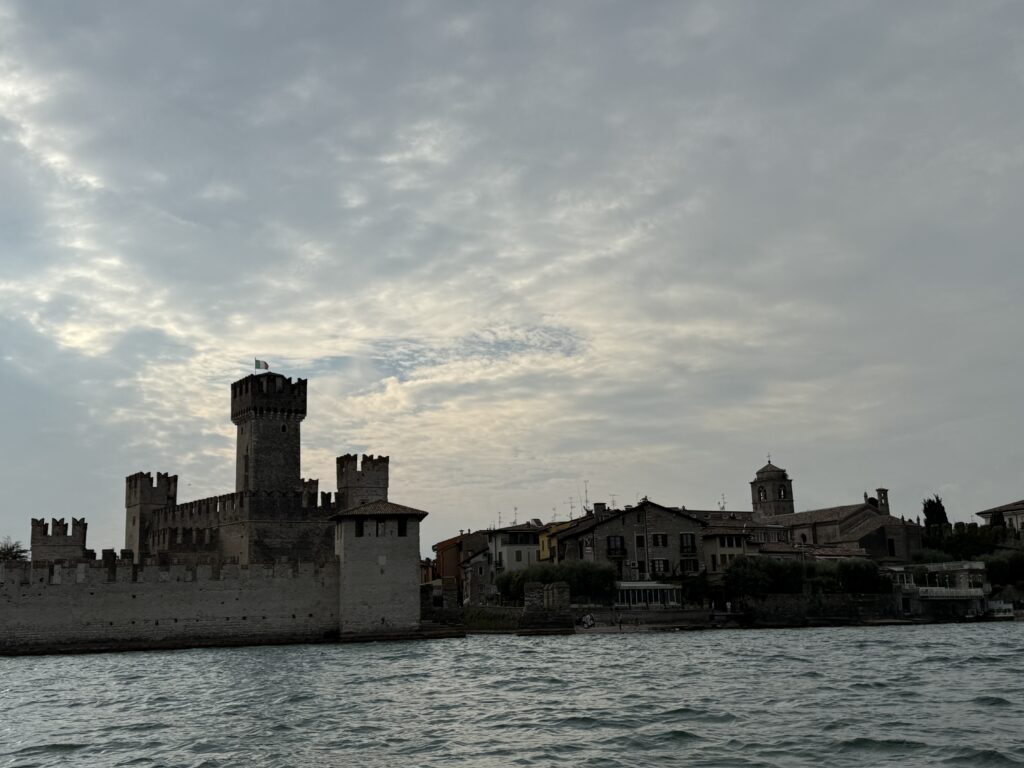
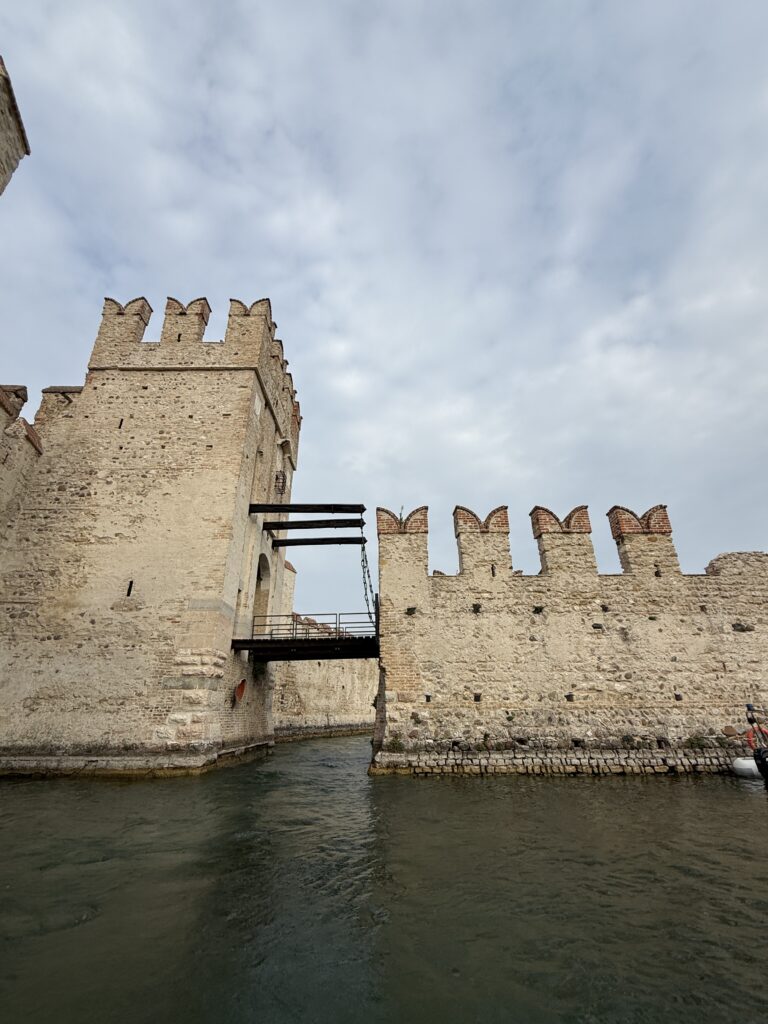
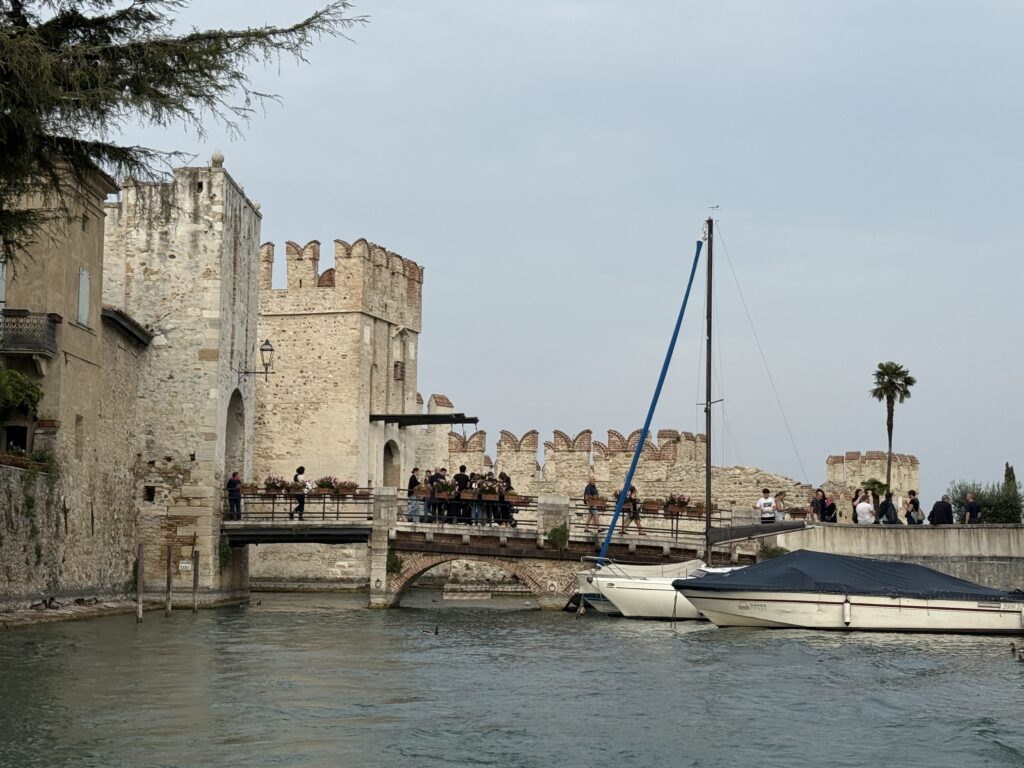
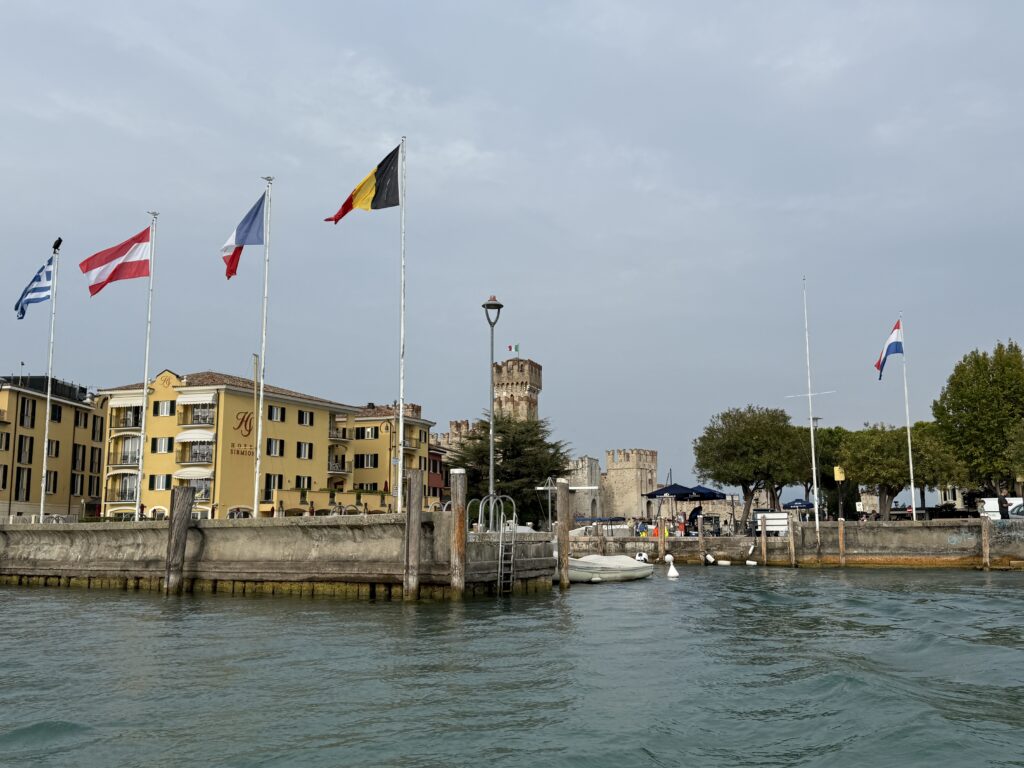
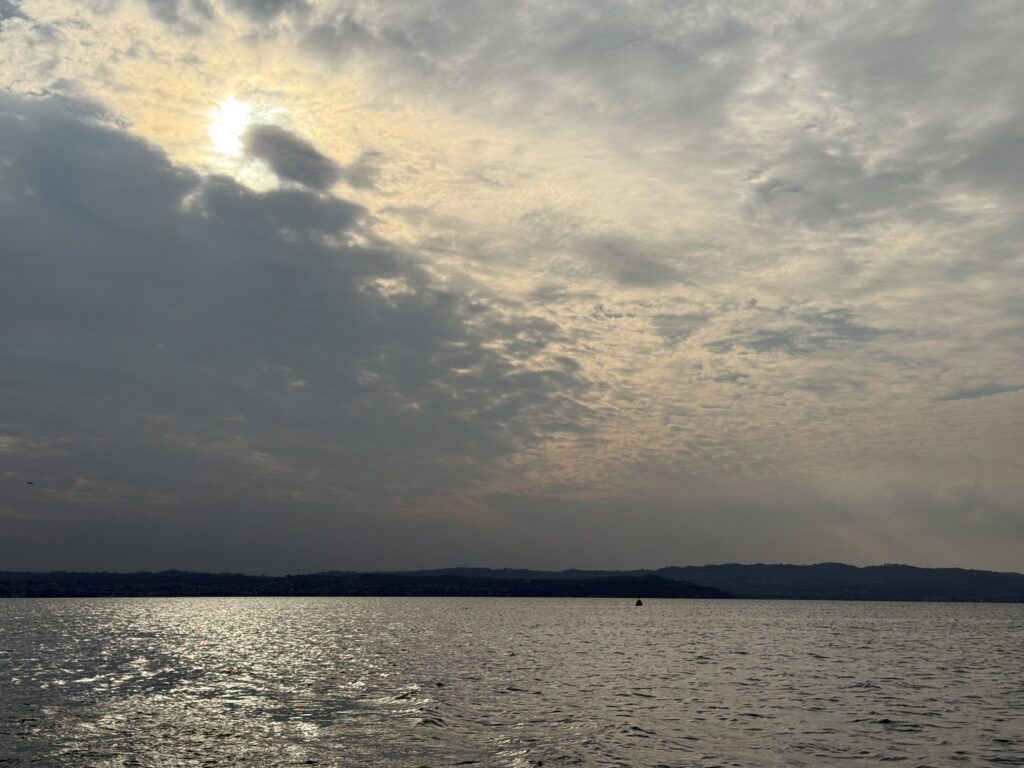
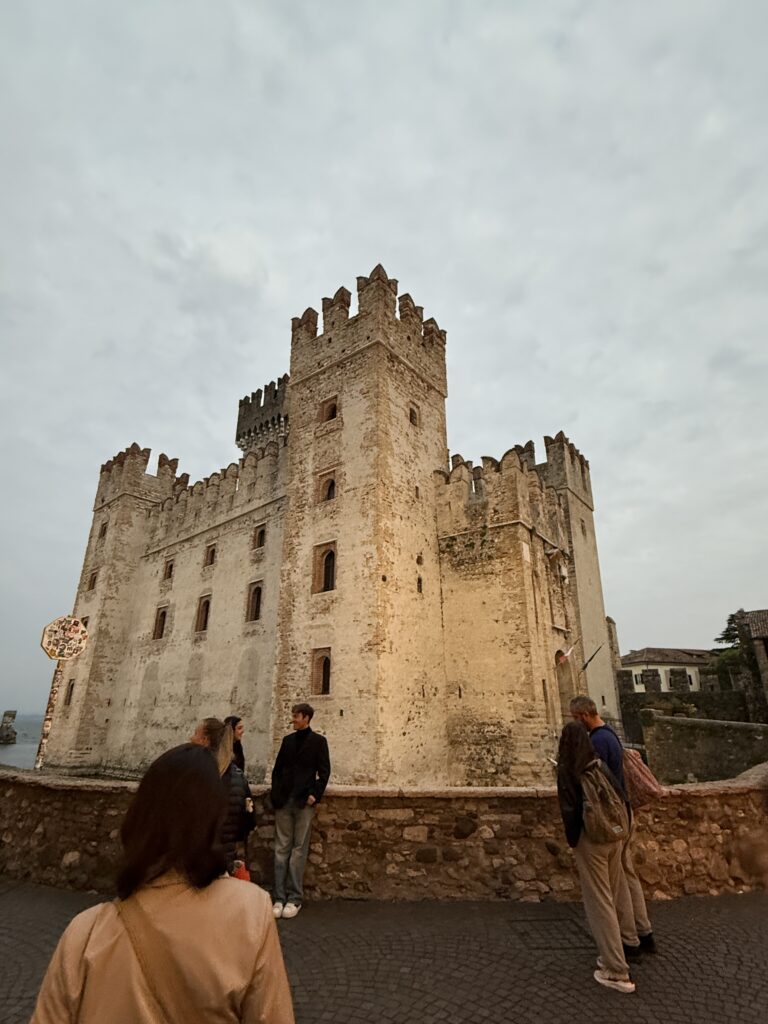
We met at Desenzano del Garda’s graceful port as the sun was beginning its slow descent, turning the water into liquid gold. A restored wooden riva – sleek, varnished mahogany glowing in the light – waited for us. The moment the lines were cast off, the world softened. We cruised north along the southern shore of Italy’s largest lake, past quiet bays and pastel villages, the breeze carrying the faint scent of fig trees and distant grills. Twenty magical minutes later, the fairy-tale silhouette of Sirmione rose from the water: the 13th-century Scaligero Castle, moat aglow, drawbridge silhouetted against the sky. The captain eased us straight through the castle’s watery entrance – an approach that still feels like slipping into another century – and tied up inside the historic center.
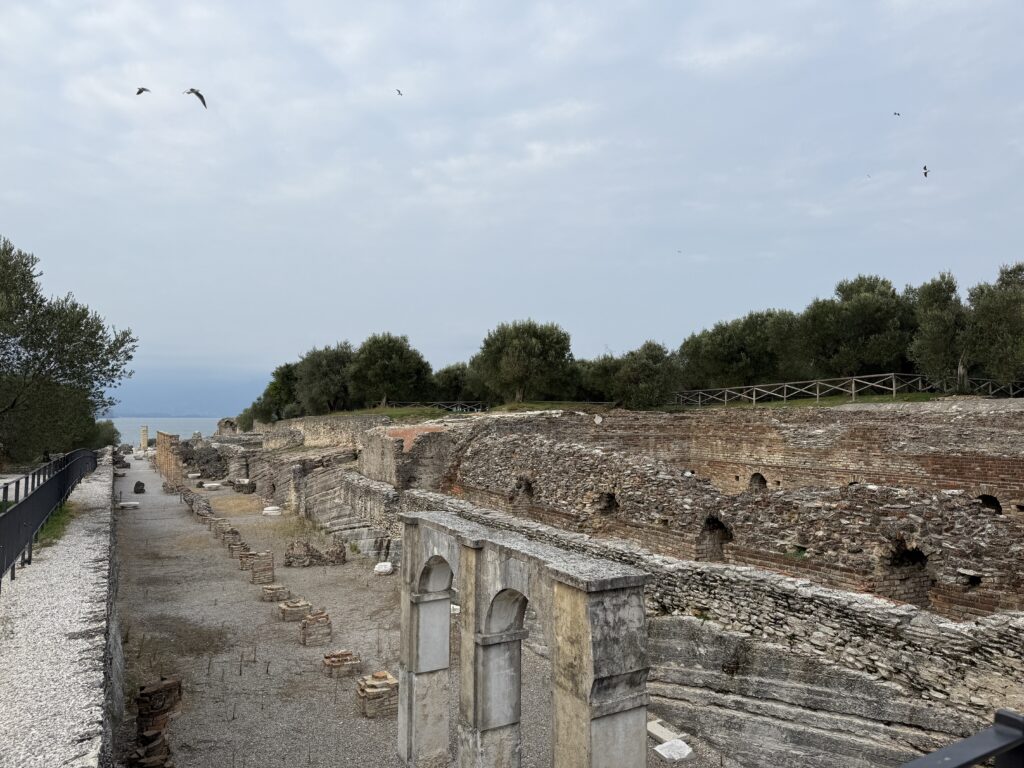
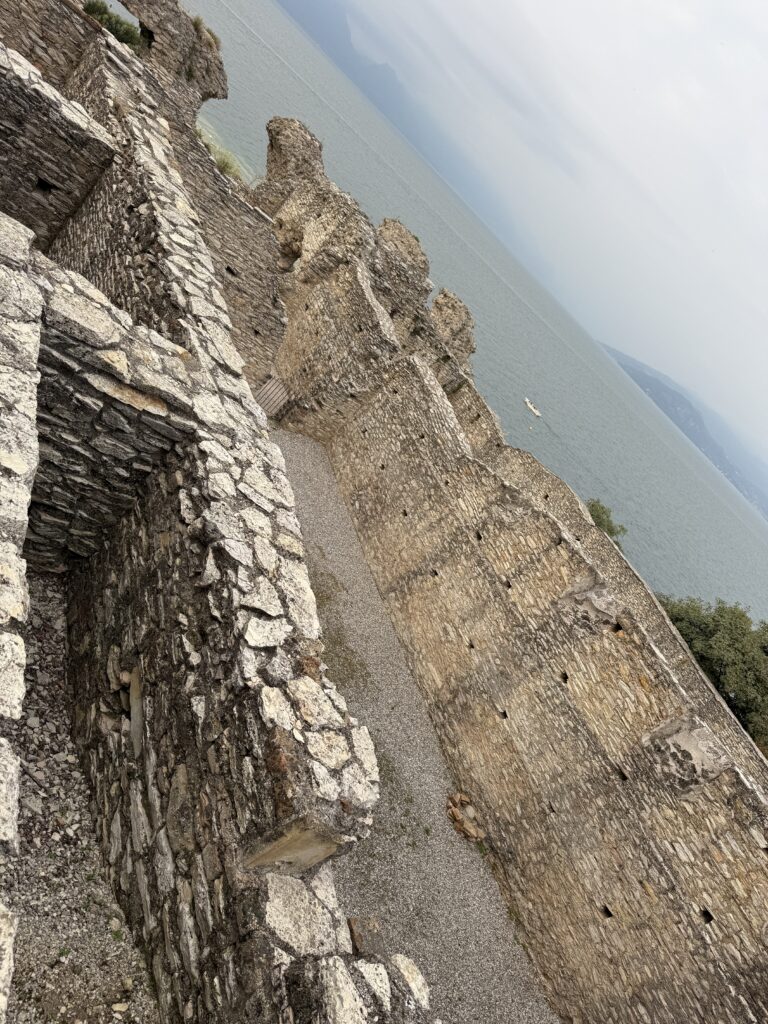
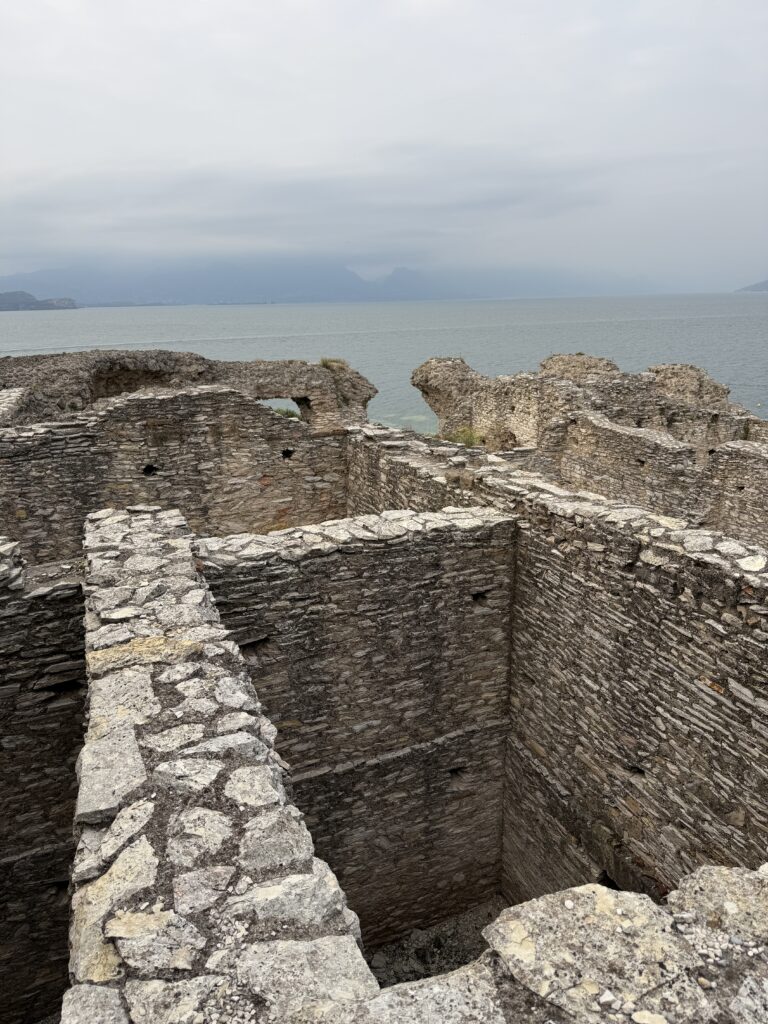
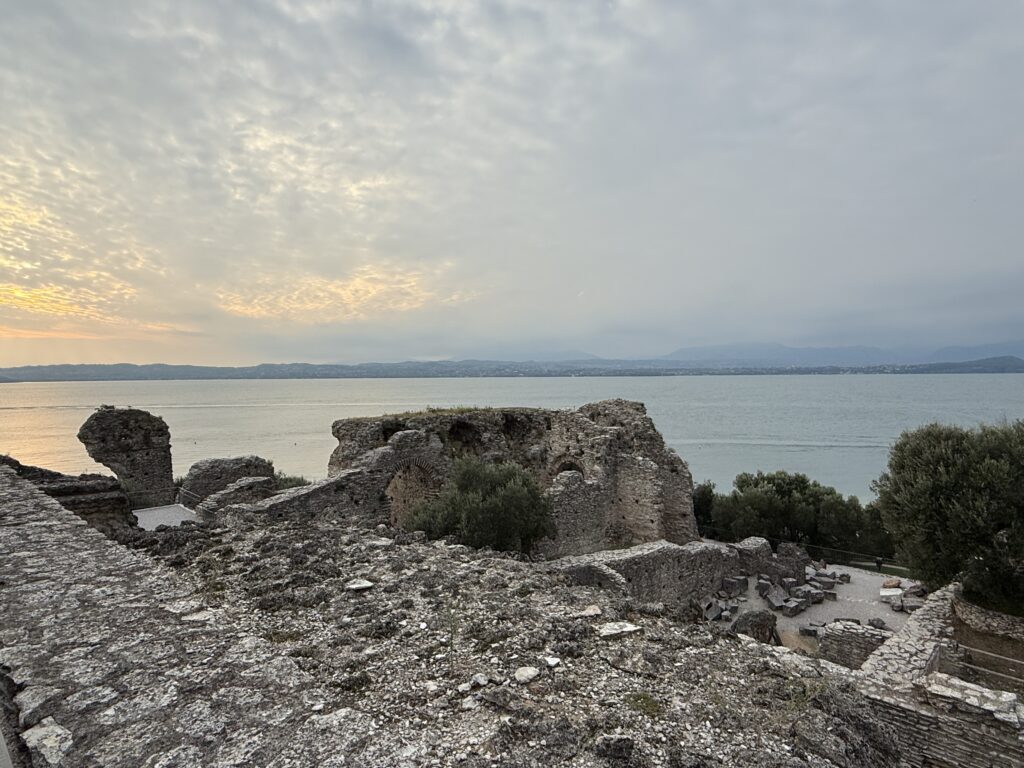
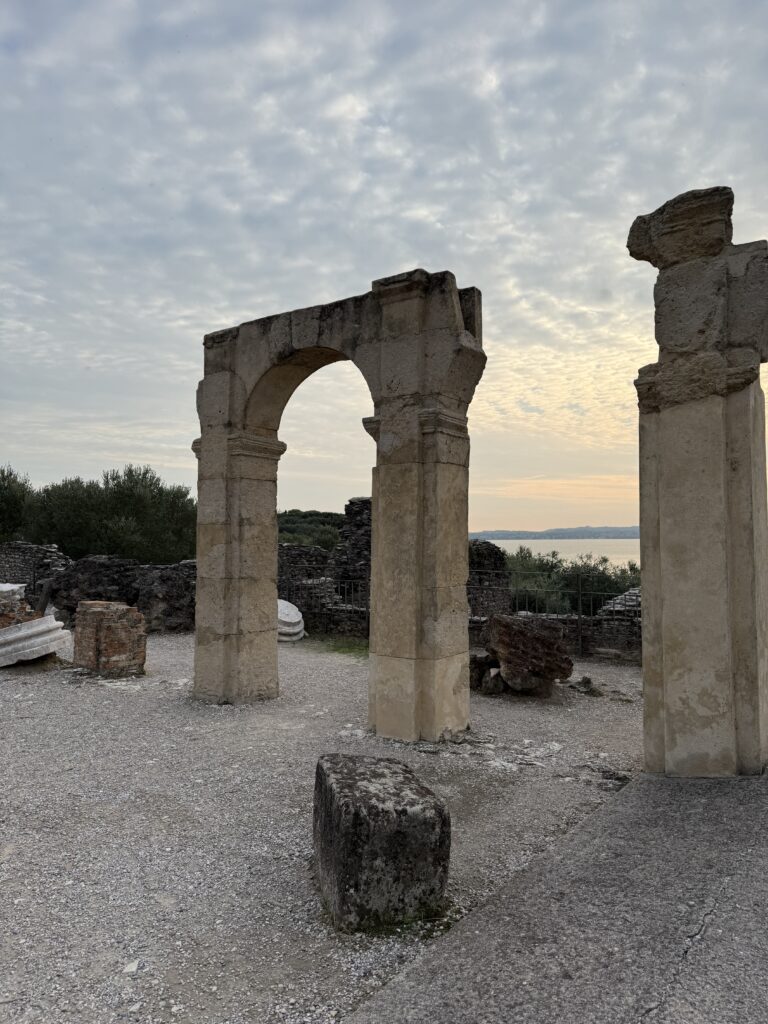
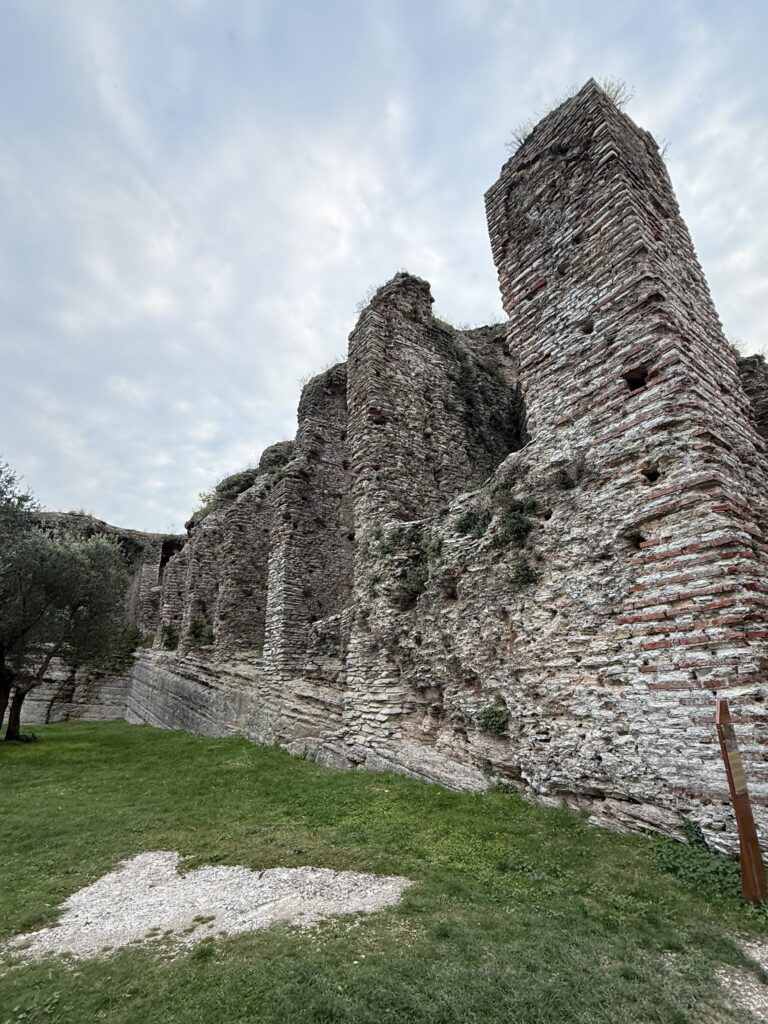
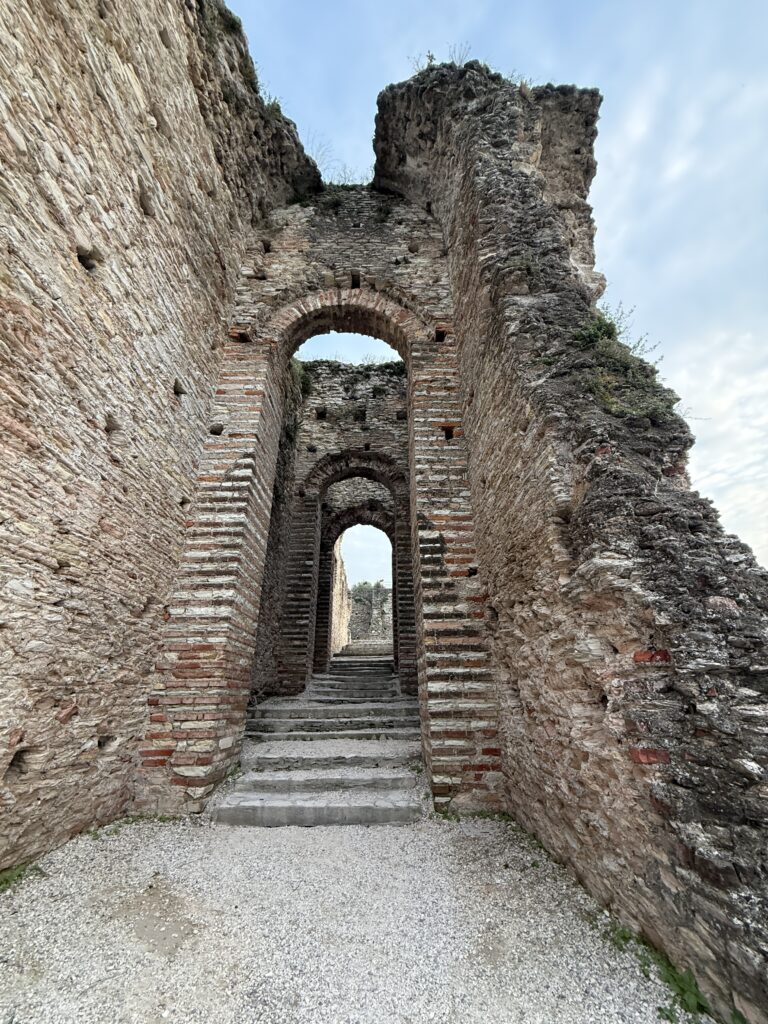
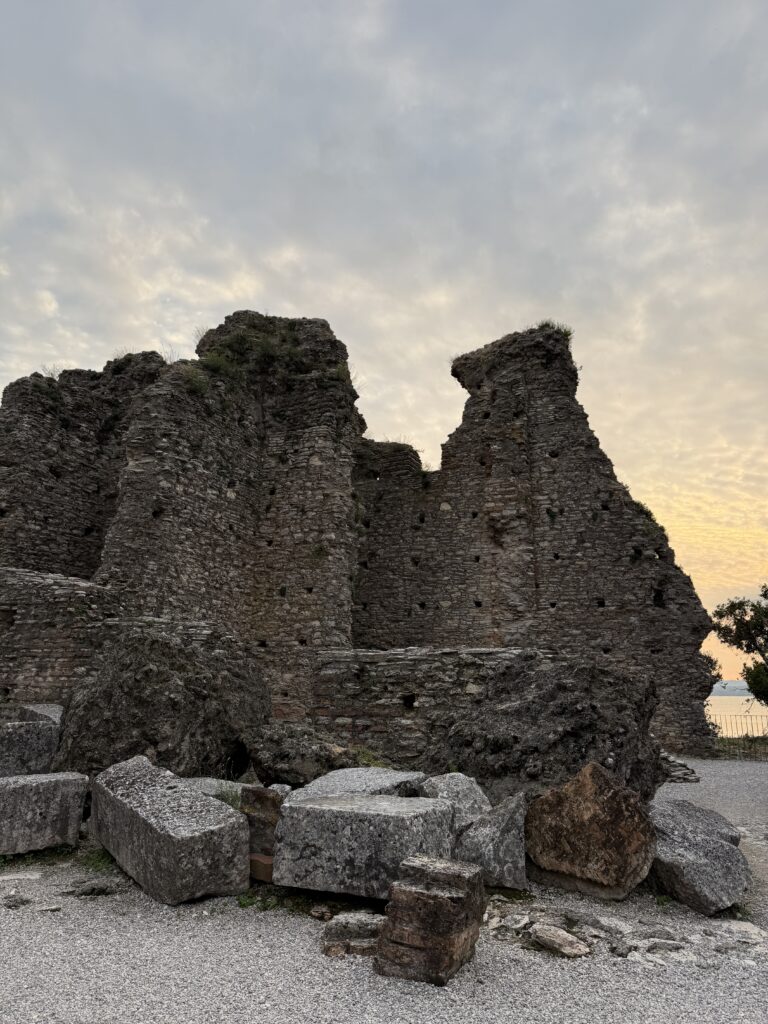
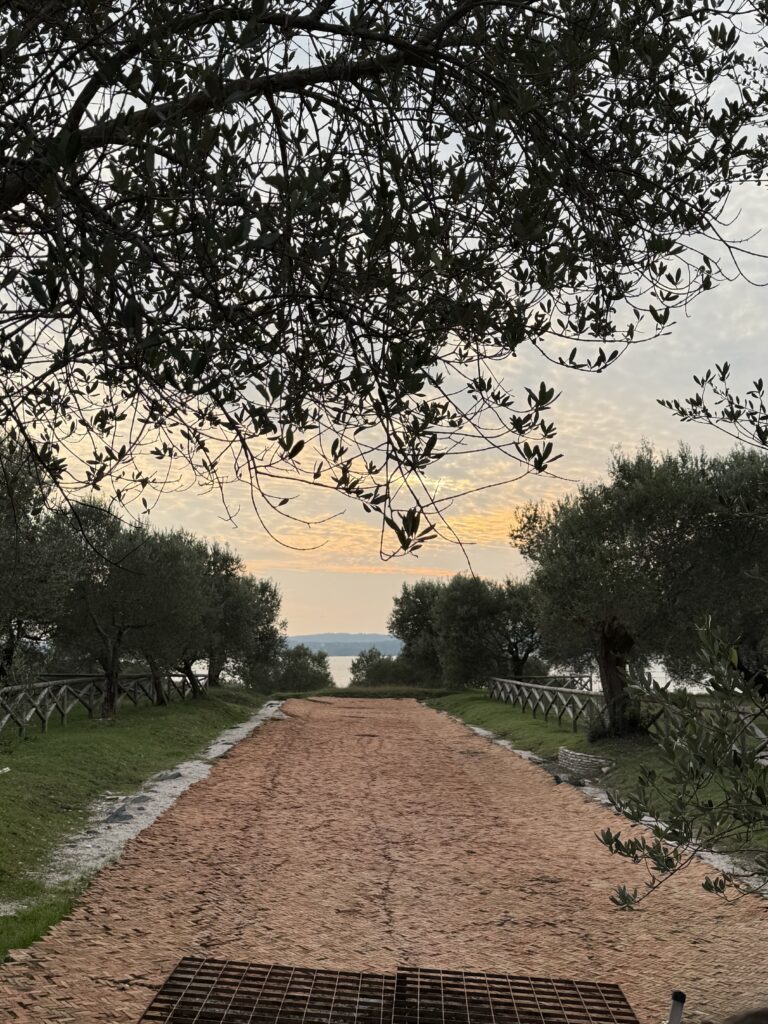
From there it was a short, cypress-lined walk to the Grotte di Catullo. Perched at the very tip of the peninsula, these sprawling ruins of a 1st-century BC Roman villa are among northern Italy’s most evocative archaeological sites. Olive trees now shade fallen columns, wild caper bushes cling to ancient walls, and the views stretch across the endless lake to the Alps. Legend (though not history) links the villa to the poet Catullus, who called Sirmione “the pearl of all peninsulas.” Standing on the sun-warmed stones as the light faded, it was impossible not to feel the same enchantment two thousand years later.
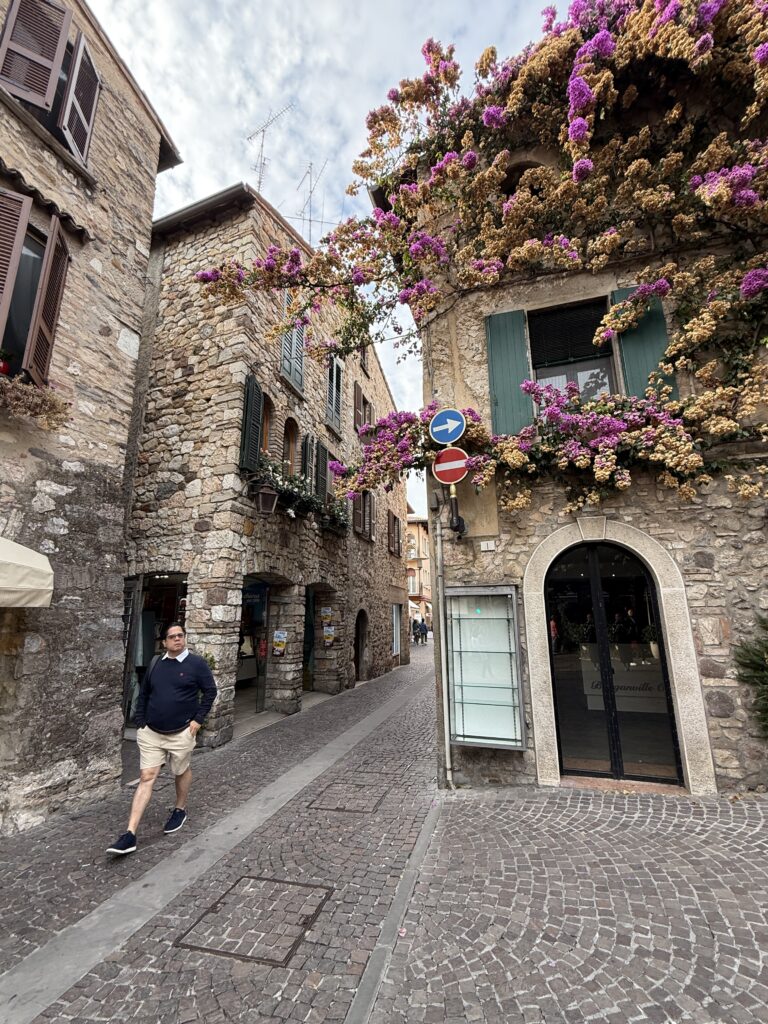
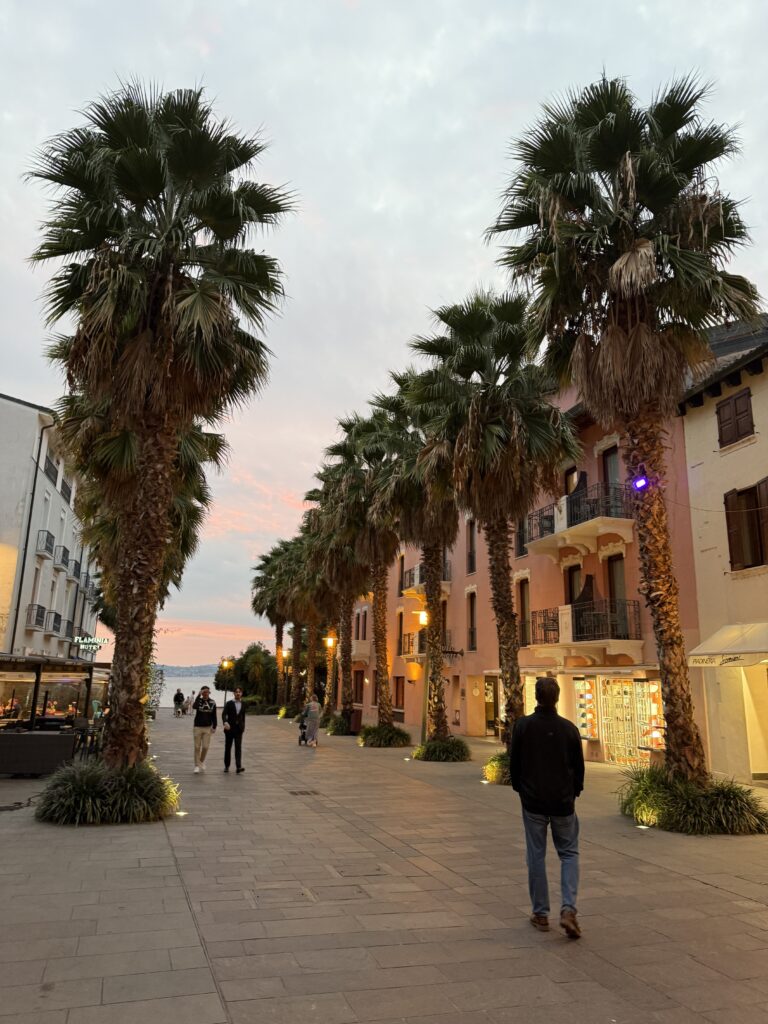
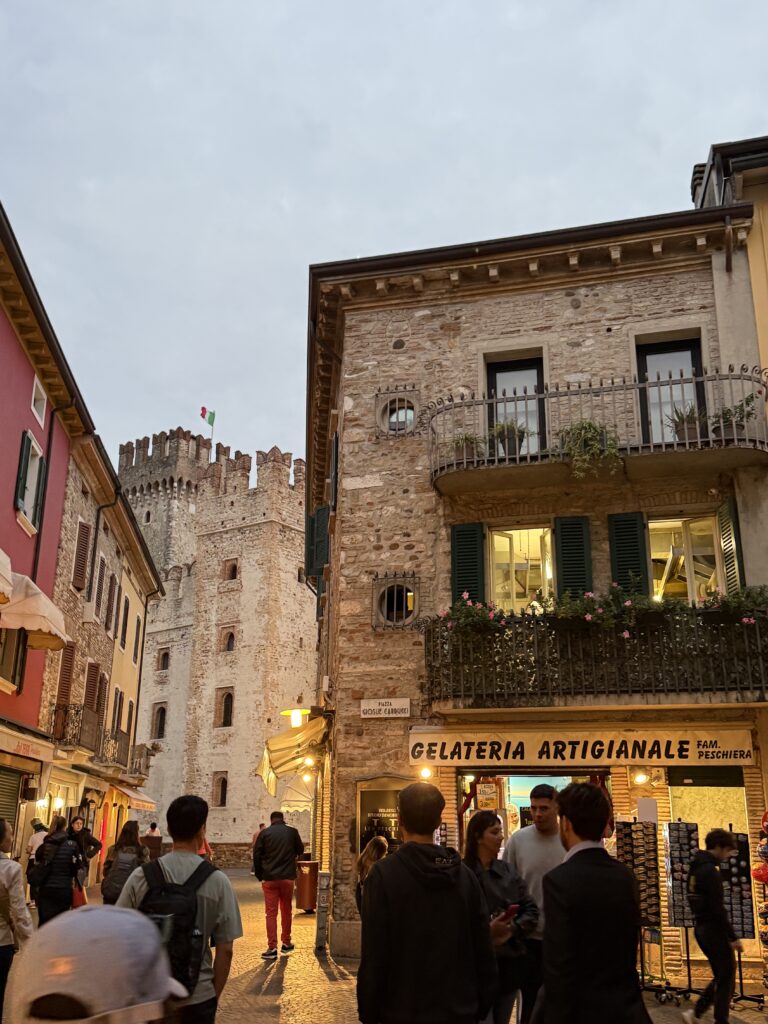
By the time we wandered back through the lantern-lit lanes, twilight had settled and anticipation was high. La Rucola 2.0 – the intimate, one-Michelin-starred jewel hidden just steps from the castle – opened its doors to our small group like an old friend.
Inside, the stage was set for something extraordinary: a seven-course tasting menu created by chef Stefano Dall’Ospedale, our seven course meal including a fish from the region ineach dish expressly designed to converse with the Lugana wines of Sirmione’s finest producers. Nestled on the southern shore of Lake Garda, the tiny sub-region of Sirmione within the Lugana DOC stands out for its strikingly compact size and distinctive terroir. Home to just nine wineries, this narrow peninsula benefits from dense, heavy clay soils—often white or grayish in color—that retain water and impart remarkable structure and minerality to the wines. These calcium-rich clays, formed from ancient morainic deposits, give Sirmione’s Turbiana grapes a fuller body and pronounced savory character compared to the sandier, more perfumed expressions found further north in the appellation, making its limited-production Luganas some of the most powerful and age-worthy in the entire zone.
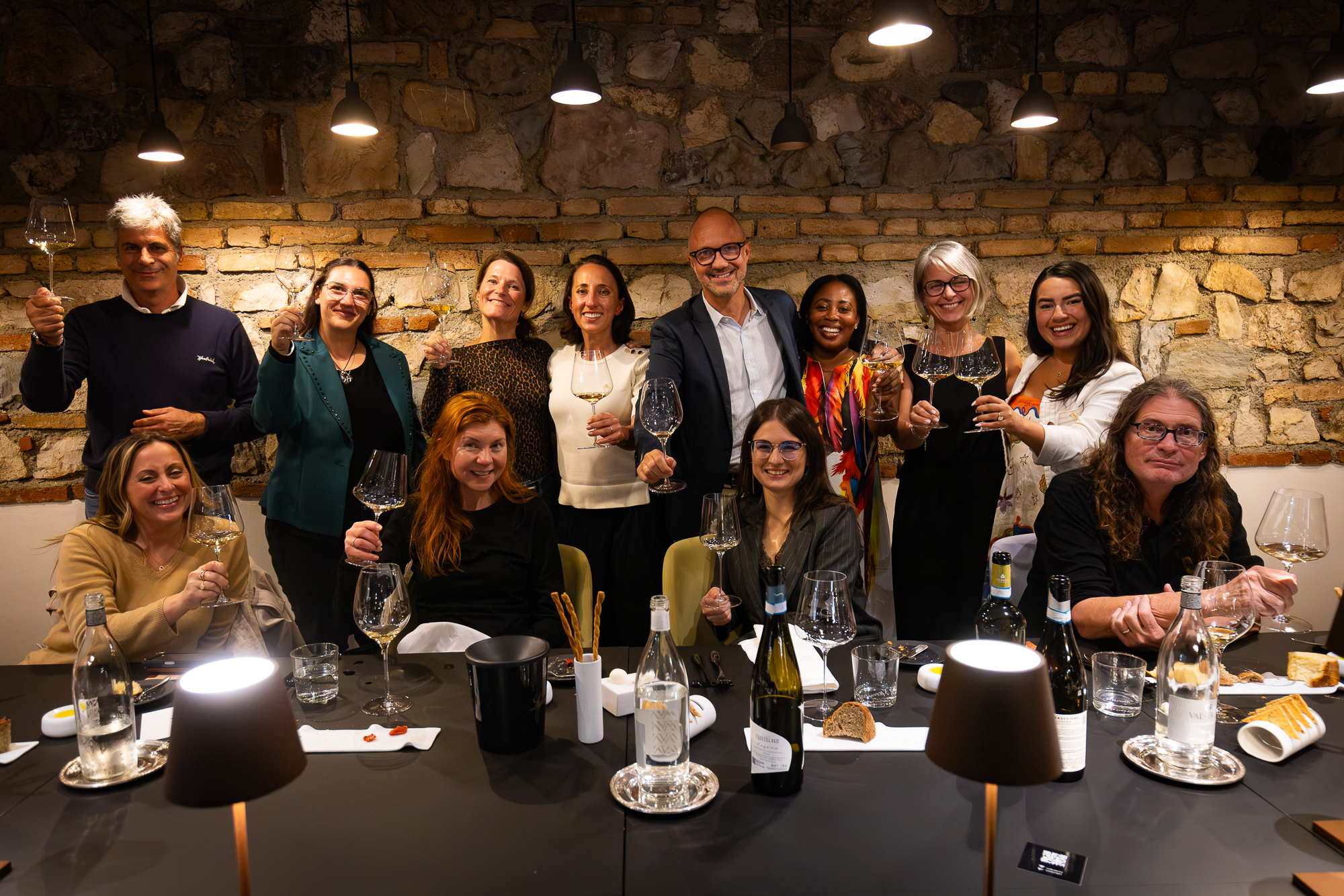
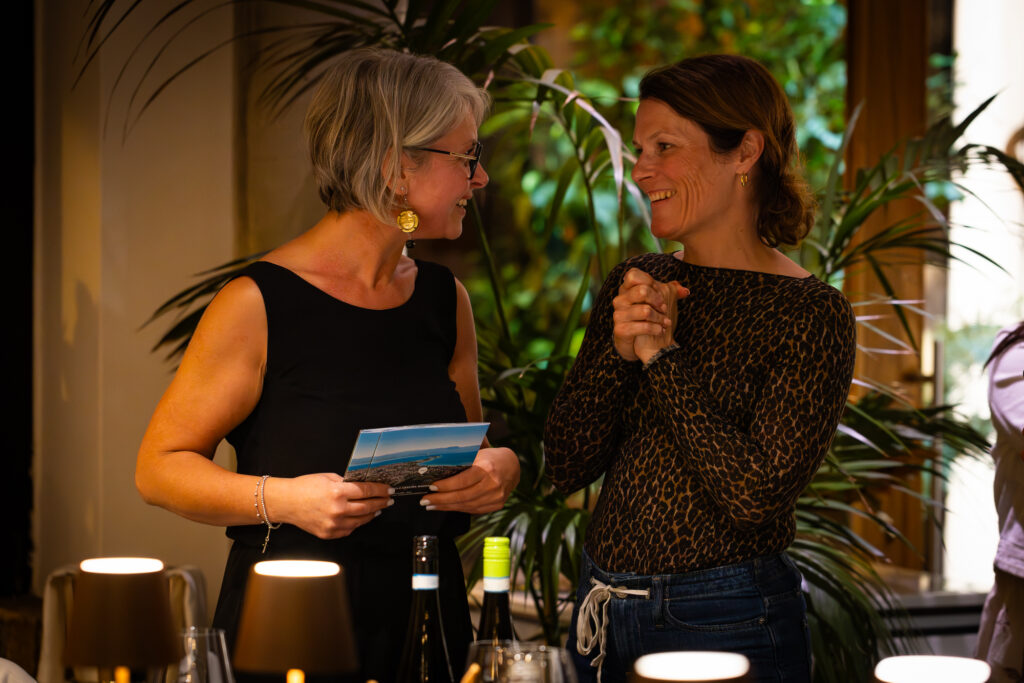
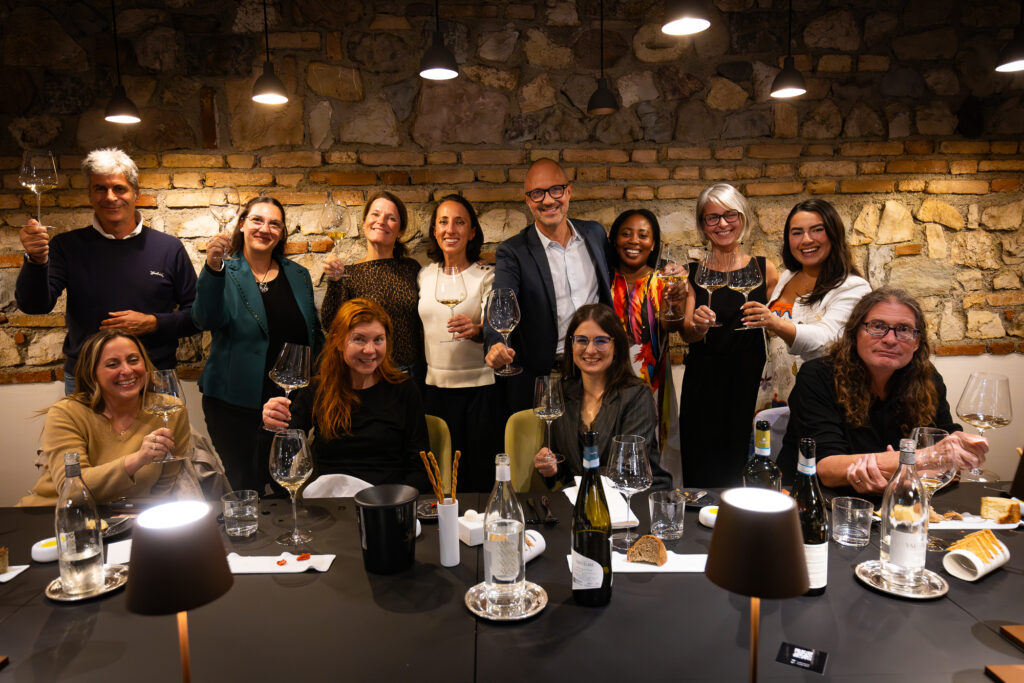
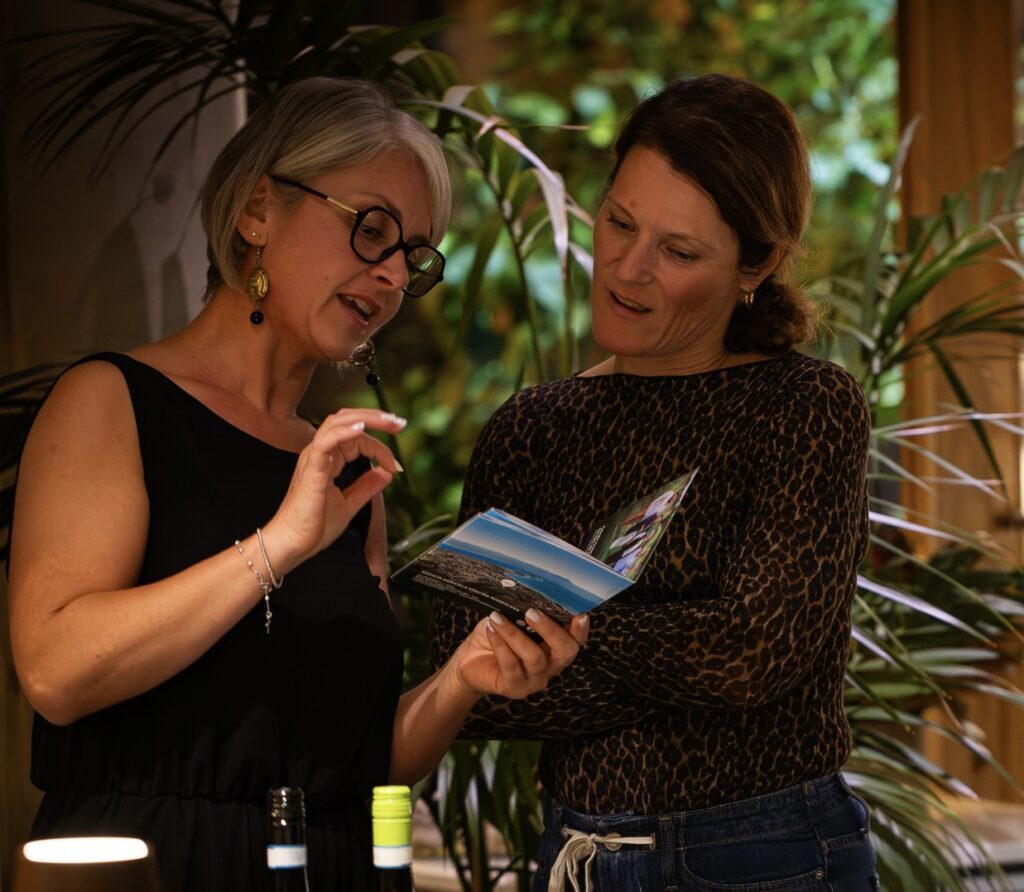
Around the long table sat the people who make the magic happen: Chiara Perego (oenologue of Azienda Agricola Sgreva), Sara Salgaro of Tenuta Frontelago, Nunzio Ghiraldi himself, and Eliza Zordan from Cascina Maddalena, who moderated the evening with warmth and precision. Every time a new bottle was opened, the maker told the story behind the wine, and guided us through the glass while the perfectly timed course arrived.

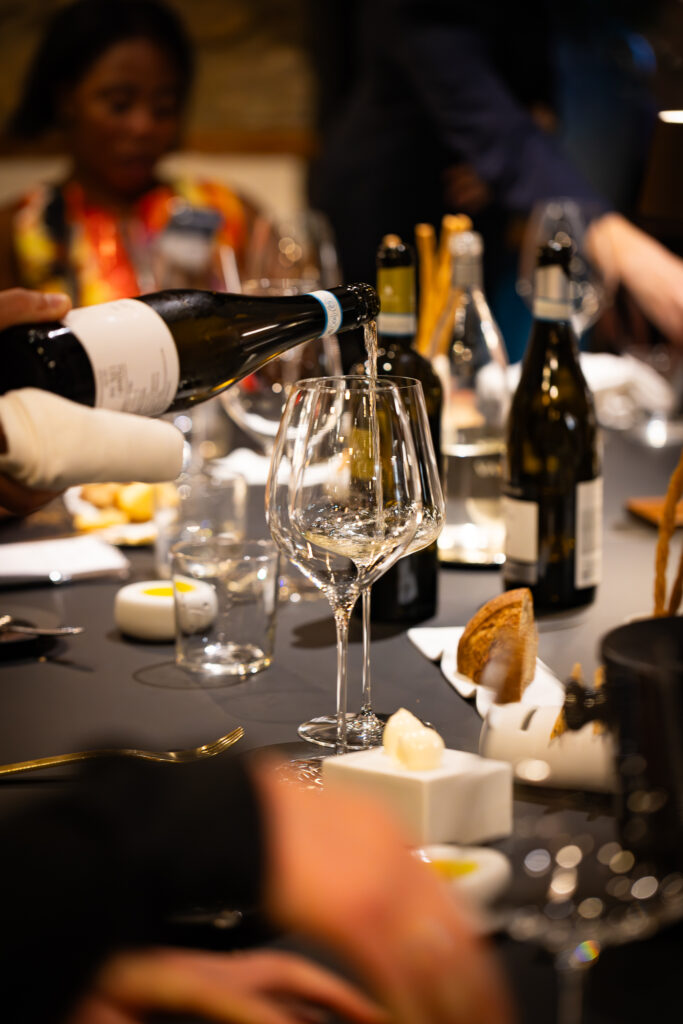
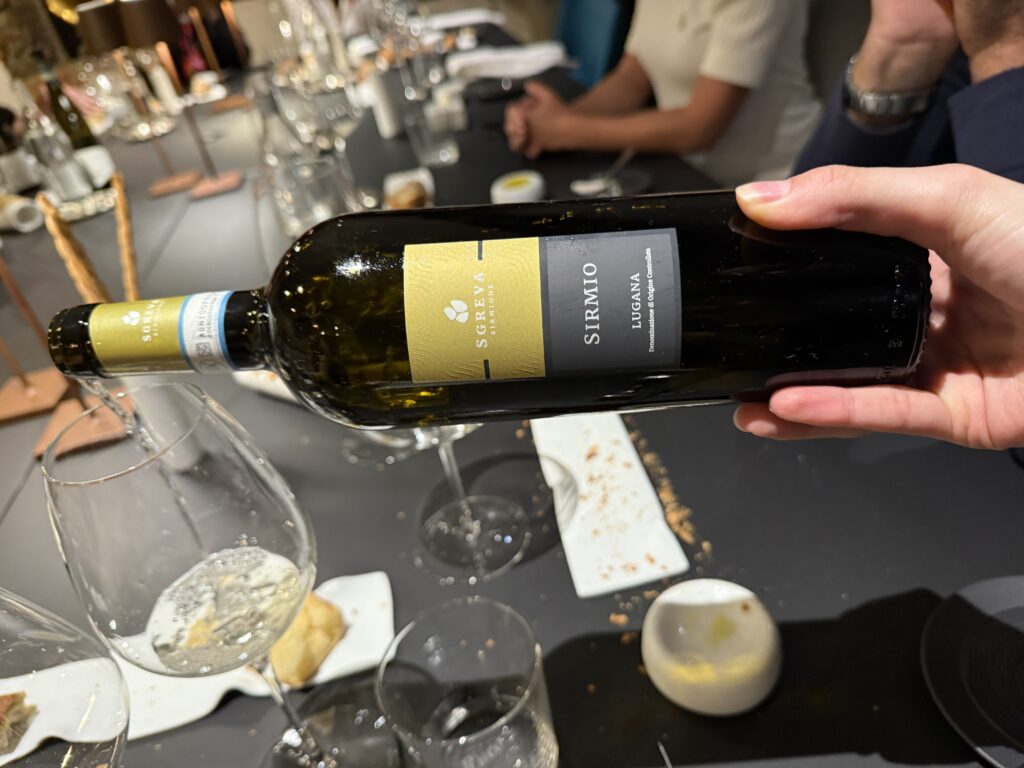
- Sgreva “Sirmio” 2022 Chiara explained how this entry-level wine is harvested at dawn to preserve its electric freshness. Notes of lime zest, white peach, and a saline snap mirrored the delicate fish.
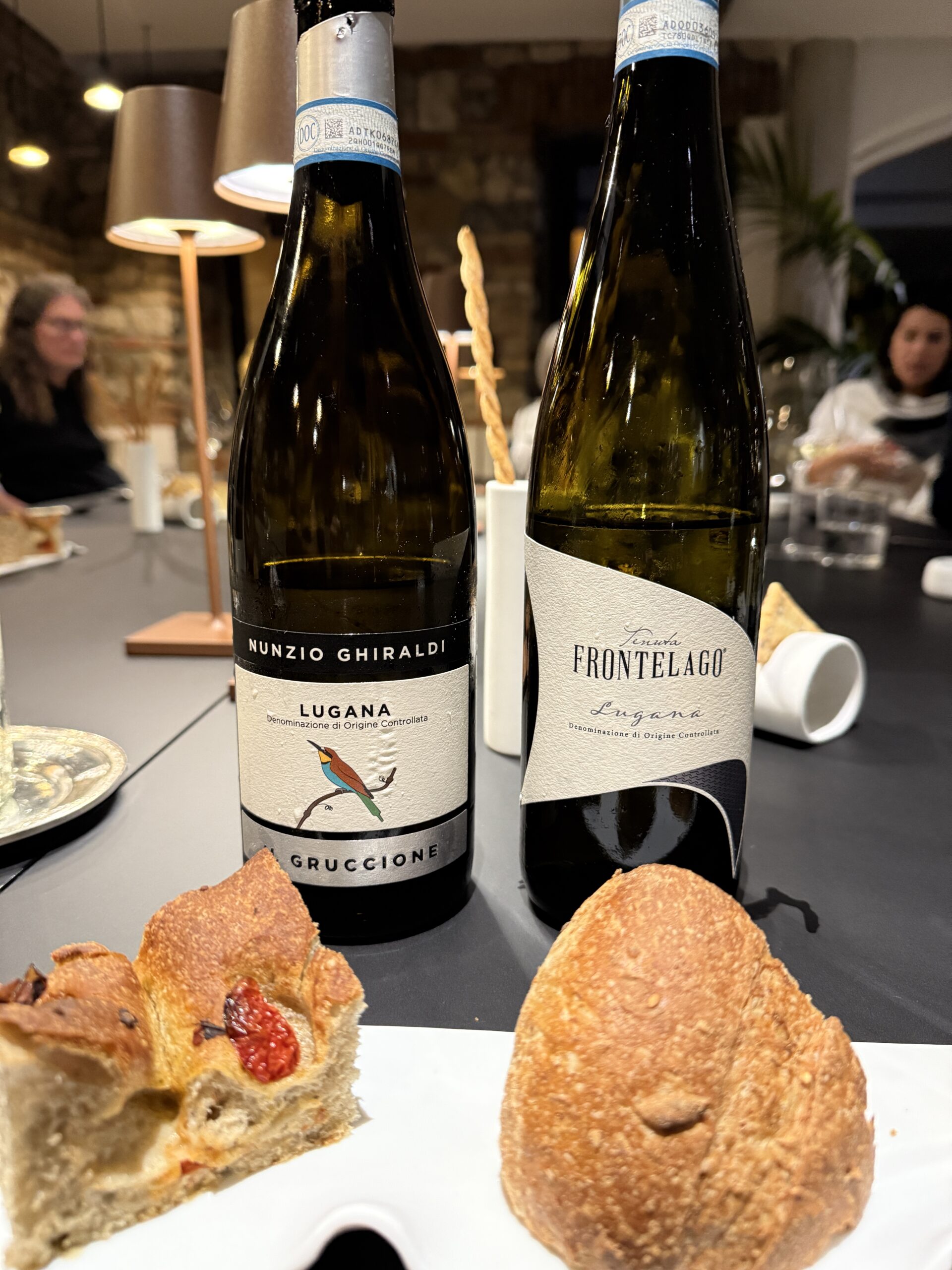
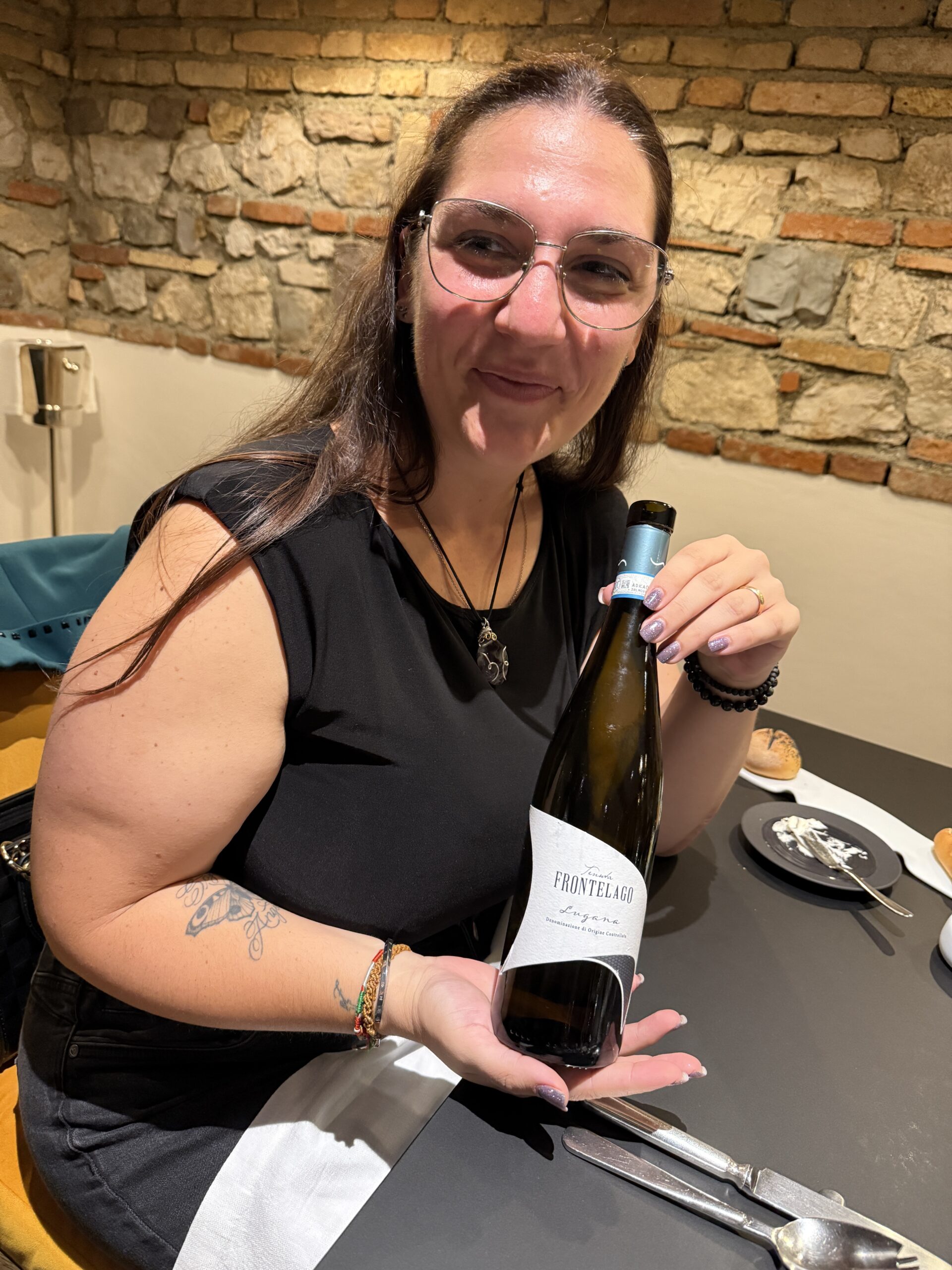
- Tenuta Frontelago 2023 and 2024 Sara traced the multicoloured, wave-shaped label to the ever-changing hues of the lake and spoke of the limestone streak beneath their white clay. It also represents hers and her brother’s initials “S”. The wine’s jasmine, pink grapefruit, and seashell crunch lifted the sweet prawns into another dimension.
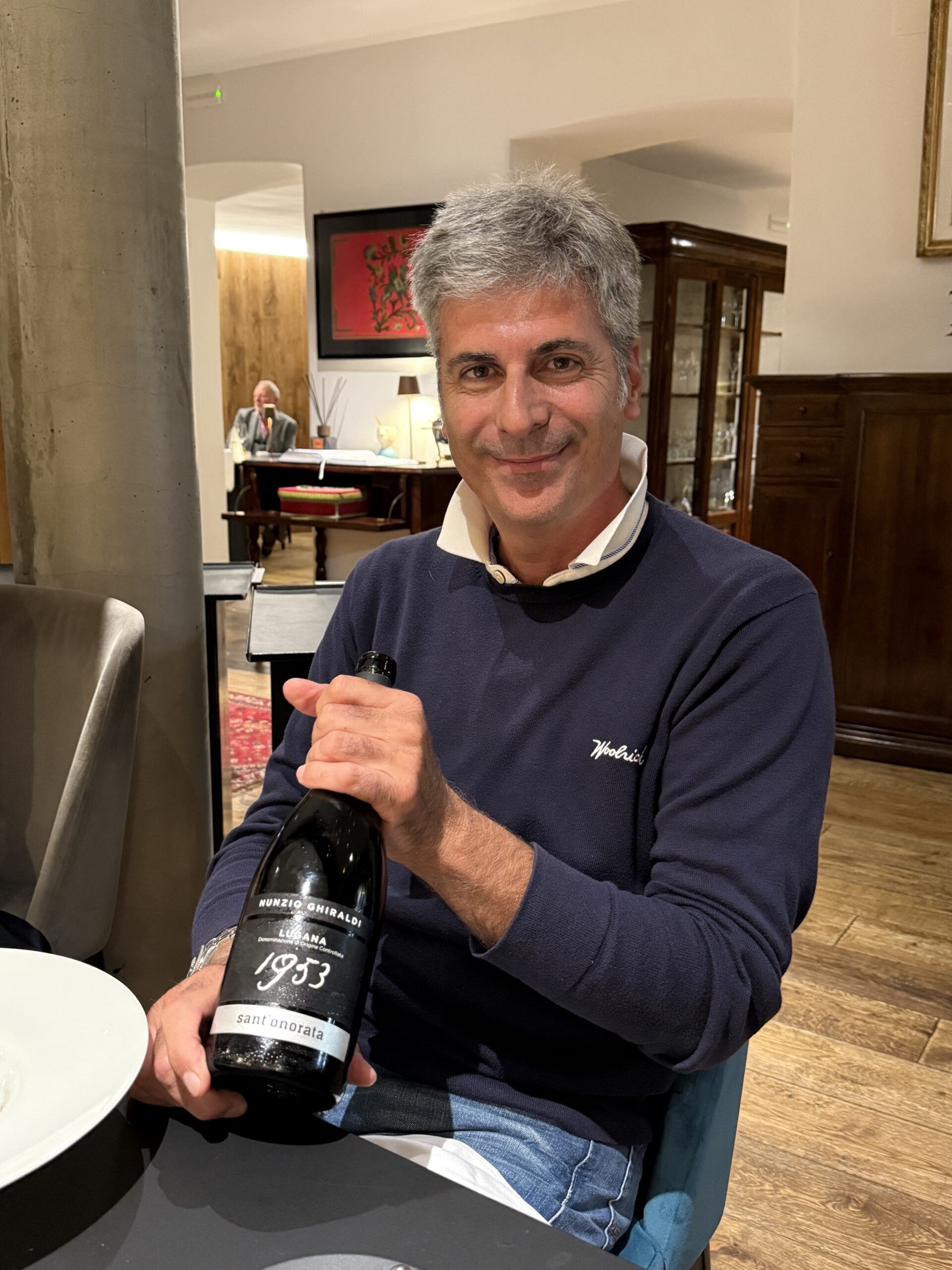
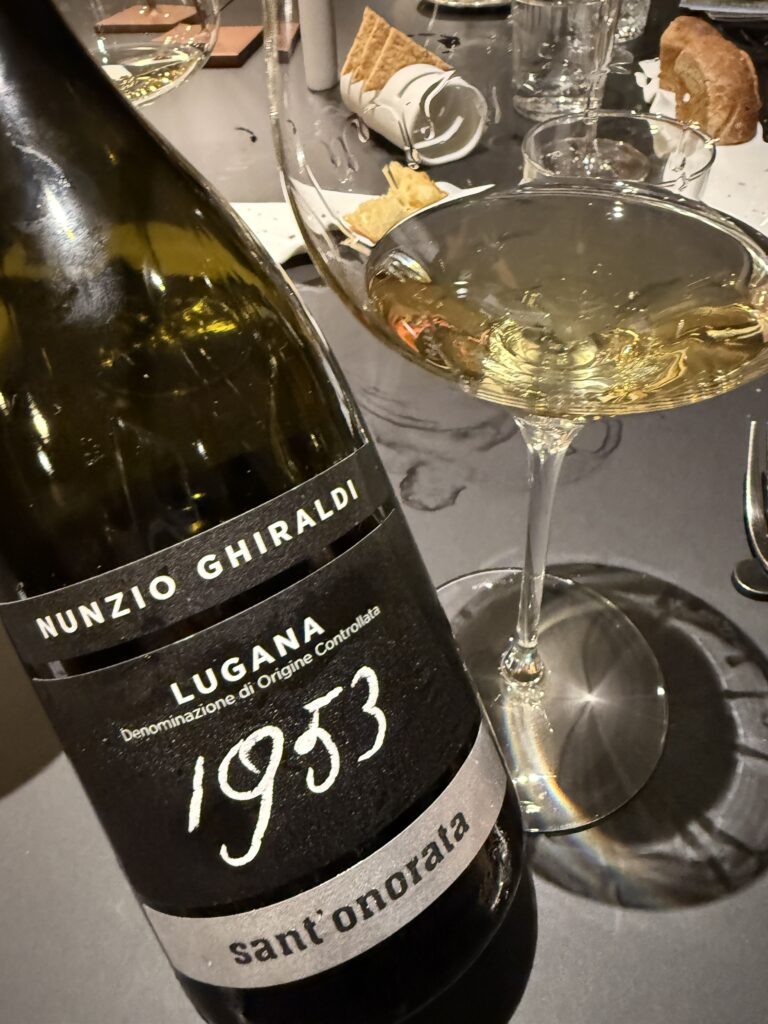
- Nunzio Ghiraldi “Il Gruccione” 2022 Nunzio, eyes sparkling, told us about the bee-eater birds that nest in his vineyards and how the 40-year-old vines give this Superiore its “crunchy” texture. Thyme, sage, ripe peach, and a salty finish wrapped the risotto like a cashmere scarf.
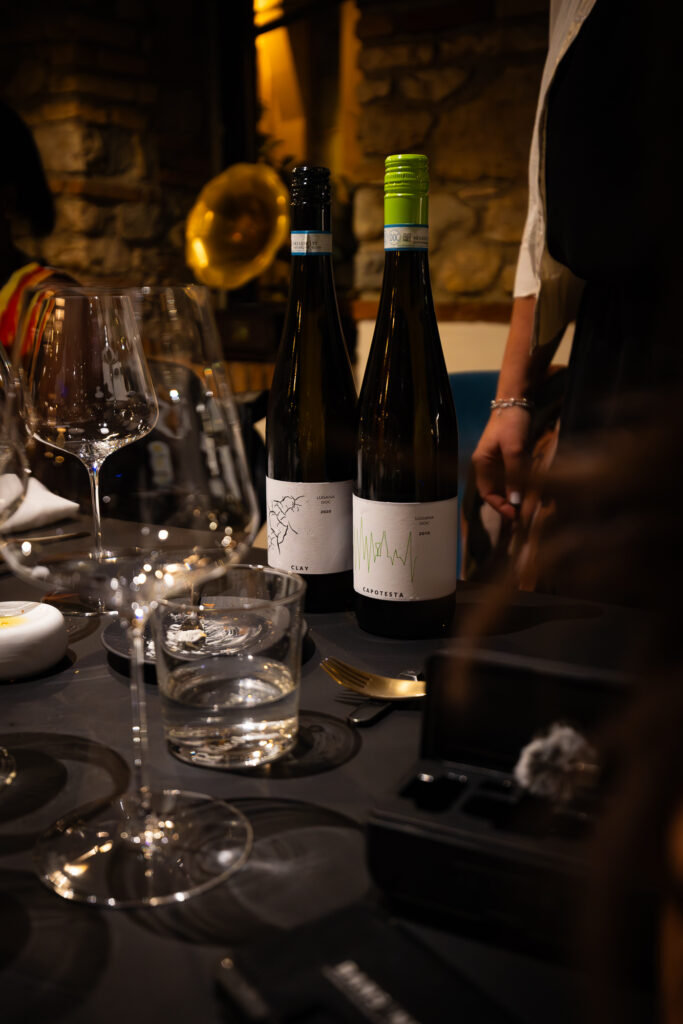
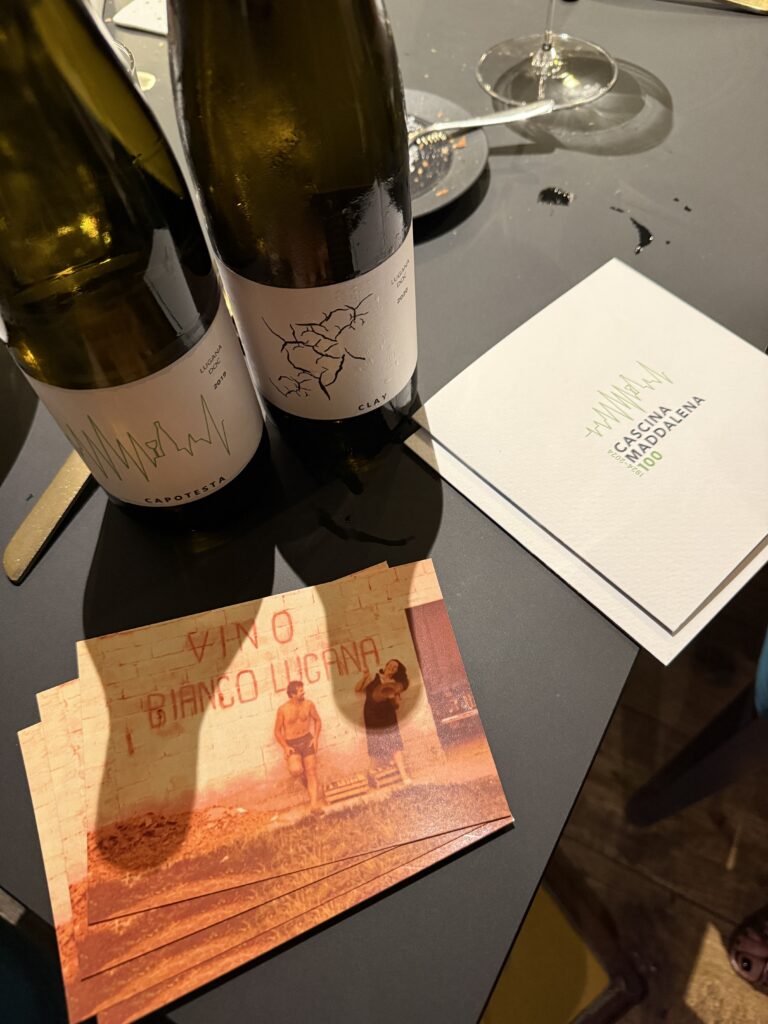
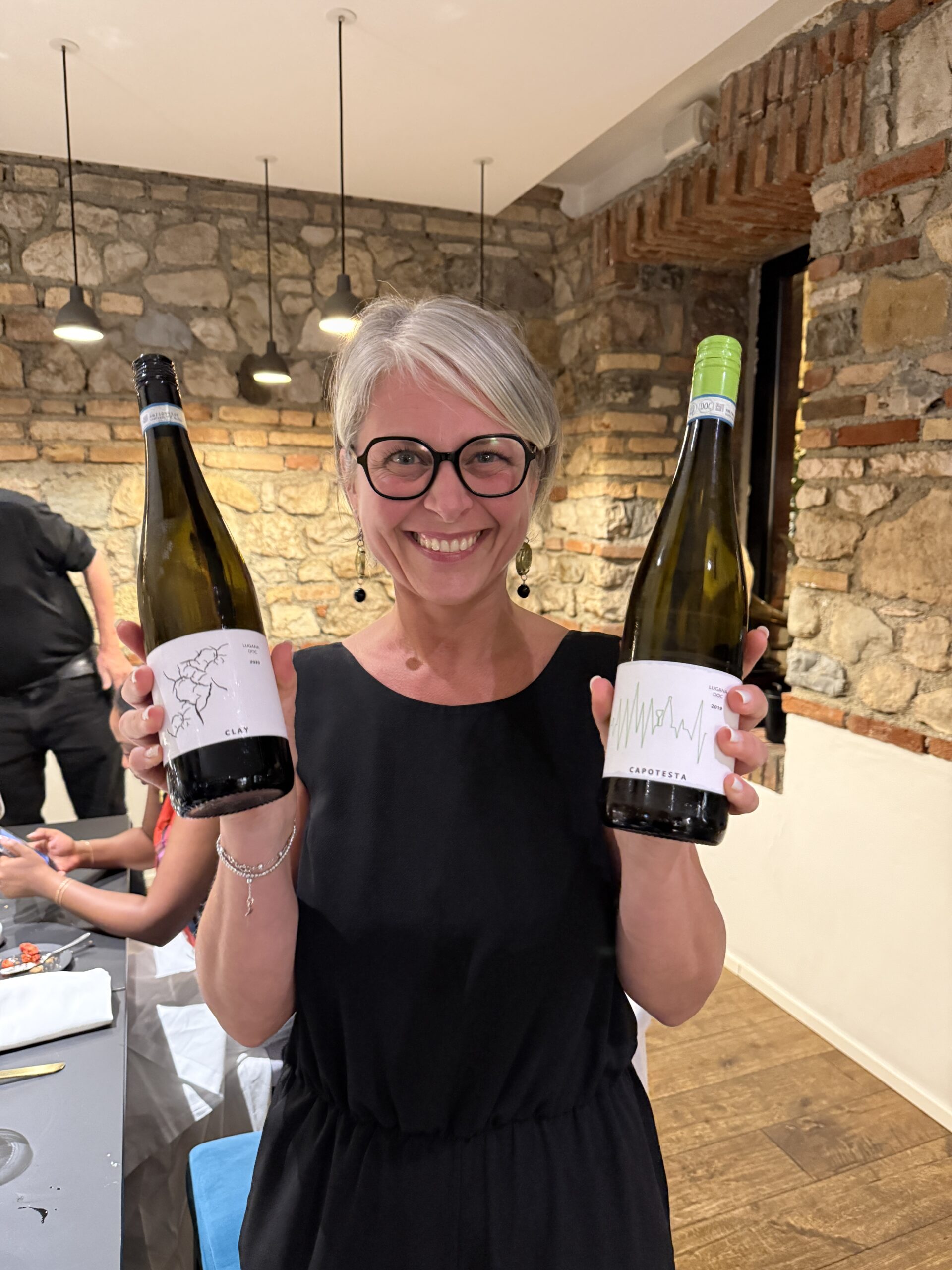
- Cascina Maddalena “Clay” 2020 Eliza described the brain-wave pattern on the label – an EEG of her brother Mattia tasting the wine – and how the pure white clay imparts a smoky, chalky intensity. Baked apple, sea salt, and a tactile grip stood up beautifully to the smoky fish.
- Nunzio Ghiraldi “Sant’Onorata” 2022 (old-style Lugana with modern polish) Nunzio spoke of the 1953 purchase of Podere Sant’Onorata and his desire to honour traditional long macerations while using gentle modern technology. Wet stone, green fig, and subtle oak embraced the earthy pigeon.
- Sgreva “Adele” 2022 (riserva from 1982 vines, only 1,000 bottles) Chiara became emotional describing the wine named after her grandmother and the lees-aged creaminess that develops in just a few hundred precious bottles each year. Honeysuckle, brioche, and vibrant salinity bridged savoury and sweet.
- Cascina Maddalena “Capotesta” 2019 Eliza closed the circle with their flagship: honeyed apricot, almond cream, and profound minerality from extended aging. The wine’s richness and structure turned the chocolate into pure decadence.
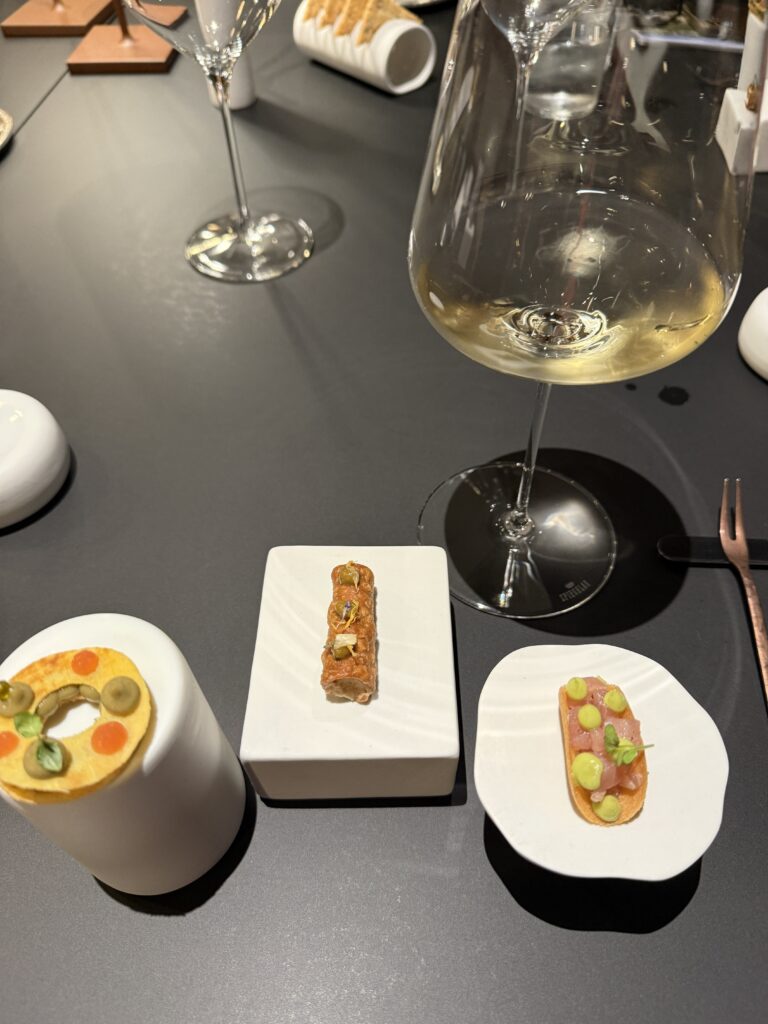
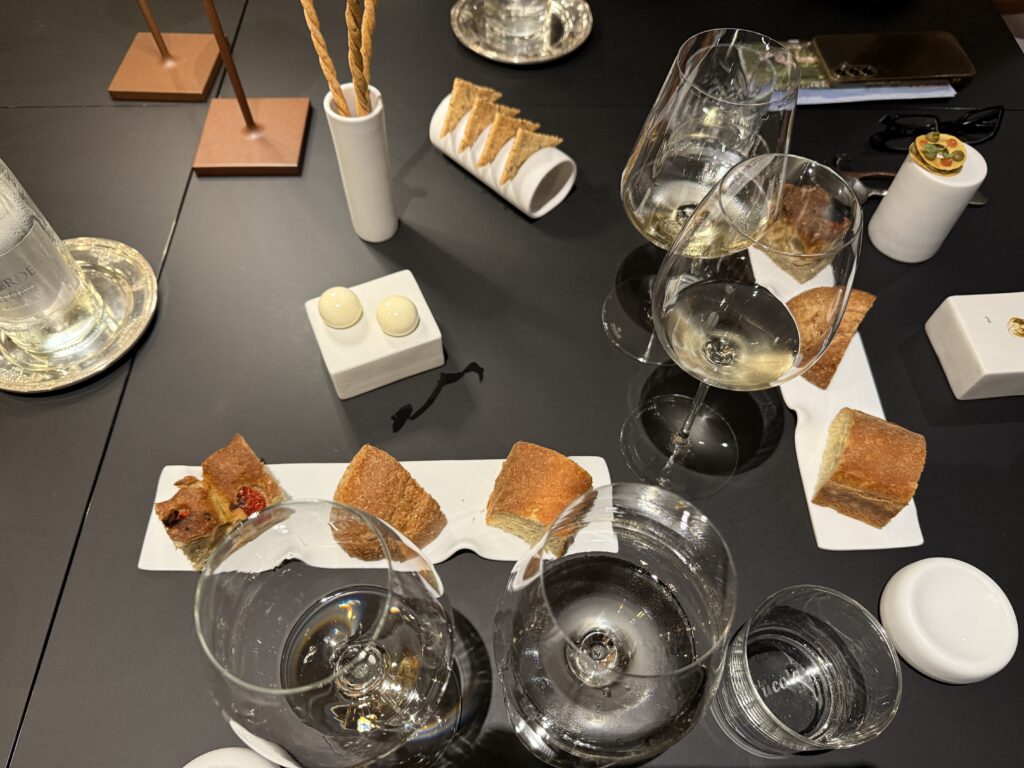
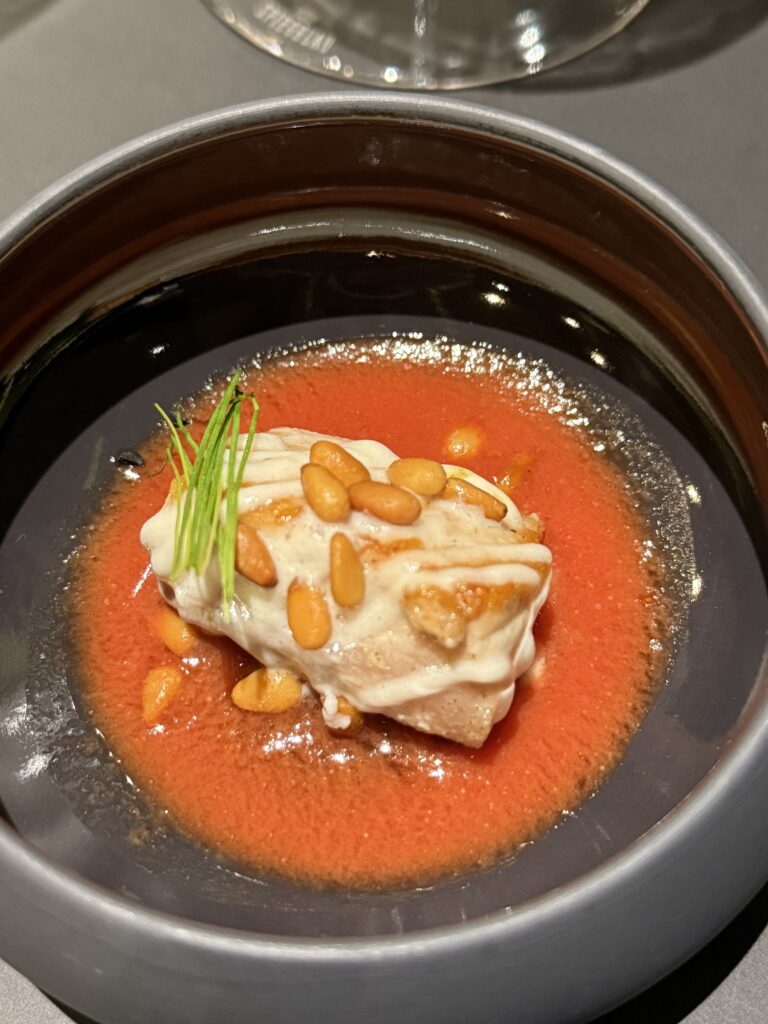

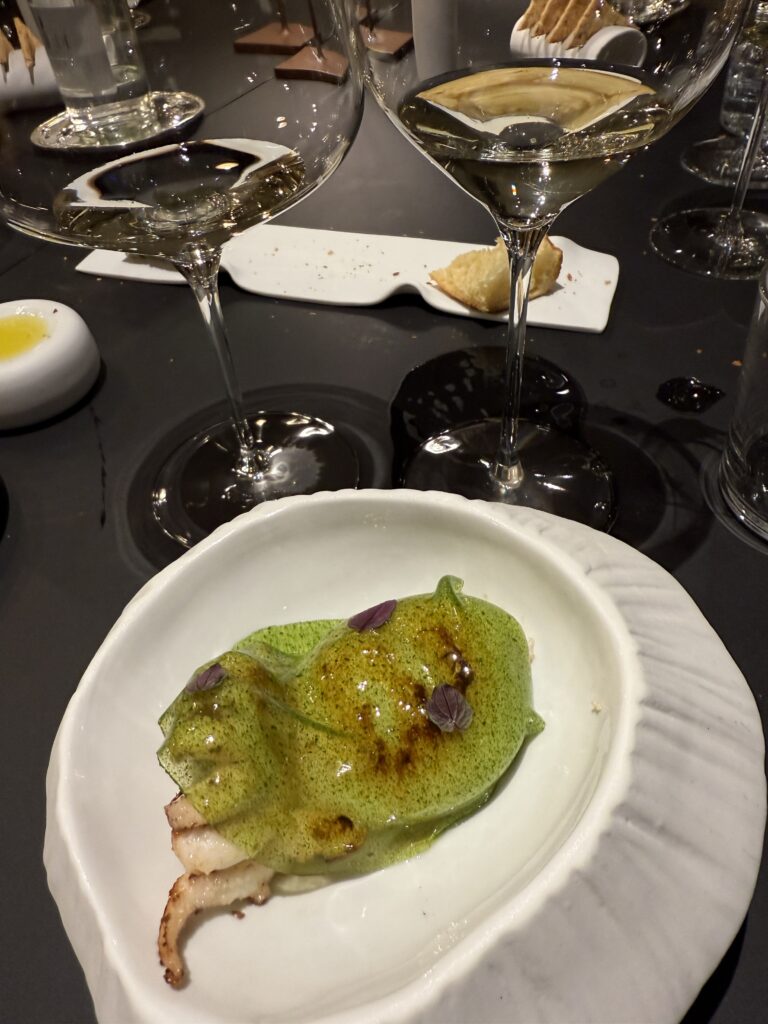
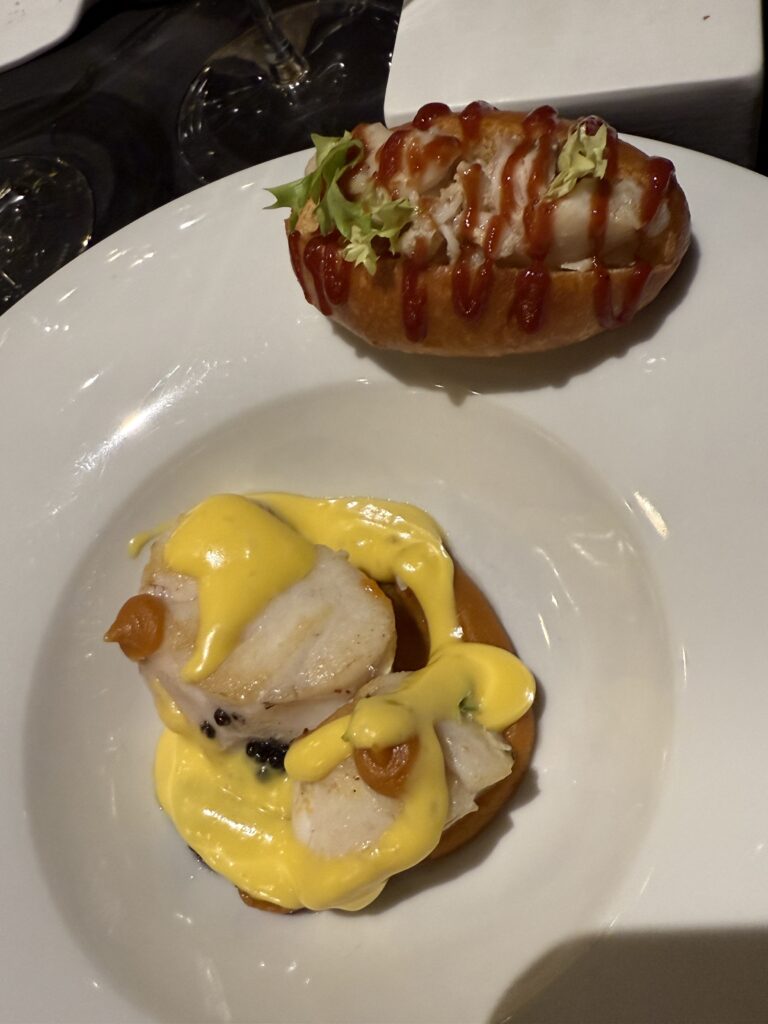
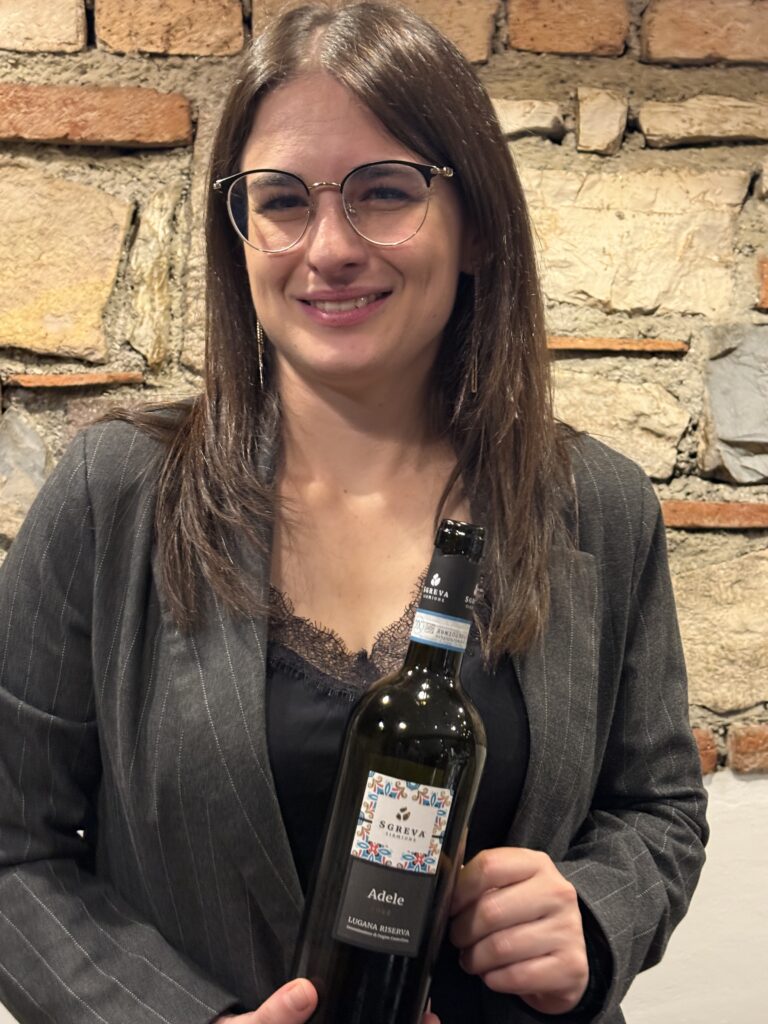
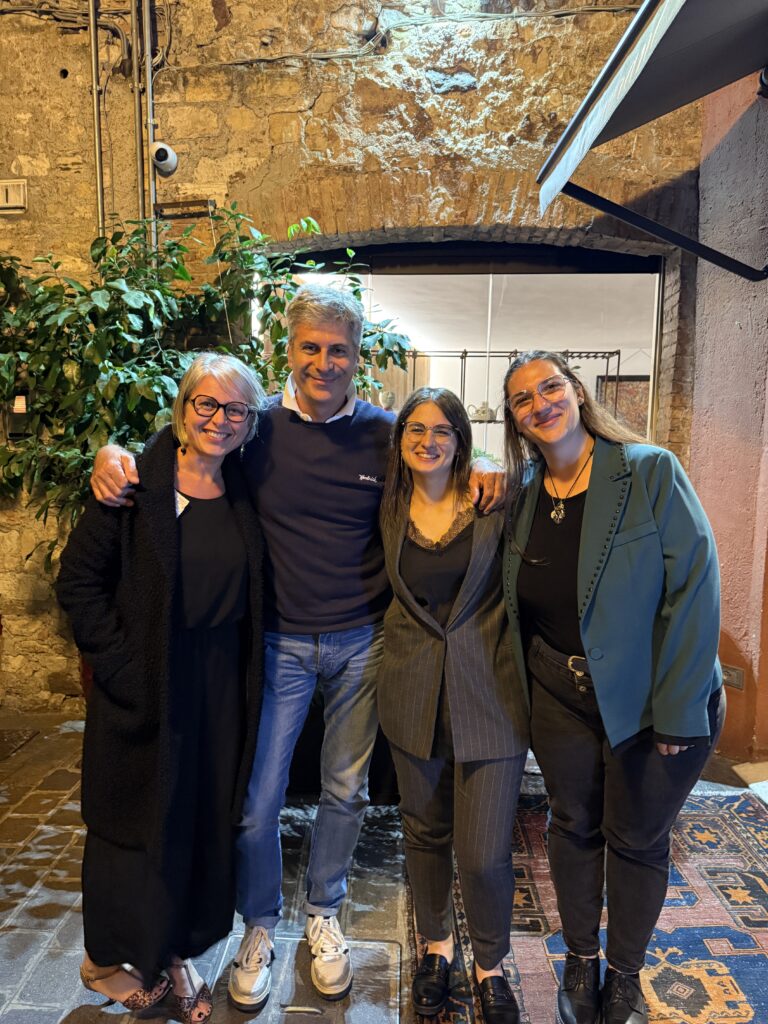
With every course, the room grew livelier. Stories of grandfathers planting the first vines, of siblings sketching labels at the kitchen table, of horses galloping between rows, of brain waves translated into art – each tale deepened the flavour in the glass.
When we finally stepped back into the cool night air, the castle lights shimmering on the water and the lake lapping gently at the ancient walls, no one spoke for a long time. Some evenings feed the body. This one fed the soul.
Sirmione, with its Roman ghosts, thermal springs, white-clay vineyards, and nine fiercely proud winemaking families, had worked its quiet spell once again.