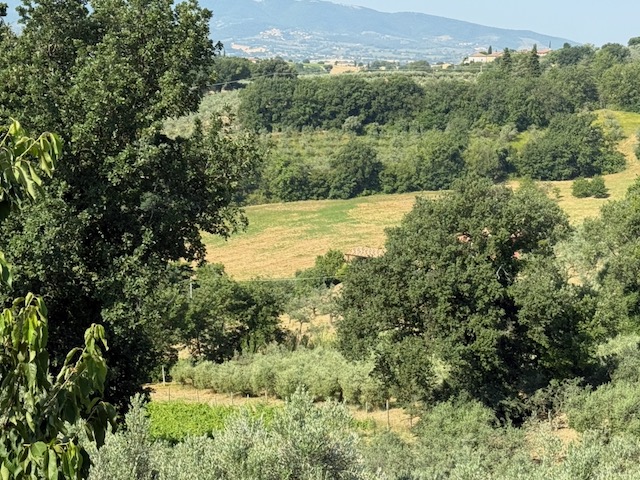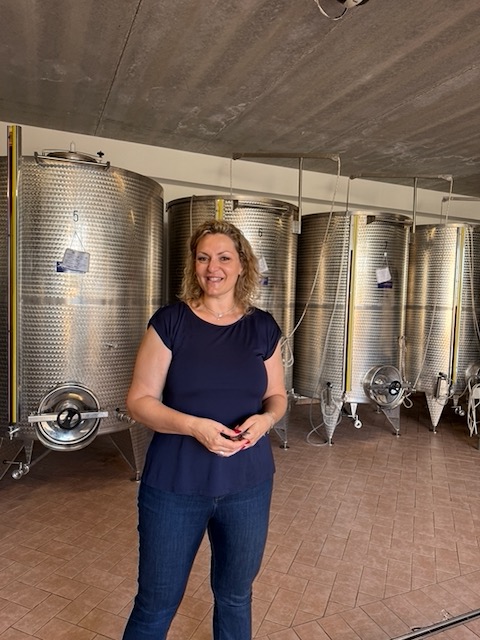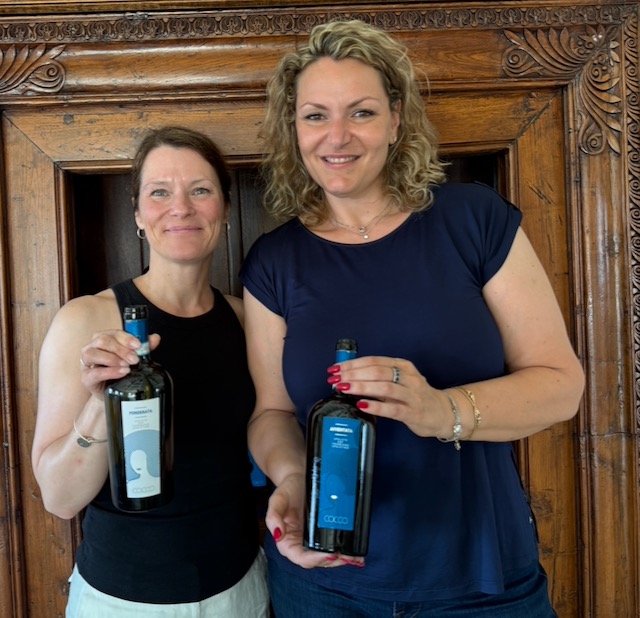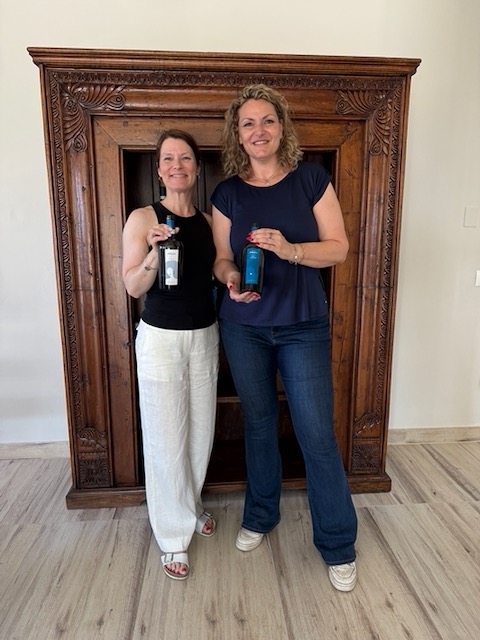
Nestled in the rolling hills of Montefalco, Umbria lies a hidden gem that’s capturing the hearts of wine lovers worldwide. Cocco Ilaria is a testament to passion, perseverance, and the power of a single woman’s vision. During a recent visit, I had the privilege of spending an afternoon with Ilaria Cocco, the dynamic force behind this boutique estate. What unfolded was not only a tasting of exceptional wines but a story of heritage, innovation, and unyielding creativity. For wine enthusiasts seeking authentic, soul-stirring experiences, Cocco Ilaria is a must-discover.
Cocco Ilaria embodies the essence of Montefalco’s storied terroir while infusing it with a modern, feminine flair. Established in 2013, the winery produces around 12,000 bottles annually from just 3.5 hectares of vineyards, focusing on indigenous grapes like Sagrantino and Trebbiano Spoletino, alongside Sangiovese and a touch of Merlot. The brand’s philosophy? Elegance over opulence. Ilaria steers clear of the heavy, tannic styles that once defined Sagrantino, opting instead for wines that prioritize freshness, drinkability, and minerality.
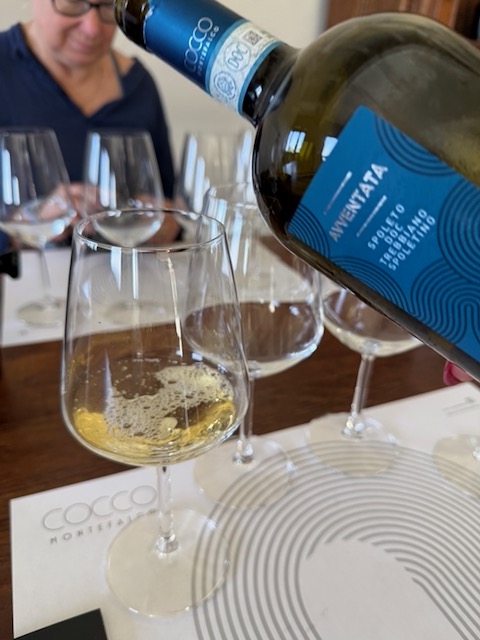
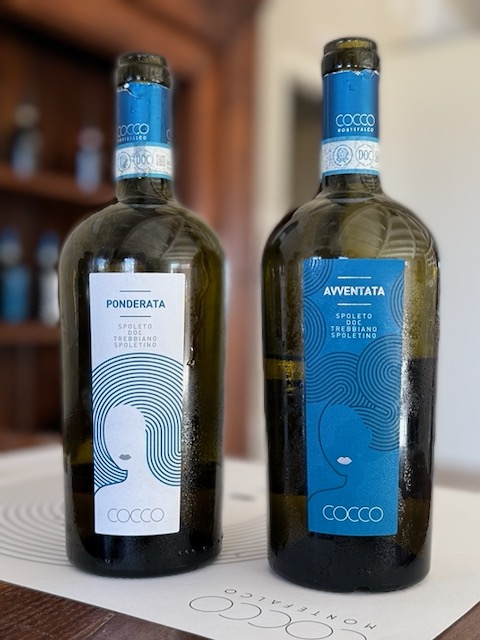
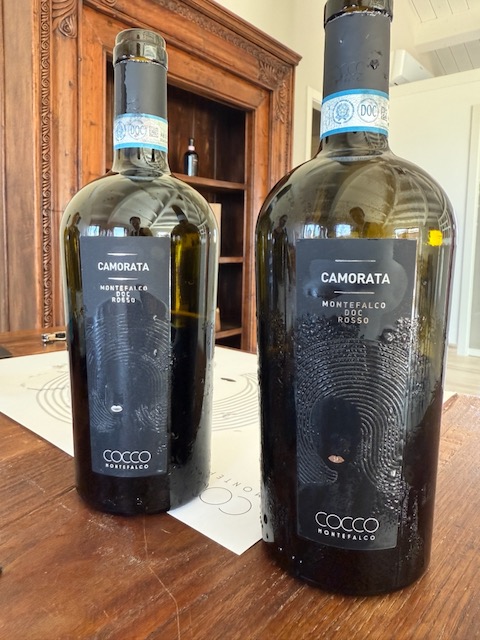
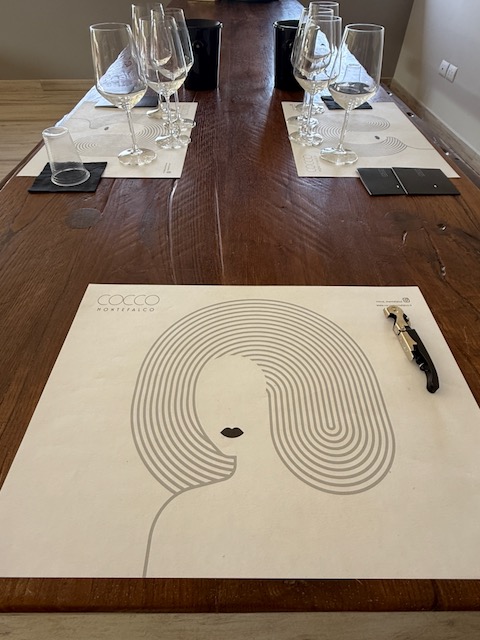
The labels themselves are a work of art, reflecting Ilaria’s creative spirit. Inspired by a digital thumbprint that morphs into flowing hair, they add a “woman’s touch” without being overt. “I wanted to give a feminine essence to the wine,” Ilaria explained during our chat, “but not by putting a literal woman on the label.” The names—Avventata (impulsive, like wind-swept hair) for her lively Trebbiano Spoletino and Ponderata (thoughtful) for its more contemplative skin-contact version—play on Italian words that mirror the wines’ personalities. Even the red wines draw from historical roots: Camorata for Rosso di Montefalco, Fonsano for Sagrantino (evoking a local spring), and Fontiola for the Passito.
This attention to detail extends to the winery’s future plans. Ilaria is experimenting with a sparkling Trebbiano Spoletino, set to debut soon—a bold move that promises to blend tradition with effervescent innovation. As she put it, “I’m really thinking a lot about the sparkling label… incorporating gold foils or something special.”
Ilaria’s journey into winemaking is deeply personal, rooted in family tradition yet forged through her own determination. The land has been in her family for generations—her grandfather tended an ancient vineyard here, producing Sagrantino Passito for family consumption and gifting to local dignitaries like priests and doctors. “The harvest was a party for me as a child,” Ilaria recalled fondly. “I’d skip school to help, and Sunday lunches always featured his Passito.”
But Ilaria didn’t inherit a turnkey operation. In 2000, she and her father replanted the vines on her grandfather’s neglected land, initially without plans for a winery. After studying unrelated fields and spending a year in London learning English, Ilaria returned in 2005 with a newfound passion. “I realized I wanted to tell my story through wine,” she said. Starting from zero, she built the winery, cellar, and tasting room herself, investing time and resources while juggling another job at her mother’s business in nearby Terni.
Her father played a pivotal role in uncovering the winery’s historical ties. Through archival research in ancient Montefalco books, he traced the Cocco family back to the 1400s—dispelling myths of Sardinian origins and linking the surname to the town’s old name, Coccorone. This sleuthing inspired the wine names, drawn from historical place names like springs and valleys on the property. Today, the vineyard—now 25 years old—sits at 300 meters elevation on alluvial soil from an ancient lake bed, yielding grapes with elegant aromas and lower alcohol levels compared to clay-heavy sites elsewhere in Montefalco.
Ilaria operates solo, with occasional help from consultants and vineyard workers. “I’m alone; I do everything myself,” she shared, emphasizing the challenges of a one-woman show. Yet, this independence fuels her authenticity. She’s not certified organic but practices sustainable farming intuitively, avoiding rigid calendars and focusing on the vineyard’s needs. “I don’t believe in just a piece of paper,” she noted. “I respect my land and the environment.”
Stepping into Ilaria’s tasting room feels like entering a family home—complete with heirlooms that tell stories of the past. The massive wooden table and benches, salvaged from her grandfather’s era, include a clever bench crafted from an old oxen yoke. “This wood is like stone now, heavier than the table,” Ilaria laughed, pointing out pieces over a century old, including a cast-iron stove and church relics collected by her father.
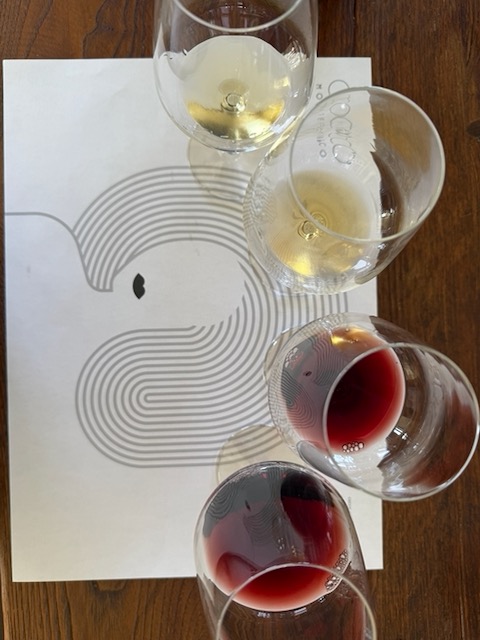
Our tasting showcased her creative winemaking style, always chasing elegance and terroir expression:
- Avventata Trebbiano Spoletino 2022: Sourced from old-vine growers she mentors, this steel-tank white bursts with freshness—pine nuts, thyme, rosemary, and a resinous hum that lingers. “It’s becoming my favorite white grape,” I confessed, echoing many visitors’ sentiments.
- Ponderata Trebbiano Spoletino 2022: The skin-contact sibling, macerated and aged on lees from the Avventata, offers a contemplative twist: orange blossom, jasmine, dried mango, and a savory minerality. “Your nose expects one thing, but your mouth gets something different,” Ilaria said, highlighting its complexity.
- Camorata Rosso di Montefalco 2019 & 2020: A 70% Sangiovese, 20% Sagrantino, 10% Merlot blend aged in concrete and old wood. The 2020 is fruity and juicy; the 2019 more mineral and savory. Both emphasize drinkability: “I research freshness and elegance,” Ilaria emphasized.
- Fonsano Sagrantino di Montefalco 2017 & 2018: Challenging vintages yielded stars. The 2017 (14% ABV) is ethereal—bright raspberries, balsamic herbs, fine tannins. “From difficult years come interesting things,” she noted. The 2018 (15.5% ABV) promises structure with time.
- Fontiola Sagrantino Passito 2019: Harvested in three passes for balance, it’s fruity and fresh (14.5% ABV, 130g/L sugar)—blueberries, chocolate, dried peach. Pair it with gorgonzola or spiced lamb, as per tradition.
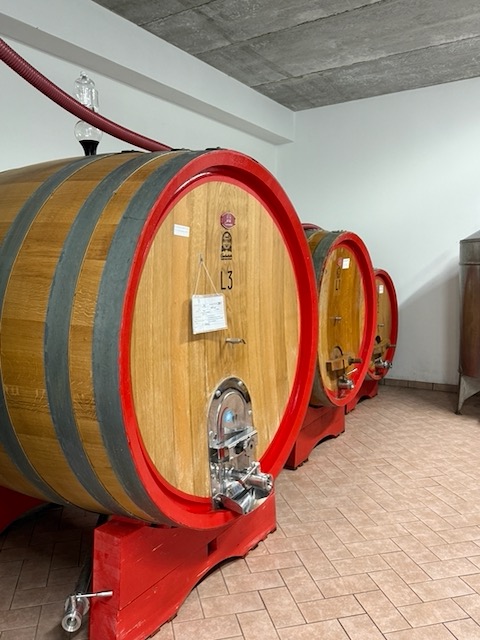
Ilaria’s creativity shines in her refusal to filter or force styles: old concrete tanks for blending, minimal wood to let grapes speak. “I follow the grapes,” she said, a mantra that yields wines as unique as her story.
At the heart of Cocco Ilaria is its namesake—a trailblazing woman in a male-dominated industry. Without a winemaking lineage, Ilaria built her “baby” from scratch, balancing two jobs and endless learning. “Winemaking is usually a family affair,” she acknowledged, “but this was my choice, my passion.” Her resilience inspires: from learning enology with consultants to managing vineyards solo, she’s a beacon for women in wine.
As we wrapped up, Ilaria shared dreams of expanding the tasting area into a B&B-like space for immersive visits. “I want people to feel at home, not just visit a winery.” Her energy is infectious—much like the “sister from another mister” vibe we shared instantly.
For wine enthusiasts, Cocco Ilaria offers more than bottles; it’s a narrative of empowerment and artistry. Plan a visit to Montefalco, savor her wines, and toast to Ilaria’s vision. Who knows? You might leave with a bottle (or two) and a new appreciation for Umbria’s underrated charms.