
Old Vine Carignan from Vina Maitia

Carignan is a bit of a dark horse grape – it’s not your typical go to like Cabernet Sauvignon or Pinot Noir. It is primarily grown in the south of France – in the Languedoc-Rousillon and Rhône regions. There are some single varietals but is mainly used as a blending grape. Vina Maitia, located in Maule Valle, Chile has produced a single varietal old vine Carignan which is not very common in Chile. Old vines means that the vines are generally older than 30 years – in this case the vines are approximately 70 years old. Old vines produce a lower yield of fruit but a higher concentration that younger vines. David Marcel, the winemaker, strives to create a natural expression of the wine. This wine is made from organic grapes, dry farmed, minimal sulfites and natural yeasts. The grapes were hand sorted, fermented in lagares, aged in concrete to preserve the fruit characteristics of the grape. The wine couldn’t get more natural if you tried. This wine is a true expression of the terroir and characteristics of the grape. The color is a lovely medium purple color. On the nose it has aromas of cherry, plum, blueberry, blackberry, violet and a hint of bell pepper. On the palate it’s dry, with intense flavors of ripe raspberry, nutmeg, fennel, black plum, pepper, wet stone and savory meat. This wine is medium body, tannin and acid – a very pleasant wine to drink either on it’s own, slightly chilled, or with a number of dishes. Here is a link to my IGTV video review on Instagram Old Vine Carignan – Vina Maitia Pair with grilled pork tacos, chicken, salmon or tuna. I made Grilled Pork Tacos with Jicama Slaw to accompany this wine which was incredible.
Cordoniu Cava

What makes Cava different than Champagne? Cava uses indigenous grapes of Macabeo, Xarel-lo and Paralleda with some Chardonnay as opposed to Champagne which only uses Chardonnay, Pinot Noir and Meunier. The term NV on the label (or Non Vintage) indicates a blend of finished wines from different vintages (years of harvest). For more information on the styles of Cava, grape varieties go to my wine education page all about Cava. Cordoniu is one of the two largest Cava producers in Spain, Freixenet being the other. Codorníu is a legacy family that runs back to the XVI century and as well are the founders of Cava. They produce a wide range of Cavas. This particular Cava is a blend fo Macabeo, Xarel-lo and Paralleda. The color is a pale yellow with a fine bubbles/mousse. The wine aromas of green apple, pear, fresh cut lemon, minerals, bread. The palate is dry, wine is 11.5% alcohol, high acidity with flavors of lemon, green apple, pear, honey, minerals, white blossom, bread, yeast, straw, peach and slight burnt caramel. For the price (in RI it was $14) it is a no brainer. Cava, like any sparkling wine, should be served ice cold. Cava pairs well with any shellfish, white fish ( deep fried fish, calamari, oysters to name a few), high fat soft cheeses, caviar and fried vegetables.
Cava
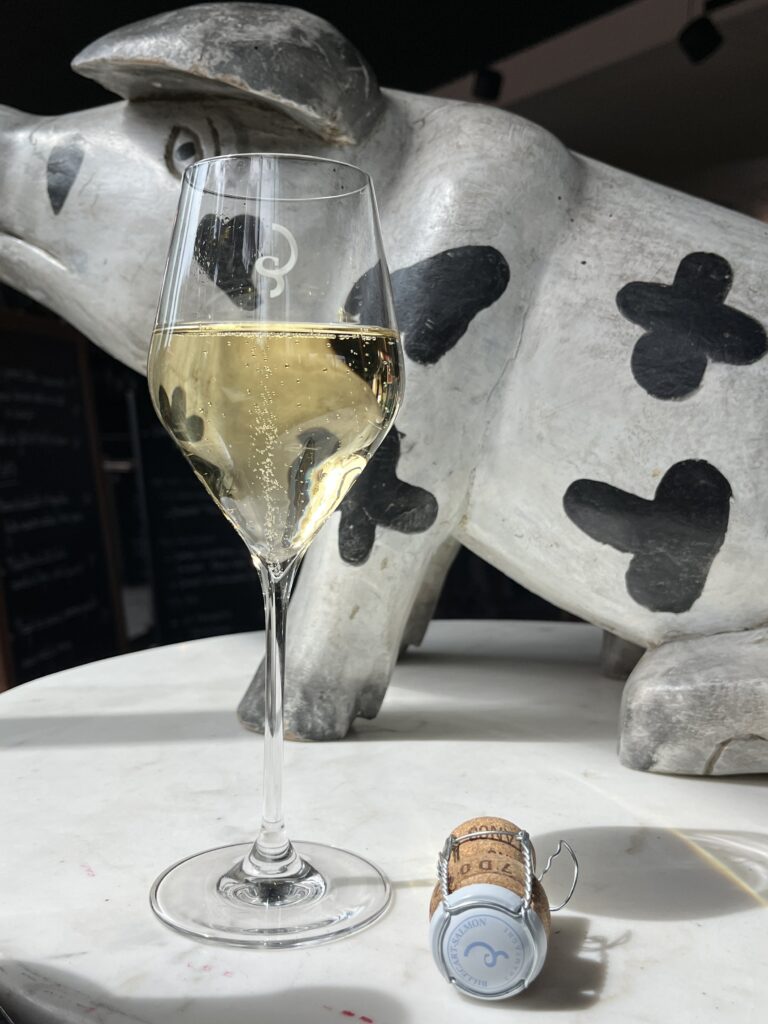
What is Cava exactly you ask? Cava is a world class sparkling wine from Penedès, Catalunya region of Spain. 95% of the production of Cava comes from Penedès in Catalunya. It can be produced in other areas of Spain such as Llieda, Tarragona and Rioja. San Sadurni D’anoia and Vilfranca del Penedes are the principal Cava producing towns. The sunny summers and mild winters help further develop intense flavors and acid in the wines. The soils vary in the areas which also contributes to flavor. Cava can come in a wide range of styles making it an ideal winemaker blending paradise. Cordoniu and Freixenet are the largest and oldest Cava producing families. Cava follows a similar traditional production method to Champagne but uses indigenous grapes of Macabeo, Xarello and Paralleda with some Chardonnay. Each of the grapes provides a different flavor characteristic and texture. Macabeo provides an intense apple and lemon flavor to the wine. Xarello gives a herbal, earthy characteristic to the wine. Paralleda provides finesse and floral to the wine. Lastly Chardonnay adds body and richness to the wine. When choosing a Cava, there are 3 different categories of Cava – Cava, Cava Reserva and Cava Gran Reserva. Cava is aged for 9 months on the lees, has primary fruit characteristics of lemon, red apple, herbal and light biscuit notes. The average price is mid range but can go up to premium price. Cava Reserva is aged on the lees for minimum of 15 months giving more autolytic notes. Cava Gran Reserva has a minimum of 30 months aging. The wine is autolytic dominant notes of smoke, toasty and bread-like characteristics. It is considered a premium wine and price point. Cava also comes in a range of styles from zero sweetness to very sweet – look for these terms on the label to help pick your level of sweetness in your Cava: Brut Nature (zero sweetness), Extra Brut, Brut, Extra Seco, Seco, Semi-Seco, Dulce There is also Cava Rosado in small quantities from the Garnacha Tinto, Trepat, Monastrell and Pinot Noir grapes. Cava is best served ice cold. it is a very food friendly wine because the bubbles and high acid cleanse the palate. It has a light body, low alcohol, high acid and delicate texture. Excellent food pairings are shellfish, white fish, salads with an acid vinaigrette, soft cheese, deep fried fish (calamari anyone) & veggies, caviar and sushi. If you are looking for a Cava to pair with desserts it has to be a sweet bubbly.
Traditional Method

Making sparkling wine via the traditional method was something that was discovered by accident in the 1600s! How fortunate we are! The pressure created during the second fermentation in the bottle led to exploding bottles. Dom Perignon is the inventor of the second fermentation in the bottle, as well as creating a white wine from black grapes. Madame Cliquot (of famed Veuve Cliquot) invented riddling using pupitres. Few little fun history facts for you. What is the traditional method of sparkling wine you ask? The traditional method is the transformation from a still to a sparkling wine occurs entirely inside the bottle. The winemaker creates the base wines and the first fermentation occurs. Once complete, the winemaker makes their signature blend or cuvée. During the secondary fermentation C02 is created, gets trapped inside the bottle which creates the carbonation. The yeast cells die in a process called autolysis and remain in the bottle. Autolysis creates the distinctive biscuity, bread, dough like flavors in the wine. The wine is aged on the lees, the number of months varies depending on the style of wine and regional/country regulations. Some sparkling wine has no lees aging to preserve the fruity flavors of the grapes. Others are aged on the lees for 30 months minimus to evoke intense biscuit, break like flavors. The cells settle and clarify (riddling), are then removed (disgorged) prior to topping up with a dosage (sugar & wine). The wine is then corked, wired and labeled. The distinctive biscuity, bread, dough like flavors are found in Champagne, Crémant, Cava and others to name a few. Courtesy of Wine Folly
Mediterranean Farro Salad

1 cup farro 1 red pepper, cut into 1/2 inch chunks 1 zucchini, cut into 1/2 inch chunks 1/2 lb cremini mushrooms 1/2 pint cherry tomatoes, halved 1/2 cup crumbled feta cheese 1/4 cup toasted pine nuts 3 tbsp each white balsamic vinegar and extra virgin olive oil salt and pepper 4 hard boiled eggs, halved. Boil water in a 4 quart saucepan with 1 tbsp salt. When the water is boiling, add the farro. Cook farro for 18 minutes till al dente. Drain and allow to cool. In a large bowl mix the remaining ingredients. Add the farro, season with salt and pepper. Serves 2-3 people.
Ceviche, Pan Seared Lemon Garlic Argentina Shrimp and Tomato Feta Salad

These 3 dishes were featured at my Interesting Whites Wine tasting – see below link. Classic Ceviche: 1 lb. grouper filet, diced into 1/2 inch pieces – can use any firm white fish such as halibut, swordfish 1 1/2 cups fresh lime juice 1 medium white onion, chopped into ¼-inch pieces 2 tomatoes, seeded and diced into 1/2 inch pieces 1/2 cup chopped fresh cilantro 1 tablespoons extra virgin olive oil 1/2 tsp salt 1/4 tsp fresh black pepper 3 tbsp fresh orange juice or 1 tbsp agave nectar 1 large avocado peeled, pitted and diced Tortilla chips to serve Marinate the fish and lime juice in a glass bowl for at least 4 hours. The acid in the juice will “cook” the fish. In a separate bowl mix the onion, tomato, cilantro, orange juice, olive oil and salt. When you are ready to serve, drain the fish and add to the other bowl. Add in the avocado when ready to serve. Adjust the seasonings to taste. Serve with tortilla chips. Pan Seared Lemon Garlic Argentina Shrimp 1 lb 16/20 Argentina shrimp, peeled and deveined 3 tbsp olive oil zest of 1 lemon 1/4 tsp red chili flakes 3 whole cloves garlic, peeled Salt and Pepper Lemon, cut into wedges Heat non stick skillet over medium high heat. Add the oil, when it starts to shimmer add the garlic cloves. Heat till golden. The garlic will infuse the oil to add a delicate garlic flavor. Add the shrimp and cook till golden brown on each side, 5 minutes a side. Just before the shrimp are done, add in the chili flakes, lemon zest, salt and pepper. Even distribute the spices. Remove from heat. Remove the garlic cloves. Serve with lemon wedges. Tomato Feta Salad 1 lb cherry tomatoes, cut in half 1 lb. block feta cheese, cut into 1/2 inch cubes 1 cucumber, peeled, seeded and cut into 1/2 inch cubes 1 small bunch of fresh chives, chopped 2-3 tbsp extra virgin olive oil 2 tbsp red wine vinegar salt and pepper Add all of the ingredients in a large bowl. Mix together, add salt and pepper to taste. Serve. All the above recipes serve 4 people.
Bubbles any day of the week but especially on Canada Day 🇨🇦

Gernan Gilabert is located in the Penedès region in Spain. Penedès is known for it’s picturesque, charming villages, nature preserves and steep winemaking traditions. The mediterranean climate, mixed soil types lead to very distinctive and lovely floral bouquets in their wines. This sparkling wine is a pretty medium yellow color. It’s full of lemon zest, golden apples, acacia blossom, minerals, pear, honey and brioche. On the palate it’s bone dry, high acid, medium body, medium bubbles, good effervescence. Full flavors of lemon, golden apple, minerals, acacia, brioche, pepper, yeast. For someone looking for a no sugar bubbly a Brut Nature is the way to go. It’s the driest style of sparkling wine, with no sugar added. “Residual sugar” refers to the natural sugar left in wine after the alcoholic fermentation is completed. German Gilabert Brut Nature Reserva Cava is a crisp, refreshing reason to celebrate the day and enjoy life. Paired very well with garden salad with seared ahi tuna.
Bertani Rosé

Bertani is known for their deliciously seductive Amarone and Valpolicella wines. The winery is steeped in over 150 years of winemaking tradition. The winery strives towards innovation and cutting edge winemaking techniques while preserving the true quality and character of the land and grapes. The grapes are grown in hillside vineyards above Lake Garda, on calcareous-clay soils. Both the lake and soils provide the coolness and character to preserve the grapes natural acidity and minerality. This wine is a delicate, feminine Bertarose Chiarello is made from 75% Molinara and 25% Mertlot grapes. Pale salmon pink color, it’s full of aromas and flavors of pink grapefruit, strawberry, cherry, watermelon, citrus, saline, pomegranate, asparagus, minerals, wet stone, almonds. It has a medium + acidity, medium alcohol and body, medium + intensity & finish, well balanced, elegant. Paired with lemon roasted salmon, roasted chicken and steamed vegetables.
Blackbird – Not just a Beatles song…

This deep ruby Bordeaux Blend ( 71%Cab Franc,19% Merlot 10% Cab Sauvignon at 14.2% abv) from Blackbird Vineyards in Napa Valley rocks ones socks right off! It’s chock full of cherry, chocolate, violets, bell pepper, cigar box, leather, blackberry jam, cloves, mushrooms, bramble – I could go on. Smooth silky tannins, well balanced, lovely wine. Grilled spiced chicken breasts to pair with this lovely wine.
Red Car Chardonnay – it’ll take you places

No need to take this Red Car to the mechanic. This Sonoma Coast Chardonnay is not your typical oak bomb. This wine is versatile, creamy and balanced. It balance of acidity, creaminess, fruit , minerals and oak. Many layers to this wine – ripe red apple, lemon curd, lime zest, ripe pear, pineapple and peach, with a full body and medium acidity. Buttercream carries you through vanilla and caramel. Red Car Chardonnay – good to the last drop Pairs well with classic roast chicken, turkey burger topped with cheddar cheese or a roasted sole with a lemon cream sauce.