
What is Fumé Blanc?
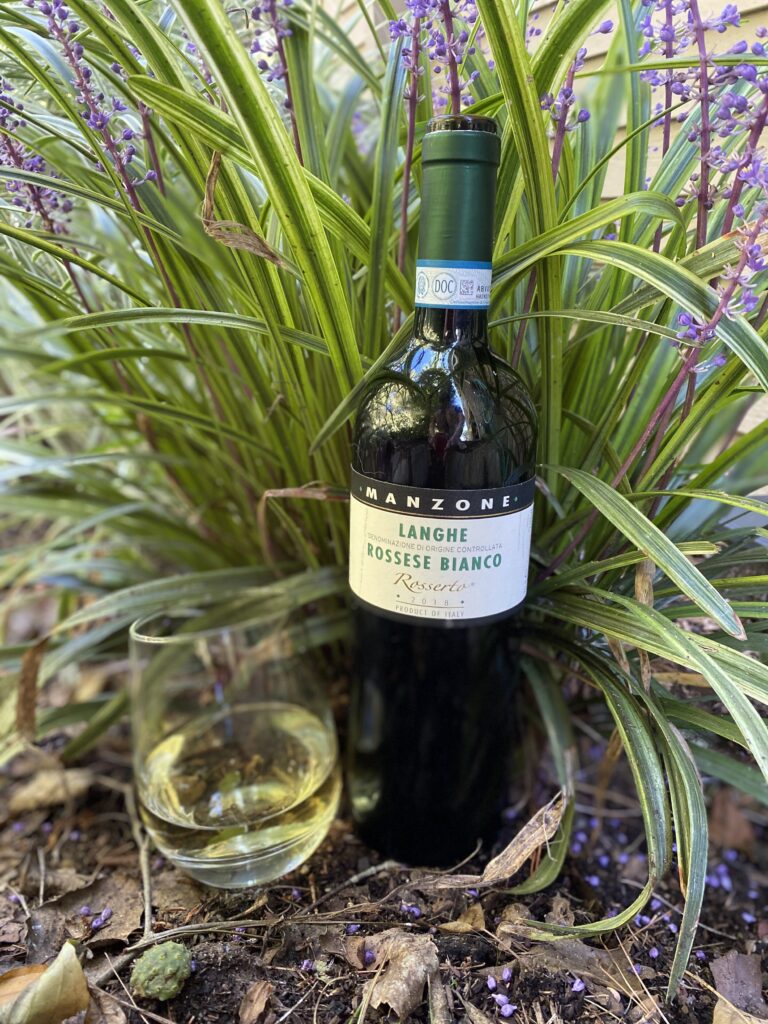
What is Fumé Blanc? It is a synonym for Sauvignon Blanc made in Chile, USA. Sauvignon Blanc claim to fame is thanks to winemakers in Bordeaux, Sancerre and Pouilly Fumé (Loire Valley), France. Pouilly Fumé wines are mineral driven, often with a slightly smoky nose hence the Fumé name. Sauvignon Blanc grape is know for it’s green and herbaceous flavors. Sauvignon Blanc is one of the most planted white grapes and can be made in various styles depending on where it’s grown. This particular wine is from Viña Errazuriz. Don Maximiano Errázuriz founded Viña Errázuriz in 1870. With his great vision for the future and his innovative, pioneering spirit, he planted the first French grape varieties in the Aconcagua Valley. Through many generations his wines and winemaking have become world renowned and synonymous with quality. This wine is grown in the Aconcagua Valley. The grapes are selected vineyards that grow on hillsides near the Pacific Ocean’s coast at an altitude of 100 to 300 meters above sea level. Gentle Pacific breezes and morning fog make these vineyards ideal for producing refreshing Sauvignon Blanc. This wine is 100% Fumé Blanc (Sauvignon Blanc). The wine a pale yellow color. It is a vibrant and fresh wine with aromas of lemon, lime, tangerine, minerals & grass. The wine is dry, medium body, high acidity with flavors of lemon, melon, tangerine, grass, passionfruit, guava and smoke. This wine is around $15, excellent value for the price. Pairs beautifully with goat cheese, white fish such as cod, tilapia, halibut, red snapper with green herbs such as parsley, Basil, Mint, Tarragon; white meat such as chicken, turkey or pork and vegetarian meals such as asparagus quiche and cucumber dill yogurt salad,
S’mores and Sauternes?
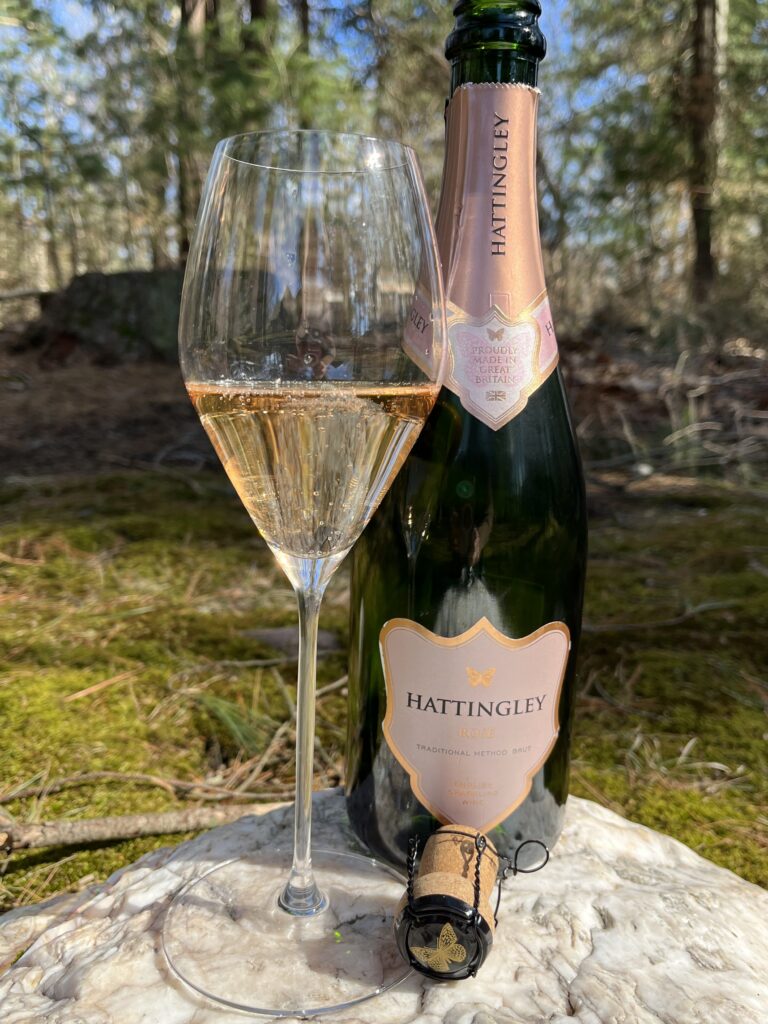
What is Sauternes and where does it come from? Sauternes is a decadent, sweet desert wine that comes from the Graves region of Bordeaux. Both red and whites are produced in this region. In the subregions are Sauternes and Barsac which create the decadent, unctuous desert wines. Sémillon has thin-skins which makes it the perfect candidate for noble rot, Sauvignon Blanc contributes the bright acidity with a bit of bright acidity . Muscadelle is allowed but rarely added, which would contribute a floral character. The best vineyards in Graves are located on chalky, gravelly soils with influences from the Garonne River and the Ciron tributary. The two rivers provide a unique microclimate with cool morning fog and sunny, warm afternoons which allows the noble rot to flourish. The soils and climate influences make exceptional dessert wines that age well in oak for several decades. Sauternes has flavors of honeyed apricot, butterscotch, caramel, coconut, mango, ginger, marmalade, and citrus themes, tropical fruit, honeysuckle, and toasted baking spices As mentioned above Sauternes pairs beautifully with cheesecakes, lemon meringue pie, almond tart, vanilla pot de crème – basically not chocolate deserts. A Banyuls desert wine is the key to chocolate. Sauternes also pairs well with the classic foie gras and apricot conserve, duck or pork terrines, rich, pungent, salty cheeses such as Roquefort or Stilton, heavy cream sauces or spicy Asian dishes. Sweet wines go well with salty, spicy or sweet foods. The residual sugar (syrupy sweetness) tames any spicy heat.
Warm-Spiced Grilled Chicken
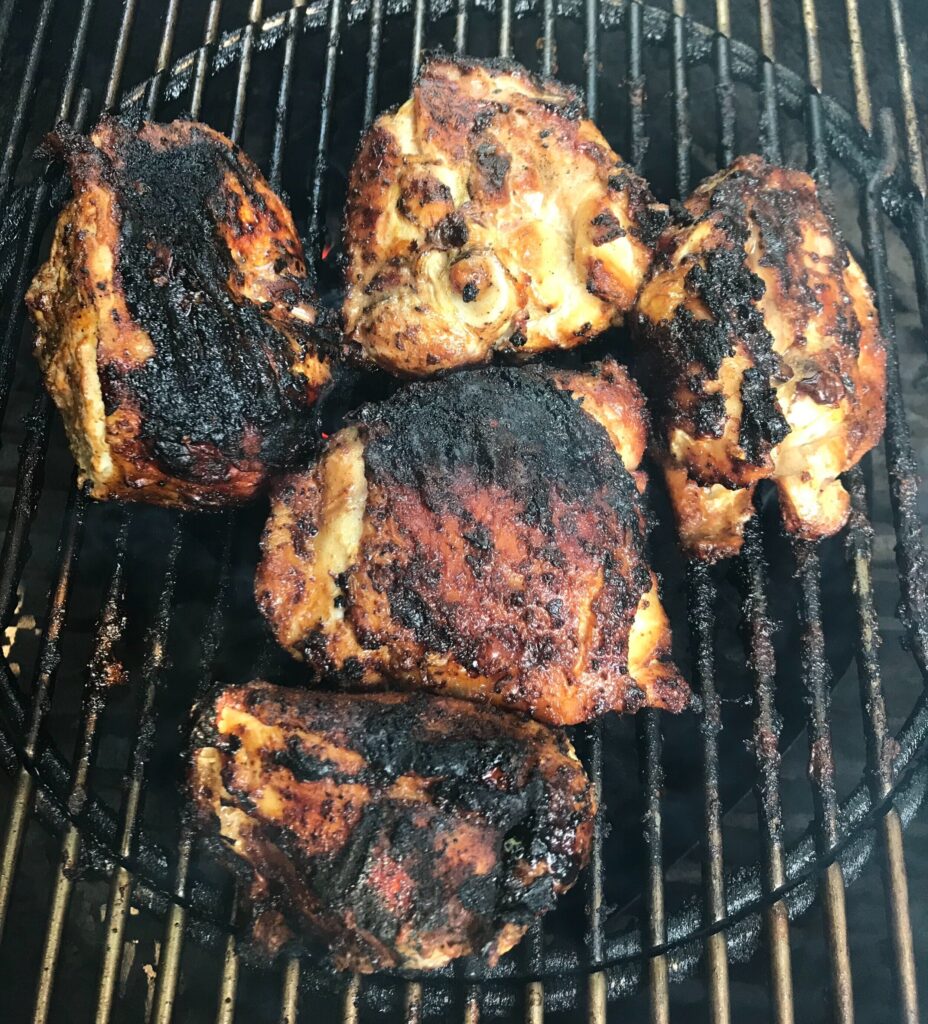
4 lbs chicken pieces, thighs and breast bone-in 1-2 tbsp. kosher salt 1 tsp each chili powder & ground cumin 1/2 tsp ground coriander 1/4 tsp cayenne pepper 1 tsp. brown sugar 1 tsp each salt and pepper Pat all chicken pieces dry and sprinkle all over with kosher salt 24 hours before cooking. Through osmosis the meat will tenderize from the inside out, preserve moisture when cooking and retain a crispy skin. An hour before grilling, mix all remaining rub ingredients together in a small bowl. Pat the chicken dry and rub the spice mixture into the chicken. Allow to sit at room temperature for 30-45 minutes before grilling. Heat the grill to medium heat, about 375F. Once ready, grill the chicken on direct heat for 15-20 minutes until the bread meat reads 160F and the thigh meat reads 170F. Remove from heat, place on a platter and cover with aluminum foil for 10-15 minutes to allow for further cooking and for the meat to retain it’s juices. Serve with Herbed Potato Salad. Pairs well with a light and fruity summer red, such as an Martinshof Zweigelt or an Elena Walch Schiava.
Bruno Paillard – Elegance and Timeless Rosé Champagne
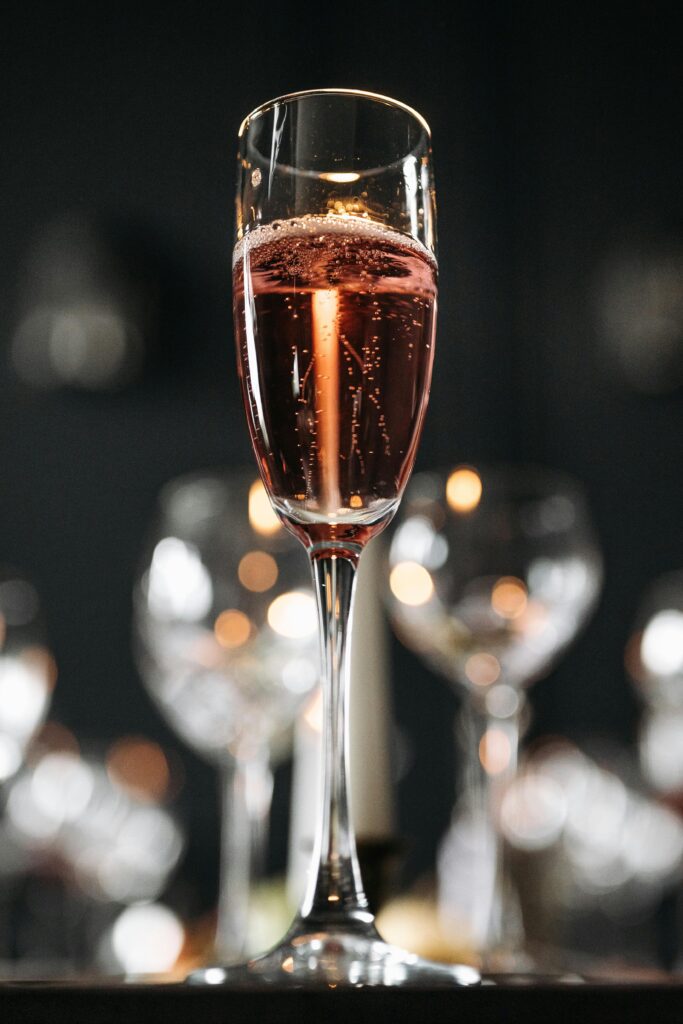
Maison Bruno Paillard is a relatively young champagne house when you look at the institutions that have been around for hundreds of years. Bruno Began comes from a long line of wine merchants and brokers dating back to 1704. He followed in his family’s footsteps but it wasn’t his dream. He longed to create something special, a different type of champagne that broke from tradition. He began by renting cellar space and purchased grapes from independent growers. Less than a decade later he purchased his first 3 grand cru hectares in Oger in the Côte des Blancs. Currently Maison Bruno Paillard owns vineyards cover 32 hectares of land over the best Crus of Champagne: Le Mesnil sur Oger, Oger, Cumières or Verzenay. The family still works with the founding independent grape growers that gave them their start, as well seeks out different parcels to allow the personal expression of the champagne to represent their vision of craftsmanship. Bruno Paillard became the 1st champagne producer to print the disgorgement date on every single bottle for all of his cuvées. Another example of his individuality is his high expectations to sustainability – no herbicides or pesticides are used; ploughing; partial grassing, regular analysis of soils, organic fertilizers and promotion of biodiversity. All of these examples tell the consumer how much detail is put into Maison Bruno Paillard viticulture and winemaking. This particular wine Premier Cuvée Rosé Extra Brut is mainly Pinot Noir with a touch of Chardonnay for texture and complexity. Hand harvested grapes that are gently pressed and is named after the first press (Premier Cuvée) of the grapes which produces wines of great finesse, long aging potential, pure delicate flavors and high acidity. The Pinot Noir juice has a short maceration on the skins to give it the beautiful rose gold color. It has been aged on the lees for 3 years and another minimum 5 months after disgorgement. Making Champagne requires great skill. It is an art form to obtain such a fine balance among many vintages and grape varieties. This particular wine is from a blend of 25 vintages going back to 1985! This bottle was disgorged April 2019 as seen on the back of the label. It is a gorgeous pale copper color, light yet complex; an Extra Brut wine which means it’s dry with less than 6g sugar/L. The aromas are delicate strawberry, red currant, violets, brioche, lemon zest, hazelnut. The flavors of red fruits (strawberry, cranberry, raspberry), citrus fruits (lemon peel, grapefruit), violets, vanilla, brioche, pastry, cream, earth, mushrooms and dried fig. The bubbles are delicately fine, the palate has a silky texture. It’s an elegantly balanced example of Bruno Paillard’s craftsmanship. My video review is available on Instagram: Champagne Bruno Paillard Premiere Cuvée Rose Pairs well deviled eggs with watercress, smoked salmon and chive cream, New England lobster roll on a brioche bun, shrimp mousse, duck confit, sushi, charcuterie, roasted chicken with cherry tomatoes and thyme, creamy pea risotto or a red fruit salad.
Terlato Pinot Grigio
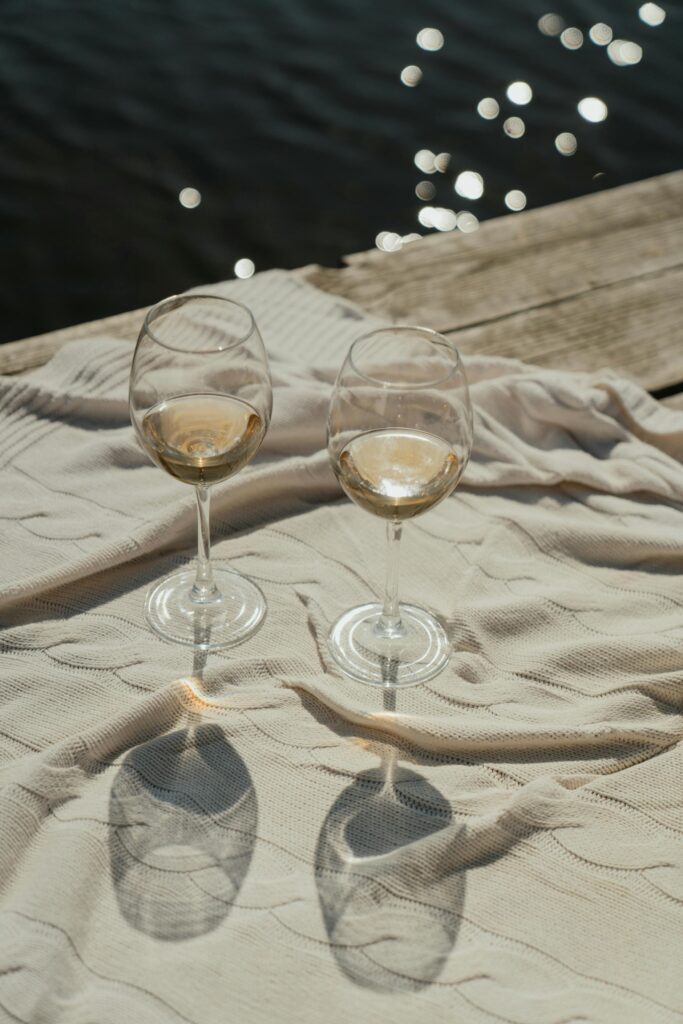
Have you ever felt like having a cool glass of white wine on a hot summers day that has a zingy freshness to it? YES! Ergo why I had a glass of Terlato Pinot Grigio from Friuli Colli Orientali DOC, Italy. This varietal shines in this region. It’s full of peach, lemon, crisp green apple, lime, minerals and honeysuckle. It’s light, refreshing and balanced. Enjoy the warm days while they are still around! Paired with grilled lemon garlic shrimp.
New world style Albarino
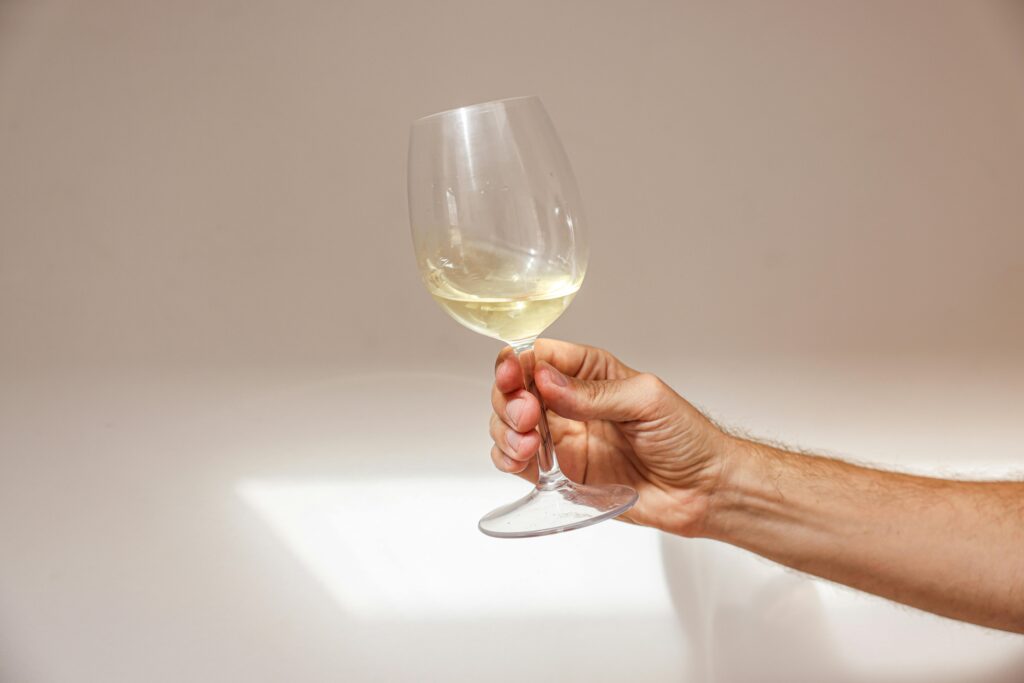
Andrus Island Vineyard from Sacramento-San Joaquin River Delta, California, has produced their version of the traditional northern Spain rockstar, Dropout Albarino Andrus Island 2017. Winemaker Jon Keyes dropped out of college and left chemistry studies behind to pursue a career in winemaking which took him to Two Hands Winery in Barossa Valley, Australia and then back again to California as Cellar Master at Napa Valley’s Outpost Wines, under the guidance of winemaker Thomas Brown. Now he makes wine for the aptly named winery Dropout for winemaking pioneer Mark Herold Flavors of lemon peel, almonds, pineapple, lim, saline, tangerine and pear all held together in a brisk, crisp acidity. It’s a summer sipper or paired very well with the below shellfish and fish dishes. Pair with oysters, oysters and more oysters – Oysters Rockefeller, fried oysters, oysters with Champagne mignotte, smoked oysters, grilled lobster tails with butter, scampi with beurre blanc sauce or halibut with browned butter.
Franciacorta – Italy’s Answer to Champagne
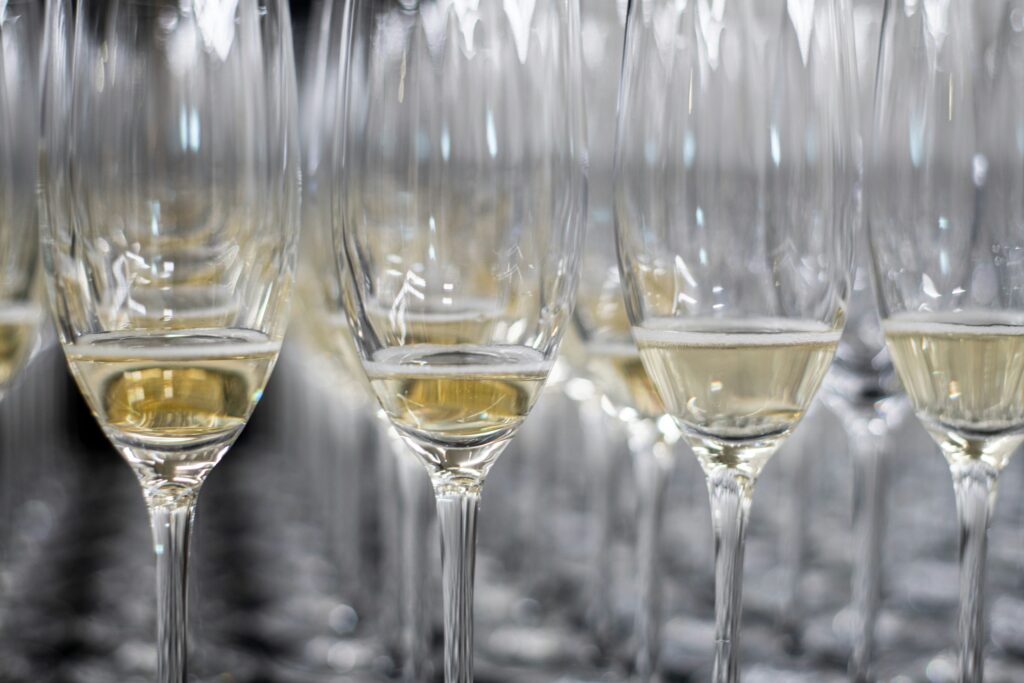
Italy has not one but 2 distinct wine regions that produce equally luxurious, elegant, crisp traditional method Champagne style sparkling wines. The most prestigious sparkling wine in Italy is Franciacorta DOCG, located in Lombardy, Italy. The other is Trentino-Alto Adige region. The wines are austere, elegant with a fine, creamy mousse of bubbles. The soils in the region are mineral-rich soils, granular-sized, calcareous gravel and sandy glacial soils that cover a limestone bedrock. Situated at the extreme northern edge of the Po Valley, south of Lake Iseo and alpine valleys all help mitigating effect on temperatures in both summer and winter. The wines are made from similar grapes as Champagne – Chardonnay, Pinot Noir (locally called Pinot Nero), and Pinot Blanc (locally called called Pinot Blanco). They are labeled “method traditional or metodo Classico” synonymous for traditional method distinguishes them from the Spumante sparklers that are made in the tank method, i.e. Asti Spumante. The wines are made in both non vintage and vintage dated. Rosé Franciacorta is also made. Like Champagne, the wines have to spend at least 18 months on lees for non-vintage, at least 30 months for Franciacorta Millesimato (Vintage dated) and at least 60 months for vintage Franciacorta Riserva. The wines range from zero dosage (0-3g/l) to Demi-Sec (32-50g/l) Sparkling wines are meant to be very well chilled to 38–45°F / 3-7°C Mirabella’s priority is to produce wine that is tied to the land that created it. Through their area of viticulture practices, sustainability and use of the most modern technologies excels them as top quality sparkling wines. This Edea wine is made of Chardonnay 80%, Pinot Bianco 20%. Hand harvested, gentle pressing, fermentation with selected yeasts at a controlled temperature of 16-18° C in cement vats and minimum 24 months on the lees in bottle. The wine is a pale yellow color, brut style with golden apple, lemon, pear, grapefruit, hazelnut, peach, yeast, brioche, banana and floral aromas and flavors. It has a light body, low alcohol and high acidity. Similar to Champagne, Franciacorta pairs well with many foods or enjoyed at any time during a meal – soft ripened cheeses (like brie), dried fruits, roasted salted nuts, charcuterie to spring risotto, chicken Milanese, pork cutlets with lemon thyme sauce or stuffed chicken breasts with prosciutto, basil and mozzarella.
What To Do When Your Favorite Wine Isn’t On the Menu…
What do you do when your favorite wine isn’t on the “by the glass” or bottle menu at a restaurant? Do you panic and run out of the restaurant? No, you sit there calmly and read the other selections. Here are a few tips to help you can use to ensure that your night out isn’t a wasted. Is the wine red, white or rosé? Know where your wine comes from – What is the producer name, region and/or country? i.e. a Kendall Jackson Chardonnay from California Know 2-3 adjectives that best describe the wine that you like i.e. a California Chardonnay is buttery, oaky, vanilla, tropical fruit and full bodied. Know your backup wine name – see steps 1 through 3 Do you want food and wine pairing or to simply enjoy your selected wine? Don’t be afraid to ask for guidance from a wine specilaitst/sommelier if they have one on staff at the restaurant. Ask to for a sample of the selected wine(s) to make sure you like it. The restaurant wants to make you happy and for you as a customer to buy more wine. Use a wine app to help find a wine alternative. I personally like Vivino and Wine Searcher If you have any additional questions please do not hesitate to contact me either via email or social media.
Herbes de Provence Cedar Plank Salmon
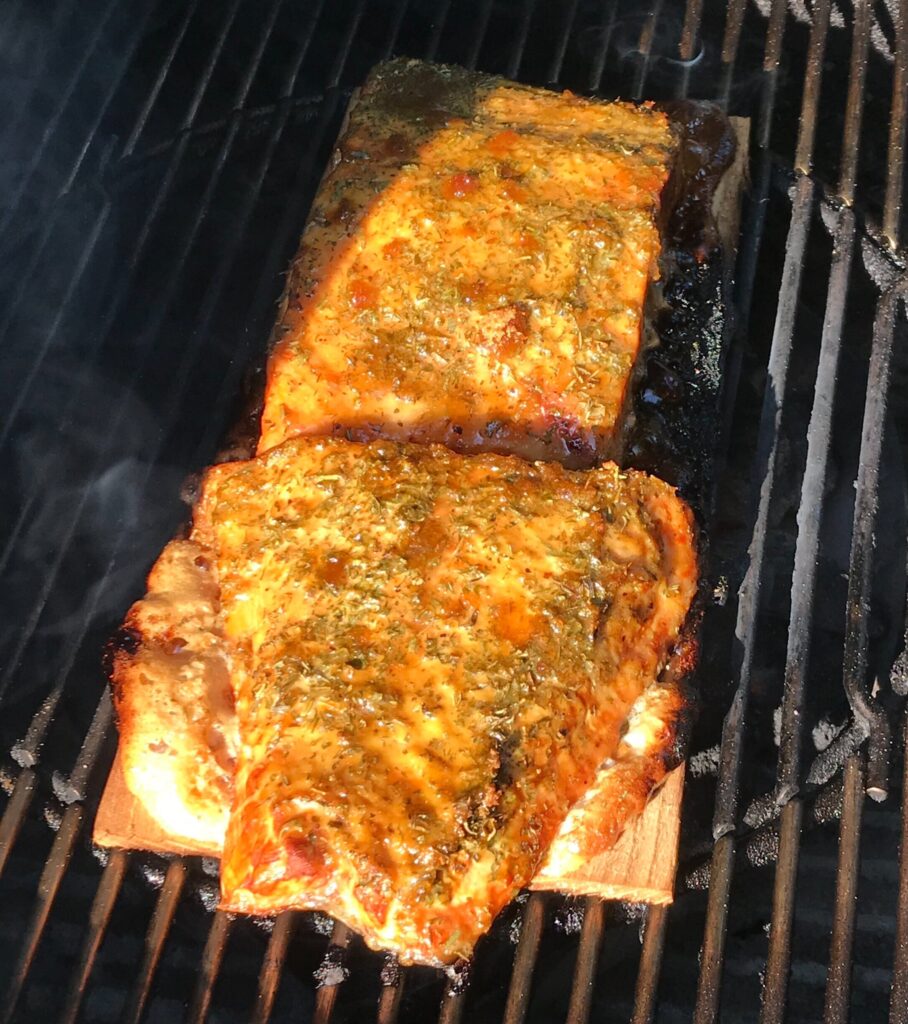
2 lbs. center cut salmon filet 2 tbsp. Dijon mustard 2 tbsp. brown sugar 1 tsp. Herbes de Provence salt and pepper 1-2 cedar planks – depending on how large the salmon filets are Soak the cedar planks in water for at least 2 hours. When ready to cook, heat the grill (we use a charcoal grill which adds extra smokiness to the salmonl) to medium heat 350F. Once hot, place the cedar plank on the grill. When it starts to smoke prepare the salmon. Place the salmon skin side down on a plate. Top with Dijon mustard, Herbes de Provence, salt and pepper and brown sugar last. The sugar will dissolve into the other ingredients. Cook the salmon till done, about 10-15 minutes. Serves 4 Pair with a nicely chilled Albariño from either Rias Baixas, Spain; Uruguay or Portugal.
Summer Red Series- Zweigelt
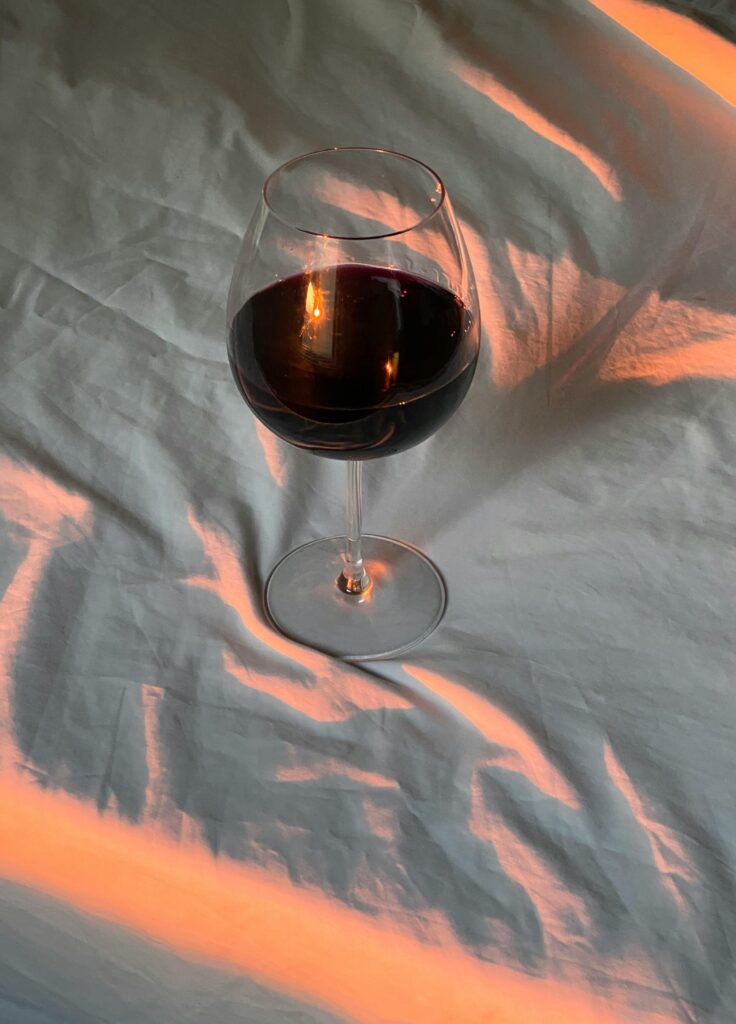
Most people have not heard of the Zweigelt grape, where it comes from , what it taste like or where it gets it’s name, which I find fun to say. Zweigelt was discovered in 1922 by a well known Austrian entomologist and phytologist named Friedrich Zweigelt. He crossed the Blaufränkisch variety and St. Laurent variety to create the Austrian hybrid Zweigelt. The grape is also known as Rotburger, Zweigeltrebe, and Blauer Zweigelt. Austria is the leader principal group, followed by the Czech Republic and Slovenia. In recent years it is having great success in Ontario’s Niagara Peninsula and in British Columbia and starting to appear in the USA such as Washington State and New York. It is an easy to grow grape, very fertile therefore to produce quality wines it requires intensive leaf work and yield management. The grape does very well in cool climates. Advantages are that it’s late budding and ripens early, avoiding any weather hazards in both spring frost and autumn rainfall. It is also robust, highly resistant to dryness and various vine diseases. It’s a cool climate viticulturist dream! Zum Supp Martin Zweigelt 2014 made by Martinshof Winery in Weinviertel, Austria, is named after a famous wine tavern in Vienna, owned and operated by Michael Martin’s ( the winemaker) family for generations. Michael Martin is known as an innovator, a risk taker. The packaging alone tells you something – it’s bottled in a retro style 1 liter bottle, sealed with a crown cap closure instead of a cork or screw cap. A crown cap is generally used for “method ancestral” champagne, cider or beer. The wine is a bright light ruby color, light in body, low in tannin, medium alcohol, crisp acidity. It’s bright, tart fruit forward red berry appeal, typical of Zweigelt, perfumed and spicy makes it a perfect picnic or cookout wine. Flavors of sour red cherry, raspberry, black pepper, licorice, cinnamon, hint of chocolate and violet are just lovely. It’s crips, clean and thirst quenching. In general the wines are meant to be enjoyed relatively young however it can also stand up to some barrel aging maturation. It has to be well chilled, at least an hour before opening. Pair this wine with grilled sausages, fried chicken, burgers, grilled white fish or chicken, macaroni or potato salad or chilled on it’s own. It’s a crowd pleasing quaffer – you won’t be disappointed.