
Kopke 20 Year Old Tawny Port
What better way to cap off a stellar meal – Kopke 20 year old Tawny Port. What is Port exactly? It is a fortified red wine ( most common, there are also white and rosé Port) made in Porto, Portugal. It can only be called Porto if it is made in Porto DO – similar to the law Champagne can only be called Champagne if it is made in Champagne AOC, France. Port is made from Portuguese indigenous grapes, mainly Touriga National, Touriga Franca, Tina Roriz, Tinta Barroca and Tina Cao and a host of other local varieties. Port can be made in different styles, such as red, white, rosé or tawny. This article will focus on the red and tawny ports. Red or Ruby Port is a basic red port with sweet, berry flavors, chocolate and spice, best drunk young. LBV or Late Bottle Vintage is a read to drink single vintage Port. Tawny colored Port is a barrel aged Port that gets better with age, ranging from 10, 20 or 30 years. Flavors range caramel, nut, graphite, butterscotch, graham cracker. Vintage Port is a single Vintage Port that is only declared in the best years. Aromas of toffee, chocolate, caramel, roasted walnuts, prunes, raisins, dried figs, orange peel, vanilla. On the palate pronounced flavors of toffee, chocolate, caramel, roasted walnuts, prunes, butterscotch, raisins, dried figs, orange peel, lemon peel, vanilla, anise – silky smooth. I could go on and on about this port, just like the length of this outstanding wine. Paired with a wedge of blue cheese, such as Stilton and walnuts; also great with Gorgonzola, chocolate and caramel desserts, smoked and salty nuts. Serve Port at room temperature, about 60F.
Happy Grenache Day
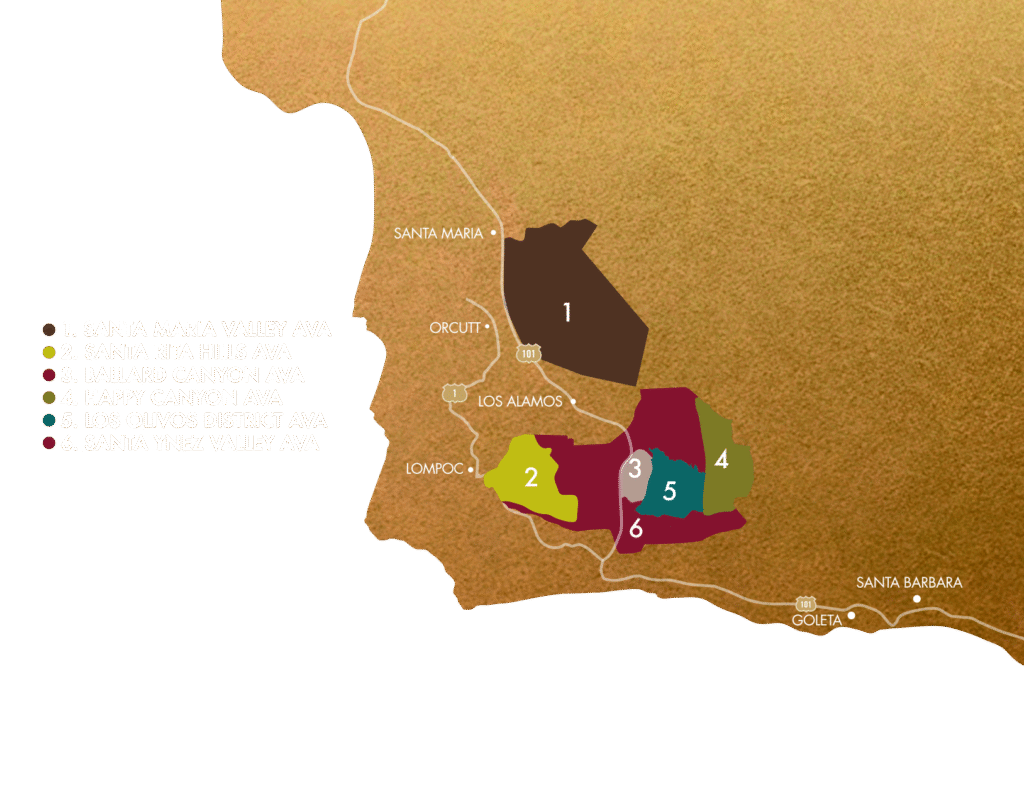
Santa Barbara County, California is the longest valley that runs East to West (not North to South). It is located in between 2 large mountain ranges – Santa Ynez Mountain range and San Rafael range with elevations ranging from 200-3,400feet. This creates microclimates, soil types and hilly terrains which are ideal conditions for world-class cool climate wines such as Pinot Noir and Chardonnay). Soil types range from calcareous limestone (maintains acidity), diatomaceous earth (concentrated wines), sandy (fruity styles), and clay loam (retains moisture). Cool winds and fog blow in from the western Pacific Ocean providing cooling effects to extend the growing season. This creates elegant, lighter style wines than typical California styles. The region has 6 AVAs (see below map) – Santa Ynez Valley is an overlying AVA which is broken down into four sub-AVAs (West to East): Sta. Rita Hills, Ballard Canyon, Los Olivos District, and Happy Canyon. Pinot Noir, Chardonnay, Syrah and Pinot Gris. Lumen Santa Barbara County Grenache 2014 is 100% Grenache from Northern Santa Barbara County, Martin Vineyard and Camp 4 Vineyard. Lumen Wines was established by Will Henry and Lane Tanner in 2012 through a desire to create cool climate wines. Their hands on approach as well quality winemaking creates world class, balanced, lively wines. The grapes were fermented in an open top tank, hand pushed down with extended cold soaking, aged in neutral French and Hungarian oak. The wine has aromas of intense cranberry, blueberry, cinnamon and earth. The palate is dry, medium bodied, acidity and tannins; flavors of cranberry, blueberry, cherry, raspberry, cinnamon, rose petals, chalky, allspice, vanilla and brown sugar. It has a lively energy to it, smooth and elegant. At 14.15%abv you wouldn’t know it, ergo it is incredibly balanced. Pairs well with roast pork with coriander garlic rub, grilled Moroccan spiced steak tips, pan seared chicken cutlets, mushroom crostini, lentil vegetable stew. My video review of this wine is available on Instagram: Lumen Grenache 2014 Image courtesy of Santa Barbara Wine Country
Gérard Bertrand Cote Des Roses
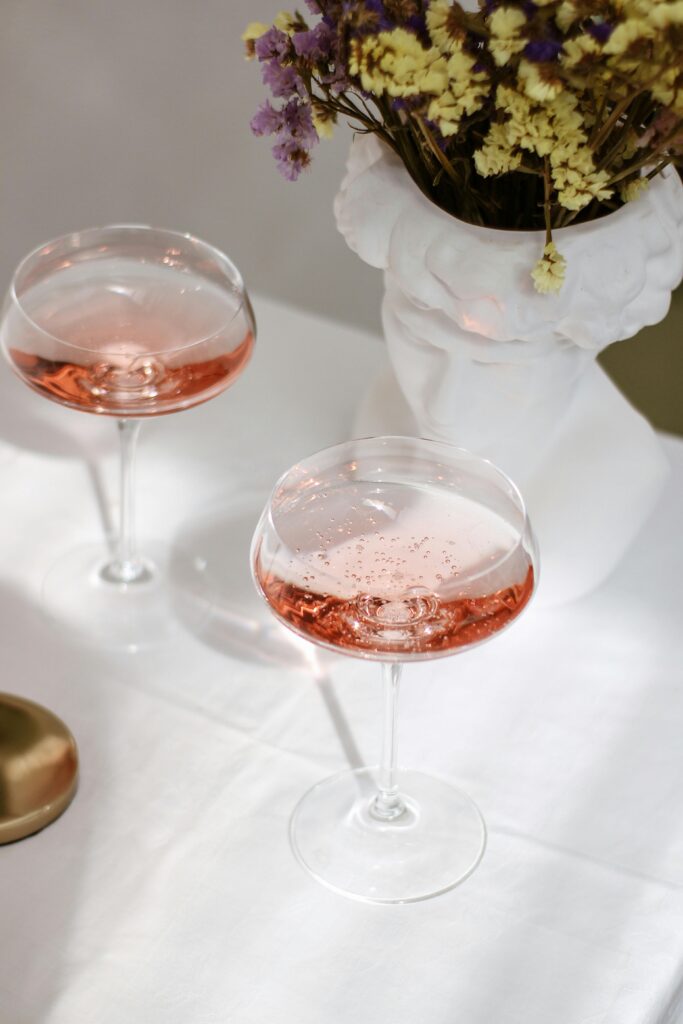
Beach + Gerard Bertrand Cote des Roses + Friends at social distance of course = good times For those who aren’t aware, Gérard Bertrand is known as the “King of Languedoc” wines. He not only grew up amongst the vineyards of Languedoc, he creates wines that have their own unique identity to each vineyard. His motto is for each wine to be a true representation of the terroir, grape and vineyard. This particular wine is grown different regions of Languedoc. The area is hot and sunny in the summer, with close proximity to the Mediterranean Sea and the Pyranees mountains, which is ideal for grape ripening and acidity retention. This wine is a blend of Grenache, Syrah and Cinsault. The grapes are mechanically harvested at different times in order to reach optimal maturity for each variety. They undergo short maceration on the skins (15-30 days), protected from oxidation, to create this lovely light pink color full of red fruit aromas and flavors. The bottle is original with its base in the shape of a rose, created by a young designer from the Ecole Boulle. The wine has aromas of red berries, minerals and freshness. It has a lively medium high acidity, flavors of strawberry, ripe cherry, grapefruit, cassis, grapefruit, lemon peel, white blossom, minerals and pepper. Perfect quaffer on a hot evening. Perfect with goat cheese, melon & prosciutto, grilling chicken with garlic/basil aioli, lobster BLT’s on toasted brioche buns, red curry of shrimp with fluffy jasmine rice.
Historical Sella & Mosca Cannonau Di Sardegna
Cannonau di Sardegna DOC is red wine made on the island of Sardinia. The DOC region covers the entire island of Sardenia. The island is located off of the west coast of Italy and is the 2nd largest Mediterranean island. The island has belonged to many different empires over time which is evident in their architecture, languages and grape varieties. The climate is hot, dry, coastal influences and mountainous terrain of granite, schist, sandstone and limestone soils all make it a hidden gem in terms of winemaking. Cannonau is the Italian term for Grenache or Garnacha. It is the most planted red varietal, Vermentino (Rolle) being the most planted white varietal. Similar to Tuscany, it has both plantings of indigenous and international varietals except instead of planting Sangiovese, Montepulciano, Barbera, Trebbian) it has Grenache/Cannonau, Carignan/Carinena and Vermentino/Rolle, and Cabernet Sauvignon. In terms of industry winemaking is rather small percentage in Sardinia. Therefore there are a handful of producers are creating high-quality wines, which are gaining popularity & momentum globally. The majority of Sardinian DOC vineyards are located on the western side of the island. In order to be classified as Cannonau di Sardegna DOC Riserva, the wine must be a minimum of 13% abv, aged for at least two years before release to the market, which includes 6 months of oak (or chestnut) barrel aging. Sella&Mosca formed the winery over a century ago with a mutal love of the region. The estate is run by the 5th generation. They make premium wines are made exclusively indigenous varieties such as Vermentino, Torbato, and Cannonau as well as Cabernet Sauvignon. The average age of the vines for this wine is 18 years. The grapes are harvested in late autumn and undergo fermentation on the skins in stainless steel vats a controlled temperature between 64-82°F. This wine, Sella & Mosca Cannonau di Sardegna 2017 vibrant wine, smooth tannins, full of tart cherry, raspberry, smoke, tobacco, violets, tomato leaf and pepper. Pair with smoked pancetta & tomato pappardelle, grilled vegetables, pork rib ragu or sheep’s milk cheese. Oh so heavenly!
Incredibly Complex & Unique Assyrtiko
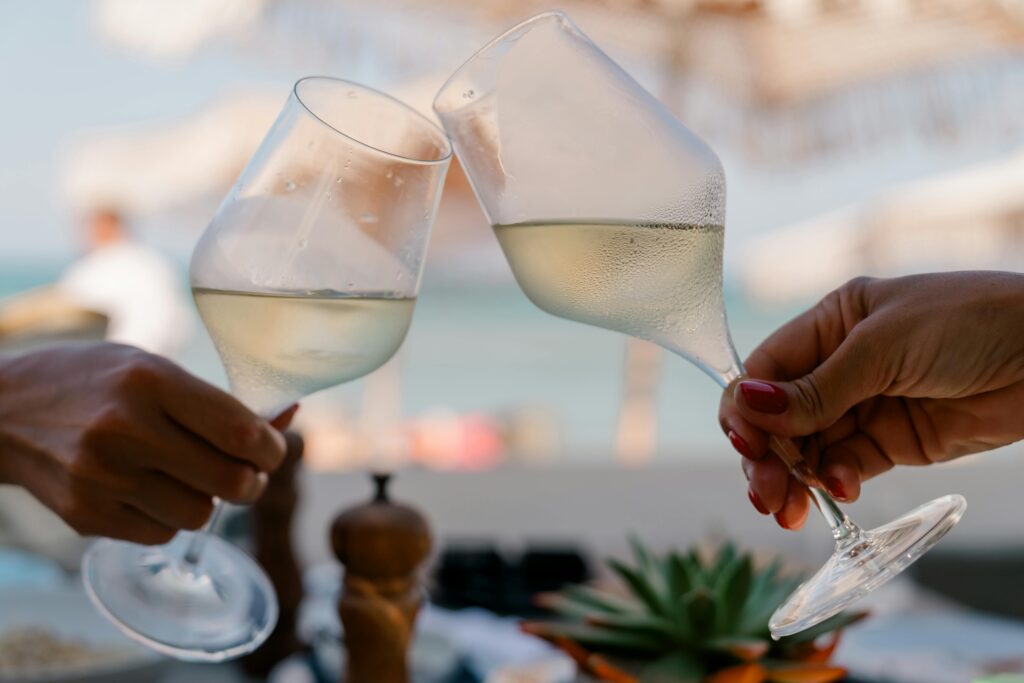
Most people have not heard of Assyrtiko varietal. It is an indigenous grape to Santorini, Greece. It is predominately planted in Greece but is also planted in small amounts Australia and Lebanon. The island is made up of dark volcanic rock, which contributes to the mineral flavors of the wine. The island of Santorini is extremely windy, hot and dry, arid climatic conditions. The vines are trained in a spiral formation, birds nest looking form called Kouloura. The shape protects the grapes from the harsh winds as well as the arid, hot island sun. Hand harvesting, dry farming (which means the water comes from the natural humidity and the sea mist which is absorbed by the volcanic soil, providing the necessary hydration) and low yields. These vines are approximately 40 to 60 years old. The lower yielding vines, climate and altitude contribute to both complexity, acidity and richness of the grape. Some wines can be barrel aged and will age beautifully. Greek Wine Cellars was founded in 1895, formerly known as Kourtaki Wines. It is one of the largest wine producers in Greece. It is made up of several brands; Kourtaki as well as Apelia, Calliga and Kouros. The company is currently run by the third generation of the Kourtaki family. Assyrtiko’s ripeness while maintaining high acidity. The wine is light in color with greenish tints. On the palate it has freshness and a zesty, vibrant and bright acidity. It has flavors of grass, gooseberry, leaf, lime, wet stone and lanolin. Fish and seafood – oysters with champagne vinaigrette, fried calamari, steamed crab, lemon sole, grilled shrimp and scampi and traditional rice, tomatoe & feta vegetarian casseroles. Best served chilled 8°-12° (46°-50° F).
Sleight of Hand The Illusionist 2015
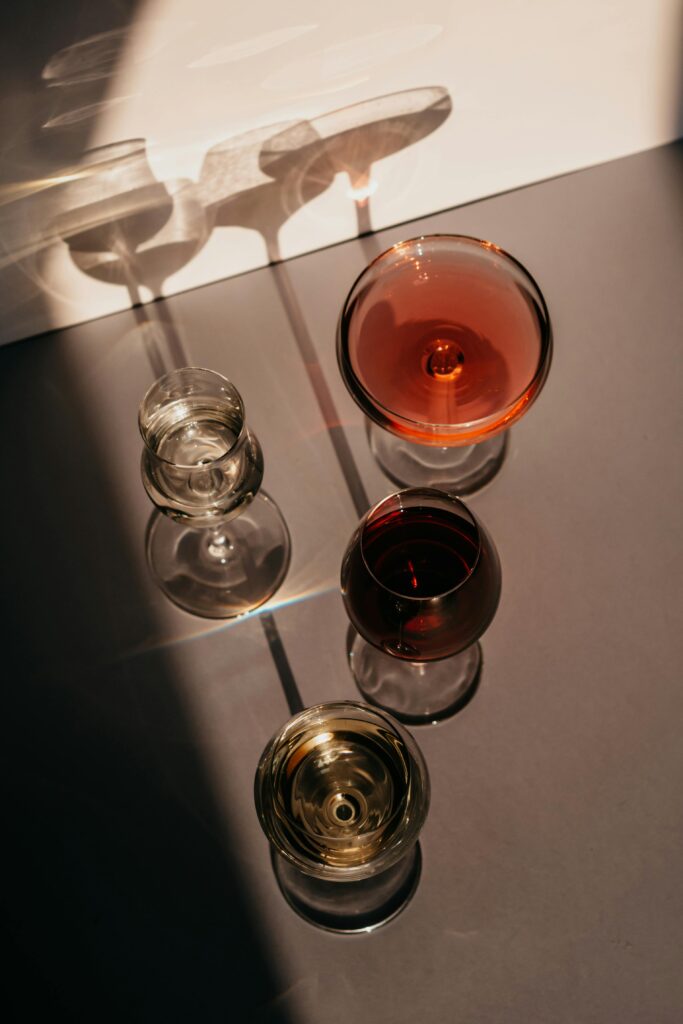
Wines from Sleight of Hand Cellars are a cult following and rightly so. Sleight of Hand Cellars is located in Columbia Valley, Washington State. Most the vines in Columbia Valley were planted in the 1970s but the AVA was established in 1984. It is located on the eastern side of Washington State and a small part of Oregon. Washington State is the second largest wine producer in the country, California being number one. The region contains 50,316 acres of vineyards representing 99% of Washington wine country, making it just a touch bigger than Napa Valley. Columbia Valley has 12 sub-regions including the well-known Walla Walla Valley, Horse Heaven Hills, Red Mountain, and Yakima Valley. If you’re into bold, fruit-forward red wines and good values = Columbia Valley AVA. The state has a long growing season, arid climate, water supply from the snowmelt of the Cascade Mountains and Columbia River and mineral rich soils all equating to ideal grape growing conditions. The Sleight of Hand Cellars was founded in 2007 when Terry Bush joined Jerry & Sandy Soloman on a winelovers dream adventure. They combine fun with world class, exquisites wines. They love great wines and music, which is reflected throughout the winery. The tasting rooms are decorated with over 2,000 albums, turntables are spinning vinyl of all types of music while you sample their phenomenal wines. Their unique recipe of great wine and music creates an amazing experience for their visitors. In addition, their no fuss, no muss, let the varietal and terroir shine is evident in their wines. The Illusionist is a blend of 85% Cabernet Sauvignon, 10% Cabernet Franc and 5% Petit Verdot, a Bordeaux Blend. The grapes are from the renowned regions of Walla Walla, Horse Heaven Hills and Red Mountain. The wine is aged for 20 months in 65% new French oak. The wine is a full bodied, complex with smooth tannins, pronounced flavors of tobacco leaf, leather, spice box, black cherry, blackberry, red plum, bramble, herbs de Provence, currant and vanilla. The finish is long and incredibly complex. This wine begs to be paired with a grilled rib-eye steak, prime rib, beef stew with mushrooms and bacon, bison burger or decadent chocolate truffles. My video review of this wine is available on Instagram SOH The Illusionist 2015
Ameztoi Txakolina Rubentis Rosado
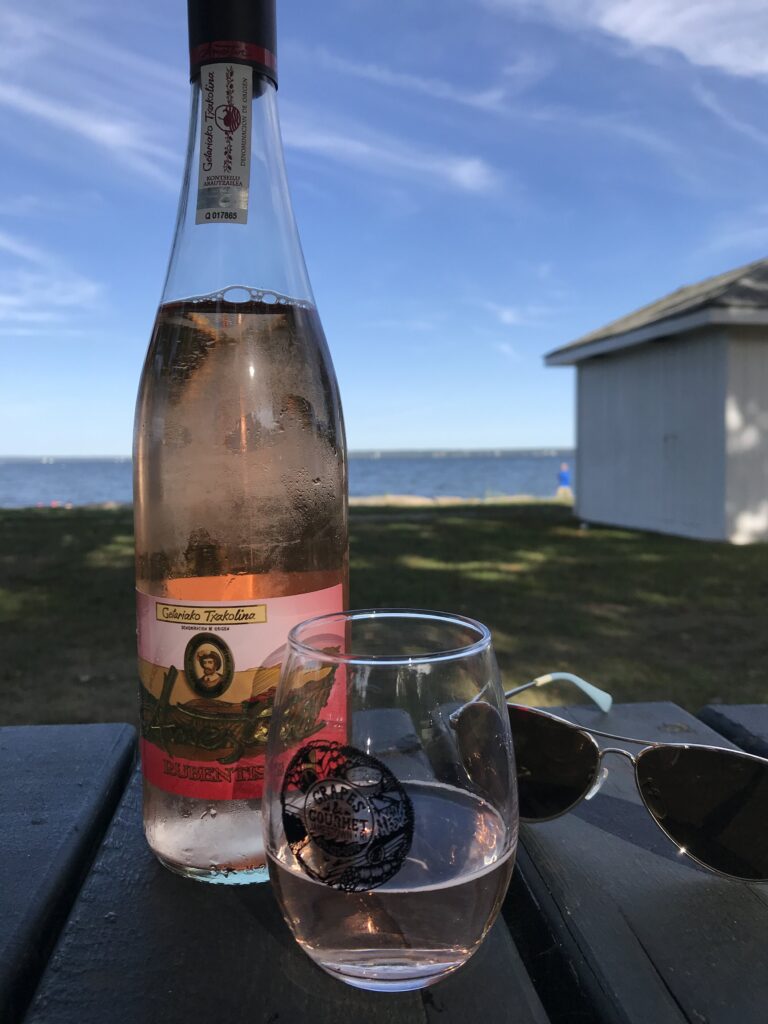
Ameztoi Txakolina Rubentis Rosado 2019 is from the Getariako Txakolina DO in Northern Spain. It is located in the Basque Country just east of San Sebastien and 18km from the France border. The rocky region has the Pyrenees Mountains to the East and the Atlantic Coast in the north. The region is the smallest but most important of 3 wine making regions, the other 2 being Arabako Txakolina and Bizkaiko Txakolina. The region is very hilly, moderated by the coastal influences from the Atlantic and wind protection from the Pyrenees. Ameztoi is an important producer in the small winemaking region. They are a 5th generation producer that keeps with tradition but is also innovative winemaking estate. The wine is made sustainability, with natural yeasts present in the winery and tanks, in a closed stainless steel tank to retain a slight carbonation in the wine which is typical of this regional style. The grapes are indigenous to the region. The wine is a the blend of 50% each of Hondurabbi Zuri and Hondurabbi Beltza. The Hondurabbi Beltza was planted in 1840 and provided complexity and richness to the blend. This is the first rosé style of the wine in this region. The red (Hondurabbi Beltza) and white (Hondurabbi Zuri) grapes are co-fermented for 3 weeks, creating a slight effervescence, low alcohol and zingy acidity wine. Txakolina Rubentis Rosado is a lovely pale pink color, has tart acidity, fresh strawberry, rose petals, saline, wet stone and chalk. It has a slight effervescence, low alcohol, with flavors os strawberry, pink grapefruit, grapes, gooseberry, minerals, saline and chalk. What a treat this wine is – a pure summer, beach accompaniment. Paired with a Sofia goat cheese and grilled vegetables, charcuterie. My video review of this wine is available on Instagram Ameztoi Txakolina Rubentis 2019
Paco & Lola Albariño – The Polka Dot Wine
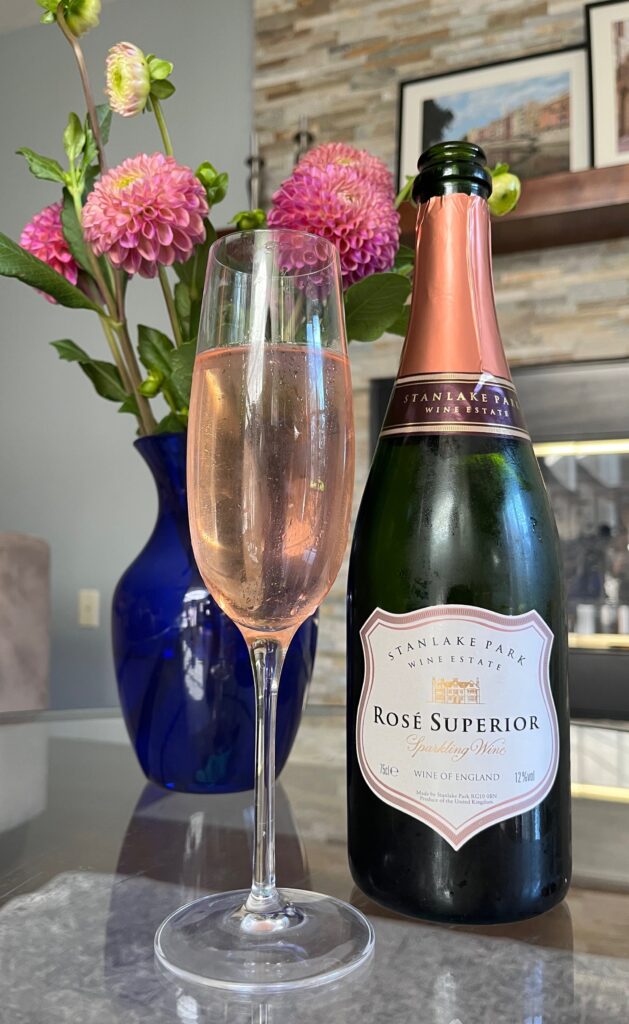
The Albarino grape is native to Galicia on the North Atlantic coast of Spain and is a key grape variety in the Rías Baixas DO region. This wine is grown in the subregion of Val do Salnés in Rias Baixas. The grape is also grown in north west Portugal, called Alvarinho, Uruguay and California. The wines are typically citrus forward, peach, saline and mineral characters with a lip smacking acidity. It can be either a light or full bodied wine depending on winemaking techniques – use of oak or lees ageing to add texture and richness. Adega e Viñedos Paco & Lola is a young, modern winery committed to a fresh way of making and experiencing wine. Known around the world for our sophisticatedly fun image, WE ARE THE POLKA-DOT WINE. Founded in 2005, the team is a leader of sustainable winegrowing – minimize use of chemicals in order to protect the environment. In addition, they use emparrado, a form of trellising the vines horizontally using granite posts for support. This method ensures optimal ripening conditions by maximizing sunlight while simultaneously keeping the vines away from ground humidity and facilitating airflow. The vines are planted in in sandy, loam and granite soils that are slightly acidic. The vines are relatively young and picked at optimal acidity and ripeness to create a fresh, lively wine. Fermentation is done in stainless steel at 16-18°C for 21 days. Pale yellow color with green tinge. The wine has a medium-high, citric notes (grapefruit and lime), and white flowers, acacia and orange blossom, with a sweet tropical background, intense aroma of lychees. Flavors of lemon peel, lychees, almonds, pineapple, lime, saline, acacia, orange blossom, tangerine and pear all held together in a brisk, crisp acidity. Perfect with shellfish, oysters, sushi, grilled lobster tails with butter, scampi with beurre blanc sauce or halibut with browned butter, lobster roll, grilled lemon shrimp, crab cakes, mussels, scallop ceviche, fried calamari, semi hard cheese – manchego, gouda or feta cheese.
Dark Chocolates Best Friend – Banyuls fortified wine
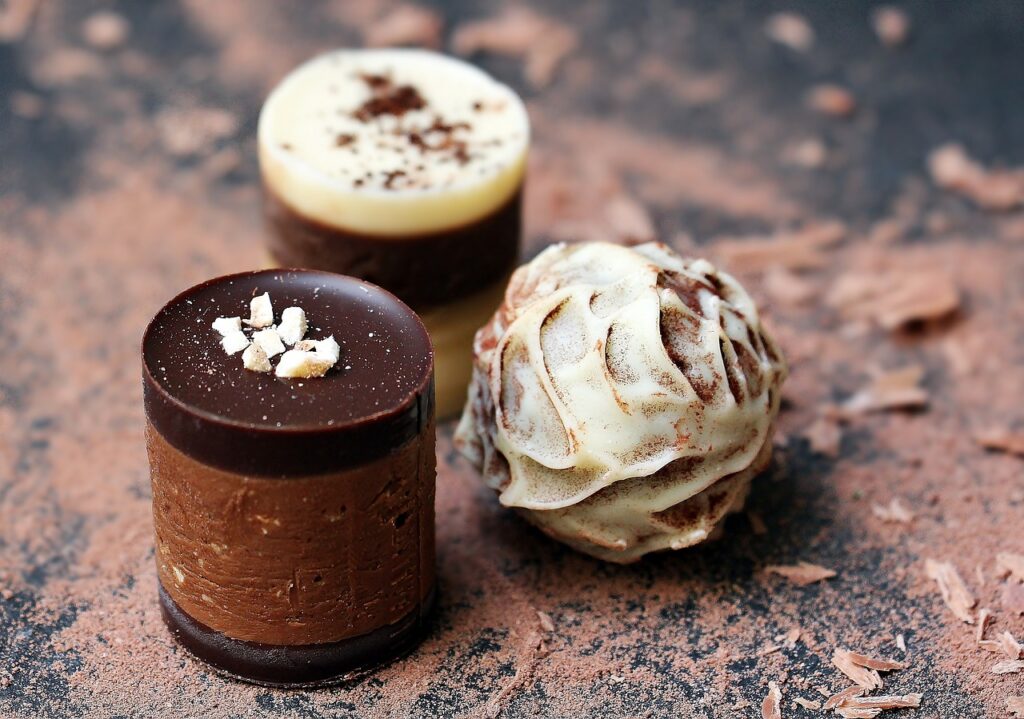
What is Banyuls? Banyuls is a fortified dessert wine (Vin Doux Naturel) made primarily of Grenache and/or Grenache Blanc. Grenache Noir is the most common variety in Banyuls and has to be 50% of the blend for red Banyuls (75% for the Grand Cru wines). Grenache Gris, Grenache Blanc, Mourvèdre, Carignan, Macabeu, Muscat and Malvoisie can also be used. Generally the vines are old vines, grown on terraced slopes in the communes of the Côte Vermeille in the Languedoc-Roussillon AOC in the South of France that joins Spain. The AOC is divided into sub-regions: Banyuls, Collioure, Cerberus, Port-Vendres. The different wines produced in the region are as follows: Banyuls Blanc, Traditional, Rimage, Grand Cru and Rimage- Mise Tardive. The Banyuls-producing vineyards are sun-baked, terraced vineyards. Strong Tramontane winds, hot Mediterranean sun and relatively low rainfall all contribute to the intensity of the wines. Banyuls wines are made from grapes that are harvested in the early October in order to have a higher ripeness and sweetness levels. The reds are partially fermented as whole berries for a long maceration period of 3 to 6 weeks till the must reaches 5-10% abv. A neutral spirit is added to the must to stop fermentation, a process called outage. The naturally high levels of grape sugars and fortification of a neutral spirit produces a final alcohol level of minimum 15% abv. Port is made in a similar way. The wines are then matured in oak barrels, or outside in glass bottles (Demijohns) exposed to the sun. Post-mutage allows for color and tannin extraction. All Banyuls wines are barrel aged for at least 12 months – 30 months in the case of the Banyuls Grand Cru wines. Vincent Carié established Domaine La Tour Vielle in 1982 in the heart of Collioure. The vineyards are carved into the side of the Côte Vermeille mountain with steep terraces throughout. The schists soils are some of the oldest in Europe. The slopes are very steep and are hand harvested due to the terraced formation thus maintain the deep tradition and heritage of the region. The vines are goblet shaped which provides natural shade to the berries in the hot, windy Mediterranean climate. The vineyard makes still white, red, rosé in Collioure AOC and fortified desert wines in Banyuls AOC. The Rimage wine is only made in the best years, long maceration, rich complexity and is fortified. The wine is meant to preserve the fruit and freshness and is bottled 6 to 12 months after harvest then aged. Domaine La Tour Vielle Banyuls Rimage has fllavors of stewed strawberries, baked prunes, dark chocolate, mint and earth. It is very sweet, full bodied, medium to high tannins and medium acidity. Perfect pairing for dark chocolate – truffles, chocolate mousse tart or double chocolate cupcakes. Savory foods as well such as blue cheese, goat cheese, poached pears with caramel, foie gras, seared duck breast with cherries.
Lolo – Fun & Lively Albariño
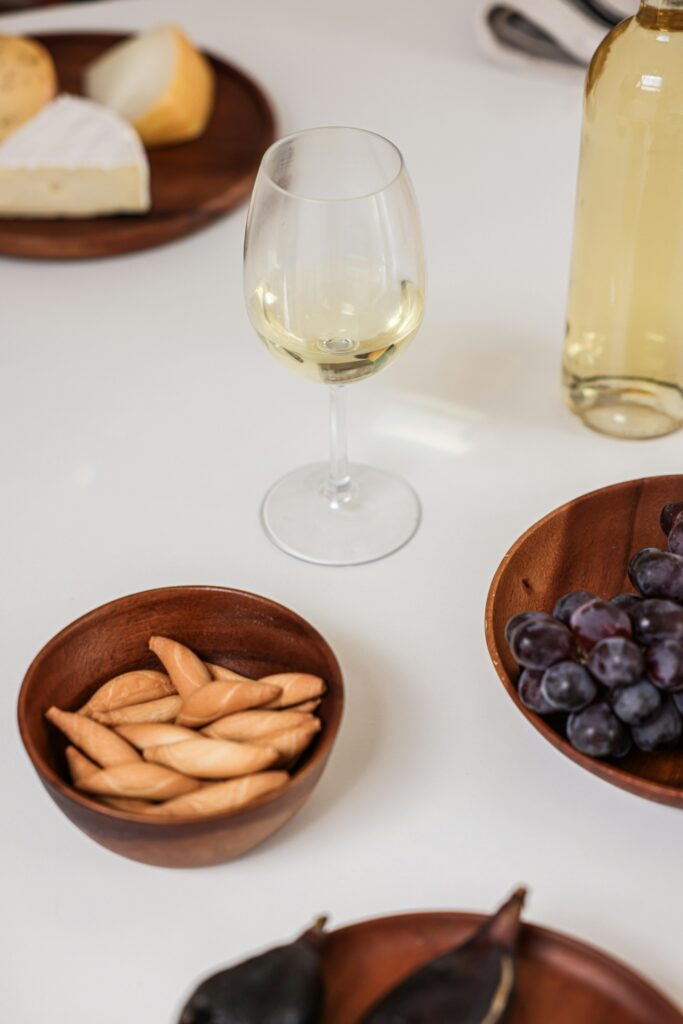
The Albarino grape is native to Galicia on the North Atlantic coast of Spain and is a key grape variety in the Rías Baixas DO region. This wine is grown in the subregion of Val do Salnés in Rias Baixas. The grape is also grown in north west Portugal, called Alvarinho, Uruguay and California. The wines are typically citrus forward, peach, saline and mineral characters with a lip smacking acidity. It can be either a light or full bodied wine depending on winemaking techniques – use of oak or lees ageing to add texture and richness. Adega e Viñedos Paco & Lola is a young, modern winery committed to a fresh way of making and experiencing wine. Known around the world for our sophisticatedly fun image, WE ARE THE POLKA-DOT WINE. Founded in 2005, the team is a leader of sustainable winegrowing – minimize use of chemicals in order to protect the environment. In addition, they use emparrado, a form of trellising the vines horizontally using granite posts for support. This method ensures optimal ripening conditions by maximizing sunlight while simultaneously keeping the vines away from ground humidity and facilitating airflow. The vines are planted in in sandy, loam and granite soils that are slightly acidic. The vines are relatively young and picked at optimal acidity and ripeness to create a fresh, lively wine. Fermentation is done in stainless steel at 16-18°C for 21 days. Pale yellow color with green tinge. The wine has a medium-high, citric notes (grapefruit and lime), green apple and white blossom. Flavors of lemon peel, almonds, pineapple, lime, saline, acacia, tangerine and pear all held together in a brisk, crisp acidity. Perfect with shellfish, oysters, sushi, grilled lobster tails with butter, scampi with beurre blanc sauce or halibut with browned butter, lobster roll, grilled lemon shrimp, crab cakes, mussels, scallop ceviche, fried calamari, semi hard cheese – manchego, gouda or feta cheese.