Hospices de Beaune & Beyond

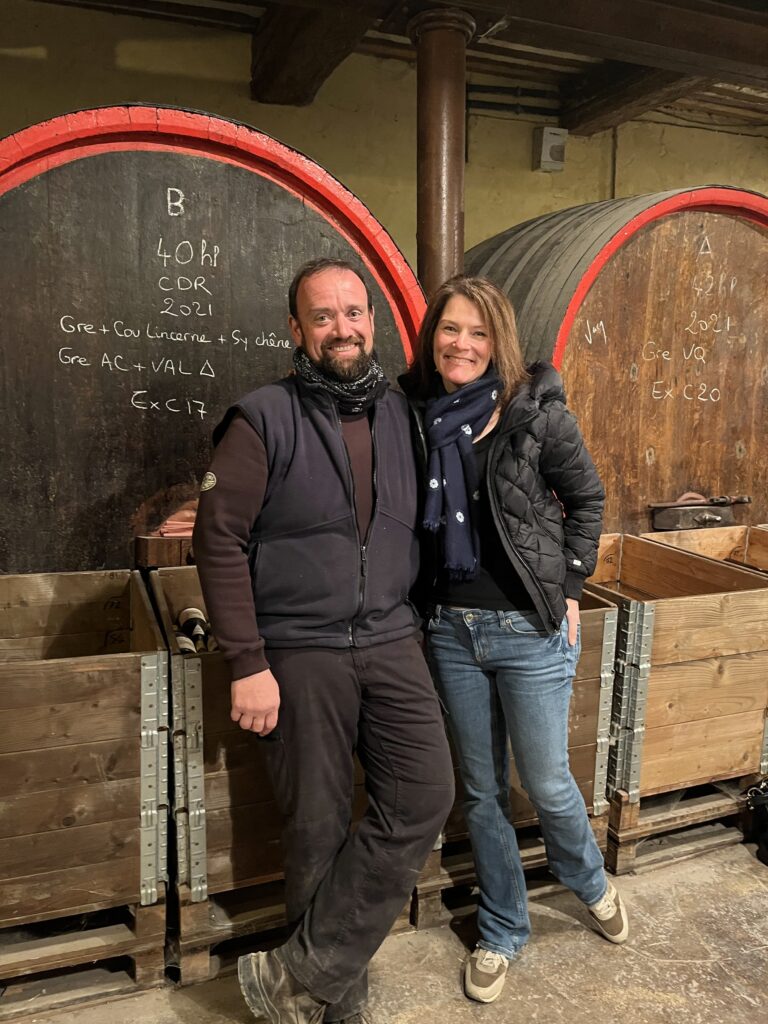
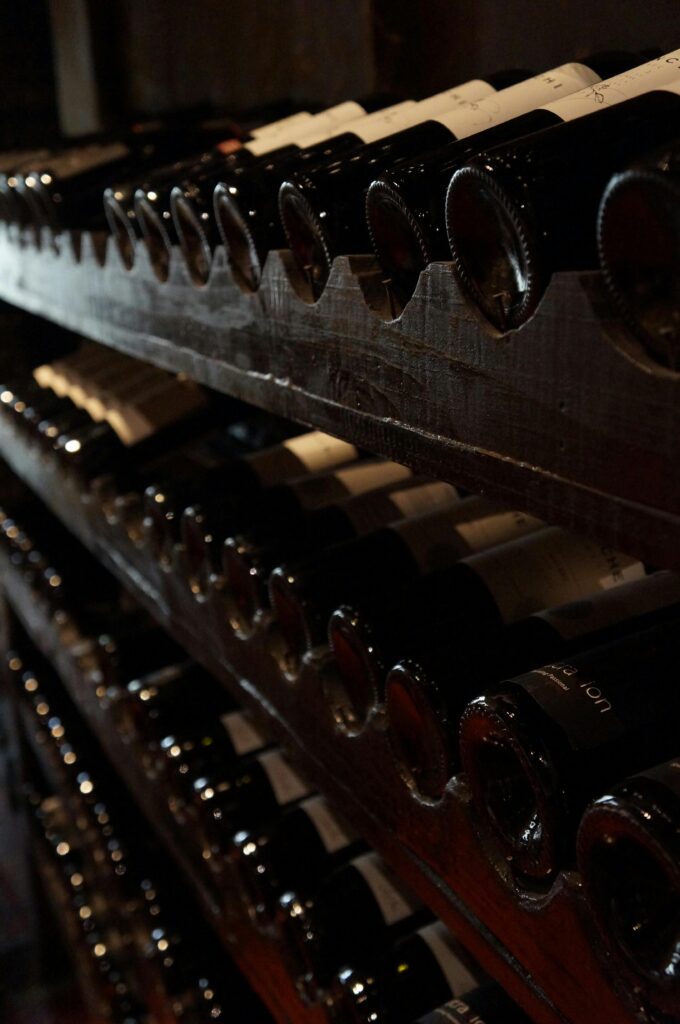
What is better, the anticipation of the unknown OR the moment of discovery of the actual surprise…. There are few wine experiences that have left me moved. An unexpected winery visit led to a magical experience. Hospices de Beaune was established as a «wine hospital», and today has five centuries of wine heritage behind its name. The story begins in 1433 following the 100 years war. Nicolas Rolin, the Chancellor of Burgundy, wanted to build a hospital for the poor and oppressed, inspired by the great gods of Flanders and Paris. Thanks to his extensive knowledge, he began the construction of the Hospices de Beaune, a masterpiece that will become one of the most prestigious historical monuments in Burgundy. In 1457, Jean Guillotte le Verrier made the first donation of vines to the Hôtel-Dieu: it was a way for patients and families to thank the hospital, to ensure its financial endurance as well as the longevity of the family name, a custom that continues today. Prestigious vintages often have the name of the family that donated the plots. These plots now comprise 60 hectares, 85% of which are classified as first and grand crus, with the remaining 15% classified as village appellation. Note that 1.4% of the wines produced are Grands Crus, 10.2% Premiers Crus and 37.3% Appellations Villages and 51.1% Appellations Régionales. The majority of the 50 hectares of Pinot Noir include the appellations Beaune, Pommard, Volnay, Corton, Savigny, Auxey-Duresses, Santenay, Pernand-Vergelesses, Echezeaux, Mazis-Chambertin, Clos de La Roche. The remaining 10 hectares of Chardonnay are planted in Chablis, Meursault, Pouilly-Fuissé, Corton Charlemagne and Puligny-Montrachet and Bâtard-Montrachet. One of the aspects that make the wines of the Domaine des Hospices so exciting and sought after, beyond their prestigious locations and their small yields, is the fact that they are only available at a large charity auction held on the third Sunday of November since 1859. The proceeds from the sale helped improve the hospital’s equipment and preserve the Hôtel Dieu. Fast forward to this beautiful day of walking in the cobbled streets of Beaune: my dear friend Nathalie, guided me to a hidden corner nestled in a pedestrian square between cafes and shops. We crossed a narrow entrance to be greeted by three smiling faces…. And it took me a while to realize where I was and who I was meeting, and to realize the magnitude of the moment as a woman passionate about wine. So I had the pleasure of meeting Ludivine, Matthieu and Frederic. Ludivine is the estate manager and also the first female winemaker of the Hospice in 160 years of its history. The role of Matthieu and Frédéric (Romane & Clément) will be explained in the second part of this series. Ludivine is therefore involved daily in the supervision of the 117 different plots and in the coordination of the activities and efforts of the 23 salaried winegrowers to create 51 unique vintages (33 red and 18 white). Each winemaker maintains small plots of about 2.5 hectares, following sustainable and organic practices important for the Hospice de Beaune. Its goal is to create in each bottle an expression of the uniqueness of each climate & terroir. It is a complex network of blending of different terroirs within the same appellation that maintains the unique identity of the Domaine des Hospices de Beaune wines. The underground cellar is located under the historic Château de Beaune, with a unique collection of over 2000 bottles of 19th century wines. The high-tech winery began in 2015: the grapes are transferred by gravity, pressing and fermentation take place, and aging is expertly mastered so that the wines reach the required taste, structure and flavor. Domaine des Hospices de Beaune et Romane & Clément are two different entities with common elements – the people and the vines. Their strategy is simple – to produce wines from the most beautiful terroirs in the region. The story continues with Romane & Clément… The story continues from the previous article about the Hospices de Beaune. Domaine des Hospices de Beaune et Romane & Clément are two different entities with common elements – people and vines. Their strategy is simple – to produce wines from the most beautiful terroirs in the region. Romane & Clément buys grapes from the winemakers of the Hospices de Beaune to produce wines intended for the exclusive restaurants and to be one of the most beautiful wine specialty shops in France. It is crucial for Matthieu, as a Burgundian and a winemaker, to keep our feet on the ground and connect to the ancestral connection of the region. This connection is ever present in your blood and soul. Seeing the wine evolve from one year to the next is a sensation that is truly extraordinary, a carnal emotion. The role of winemaking is shared by Matthieu and Ludivine. Frédéric is responsible for operations. The underground cellar of the Hospices de Beaune also serves as a natural place for the storage of Romane & Clément wines. We were escorted by Matthieu to the place where the barrels work their magic, for a taste of 5 different vintages. Like a newborn, each wine is treated with delicacy, attention, rigor, wonder, solemnity. As mentioned, these wines are produced in small batches, and Matthieu explains each vintage, the terroir and the winemaking techniques for each cuvée. In short, they produce wines from their own vineyards as well as from the vineyards he oversees and bought their grapes. We discussed terroirs, winemaking techniques, aging processes, and the unique characteristics. personality of each wine and the personalized care given to each wine. Here is our unforgettable tasting of Romane & Clément: Nuits-Saint-Georges 1er Cru 2020 – bottle 41/444 Beaune Premier Cru Clos des Mouches 2021 – bottle 2/209 Gevrey-Chambertin Les Champonnets 2020 – bottle 183/285 Nuits-Saint-Georges 1er Cru Les Cailles 2019 – bottle 309/429 Corton Renardes Grand Cru 2019 – bottle 5/288 I could provide tasting notes, taste, sensations, beauty of wines. Honestly, the most striking
The Natural Elements of JB Jessiaume

The movement of nature, energy and music impacts us as humans as it does equally wine, what matters is being in tune with the land – Jean-Baptiste Jessiaume Immerse yourself in the rich tapestry of seven generations of Jessiaume winemakers, their roots deeply intertwined with the soul of Santenay, France. In 1830, their journey began with the purchase of land from the Marquis of Saint-Innoncent,setting the stage for a remarkable lineage built on passion and respect for the terroir. Fast forward to 2012, and a new chapter unfolds. Jean-Baptiste, along with his father Marc and uncle, take over the Domaine Chanzy. By 2022, driven by an unwavering pursuit of excellence, they embark on a fresh venture, establishing Jean-Baptiste Jessiaume. But the Jessiaume legacy extends beyond vineyards and vintages. The La Cloche Jessiaume church bell and cross adorning their labels serve as constant reminders of their family’s deep connection to the region. Today, Jean-Baptiste cultivates 12.5 hectares of land across Pommard, Saint-Aubin, Beaune, Saint-Romain, and Bourgogne Hautes-Côtes de Beaune. Notably, 60% of these vines are dedicated to white grapes, nurtured on a symphony of soils – limestone, clay, and gravel. This diversity forms the very essence of Jean-Baptiste Jessiaume wines, imbuing them with a captivating complexity and character. Minimal intervention is the guiding principle here. Hand-harvested grapes undergo whole-cluster fermentation in small batches, nurtured by native yeasts. Time gracefully unfolds its magic in oak barrels for up to 18 months, allowing the wines to reach their full potential. But the magic of Jean-Baptiste Jessiaume goes beyond the tangible. Here, music, the earth’s natural rhythm, and the enigmatic terroir intertwine. Marc, and now Jean-Baptiste, employ a frequency rod to transmit energy throughout the barrel rooms, harmonizing with the moon’s cycle. This dance of energy, meticulously timed for both white and red wines, is believed to nurture the wines, removing negativity and ensuring a harmonious development. Adding to the symphony of the senses, La Petite Lune by Mozart serenades the aging process, maintaining a consistent rhythm during fermentation. Witnessing this unique approach firsthand is a truly mesmerizing experience. The result? Wines renowned for their elegance, balance, and the purest expression of fruit. Each sip is an invitation to explore the depths of Jean-Baptiste Jessiaume’s artistry. We had the privilege of savoring three exceptional expressions: Santenay Sous La Roche Village 2021: A symphony of 35-40 year old Chardonnay vines, aged for 18 months.Iodine, grassy lemon, and mineral notes culminate in a saline grapefruit pith finale. Santenay Clos Du Haut Village 2021 Rouge: Crafted from 35-40 year old Pinot Noir vines, minerality takes center stage. Cranberry, pomegranate, violet, minerals, iodine, and wet leaves dance on the palate, finishing with a kiss of freshness and delicate elegance. Santenay Gravières 2021: Hailing from gravel soils, this wine exudes power and elegance. Well-integrated tannins mingle with earthy mint flavors and a hint of wetness, allowing fresh fruit to shine through. Jean-Baptiste Jessiaume is more than just wine; each sip is an invitation to immerse yourself in the heart and soul of Burgundy, where nature’s music and human artistry create an unforgettable symphony of flavor.
Hattingley Rosé 2019

𝒜𝒻𝓉𝑒𝓇 𝒶𝓁𝓁, 𝒽𝒶𝓅𝓅𝒾𝓃𝑒𝓈𝓈 𝒾𝓈 𝒶 𝑔𝑒𝓃𝑒𝓇𝑜𝓊𝓈 𝑔𝓁𝒶𝓈𝓈 𝑜𝒻 𝓅𝒾𝓃𝓀 𝒷𝓊𝒷𝒷𝓁𝓎 🥂 I picked up this lovely @hattingleywines last September’s visit with @abvtastings (see past post). 𝐻𝒶𝓉𝓉𝒾𝓃𝑔𝓁𝑒𝓎 𝑅𝑜𝓈é 𝟤𝟢𝟣𝟫 A blend of Pinot Noir 58% Pinot Meunier 38% fermented in 4 year old Burgundy barrels, Pinot Précoce 4% (vinifiés as a still red to add color and texture) with 2 years sur lie. 🥂Palest of pale rose gold color in the glass amplified by the exuberant bubbles. The fresh aromas of red berries are abundant along with pink grapefruit, herbal tarragon notes, minerals, bread dough and shortbread. The first sip tingles with the anticipation of classic English zingy acidity and creamy mouthfeel. Fresh and festive raspberry, strawberry, pomegranate, cherry and cranberry, pink grapefruit juice, red apple, earthy hay, buttery shortbread and tangy yogurt and pastry cream finish. After all, spring temperatures and an impressive pink fizz brings an extra big smile 💕 Do you have a favorite pink bubbly?
A Visit To Domaine Julien de L’Embisque

𝕎𝕖 𝕓𝕖𝕒𝕣 𝕚𝕟 𝕥𝕙𝕖 𝕗𝕣𝕦𝕚𝕥 𝕠𝕗 𝕠𝕦𝕣 𝕝𝕒𝕓𝕠𝕣 𝕗𝕣𝕠𝕞 𝕘𝕖𝕟𝕖𝕣𝕒𝕥𝕚𝕠𝕟 𝕥𝕠 𝕘𝕖𝕟𝕖𝕣𝕒𝕥𝕚𝕠𝕟, 𝕚𝕟 𝕥𝕙𝕚𝕤 𝕨𝕠𝕣𝕜 𝕨𝕚𝕥𝕙𝕠𝕦𝕥 𝕔𝕠𝕞𝕡𝕝𝕒𝕔𝕖𝕟𝕔𝕪, 𝕥𝕙𝕒𝕥 𝕚𝕤 𝕥𝕙𝕖 𝕨𝕠𝕣𝕜 𝕠𝕗 𝕥𝕙𝕖 𝕖𝕒𝕣𝕥𝕙. – 𝕋𝕙𝕚𝕖𝕣𝕣𝕪 𝔾𝕒ï𝕕𝕖 The warmth of the estate and family is all around, the colorful orchids blooming with happiness, birds and butterflies buzzing in the air, are a few examples. I was welcomed by Evelyne with her hospitality, infectious smile & energy. We toured the entire estate, facilities and enjoyed an extensive tasting of their award winning wines. You are part of the family when you visit, that’s how they are. The Gaïde family of Domaine Julien de L’Embisque, have always been landowners. Beginning in Paulliac the 1800s to Suze la Rousse in the 1970s. Julius, who purchased the initial 4 hectares in Suze La Rousse, Southern Rhône region. He was a man of many talents simultaneously was a blacksmith, electrician, welder and plumber who built his own trailers, stainless steel tanks and underground storage tanks and cellars, all from scratch which are still used today. The estate grew over the years to 55 hectares, handed down from one passionate viticulturist to the next. They graduated from bulk wine production to lower yield, single vineyard production and converted to HVE organic farming in 2009 with Thierry, and his son Fabien, agricultural engineer. The Viognier, Grenache, Syrah and Carignan are planted in soils range from limestone, clay, sand and pebbles. Their estate has lovely walking trails throughout amongst the trails and vines as well as oenotourism for campers. You feel the family warmth all around in their welcoming bright tasting room, the camping facilities and colorful orchids blooming with happiness. I was welcomed her hospitality and energy from Evelyne, Thierry’s wife. You are part of the family when you visit because that’s how they are. Their head sommelier Ludovic walked us through their range of organic wines, so full of energy, sunshine and pure fruit expressions. We tasted: – Rosée Estivale – Délice de Viognier – Harmonie Ô Viognier – Délice de Muscat – Côtes du Rhône Cuvee Plaisir – VinCent Zajou – Côtes du Rhône Village SUZE-LA-ROUSSE – Elégance 2019 I cannot thank the Gaïdes enough for such a memorable experience.
Wines of Domaine Balma D’Eole

Something Old & Something New – vines that is. One of the enthralling qualities of the Southern Côtes du Rhône is the regions ability to blend up to 21 varieties, yes 21. Twenty-one different grapes are permitted but Grenache is the dominant player. The percentage varies depending on the appellation. My post is focused is on the reds which most commonly you will find the quintessential GSM or Grenache Syrah Mouvèdre plus Cinsault and Carignan. Rules of the appellation typical of southern Rhône varieties (reds final blend to have a minimum of 66 per cent of at least two of the three principal varieties and must include Grenache Noir , Syrah, Carignan, Cinsault. Key point, they ARE NOT permitted to label a single varietal wine at the village level, which is such a shame given the quality and beauty of their wines. Instead they have to label under an IGP wine, which is generally considered table wine” or “glouglou wine.” I cannot stress this enough, these are high quality wines that are dressed in the emperors new clothes. Domaine Balma D’Eole is located in Suze La Rousse, part of the Côtes du Rhône Villages appellation area. Check out my previous post for the full experience of my visit, however quick recap their 5 hectares are rganically farmed, sustainable practices with minimal intervention promote less is more mantra. Their remaining 2 hectares are planned for white varieties, olive trees and bee hives to further promote the sustainability of their domaine. Wildflowers and garigue grow amongst the vines all happily amongst the red clay, sandstone soils of this Mediterranean climate.They cultivate 24hl/ha which is much below the required amount, all hand harvested. Their label soon to be revealed but hint – the depiction represents both their terroir and their family roots, the circle of all elements that create their breathtaking wines. Their 2022 release which we tasted will consist of: Côtes du Rhône – Grenache/Carignan Côtes du RhôneVillage Suze la Rousse – Grenache/Carignan/Syrah IGP Mediterranée – 100% Grenache, a co-fermentation of 50/50 15 year old and 80 old vines Vin de France – 100% Syrah Vin de France – 100% Carignan élevage en barrique Pale Ruby violet hue Fresh garrigue abound (I saw it firsthand, running wild among the vines, time, rosemary, bay leaves, and lavender. Such a beautiful freshness and parting a savory complex wine. You had the fresh fruit that opened up from the young vines, which then led into the dried complexity of blueberry, dried cherry, wild strawberries, garrigue, black tea, pepper and violet into a longer black olive mint lingering caress of a finish. dried fruit meets fresher, concentration that lingers so long on the pallet. The fresh medium plus acidity in the medium tenants are also while integrated, this is a wine just kept continuing and surprising me with every single moment. The goosebump wow wine. Many thanks to Thomas and Manon for the unforgettable journey and beautiful wine to savor back home.
Champagne Laurent Benard La Clé Des Septs Arpents

𝐇𝐚𝐩𝐩𝐢𝐧𝐞𝐬𝐬 𝐛𝐥𝐨𝐨𝐦𝐬 𝐟𝐫𝐨𝐦 𝐰𝐢𝐭𝐡𝐢𝐧. Spring has officially arrived, you can feel glorious heat from the sun with the lingering late day chill in the air. That doesn’t stop me from enjoying champagne outdoors. 𝐂𝐡𝐚𝐦𝐩𝐚𝐠𝐧𝐞 𝐋𝐚𝐮𝐫𝐞𝐧𝐭 𝐁𝐞𝐧𝐚𝐫𝐝 – 𝐋𝐚 𝐂𝐥é 𝐃𝐞𝐬 𝐒𝐞𝐩𝐭 𝐀𝐫𝐩𝐞𝐧𝐭𝐬 𝐄𝐱𝐭𝐫𝐚 𝐁𝐫𝐮𝐭 𝟐𝟎𝟏𝟒 Michelle and Laurent Bénard-Pitois have been organically farming their 3 hectares for decades in Mareuil-sur-Aÿ, a small commune in the Marne. Le Clé des Arpents 2014 is a blend of small parcels of predominantly Meunier (66%) with the equal balance of Pinot Noir & Chardonnay with a small amount of reserve wine. Natural yeast, zero sulfites and matured in oak barrels, disgorged May 2019. 7,500 bottles, dosage 2g/L Pours a deep golden in the glass with fine lively bubbles. Intoxicating aromas of bruised apple and Bosc pear, brioche, mushroom, dried honeysuckle, hay, burnt honey, citrus peel and salted caramel lures you further into the glass. The first sip is a burst of golden sunshine, the chalky limestone is evident, the tangy lemon custard, savory sherry-like umami notes lead into a zingy ginger and clove hum, brioche and sweet cream ending toasted hazelnut and toffee. Undertow of crisp freshness and tangy acidity balanced with the rich complexity. A style that is oh so addictive. Sunshine and exquisite bubbles, need I say more?
Diamantis Magoutes Rosé 2021

Savor the sea freshness in this blend of Xinomavro and Moschomavro from Macedonia, Greece. Continental climate, high altitude and a long wine growing history dating back to the 1670s. The Diamantis family began in the early 20th century with their first hand grafted vineyard. Three generations later the region had been affected by decline and neglect. Dimitrios and his business partner George Papageorgiou pushed to revive the almost extinct wine region by replanting their 18 hectares on rocky limestone soils perched on the slopes of the region. Organically farmed, low intervention and ambient yeasts with spontaneous fermentation, this unique blend of 80% Xinomavro and 20% Moschomavro. Diamantis Winery Magoutes Vineyard Rosé Siatista PGI 2021 Pours a glowing coral in the glass. A bouquet of barely ripe peaches, wild strawberries, sea salt bread dough and minerals. This is the kind of rosé with exuberant acidity and an abundance of purity of flavors – ripe red berries cherries, strawberries and raspberries, candied orange zest, rose petals, cool mineral tones of sea salt and minerals and bread dough. Just plain delightful.
Ameztoi Getariako Txakolina Rubentis

A Getariako Txakolina is a summertime this quencher that I always have on handI have introduced Hondarrabi Zuri and Hondarrabi Beltza blends to so many friends over the years. They all had the same reaction, why haven’t I heard of this wine before? Indigenous grapes to the Getaria region of the Basque region in northern Spain, the grapes are grown high on trellised seaside cliffs above the Atlantic. The 5th generation family continue to follow the tradition of growing the two varieties together known as a field blend, as well blending them together. They were the first to do so and create a pink styled wine. Vines dating back to 1840, the hand harvested grapes are co-fermented in closed tanks with ambient yeast which creates the slight telltale spritz to this wine. It create the regions signature low alcohol, slight spritz zingy wine that is so deeply satisfying and moorish. Ameztoi Getariako Txakolina Rubentis Rose 2021 Pours into the glass a bright light pink color. There is a slight effervescence to the wine. Heady aromas of green herbaceous jalapeño and bell pepper, gooseberry, grass, rhubarb, watermelon, strawberry, saline, grapefruit and lemon. There is a slight tickle from the light effervescence. Thisis a light bodied dry wine with the every present aromas on the nose accompanied with a racy high acidity and low alcohol. It’s full of beautiful herbaceousness. It has sparkle and life all on its own.
Sunshine & Methode Ancestrale Mas Des Combes

Sun on your face, spring around the corner, bubbles in my glass 🥂 a #méthodeancestrale sec from Domaine Mas Des Combes. 𝓜𝓪𝓼 𝓓𝓮𝓼 𝓒𝓸𝓶𝓫𝓮𝓼 𝓜é𝓽𝓱𝓸𝓭𝓮 𝓐𝓷𝓬𝓮𝓼𝓽𝓻𝓪𝓵𝓮 𝓢𝓮𝓬, 𝓒𝓾𝓿𝓮𝓮 𝓒𝓸𝓽𝓮𝓪𝓾𝔁 𝓓’𝓞𝓾𝓼𝓽𝓻𝔂 Made from 100% Mauzac Blanc the méthode ancestrale or méthode gaillacoise as this sparkler is from the Gaillac region of the #sudouest of France partially fermented wine which then finishes its fermentation in bottle. The sediment stays in the bottle which generally creates a slightly sweeter style. Pour pale golden in the glass with lively bubbles. This is a medium-dry style of wine with heady aromas of apple blossom, apple slices, apple skin, pear compote, flint and honey. The palate is refreshing with a zingy bright edge and sparkling bubbles. Full of bread dough, flinty mineral, honeyed fruit – apple and pear influences of all kinds ending on the slightly apple skin grip. Perfectly paired with a ham, Gruyère and thyme tart or on its own as an aperitif. Bring on the spring vibes. Thanks to for this gold medal winner @concours_des_feminalise
Magic In The Unexpected – Domaine Balma D’Eole

𝕊𝕠𝕞𝕖𝕥𝕚𝕞𝕖𝕤 𝕥𝕙𝕖𝕣𝕖’𝕤 𝕞𝕒𝕘𝕚𝕔 𝕚𝕟 𝕥𝕙𝕖 𝕦𝕟𝕖𝕩𝕡𝕖𝕔𝕥𝕖𝕕 Through unexpected turn of events, I ended up in the Southern Rhone a few weeks ago. My dear friend asked me if I’d like to visit her dear friends local winery ….. of course I said yes. As we pulled up to their winery, she said “you will be the FIRST person to visit and discover their wines pre-release of their VERY FIRST VINTAGE.” Moments after the shock wore off, the magnitude of this incredible honor to a wine passionate woman truly sunk in (I’ll leave out all of the profanities that went through my mind with excitement and happiness). Note I had to separate the post into 2 parts – the experience and the wine. 𝔻𝕠𝕞𝕒𝕚𝕟𝕖 𝔹𝕒𝕝𝕞𝕒 𝔻’𝔼𝕠𝕝𝕖 Manon Serillon and Thomas Baumet are a young couple that balances hard work and living life to the fullest. Domaine Balma D’Eole is a passion project for Manon, who studied wine business and for Thomas, a third generation oenologist and winemaker. Thomas didn’t intend to be a winery owner straight out of university. They both wanted to gain experience abroad (New Zealand for Thomas and Switzerland for Manon) before returning to their roots in Rochegude. They named the winery Balma D’Eole, a link between their roots and the terroir. They purchased 7 hectares (of which 5 are vines are in Suze La Rousses et Lagarde Pareol), Côtes du Rhône Villages appellation located in the Southern Rhone. Their vines are organically farmed, certified HVE, sustainable practices with minimal intervention to focus on the pure expression of their predominant 80 year old vines – Grenache, Syrah and Carignan as well as 15 year old Grenache. They plan on integrating olive groves and bee hives in the future to further promote the eco system of the vineyard. Wildflowers and garigue grow amongst the vines all happily amongst the red clay, sandstone soils of this Mediterranean climate as well as the Mistral wind all contribute to the Rhône wines style, richness and beauty. We tasted 5 wines – a Grenache/Carignan blend, a blend of young and old vine Grenache which were co-fermented, a Syrah a Carignan and lastly a blend of all 3 varieties. The first sip I thought wow… took a pause… wow again. It was a moment where time stood still. I was at a loss for words and had goosebumps all at the same time. This continued with each and every wine tasted. The more immersed in the experience, the more enamored I became. This was an experience that I will forever treasure , a giant coup de cœur. This is a domaine to discover and adore. Their big label reveal to come (I had a sneak preview, it’s gorgeous and very fitting) as well as insights on my special bottle of wine gifted to me by the talented and adorable couple.