Golden trifecta from Vadiaperti Aipierti Fiano di Avellino DOCG 2017

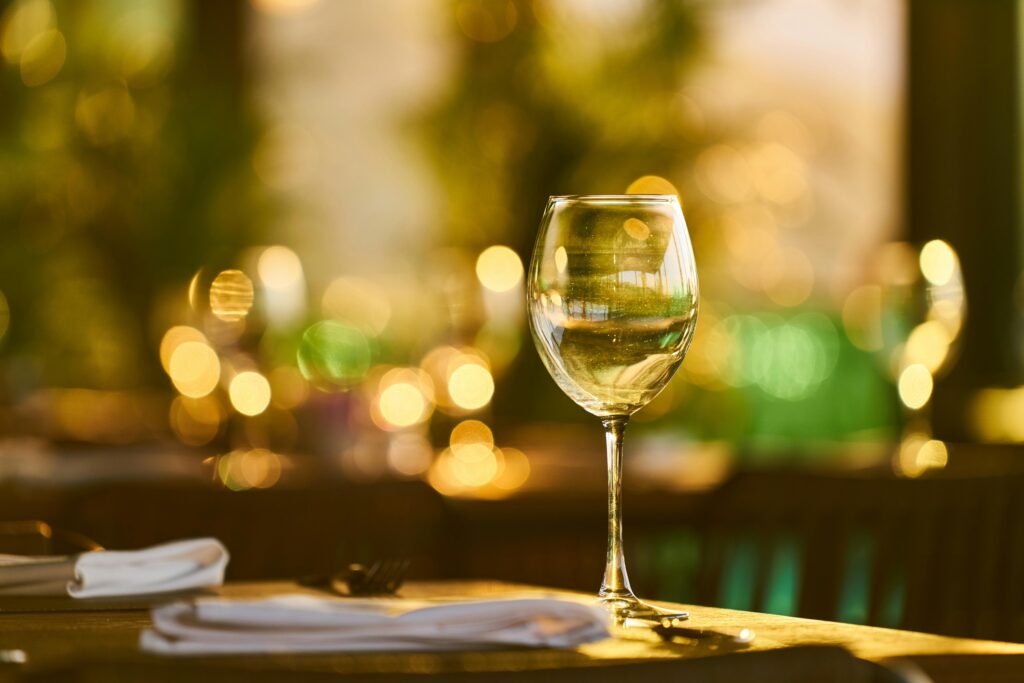
Golden trifecta from Vadiaperti Aipierti Fiano di Avellino DOCG 2017 Champions of the regional Irpinia varietals, Azienda Agricola Vadiaperti have a very long history of wine passionate, dedicated vine lovers. It is an honor for the family to continue the traditions and create exceptional terroir driven wines. The vineyards are at 365 to 640 meters in Montefredane. A combination of cooling altitude, rich tufo soils and mild mediterranean climate create white wines of beautiful balance and elegance. “Aipierti’ is dialect for the region surrounding Montefredane; the name ‘Vadiaperti’ is its modern Italian equivalent. Vadiaperti means “open passages.” Hand-harvested, full-cluster press, fermented on indigenous yeasts in temperature-controlled tanks. Aged in tank on fine lees for up to two years. A Southern Italian darling from the Campania region, this 100% Fiano is a mineral driven quaffer with a brilliant golden color. It is full of sultry sea breeze aromas along with melon, green apple, white peach, smoke, honey, dried herbs, clemetine zest, white blossom and yuzu. The lifting acidity just brightens the whole experience on the palate which as the characteristic rich, oily texture. Concentrated flavors of Meyer lemon, Ananas melon, honeyed apple, quince, fresh pink grapefruit, basil, dough into a lingering beeswax, mint and hazelnut finish. It has such a lovely purity, structure and presence, it certainly hit the mark on a warm summer’s night. Paired with grilled Fish tacos & herb crusted salmon steak
The PALE Rosé by Sacha Lichine
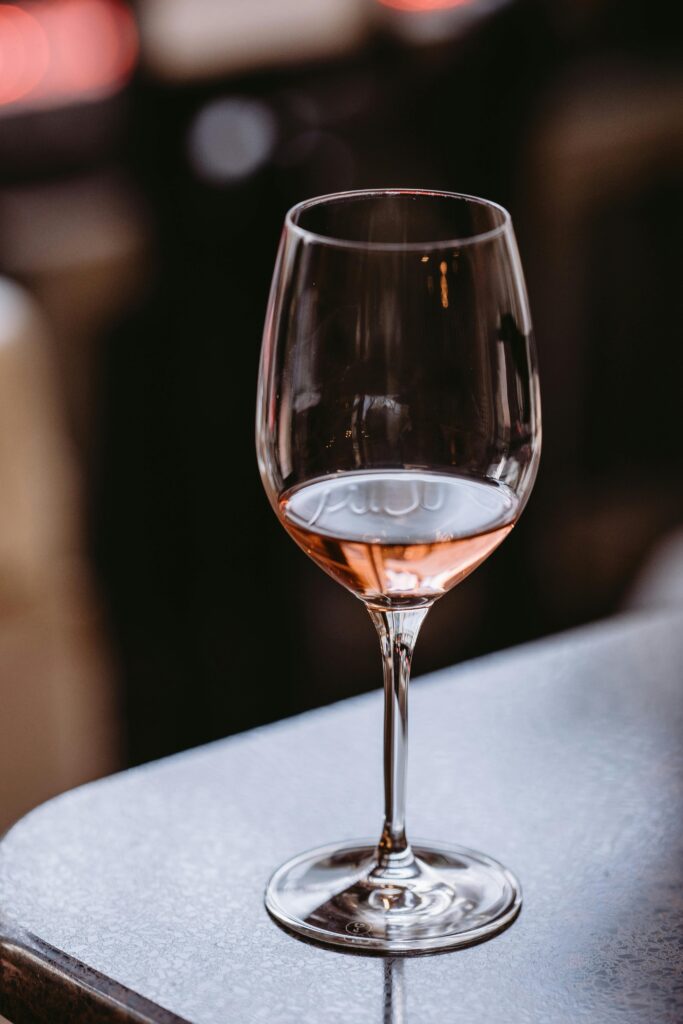
𝔸𝕝𝕝 𝕥𝕙𝕒𝕥 𝕛𝕒𝕫𝕫 𝕒𝕟𝕕 𝕒 𝕨𝕙𝕠𝕝𝕖 𝕝𝕠𝕥 𝕠𝕗 𝕤𝕥𝕪𝕝𝕖 Sacha Lichine has a passion for Provence Rosé – innovative winemaking techniques hoped shape Provençe rosé style as we know today. His journey led him from Chateau D’Esclan to Whispering Angel, and now The Pale paired with renowned wine maker Bertrand Leon 𝕋𝕙𝕖 ℙ𝕒𝕝𝕖 ℝ𝕠𝕤é 𝕓𝕪 𝕊𝕒𝕔𝕙𝕒 𝕃𝕚𝕔𝕙𝕚𝕟𝕖 ℝ𝕠𝕤𝕖 𝟚𝟘𝟚𝟚 A whimsical rosé in the palest of pale pink hence the name The Pale. A Vin du Pays Var is a blend of Grenache, Rolle, Syrah, Cinsault. Playfulness is evident in the roaring twenties label and the flirty aromas within. Fresh summer medley of peaches, grapefruits, strawberries and melon with a touch of lavender and thyme, yet subtle in its elegance you can taste the salty Mediterranean coast. An excellent value to not be missed at your summer picnic or cook out – grilled ahi tuna steaks, mozzarella tomato pesto skewers or your new favorite summer sipping sensation.
Not Yet Named Wine Co.

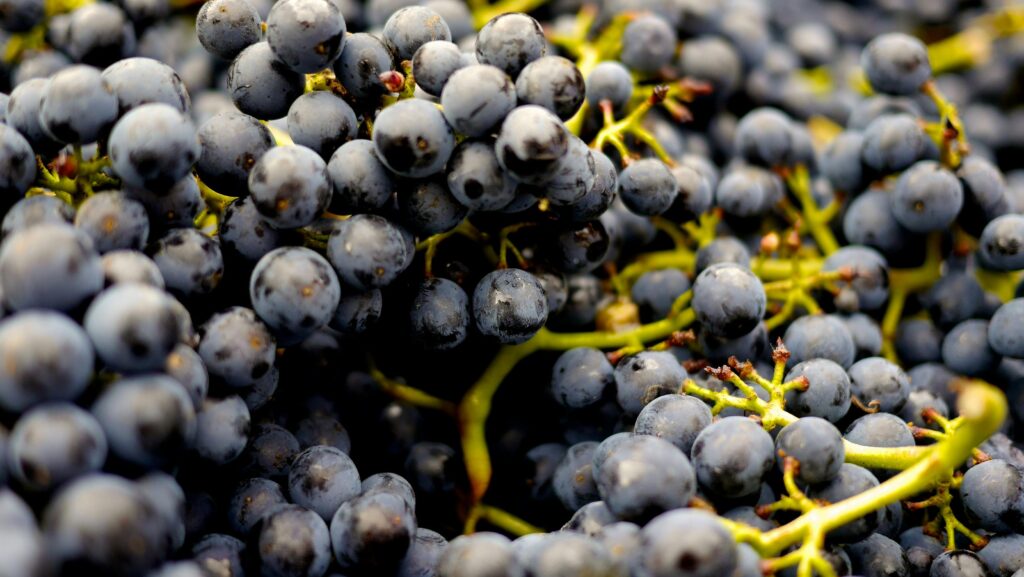
How do you make your dream come true? Simple… think outside the box and make your dream a reality. That’s what Alex Brogan and Manuel Cerdeira of Not Yet Named Wine Co. did. I met Alex through a mutual friend at the London Wine Fair and recently, I have the privilege of interviewing him. Their journey and story of hope fascinated me. Two young students created Not Yet Named Wine Co. during their studies at Plumpton Viticulture and Oenology University in England. Each of them had a winemaking dream. Alex caught the winemaking bug after working two harvests. The first at La Despensa in Chile and the other at Chateau Biac in Bordeaux. It was then that he considered making custom wines for people, with a long term idea to open an urban winery. Manuel comes from a winemaking family in Portugal but wanted to branch out and make his own wine in his style. Like any new venture, they needed funding in order to start their endeavor. However the challenge was securing funding while they were students. It was then that they came up with a rare approach. They structured their winemaking process so that each member gets a vote in the winemaking process. The winemakers decide on the two or three best options before the vote is cast by the members. The options are decided upon by the winemakers and are always inline with their wine vision and style. This promotes a sense of involvement and as Alex put it, “be entertained along the way”. A lovely added touch is the members voted to have a label with everybody’s name on it, giving them sense of ownership and involvement in the community minded endeavor. They never dreamed that two, soon to be three, releases later they would have created such a tightly knit wine loving community and the success that followed. How does their system work? Every member purchases 6 bottles which entitles them to 1 vote. Their editions are released every six months, alternating from the northern to southern hemisphere. That enables them to fully take advantage of 2 harvests per year and keep the wine flowing for their members. Paying for the releases up front removes some of the pressure from the winemakers and the member ownership and voting ability helps give members entertainment value whilst they wait for the wine to be made, which can take anything from 1 to 3 years. By selling their vision they have set in motion a system that will enable funds to be available for the following harvest. Keep in mind they operate on a small scale, 600 bottles for the first edition. Again, their wines are made through a democratic system, with their members votes dictating the style of the wine. The quality remains in the hands of the winemaking professionals. Their first release was in partnership with Manuel’s family estate, Quinta De Soalheiro a sustainable winery located in Melgaço, Portugal. They made a 100% Alvarhino released in October 2022. It was a great success that grew organically from friends and family to 600 bottles for the release. As part of the member experience, all members were invited to visit the winery, 25 of them travelled to see where their wine comes from, partake in blending trials and pick the blend. It’s important for Alex and Manuel for their wineries to offer experiences beyond the wine. In order to keep the momentum going for the second release, they focused on the southern hemisphere. They wanted to make a red blend to be released in time for the holiday season. Alex reached out to his friends in Chile led to a partnership with La Despensa. The second edition, released in March 2023, led them to La Despensa Boutique, a solar powered organic winery in Colchagua, Chile. The second release grew to customers. Alex had partaken in a harvest at La Despensa and asked if they could partner with them to make a red wine. The wine world is all about relationships, trust, the bonds that are created over a shared passion. Their release is a red blend composed of 62% Syrah, 23% Grenache, 15% Cinsault. The third edition also stemmed from one of Alex’s friends who is in the wine industry. The assistant winemaker of Darcie Kent wanted to experience a harvest in Bordeaux. Alex immediately put him in contact with Chateau Biac where he had also participated in a harvest. That left an opening for Alex and Manuel for a potential third release partner. This partnership is a winery named Darcie Kent Vineyards in Livermore, California, USA. Alex had met their assistant winemaker while in Chile. At the time, he said that he wanted to do a harvest in Bordeaux. Naturally Alex put him in touch with some people and got a job. That left his job free at Darcie Kent. It was a new region to discover for both Alex and Manuel. When they choose a partner, it is not just about the winery location, but the entire experience for them and their members. As an example, Darcie Kent has a sister winery called Almost Famous musical theater productions which would provide an experience beyond the wine. For their next winemaking adventure after California, they are hoping to partner with a winery in Stellenbosch, South Africa. They think Blank Bottle Winery would be a great fit as there ethos is similar to Not Yet Named Wine Co., they has a wide variety of grapes which allows for flexibility, creativity and experimenting. The California edition is available for sale now! Sign up to be involved in this educational and entertaining experience with 6 bottles of your own democratic delivered once ready. Voting will begin at the end of August. $300 or £240 for 6 bottles Edition #3 California, USA (US purchases) Edition #3, California, USA (UK purchases) Shipping availble to AZ, CA, CO, DC, FL, GA, IL, MA, MD, MI, MN, MO, NV, NY, OH, OR, PA,
Dreamy Jeeper 2008 Champagne

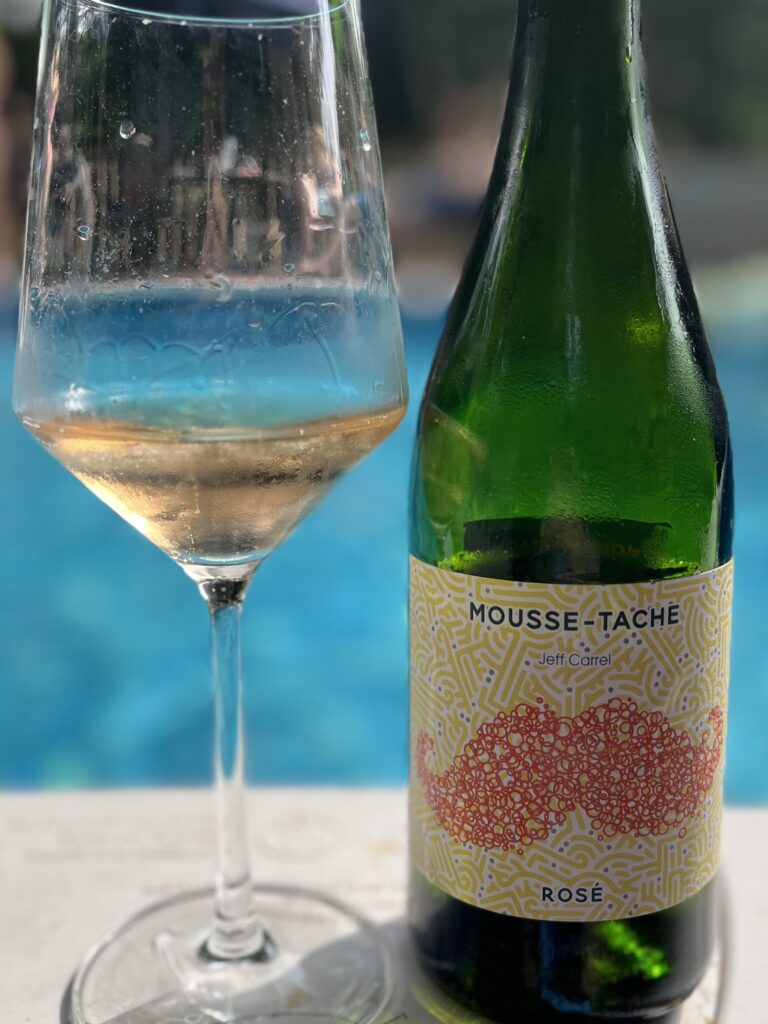
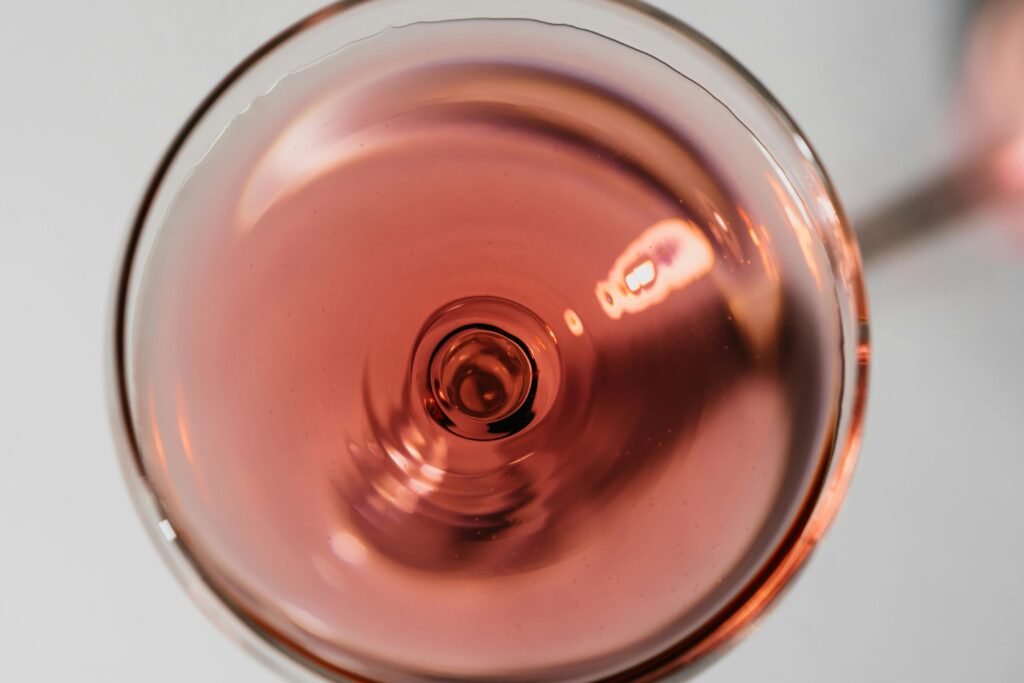
Champagne Jeeper La Grande Cuvée Brut Millesime 2008 A brut style with 8 g/L, a classic blend of 60% Chardonnay, 30% Pinot Noir, 10% Meunier. A lemon color with silver-golden reflections, tiny bubbles and a thick foam in expansion open the tasting. First swirl reveals a bouquet filled with expressive notes of wild cherry, lemon curd, apple pastry, grilled almond, burnt honey, cannelés and caramelized custard. First sip its so well-meshed sweet and sour integration with a lovely modern style. The richness of the fruit and honey notes is balanced by a mouthwatering acidity and freshness. The minerality plays a role as well, with hints of chalk and saline emerging on the finish. The mousse, the tiny bubbles that create the creamy mouthfeel in Champagne – elegant, refined and harmonious.
Domaine Les Pierres Ecrites

Upon arrival at Domaine les Pierres Ecrites we were escorted into a beautiful, outdoor lounge nook tucked in amongst olive trees and hydrangeas. Forever the gracious hospitable host, Coralie insisted on serving us lunch while we discussed the history of the domain, and their winemaking journey. The Domaine Les Pierres Ecrites is located between the Loire and the Cher in Saint Martin le Beau. Coralie and Anthony Rassin, both from the Loire originally, had worked throughout France and abroad before settling in Montlouis. (Coralie made wines at Jaboulet and Francois Villard and Anthony worked for Pierre Gonon. ) The winemakers purchased the Domaine Flamand Deletang estate in 2016. They renamed it Domaine Les Pierres Ecrites as a new beginning of their adventure but also hommage to the original owner whose grandfather was an archeologist of prehistoric drawings on stones in North Africa. Their 8 hectares are comprised of 5ha in AOC Montlouis planted with 100% Chenin Blanc vines, and 3ha just outside Montlouis in the Touraine appellation planted with Gamay, Malbec, Grolleau, and Cabernet Franc. The soil is limestone clay with silex and varying amounts of sand. The vines average 40 years of age. All vine work is done by hand (and I mean ALL), no chemicals are used, and they utilize minimum intervention in order to put less stress on nature and the vines. They also keep their yields low to 30 hl/ha – the permitted region yield is 52 hl/ha, almost double! Their troglodyte cellar is equally as endearing as their refined cuvées. Organic in both farming with a high environmental respect all the while adapting to natures rythme. They have planted shrubs and trees around the vines to ensure a balanced natural ambiance along with oatmeal in between the rows of vines. In the cellar less is more approach in the cellar. In general, they are more demanding than the organic parameters require. Their wines have a generous nature We tasted : Petits Boulay 2022, Chenin Blanc Empreintes 2021, Chenin Blanc Chemin du Jeune Berger 2022 – Demi-Sec Les Vallées 2020, Chenin Blanc Montigny 2020, Cabernet Franc You will be seduced by their ethereal Montlouis-sur-Loire whites have such a distinct terroir imprint. The camaraderie and fellowship amongst winemakers is evident in Montlouis. Their support of each other and friendships are so heartwarming. You feel part of the family instantly. Cheers to new friendships and thank you again for the hospitality. ============ Des esprits apparentés dans leurs méthodes et leur éthique et aussi voisins, nous sommes arrivé au Domaine les Pierres Ecrites suite au Domaine Laura David. À l’arrivée au Domaine les Pierres Ecrites, Accompagné vers un petit coin douillé parmi les oliviers et les hortensias. Norte hôte Coralie, très aimable et accueillante, a insisté pour servir le déjeuner pendant que nous discutions de l’histoire du domaine et de leurs voyage viticole. Le Domaine Les Pierres Ecrites est situé entre la Loire et le Cher à Saint Martin le Beau. Coralie et Anthony Rassin, tous deux originaires de la Loire, ont travaillé en France et à l’étranger avant de s’installer à Montlouis. (Coralie a fait des vins à Jaboulet et François Villard et Anthony ont travaillé pour Pierre Gonon. ) Coralie et Anthony se sont installés au domaine Flamand Deletang en 2016. Ils l’ont rebaptisé Domaine Les Pierres Ecrites comme un nouveau départ de leur aventure mais aussi un hommage au propriétaire originel dont le grand-père était archéologue de dessins préhistoriques sur pierres en Afrique du Nord. Leurs 8 hectares sont composés de 5ha en AOC Montlouis plantés de vignes 100% Chenin Blanc, et 3ha juste à l’extérieur de Montlouis dans l’appellation Touraine plantée de Gamay, Malbec, Grolleau et Cabernet Franc. Le sol est d’argile calcaire avec silex et des quantités variables de sable. Les vignes ont en moyenne 40 ans. Tout le travail de la vigne est fait à la main (et je veux dire TOUS), aucun produit chimique n’est utilisé, et Ils réalisent un minimum d’interventions sur leurs vignes pour limiter le stress sur les plantes et la nature. Ils maintiennent également leurs rendements faibles à 30 hl/ha – le rendement régional autorisé est de 52 hl/ha, presque le double! Leur cave troglodyte est tout aussi attachante que leurs cuvées raffinées. Bio à la fois en agriculture avec un haut respect de l’environnement tout en s’adaptant au rythme de la nature. Ils ont planté des arbustes et des arbres autour des vignes pour assurer une ambiance naturelle équilibrée avec de l’avoine entre les rangées de vignes. Dans la cave, là aussi ils font le minimum d’intervention. En général, ils sont plus exigeants que les paramètres organiques exigent. Grace à leurs passions, ils nous font des créations vraies , une nature généreuse. Vous serez séduit par leurs blancs éthérés de Montlouis-sur-Loire qui ont une empreinte de terroir si distincte. La camaraderie entre les vignerons sont évidentes à Montlouis. Leur soutien mutuel et leurs amitiés sont si chaleureux. Vous vous sentirez comme un membre de la famille. Merci encore pour l’hospitalité et votre chaleureux accueil.
Laura David Vigneronne

“Créer du vin, c’est la liberté, c’est la créativité, le passion et le plaisir” Bienvenue à notre premier visite de la journée au Domaine Laura David. La domaine est à Montlouis sur Loire, qui se situe de L’Est de Tours, entre La Loire et Le Cher. Un region avec lequel Chenin Blanc est la royauté. Passez par la charmante porte pour nous joindre à déguster les vins vivaces de la vigneronne à découvrir, Laura David. Laura David est une vigneronne passionnée d’origine Chinon. Suite à ses etudes en viticulteurs et œnologies, elle a travaillé aux divers domaines en France et à l’étranger qui finissent au Nouvelle-Zealand avec son compagnon, Clément Thomasseau. Le compromis entre eux était de faire un vendange aux Nouveau Zealand pour elle et en l’hivers trouvera un boulangerie bio pour lui avant de retourner en France. Un ans plus tard ils étaient prêté pour un projet de s’installer en France. L’opportunité qui leur présenter par chance de louer sept hectares de vignes a Montlouis sont majoritairement de sables à silex s’équilibrent parfaitement aux sous-sols de tuffeau. C’était le moment, leur projet commence. Dès que leurs arrivée en 2017, elle convertit son vignoble en l’agriculture biologique ce qui était prioritaire pour elle. En 2019 à la cave actuelle, arrangez-vous comme ils le souhaitent. Ce n’étais pas une cave donc beaucoup de travail à ranger comme ils voulaient et aussi ajouter une boulangerie pour Clement. Ils n’ont pas perdre de temps et ont en tout mettre en œuvre pour sortir un premier millésime. Dans les deux cas, c’est aussi devenu une histoire de couple : son conjoint Clément Thomasson l’a rejoint à mi-temps dans les vignes. L’autre moitié du temps, il est boulanger. Il a installé son fournil à côté le coeur de leur exploitation. Les pains sont à la base de farines bio locales et le jus de raisin de ses vins pour activer les levures indigènes. Les pains artisanales sont a vendre a leur boulangerie les mercredis et vendredis. Quelques ans plus tard ils ont agrandi leur vignoble et ont acheté 2 hectares à Saint-Martin-le-Beau. Par ailleurs, ce sont les sables qui dominent, 1 hectare de Chardonnay, 0.5 hectare de Chenin et 0.5 hectare pour faire de récolte futur. Le biodynamie est leur méthode de viticole et vinifications. Elle a notamment trouvé à Montlouis une bande de vignerons dynamiques et communautaire, comme souvent dans les appellations qui ont dû batailler pour exister. « On fait de la biodynamie ensemble. C’est un peu désorganisé, mais on va dans les vignes les uns des autres, et ça reste un moment d’échange privilégié. » Pour Laura, l’importance est de se faire une viticulture saine, au plus proche de l’environnement. Elle souhaite préserver ces terroirs singuliers, capables d’offrir des vins d’une grande richesse. Le respect des traditions permet de tirer le meilleur que chaque millésime a à offrir, les raisins sont vendangés et triés à la main. Au chai, avec un cave trygolo chaque presse est isolée, chaque parcelle est vinifiée indépendamment. Elles ont toutes leurs typicités, leurs caractères. La cave creusée dans le tuffeau renferme des années d’histoires régionales et viticoles. Tous ses vins sont réalisés avec les levures indigènes, une dose minimale de soufre; la plupart de ses blancs sont filtrés. Il est clair que sa motivation, ses principes la mènent à être nommée découverte de l’année par la Revue du Vin de France en 2023 J’ai demandé à Laura quelle était l’inspiration derrière ses étiquettes uniques. C’est une amie graphiste qui a conçu les etiquettes. Les inspirations, il a sorti les motifs Kashmir et ca aussi représente les tatouages des Mauis a NZ. L’esprit des motifs Kashmir pour les vins de Montlouis la couleur change selon le cuvée. Les fleuries était choisi pour les rouges car on s’amuse, feminine et elegant comme la caractère de ses vins. Laura a choisi parmi ses vins les multiples facets de Chenin Blanc et quelques rouges qui reflètent bien la personnalité et essence de Laura et du terroir: L’insolente – Ce vin apportée à la recherche de la minéralité et de la finesse du chenin Montlouisien L’Optimiste – Ce vin blanc est demi-sec (24 gr de sucre résiduel/L), rond et gourmand avec un subtil équilibre entre le sucre et l’acidité naturelle. Moelleux- Parcelle de 1 hectare vallonnée ensoleillée. Cette cuvée est née d’un travail fin et rigoureux au vignoble, avec une attention toute particulière apportée à la maitrise de la maturité des raisins. Dernier passage en vendanges manuelles sur raisins botrytisés. Ce vin blanc moelleux (34 gr de sucre résiduel/L) Mon Mojo- 80% Pinot Noir, 10% Côt, 10% Cabernet Sauvignon l’on retrouve toute son énergie et sa fraîcheur, un caractère très soyeux. C’est un vin festif, rond et gourmand. Côt- 100% Cột (Malbec) 0.8 hectares sur sols à Sables à silex. Cette cuvée est née d’un travail rigoureux au vignoble et d’une maturité poussée au maximum afin de pouvoir extraire la force et la profondeur de ce cépage puissant et complexe C’est une jeune vigneronne avec une vision précise pour ses vins, ses méthodes et sa responsabilité pour l’environnement. Ses cuvées font preuve du charme, de la fraîcheur, de la finesse, de l’homogénéité et de la gastronomie du terroir et de son esprit. Lorsque vous parlez à ceux qui la connaissent, sa personnalité attachante est évidente dans toutes ses actions. Laura et Clément font un projet exceptionnel de passion et de leurs vies professionnelle. Merci beaucoup pour votre hospitalité et votre visite. Jusqu’à ce que nous nous rencontrions à nouveau. ======================================================== Welcome to our first visit of the day Domaine Laura David. The estate is located in Montlouis sur Loire, east of Tours between La Loire and Le Cher. A region with which Chenin Blanc is king. Step through the charming door to join us to discover the vivacious wines of Laura David. Laura David is a passionate winemaker who hails from Chinon, Loire. The region is embedded in her blood and roots. Upon completion of her studies in viticulture and
Domaine Yannick Amirault: A Pioneer of Exceptional Cabernet Franc

Domaine Yannick Amirault: A Loire Valley Pioneer of Cabernet Franc Nestled in the heart of the Loire Valley, Domaine Yannick Amirault stands as a testament to generations of passion and dedication to crafting exceptional Cabernet Franc wines. Founded in 1977 by Yannick Amirault, the estate has grown from a modest 3.9 hectares inherited from his grandfather to an impressive 20 hectares spanning the appellations of Bourgueil and Saint-Nicolas de Bourgueil. His son Benoit joined the winery in 2003, and together they continue to flourish, ensuring the future is as exceptional as their wines. Recognizing the importance of sustainability and environmental stewardship, he embarked on the conversion of his vineyards to organic farming in the early 1990s. This commitment to sustainable practices culminated in the estate’s well-deserved organic certification in 2009. Yannick Amirault’s approach to winemaking is deeply rooted in tradition, honoring the time-tested methods that have been passed down through generations. Hand-harvesting, careful grape sorting, and minimal intervention in the cellar are hallmarks of his philosophy. He believes in allowing the grapes to express their terroir, their unique character derived from the soil and climate of the Loire Valley. At the heart of Domaine Yannick Amirault’s philosophy lies a profound understanding of Cabernet Franc, the noble grape that reigns supreme in the Loire Valley. Yannick’s meticulous approach to winemaking allows the grape’s inherent elegance and complexity to shine through. Hand-harvested grapes undergo careful sorting and fermentation in small batches, preserving the purity and intensity of the fruit. Traditional methods, such as foot treading and long maceration are employed to coax forth the grape’s maximal potential. Through his meticulous winemaking practices and unwavering commitment to terroir expression, Yannick Amirault has established Domaine Yannick Amirault as a beacon of excellence in the Loire Valley. His wines are a testament to his passion, skill, and deep respect for the Cabernet Franc grape, capturing the essence of the region’s unique terroir. Domaine Yannick Amirault’s wines are typically aged in a combination of French oak barrels, demi-muids, and amphorae.The amount of new oak used varies depending on the wine, but it is generally kept to a minimum in order to preserve the purity of fruit and freshness of the wines. His main goal is to preserve the terroir expression of his beloved Cabernet Franc. Domaine Amirault produces a captivating range of wines, each showcasing the elegance and finesse of Cabernet Franc. Bourgueil Le Grand Clos 2021: Aroma: Black currants, red plums, wild berries, with hints of dried herbs and spices.Taste: Medium-bodied with ripe fruit flavors, firm tannins, and a long, mineral-driven finish. Saint-Nicolas de Bourgueil Les Malgagnes 2021: Aroma: Red cherries, raspberries, strawberries, with hints of floral and licorice notes. Taste: Medium-bodied with bright, juicy fruit flavors, balanced acidity, and a soft, lingering finish. Bourgueil Cote 50 2022: Aroma: Black cherries, blackberries, cassis, with hints of smoke and pepper. Taste: Full-bodied with rich, concentrated fruit flavors, firm tannins, and a long, complex finish. Saint-Nicolas de Bourgueil La Mine 2022: Aroma: Red currants, wild strawberries, raspberries, with hints of earth and minerality. Taste: Medium-bodied with fresh, vibrant fruit flavors, lively acidity, and a clean, mineral-driven finish. As we tasted these wines I was struck by a common theme, the purity of the fruit and its expressive nature. Domaine Yannick Amirault’s wines are known for their purity, savoryness, and soulfulness. They showcase the diversity and complexity of Cabernet Franc from the Loire Valley, offering an impressive experience for any wine lover.
Maison Louis de Grenelle: A Sparkling Legacy

Nestled fifteen meters below the bustling streets of Saumur, France, lies a hidden treasure trove – the Maison Louis de Grenelle, a family-owned winery steeped in rich history and renowned for its exquisite traditional method sparkling wines. Since its inception in 1859, Maison Louis de Grenelle has proudly upheld its title as the ‘Reine Des Bulles’ (Queen of Bubbly), crafting elegant and refined sparkling wines that epitomize the essence of the Loire Valley terroir. The winery’s legacy began with Louis de Grenelle, a visionary winemaker who instilled a passion for excellence that has been meticulously passed down through the generations from Maisons Tessier (1859) to Bassereau (1942). In 1976, Huber Bodet, a dedicated and passionate winemaker, recognized the winery’s immense potential and embarked on a journey to elevate its sparkling wines to new heights. Guided by a deep respect for the environment, he introduced organic viticulture and sustainable agriculture practices, paving the way for a future-forward Maison. Under the leadership of Francoise Bodet, Huber’s daughter, Maison Louis de Grenelle continued to flourish, expanding its horizons and forging a family cooperative with partner winegrowers in 2006. This collaborative venture, spearheaded by Cellar Master Guillaume Poitevin, united 24 dedicated growers committed to organic and sustainable practices, ensuring the highest quality grapes for the winery’s exceptional sparkling wines. At the heart of Maison Louis de Grenelle lies the family’s forty-hectare estate, nestled amidst the rolling hillsides surrounding Saumur. The grapes are meticulously selected from this exceptional terroir, ensuring that each sparkling wine reflects the unique character of the region. The jewel of Maison Louis de Grenelle lies in its breathtaking cellars, carved deep into the tuffeau limestone that blankets Saumur. These cool, humid caves, once used by the French Resistance during World War II, provide an ideal environment to preserve the precious sparkling wines, allowing them to mature gracefully over time. Two kilometers of underground passageways house approximately 4,000,000 bottles, each cradling a promise of elegance and finesse. Guiding us through the winery’s timeless cellars, Cellar Master Guillaume Poitevin passionately shares his expertise, explaining the meticulous winemaking process and the importance of aging sur lie under capsule to maintain stability and complexity. He explained Maison Louis de Grenelle adheres to a minimalist winemaking philosophy, allowing the terroir and varietal characteristics to shine through. The grapes are gently pressed, and the resulting juice flows by gravity into underground tanks. Each sparkling wine undergoes the traditional method, spending years aging beneath the streets of Saumur, where the consistent temperature and humidity provide optimal conditions for maturation. He stressed that intertwined with these essential elements is the utmost importance of collaboration between the family, the growers and himself. The winery’s unwavering commitment to low dosage ensures that the freshness and energy of the Loire Valley’s grapes are preserved. The result is a collection of elegant, fruity sparkling wines characterized by fine bubbles, delicate nature, and a symphony of complex flavors. We tasting a range of their traditional method sparkling wines including: Platine Crémant de Loire Brut, Blanc De Noir, Si Irrésistible by Louis De Grenelle, Cuvée Louis Bio Crémant de Loire Brut Blanc, Cuvée Louis Bio Saumur Brut Blanc and the beauty of 3/7.7.4 Cuvée Maitre de Chai Guillaume Poitevin (2013 vintage) and the unreleased T15 (from the 2014 vintage). A visit to Maison Louis de Grenelle is an immersive experience, a journey into a world of passion, tradition, and innovation. The winery’s sparkling wines, crafted with utmost care and respect for the environment, embody the essence of the Loire Valley’s terroir. As Francoise’s daughter Marie and son Charles prepares to take on the reins, the future of Maison Louis de Grenelle promises to continue dazzling the world with its exquisite sparkling wines, forever upholding its legacy as the ‘Reine Des Bulles’. Niché à quinze mètres sous les rues animées de Saumur, en France, se trouve un trésor caché – la Maison Louis de Grenelle, une cave familiale imprégnée d’une riche histoire et réputée pour ses vins mousseux de méthode traditionnelle exquise. Depuis sa création en 1859, la Maison Louis de Grenelle a fièrement maintenu son titre de Reine des Bulles (Reine des Bulles), élaborant des vins mousseux élégants et raffinés qui incarnent l’essence du terroir du Val de Loire. L’héritage de la cave a commencé avec Louis de Grenelle, un vigneron visionnaire qui a inculqué une passion pour l’excellence qui a été méticuleusement transmise à travers les générations de Maisons Tessier (1859) à Bassereau (1942). En 1976, Huber Bodet, un vigneron dévoué et passionné, a reconnu l’immense potentiel de la cave et a entrepris un voyage pour élever ses vins mousseux à de nouveaux sommets. Guidé par un profond respect de l’environnement, il introduit la viticulture biologique et l’agriculture durable, ouvrant la voie à une Maison d’avenir. Sous la houlette de Françoise Bodet, fille de Huber, la Maison Louis de Grenelle continue à s’épanouir, élargissant ses horizons et forgeant une coopérative familiale avec des vignerons partenaires en 2006. Cette collaboration, menée par le Maître de Chai Guillaume Poitevin, a réuni 24 vignerons engagés dans des pratiques biologiques et durables, assurant la plus haute qualité de raisins pour les vins mousseux exceptionnels de la cave. Au cœur de la Maison Louis de Grenelle se trouve le domaine familial de quarante hectares, niché au milieu des collines entourant Saumur. Les raisins sont méticuleusement sélectionnés sur ce terroir exceptionnel, garantissant que chaque vin mousseux reflète le caractère unique de la région. Le joyau de la Maison Louis de Grenelle réside dans ses caves à couper le souffle, creusées dans le tuffeau calcaire qui recouvre Saumur. Ces grottes fraîches et humides, autrefois utilisées par la Résistance française pendant la Seconde Guerre mondiale, offrent un environnement idéal pour préserver les précieux vins mousseux, leur permettant de mûrir avec élégance au fil du temps. Deux kilomètres de passages souterrains abritent environ 4,000,000 bouteilles, chacune portant une promesse d’élégance et de finesse. En nous guidant à travers les caves intemporelles de la cave, le Maître de Chai Guillaume Poitevin partage avec
Domaine Mélaric

We have a profound respect for nature, respect for man, and a respect for our regions history. Its our job as viticulturists and winemakers to continue this connection through our wines – Melanie Cunin Mélanie Cunin, from Paris, and Aymeric Hillaire, from Saumur, met while studying viticulture-oenology at the Agronomic School in Montpellier. After gaining further experience in the field, they settled in the Val de Loire in 2006 to start Domaine Mélaric, a name that intertwines their first names as a stamp of their partnership. They purchased 4.8 hectares of land in Saumur Puy-Notre-Dame, a region known for its intertwining chalk hills, limestone, and schist. These diverse soils provide excellent drainage and ideal weather conditions for vines. Driven by their passion for wine and love of food and hospitality, Mélanie and Aymeric also offer weekend viticulture training programs. Mélanie is a certified viticulture-oenology trainer and shares her knowledge with potential winemakers and viticulturists. They are also committed to sustainable agriculture and viticulture practices. In addition to their winemaking and viticulture activities, Mélanie and Aymeric also have a “gîte” vacation rental named La Cerisaie. The couple farms organically, seeking lower yields from their average 40-year-old vines. They use a gentle and patient approach to create their cuvées. Animals are always present at their winery, with horses Eclair and Uky,dogs, and sheep helping to maintain a sustainable environment. Everything is done manually, and they prefer to use large,neutral wood. Their hectares are divided into three hectares of red varietals (70% Cabernet Franc and 30% Grolleau) and 1.8 hectares of Chenin Blanc. Melanie led us down a secluded path to what looked like caves carved into the earth long ago. The lock was difficult to open, and it likely was the original key from centuries ago. We stepped back in time to a natural cave with no electricity.As we walked through the cool cellar, we could feel the history and the vibrations of the earth. We had an extensive tasting while we discussed the aging potential of the wines and how independent winemakers band together in the region. Globules Rosés Saumur Methode Ancestrale Myriades 2020 Vin Mousseux Billes de Roche Saumur 2021 Melaric Clos de la Cerisae Blanc 2020 Clos de la Cerisae Rouge 2011 Saumur Puy Notre Dame Le Tandem L21 Le Clos Rousseau Grolleau L20 Liquoreux de la Cerisae 2011 Vin de France As we sat in the family kitchen of these formidable organic winemakers, tasting and discussing their wines, I was struck by their genuine love and passion for what they do. Their hospitality and smiling faces as they talked about their wines spoke to their love of their craft. It was clear that they were celebrating what they had and living a good life. All of the wines we tasted shared a common thread: elegance, minerality, and freshness. Even their older wines were still cool and fresh. The complexity of their wines was undeniable. Nous sommes profondément attachés à la nature, à l’homme et à l’histoire de nos régions. Nous, en tant que viticulteurs et vignerons, avons pour mission de maintenir ce lien à travers nos vins. -Mélanie Cunin Mélanie Cunin, de Paris, et Aymeric Hillaire, de Saumur, se sont croisés lors de leurs études à l’École Agronomique de Montpellier spécialisée dans la viticulture-œnologie. Après avoir acquis une expérience supplémentaire dans le domaine, ils s’installent dans le Val de Loire en 2006 pour fonder le Domaine Mélaric, un nom qui entremêle leurs prénoms pour marquer leur partenariat. Ils ont investi dans l’achat de 4,8 hectares de terrain à Saumur Puy-Notre-Dame, une région célèbre pour ses collines de craie, de calcaire et de schiste. Les sols variés offrent un drainage optimal et des conditions météorologiques idéales pour la culture de la vigne. Mélanie et Aymeric, passionnés par le vin et la gastronomie, proposent également des programmes de formation en viticulture le week-end. Mélanie est une formatrice agréée en viticulture-œnologie et transmet ses connaissances à des vignerons et viticulteurs potentiels. Ils sont également impliqués dans l’agriculture et la viticulture qui sont respectueuses de l’environnement. En complément de leurs activités de vinification et de viticulture, Mélanie et Aymeric ont également un gîte de vacances appelé La Cerisaie. Le couple se consacre à l’agriculture biologique et cherche à obtenir des rendements plus faibles en raison de leurs vignes d’âge moyen de 40 ans. Leurs cuvées sont créées en utilisant une approche douce et patiente. Les animaux sont toujours présents parmi les vignes et la cave, avec des chevaux, Eclair (la grande) et Uky (la petite), des chiens et des moutons qui contribuent à préserver un environnement durable. Toutes leurs techniques viticulture et vinifications sont exécutées manuellement. La superficie de leurs vignes est répartie en trois parcelles de cépages rouges (70% de Cabernet Franc et 30% de Grolleau) et 1,8 hectare de Chenin Blanc. Mélanie nous a emmenés sur un chemin isolé vers ce qui semblait être des grottes creusées dans la terre il y a longtemps. Ouvrir l’écluse était une tâche ardue, et il est fort probable que cette clé soit celle qui a été utilisée il y a des siècles. Nous sommes retournés en arrière dans le temps jusqu’à une grotte naturelle sans électricité. Nous avons exploré les profondeurs de la cave, où nous avons pu apprécier l’histoire et les vibrations de la terre. Pendant notre discussion sur la capacité de vieillissement des vins et la collaboration entre les vignerons indépendants dans la région, nous avons eu une dégustation étendue. Globules Rosés Saumur Methode Ancestrale Myriades 2020 Vin Mousseux Billes de Roche Saumur 2021 Melaric Clos de la Cerisae Blanc 2020 Clos de la Cerisae Rouge 2011 Saumur Puy Notre Dame Le Tandem L21 Le Clos Rousseau Grolleau L20 Liquoreux de la Cerisae 2011 Vin de France Alors que nous étions assis dans la cuisine familiale de ces formidables vignerons biologiques, dégustant et discutant de leurs vins, j’ai été frappé par leur amour et leur passion pour ce qu’ils font. Leur hospitalité et leurs visages souriants alors qu’ils parlaient
Terre de L’Elu

Success is inevitable when two people embark on an adventure that complements each other. With many years of experience between the two, Charlotte in management and Thomas as agriculture engineer and wine consultant, they were drawn to the Anjou’s appeal, the old vines, schist rich terroir and its affordability, Charlotte and Thomas Carsin began their journey in winemaking when they purchased then named Clos de L’Elu in 2008. They began the transformation of the conventional winery and vineyard to organic by planting local grapes and experimenting with different ageing vessels. Their twenty-two hectares of vines are scattered along the right bank of the Layon, starting from Chaume upriver, passing through Saint-Aubin-de-Luigné, and ending up at Ardenay and Chaudefonds-sur-Layon. Thomas was drawn particularly to the red varietals of the region and wanted to create something different. About 65% of the vineyards are planted with equal proportions of Chenin Blanc and Cabernet Franc. The balance is made up of smaller plantings of Gamay, Grolleau Noir, Sauvignon Blanc, Grolleau Gris, and Pineau d’Aunis. The terroir is mostly made of schist, with a small amount of shale, quartz, sandstone, and slate. The six parcels are :Terroir de l’Aiglerie, Terroir des Barres, Terroir des Bruandières, Terroir des Gaudumaux, Terroir de Chaume and Terroir des Vaux It is crucial that they remain as close as possible to the natural state of the environment, free of chemicals or pesticides. Plant extracts and essential oils are utilized for any vine or soil treatments. Massale selection is used to preserve the diverse terroirs and continue the heritage of the older vines in new plantings. They use certain biodynamic aspects in the vineyard, but they felt that this very spiritual approach was somewhat contradictory to their Catholic faith. They have achieved the ideal balance between the two. The wines are truly a reflection of the expressive ethos and rich style. As the family dog Feydeau led the way amongst the 30-40 year old vines of the Bruandières, she pointed the environmental and geographical influence as well as the natural health of their soils, vines and grapes. She compared their natural state of health and virility to the neighboring plot which is farmed and treated with conventional methods (pesticides, herbicides, and machines). It was amazing to witness the contrasts in terms of terroir, vine health, size, and color in a side-by-side comparison, almost like flipping a page from before and after. Charlotte highlighted the planning and environmental strategy they used for this parcel during our tour of their newest plantings in L’Aiglerie. This parcel is divided into four micro-parcels consisting of Cabernet Franc, Gamay, Chenin Blanc, and a coplanting of Pineau d’Aunis and Grolleau Gris. The parcel dividers are made of 30 ancient almond tree species in between and around vines, which act as a natural wind barrier and promote a natural ecosystem. The goal is to create a blend from all four micro-parcels called Entre Deux Monde (In Between Two Worlds). Overlooking these parcels is the Puy-Notre-Dame Cathedral in Samurois, which sits high atop the tufa hills overlooking the vineyards and region. It is said that the Duke of Aquitaine brought with him a piece of the Virgin Mary’s waistband during the Crusades and kept it as a relic in the church. His granddaughter, Eleanor of Aquitaine, founded the collegial church in honor of the relic, which according to legend brought fertility and strengthened male offspring of the region’s population. This cathedral is both a significant stop on the Santiago de Compostella pilgrimage and a UNESCO World Heritage Site. The winery, in Saint Aubin de Luigné, is within a two-kilometer radius of all of their parcels. It is very practical for them to be in a proactive or reactive mode depending on what Mother Nature gives them. During our cellar tour, Charlotte explained how they use gravity to ensure the minimum amount of grape handling during vinification. Similar to Champagne, they divide the juice into press fractions to allow greater creativity and quality in each and every blend. Each variety is evaluated separately, whether it is fermented and aged in stainless steel, neutral French oak barrels, or amphora. Certain red wines undergo both whole cluster fermentation and unfiltered fermentation. The use of ambient yeast and spontaneous fermentation always occur. We sampled the three parcels that form the Bastinage 2022 directly from the new barrels. Winemakers always say you can taste the difference between each parcel, and I can attest that it’s true. Each of the three wines were so different and imparted their own character to the future wine. Even at this early stage, the oak was so well integrated, it was beyond impressive. We next tasted the Pineau d’Aunis 2022 from the barrel which I couldn’t seem to get enough of. It was so light on its feet yet full of punch character. We tasted three white wines and four red wines. Bastinage 2021 – Chenin Blanc Roc’h Avel 2021 – Chenin Blanc Ephata 2021 – Chenin Blanc Magellan 2019 Cabernet Franc L’Aiglerie 2019 Cabernet Franc Maupiti 2019 Gamay, Grolleau and Cabernet Franc What truly impressed me was the linear purity of their wines, straight from the barrel to the bottle. The beauty of the Bastinage was beyond impressive. The Pineau d’Aunis was nothing like I have ever tasted before, it was purely captivating. Their spiritual connection to the earth, the sky, and their wines is palpable. Le travail du paysan est de façonner, de designer et entretenir le paysage, nous avons la chance d’avoir un paysage si beau – Charlotte Carsin Lorsque deux individus se lancent dans une aventure qui se conclut, le succès est inévitable. Avec de nombreuses années d’expérience entre les deux, Charlotte en gestion et Thomas en tant qu’ingénieur agronome et consultant en vins, ils ont été attirés par l’attrait de l’Anjou, les vieilles vignes, le terroir riche en schistes et son prix abordable, Charlotte et Thomas Carsin ont commencé leur parcours dans la vinification lorsqu’ils ont acheté le Clos de L’Elu en 2008.