
A Dance of Sparkle and Sun-Kissed Berries from Champagne Piot Sevillano
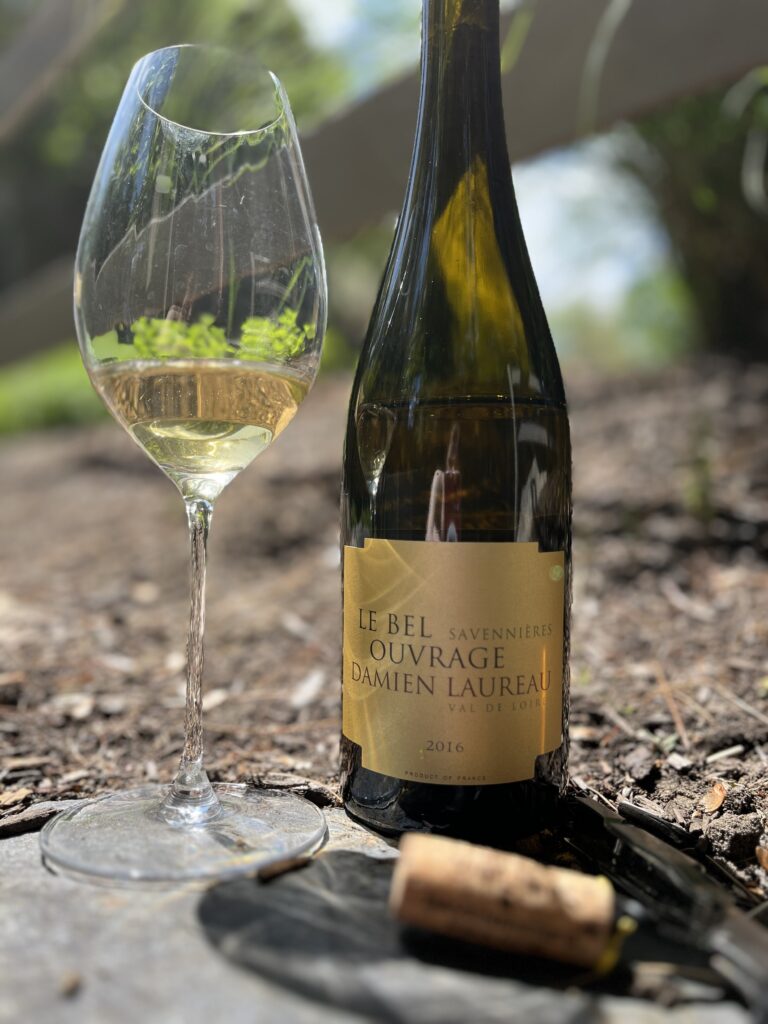
A Dance of Sparkle and Sun-Kissed Berries from ten generations of the Piot Sevillano family. Christine’s Soul of the Right Bank (Âme De Le Rive Droite) speaks Vincelles in the Marne Valley clay terroir, of sun-drenched slopes cradling the grapes that imbue the wine’s vibrant soul and history . Watch the LIVE chat with Iola Wines: Piot Sevillano Rosé Brut A blend of 65% Meunier, 25% Pinot Noir, 10% Chardonnay with 15% of red Côteaux Champenois that gives its glorious color and layers of complexity. Aged sur lie for 36 months with a brut style of dosage 7 g/l ᴄʜᴀᴍᴘᴀɢɴᴇ ᴘɪᴏᴛ ꜱᴇᴠɪʟʟᴀɴᴏ Âᴍᴇ ᴅᴇ ʟᴀ ʀɪᴠᴇ ᴅʀᴏɪᴛᴇ ʙʀᴜᴛ ʀᴏꜱÉ This rosé champagne means business -the color makes a grand entrance as it pours a vibrant cerise that is just mesmerizing. Aromas burst of red berries are that are ripe and inviting – wild strawberries, raspberries cherries and cranberries tinged with citrus and spice with hints of damp earth. The first sip is a vibrant splash, a fête of red fruit, followed by mouthwatering blood orange and tangerine. A thread of minerality weaves through the mousse, fine and persistent dancing across the tongue. Buttery brioche and sweet cream curtsies alongside ginger, a touch of white pepper and dried herbs adding a warmth and complexity. The finish is long and elegantly ending on rose petals and wet stone. This is a champagne that begs to be shared, that elevates every experience with its captivating dance. It’s an experience, a poem penned in bubbles, a taste of pure summer sunshine captured in a bottle. So raise a glass, and let the dance begin. Pair with a strawberry avocado crab salad, pan seared red peppercorn ahi tuna or roasted berries compote over delicate pavlova.
Sassy Solera from Champagne Leclerc Briant
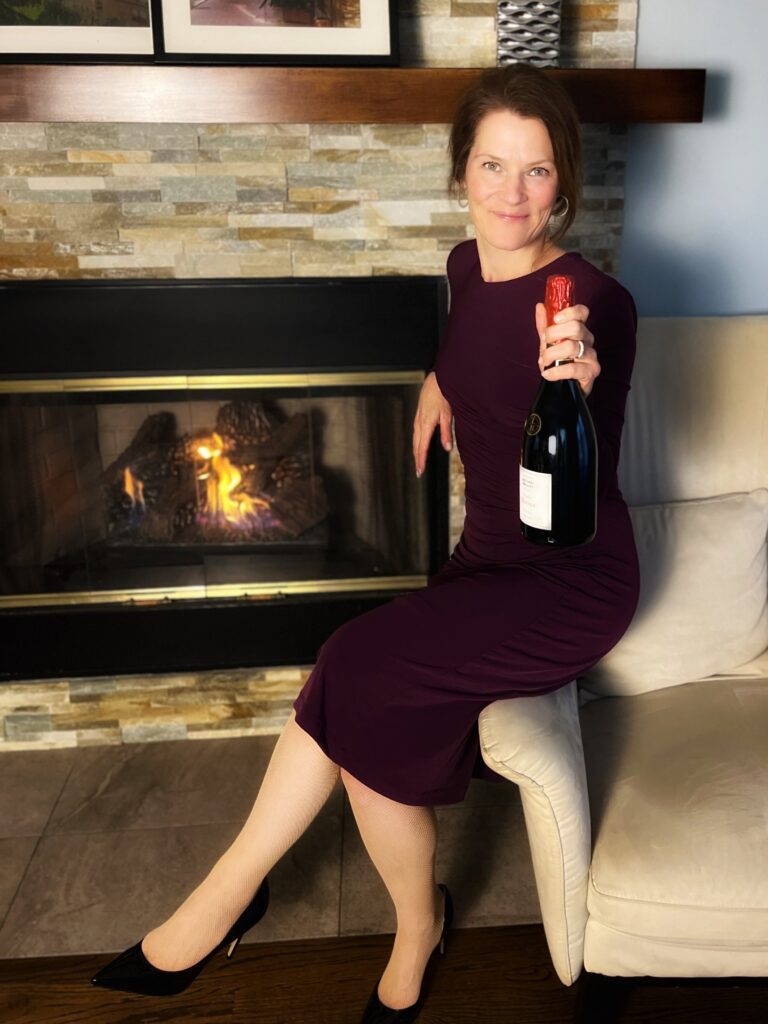
𝓢𝓪𝓼𝓼𝔂 𝓲𝓼 𝓶𝔂 𝓷𝓪𝓶𝓮 𝓪𝓷𝓭 𝓢𝓸𝓵𝓮𝓻𝓪 𝓲𝓼 𝓶𝔂 𝓰𝓪𝓶𝓮 🥂🥂 𝓒𝓱𝓪𝓶𝓹𝓪𝓰𝓷𝓮 𝓛𝓮𝓬𝓵𝓮𝓻𝓬 𝓑𝓻𝓲𝓪𝓷𝓽 𝓒𝓾𝓿é𝓮 𝓓𝓲𝓿𝓲𝓷𝓮 𝓔𝓷 𝓢𝓸𝓵𝓮𝓻𝓪 𝓔𝔁𝓽𝓻𝓪 𝓑𝓻𝓾𝓽 Are you ready to be dazzled??? A blend of 50% Meunier, 30% Pinot Noir, 20% Chardonnay, sourced from vineyards in the villages of Châtillon sur Marne, Hautvillers, and Cumières. The base wine is aged in oak barrels for 12 months before being bottled for a second fermentation. The 2009 vintage is vinified in Solera with 2008, 2007, 2006 and 2005. Disgorgement from February 2022 with a dosage of 3g/L. For those who aren’t aware, the Solera system involves blending wines from different vintages, resulting in a complex and layered Champagne. Pours into the glass a satin yellow color and crystal with persistent, fine bubbles that form a delicate mousse. The oh hello cheeky aromas of chalky, iodized minerality are followed by ripe orchard fruit, tangerine zest, blackcurrant, bergamot, holiday raisin bread, salted almonds, mushrooms, burnt honey, roast toasty brioche and and a hint of honeysuckle m. Wow 🤩 that’s just the aromas! The flavors are an interplay of peach, yellow apple and pear, followed by rich and flirty brioche, salted almond, toffee , mushroom saline umami and a lemony mineral acidity that carries on oh so gloriously. An extraordinary champagne with a layered, crystalline purity and creamy mouthfeel. A well knit sweater weather champagne.🥂 Pair with decadent lobster mac and cheese, oysters gratin, porcini wild rice stuffed Cornish hens or Parmesan sablé 🥂🥂
Isabelle Garrault Les Grands Monts Sancerre
The Garrault family has been making wine in Sancerre for over 10 generations. The grapes for Isabelle Garrault Sancerre come from vineyards located in the village of Verdigny, on the hillsides of the right bank of the Loire River. The vineyards are planted on Kimmeridgian limestone soils, which give the wine its characteristic minerality. This particular wine is their flagship wine made from vines 50+ years old.The grapes are hand-harvested and fermented in stainless steel tanks at cool temperatures to preserve their freshness and aromas. The wine is then aged on its lees for a few months before being bottled. Isabelle Garrault Les Grands Monts Sancerre 2020 Pours into the glass a pale straw hue, hinting at its crisp and youthful character. Hints of green glisten at the edges, suggesting vibrant acidity and freshness. The bouquet bursts with classic Sauvignon Blanc aromas, layered and alluring. A medley of citrus fruits takes center stage, dominated by zesty grapefruit and lime zest, followed by juicy white peach and delicate apricot undertones. A whisper of fresh-cut grass and white floral notes adds complexity, while a hint of wet stone minerality provides a subtle earthiness. The first sip confirms the initial impressions, with a light to medium body balanced with a bringing a vibrant acidity & zesty citrus. Juicy grapefruit and lemon dance on the tongue, alongside notes of green apple and pear. The mid-palate reveals a surprising depth, with hints of honeydew melon and ripe quince emerging alongside a touch of white pepper spice. The minerality is more pronounced here, lending a delightful chalky texture that lingers on the finish. The finish is long and satisfying, with the citrus and mineral notes lingering beautifully. A touch of green tea bitterness emerges, adding complexity and intrigue. The overall impression is one of clean, elegant minerality and mouthwatering freshness. This 2020 Isabelle Garrault Les Grands Monts Sancerre is a quintessential expression of the Sauvignon Blanc grape from this renowned terroir. It offers a stunning balance of fruit, acidity, and minerality, making it a perfect choice for seafood dishes, summer salads, or simply enjoying on its own. Its youthful vibrancy promises potential for aging, suggesting it might develop even more intriguing layers of complexity with time.
Gratus For Many Things.. this Nebbiolo For One
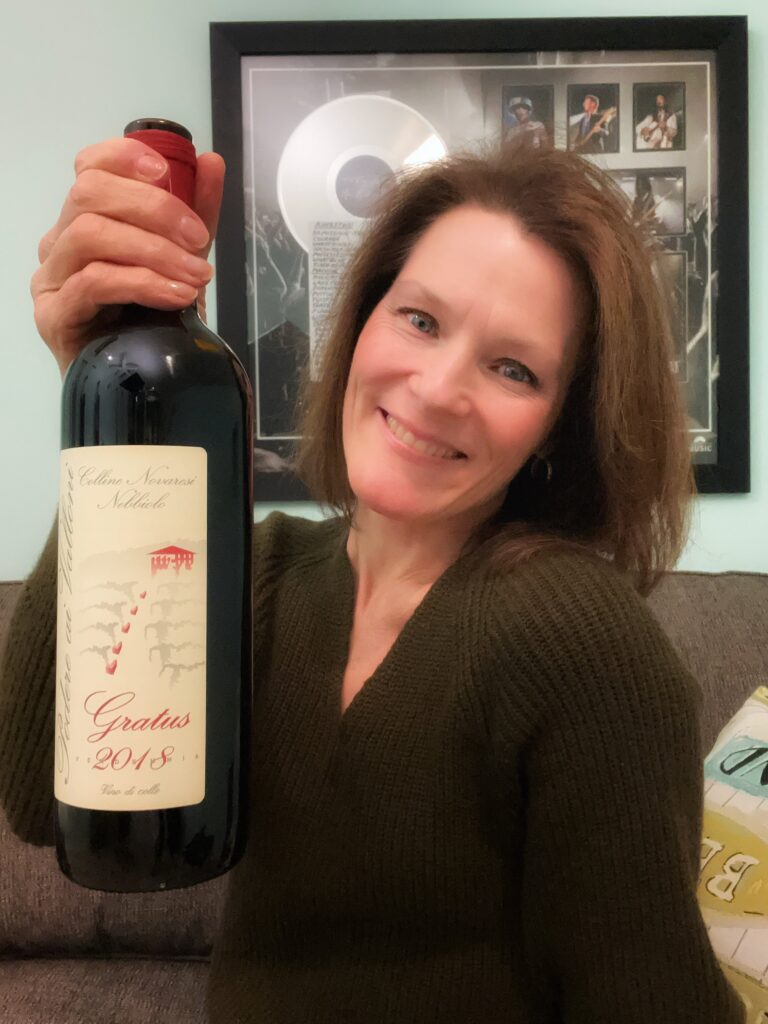
𝓘 𝓪𝓶 𝓿𝓮𝓻𝔂 𝓖𝓡𝓐𝓣𝓤𝓢 𝓯𝓸𝓻 𝓶𝓪𝓷𝔂 𝓽𝓱𝓲𝓷𝓰𝓼 … especially this #womaninwine and her stunning #boca #nebbiolo 🍷 Heads up – Nebbiolo is an extremely terroir expressive grape. It knows what it likes and likes where it grows. When it finds its happy place it thrives gloriously. Anna Sertorio of Podere Ai Valloni in the Boca region of Alto Piemonte, knows how to naturally treat her old vines and create such expressive elegant wines with finesse. A follow up to our @iola.wines #womencrushwednesday night live where we chatted about the winemaker, the wine and of course food. The first pour the dusty aromas jumped out at me excitedly and I thought this wine is telling me where it’s from. The rich volcanic soil is apparent and you know you are in for a treat. 𝓟𝓸𝓭𝓮𝓻𝓮 𝓐𝓲 𝓥𝓪𝓵𝓵𝓸𝓷𝓲 “𝓖𝓻𝓪𝓽𝓾𝓼”, 𝓒𝓸𝓵𝓵𝓲𝓷𝓮 𝓝𝓸𝓿𝓪𝓻𝓮𝓼𝓲 𝓟𝓲𝓮𝓭𝓶𝓸𝓷𝓽, 𝓘𝓽𝓪𝓵𝔂 The wine has a gem of a garnet color. Complex aromas of ripe red fruits – sour cherry, cranberry, raspberry intertwined with menthol, licorice, dusty earth, tobacco, mushroom, rose petal potpourri and truffles. The palate is full of character and structured elegance. It has an intertwined presence of savory meets bright, crunchy red fruit. The flavors are captivating- it evolves from the red fruits, to licorice and black pepper, to savory mushrooms and back again. The bright acidity carries the harmony along into a lingering menthol dried thyme finish. Anna always goes above and beyond the regional requirements, making small lot wines because nature is in charge and she gives what she can, 540 cases it is. Hence the wine’s name “Gratus” is homage to what nature gives in this ever evolving wine that will make your holiday table shine. Pair either wild mushroom crostini, bacon and olive savory cake or holiday ham with all the trimmings .
Champagne Dauby Mère & Fille Part Deux
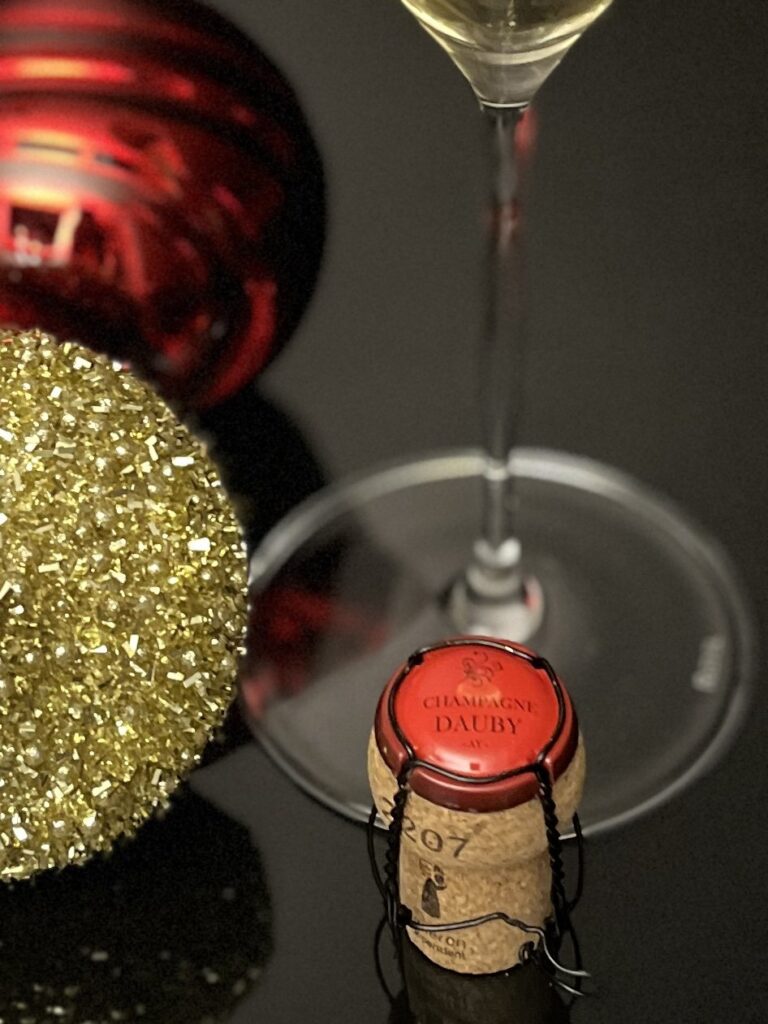
Champagne Dauby Mère & Fille Part Deux follow up to last Friday’s Sparkling Sips with @iola.wines Link to our LIVE chat: Champagne Dauby Mère & Fille An eleven generations of #growerchampagne producer focuses on the feminine side of their champagnes. They work in harmony with nature, in a spirit of patience, respect for life and purity. The poppy on the label represents their respect and love for nature. Pinot Noir and Chardonnay are planted in optimal southern facing chalky hillsides allows the grape varieties to express themselves fully. Reserve wines are kept in casks and oak barrels to develop their authentic and complex wines. ℂ𝕙𝕒𝕞𝕡𝕒𝕘𝕟𝕖 𝔻𝕒𝕦𝕓𝕪 ℂ𝕦𝕧é𝕖 ℝé𝕤𝕖𝕣𝕧𝕖 ℙ𝕣𝕖𝕞𝕚𝕖𝕣 ℂ𝕣𝕦 𝔹𝕣𝕦𝕥 A blend of Pinot Noir (60%) and Chardonnay (40%) grapes from Premier Cru vineyards in Mutigny and Mareuil-sur-Ay which are quite frankly Grand Cru is disguise. Basic cuvée made up of 60% wine from the 2016 harvest, with grapes vinified in steel, and the addition of 40% reserve wine & aged in used small wood with 60 months sur lie. Pours into the glass a light gold color with fine bubbles that rise quickly to the surface. The nose is expressive with holiday aromas of anise, cinnamon, vanilla, sweet pastry cream, yeasty baked buns, toasted nuts, followed by ripe apple, stone fruit, citrus, mocha and burnt honey. First sip you are hit with two way traffic of refreshing meets complexity – a zingy good acidity that cuts through the ripe sweetness of the fruit flavors – ripe and juicy peach, apricot, red apple, apricot kernel with a hint of citrus zest, mushrooms, autumn leaves, cocoa, toasted brioche, roasted almonds . A nice salinity leads into a very long finish on sweet Christmas baking spice. A generous and round structure that bewitches you with its finesse, its magical charm. It’s holiday warmth, spice and everything nice that you need this sparkling season. A gastronomic champagne delicious on its own or with seared scallop risotto, tuna tartar or a bacon olive gruyère cake with your apéritif 🥂🥂
Champagne Lanson – A Timeless Gem
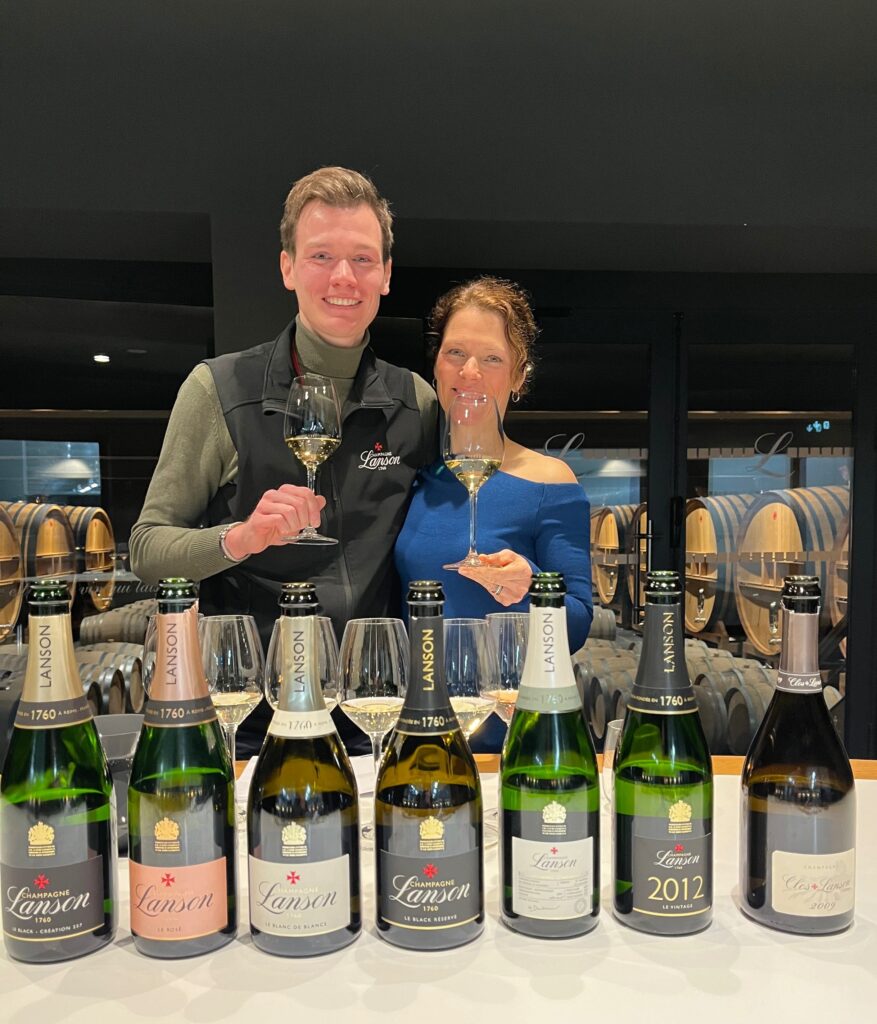
What do you get when you combine the Order of Malta + British Monarchy = one of the oldest champagne houses, Champagne Lanson 🥂Founded in 1760, Champagne Lanson is one of the oldest producers in the region, with a rich history embedded in the famous city of Reims. A few fun historical facts: 🥂The red cross in the logo comes from, Nicolas-Louis Delamotte who in 1798 took over from his father and as a knight of the Order of Malta, decided to use the Maltese Cross as the House’s emblem. As a tribute to his affiliation and the family values, Delamotte adopted the Maltese Cross as the emblem of Lanson. The Order of Malta are a historical Catholic religious order known for its humanitarian work. 🥂That same year he also formed a partnership with Jean-Baptiste Lanson, who gave the company the name of Lanson et Cie in 1837. 🥂 In the 1900s, the house became the official supplier to the British Royal court. Champagne Lanson have since gone on to sponsor Championships, Wimbledon – one of the UK’s oldest and most traditional sporting competitions – for over forty years. A stunning & extensive tasting hosted by the engaging oenologist Guillaume followed by a historical tour of the cellars and a glimpse at very special older vintages dating back to 1904 (swipe to photo)!! Their cellars were used as a refuge and church for local residents during WWII. Lanson prioritizes Pinot Noir (around 50-60% in their blends) for its structure and richness, balanced with Chardonnay (30-40%) for finesse and elegance. Some Pinot Meunier may also be included for fruitiness. They source grapes from premier and grand cru vineyards across the Champagne region, ensuring high quality fruit. Lanson uses a high proportion of reserve wines in their non-vintage blends (about 20-30% depending on the champagne), contributing to complexity and consistency. Unlike many Champagne houses, Lanson traditionally blocks malolactic fermentation. This preserves the natural acidity of the grapes, resulting in wines with a vibrant, fresh character. Lanson generally uses low levels of dosage (sugar added after secondary fermentation) for a drier, Brut style. This allows the true expression of the grape and terroir to shine through. Lanson champagnes undergo extended aging on the lees (dead yeast cells) in the bottle, adding depth and complexity of flavor. * Lanson Black Label Brut 257: Their flagship non-vintage Brut, known for its vibrancy, purity, and clean citrus notes. Lanson Rosé: A delicate and elegant rosé Champagne with aromas of red berries and a refreshing finish. Le Blanc de Blancs: Made exclusively from Chardonnay grapes, it showcases finesse and minerality. Le Black Réserve: A richer and more powerful Champagne with notes of toasted brioche and dried fruit. Le Green Bio-Organic: Made following Demeter biodynamic principles from 16 hectares of 24 parcels its fruity and mineral driven Lanson Vintage 2012: A harmonious vintage with great aromatic intensity Clos Lanson 2009: A rare and exceptional Blanc de Blancs from a single walled vineyard in Reims. Thank you so much to Guillaume and the Lanson team for their warm hospitality.
Inspiring, Exhilarating, Empowering = La Transmission Champagne
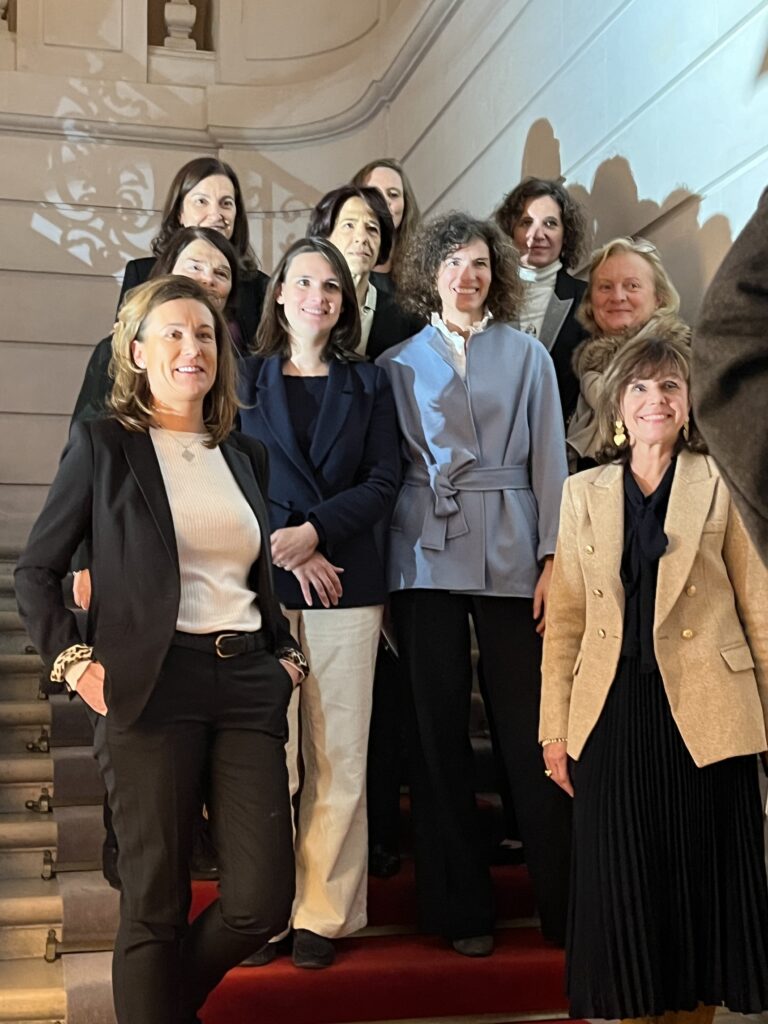
ɪɴꜱᴘɪʀɪɴɢ, ᴇxʜɪʟᴀʀᴀᴛɪɴɢ & ᴇᴍᴘᴏᴡᴇʀɪɴɢ are the words that come to mind after an incredible evening of fellowship & #champagetasting of vintage Champagne with @latransmissionchampagne at the beautifully luminous Baccarat Paris. An association of 11 #womensupportingwomen in Champagne who represent above all DIVERSITY – covering all the regions of Champagne, with positions of decision-making, management, or owners in the field of Champagne, their common love of Champagne and you have the magic trifecta. They support each other through their experiences, lifting each other (and others) up one bubble at a time. Founders @annemalassagne @maggiehenriquezs at the time were in charge of @arlenoble and @krugchampagne are now honorary members. Maggie’s goal as the new the president of Baccarat is to create the perfect champagne glass 🥂 The 9 other members of the group are: Evelyne @champagneboizel, Delphine @champagne_cazals, Nathalie @besseratdebellefon, Charline @champagnedrappier, Chantal @champagnephilippegonet, Alice @champagnebrunopaillard, Vitalie @champagnetaittinger, Mélanie @tarlant and Angéline @champagnejlassalle I came to Paris specifically for this #womeninwine event. It was an opportunity for intimate discussions with each member and taste their vintage Champagnes that each selected specifically for the event. They further transmit their knowledge through a sensory masterclass whereby a different champagne is served in three different glasses (two Baccarat #crystal and one @lehmannreimsfrance ) in order to demonstrate the influence of how the champagne has a different expression in each glass. To accompany these exquisite #champagetasting delicious cheeses, charcuterie from @cow_fr and bread from @apollonia_poilane @poilane It was an evening that greatly surpassed my expectations. I am still floating on a champagne cloud. The members of this group, above all, are women – supportive, kind and full of Champagne passion. It was the type of night I didn’t want to end. As the photos show, our smiling faces say it all. Thank you so much to each and every member for this unforgettable evening.
The Magic of Champagne Piot-Sevillano
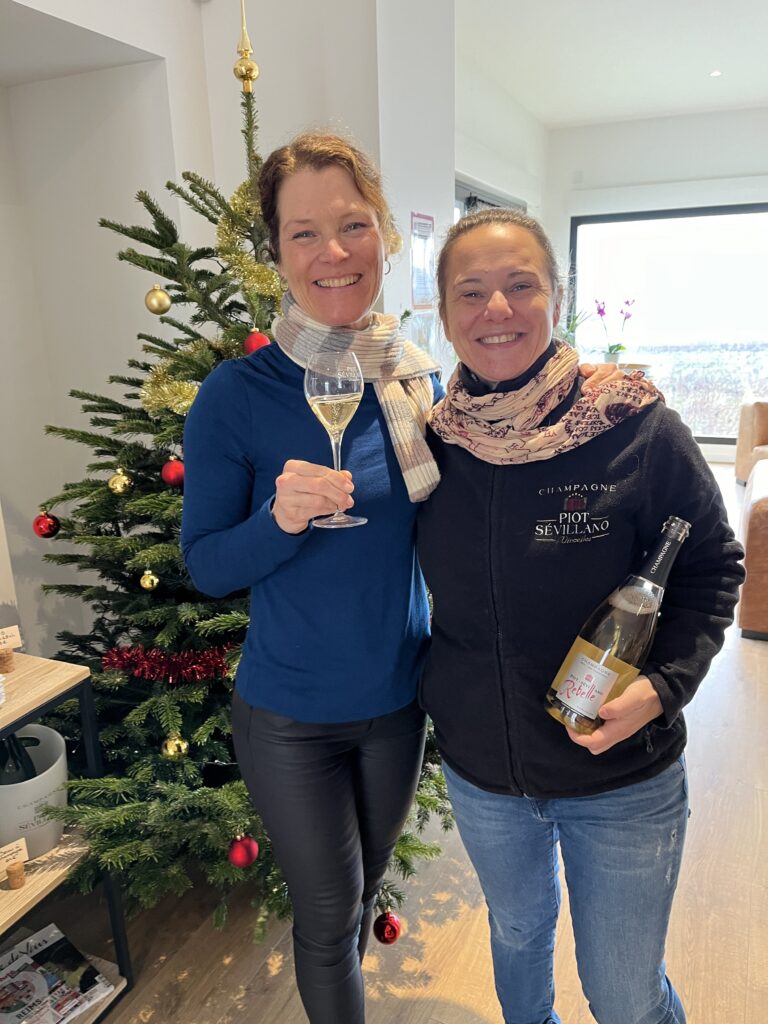
𝒲𝒽𝑒𝓇𝑒 𝓉𝒽𝑒 𝓂𝒶𝑔𝒾𝒸 𝒽𝒶𝓅𝓅𝑒𝓃𝓈….. My first stop last week in Champagne was to visit 10th generation grower producer of Champagne Piot Sevillano. I was introduced to Christine by my BBB, at #wineparis this past spring. I was already a great admirer of her and her Champagnes post meet. You can imagine my excitement as a wine passionate lady to finally see her, as I call her mad scientist lab a.k.a. where the magic happens for her many inventive cuvées. At every turn her creativity shines from the 11 years of Meunier solera dating back to 2011 in a 30hL foudre + the big mama 41 hL red enamel tanks with her reserve wine. , the concrete eggs, the amphorae and Her first order of business when she took over the family business was to convert the 8 hectares in Vincelles , Vallée de la Marne, to organic which took close to a decade. As you can imagine it which was a huge undertaking which even meant her losing her entire crop of the disastrous vintage in 2021. Meunier reins supreme in this region with 70% of her plantings being Meunier, 15% each Pinot Noir and Chardonnay. She has 16 cuvées in 4 champagne ranges, 3 coteaux Champenois (all 100% Meunier) and soon to be released her glorious Meunier Ratafia. Her wines are as vibrant and remarkable as the woman herself, full of energy, joie de vivre and spunk. I always enjoy chatting with her and Héloïse, you pick up where you left off every single time no matter how long it’s been. That’s the warmth and welcome you get at Piot Sevillano. Stop in for a tasting of her champagne and food pairing. Your wine senses will thank you 🥂
Champagne Vincent Couche
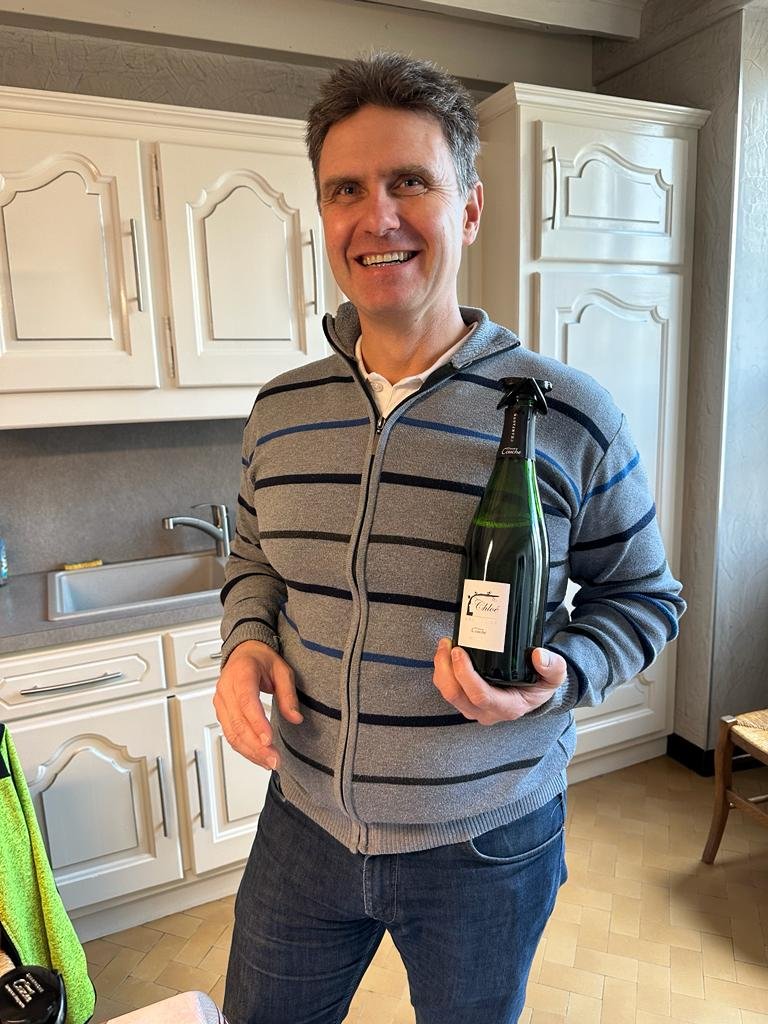
Five hours with Vincent Couche is like watching high speed traffic in a a six lane highway, going in both directions at the same time, its is quite impressive. His his mind running at maximum speed, passion for biodiversity runs at the same frequency, both in Champagne and Bourgongne winemaking. Driven by respect for nature, his focus lies in the what and how of his craft, not the validation of social media or external opinions. Once he grants you entry into his world, you’re truly in. Vincent Couche is a vigneron with a take it or leave it attitude yet humble at the same time. He is a pioneer, a highly respected winemaker known for his dedication to biodynamic and organic farming, producing highly regarded Champagnes n the Côte des Bar and wines from Burgundy. He farms 15 hectares of vineyards across two appellations: Buxeuil and Montgueux, owns a small vineyard in Chablis and Molesme, Burgundy. His winemaking knowledge comes from his mother and inherited a deep passion for natural winemaking. He is committed to sustainable viticulture and has been certified biodynamic since 2008. This means that he uses natural methods to farm his grapes, such as composting and biodynamic preparations, which he believes results in healthier grapes and wines with more character, produce healthier grapes and ultimately better wines. He purchased around his vineyards to remain wild and introduced chickens for natural fertilization. Additionally, he planted fruit trees among the vines, creating a “biodiversity highway” to encourage beneficial insects. His winemaking is also natural minimal intervention. Utilizes natural yeast for fermentation and minimal sulfur additions, allowing the unique character of the grapes to shine through. He avoids using chemical additives, filtration, or chaptalization (adding sugar) to maintain the wine’s natural integrity. He employs gravity-flow techniques to minimize manipulation and preserve the delicate qualities of the wine. Couche ages his wines for much longer than the minimum requirement, minimum of 5 years or more. This extended aging time allows the wines to develop more complex flavors and aromas. After we toured the facility, he turned to us and asked – how much time do you have? Off we went on adventure to his winery in just over the border of Côte des Bar into Burgundy. He pointed out the differences between his biodynamic vines and those in conventional methods. We tasted a number of this year’s vintage reds and whites, all true to character with his pristine linearity and quality. As we sat around the family kitchen table, we tasted a number of his cuvées and discussed with his mom how much biodynamics has evolved, how important it is to take part in this environmental movement because it is possible to make champagne biodynamically as in other regions. Chloé Brut Nature Millésime 2014 Millésime Rosé 2009 Sensation 2002 Brut Nature ADN Montgeux 2010 Spending time with Vincent Couche is a whirlwind experience, reflecting his own dynamic personality and dedication to his craft. He is a pioneer in biodynamic and natural winemaking, leaving a lasting impression with his passion, deep knowledge, and unwavering commitment to sustainability. From the bustling energy of the cellar to the insightful conversations at his family table, Vincent Couche offers a glimpse into a world where respect for nature and quality go hand-in-hand, leaving a lasting impression on anyone fortunate enough to experience it firsthand. His dedication to biodynamic principles extends beyond the borders of Champagne, solidifying his position as an “all-stars” of the grower Champagne movement.
Champagne Louis Roederer: A Legacy of Quality and Innovation
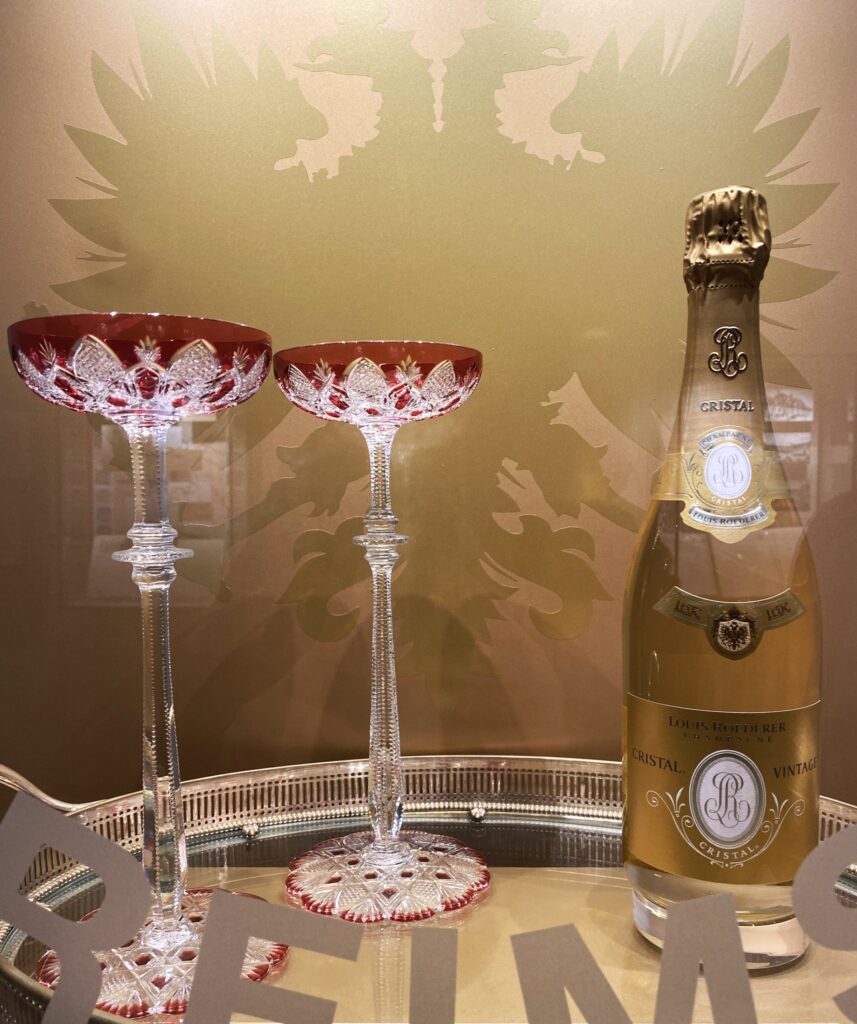
Louis Roederer: A Legacy of Innovation, Elegance, and Family Spirit Today is where we make tomorrows champagne – Jean Baptiste Lecaillon Nestled in the heart of Champagne, Louis Roederer isn’t just a prestigious name, it’s a story of innovation, family legacy, and unwavering dedication to quality. Founded in 1776, this independent powerhouse stands as a testament to generations of passionate individuals who have shaped the very essence of Champagne. Seven generations of the Rouzaud family have poured their passion into crafting exceptional Champagnes. Today, Frédéric Rouzaud leads the charge alongside legendary Chef de Cave Jean-Baptiste Lécaillon. A taste of important dates: The Roederer journey began with Louis, a visionary who dared to break the mold. In 1833, he took the reins of the then-nascent house and set his sights on owning his own vineyards. He acquired prime Grand Cru and Premier Cru plots, laying the foundation for a future rooted in exceptional terroir. The year 1876 saw the birth of a legend – Cristal. Louis Roederer II created the first Champagne cuvée de prestige, specifically for Tsar Alexander II with ultimately his safety in mind, at the time he had ten attempts on his life. He purposely designed the bottle in such a way, first of all made out of clear crystal (hence the name) so that poison could visible in the bottle and second, the flat bottom to prohibit any explosives, knives in the butt of a champagne bottle and lastly as the ultimate luxury of a bottle made out of crystal. This cuvée comes from the estate’s best vine parcels, the oldest being 52 years old. Léon Olry-Roederer develops in the 1920s the concept of a consistent non-vintage champagne, leading to the creation of Carte Blanche, a blend of several vintages showcasing Roederer’s mastery of blending and balance. Camille Olry-Roederer, a force of nature in her own right, took the helm in 1932 upon the death of her husband Léon. During times of war and economic turmoil, she championed the glamour of Roederer, propelling Cristal into the realm of high society and reviving the brand’s image. Her legacy is one of unwavering spirit and a testament to the power of family in preserving a legacy lives on with her first released in 1975, an exclusive Blanc de Blancs cuvée, a quintessential expression of Avize terroir. It was originally made for family consumption. J’aime bien provoquer et pas croire parce que toute le monde fait, que c’est la seule façon de faire. Il y a une façon de faire. Il y a une façon élégante et laborieuse d’avoir le résultat – Jean-Baptiste Lecaillon Enter Jean-Baptiste Lécaillon, appointed Chef de Cave at the young age of 33. He brought with him a wave of dynamism and a passion for pushing boundaries. Lécaillon’s contributions are manifold: Elevating Cristal: He refined this iconic champagne, amplifying its finesse and elegance while preserving its distinct character. Championing Biodynamics: He spearheaded Roederer’s transition towards biodynamic in 2006 with a collaboration with Philippe Stark. They launched a Brut Nature, a zero-dosage pioneering biodynamic and organic viticulture and embraces climate change. and organic viticulture, ensuring the health and quality of their grapes. A Holistic Approach: Lécaillon’s vision extends beyond the final product. He focuses on the entire ecosystem, from sustainable vineyard practices to meticulous winemaking. A Global Perspective: His experiences in California and Tasmania shaped his understanding of terroir, adding depth and complexity to Roederer’s wines. Today, Louis Roederer stands at a crossroads of tradition and innovation. With Frédéric Rouzaud at the helm and Lécaillon’s legacy as a guiding force, the future is brimming with possibilities. Roederer continues to push the boundaries of Champagne, crafting exceptional wines that reflect the elegance, complexity, and pioneering spirit of this remarkable family-owned house. They own an astounding 242 hectares of vineyards (350 parcels approximately) many in chalk rich Grand Cru villages covering two-thirds of their grape requirements (70% while 30% is purchased from growers but they press the parcels themselves). Roederer have become pioneers in biodynamic farming & by 2012 all 78 hectares the “Cristal Estates” are farmed using biodynamic methods. By 2021 Roederer have 115 hectares certified organic. All the grapes in Cristal & other vintage cuvee’s come from their own vineyards. The estate is made up of 410 plots which are fermented separately in one of the 450 stainless steel tanks in their Reims cellars. They have three pressers, in Ay, Avize and Verzenay allowing for immediate pressing to the parcels that are nearby and retain the grapes freshness. Louis Roederer: Where Hospitality Meets Exquisite Bubbles The moment I stepped into the main hallway of Louis Roederer, I was captivated. Stunning artwork representing the Champagne region lined the walls, setting the stage for an unforgettable experience. But it was the warmth and genuine hospitality of the entire team that truly impressed me. Every single person I encountered greeted us with a friendly hello and a smile, making me feel instantly welcome. My visit included an immersion into the illustrious history of the house with Aida Dudas, whose infectious enthusiasm and wealth of knowledge brought the past to life. Stepping into the cellars, I was instantly transported through time. Artwork whispered tales of bygone eras, memorabilia danced with ghosts of laughter and tears, and the very essence of time travel shimmered in the dusty air. These cellars, dating back to 1860 and repurposed as a WWII refuge, were not merely storage spaces; they were living libraries, their walls inscribed with novels of moments and memories. The history, the people, the energy – every brick resonated with stories waiting to be unraveled. It was sensory overload in the best possible way, and I could have spent hours soaking it all in (if the pesky character limit hadn’t loomed!). Later, cellar master Jean-Baptiste Lecaillon led us on a tasting and discussion, showcasing his passion for pushing boundaries while honoring Louis Roederer’s rich heritage and iconic elegance. His dedication to biodynamics and continuous pursuit of excellence were truly inspiring. Each sip